
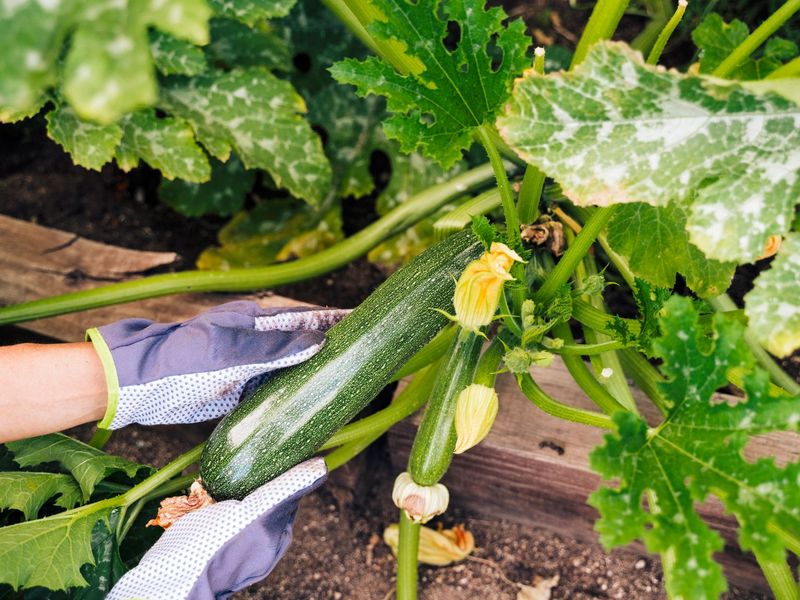
Your zucchini plant looks fantastic from a distance, sprawling and leafy like something out of a seed catalog, but there is not a single zucchini in sight. This is one of the most frustrating puzzles in the summer vegetable garden, and it happens to a lot of home gardeners once temperatures climb. The good news is that a few targeted checks can usually point you toward what is going on. Heat, fertilizer history, watering habits, and the type of flowers the plant is actually producing all play a role, and sorting out which factor matters most in your garden is the real starting point.
Inspect the flowers before diagnosing the plant
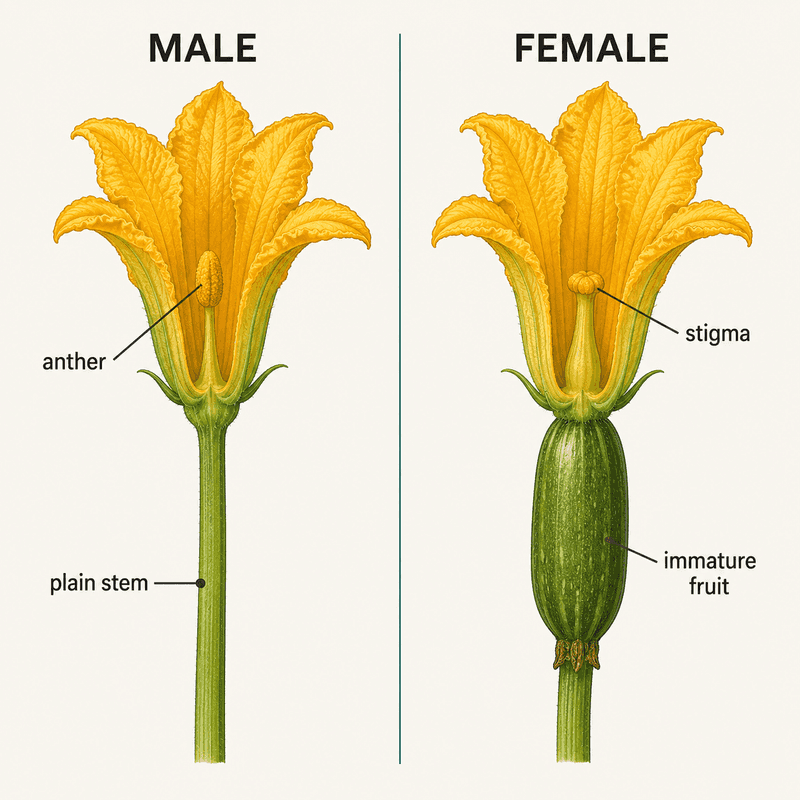
Zucchini is what botanists call monoecious, meaning one plant produces two distinct flower types on separate stems. Male flowers grow on long, slender stalks, while female flowers carry a swollen base that looks like a tiny zucchini sitting just behind the petals. Only that female flower can develop into the fruit you are waiting to harvest, so telling the two apart is the first practical step before drawing any conclusions about what has gone wrong.
UNH Extension’s guide to zucchini flowering explains that young plants routinely open male flowers first, sometimes for a week or two, before any female flowers appear. That early stretch with only male flowers is a normal part of plant development, not a sign of disease or failure. Patience through that phase is usually all that is needed.
The situation becomes worth investigating when a plant that has been in the ground for several weeks, and is clearly mature and vigorous, continues to produce only male flowers during a stretch of hot weather. At that point, flower type is confirmed, plant age is ruled out, and the investigation can move toward heat, nutrition, and moisture as possible contributors rather than jumping straight to pollination as the explanation.
Sustained heat can reduce female flowers
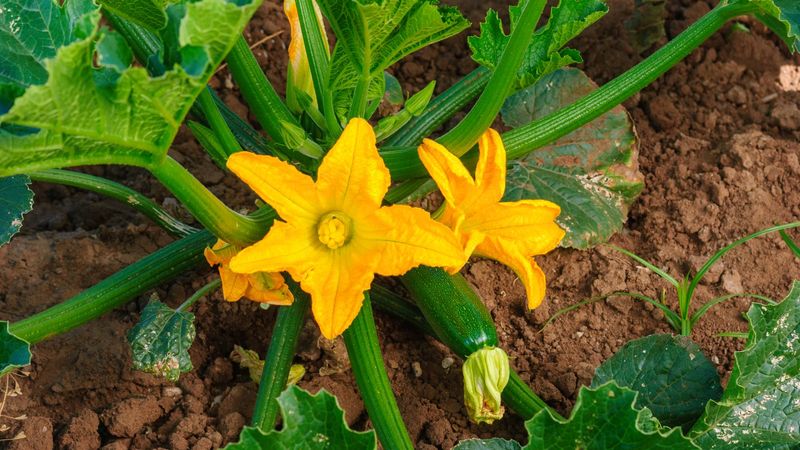
When a mature zucchini plant keeps churning out male flowers but no female flowers appear during a heat wave, sustained high temperatures are a reasonable place to look first. A controlled study of zucchini plants found that constant 30 degrees Celsius conditions day and night significantly reduced the proportion of female flowers and inhibited fruit setting compared with cooler growing conditions. That finding highlights nighttime temperature as a particularly important variable, not just the afternoon high.
Extension guidance from the University of Minnesota describes a similar pattern: daytime temperatures above roughly 90 degrees Fahrenheit and nighttime temperatures above roughly 70 degrees Fahrenheit are associated with a more male-heavy flower pattern in summer squash. These figures are practical benchmarks rather than a biological switch that flips at an exact number. Cultivar, plant age, day length, humidity, and soil moisture all influence how a specific plant responds, so some gardens will see the shift earlier or later than those numbers suggest.
An important clarification worth making here: heat can push the plant toward producing fewer female flowers, but it does not cause the large, lush leaves that often accompany the problem. Vigorous foliage and reduced female-flower production are separate observations that may have separate causes. Treating them as one combined symptom of heat alone can lead to an incomplete diagnosis and missed fixes.
Treat huge leaves as a clue, not a verdict
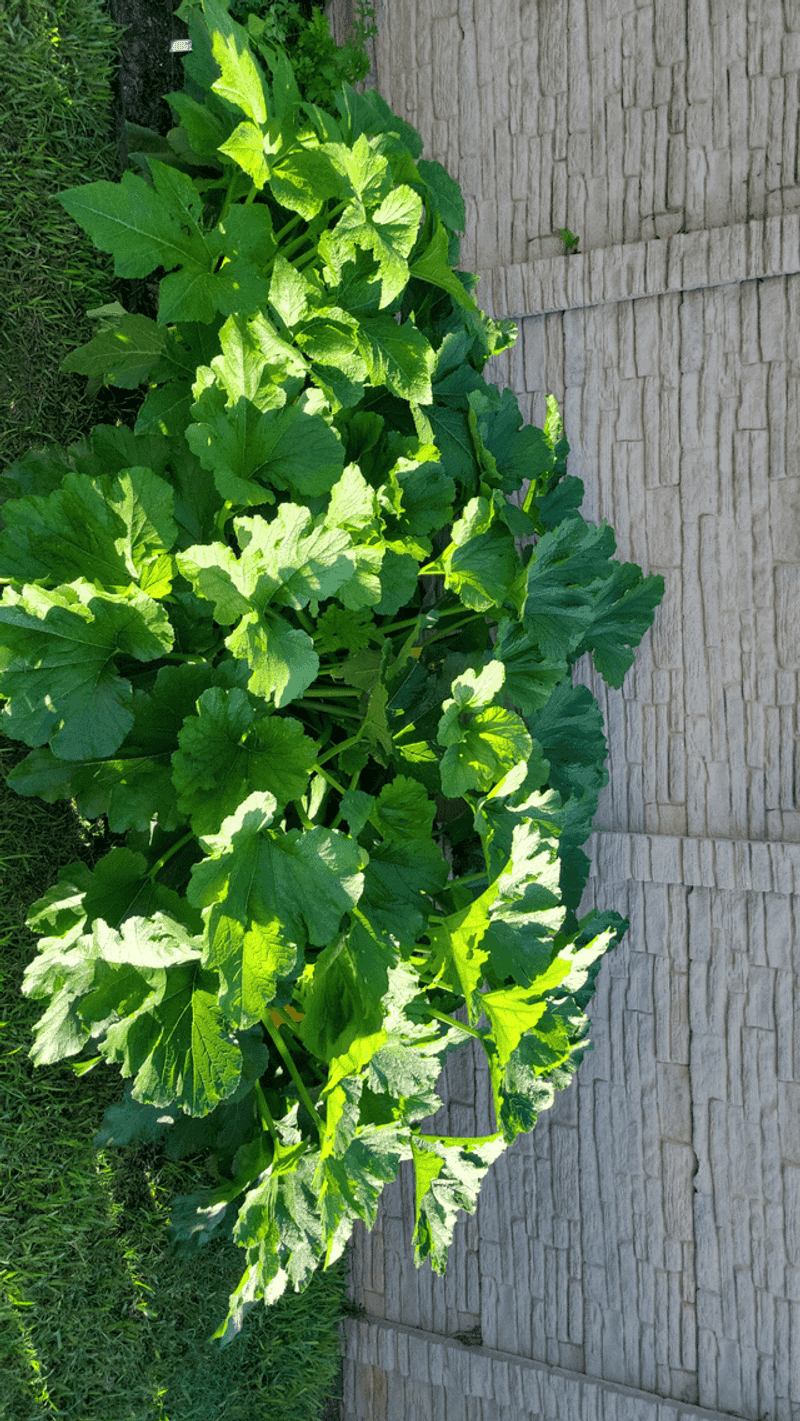
A zucchini canopy full of oversized, deep-green leaves can look impressive, but it can also be a clue worth following up. Repeated applications of high-nitrogen fertilizer, fresh manure, composted poultry litter, lawn fertilizer, or any product marketed for growth and green color can push a plant toward producing more foliage while delaying the shift to flowering and fruiting. UC IPM’s overview of nitrogen excess notes that too much available nitrogen redirects plant energy into vegetative growth at the expense of reproductive development.
The qualification matters, though. Zucchini naturally produces large leaves, and a healthy plant growing in fertile soil with adequate moisture can look extremely lush without any fertilizer problem at all. Vigorous foliage becomes a more meaningful clue when the leaves are unusually dark, thick, and waxy, flowering is delayed well past the normal maturity window, and the garden has received repeated nitrogen inputs during the season. Oklahoma State Extension’s squash production guide supports a cautious approach to fertilizing squash once plants are established.
When that combination of signs is present, pausing additional nitrogen applications is a reasonable step. A soil test is the most reliable way to confirm whether nitrogen is actually excessive before adding anything else. Adding bloom fertilizer or extra phosphorus to force female flowers is not supported by the available research and risks worsening any existing nutrient imbalance rather than correcting it.
Stabilize soil moisture during hot weather
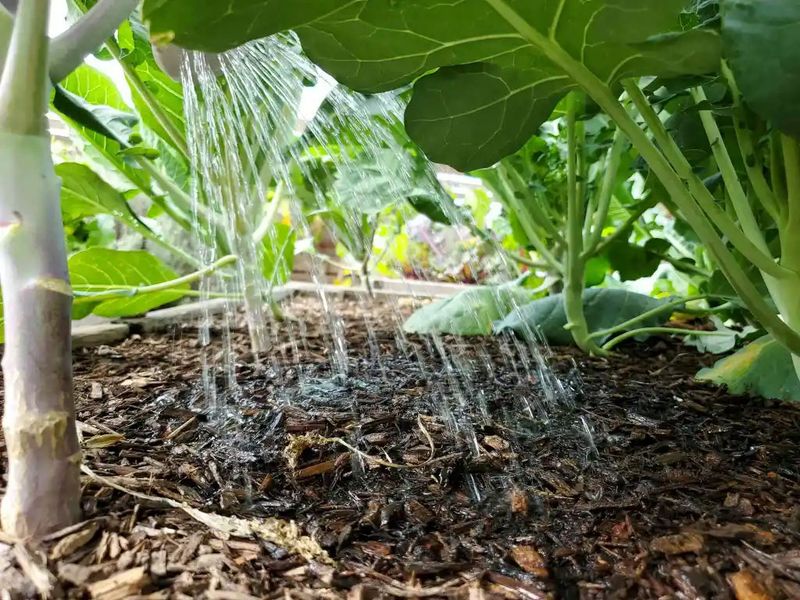
Consistent soil moisture is one of the more straightforward adjustments a gardener can make during a stretch of hot weather, and it supports the plant through multiple kinds of stress at once. University of Minnesota Extension’s guide to growing summer squash and zucchini recommends approximately one inch of water per week for vine crops during the growing season, with more frequent watering for plants in sandy soil or containers where moisture drains faster. That figure is a useful starting point, not a rigid schedule that ignores actual weather conditions.
Checking soil moisture a few inches below the surface before watering gives a more accurate picture than relying on a calendar. When the soil feels dry at that depth, water deeply and at the soil surface rather than relying on frequent light sprinkles. Shallow, repeated watering encourages roots to stay near the surface where they are more vulnerable to heat and drying. Wetting the leaves or misting the flowers is not a useful substitute and can increase disease risk during warm, humid conditions.
A layer of mulch around the base of the plant, kept a few inches away from the stem itself, can slow evaporation and help moderate soil temperature during the hottest part of the day. University of Delaware Cooperative Extension’s heat-stress guidance supports mulching as a practical way to reduce soil temperature fluctuations and moisture loss. Chronically saturated soil is a separate problem that can damage roots and promote disease, so good drainage remains important even when the goal is keeping moisture more consistent.
Use temporary shade as an optional heat experiment
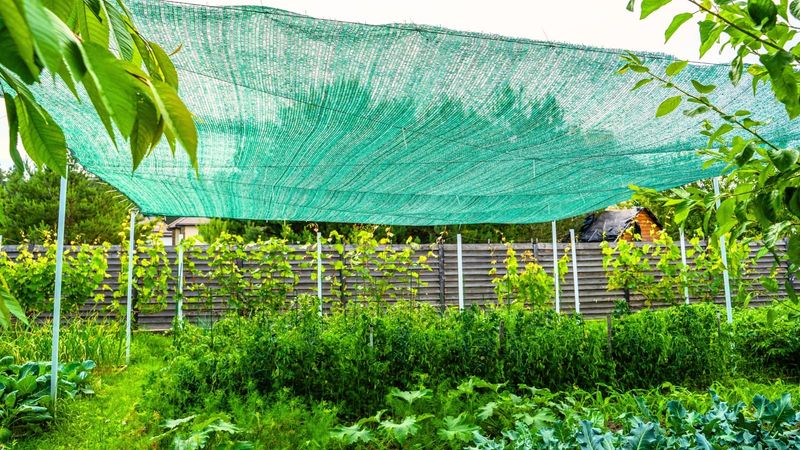
Temporary afternoon shade is one option for reducing peak heat stress during the hottest days of summer, though it works better as a low-cost experiment than as a standard step every zucchini grower needs to take. Utah State University Extension’s season-extension guidance and similar resources from other cooperative extension programs describe shade cloth and row covers as tools for moderating extreme conditions in vegetable gardens, with the caveat that the research behind these recommendations comes largely from broader vegetable-production contexts rather than controlled home-garden zucchini trials specifically.
If you decide to try it, a light shade cloth placed to block the most intense afternoon sun, while still allowing morning light and good airflow around the plant, is a safer approach than heavy or all-day shading. Zucchini needs substantial light to produce and sustain flowers, so reducing that light too aggressively can create a different problem. Keeping the cloth removable means you can take it down when temperatures moderate or when you want to compare flowering before and after.
Watching whether female-flower production changes as temperatures cool, either with or without shade, gives you real information about whether heat was a primary factor in your specific garden. Improvement after a cooler stretch is a useful data point, but it does not prove that shade alone was responsible. Multiple conditions often shift at the same time, so the observation should inform rather than settle the diagnosis.
Pollinate only after a female flower appears
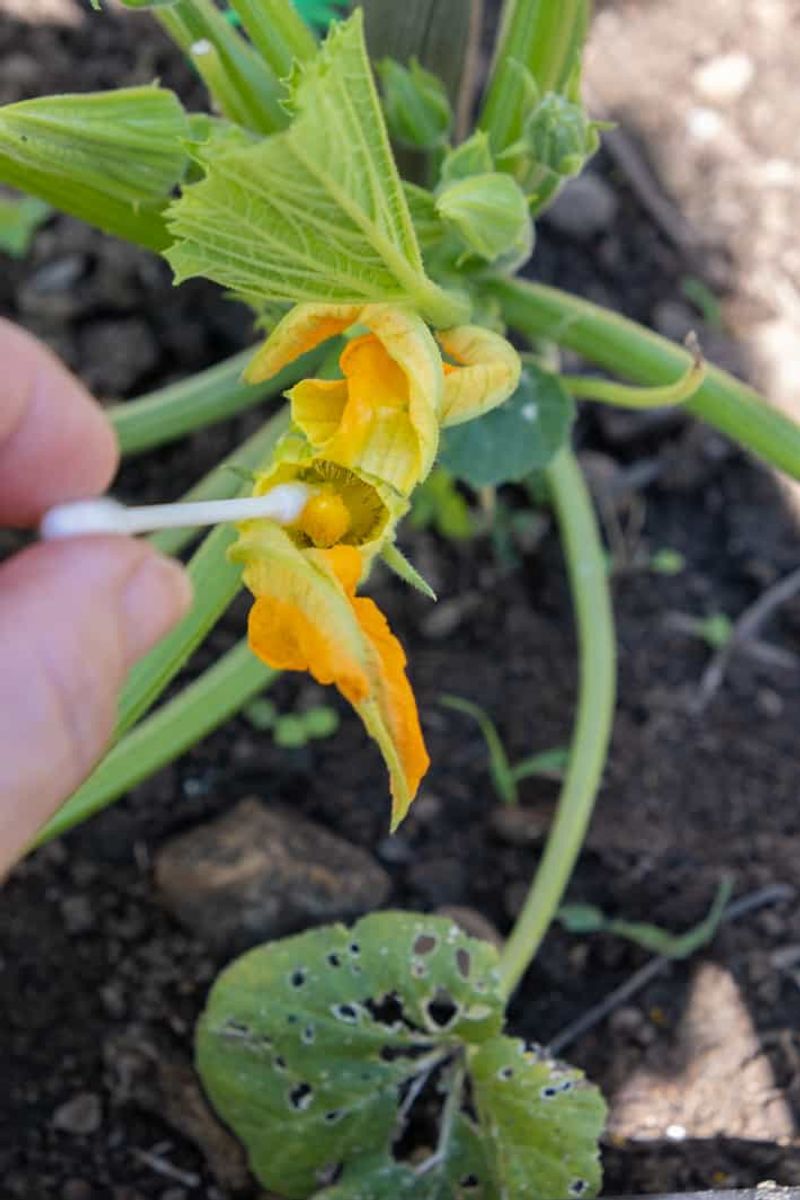
Hand-pollination is a genuinely useful technique, but its role in this situation is narrower than many gardeners assume. It can improve fruit set after a female flower has opened, but it cannot create female flowers where none exist. A plant that has produced no female flowers at all is facing a flower-development problem, not a pollination problem, and addressing it requires looking at heat, plant maturity, moisture, and nutrition rather than reaching for a paintbrush.
High temperatures can reduce bee activity and cause flowers or young fruits to abort even when female flowers are present. University of Maryland Extension’s pollination guidance notes that extreme weather affects both pollinator behavior and the plant’s ability to hold developing fruit. Oregon State Extension’s squash-bee resource highlights that squash depends heavily on native bees, including specialist squash bees, for effective pollination under normal conditions.
When a female flower does open, morning is the right time to act. Squash flowers are short-lived and often close by late morning or midday, so waiting until afternoon usually means missing the window. Use a freshly opened male flower, peel back its petals, and press the pollen-covered center gently against the stigma inside the female flower. A small, clean brush works just as well for transferring pollen if you prefer not to use the whole flower.
UF/IFAS pollination guidance and EDIS pollinator research both support avoiding insecticide applications during bloom whenever possible, since pesticide exposure can reduce the pollinator activity the plant depends on for normal fruit set.
Match the symptom to the next step
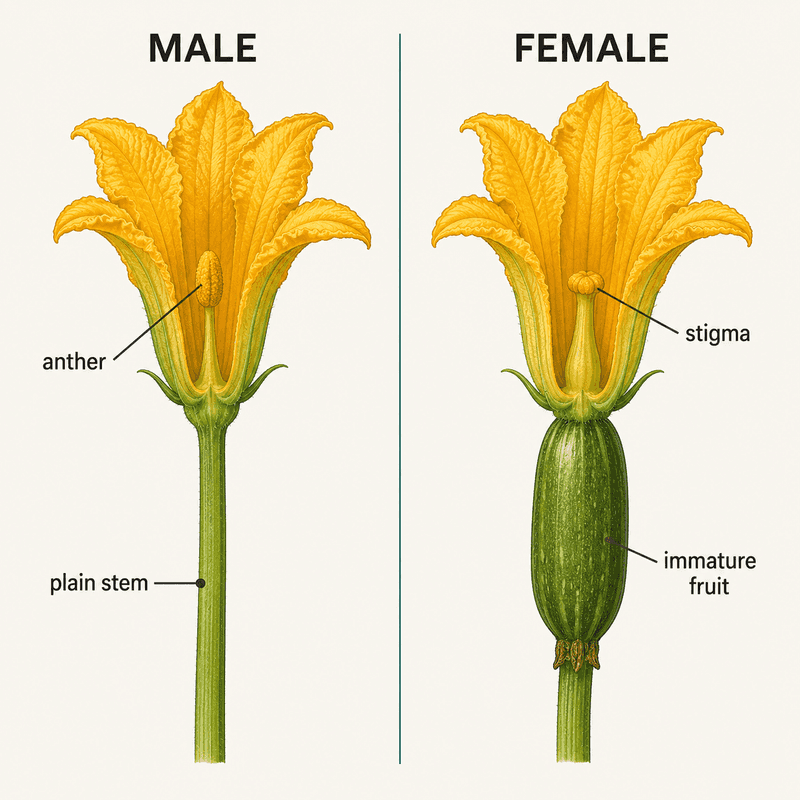
Sorting out what is actually happening with your plant is more useful than applying every possible fix at once. A mature plant producing no female flowers at all points first toward sustained heat, especially hot nights, plant maturity, uneven moisture, and possible nitrogen excess. UC Agriculture and Natural Resources summer squash guidance and UMD Extension pollination resources both frame flower-sex expression and fruit set as processes shaped by multiple interacting factors, not a single switch.
Female flowers that open and then shrivel or drop without developing into fruit suggest a different set of possibilities. Inadequate pollination is a common explanation when bees are scarce, but heat, drought, disease, and other environmental stresses can also cause flower or young-fruit abortion. Small fruits that start to develop but end up misshapen are a strong signal of incomplete pollination, where too few pollen grains reached the stigma to trigger even development across the fruit.
A practical action sequence for most situations looks like this: stop unnecessary nitrogen if fertilizer history suggests possible excess, stabilize soil moisture with deep and consistent watering, reduce peak afternoon heat stress where feasible using mulch or temporary shade, and then monitor closely for female flowers. UC IPM nitrogen-excess guidance and UMN Extension squash care recommendations support this measured approach. Hand-pollinate only after a female flower is confirmed open and fresh. The real lesson here is that zucchini fruit-set problems in summer heat almost always involve more than one contributing factor, and matching your response to the specific symptom you are seeing is what moves the plant forward.