
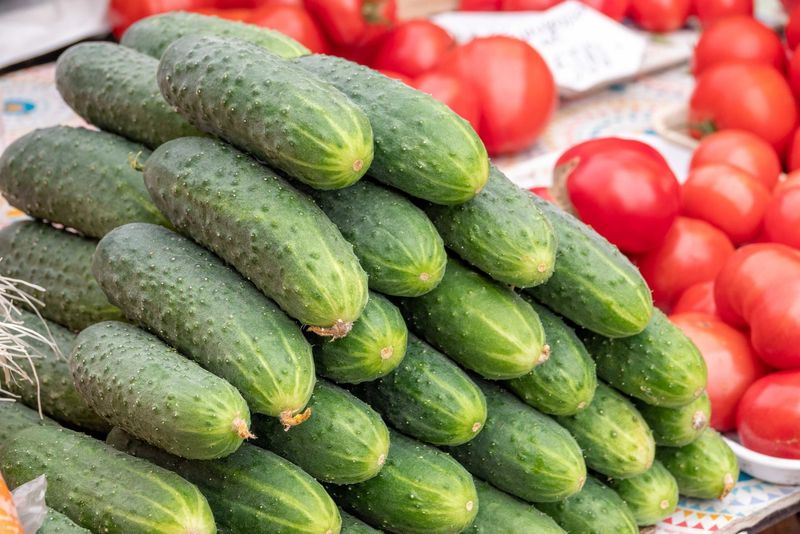
Biting into a cucumber you grew yourself and getting a mouthful of bitterness is genuinely frustrating, especially in the middle of summer when your plants look otherwise healthy. The good news is that bitter flavor and tough texture in cucumbers often have identifiable causes you can address without starting over. Understanding what is actually behind each symptom helps you make the right fix instead of guessing.
Bitter Flavor and Tough Texture Point to Different Problems
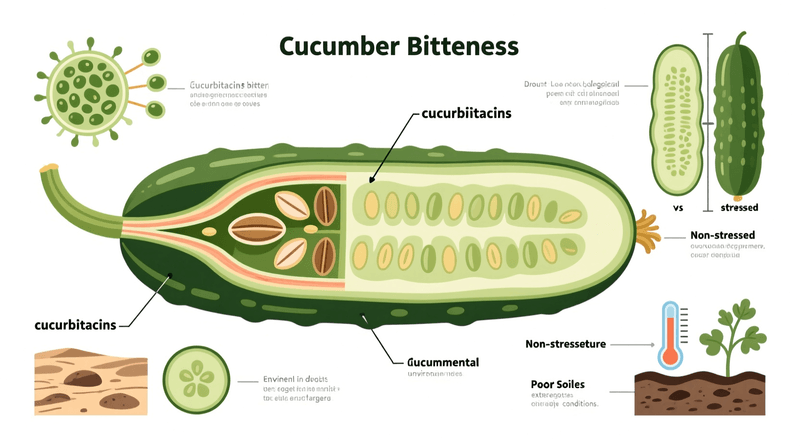
Bitterness and tough texture feel like the same complaint when you are standing in the garden holding a cucumber that disappointed you, but they tend to come from different places. Bitterness in cucumbers is linked to environmental stress, including drought or fluctuating soil moisture, as well as cultivar genetics, low fertility, soil pH, pest pressure, and disease. Tough texture is more directly associated with overmaturity, tough seeds, dulling or color change, and delayed harvest rather than with watering alone.
According to Utah State University Extension guidance on growing cucumbers, inconsistent moisture is a recognized contributor to reduced fruit quality, but it is not the only explanation for every problem you find at harvest. One cucumber can certainly show both bitterness and a firm or tough end at the same time, but that does not mean both symptoms share a single cause.
Recognizing which symptom you are actually dealing with matters because the correction is different for each. Iowa State University Extension notes that cucurbitacins produce the bitter flavor, while tough seeds and overmaturity drive texture problems. Penn State Extension reinforces that produce quality declines when harvest is delayed past the right stage, pointing to timing as a key variable separate from irrigation decisions.
Moisture Swings Can Raise Bitterness During Fruit Development
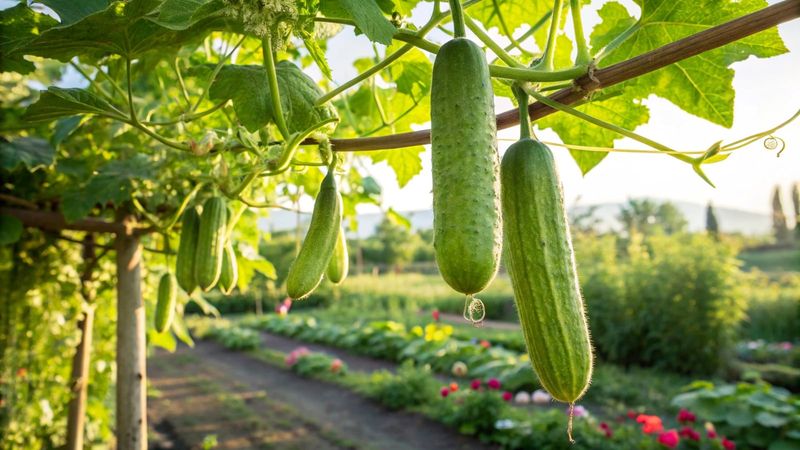
Cucumbers taste bitter because of compounds called cucurbitacins. Cucurbitacin C is the primary one in cucumber fruit, and its presence in the plant is shaped by both genetics and the growing environment. When plants experience stress, cucurbitacin levels can rise, which is why a cucumber from the same vine can taste fine one week and noticeably bitter the next.
The pattern that extension services flag most often is the dry-then-flooded cycle. Soil dries out between waterings, the plant experiences drought stress, and then a heavy watering follows. Utah State University Extension connects this kind of fluctuating moisture with increased bitterness and poorer fruit quality, particularly while plants are flowering and setting fruit. That window is when steady soil conditions matter most.
Heat adds to the picture, but it does not explain everything on its own. University of Minnesota Extension notes that stress from multiple sources, including heat, moisture swings, low fertility, and soil pH, can all influence how much cucurbitacin ends up in the fruit. Research published in Nature Genetics on the regulation of bitterness in cucumber confirms that genetic factors control cucurbitacin biosynthesis, which means cultivar choice also plays a real role. Alabama Cooperative Extension similarly points out that variety, heat, and water stress interact rather than any single factor acting alone.
Use Soil Checks Instead of Calendar Watering in Hot Weather
The most practical shift you can make during a hot stretch is to stop watering by the calendar and start checking the soil first. Cucumber leaves can wilt on a hot afternoon even when the root zone still holds adequate moisture, so leaf droop alone is not a reliable signal that your plants need water. University of Minnesota Extension heat-garden guidance specifically advises checking soil conditions before irrigating rather than reacting to temporary heat wilt.
A general starting range for home gardens is about 1 to 2 inches of water per week, but that number is a planning reference, not a fixed rule. Utah State University Extension water recommendations for vegetables make clear that plant size, fruit production stage, air temperature, rainfall, and soil type all change how much water your cucumbers actually need. Sandy soil drains faster and typically requires more frequent irrigation than moisture-retaining clay or loam, and containers dry out faster than in-ground beds.
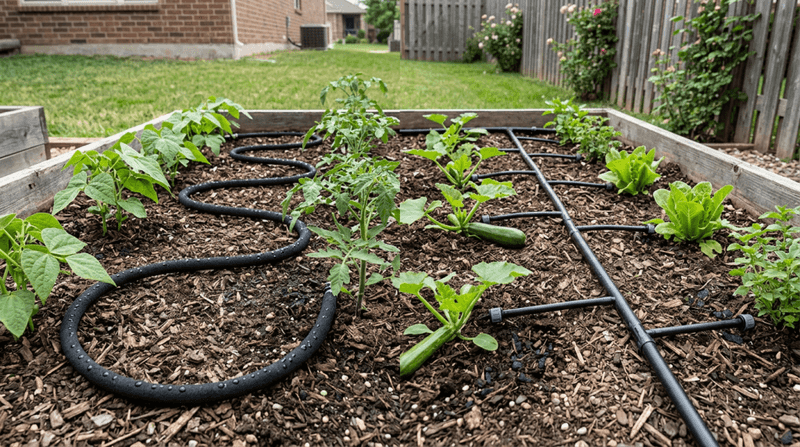
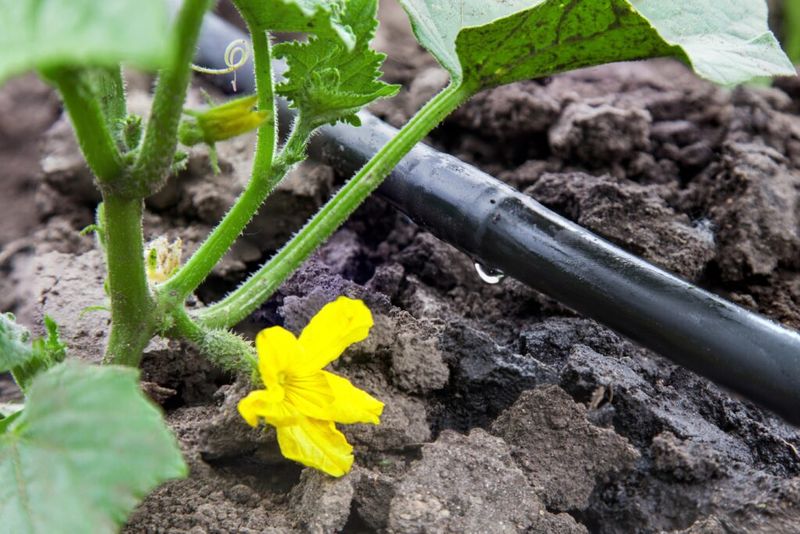
When you do water, the goal is to moisten the full root zone rather than applying a shallow sprinkle that evaporates before it reaches the roots. Utah State University cucurbit irrigation guidance defines the correct target as evenly moist, well-drained soil, not constant saturation. Drip lines or soaker hoses deliver water slowly near the root zone, which reduces runoff and keeps moisture more consistent between sessions. A 2- to 3-inch layer of straw or wood-chip mulch around the base of the plant slows evaporation and buffers the soil against the temperature swings that push cucumber plants toward stress.
Harvest Early and Often to Prevent Tough Texture
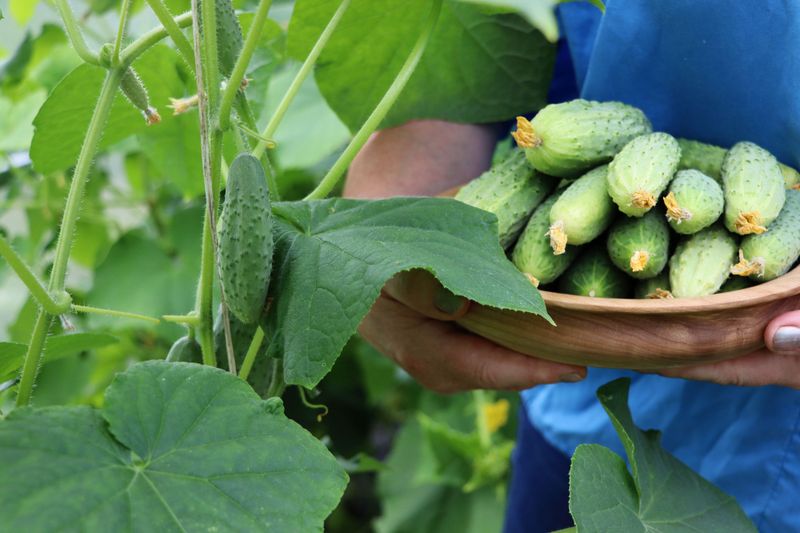
Watering changes alone will not solve tough texture if the real problem is a cucumber that stayed on the vine too long. Fruit that is allowed to grow oversized, turn yellow, or develop a dull skin color has typically moved past its best harvest window. At that stage, the seeds inside harden and the flesh loses the tender quality that makes a fresh cucumber worth eating.
University of Georgia Cooperative Extension recommends harvesting cucumbers while they are still slender, immature, and firm, picking every other day or several times per week during peak production. Letting even one fruit go overlarge signals the plant to slow down new fruit development, so frequent picking serves double duty: it keeps texture quality high and encourages continued production.
When a cucumber feels firm or resistant at one end, check its color and size before adjusting your irrigation. If the fruit has yellowed, grown unusually large, or developed a waxy or dull surface, overmaturity is the more likely explanation. Iowa State University Extension notes that tough seeds are a documented marker of overmaturity rather than a watering problem, and that observation can save you from over-irrigating in response to a harvest-timing issue.
Fruit Shape and End Appearance Can Reveal Another Cause
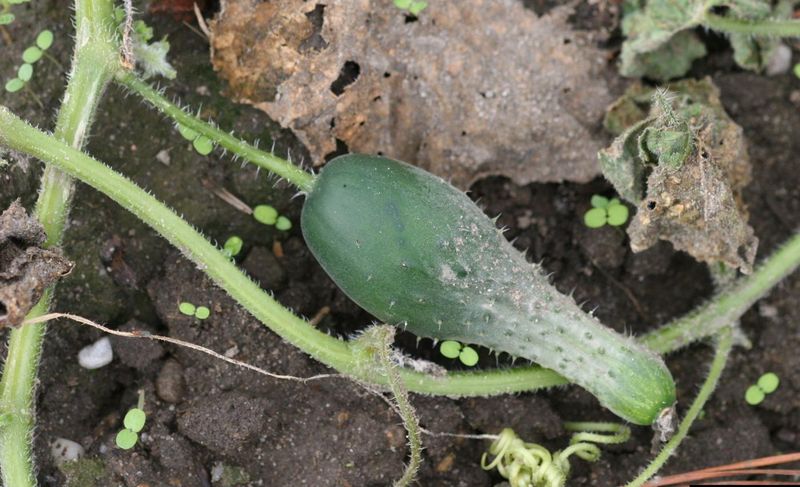
Not every odd-looking cucumber end points to a watering problem. Water stress can accompany pointed or misshapen fruit, but uneven shapes may also result from incomplete pollination, which can become more likely when extreme heat reduces bee activity and fruit set. University of Minnesota Extension guidance on excessive heat in the vegetable garden explains that temperatures at or above 90 degrees Fahrenheit can reduce bee foraging and disrupt fruit set, leaving some fruits misshapen or underdeveloped regardless of soil moisture.
Pointed ends and irregular curves are worth noting, but they are not always urgent. A cucumber that is slightly tapered or curved but otherwise firm and green is usually still edible. The visual detail that warrants a different diagnosis entirely is a dark, sunken, leathery, or water-soaked patch at the blossom or stem end. Those appearances are associated with disorders like blossom-end rot or belly rot, not with ordinary bitter tissue from moisture swings.
Utah State University Extension on blossom-end rot describes these lesions as a distinct fruit disorder that should be treated separately from flavor or texture complaints. If you see that kind of discoloration, the fix is not simply adjusting your watering schedule. Review soil calcium availability, drainage, and whether roots have been disturbed, and compare that picture to what USU Extension cucumber guidance recommends for overall fruit development before drawing a conclusion.
Build a Routine That Protects the Next Harvest
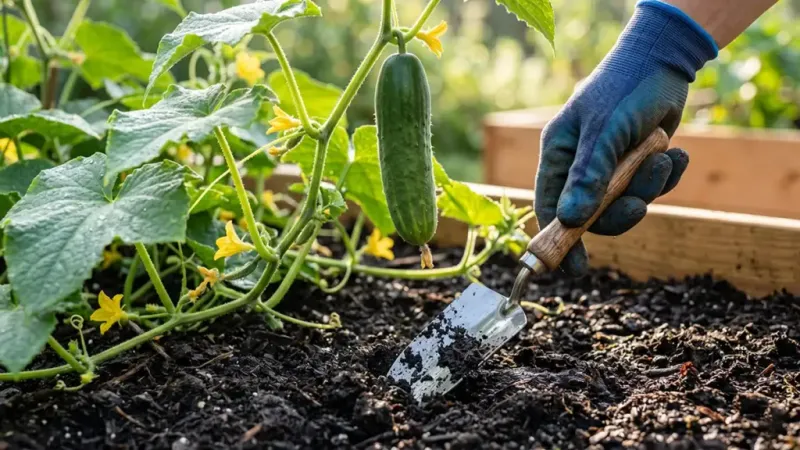
Putting the diagnosis into action means building a short routine rather than reacting to each problem cucumber after the fact. Check root-zone moisture before watering by pressing a finger or a small trowel a few inches into the soil near the plant base. Water when the top inch or two feels dry, and water deeply enough to reach the roots rather than applying a light surface rinse. Use mulch and drip or soaker irrigation where you can to reduce the dry-then-wet swings that contribute to bitterness.
Pick fruit consistently, at least every other day during peak season, and pull any cucumber that has gone yellow or oversized even if you do not plan to eat it. If bitterness has been a recurring problem across multiple seasons, consider switching to a cultivar described as low-bitterness or bitter-free. University of Minnesota Extension notes that cucurbitacin production is genetically regulated, so variety selection can lower the baseline risk, though it does not make plants immune to stress-related quality problems.
For a cucumber that tastes only mildly bitter, peeling and trimming the affected end may remove some of the concentrated bitter tissue, since cucurbitacins tend to sit near the skin and toward one end of the fruit. Iowa State University Extension presents this as a quality workaround rather than a guaranteed fix. Discard any cucumber that tastes unusually or intensely bitter rather than trying to salvage it by peeling. Hong Kong Centre for Food Safety guidance on cucurbit bitterness confirms that high cucurbitacin levels can cause nausea, abdominal pain, and vomiting.
In the United States, suspected poisoning from a cucurbit fruit can be reported to Poison Control at 1-800-222-1222. One more thing to cross off your list: ordinary cross-pollination with squash, melons, or watermelons growing nearby does not make your current cucumber fruit bitter.
Aim for Even Moisture, Not a Saturated Bed
Preventing severe dry-downs and sudden flooding during hot fruit production is a sensible first correction when cucumbers turn bitter or misshapen, but it does not diagnose every problem or reliably explain tough ends on its own. Pair consistent moisture management with timely harvesting and a symptom-by-symptom look at each fruit before changing your irrigation approach. Utah State University Extension and USU cucurbit irrigation guidance both frame the goal as evenly moist, well-drained soil rather than a rigid schedule or a constantly saturated bed.
The gardener who gets the most consistent cucumbers tends to be the one who checks the soil, picks fruit on time, and adjusts for the weather rather than following a fixed routine. Keeping roots evenly supplied and the harvest basket moving is a more reliable system than any single habit.