
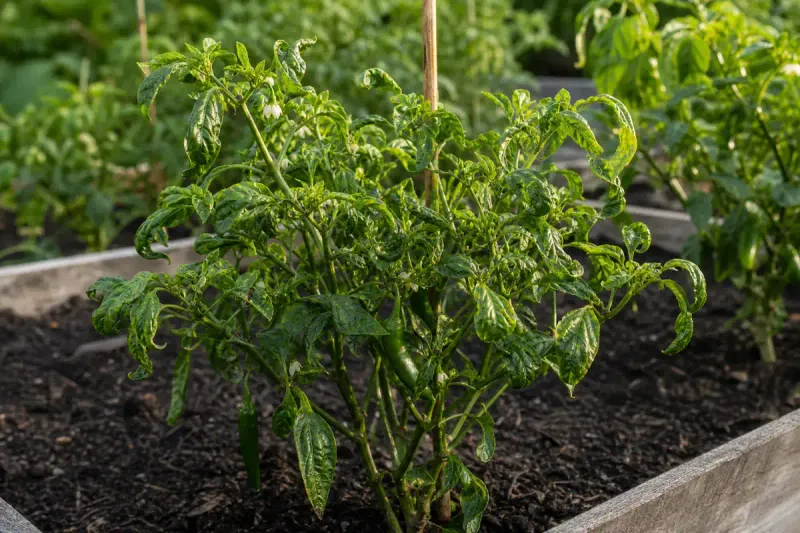
Pepper plants have a way of sending gardeners into a panic when their leaves start to curl or cup upward on a sweltering afternoon. Before you start hunting for bugs or reaching for a spray bottle, the answer may be hiding in the soil a few inches below the surface. Heat and uneven watering are credible first suspects, but they are not the only explanation, and the fix depends on what you actually find when you check. Working through a quick diagnosis can save your peppers and spare you from treatments that make things worse.
Heat and uneven moisture offer a sensible first check
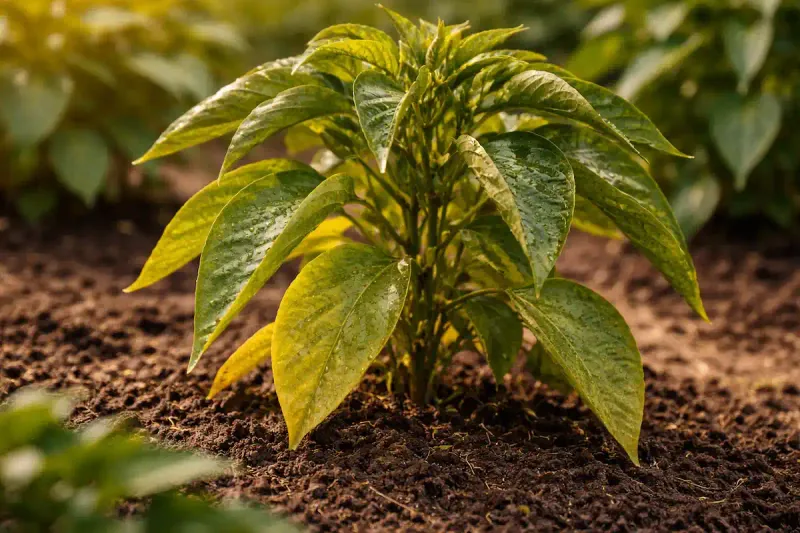
Pepper plants are sensitive to the combination of heat and soil that swings between too dry and too wet. On a hot or windy day, a plant can lose water through its leaves faster than roots can replace it, and one response is for leaves to curl or cup as a way of reducing the surface area exposed to the sun. University of Minnesota Extension heat-stress guidance specifically notes that plants may wilt or curl during intense heat even when soil moisture is adequate, which means the pattern is suggestive rather than a confirmed diagnosis.
Consistent moisture supports pepper growth, fruit set, and overall plant health. When watering has been shallow, irregular, or alternating between brief sprinkles and heavy soaks, the root zone can dry out between sessions and leave the plant struggling to keep up with hot-weather demand. University of Maryland Extension pepper guidance and Minnesota Extension’s pepper page both emphasize uniform soil moisture as a key factor in healthy pepper production.
Before changing anything about your watering routine, push a finger or a small trowel a few inches into the soil near the base of the plant. The root zone tells you far more than the surface does, and that reading is where the next decision starts.
Let root-zone moisture—not the calendar—guide watering
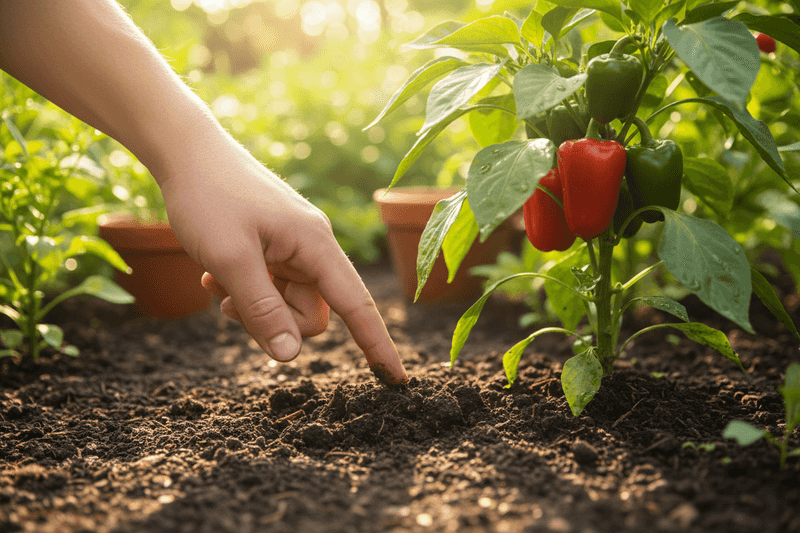
Relying on a watering schedule printed on a calendar can lead you astray, because the top inch of soil can look and feel bone dry while the soil four inches down is still adequately moist. Minnesota Extension’s vegetable garden watering guide recommends checking whether soil is dry roughly two inches below the surface before deciding to water, rather than going by appearance alone or a fixed routine.
When you check, you will find one of three conditions, and each one points in a different direction. Dry soil at root depth is a clear signal that a thorough soak is the right next step. Soil that feels adequately moist suggests that heat exposure, pests, disease, poor drainage, or another stress may be the more likely explanation for what you are seeing. Saturated or waterlogged soil calls for a pause in irrigation and a closer look at how well water drains away from the bed or container.
Minnesota Extension irrigation strategy guidance reinforces that consistent soil moisture matters more than sticking to a set day of the week. Making the root-zone check a habit, especially during heat waves, puts you in a much better position to respond correctly rather than guessing.
Give a dry pepper a slow, thorough soak
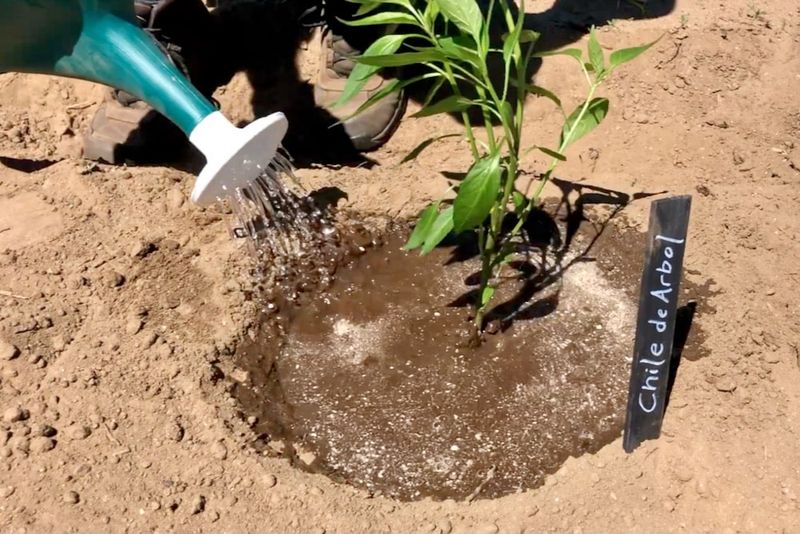
When the root-zone soil comes up dry, the right response is a slow, deliberate soak rather than a quick splash. Water applied too fast tends to run off the surface or pool at the edges without ever reaching the roots where the plant needs it. Directing a gentle, steady flow at the base of the plant and letting it work its way down gives the root zone time to absorb moisture evenly.
Minnesota Extension pepper guidance and Penn State Extension pepper recommendations both favor thorough soaking over frequent light watering. Shallow, repeated sprinkles can train roots to stay near the surface, which makes plants more vulnerable during stretches of heat or drought because a shallow root system has less soil volume to draw from when conditions get tough.
The goal is usable, consistent moisture, not soil that stays permanently soggy. Once you have completed the soak, give the bed a day or two before checking again rather than watering again immediately. Minnesota Extension heat-stress advice supports early and thorough watering during high-heat periods as a way to keep plants from falling behind on water demand. Recheck root-zone moisture as hot weather continues, since conditions can shift quickly.
Stabilize moisture with better delivery and mulch
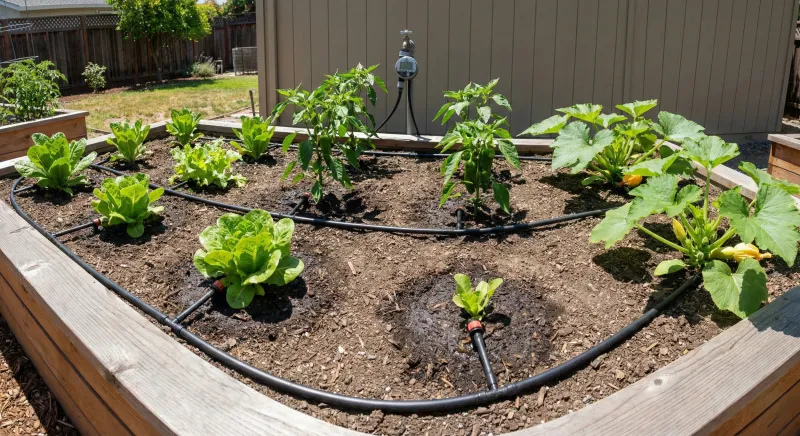
One thorough soak helps in the short term, but preventing the same cycle from repeating means looking at how water reaches the roots in the first place. Drip irrigation lines, soaker hoses, or a slow hose flow aimed directly at the soil surface are all better options than overhead sprinklers for peppers. Oregon State Extension pepper guidance and University of Maryland Extension both recommend soil-level irrigation for peppers because it reduces evaporation, delivers water where roots can use it, and keeps foliage dry, which lowers the risk of certain fungal diseases.
A two-to-three-inch layer of organic mulch spread around the base of the plant, kept an inch or two away from the stem itself, slows evaporation from the soil surface and helps moderate soil temperature. Oregon State and Penn State Extension both recommend mulch as a standard practice for pepper beds. The combination of root-zone irrigation and mulch can meaningfully reduce the swings between wet and dry that contribute to stress symptoms.
How often you need to water still depends on your specific situation. Sandy soil drains quickly and may need more frequent attention than heavier clay-based soil. Containers are a category of their own: University of New Hampshire Extension container vegetable guidance notes that potting mix near the surface can dry out rapidly in warm weather. Minnesota Extension advises letting soil conditions and root-zone moisture guide the schedule rather than a fixed number of days.
Pause when the root zone stays wet
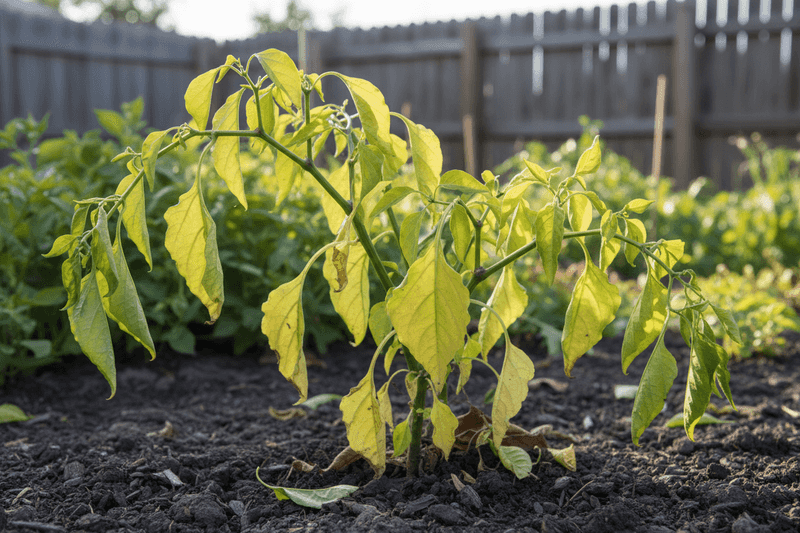
Not every curling pepper leaf is a sign of thirst. When soil stays wet or waterlogged for extended periods, roots are deprived of the oxygen they need to function, and the plant can show symptoms that look very similar to drought stress. Pouring more water onto a saturated root zone makes the problem worse, not better.
University of New Hampshire Extension site preparation guidance stresses that vegetable roots require oxygen and should not sit in standing or waterlogged conditions. Virginia Tech Extension soil aeration research explains that water-filled pore spaces push oxygen out of the root zone, which impairs the plant’s ability to take up water and nutrients even when plenty of moisture is present.
If your root-zone check reveals wet or saturated soil, pause irrigation entirely and observe whether water moves away from the bed within a reasonable period after rain or watering. Raised beds with blocked drainage, heavy clay soil, and containers without adequate drainage holes are all common setups where saturation becomes a problem. Addressing the drainage issue, rather than adjusting the watering schedule alone, is the more useful step when the soil stays consistently wet.
Inspect for aphids before reaching for pesticides
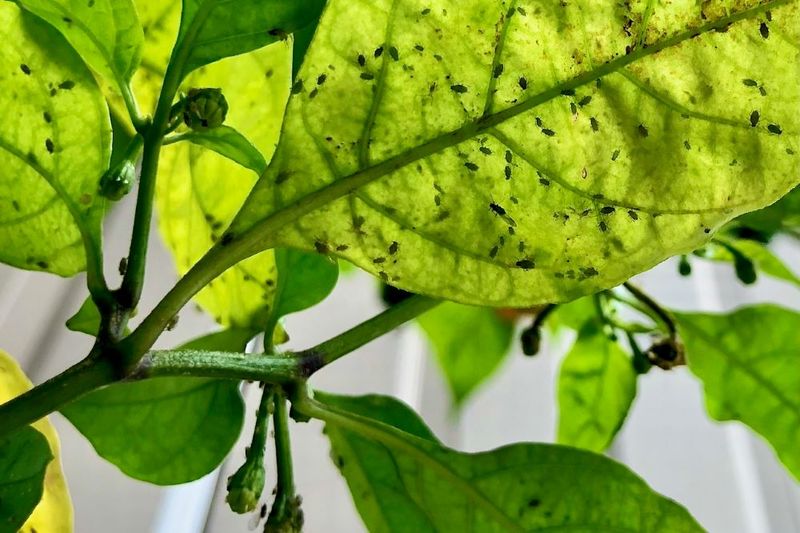
Aphids are small enough that a quick glance at the top of the leaves will not reveal them. They tend to cluster on the undersides of leaves, along young shoots, and near the growing tips of the plant, which is exactly where a casual inspection rarely reaches. Before concluding that watering is the only explanation for curled or cupped leaves, turn the affected leaves over and look closely at the stems and new growth as well.
Minnesota Extension aphid guidance describes how aphid feeding can cause curled, twisted, and yellowed leaves, and notes that infested leaves may have sticky honeydew residue or be attended by ants. Light aphid populations may cause little visible damage, while heavier infestations accompanied by yellowing, stunting, or visible insect clusters make pest injury a more plausible explanation for what you are seeing.
Minnesota Extension pepper recommendations support diagnosing the problem before reaching for any treatment. Applying an insecticide as a precaution when leaves look abnormal is not a sound approach, because aphids at low levels often cause limited damage and beneficial insects that naturally control aphid populations can be harmed by unnecessary pesticide use. Check thoroughly first, then decide whether any action is actually warranted.
Persistent distortion signals an unresolved problem
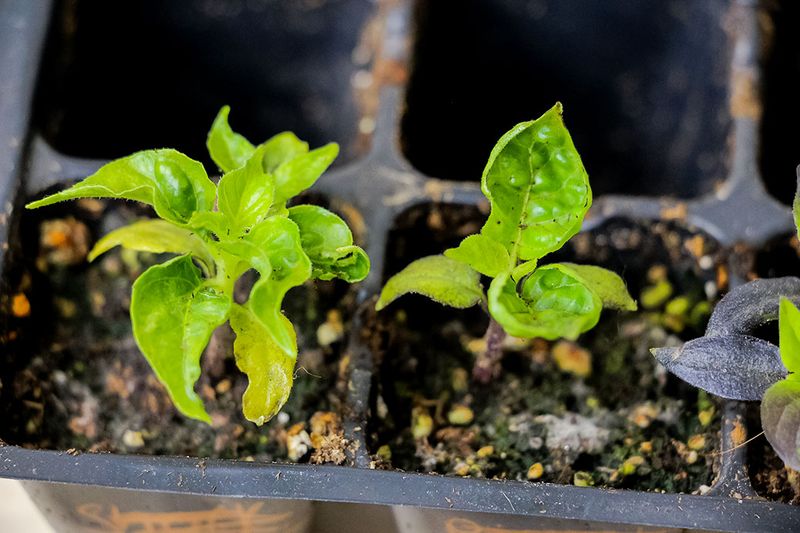
When moisture is being managed carefully but new leaves continue to emerge severely distorted, curl, or show unusual patterns, the plant is telling you that something else is going on. Viruses are one possibility worth considering when curling comes with additional warning signs. University of Maryland Extension virus guidance for vegetables describes how viral symptoms often include progressive stunting, crinkled or twisted leaves, yellow mottling, mosaic patterns, ringspots, malformed fruit, and a decline that continues through the growing season. Viruses are spread by aphids, thrips, leafhoppers, and in some cases by contact, as with tobacco mosaic virus.
Maryland Extension’s leaf-curling resource also lists herbicide damage among the causes of curling and cupping in vegetable leaves. Herbicide drift from nearby lawn or field applications, or residues carried in contaminated compost, manure, hay, or grass clippings, can produce cupping, narrow leaves, twisting, and stunting that are easy to mistake for water stress or pest damage. NPIC herbicide plant-injury information notes that symptoms from herbicide exposure can take days or even weeks to appear and that diagnosis is often difficult without knowing the specific chemical involved.
If you suspect herbicide drift or contaminated organic material reached your pepper plants, think carefully about produce safety. NPIC drift guidance is clear that health risks cannot be assessed without identifying the pesticide and the level of exposure, and NPIC compost contamination information reinforces that washing alone does not resolve the safety question. When the cause of persistent distortion is unclear, reaching out to your county Extension office or submitting a sample to a diagnostic laboratory is the most reliable path forward.
Track new growth through the next hot days
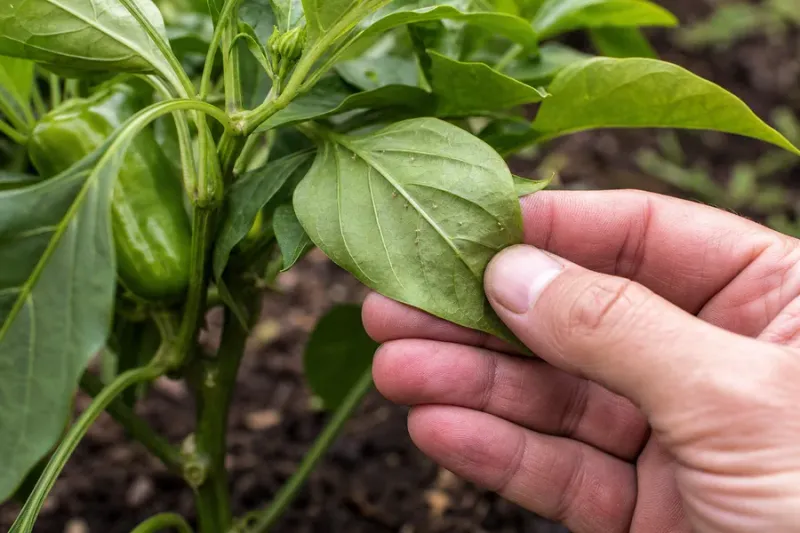
Working through the problem follows a practical sequence: check root-zone moisture first, soak slowly and thoroughly if the soil is dry, refresh or add mulch, then monitor moisture over the next several hot days. If the root zone was already wet, pause irrigation and assess drainage before anything else. Alongside all of this, inspect leaf undersides and new shoots for aphids or broader warning signs such as mosaic patterns, severe twisting, or sticky residue. Minnesota Extension pepper guidance recommends seeking diagnostic help when the cause is unclear.
Judge the plant’s response by watching new growth and symptom progression rather than waiting for existing curled leaves to straighten out. Leaves that were already distorted when the problem occurred may stay that way regardless of what you do. Minnesota Extension heat-stress guidance and irrigation strategy resources both support consistent moisture management as an ongoing practice rather than a one-time fix. When new leaves emerge badly distorted or the plant continues to decline despite corrected moisture, a county Extension agent or diagnostic laboratory can give you a clearer answer than any checklist alone.