
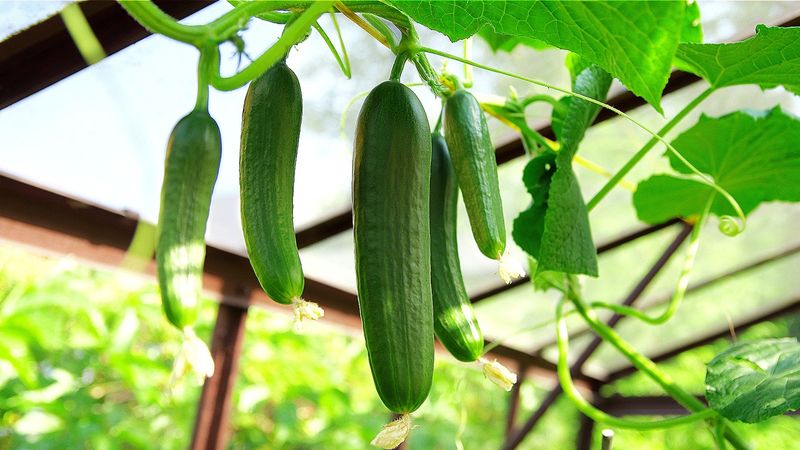
Plenty of gardening tips promise that one simple pantry staple will transform your cucumber plants into a bumper-crop machine. The truth is a little more complicated, and knowing the difference can save you a lot of wasted effort. Spent coffee grounds are the ingredient most often cited, and while they can play a small supporting role in your garden, a truly productive cucumber patch depends on several things working together.
No kitchen ingredient guarantees a large cucumber harvest
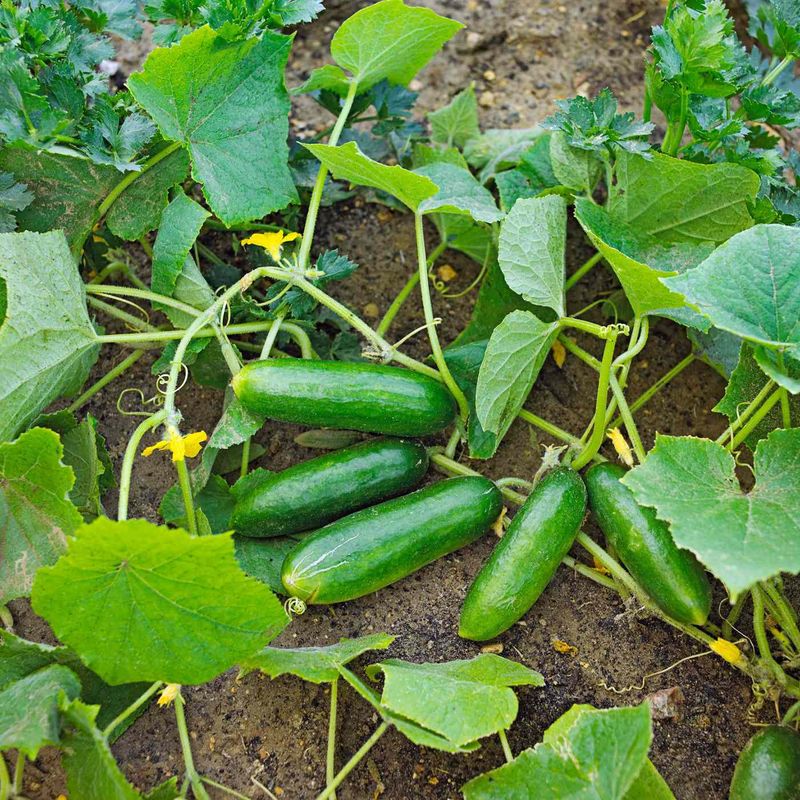
Gardening headlines love a shortcut, and the idea that one pantry ingredient can unlock a huge cucumber harvest is an appealing one. Spent coffee grounds are the most commonly suggested candidate, and they do have a modest, real role in the garden as a soil amendment or compost ingredient. What they cannot do is reliably produce a large cucumber harvest on their own, and no university extension or peer-reviewed research source supports that stronger claim.
Oregon State University Extension research on coffee grounds shows that spent grounds contain only about 1 to 2 percent nitrogen, which is far too little to meet a cucumber plant’s full nutritional needs. They can temporarily tie up nitrogen in the soil or slow plant growth when used in excessive amounts, so calling them a complete fertilizer would be misleading.
Cucumber production actually depends on several interacting conditions working together. University of Minnesota Extension guidance on growing cucumbers points to adequate and consistent soil moisture, correct fertility based on a soil test, successful pollination, pest and disease management, variety selection, and frequent harvesting as the real drivers of yield. Minnesota’s vining vegetable guide reinforces that no single input replaces the combination of these factors. Coffee grounds can be one small piece of the puzzle, but they are far from the whole picture.
Use spent coffee grounds sparingly around cucumbers
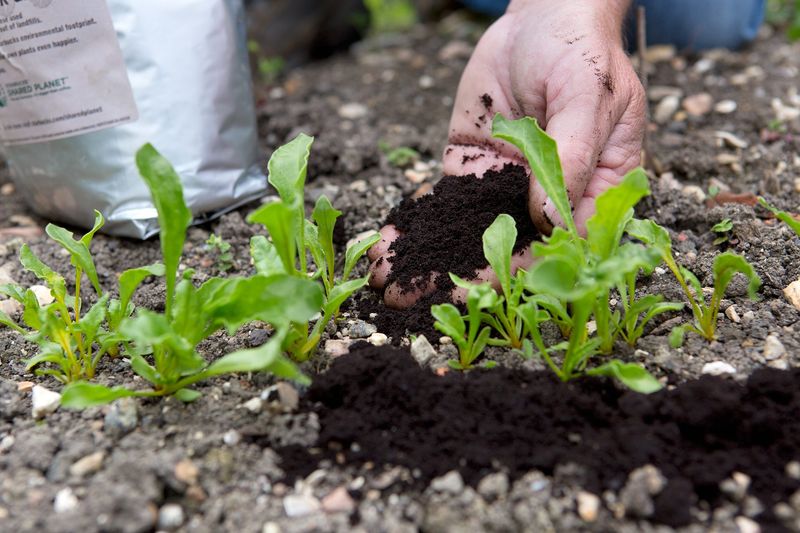
If you do want to use your leftover coffee grounds in the cucumber bed, the method matters as much as the amount. Oregon State University Extension recommends working roughly a half-inch of spent grounds into the top 4 inches of soil, or mixing them into your compost pile. That modest quantity can contribute some organic matter and minor nutrients without overwhelming the soil ecosystem.
Composting is actually the safer route for most home gardeners. When you add grounds to a compost pile, keep them to no more than about 20 percent of the total pile volume. This prevents the pile from becoming too acidic or too dense, and it gives the grounds time to break down into a more stable, plant-friendly amendment before they ever touch your cucumber roots.
Applying grounds directly to the soil surface in a thick layer is where gardeners run into trouble. UConn Extension warns that finely textured coffee grounds can compact into a dense mat that restricts both air and water movement through the soil. Beyond compaction, excessive amounts can temporarily tie up the nitrogen already present in your soil as microbes work to break down the grounds, and very heavy applications have been shown to inhibit seed germination or slow the growth of young plants. A little restraint goes a long way.
Coffee grounds do not replace tested cucumber fertility
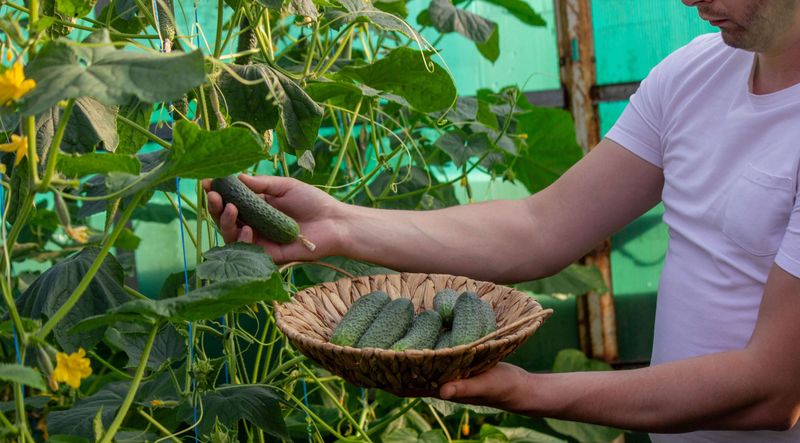
One of the most common misconceptions about coffee grounds is that they can stand in for a proper fertilizer program. Spent grounds contain some nitrogen, potassium, and trace minerals, but the amounts are variable and too low to reliably supply everything a cucumber plant needs through a full growing season. Treating them as a complete plant food sets up disappointment.
The more dependable starting point is a soil test. University of Minnesota Extension recommends testing your soil and targeting a pH of about 6.0 to 6.5 for cucumbers, then amending based on the actual results rather than a fixed homemade recipe. Incorporating well-rotted compost or aged manure before planting builds organic matter and improves soil structure in ways that coffee grounds alone cannot replicate. Fresh manure should be avoided because it can introduce harmful bacteria and unwanted weed seeds.
Getting the nitrogen balance right is especially worth paying attention to. Colorado State University Extension notes that excess nitrogen can push plants toward lush leaf and vine growth at the expense of fruit production. CSU’s soil management guidance supports basing fertilizer decisions on test results rather than guesswork. Coffee grounds may contribute a small amount of organic matter, as Oregon State Extension confirms, but they are not a substitute for a fertility plan grounded in what your specific soil actually needs.
Maintain steady moisture to reduce water-stress losses
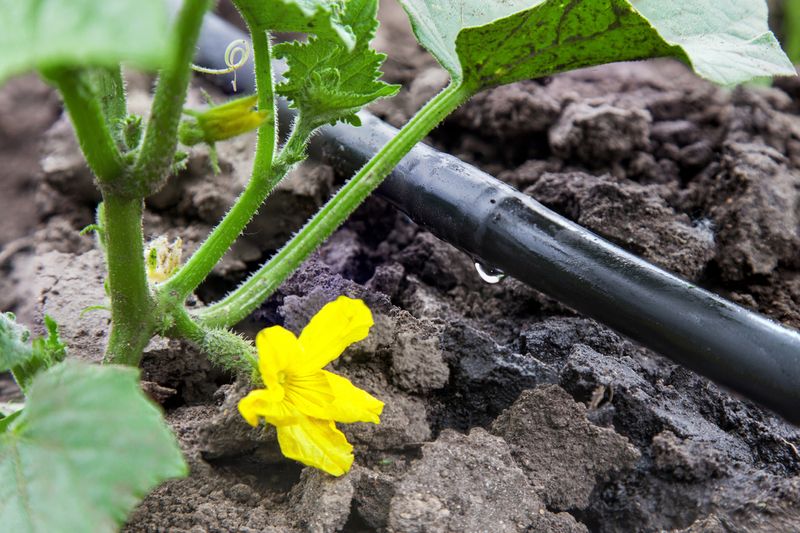
Cucumbers are shallow-rooted plants, which means they respond quickly to changes in soil moisture. Getting watering right does not guarantee a perfect harvest, but letting the soil dry out unevenly can cause real, measurable losses. University of Minnesota Extension recommends providing about 1 inch of water per week during the growing season, with adjustments upward for sandy soils or for plants growing on a trellis, where the root zone can dry out faster.
Water stress can contribute to flower and fruit abortion, meaning young cucumbers that were developing normally can stop growing and drop from the vine when the plant experiences prolonged dry periods. Consistent, adequate moisture helps reduce that risk. The goal is steady soil moisture, not saturated ground. Waterlogged soil creates its own problems, including root disease and oxygen deprivation.
Drip irrigation or soaker hoses are worth considering when practical. Minnesota’s vining vegetable guide notes that keeping foliage drier reduces the risk of fungal disease, and drip systems deliver water directly to the root zone rather than over the leaves. Mulching around the base of plants also helps the soil hold moisture between watering sessions and moderates soil temperature during summer heat. None of these steps alone guarantees a big harvest, but steady moisture is generally a more direct contributor to cucumber production than any kitchen amendment.
Support pollination for reliable fruit set

A cucumber vine can look perfectly healthy, covered in bright yellow flowers, and still produce almost nothing if pollination is not happening. Most ordinary cucumber varieties grown in home gardens are not self-pollinating. They depend on bees and other insects to carry pollen from male flowers to female flowers, and when that transfer does not happen reliably, the results show up as fruit that is misshapen, lightweight, poorly developed, or that drops from the vine before it matures.
Penn State Extension explains that inadequate pollination is a leading cause of poor cucumber fruit set, and that female flowers have only a short window during which they can be successfully pollinated. Factors like cool temperatures, rain, and a shortage of pollinators in the area can all reduce how much pollination occurs during that window. Avoiding broad-spectrum insecticides during bloom periods and planting flowers that attract bees nearby can help support pollinator activity.
It is worth knowing that parthenocarpic or seedless cucumber varieties can set fruit without pollination at all. University of Minnesota Extension notes that these types are sometimes preferred in high tunnels or greenhouses where pollinator access is limited. For most backyard gardeners growing standard slicing or pickling varieties, though, supporting bee activity is a more productive step toward a better harvest than experimenting with additional kitchen amendments.
Harvest cucumbers frequently before they become oversized
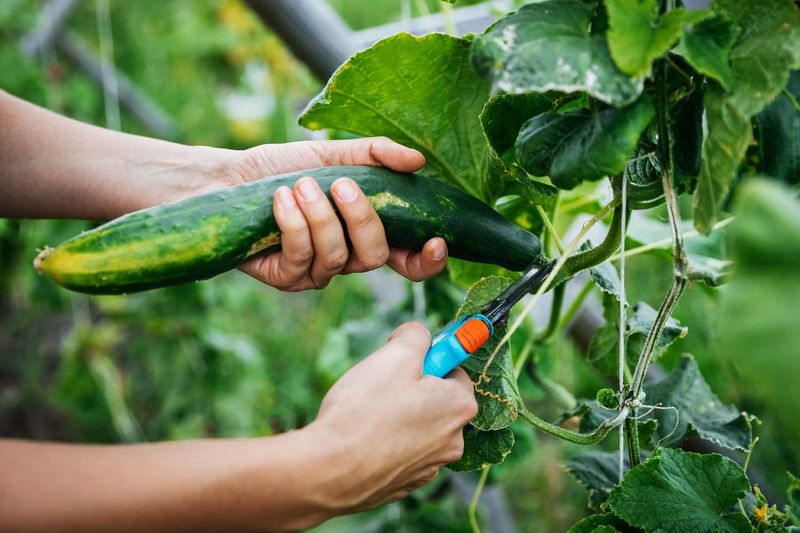
Letting cucumbers linger on the vine past their prime is one of the most common ways home gardeners unintentionally slow down production. When a cucumber grows very large and begins to mature its seeds, the plant’s energy shifts toward that fruit, and overall yield can drop as a result. University of Minnesota Extension notes that leaving oversized cucumbers on the vine can reduce plant yield, making regular picking one of the more straightforward ways to keep production going.
Frequent harvesting can help maintain continued production throughout the season. University of Illinois Extension recommends checking plants and picking fruit at least every other day as a practical benchmark. Cucumbers can go from ideal size to overripe surprisingly fast during warm summer weather, so a quick daily walk through the garden is a reasonable habit once the plants are producing.
Most slicing cucumbers are best picked when they reach about 6 to 8 inches long, while pickling types are typically harvested smaller, around 2 to 4 inches. Color is also a useful cue: the skin should be a consistent deep green without yellowing, which signals that seeds inside have begun to mature. Staying on top of harvest timing costs nothing and requires no special ingredients, making it one of the most reliable and underrated tools for a productive cucumber season.
Diagnose cucumber problems instead of adding more remedies
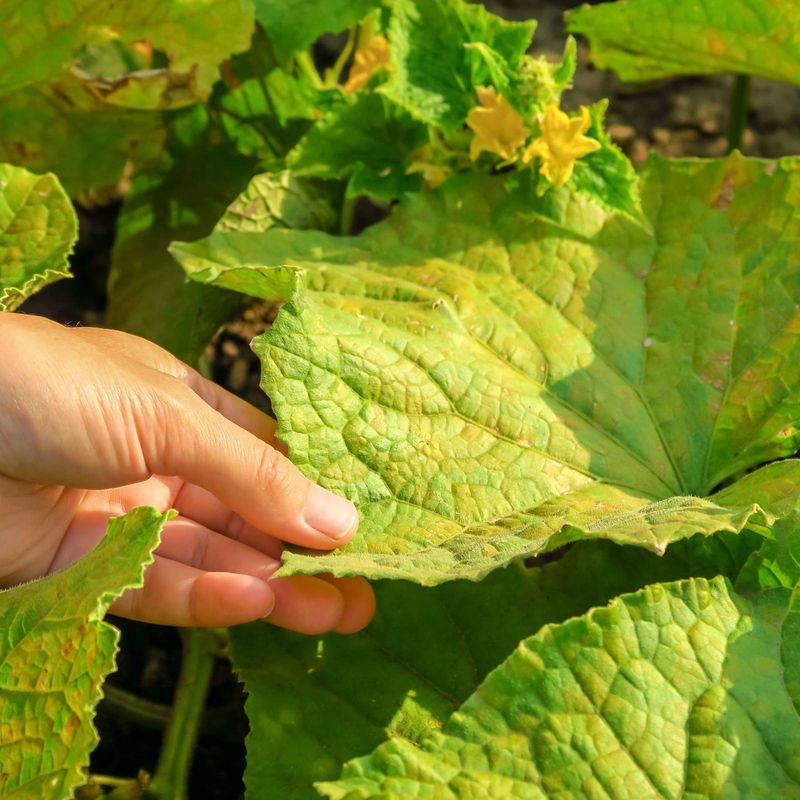
When cucumber plants are struggling, the instinct to reach for a home remedy is understandable. Coffee grounds, however, cannot substitute for identifying what is actually wrong. Yellow leaves, wilting, poor fruit set, and stunted growth each have distinct causes, and adding grounds to the soil addresses none of them on its own.
University of Minnesota Extension identifies several common cucumber problems, including water stress, nutrient imbalances, and fungal disease, each of which calls for a different response. Wilting that does not recover after watering can signal bacterial wilt, a disease spread by cucumber beetles. University of Illinois Extension notes that cucumber beetles are a serious pest that can transmit bacterial wilt and cause direct feeding damage, and that managing them early in the season is important for protecting the crop. Coffee grounds have no documented effect on cucumber beetles or the diseases they carry.
Powdery mildew is another issue that sometimes prompts gardeners to search for kitchen solutions. Baking soda comes up in this context, and a peer-reviewed study found sodium bicarbonate could suppress powdery mildew under tested greenhouse conditions. That is a disease-management finding, not a fertilizer or yield claim, and results in a home garden may differ from controlled conditions. Oregon State Extension recommends a range of integrated strategies for powdery mildew, including improving air circulation and selecting resistant varieties.
Getting the diagnosis right first makes any intervention far more likely to actually help.
Treat kitchen scraps as compost inputs, not instant plant food
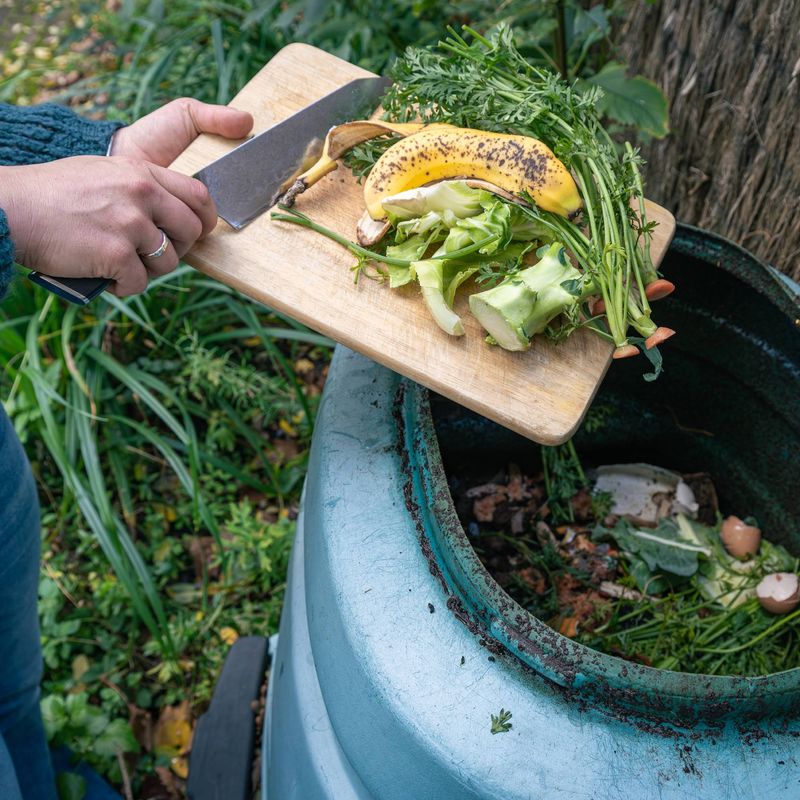
Banana peels, eggshells, and other kitchen scraps show up frequently in gardening tips as quick fixes for struggling plants. Placing raw scraps beside a cucumber plant, though, does not deliver immediate, balanced nutrition. These materials need time and microbial activity to break down before their nutrients become available to plant roots, and in the meantime they can attract pests or create uneven soil conditions.
Managed home composting is the more dependable path. EPA guidance describes finished compost as a soil amendment that can improve soil health, water retention, and plant growth. The key word is finished: compost that has fully broken down is a stable, balanced amendment that can be mixed into beds or used as a top dressing without the risks associated with raw scraps. Kitchen materials including coffee grounds, fruit peels, and vegetable trimmings are all useful compost ingredients when managed properly.
Coffee grounds specifically can go into a compost pile as a nitrogen-rich green material, balanced with carbon-rich browns like dried leaves or cardboard. Once composted, they contribute to a finished product that supports soil biology and structure. As a standalone garden treatment, though, grounds remain a limited amendment with modest, variable benefits, as Oregon State Extension makes clear. The honest takeaway is that coffee grounds can play a small supporting role, but a genuinely productive cucumber patch is built on sound soil fertility, consistent moisture, reliable pollination, attentive plant care, and regular harvesting working together.
Good gardening is less about a single secret and more about a handful of habits done consistently.