
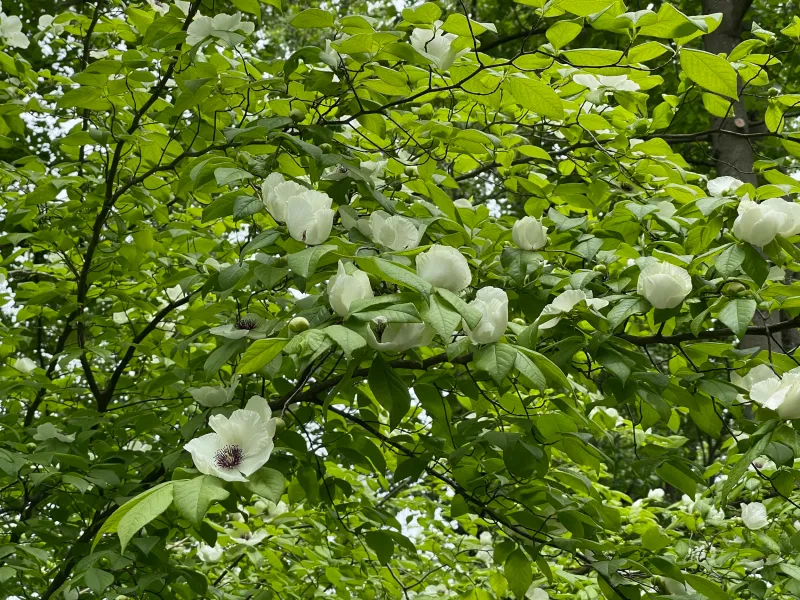
Walk into most garden centers in North Carolina and you’ll see the same rows of imported shrubs over and over. But our state is home to gorgeous native plants that hardly ever make the shelves, even though they thrive here with almost no fuss. These overlooked shrubs feed the birds, butterflies, and beneficial critters that quietly keep pests like ticks and mosquitoes in check. Here are eight beautiful NC natives worth hunting down for a yard that protects your family and gives back to the land.
1. Carolina Allspice (Calycanthus floridus)
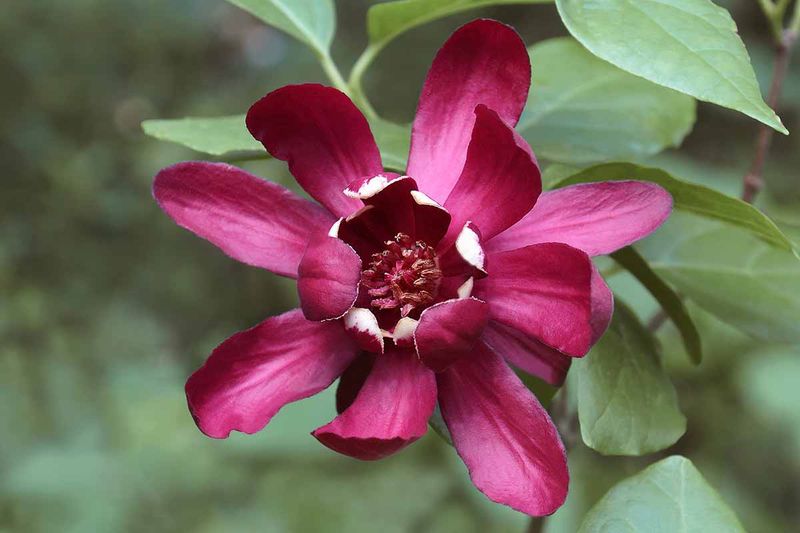
Crush a leaf or brush against the reddish-brown blooms of Carolina allspice, and you’ll catch a scent somewhere between ripe strawberries and green apples. That fragrance alone should make it a garden-center superstar, yet you’ll rarely spot it for sale in North Carolina.
Native to our Piedmont and mountain woodlands, this rounded shrub tops out around six to nine feet and shrugs off drought once it settles in. The unusual maroon flowers appear in late spring and draw in beetles and early pollinators that keep a healthy insect balance in the yard.
Songbirds appreciate the cover its dense branches provide, and a leafy, layered shrub like this can support the spiders and predatory insects that help keep pest populations down. It handles part shade beautifully, so those tricky spots under taller trees suddenly have a purpose.
Fun bit of history: early settlers reportedly dried the aromatic bark and used it as a cinnamon substitute, which is how the plant earned its common name.
2. Oakleaf Hydrangea (Hydrangea quercifolia)
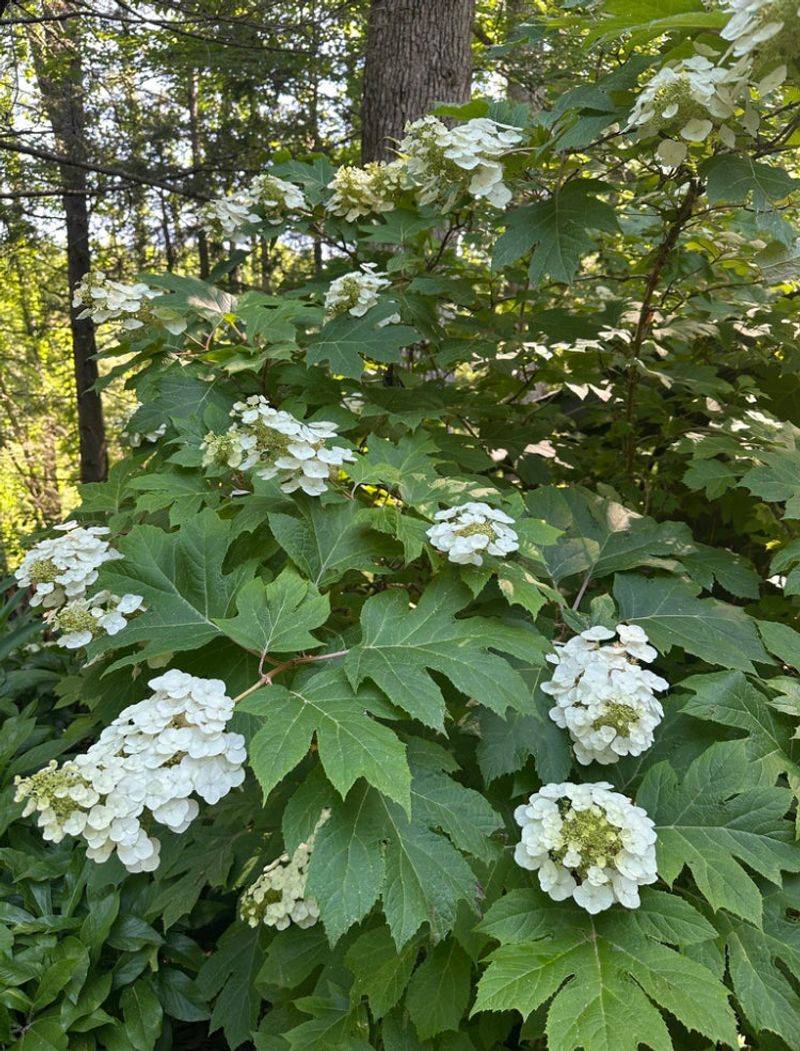
Most folks picture the round blue mophead hydrangea, but the oakleaf is a whole different story and a true Southeastern native. Its leaves really do look like giant oak leaves, and in autumn they turn deep burgundy and bronze while the flower cones fade to a papery pink.
Big cone-shaped white blooms show up in early summer and slowly age to rose, giving you months of color instead of a quick flash. Bees and native pollinators work the blossoms hard, and that steady insect activity feeds the birds that patrol your yard.
Give it a spot with morning sun and afternoon shade, and it’ll reward you across all three NC regions from the coast to the mountains. The peeling cinnamon bark keeps things interesting long after the leaves drop in winter.
A dense native shrub like this offers nesting cover and shelter for songbirds, and inviting more birds in can help reduce the number of insects hanging around your family’s outdoor space.
3. Sweetshrub Fothergilla (Fothergilla major)
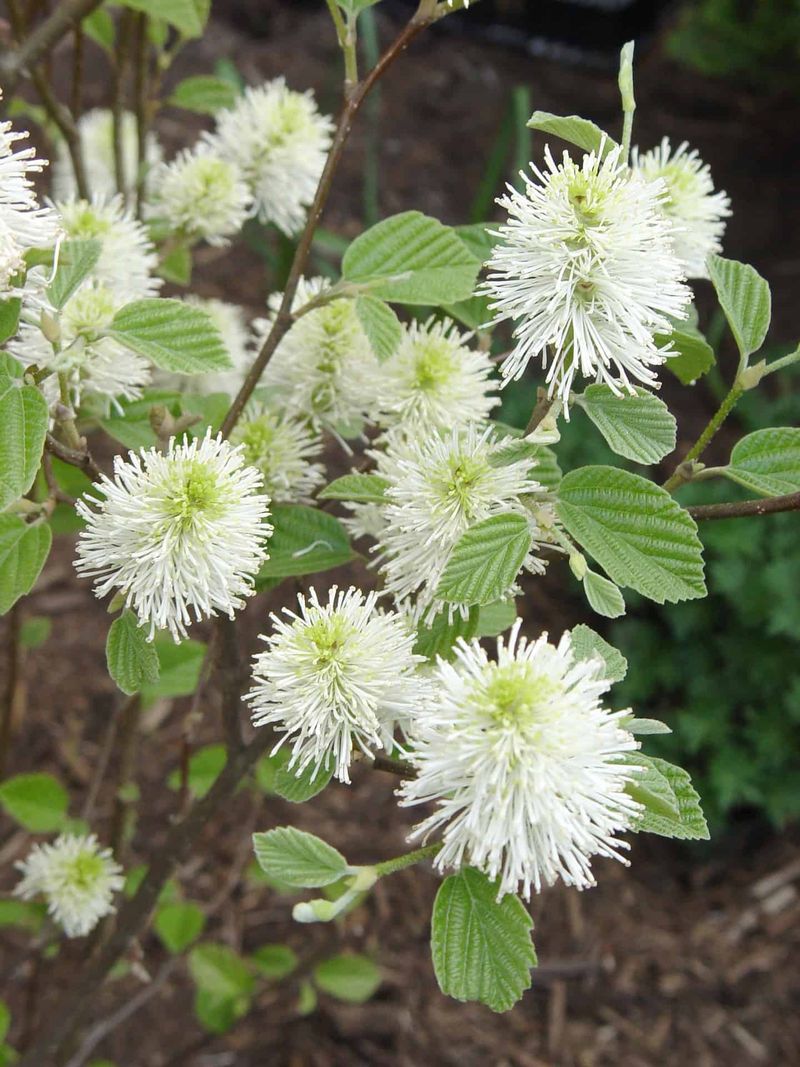
Imagine tiny white bottlebrushes glowing at the tips of a shrub in spring, giving off a honey-sweet scent that pulls in early bees from across the yard. Fothergilla does exactly that, and hardly anyone in North Carolina seems to grow it.
Native to the Appalachian foothills, this well-behaved shrub stays compact at around six feet and never demands much attention. The spring flowers appear before the leaves fully open, so the blooms really stand out against bare branches.
Come fall, the show gets even better as the foliage lights up in fiery mixes of orange, red, and yellow, sometimes all on the same leaf. Those spring flowers are a valuable early nectar source, and supporting native pollinators helps the whole food web that keeps a yard in balance.
Plant it in full sun to part shade with decent drainage, and it settles in happily in Piedmont and mountain gardens. It’s the kind of quiet performer that earns its keep in every season.
4. American Beautyberry (Callicarpa americana)
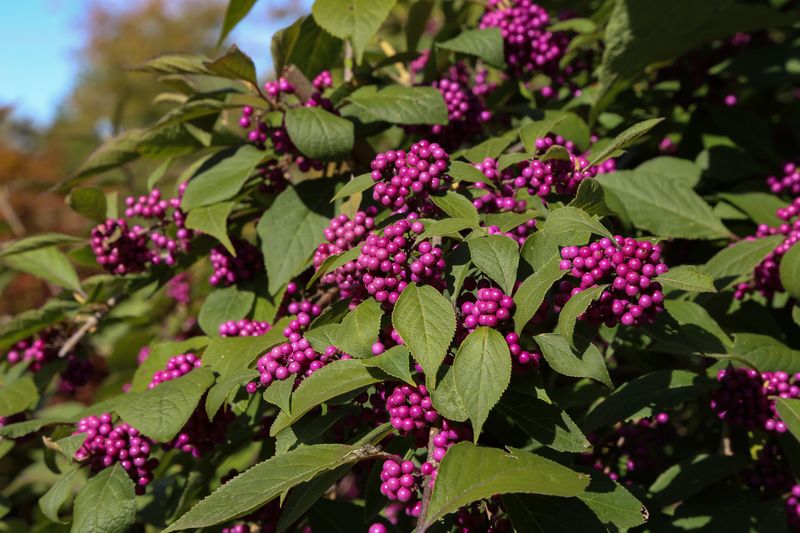
Nothing quite prepares you for the moment American beautyberry fruits in late summer, when clusters of electric-purple berries wrap tightly around the stems like beaded bracelets. The color looks almost too vivid to be real, and you’ll wonder why it isn’t in every garden center bin.
Here’s the part that fits a protective-steward yard perfectly: researchers have studied compounds in beautyberry leaves that may help deter mosquitoes and biting insects. It won’t replace your yard-care routine, but it’s a fascinating native to have around during peak NC bug season.
Beyond the science, the shrub is genuinely tough, thriving in the coastal plain and Piedmont with little water once established. More than forty species of songbirds, along with deer and small mammals, feast on those berries through fall and winter.
It reaches four to six feet and looks a little loose and wild, which is exactly the relaxed, wildlife-friendly vibe many homeowners are after. Cut it back in late winter and it bounces right back with fresh growth.
5. Buttonbush (Cephalanthus occidentalis)
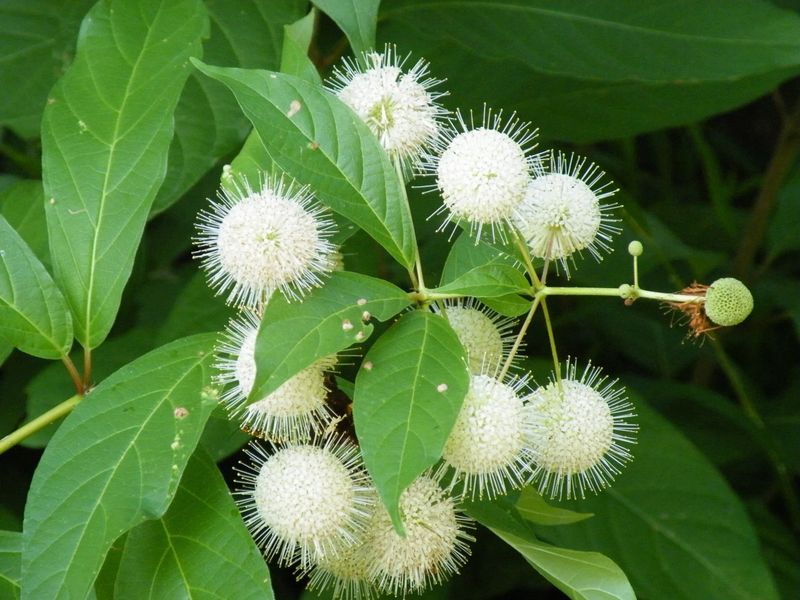
Got a soggy corner where nothing else will grow? Buttonbush actually loves it. This water-loving native produces perfectly round, spiky white flower globes in summer that look like little starbursts or old-fashioned pincushions.
Butterflies and native bees swarm those fragrant orbs, and the plant is a well-known magnet for pollinators across North Carolina’s wetlands and pond edges. Waterfowl and songbirds eat the seed balls that follow, so it keeps giving well into fall.
Because it thrives in standing water and wet soil, buttonbush can be planted around drainage areas or low spots to help manage moisture instead of letting it sit and breed problems. Encouraging dragonflies and birds around those areas may support natural mosquito control near the water.
It grows six to twelve feet and takes full sun to part shade without complaint. For anyone battling a wet trouble spot, this shrub turns a headache into a buzzing, blooming feature.
6. Virginia Sweetspire (Itea virginica)
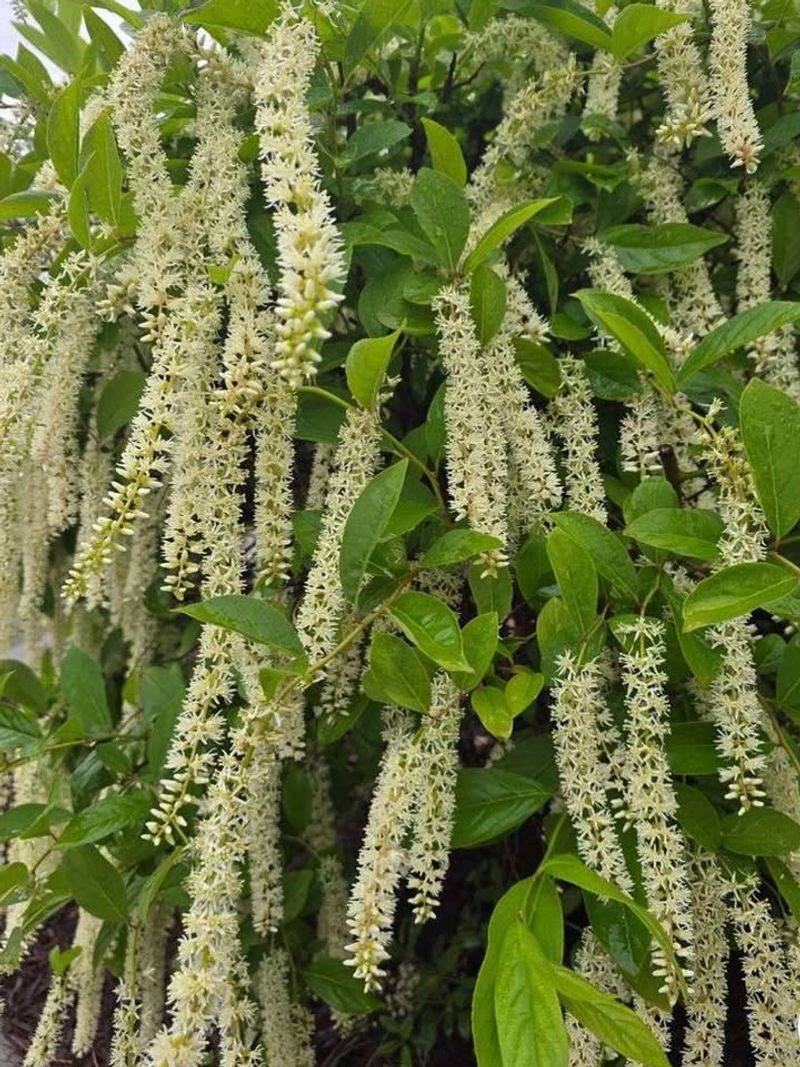
Long, drooping white flower spikes that smell faintly sweet and sway in the breeze – that’s Virginia sweetspire in early summer, and it’s one of the most graceful natives you can grow. Somehow it stays off most garden-center shelves anyway.
The arching branches create a soft, fountain-like shape that looks great massed along a fence or slope. Bees and butterflies work the fragrant flower spikes, adding to the pollinator activity that supports birds and beneficial insects in your yard.
Fall brings a jaw-dropping color change, with the leaves turning brilliant scarlet and holding that color long after most plants have gone bare. It tolerates wet or dry soil, sun or shade, making it one of the most forgiving choices for Piedmont and coastal gardens.
Staying around three to five feet tall, it spreads gently to fill in bare ground and crowd out weeds. Low effort, high reward, and native to boot – hard to ask for more.
7. Mountain Laurel (Kalmia latifolia)
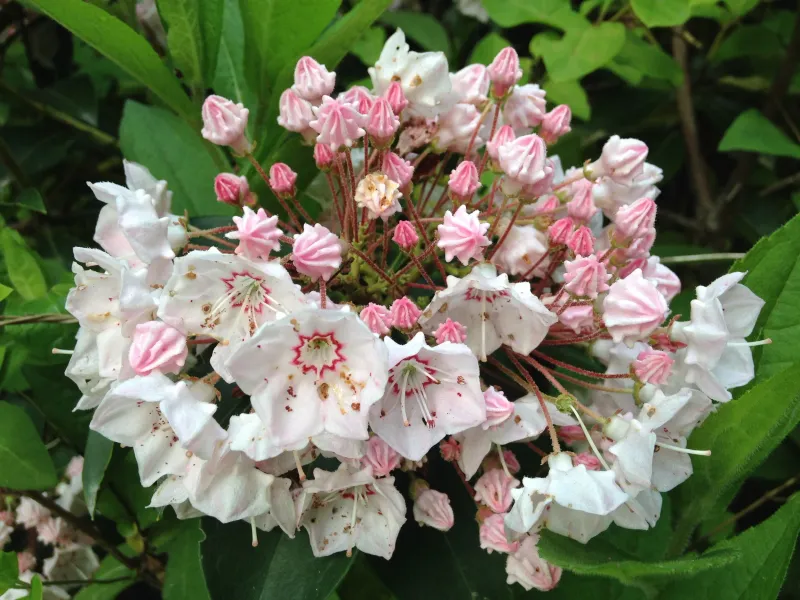
Hike through the North Carolina mountains in late spring and you’ll see hillsides washed in the pink and white blooms of mountain laurel. The flowers are tiny works of art, shaped like little umbrellas with spring-loaded stamens that fling pollen onto visiting bees.
Despite being one of our most iconic native evergreens, it’s surprisingly rare at garden centers, partly because it can be fussy about acidic, well-drained soil. Get those conditions right in a shady spot, though, and it becomes a glossy year-round anchor for your landscape.
Native bees rely on its clever pollen-flinging blooms, and the dense evergreen foliage gives birds a sheltered place to nest and hide from predators. A yard that welcomes more nesting songbirds can help keep the insect population naturally in check.
Reaching five to fifteen feet depending on conditions, it fits woodland edges and shaded slopes beautifully. Just remember it prefers cooler, mountain-influenced spots, so it’s the crown jewel for gardeners in the western part of the state.
8. Winterberry Holly (Ilex verticillata)
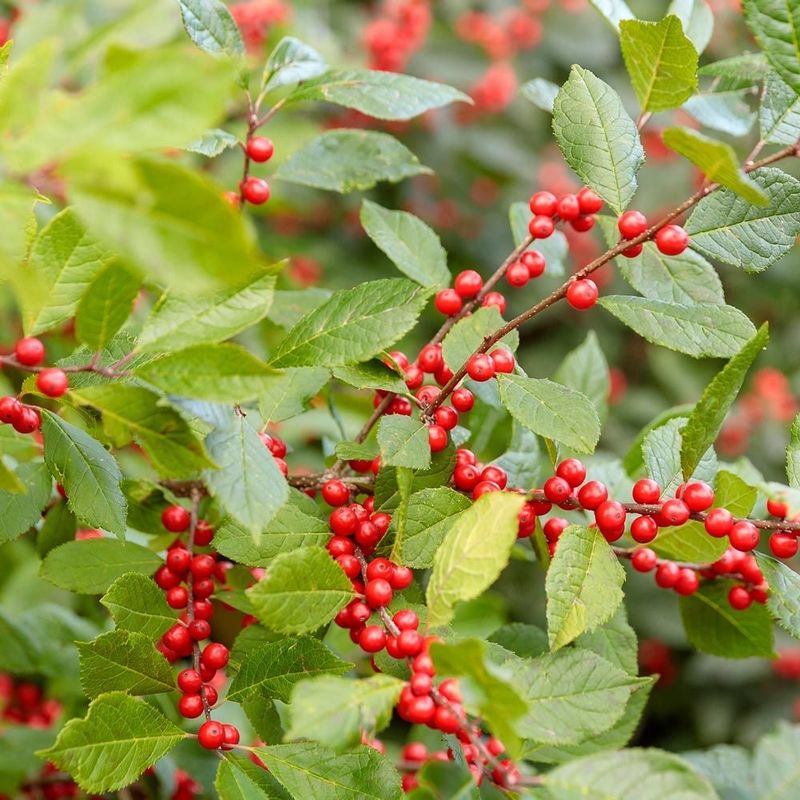
When winter strips the yard bare and gray, winterberry holly does something magical: its branches erupt in dense clusters of brilliant red berries that seem to glow against the snow. Unlike most hollies, this one drops its leaves, which is exactly why the berries steal the show.
Robins, cedar waxwings, bluebirds, and dozens of other native birds depend on these berries as critical food when little else is available in the coldest months. Feeding overwintering birds keeps them in your yard, and a busy bird population can help thin out insects and their eggs come spring.
A quick heads-up: you’ll need both a male and female plant nearby for those famous berries to form, which is one reason garden centers often skip it. Plant them together and you’re set for years of winter color.
Happy in wet or average soil and reaching three to twelve feet, it handles the coastal plain and Piedmont with ease. For a yard that stays alive with wildlife through the dead of winter, few natives compete.