
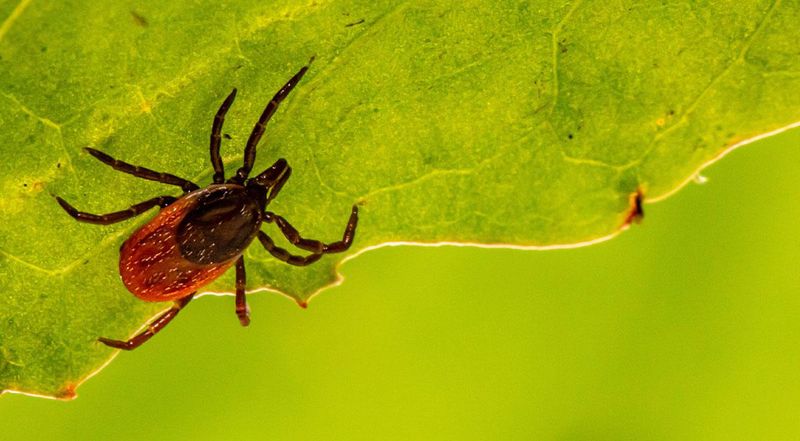
Ticks are a real part of summer life in North Carolina, and most people assume they just wander in from the woods on their own. The truth is that certain conditions around your yard can make it easier for ticks to survive and harder for your family to avoid them. Knowing which yard features may be raising your exposure risk is the first step toward doing something practical about it.
What yard conditions can increase tick encounters in North Carolina?
Ticks do not show up because a homeowner did something wrong. What actually happens is that certain yard conditions can preserve the moist, shaded cover that some ticks need to survive, or bring people and pets into closer contact with vegetation and host animals that ticks depend on. That distinction matters because it shifts the focus from blame to practical action.
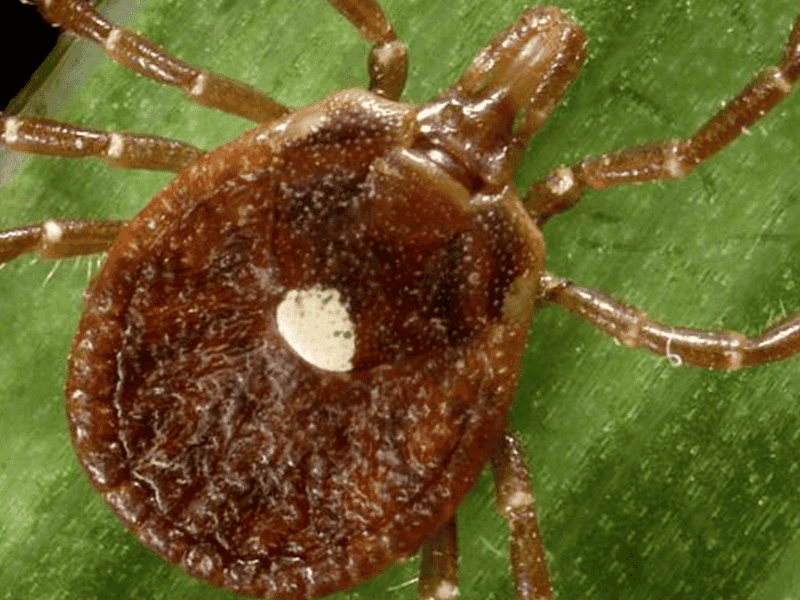
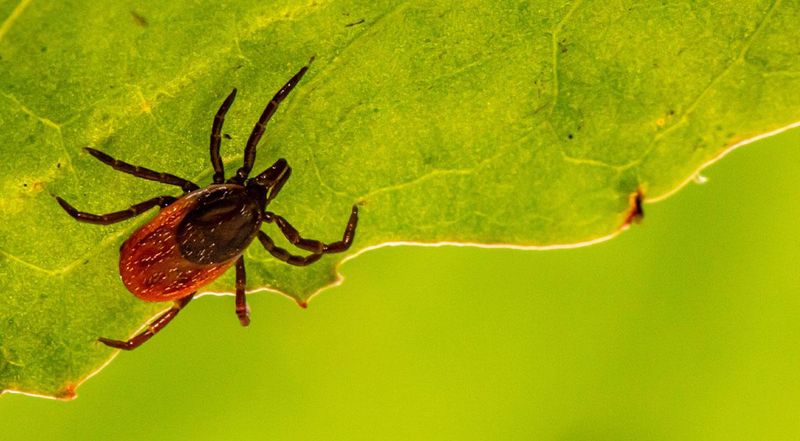
North Carolina hosts several tick species that homeowners are likely to encounter. North Carolina DHHS tick surveillance data identifies the lone star tick, the American dog tick, and the black-legged tick as among the most relevant species in the state. Each one uses different hosts and thrives in somewhat different habitat conditions, so advice developed primarily for black-legged ticks in the northeastern United States should not be treated as equally proven for every yard in North Carolina.
Yard-level research has found only partial support for several commonly repeated recommendations, and results vary depending on tick species, surrounding woods, host animal populations, local weather, and how a property is designed. A residential yard management study found that no single habitat feature reliably predicted tick presence across all properties tested, which is a useful reminder that no one yard change guarantees a tick-free result.
The practical goal of this article is not to eliminate ticks from your property entirely, because that is not a realistic outcome. The goal is to reduce the conditions that may increase your family’s exposure, especially around the parts of your yard you use every day, such as paths, patios, play areas, and entrances.
Leaf litter can preserve humid cover where people and pets use the yard
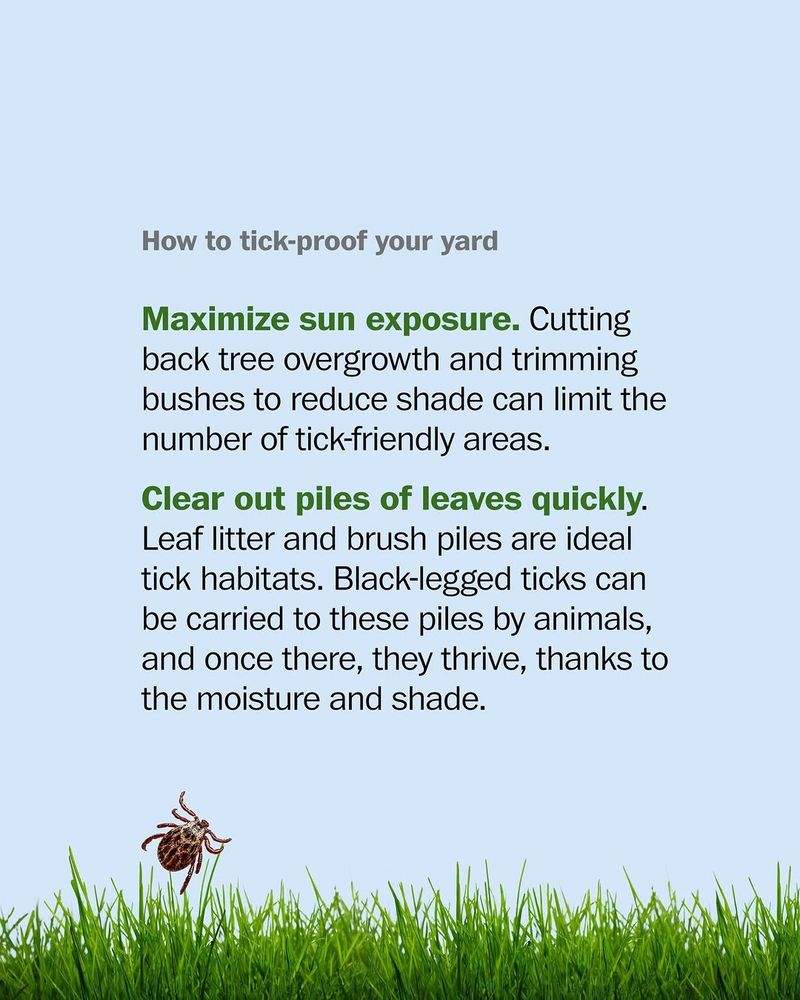
Fallen leaves might look harmless sitting at the base of a fence or piled along a garden bed, but leaf litter can trap moisture and shade the ground, creating the kind of cool, humid microenvironment that helps some ticks survive between host contacts. This is especially relevant in the spots where your family actually walks and plays, not necessarily in the back corner of a wooded lot.
A study on suppression of black-legged tick nymphs following leaf-litter removal found that clearing leaf litter reduced questing tick numbers in treated areas. That is meaningful evidence, but it comes from northeastern black-legged-tick habitat research, not from trials conducted specifically in North Carolina. Lone star ticks and American dog ticks, which are common in this state, use different hosts and occupy a wider range of habitats, so the leaf-litter removal effect has not been equally demonstrated for every tick species a North Carolina homeowner might encounter.
What that means practically is that clearing leaf litter from your highest-use areas, such as the path from the back door to the yard, the edges of a play space, and the lawn border near a patio, is a reasonable exposure-reduction step. You do not need to strip every leaf from every corner of your property to see a benefit in the places that matter most.
CDC tick prevention guidance recommends removing leaf litter as part of a broader yard management approach. Mulching leaves in place rather than letting them accumulate in thick mats is another option for areas where complete removal is not practical. The NC State Extension pest alert on ticks in the landscape echoes this advice and emphasizes focusing on areas closest to where people and pets spend time. Leaf management reduces favorable cover in high-traffic zones without requiring you to turn your yard into a bare lawn.
Tall vegetation and unmanaged edges can increase contact along everyday routes
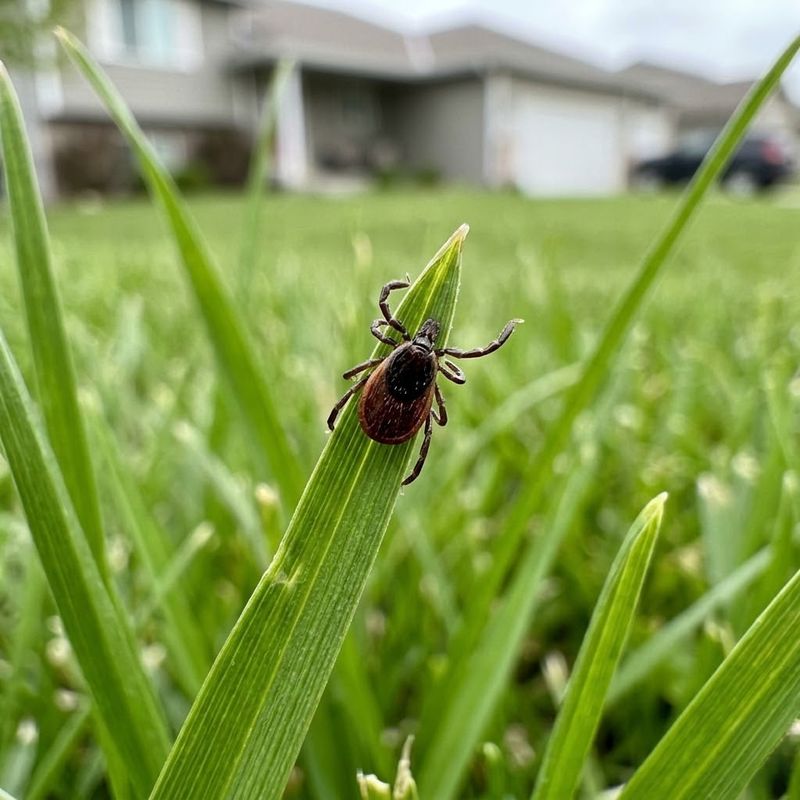
Anywhere your family regularly walks or plays near tall grass, dense shrubs, or brush that brushes against clothing is a place where tick contact becomes more likely. Ticks do not jump or fly. They quest, meaning they climb to the tips of grass blades, leaf edges, or low branches and wait for a passing host. A path that cuts through knee-high grass or brushes against a dense hedgerow is essentially a contact opportunity on every trip through the yard.
NCDHHS guidance from spring 2025 specifically recommends mowing grass regularly and cutting back tall vegetation along paths and play areas as a practical exposure-reduction step. The goal is not to eliminate every plant near your yard edge but to keep the vegetation your family moves through short enough and open enough that ticks have fewer places to wait at contact height.
The boundary between your maintained lawn and a wooded area, brush pile, or overgrown fence line deserves particular attention. CDC guidance on Lyme disease prevention recommends placing a roughly 3-foot-wide strip of wood chips, mulch, or gravel between the lawn and any adjacent brushy or wooded area. This strip works as a physical separation and a visual reminder to stay out of the transition zone, not as an impenetrable wall. The evidence for its effectiveness comes primarily from black-legged-tick research, and results in residential studies have been mixed, so treat it as a helpful design feature rather than a guaranteed barrier.
Pruning low branches and shrubs that hang over walkways or brush against seating areas also reduces incidental contact. Moving play equipment, benches, and outdoor furniture away from brushy borders when possible gives your family a cleaner activity zone. CDC tick prevention recommendations include keeping recreational areas away from wooded or brushy edges as a complementary step alongside mowing and edge management. None of these changes will eliminate ticks from the surrounding landscape, but they can meaningfully reduce how often your family’s daily routes pass through the spots where ticks are most likely to be waiting.
Some yard clutter may provide shelter or coincide with host activity
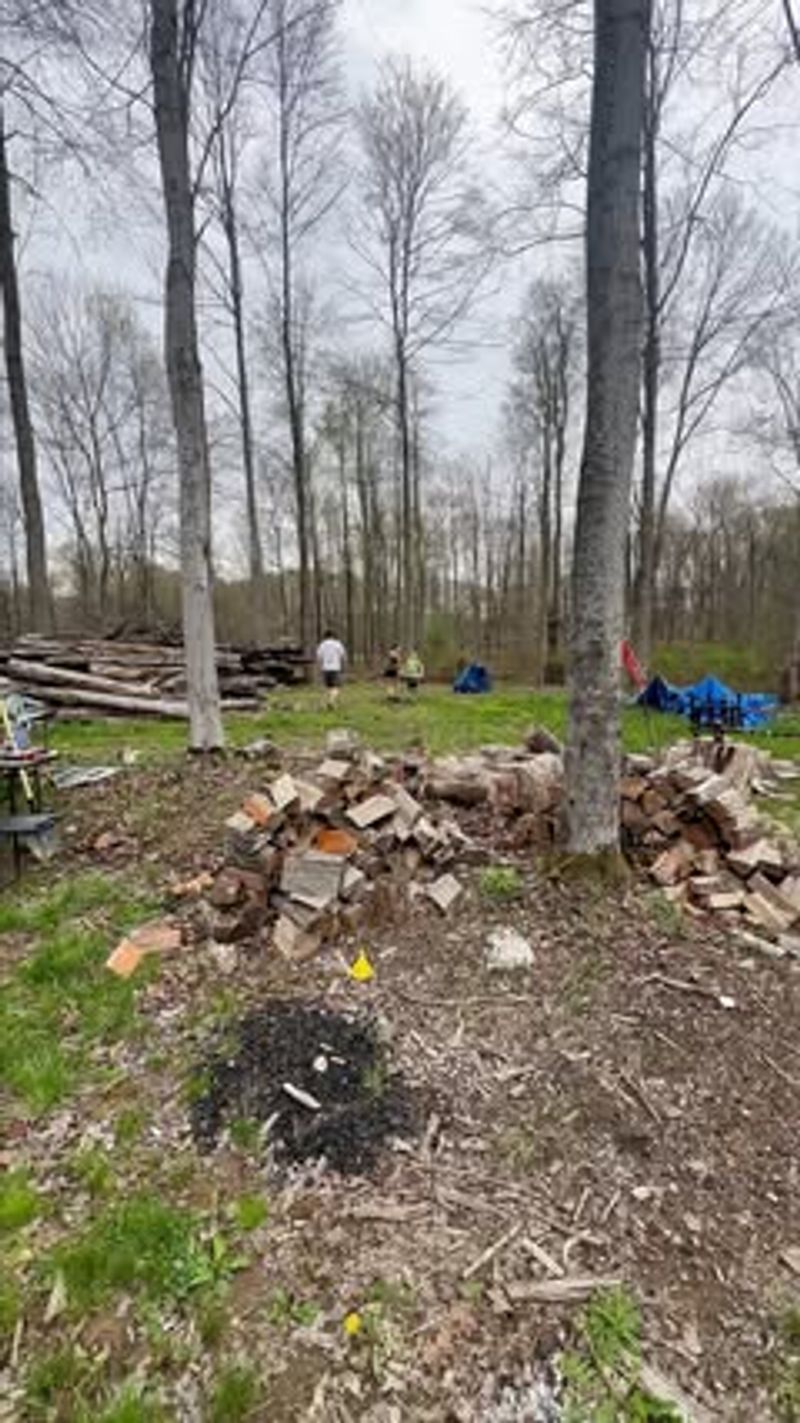
Stacked firewood, brush piles, old outdoor furniture, and scattered debris are common features in many backyards, and they deserve some attention when you are thinking about tick exposure. The connection is not that the debris itself attracts ticks directly, but that some of these features can provide sheltered, humid resting spots or coincide with activity from small mammals and other hosts that ticks rely on for their life cycle.
A residential yard management study found that questing tick larvae were more common in areas where trash or stone walls were present, but the same study did not find statistically significant effects for every yard feature tested. That is an important qualifier. Not every woodpile or cluttered corner produces a measurable tick problem, and the research was conducted in northeastern black-legged-tick habitat rather than across all of North Carolina’s tick species and property types.
Practically speaking, the most sensible steps are to store firewood neatly, keep it dry, and move it away from the house and from areas where children or pets spend time. Remove brush piles when they are no longer needed, and clear out old furniture, unused equipment, and general debris from the parts of your yard closest to family activity areas. CDC tick prevention guidance includes keeping yards free of debris as part of a broader habitat management approach.
The strongest case for debris management is in transition zones, the areas between your maintained lawn and any wooded, brushy, or overgrown section of the property. Clutter in those spots is more worth addressing than a single woodpile at the far edge of a large yard. Focusing your effort near entrances, play spaces, and frequently used paths gives you the most practical return without requiring you to clear everything from the property at once.
Use maintained activity zones to balance exposure reduction with wildlife value

Keeping a wildlife-friendly yard and reducing tick encounters are not mutually exclusive goals, but they do require some intentional design. Dense vegetation, leaf litter, brush, and animal movement are all features that can support native wildlife, and they also happen to be features that may increase tick habitat or the chance that a tick finds a host near your home. The practical solution is to separate those two zones rather than trying to eliminate one entirely.
Concentrating managed, lower-risk space around the areas your family uses most, such as paths, patios, play equipment, and entry points, while keeping denser habitat farther from those zones, is a reasonable risk-reduction approach. CDC Lyme disease prevention guidance recommends keeping play areas and seating away from wooded edges, which reflects this same principle. It is worth being clear that this is an inference drawn from habitat and exposure evidence rather than a rule that has been directly tested across every North Carolina property type.
Wildlife hosts are part of the picture too. Deer can carry ticks and contribute to tick movement across a yard, but reducing deer alone will not eliminate ticks because small mammals, birds, pets, and other animals all play roles in tick life cycles. NC Cooperative Extension guidance on tick-borne illness notes that the lone star tick, which is especially common in North Carolina, uses a broad range of hosts, making any single host-focused strategy incomplete on its own.
One common misconception worth addressing directly: native plants do not repel ticks. A 2025 study on tick exposure in native and invaded plant communities found similar average tick abundance in both, with microhabitat conditions like leaf-litter volume playing a stronger role than whether plants were native or invasive. Native landscaping offers real ecological value and is worth choosing for many reasons, but plant nativeness alone is not an established tick-control mechanism. The North Carolina DHHS tick information page focuses on habitat management and personal protection rather than plant selection as a tick-reduction strategy.
Pets, feeders, and wildlife can extend tick exposure toward the home

Dogs are one of the most direct pathways for ticks to travel from outdoor habitat into your home and onto your family. A dog that moves freely between the lawn edge, brushy areas, and the living room can carry ticks at any life stage, including the tiny nymphal stage that is easy to miss on a pet’s coat. CDC guidance on preventing ticks on pets recommends daily tick checks and a veterinarian-guided tick preventive as the core of pet-related prevention. Cats are particularly sensitive to certain tick-control chemicals, so products labeled for dogs should never be applied to cats without a veterinarian’s approval.
Bird feeders get blamed for tick problems fairly often, but the evidence does not support that as a blanket concern. A residential study on bird feeders and Lyme disease prevalence found no significant association between feeders and tick density or Lyme disease rates. The more defensible concern is specific to individual properties: spilled seed on the ground can attract rodents, and rodents are important hosts for several tick species. Keeping feeders clean, minimizing seed spillage, and moving feeders away from entrances or play areas when you notice rodent activity is a sensible precaution without requiring you to remove feeders entirely.
The opossum story deserves a clear correction. A widely repeated claim holds that opossums consume thousands of ticks per week and function as natural tick controllers in a yard. That figure came from captive-animal observations. A field study examining the stomach contents of 32 wild opossums found no ticks or tick parts, and the researchers concluded that the popular claim does not reflect what wild opossums actually do.
Feeding or attracting opossums specifically for tick control is not supported by field evidence and is not recommended.
Wildlife broadly, including deer, rabbits, and birds, can move ticks through and around your yard. Managing the habitat near high-use areas, rather than targeting any single animal species, is the more practical and effective approach for most North Carolina homeowners.
Combine targeted yard management with personal and pet protection

Yard management reduces the conditions that favor tick survival and contact, but it does not replace what you do on your own body and your pets before, during, and after time outside. The most effective approach combines both, and neither half works as well without the other.
A practical sequence for high-use outdoor time in North Carolina starts with applying an EPA-registered repellent according to the product label before going outside. CDC tick prevention guidance recommends repellents containing DEET, picaridin, IR3535, or oil of lemon eucalyptus as options with established efficacy. For clothing and gear, 0.5% permethrin-treated fabric provides an additional layer of protection, particularly for yard work near brushy edges or wooded areas. Essential oils, cedar, rosemary, and similar plant-based options do not have reliable authoritative support as dependable protection and should not substitute for registered repellents.
After outdoor time, check clothing and skin carefully, paying attention to the hairline, behind the knees, around the waistband, and in other areas where ticks tend to hide. Remove any attached tick promptly using fine-tipped tweezers, grasping as close to the skin as possible and pulling upward with steady pressure. NCDHHS notes that prompt removal can meaningfully reduce the chance of illness from a tick bite.
Pesticides can play a targeted role as part of an integrated pest management plan, but they work best when paired with habitat management rather than used as a standalone solution. CDC integrated pest management guidance describes pesticide use as one component of a broader strategy, not a substitute for other steps. Routine blanket spraying of an entire yard is not recommended. EPA warnings about broad pesticide application note that pyrethrins and permethrin can harm beneficial insects including bees, butterflies, and ladybugs, and that runoff or spray drift can threaten aquatic organisms.
Pets and people can also be affected by misapplied products. When pesticides are part of the plan, use them on targeted high-risk edges, follow the product label precisely, and keep children and pets away from treated areas until dry. CDC pet tick prevention guidance reinforces that veterinarian-guided preventives for pets remain an essential layer of protection alongside any yard-level treatment.
Manage the places your family uses most without trying to sterilize the yard
The governing idea behind all of these steps is straightforward: focus your effort on the parts of your yard that your family actually uses rather than trying to make the entire property sparse or hostile to every living thing. Paths, patios, play areas, entrances, and lawn edges are the zones where reducing tick-friendly conditions pays off most directly. A wilder section of the yard farther from those spaces can still support birds, pollinators, and other wildlife without undoing your work in the areas that matter most.
A single tick on your clothing or your dog does not mean your property is infested. Ticks arrive on people, pets, and wildlife hosts all the time, and one encounter is a reason to check your prevention habits, not to panic. CDC tick prevention guidance and NCDHHS public health recommendations both frame yard management as exposure reduction, not elimination. Regular tick checks on yourself, your children, and your pets remain necessary throughout the North Carolina tick season regardless of how well-managed your yard is.
Good habits around the yard lower your odds of a tick encounter without promising a risk-free summer. Ticks have been part of the North Carolina landscape for a very long time, and the goal is simply to make your yard a less convenient place for them to meet your family.