
Ticks are a real concern for anyone who spends time kneeling in a backyard vegetable garden in North Carolina, and finding practical ways to reduce that risk without covering your yard in chemicals is something a lot of homeowners are looking for. American beautyberry is a native shrub that grows naturally across much of the state, and researchers have found that compounds in its crushed leaves showed tick-repellent activity in laboratory tests. That finding is promising, though it comes with important limits that are worth understanding before you decide how to use this plant in your yard.
Meet North Carolina’s American beautyberry
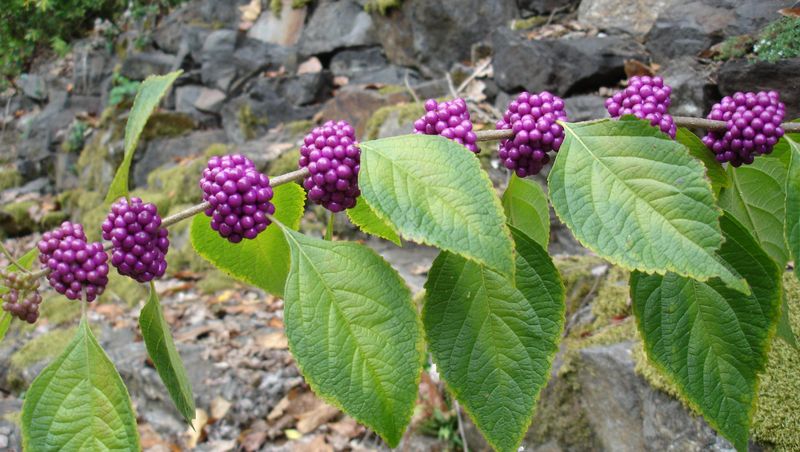
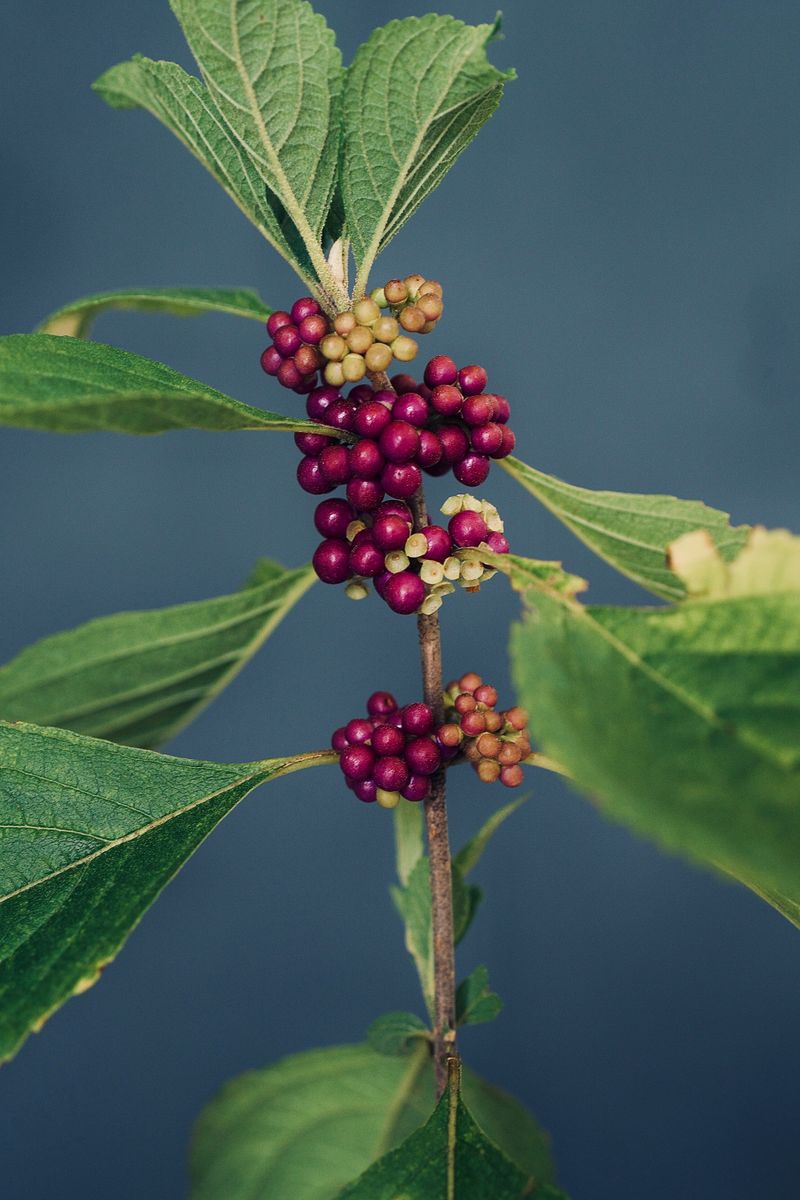
American beautyberry, known scientifically as Callicarpa americana, is one of those native shrubs that earns a second look once you understand what it actually does in a landscape. Native to North Carolina, it grows naturally along woodland margins, open meadows, thickets, and the edges of ponds and streams. If you have walked a trail in the Piedmont or Coastal Plain and spotted a shrub loaded with clusters of vivid magenta-purple berries in late summer or fall, there is a good chance you were looking at one.
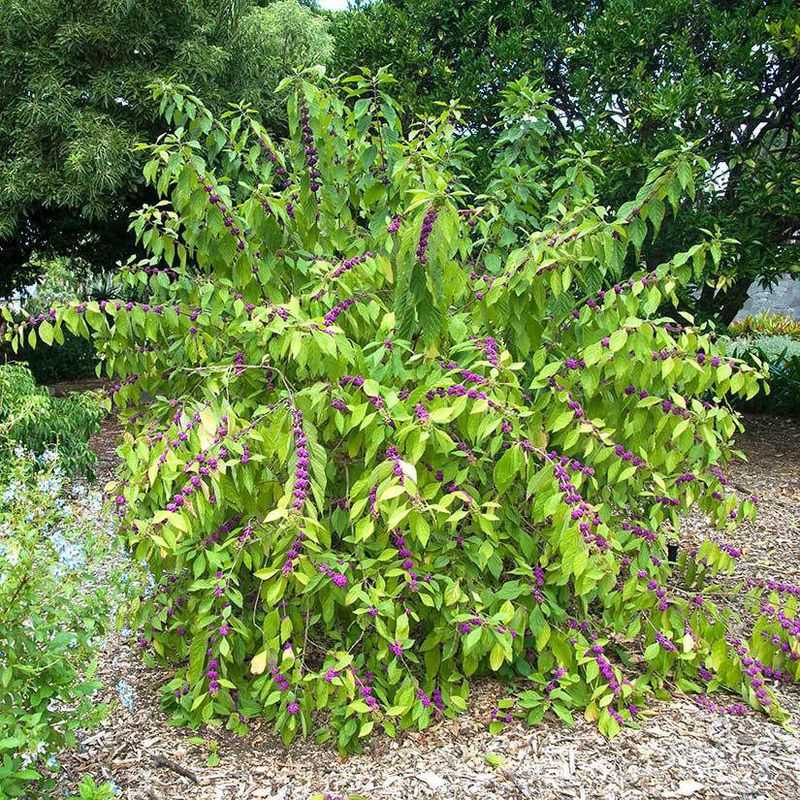
According to the NC State Extension Gardener Plant Toolbox, mature plants typically reach three to eight feet tall and three to six feet wide, though growth varies with sunlight, soil, and pruning. That size range makes it flexible enough to tuck near a garden edge or use as a loose border planting without overwhelming a backyard space. It is not a tiny groundcover, but it is also not the kind of oversized shrub that takes over a yard if you stay on top of it.
For homeowners who want landscaping that supports native wildlife, beautyberry fits naturally into pollinator and native plant gardens. Its berries feed songbirds and small mammals in the fall, which adds real habitat value beyond its appearance. That combination of regional nativity, manageable size, wildlife support, and the tick-chemistry research discussed in the next section is what makes it worth considering alongside a vegetable garden, not as a miracle solution, but as a thoughtful native planting with more going for it than most people realize.
What beautyberry’s tick research actually tested
The tick research connected to beautyberry is genuinely interesting, but understanding exactly what was tested matters a lot before drawing conclusions about what the plant can do in your yard. USDA Agricultural Research Service scientists identified two compounds in beautyberry leaves, callicarpenal and intermedeol, and tested their repellent activity against tick nymphs under controlled laboratory conditions. The USDA research summary described the findings as preliminary and noted that this work built on earlier interest in beautyberry as a traditional mosquito remedy.
The method used in the Carroll et al. published study involved purified compounds applied to treated cloth, not a living shrub planted in a garden. Researchers measured how tick nymphs responded to treated surfaces versus untreated ones. That is laboratory repellency evidence, which is a meaningful starting point for understanding a plant’s chemistry, but it is a different thing entirely from a field trial showing that planting beautyberry in your yard changes how many ticks are present or how freely they move through your garden space.
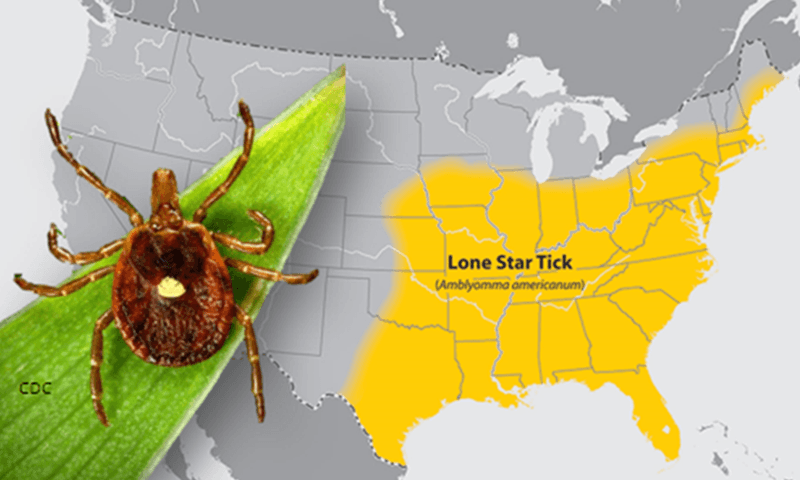
The results were also species-specific in ways that matter for North Carolina gardeners. Blacklegged tick nymphs, which are associated with Lyme disease transmission, showed a stronger repellent response to the compounds. Lone star tick nymphs, which are common and abundant across much of North Carolina, responded substantially less strongly. That distinction is important because it means the research does not support treating beautyberry as broadly effective against every tick species you are likely to encounter while gardening in this state.
What the research does support is describing beautyberry as a native plant with repellent chemistry worth further study. A shrub growing intact in your garden is not the same as a purified compound on treated cloth, and no study has tested whether a planted beautyberry changes tick behavior or abundance anywhere near a vegetable bed.
Why the North Carolina context demands caution
North Carolina’s tick landscape is more complicated than a single species or a single disease. State public-health data from the North Carolina DHHS tick-borne illness program identifies multiple illnesses circulating in the state, including ehrlichiosis, Lyme disease, Rocky Mountain spotted fever and other spotted-fever illnesses, and STARI. Each of those diseases is carried by ticks that may be active in or near your yard, and the risk is not limited to any single tick species or region of the state.
The NCDHHS tick-borne illness figures show that case counts for several of these diseases have remained consistently present across reporting years, which reflects an ongoing public-health concern rather than an isolated or fading problem. Lone star ticks, which responded weakly to beautyberry compounds in laboratory testing, are among the most common ticks encountered by North Carolina residents in yards and wooded edges. American dog ticks are also present and relevant to disease transmission in the state.
Framing beautyberry as a promising native component of a managed landscape is reasonable given the chemistry research. Framing it as protection against the full range of ticks and tick-borne illnesses a North Carolina gardener might face is not supported by the available evidence. The laboratory findings focused on two specific compounds against two tick species, with stronger results for only one of them. A plant that showed partial repellent activity in a controlled setting cannot carry the weight of protection against a diverse tick population across varied terrain, seasons, and conditions.
Beautyberry can be one thoughtful piece of a larger yard-management approach, and that is a genuinely useful role, but it should not replace the broader prevention practices that health agencies recommend for this state.
Place beautyberry beside the garden’s working zone
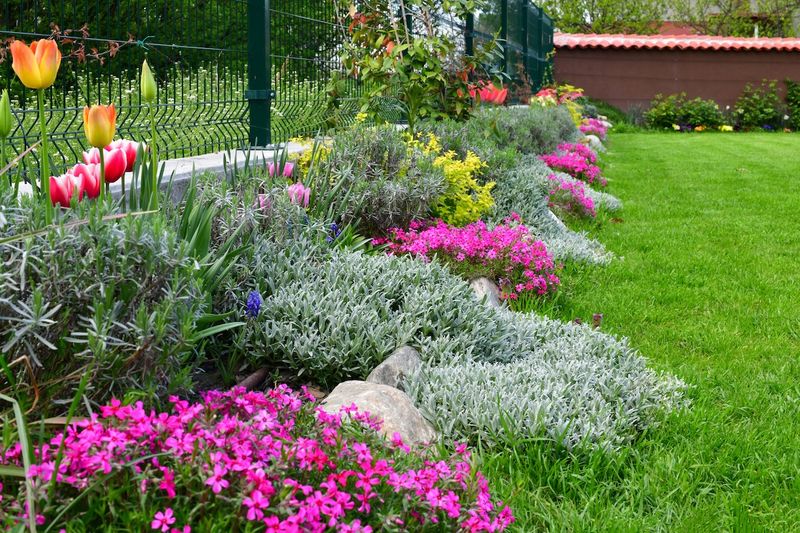
Thinking about where to place beautyberry matters as much as deciding to plant it. The shrub is not a low groundcover that forms a physical barrier around your vegetable beds, and it should not be treated as one. What it can do is serve as a native landscape planting positioned near the garden’s outer edge, adding habitat value and contributing its leaf chemistry to the surrounding environment without creating the kind of dense, shaded cover that ticks actually prefer.
CDC tick prevention guidance consistently points to habitat structure as a key factor in tick activity. Shaded, moist, brushy areas with leaf litter, tall grass, and dense vegetation are where ticks concentrate and where people are most likely to pick them up. That means the goal for the area where you actually kneel, weed, and harvest should be the opposite: open, sunny, easy to walk through, and easy to inspect. Paths and bed borders should be clear enough that you can see your feet and ankles without pushing through vegetation.
Place beautyberry far enough from your working zone that it does not overhang paths or crowd the edges of planting beds. The NC State plant profile notes that mature plants can reach six feet wide, so leave enough room for it to fill out without pressing against frequently used areas. If companion shrubs or perennials share the border, keep the whole transition tidy rather than letting multiple plants merge into a dense wall of vegetation.
This placement advice comes from tick-habitat principles, not from any evidence that beautyberry itself changes tick movement. The NCDHHS tick habitat guidance and University of Missouri Extension tick management resources both emphasize that keeping vegetation managed and open reduces the conditions ticks need to thrive. Beautyberry fits well in a layout designed around those principles, as long as it is treated as a managed native planting rather than a protective barrier.
Grow the shrub for habitat without creating dense cover
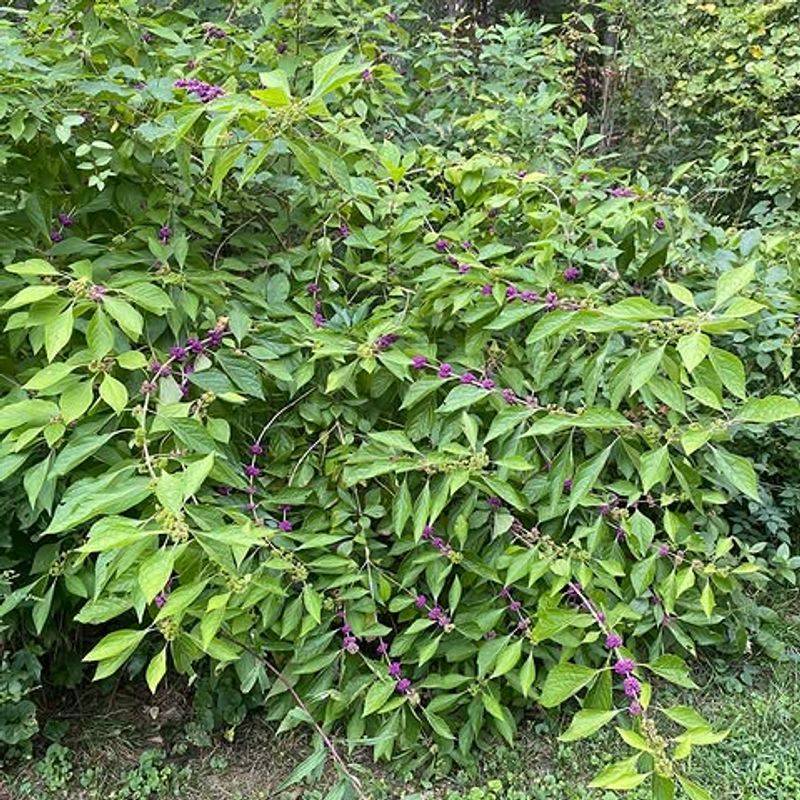
Getting beautyberry to work well as a landscape plant means understanding its growth habits and staying ahead of them. The shrub performs best in full sun to part shade and tolerates a range of well-drained soils, which makes it adaptable to many typical North Carolina yard conditions. The NC State Extension plant profile supports its use across the Piedmont and Coastal Plain, though local conditions, including soil moisture, shade levels, and proximity to woodland edges, will influence how vigorously any individual plant grows.
One of the more practical things to know about beautyberry is that its flowers and berries form on new growth. That means cutting it back in late winter, rather than leaving it to grow unchecked, actually encourages a fresh flush of productive stems and keeps the plant at a more manageable size. Without occasional pruning, beautyberry can reach the upper end of its size range and start to sprawl in ways that create exactly the kind of dense, shaded habitat structure you want to avoid near a working garden.
The berry clusters that appear in late summer and fall are a genuine draw for songbirds and small mammals, which is a real benefit for homeowners who want their yard to support native wildlife. NC State Extension’s native plants for wildlife guidance highlights the value of berry-producing shrubs for fall and winter bird feeding, and beautyberry fits squarely in that category. Those wildlife benefits stand on their own and do not depend on any tick-related function from the plant.
Keep in mind that supporting wildlife and reducing tick exposure are separate outcomes. A shrub that feeds birds also provides cover near the ground if it is not pruned, and rodents that benefit from dense vegetation can carry ticks into a yard. Managed beautyberry, kept open and well-spaced, contributes to habitat without creating the conditions that concentrate tick activity.
Use proven prevention around the planting
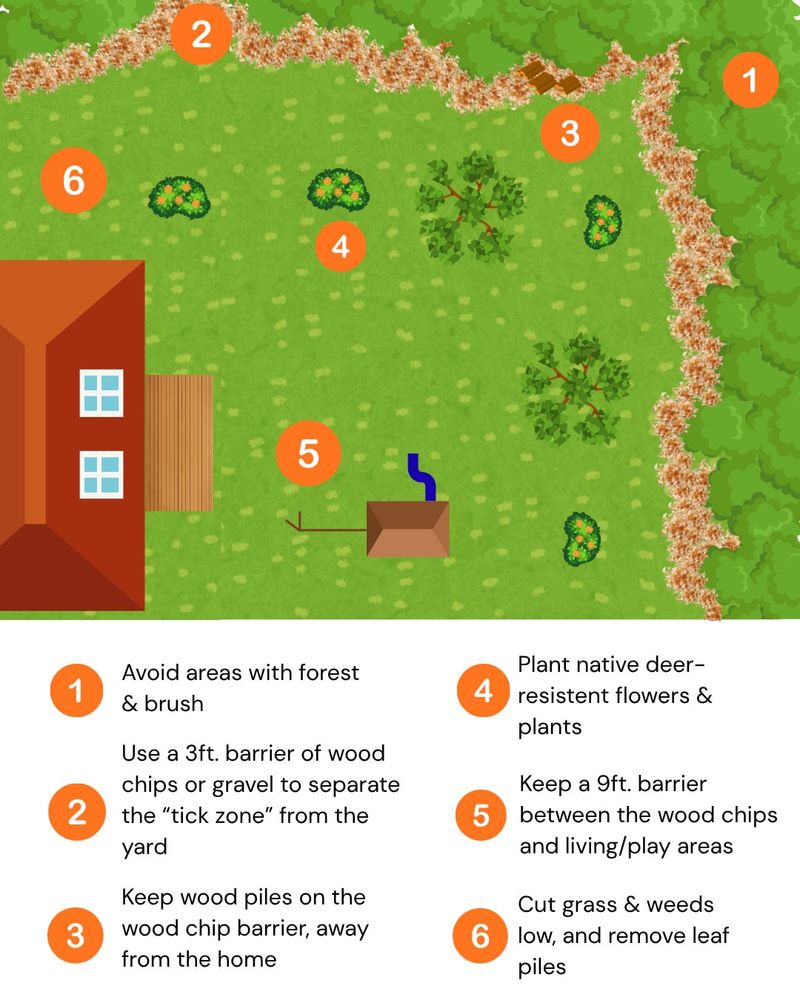
No matter how thoughtfully you position beautyberry in your yard, the plant alone is not a tick-prevention strategy. The measures that public-health agencies actually recommend for reducing tick exposure require active effort in and around the spaces where you spend time. Starting with the yard itself, CDC tick bite prevention guidance calls for removing leaf litter, trimming tall grass and brush back regularly, keeping lawn grass cut short, and stopping dense vegetation from overhanging paths or spaces where people kneel and work. Each of those steps reduces the moist, shaded, cluttered conditions that ticks depend on.
The CDC also recommends placing a three-foot-wide strip of wood chips or gravel between lawn or frequently used yard areas and any wooded or brushy edges. The CDC Tick Management Handbook notes that this barrier can reduce tick movement into high-use spaces, while also acknowledging that results vary depending on shade, woodland density, how many ticks are already present, and how consistently the barrier is maintained. It is a worthwhile step, but not a guaranteed line of defense.
Personal protection matters just as much as yard management, especially for gardeners who spend extended time close to the ground. North Carolina DHHS Fight the Bite guidance urges residents to use repellents, wear protective clothing, and check for ticks after outdoor activity. The EPA’s repellent safety guidance recommends choosing products with an EPA registration number and following label directions for age-appropriate use. DEET, picaridin, and IR3535 are among the EPA-registered active ingredients with established effectiveness records.
After every gardening session, do a full-body tick check on yourself, your children, and your pets before coming inside. Pay attention to the hairline, behind the ears, under the arms, around the waist, and behind the knees. The CDC Lyme disease prevention page notes that prompt removal of an attached tick reduces the risk of disease transmission, which makes the daily check one of the most practical habits a gardening family can build.
Give beautyberry a useful supporting role
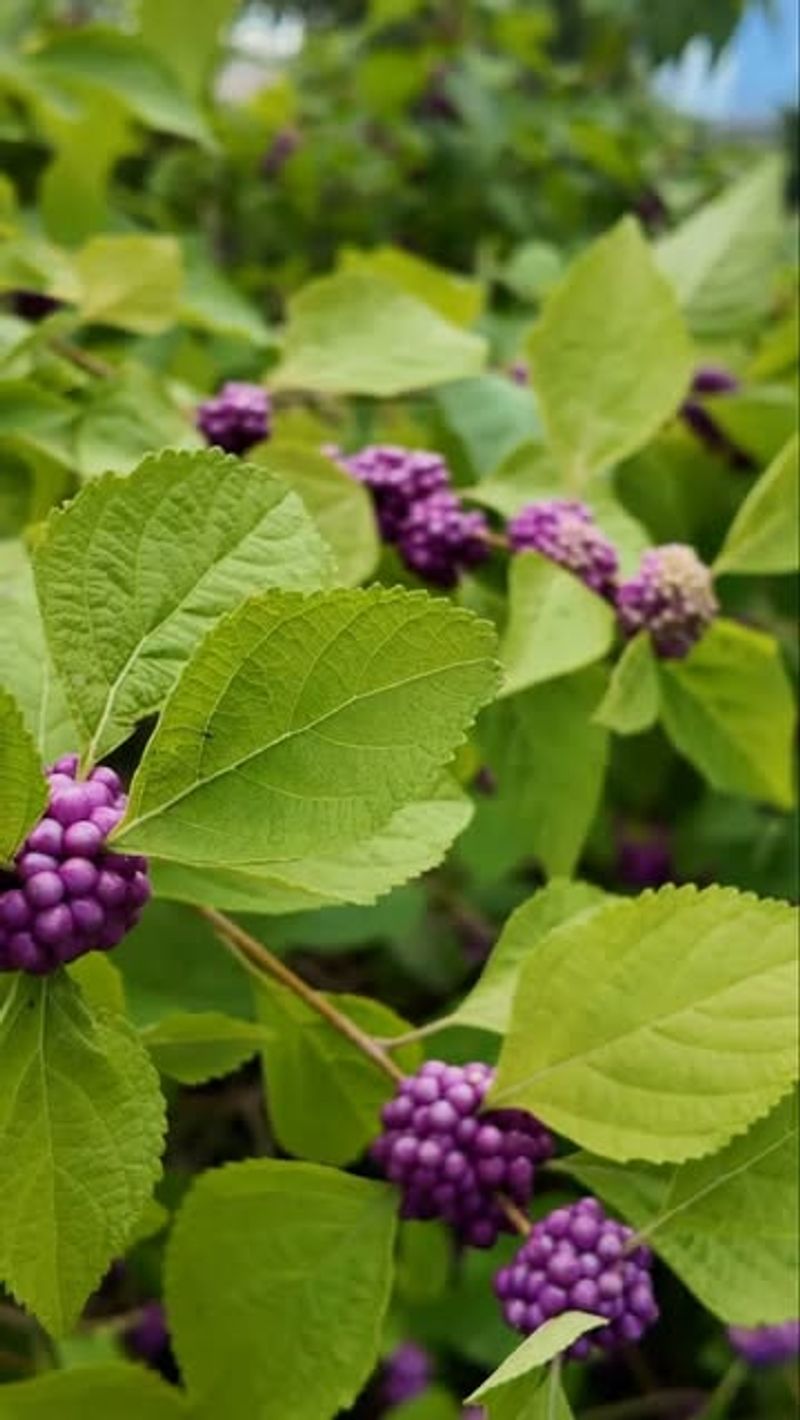
American beautyberry earns a spot near a North Carolina vegetable garden for two straightforward reasons. First, it is a genuine native with documented value for local wildlife, producing berries that feed birds and small mammals through the fall. Second, the Carroll et al. laboratory research identified real repellent chemistry in its leaves, which is more than most ornamental shrubs can claim. Those two qualities together make it a more purposeful choice than a purely decorative border planting.
What beautyberry cannot do is serve as a tick barrier or replace the yard-management and personal-protection steps that health agencies recommend. The NC State plant profile supports it as a manageable native shrub for Piedmont and Coastal Plain gardens, and that regional fit is worth honoring by placing it thoughtfully, pruning it to stay open, and pairing it with a clear garden edge and consistent CDC-recommended prevention habits. Treat it as one well-chosen piece of a broader routine rather than the centerpiece of a tick-control plan.
A plant with promising leaf chemistry, real wildlife value, and a natural home in North Carolina deserves honest recognition, and honest recognition means neither overselling it nor dismissing it. Beautyberry is worth growing; it just works best when the gardener does the rest of the work too.