
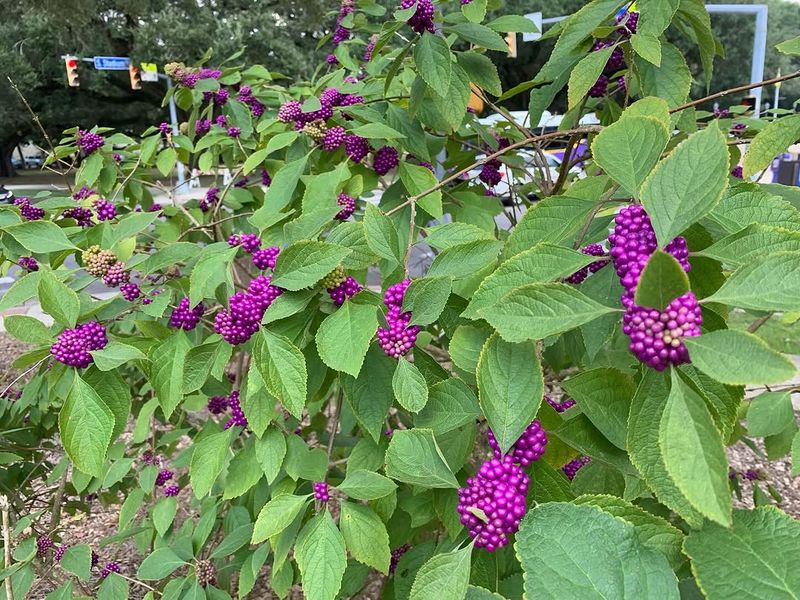
Two North Carolina native plants have been circulating online under a claim that one tree feeds wildlife all year while keeping ticks away from your yard. The story sounds appealing, but it mixes up two very different plants and overstates what either one can do. Sorting out the facts makes both plants more useful, not less, and gives you a clearer picture of how to actually reduce tick exposure around your home.
Separate the wildlife tree from the tick-research shrub
Two North Carolina natives keep getting lumped together in online plant guides, and the confusion matters. Downy serviceberry (Amelanchier arborea) is a genuine native small tree found across North Carolina’s Mountains, Piedmont, and Coastal Plain. NC State Extension’s serviceberry profile documents its early white flowers, summer fruit, fall color, and value to birds, mammals, pollinators, and butterfly larvae. Not one of those sources attributes tick-deterring properties to the tree.
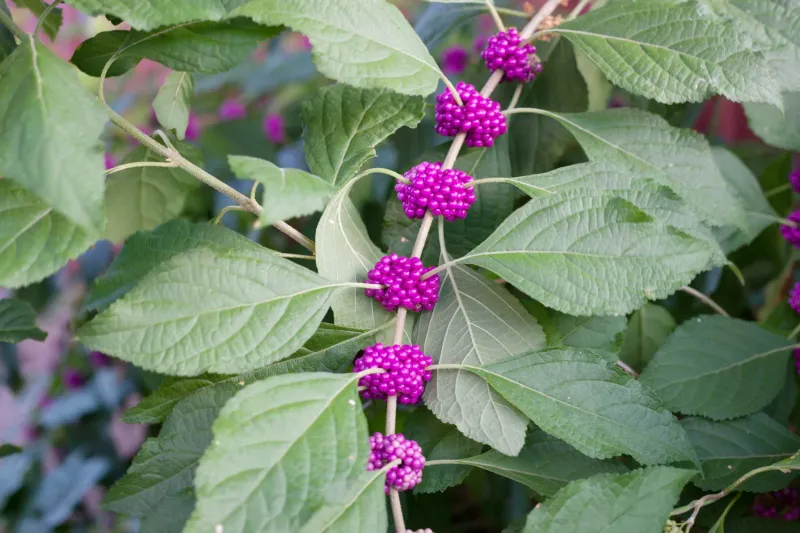
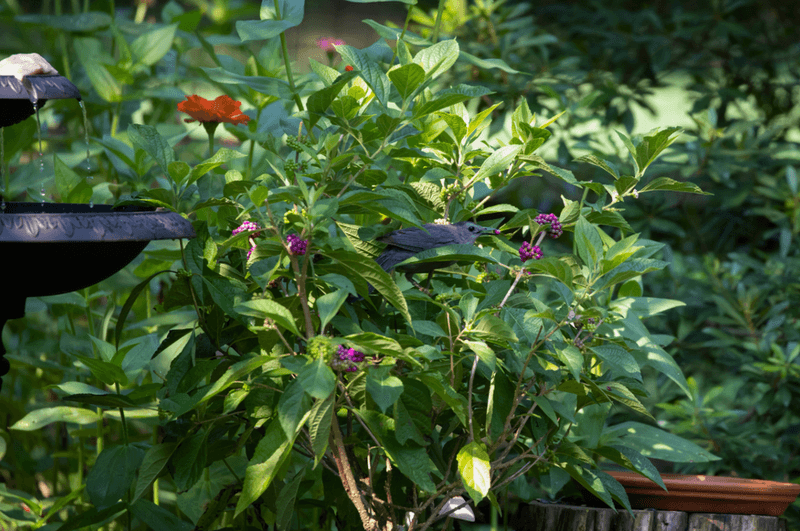
American beautyberry (Callicarpa americana) is the plant tied to tick-repellency research, but it is a shrub, not a tree. NC State classifies beautyberry as a native shrub that typically reaches 3 to 8 feet tall. Its vivid purple berries feed songbirds, foxes, raccoons, and other wildlife from roughly August through November, sometimes persisting into early winter. Its connection to tick science comes from laboratory work on isolated leaf compounds, not from planting the shrub in a yard.
That laboratory work, conducted by the USDA Agricultural Research Service, tested specific chemical compounds extracted from beautyberry leaves against tick nymphs under controlled conditions. The USDA study did not measure whether growing beautyberry changes tick abundance or disease risk in a residential yard. Neither plant has been shown to provide yard-level tick control. This guide evaluates each plant according to what the evidence actually supports: serviceberry as a wildlife-focused native tree, and beautyberry as a native shrub with limited but genuinely interesting laboratory repellency findings.
American beautyberry shows limited laboratory repellency
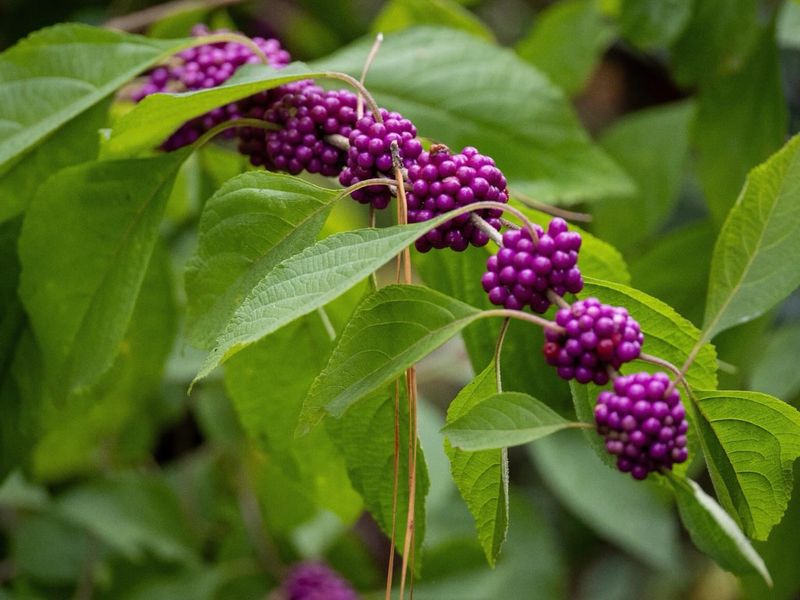
Researchers at the USDA Agricultural Research Service identified two terpenoid compounds in American beautyberry leaves, callicarpenal and intermedeol, and tested them against the nymphs of two tick species common in the Southeast. The setup involved treated cloth under controlled laboratory conditions, not a garden, a yard, or a person walking through brush. The published USDA findings showed that callicarpenal repelled 98% of blacklegged-tick nymphs and intermedeol repelled 96% of blacklegged-tick nymphs at the tested concentration.
Those numbers are striking, but the context shapes what they mean. The repellency duration for callicarpenal against blacklegged-tick nymphs was reported at roughly three hours under the study’s test conditions. That window is meaningful in a laboratory setting but does not translate directly to how long a person or a plant would maintain any protective effect in real outdoor conditions. The Carroll et al. study paper provides the full experimental detail for readers who want to examine the methodology closely.
One result that North Carolina homeowners should weigh carefully is the performance difference between tick species. Both compounds worked substantially less well against lone-star tick nymphs than against blacklegged-tick nymphs. Lone-star ticks are common across the Southeast, including throughout North Carolina, so a repellent that underperforms against them is a meaningful limitation for anyone spending time in NC yards, fields, or forests. The research identified a promising starting point for developing new repellent compounds, and the scientists said as much.
Turning that starting point into a planting recommendation requires evidence the study was never designed to provide.
Laboratory repellency does not equal yard protection
A high repellency percentage in a controlled lab test is not the same thing as a reduction in ticks around your home. The USDA beautyberry research measured how isolated chemical compounds affected tick nymph behavior on treated cloth in a laboratory. It did not plant shrubs in yards, count tick populations before and after, track disease cases, or follow families over a season. Those gaps are not a flaw in the research; they reflect what the study was designed to do.
But they do mean the results cannot be stretched to support a yard-management claim.
Whole plants and fresh crushed leaves are not the same as isolated compounds at a standardized concentration. The amounts of callicarpenal and intermedeol in any given beautyberry leaf vary with the plant’s age, health, season, and growing conditions. Rubbing fresh leaves on skin, children, or pets has not been validated as a safe or effective approach by any reviewed source, and EPA guidance on insect repellents specifically warns against applying repellents to wounds or irritated skin, near eyes or mouth, and on animals unless the product label explicitly permits it. Homemade leaf preparations fall outside all of those guardrails.
Comparing beautyberry compounds to DEET is also a stretch the USDA study itself does not make in a way that translates to personal protection. The practical takeaway is straightforward: beautyberry is a genuinely interesting native shrub with wildlife value and a real, if limited, laboratory story. Plant it for habitat. For tick protection, use EPA-registered repellents exactly as their labels direct, wear protective clothing, and follow the yard-management steps that public-health agencies have validated for reducing tick exposure.
Downy serviceberry delivers the stronger native-tree case
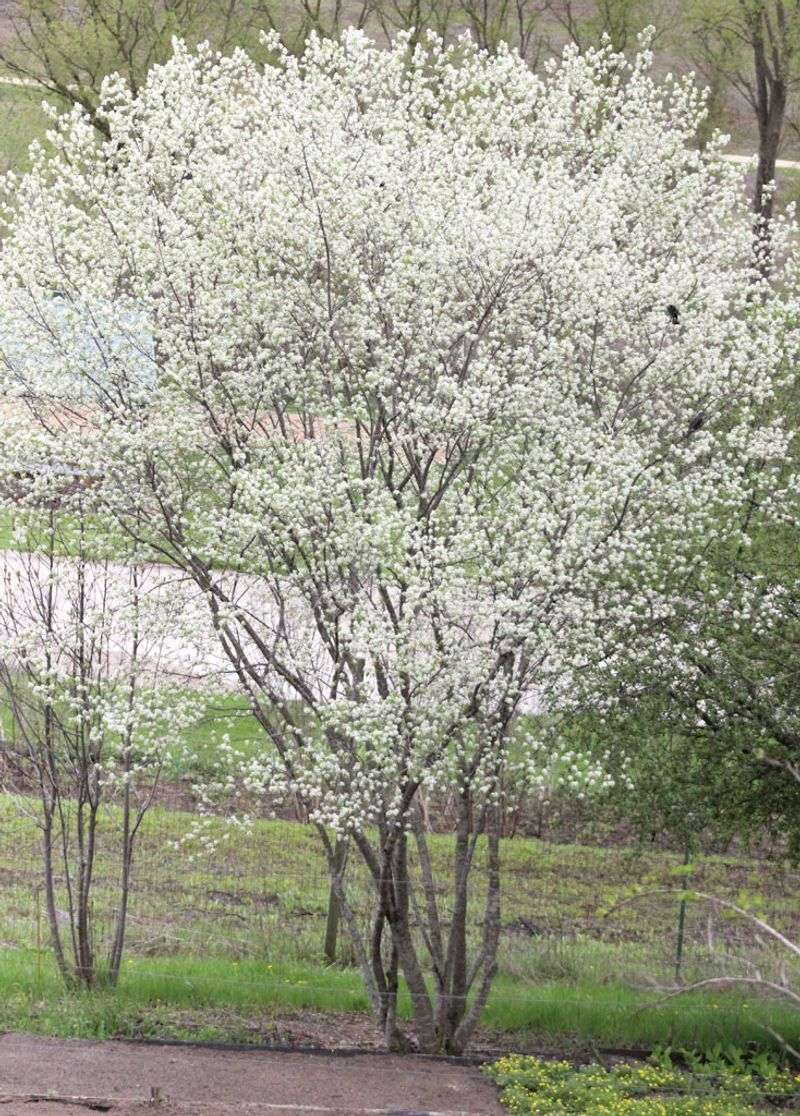
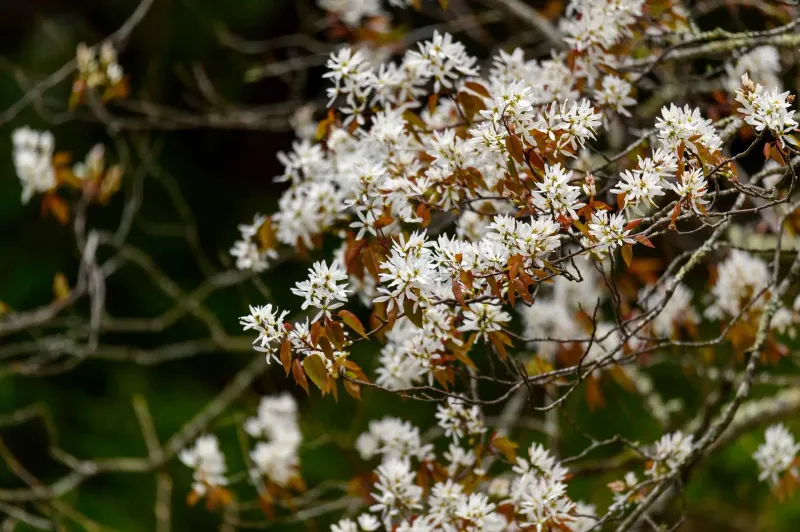
Serviceberry earns its place in a North Carolina yard on its own terms, without any need to borrow tick-deterrence claims from a different plant. NC State’s downy serviceberry profile documents the tree across the Mountains, Piedmont, and Coastal Plain, where it functions as a native understory tree or large shrub depending on site conditions. Early spring brings clusters of white flowers before most other native trees have leafed out, making serviceberry one of the first nectar and pollen sources available to bees and other early-season pollinators.
By late spring and into June, the tree produces small purple fruit that birds move through quickly. Cardinals, cedar waxwings, robins, thrushes, and other songbirds are among the documented consumers, and mammals including foxes and squirrels also take the fruit. The feeding activity that a single serviceberry generates during its fruit window can be remarkable, especially in yards where other early-summer food sources are limited. Fall brings a second round of interest in the form of orange and red foliage that adds color to the landscape after the fruit is gone.
The tree’s value extends below the fruit and flower level. Serviceberry serves as a larval host plant for red-spotted purple and viceroy butterflies, meaning caterpillars feed on its leaves as part of their development. Supporting butterfly larvae supports the broader food web, since many songbirds depend on caterpillars to feed their nestlings during breeding season. All of these habitat benefits stand on their own.
They do not require an unsupported tick-deterrence claim, and attaching one to the tree actually undersells what serviceberry genuinely contributes to a North Carolina yard.
Design seasonal wildlife resources instead of promising year-round food
No single plant feeds every wildlife species continuously through all four seasons, and presenting one that way sets up homeowners for disappointment. Serviceberry’s documented fruit window runs mainly through May and June, when birds are nesting and protein-rich caterpillars are also abundant. NC State Extension’s guide to managing backyards for birds lists serviceberry fruit availability in that May-to-June range, a concentrated flush rather than a slow season-long trickle.
Beautyberry picks up where serviceberry leaves off, producing fruit from approximately August through October and sometimes holding berries into early winter depending on wildlife pressure and weather. NC State’s beautyberry profile notes that songbirds, armadillos, foxes, opossums, raccoons, and squirrels all use the fruit, and deer may browse leaves and consume fallen fruit after leaf drop. Together, the two plants cover a broader seasonal arc than either covers alone, but there are still gaps, particularly in midsummer and midwinter.
Filling those gaps means thinking about the yard as a habitat mosaic rather than a single-plant solution. Serviceberry’s early flowers support pollinators before most other plants are blooming. Native grasses, seed-bearing perennials, and late-fruiting shrubs can carry wildlife resources through the months when serviceberry and beautyberry are not producing. The goal is a yard where something useful is always available, whether that is fruit, seed, nectar, caterpillars, or protective cover, rather than a yard that peaks in one window and goes quiet for the rest of the year.
Match each plant to the site and the job
Choosing the right plant for the right spot matters as much as choosing native over non-native. American beautyberry grows in full sun or partial shade across all three North Carolina regions, the Mountains, Piedmont, and Coastal Plain, and it tolerates a range of soil conditions reasonably well. It works as a mid-layer shrub under taller trees or as a stand-alone specimen in a sunny border. If your goal is a native shrub layer with late-season fruit and the limited laboratory repellency story as a secondary point of interest, beautyberry fits that role without demanding much from the site.
Serviceberry is more site-sensitive. Downy serviceberry generally suits full sun to partial shade and performs well across the state, but fruit production and overall health depend on adequate soil moisture and appropriate light. In southern Piedmont and Coastal Plain locations where summer heat is intense, afternoon shade can reduce stress and improve long-term performance. Urban conditions, including compacted soil, reflected heat from pavement, and limited root space, can challenge serviceberry more than they challenge beautyberry.
For Piedmont and Coastal Plain homeowners who want a serviceberry that is specifically matched to their region, shadblow serviceberry (Amelanchier canadensis) is worth considering. NC State’s shadblow profile notes its preference for moist, well-drained soil and its particular suitability for those regional conditions. Matching the species to the site, rather than forcing either plant into a location it will struggle with, gives you the best chance of the wildlife benefits and seasonal interest both plants can provide when healthy and well-placed.
Use proven measures to reduce tick exposure
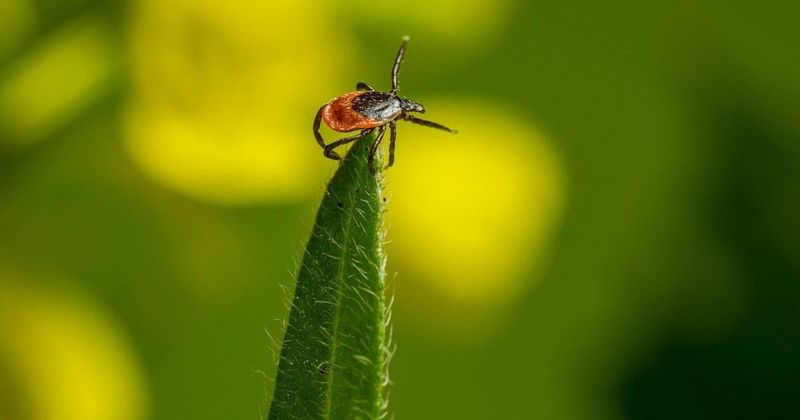
Native plants support habitat, but they do not replace the yard-management practices that public-health agencies have tested and recommend for reducing tick exposure. CDC guidance on preventing tick bites outlines a set of landscaping actions homeowners can take to make their yards less hospitable to ticks. Removing leaf litter is one of the most straightforward steps, since ticks shelter in moist, shaded debris while waiting for a host. Clearing tall grass and brush along lawn edges and around structures removes the transitional zones where ticks concentrate.
Regular mowing keeps grass short and reduces the humid microhabitat ticks prefer. Stacking firewood neatly in a dry, sunny location discourages the rodents that carry and drop ticks throughout the yard. Deer are significant tick transporters, so fencing or other deterrents that reduce deer access to the yard can lower tick pressure over time. One of the most practical structural steps the CDC recommends is placing a three-foot-wide barrier of wood chips or gravel between lawn areas and wooded or brushy edges.
Ticks cross open, dry ground reluctantly, and that barrier creates a meaningful friction point.
Personal protection adds another layer. EPA guidance on using insect repellents safely advises applying EPA-registered repellents only to exposed skin or clothing as the label directs, avoiding the eyes and mouth, and washing treated skin after returning indoors. Products should be used on pets only when the product label specifically authorizes animal use. Doing a full-body tick check after outdoor time, showering promptly, and tumble-drying clothing on high heat for at least ten minutes are additional steps that reduce the chance a tick completes attachment.
These actions work whether or not you have beautyberry or serviceberry in your yard.
Choose habitat value first and layer protection around it
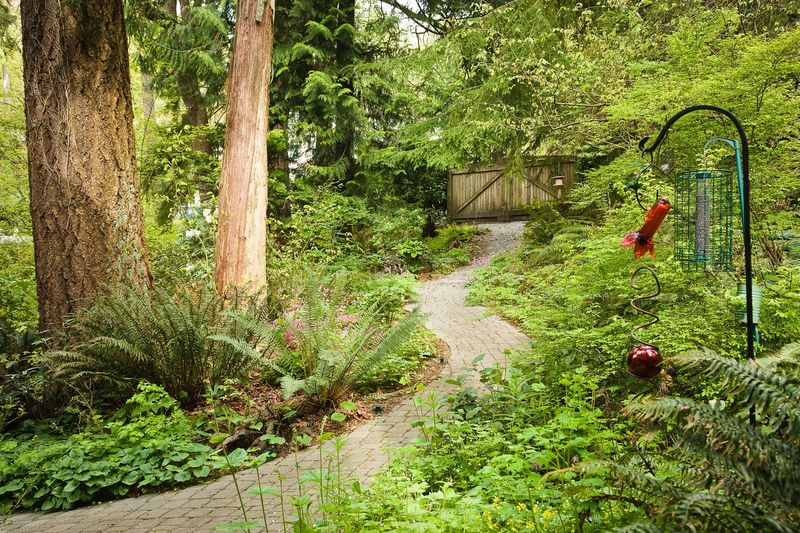
Pulling together the full picture, the decision framework is simpler than the online headlines suggest. Downy serviceberry is the evidence-supported native small tree for North Carolina yards, with documented value to birds, mammals, pollinators, and butterfly larvae across the Mountains, Piedmont, and Coastal Plain. American beautyberry is the evidence-supported native shrub for late-season wildlife food and for the genuinely interesting, genuinely limited laboratory finding that isolated leaf compounds repelled blacklegged-tick nymphs under controlled conditions. Neither plant is a standalone tick-control system, and the USDA research itself does not claim otherwise.
The practical approach layers these elements together. Start with site-appropriate native plants chosen for their habitat fit, then build seasonal diversity so that flowers, fruit, seeds, and insect resources are available across more of the year rather than concentrated in one window. Maintain the yard according to CDC landscaping guidance, including the leaf litter removal, brush clearing, and wood-chip barrier steps that reduce tick habitat directly. When heading outdoors, use EPA-registered repellents as labeled, check for ticks after time outside, and wear protective clothing in tick-prone areas.
A yard full of well-chosen native plants is genuinely worth having. The wildlife value is real, the seasonal interest is real, and the contribution to local habitat is real. Tick protection is also real, and it comes from a different set of tools used consistently alongside the plants, not instead of them. That combination is what a protective steward actually builds.