
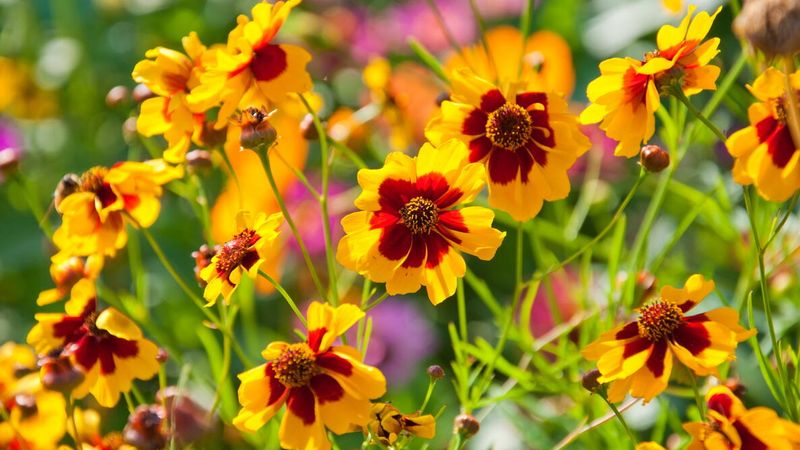
Most North Carolina gardeners have watched a promising perennial slowly give up during a July heat wave, leaving a patch of wilted stems where color used to be. Threadleaf tickseed is a native plant that quietly sidesteps that problem, producing cheerful yellow flowers through stretches of summer heat that leave other plants struggling. It grows naturally in the central and eastern Piedmont, thrives in lean, sunny spots, and asks for less fuss than most of its neighbors. If your yard has a hot, dry strip that keeps defeating every plant you try, this one deserves a serious look.
Threadleaf tickseed is an overlooked fit for hot Piedmont yards
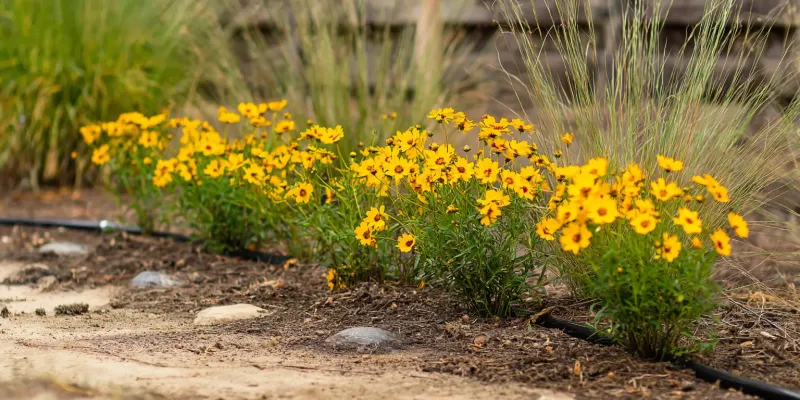
Calling any plant the single most underrated perennial in North Carolina is an editorial judgment, not a measurable horticultural fact. That said, threadleaf tickseed earns the label as an overlooked option for gardeners dealing with hot, sunny, and dry conditions in the Piedmont. NC State Extension’s plant profile identifies it as a native perennial that is fairly common in central and eastern North Carolina, and the plant’s combination of heat tolerance, drought resistance, and long bloom season makes it a genuinely strong candidate for difficult sunny sites.
The plant’s current botanical name is Anacis verticillata, though you will almost certainly find it sold under its former botanical name, Coreopsis verticillata, which still appears on retail tags and in many nursery catalogs. Both names refer to the same species, so knowing either one will help you track it down. The “tickseed” in the common name comes from the shape of the seed, which resembles a small tick, and has nothing to do with tick control or pest repellent properties.
In the ground, threadleaf tickseed forms a neat, airy clump of finely cut, thread-like foliage that stays tidy through the season. From late spring into summer, the clump covers itself in small, yellow, daisy-like flowers that hold up through periods of heat and low rainfall. The plant tolerates full sun, heat, humidity, and relatively infertile, well-drained soil, which describes exactly the kind of site where many other perennials struggle or quit. That combination does not make it a miracle, and it will not succeed in every North Carolina yard, but for the right sunny and well-drained site in the Piedmont, it is genuinely hard to beat.
Match the planting site to the plant’s real preferences
Before you put a single plant in the ground, spend a few minutes evaluating the spot you have in mind. Full sun, for this species, means at least six hours of direct sunlight daily, and the more the better during summer. A bed that gets morning shade and afternoon sun, or one shaded by a nearby tree for part of the day, may not give the plant enough light to perform at its best.
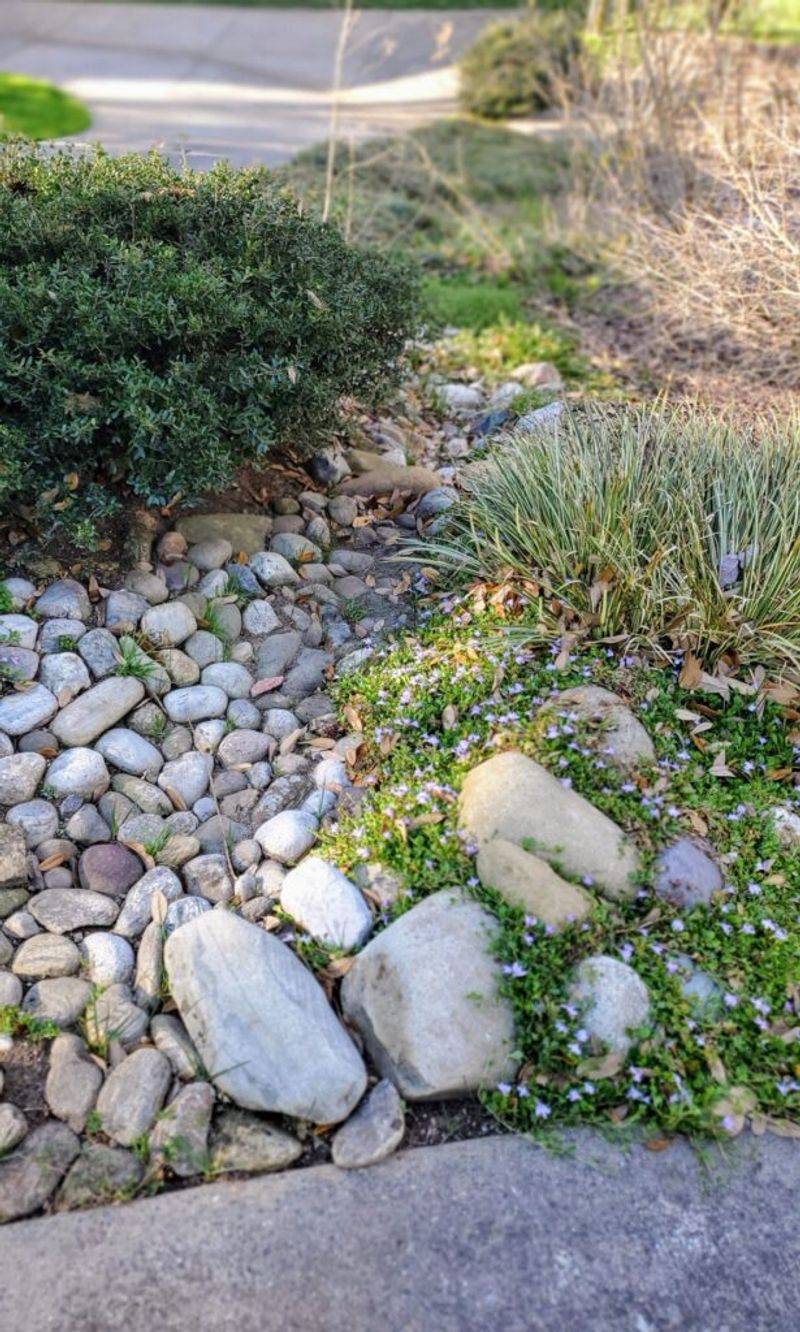
Soil drainage matters just as much as sunlight. Threadleaf tickseed naturally grows in lean, sandy, rocky, or otherwise well-drained soil, and it genuinely prefers those conditions. The NC State profile notes that overly rich or moist soil can produce weak stems and flopping, which means a heavily amended, compost-rich bed intended to help the plant may actually work against it. Heavy, compacted Piedmont clay or soil left poorly drained after construction is not equivalent to the dry, lean ground the plant prefers, even if the clay dries out during a summer drought.
Drainage must be consistently good, not just occasionally dry.
Good settings for this plant include a sunny border along a fence or driveway, a mass planting on a gentle slope, a naturalized area at the edge of a lawn, or a dry garden designed around low-water natives. Avoid any spot that holds standing water after rain or stays soggy for more than a day or two.
If your planting area has compacted soil, NC State’s native plants guidance recommends improving the soil across the entire planting area rather than digging a single amended pocket around each plant. A pocket of loose, rich soil surrounded by compacted ground can actually trap water around roots rather than letting it drain, creating exactly the wet conditions this plant cannot handle. Broad preparation produces better long-term results.
Establishment watering makes drought tolerance useful
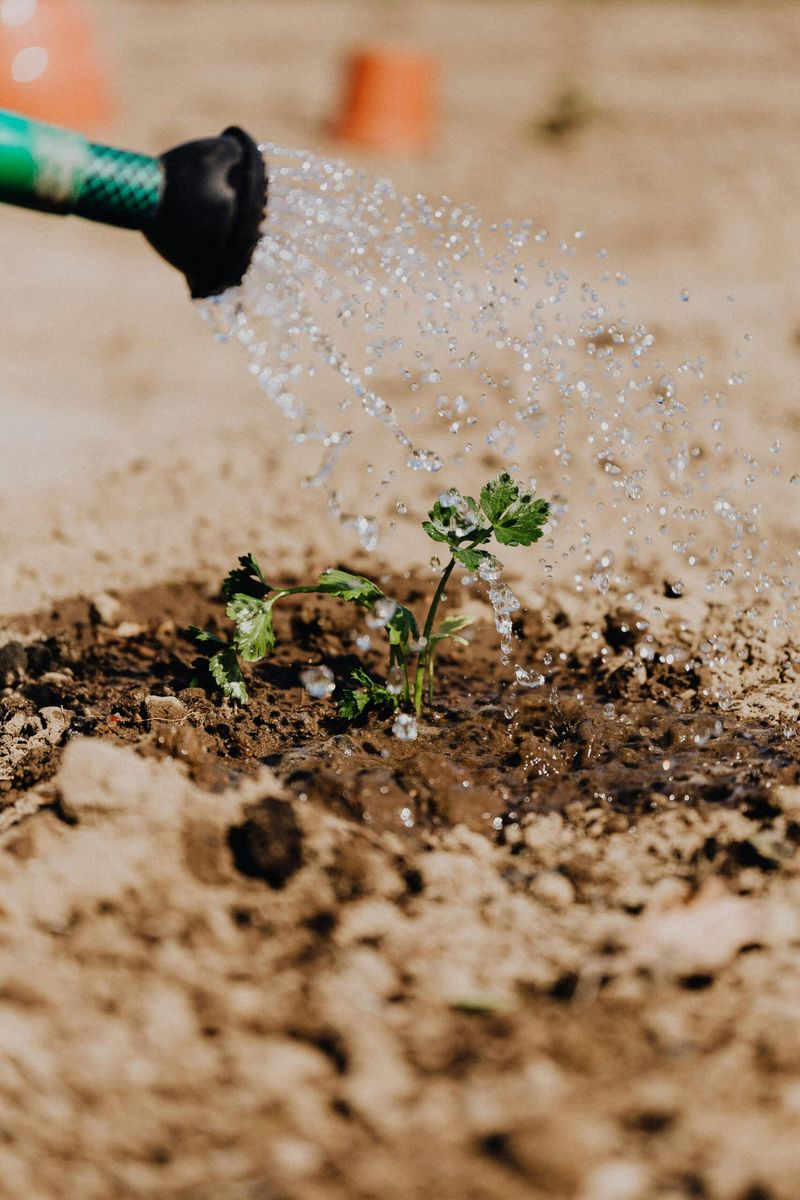
Drought tolerance is a quality that develops over time, not something a plant arrives with on the day you bring it home from the nursery. A threadleaf tickseed that has been in the ground for two weeks is not yet drought tolerant in any practical sense. Its roots are still exploring unfamiliar soil, the plant is adjusting to a new environment, and it has not yet built the root system that will eventually let it handle dry stretches with ease.
For the first few weeks after planting, water new specimens regularly. NC State’s guidance on native plant establishment is clear that even native plants need consistent moisture after planting, and that need increases when the weather is hot, when the planting site is near a building or hard surface that radiates heat, or when summer planting pushes a plant through its most stressful season without established roots to draw on. Waiting for visible wilting before watering is not a reliable strategy during a Piedmont summer heat wave.
NC State’s native plant care recommendations also support applying a two- to three-inch layer of mulch around new plantings to conserve soil moisture and moderate soil temperature. Keep the mulch pulled back slightly from the base of the stems rather than piling it against them, since mulch pressed against stems can trap moisture and encourage rot at the crown.
Once the plant is well established, usually after a full growing season or more, its drought tolerance becomes a real and practical advantage. Supplemental irrigation during unusually hot and dry stretches may still help, but an established clump in well-drained soil can handle periods of low rainfall that would stress less adapted plants. Getting through that first establishment window responsibly is what unlocks the low-water performance the plant is known for.
Expect a long bloom season, not a nonstop floral guarantee
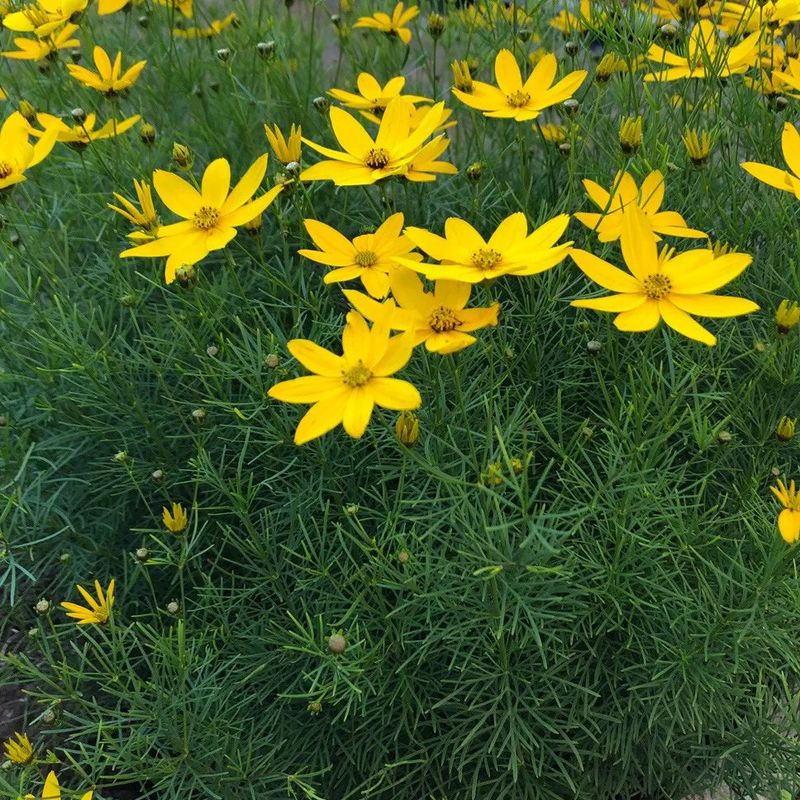
The honest payoff of a well-sited threadleaf tickseed is a long bloom season with a generous display of small, bright yellow flowers during the growing season. That is genuinely impressive for a perennial in a hot, sunny Piedmont bed, and it is the core reason the plant earns attention. A long bloom period is not, however, the same thing as uninterrupted flowering every single day from planting until frost, and framing expectations accurately helps gardeners evaluate real-world performance rather than chasing an unrealistic standard.
The NC State plant profile notes that shearing the plant after its initial bloom flush may encourage a later round of flowers in fall. That is a useful tool, but the result should be treated as a possibility rather than a certainty. Cultivar, timing, soil conditions, and summer weather all influence whether a second flush materializes and how substantial it is.
Several factors beyond heat can affect how the plant performs in a given season. Transplant shock in the first year, an extended dry period without supplemental water, soil that stays wetter than the plant prefers, or a cultivar with a naturally shorter bloom window can all reduce the display. A plant that blooms heavily for six to eight weeks and then tapers off is not a failure; that is a reasonable expectation for a perennial in a difficult site. Gardeners who deadhead spent flowers or shear the plant back by about one-third after peak bloom give it the best chance of producing additional late-season color.
The bloom season is a genuine strength of this species, and for a hot, dry, full-sun site in the Piedmont, few natives match it on that measure. Judging the plant by what it reliably does, rather than by a promise of nonstop color, sets up a more satisfying result.
Keep the maintenance light without calling it maintenance-free
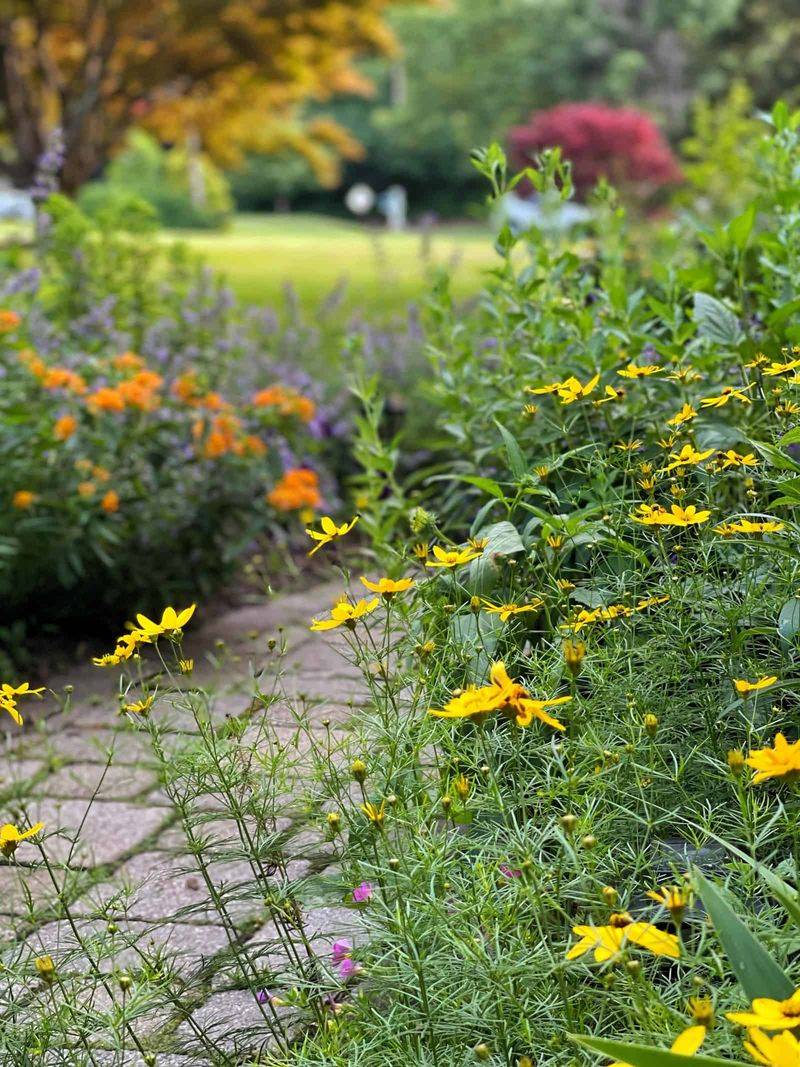
An established threadleaf tickseed is about as low-maintenance as a perennial gets in the Piedmont, but low-maintenance is not the same as no maintenance. NC State lists no major disease or insect problems for the species, which means you are unlikely to spend much time diagnosing problems or applying treatments. That is a genuine advantage over perennials that require regular monitoring for fungal issues or pest pressure.
The plant spreads by rhizomes, meaning it slowly expands outward from the original clump over time. In a naturalized area or a large border, that spreading habit can fill in space attractively. In a more structured bed, it may eventually crowd neighboring plants. Dividing the clump every two to three years keeps the planting tidy, refreshes the plant’s vigor, and gives you extra divisions to spread to other spots or share with neighbors.
Division is straightforward: dig the clump in early spring before growth gets far, pull or cut it into sections, and replant at the same depth in prepared soil.
Self-seeding is also possible, particularly in cultivars closer to the straight species. Seedlings are easy to remove when small if you want to keep the planting contained. If you prefer a more controlled spread, deadheading spent flowers before seeds ripen limits self-sowing without sacrificing the bloom season.
Soil quality continues to matter after establishment. NC State’s profile reinforces that lean, well-drained conditions produce sturdier growth. A clump planted in soil that is too rich or stays too moist may develop weak, floppy stems that need staking, which eliminates much of the low-maintenance appeal. Resisting the urge to fertilize or over-amend the soil is often the most useful maintenance decision you can make with this plant.
Give pollinators food without promising pest protection
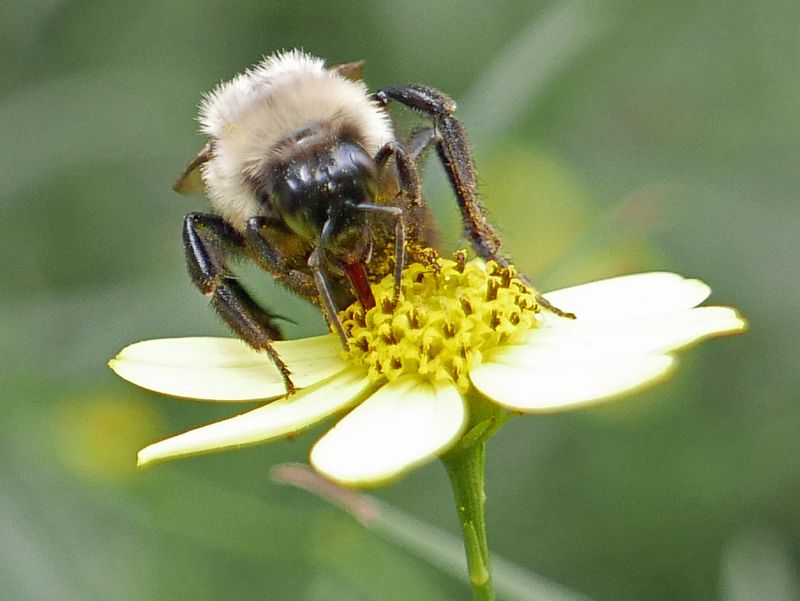
One of the most practical reasons to add threadleaf tickseed to a Piedmont yard is its value as a nectar and pollen source. NC State classifies it as a pollinator plant and identifies it as a food source for butterflies and other pollinators. The UConn Integrated Pest Management native meadow resource similarly lists threadleaf coreopsis as attracting butterflies, moths, and bees. During its bloom season, a well-sited clump can see regular pollinator visits, which is a meaningful contribution to the yard’s ecological value.
That pollinator value does not extend to tick or mosquito control. The sources reviewed provide no evidence that threadleaf tickseed repels, kills, or meaningfully reduces ticks or mosquitoes. The common name “tickseed” refers to the seed’s physical resemblance to a small tick, not to any pest-repellent property. Planting it will not protect your yard or family from either pest, and presenting it as pest-control infrastructure would be misleading.
One perennial plant, no matter how well suited to its site, cannot create complete pollinator habitat on its own. NC State’s native plant guidance recommends selecting several species with bloom periods distributed across spring, summer, and fall, so that pollinators have a reliable food source throughout the active season rather than a single window. USDA pollinator habitat guidance likewise emphasizes plant diversity and habitat structure as the foundation of meaningful pollinator support. Threadleaf tickseed fills the summer bloom window well, but pairing it with spring and fall natives multiplies its contribution.
On the household safety side, NC State lists the plant as non-toxic to dogs, cats, and horses. That is a useful, plant-specific data point for pet owners, but it applies to the plant itself and should not be extended into broader claims about garden or household safety. Families with pets who are also managing tick concerns will still need separate, appropriate strategies for tick prevention.
Use this perennial when your yard offers the right conditions
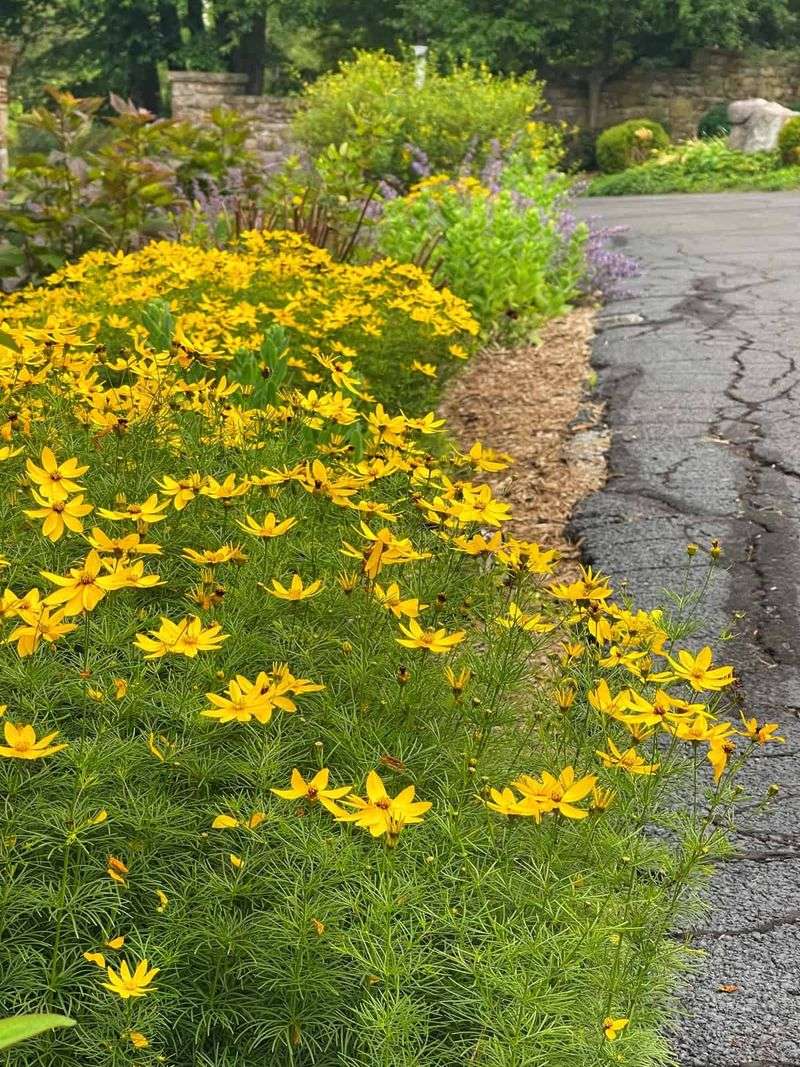
Threadleaf tickseed earns a place in a Piedmont yard when the site genuinely matches what the plant needs: at least six hours of direct sun daily, soil that drains reliably, and a gardener willing to water consistently through the first growing season. Gardeners who meet those conditions get a long-blooming, low-fuss native perennial that holds up through summer heat without constant attention. That is a realistic and worthwhile trade.
The plant is not the right choice for every spot. A shady corner, a bed with heavy clay that holds water, or a site that gets regular fertilization and irrigation aimed at lush growth are all mismatches. Placing it in those conditions and expecting the same performance described here will lead to disappointment. The honest recommendation is to fix the site first, or choose a different plant if the site cannot be corrected.
NC State’s plant profile and native plant establishment guidance together support a straightforward approach: prepare the soil across the planting area, water new plants regularly until they are established, apply mulch to conserve moisture, and then step back and let the plant do its work. Judge success by a long and generous bloom season, not by a guarantee of flowers every day until frost.
Threadleaf tickseed is not the objectively best perennial in North Carolina, and it will not repel ticks, mosquitoes, or any other pest. What it is, for a suitable sunny and well-drained Piedmont site, is one of the most durable and overlooked options available. A plant that keeps producing yellow flowers while the rest of the bed struggles through August heat is not a miracle, but it is exactly what a difficult site needs.