
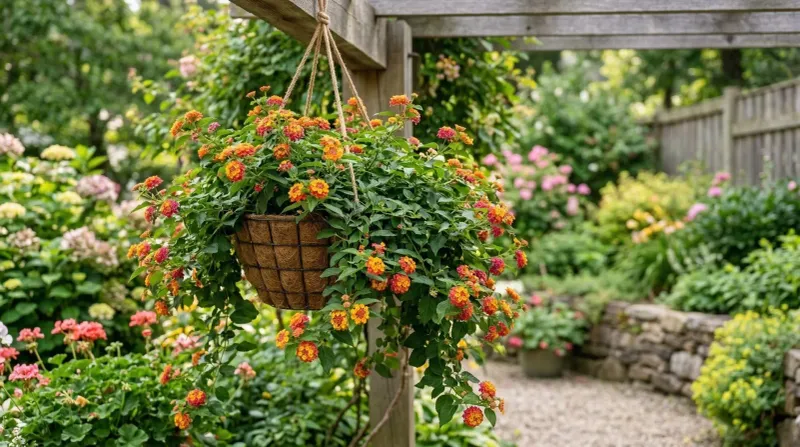
Lantana is one of the toughest flowering plants you can grow in a North Carolina yard, pushing out clusters of color through brutal summer heat when other flowers fade. But by midsummer, many gardeners notice their plants slowing down, with fewer fresh blooms and odd little green berry-like structures forming where flowers used to be. A simple, light trim at the right moment can encourage new growth and help the plant cycle back into flower, though how much difference it makes depends on the cultivar and conditions. Here is what to look for, where to cut, and how to keep expectations grounded in what lantana can realistically deliver.
A light summer trim may help lantana repeat its blooms
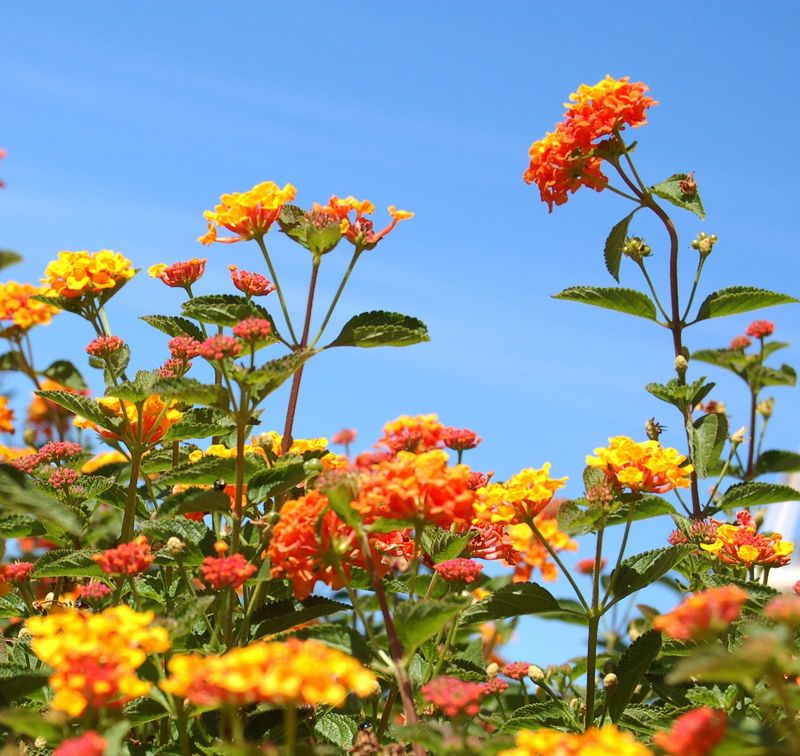
Lantana earned its reputation as a heat-loving powerhouse for good reason. Once established, it keeps pushing color through the hottest stretches of a North Carolina summer, and NC State Extension notes that common lantana commonly flowers from midsummer until the first frost when growing conditions suit the cultivar. That seasonal window is real, but it is not automatic, and one maintenance habit may help extend it.
When lantana clusters finish flowering, some plants begin forming small, green berry-like seed heads in place of new buds. Clemson Cooperative Extension notes that plants setting berries may decline in bloom and that periodically shearing the tip growth during summer can encourage repeat flowering. That shearing is a light cut, not a dramatic reduction, and the outcome depends on the cultivar, the amount of sunlight the plant receives, moisture, and the overall health of the plant.
Framing this as “one thing that guarantees far more blooms” overstates what the practice can deliver. A more honest description is that periodic light shearing is a conditional maintenance option: it may encourage new growth and repeat flowering, especially when seed heads are forming, but it will not produce uninterrupted color on every plant all summer long. Cultivar, sunlight, water, weather, and regional climate all shape the result.
For North Carolina gardeners, that qualification matters. The state spans coastal plain, Piedmont, and mountain regions, each with different heat loads, humidity patterns, and frost dates. A coastal lantana growing in full sun through a long warm season has a very different performance window than one planted in a shadier Piedmont spot or in the cooler mountains. The trim is worth trying when the plant signals it needs attention, but the plant’s own condition is the best guide to how useful it will be.
Know when a flowering tip needs attention
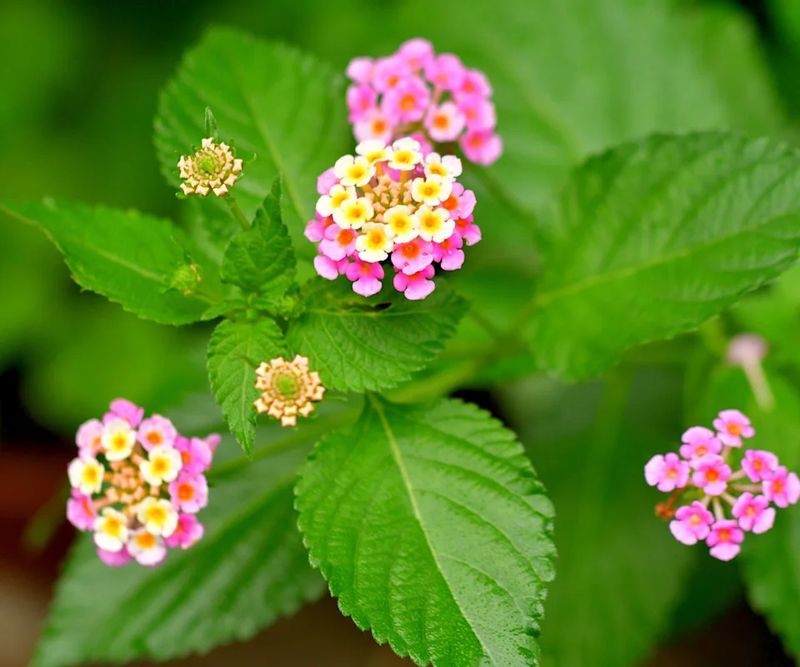
Timing a lantana trim starts with reading the plant rather than following a fixed calendar. The practical trigger is visible: flower clusters that have faded to dull or brownish tones, or small green berry-like structures that have begun forming where fresh blooms used to be. Those green seed heads are the clearest sign that the plant has shifted energy toward seed production, and that is when a light cut is most likely to encourage a new flowering cycle.
Two actions fall under the broad heading of “deadheading,” and they are not the same thing. Removing a single spent cluster is individual deadheading, a small and targeted task. Shortening several flowering tips across the plant is light summer shearing, a broader shaping cut. Iowa State University Extension’s deadheading guidance supports cutting just above a healthy leaf or node to encourage branching and new growth, and University of Missouri Extension echoes that approach for flowering perennials and annuals.
Start with individual deadheading before assuming the whole plant needs a broader cut.
Clean pruners matter more than many gardeners expect. Dirty or dull blades can bruise stems and introduce disease, so wipe the blades with rubbing alcohol before starting and again if you move between plants. Clemson Extension recommends clean tools as part of routine lantana maintenance. A sharp, clean cut just above a healthy leaf set is both safer for the plant and easier on the gardener than sawing through stems with a dull blade.
Not every tip on a plant will need attention at the same time. Walk around the plant slowly, look for the visual cues described above, and address only the tips that have clearly finished flowering or are visibly forming seed heads. That selective approach keeps the cut light and avoids removing buds that are still on their way to opening.
Cut back to healthy leaves or nodes
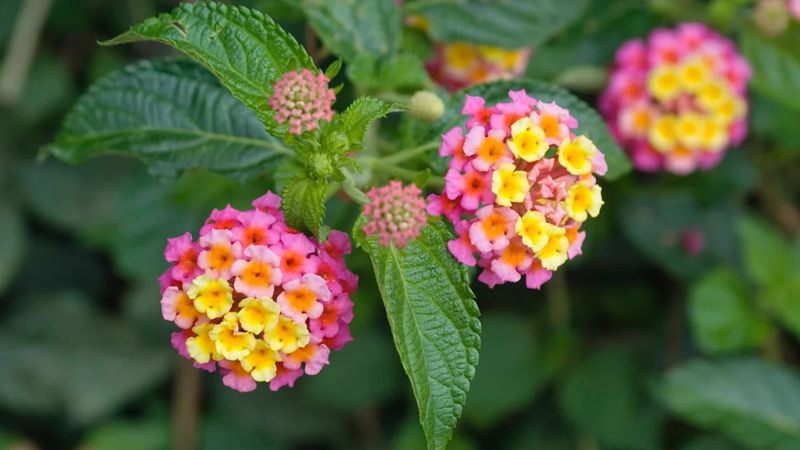
Finding the right spot on the stem makes the cut more effective and less stressful for the plant. Look for a healthy set of leaves or a visible node, which is the slight swelling or joint along the stem where new growth originates. Position the pruner blade just above that point and make a clean cut at a slight angle so water runs off the wound rather than pooling on it.
Iowa State Extension’s deadheading guidance and the University of Missouri Extension’s deadheading advice both point to cutting just above a healthy leaf or node as the standard technique for encouraging branching. For lantana, the same principle applies: the node below the cut is where the plant can push out new stems and, eventually, new flower clusters.
Preserving visible buds is equally important. If a nearby tip shows a small, tight cluster that has not yet opened, leave it alone. The goal is removing what has clearly finished, not stripping the plant of its upcoming color. This is a light shaping cut, not a cosmetic sweep that removes every petal or a whole-plant reduction that takes the plant back to bare stems.
Clemson Extension describes the summer cut for lantana as periodic shearing of tip growth, which supports treating it as a targeted task rather than an aggressive overhaul. A few well-placed cuts at the right nodes will do more good than randomly shortening stems across the entire plant. After cutting, step back and look at the overall shape; the plant should still look full and leafy, not sparse or stripped.
Check the cultivar before starting a routine
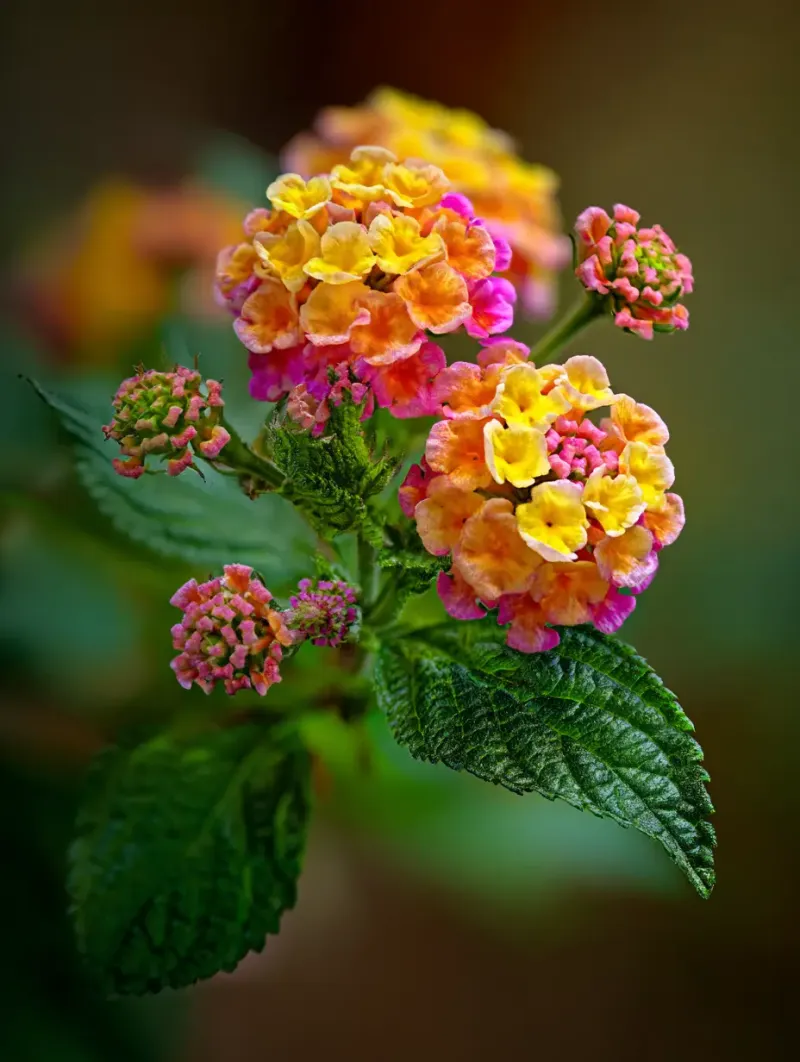
Not every lantana behaves the same way when flower clusters fade, and that difference matters before you pick up the pruners. Older, seed-producing varieties tend to form those small green berry-like structures regularly through the season. On those plants, removing spent clusters and developing seed heads is most likely to encourage a new round of flowering because the plant has visibly shifted toward seed production.
University of Arkansas Cooperative Extension specifically recommends deadheading mainly when seed heads are forming and notes that plants without visible seed production may not require the same intervention. Clemson Extension makes the same distinction, pointing out that sterile or nearly sterile cultivars produce few or no viable seeds. On those plants, removing spent flowers may have little practical effect on flowering because the plant was not investing heavily in seed production to begin with.
Wisconsin Horticulture Extension and UF/IFAS Gardening Solutions both note that many newer lantana cultivars were bred specifically to set little or no seed, which can make them lower maintenance from a deadheading standpoint. These self-cleaning types may continue cycling through bloom without requiring regular trimming.
The practical step is to look at your specific plant before committing to a weekly grooming routine. Crouch down and examine the spent clusters closely. If you see small, round, green berry-like structures forming, that is the clearest signal that your cultivar sets seed and that light removal may help. If the old flower heads simply dry up and fall away without producing visible berries, your plant may be a sterile or nearly sterile type that needs little intervention.
Let the plant tell you what it needs rather than treating every lantana as though it follows the same schedule.
Inspect weekly instead of grooming every day
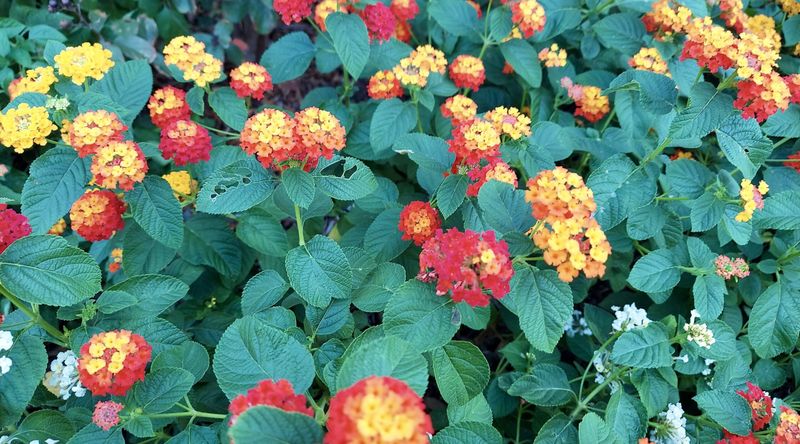
One of the easiest mistakes with lantana maintenance is turning a simple task into an exhausting daily chore. University of Arkansas Cooperative Extension addresses this directly, noting that daily deadheading is unnecessarily tedious and that weekly attention is sufficient for plants that visibly set seed heads. That guidance aligns with how lantana actually grows: flower clusters develop over several days, not overnight, so a weekly check catches what needs attention without turning the garden into a daily obligation.
A practical weekly routine takes only a few minutes. Walk around each plant, look for clusters that have faded or browned, and check for the small green berry-like seed heads that signal seed production is underway. Address those tips with a light cut and leave everything else alone. Plants that show no visible seed formation and whose spent clusters simply dry and drop on their own may not need any trimming that week at all.
Concentrating attention on plants that visibly form seed heads is a more efficient use of time than treating every lantana in the yard as though it requires identical care. A sterile cultivar in a sunny border might go several weeks without needing a single cut, while an older seed-producing variety in the same yard might benefit from weekly attention through the heart of summer. Matching the frequency of care to what the plant is actually doing keeps the task proportionate.
Skipping a week during a particularly hot or busy stretch is unlikely to ruin a healthy plant. Lantana is resilient, and a brief interruption in the maintenance routine will not cause permanent decline. The goal is consistent, light attention over the course of the season, not perfection on any single day.
Keep summer pruning light and conditions steady
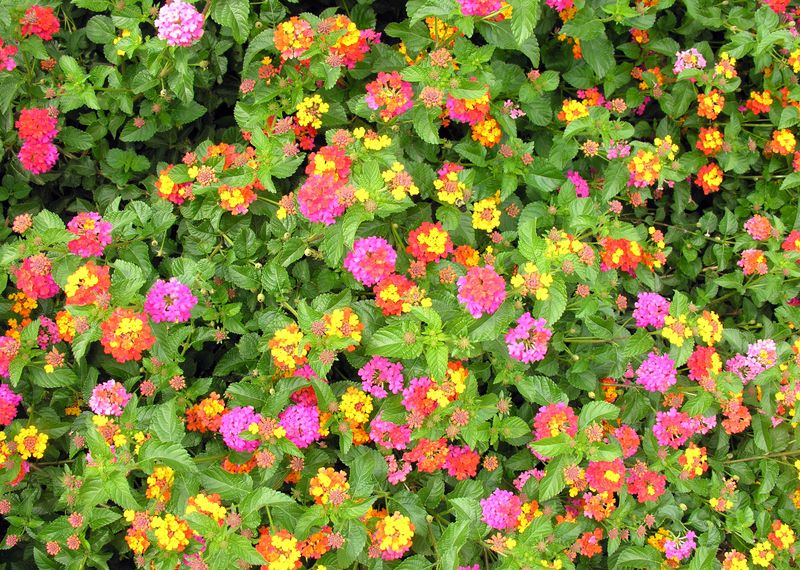
Deadheading and pruning sit at opposite ends of a spectrum, and confusing the two can push a healthy plant into stress during the hottest weeks of the year. Routine summer maintenance for lantana should stay light: removing spent clusters and making targeted tip cuts to encourage new growth. That is very different from cutting the plant back hard, which is a more significant intervention that the plant may struggle to recover from in peak summer heat.
Clemson Cooperative Extension recommends periodic light shearing of tip growth through summer and specifies that an oversized plant may be reduced by up to one-third of its height and spread, followed by thorough watering. That one-third limit is a ceiling for size reduction, not a routine target. For most gardeners doing regular weekly checks, cuts will be far smaller than that.
Research adds a useful caution about going further. A UC Agriculture and Natural Resources study on lantana pruning found that severe early-season height reduction on one cultivar produced mixed results and did not improve overall flowering. That finding does not apply to every cultivar or every situation, but it supports the general principle that aggressive summer cutting carries risk without a reliable payoff.
Supporting care matters as much as the trim itself. Lantana flowers best in full sun, and shading from nearby plants or structures can suppress blooming more than any pruning habit will fix. During prolonged dry stretches, Clemson recommends a thorough weekly watering when rainfall drops below roughly one inch for the week. Established lantana is drought tolerant, but “tolerant” does not mean the plant performs equally well without water during a weeks-long dry spell.
Fertilizer is worth treating with restraint. Clemson notes that lantana needs little fertilizer and that excessive amounts can actually reduce flowering. A light application at planting or in early spring is generally sufficient; pushing the plant with heavy midsummer feeding is more likely to produce lush foliage than additional blooms. Keep the soil conditions steady, the sun exposure consistent, and the cuts light, and the plant has the best chance of cycling through repeated flower flushes on its own schedule.
Expect different results across North Carolina
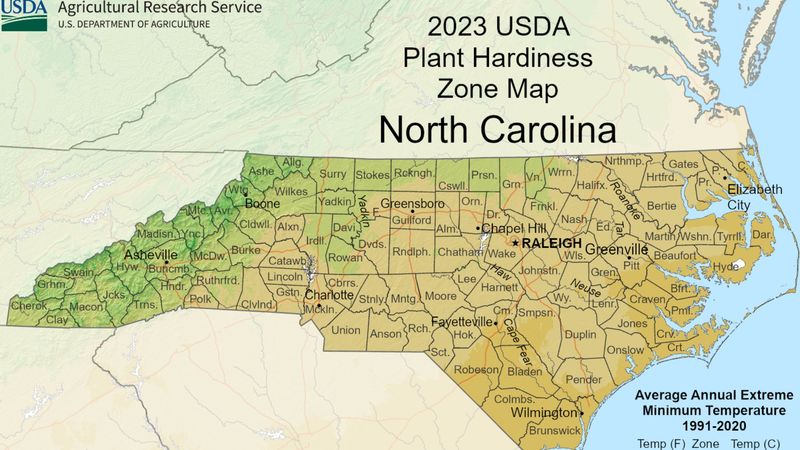
Geography shapes what lantana can realistically deliver, and North Carolina covers enough ground that the same cultivar can behave quite differently depending on where it is planted. NC State Extension lists common lantana for the Coastal and Piedmont regions and notes that some cultivars show greater frost hardiness in the Piedmont. That regional framing matters when a gardener is deciding how much to invest in a plant’s long-term care.
Along the coast and in the warmer parts of the coastal plain, lantana often overwinters reliably and can develop into a substantial perennial shrub over several seasons. In those conditions, the plant may grow large enough that a one-third size reduction in late spring makes sense before the summer flowering season begins. The long warm season also gives coastal plants more time to cycle through multiple bloom flushes after light summer trimming.
Piedmont gardeners work with a somewhat shorter warm season and colder winter lows, though many cultivars still return reliably in established beds with good drainage and a south-facing exposure. Performance varies enough by site and cultivar that it is worth noting which plants have survived winter before counting on perennial behavior every year. Clemson Extension notes that established plants are more cold-hardy than newly planted ones, which is relevant for Piedmont gardeners who may be working with plants in their first or second season.
Mountain gardeners face the most uncertainty. Lantana should be treated as potentially annual or winter-sensitive at higher elevations unless the specific cultivar and planting site have demonstrated otherwise over multiple seasons. In those areas, the value of a summer trim is still real if the plant is forming seed heads and the season is long enough to support another bloom cycle, but the payoff window is shorter and the plant may not return the following spring regardless of how well it was maintained.
Balance lantana’s pollinator appeal with safety
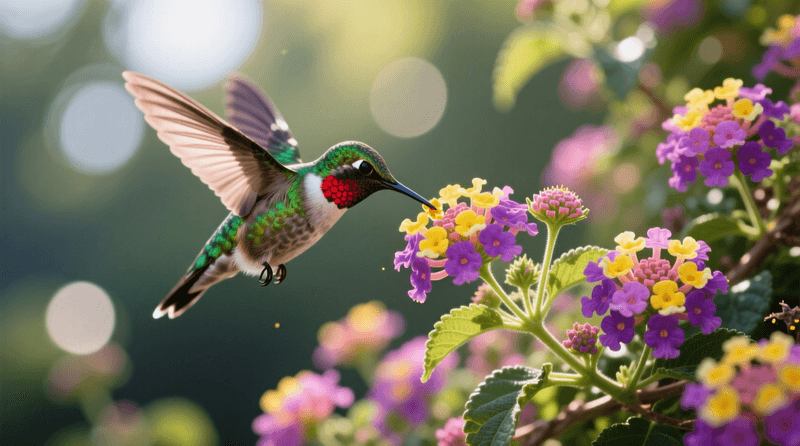
Lantana’s appeal to butterflies, hummingbirds, and other adult pollinators is genuine and well documented. NC State Extension identifies common lantana as attractive to butterflies, hummingbirds, and other pollinators, and gardeners in North Carolina regularly see swallowtails and skippers working the flower clusters through summer. That nectar value is real, but it comes with an important qualifier.
Common lantana is not native to North Carolina. NC State identifies it as originating in tropical regions of the Americas, and NC State’s wildlife landscaping guidance emphasizes that native plants provide larval host habitat that nonnative species cannot replicate. Adult butterflies may feed at lantana flowers, but the caterpillars of most native butterfly species depend on specific native host plants to complete their life cycle. Planting lantana alongside native species rather than in place of them gives pollinators a more complete habitat.
The safety issue deserves clear, direct attention. Lantana plant material and berries are toxic to children, dogs, cats, horses, cattle, and other livestock. The ASPCA lists lantana as toxic to dogs, cats, and horses, and NC State identifies it as poisonous with documented problems across multiple domestic species. The green berry-like seed heads that form during summer are particularly concerning because they can look appealing to curious children and pets.
Keep removed plant material, including trimmed stems and seed heads, out of reach and dispose of it promptly rather than leaving it on the ground.
Birds may consume lantana berries in some settings, but that does not make the plant safe for other animals or for children. The toxicity is real regardless of what wildlife does with the fruit.
Inspect weekly, make a light cut only when fading tips or developing seed heads warrant it, and judge the result by watching the plant rather than measuring it against a promise of maximum blooms. A well-placed lantana, tended with a light hand and grown alongside native plants, can be a genuinely rewarding part of a North Carolina summer garden.