
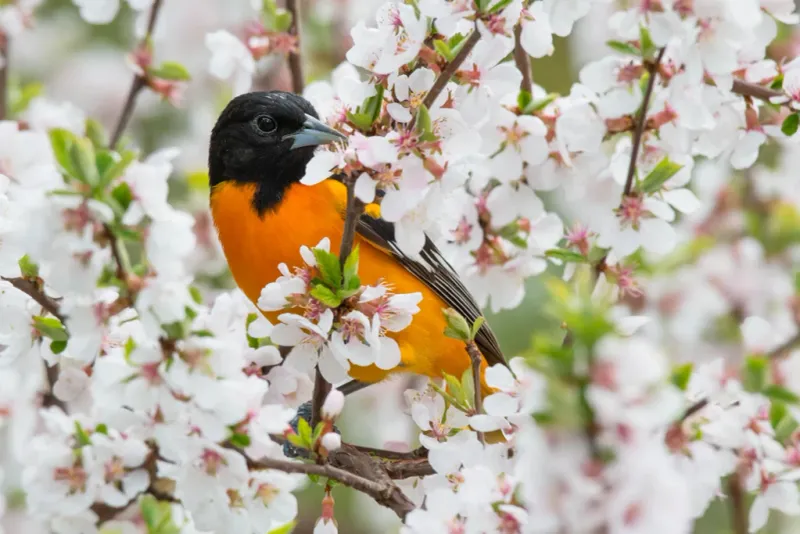
Orioles are some of the flashiest visitors you can invite into a California yard, with their bright orange and yellow feathers lighting up a tree branch. The trick to keeping them around is planting flowers loaded with the sweet nectar they crave, especially during spring migration and the long dry summer. Many well-meaning homeowners plant showy blooms that offer almost no food, so the birds pass right by. Here are ten nectar-rich plants that thrive in our Mediterranean climate, sip little water, and turn a plain garden into an oriole hotspot season after season.
1. California Fuchsia (Epilobia canum)
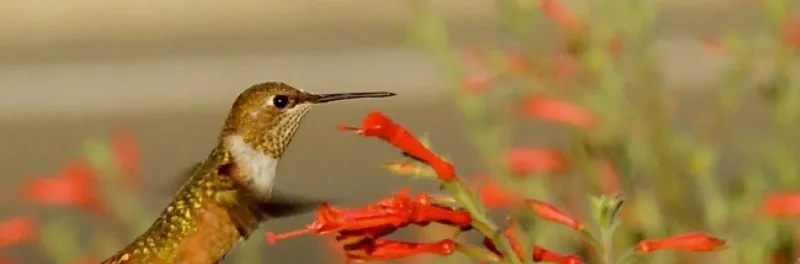
Tucked into the driest, rockiest corner of a garden, California fuchsia bursts into fiery tubular blooms right when summer heat has scorched everything else. Orioles, along with hummingbirds, zero in on those scarlet trumpets because the timing lines up perfectly with late-season hunger.
What sets this native apart is its refusal to quit during drought. Once it settles in, it may thrive on almost no supplemental water, which matters a lot when restrictions kick in across many CA districts.
Plant it on a sunny slope or spilling over a wall, and let it sprawl. The tubular shape practically funnels birds toward the sweet stuff, and its August-to-October flush fills the gap other plants leave behind.
2. Red Hot Poker (Kniphofia uvaria)
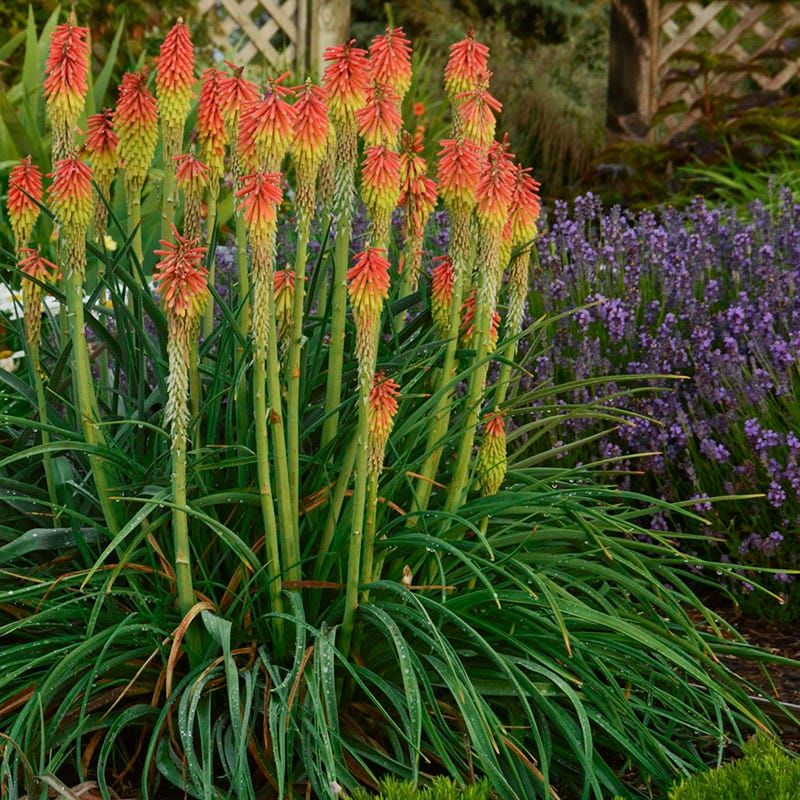
Few plants look as much like a snack bar for birds as the red hot poker, with its torch-shaped spikes glowing orange, red, and gold. Orioles will cling sideways to the stalk and work their way down each tiny tube, sipping as they go.
Its upright flower spikes hold a surprising amount of nectar, and the sturdy stems give birds a solid perch while they feed. That combination of food plus foothold makes it far more useful than a delicate bloom that can’t hold weight.
Kniphofia handles heat and lean soil well, and it can get by on modest watering once established. Deadhead the spent spikes and you may coax a second round of blooms, stretching the oriole buffet deeper into the season.
3. Trumpet Vine (Campsis radicans)
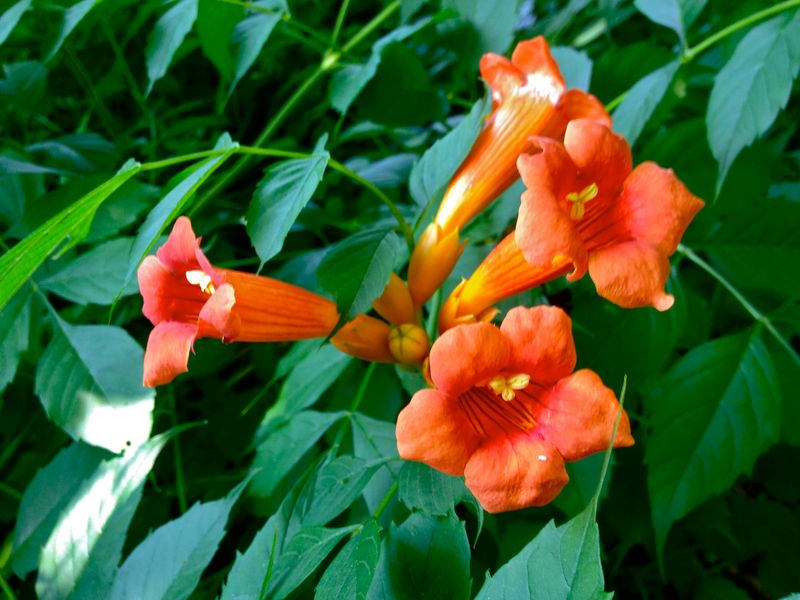
Give trumpet vine a fence or arbor and it will reward you with clusters of big orange-red horns that orioles find impossible to ignore. The deep flowers are practically built for a probing bird beak searching for a nectar reward.
Because it climbs, this vine adds a whole vertical layer of feeding space, which is something low borders simply can’t offer. Birds love working the flowers while staying partly hidden among the foliage.
A word of caution for California yards: trumpet vine is vigorous and can spread aggressively, so give it a sturdy structure and keep an eye on runners. Managed well, it delivers a long summer show and steady visits without demanding much irrigation once its roots run deep.
4. Coral Honeysuckle (Lonicera sempervirens)
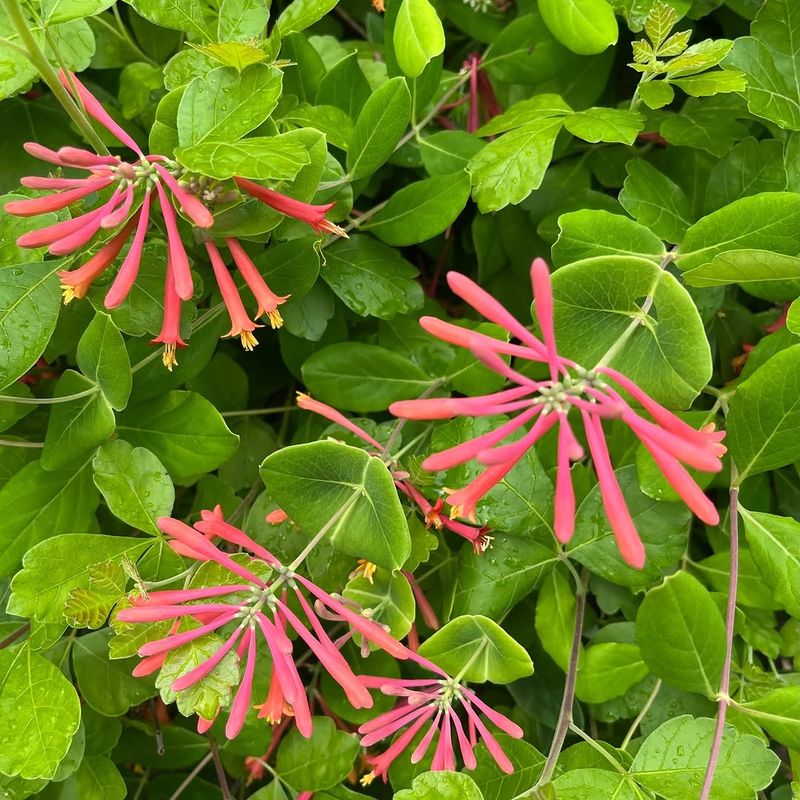
Coral honeysuckle earns its spot by being the well-behaved cousin of invasive honeysuckles, so you get the nectar payoff without the guilt of releasing a garden bully. Its coral-red tubes dangle in clusters that orioles work over eagerly.
Unlike its notorious relatives, this species stays relatively tidy and plays nice with native landscaping. That matters in California, where invasive vines can escape and choke out the wild plants pollinators and birds depend on.
Train it up a trellis or let it scramble along a fence, and it may bloom off and on from spring through fall. The long flowering window keeps orioles circling back, and the fragrance is a pleasant bonus for you.
5. Desert Willow (Chilopsis linearis)
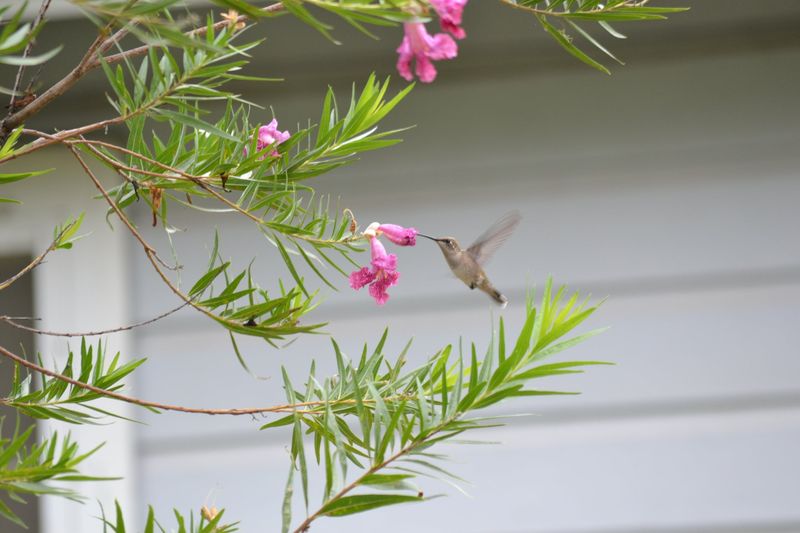
Part small tree, part flowering showstopper, desert willow throws out orchid-like blooms in pink, lavender, and burgundy all through the warm months. Orioles treat it like both a dining spot and a lookout perch, which few plants on this list can claim.
Built for the inland valleys and hotter zones, it laughs off drought and blistering afternoons once established. That toughness makes it a smart pick for water-wise homeowners who still want serious wildlife action.
Its airy, willow-like leaves give birds cover, while the trumpet-shaped flowers keep the nectar flowing. Plant one as a focal point and you get shade, structure, and a reliable magnet for orioles rolled into a single low-thirst tree.
6. Cape Honeysuckle (Tecoma capensis)
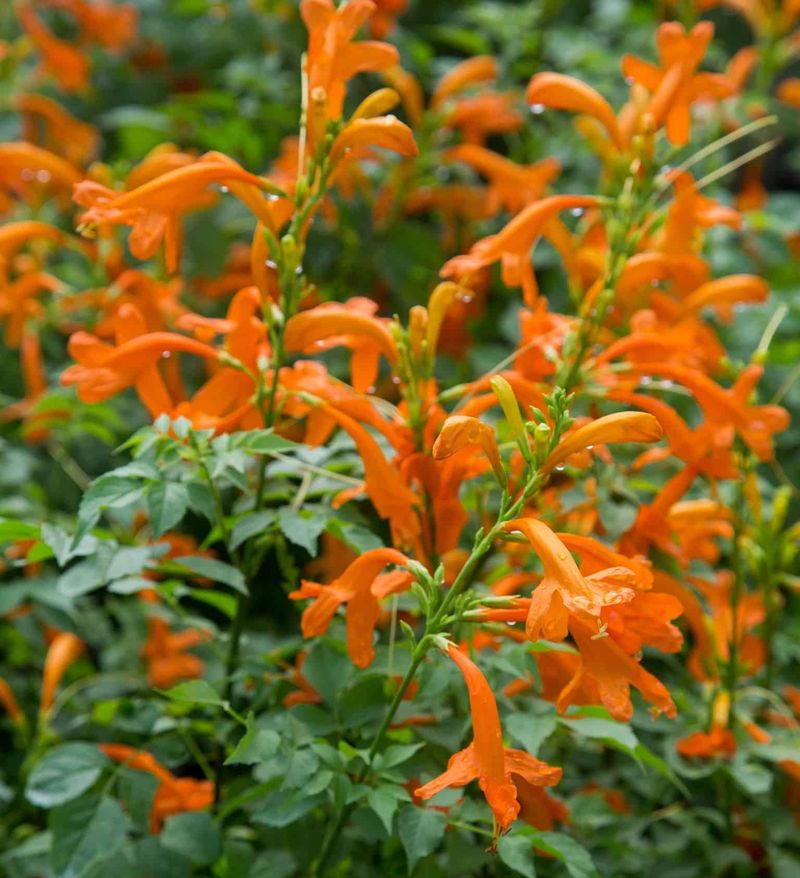
When cooler months arrive and other nectar sources fade, cape honeysuckle keeps the party going with its clusters of glowing orange-red tubes. That off-season timing is exactly why it belongs here, feeding orioles during the lean stretches.
The shrub grows fast and can be shaped into a hedge, a mound, or trained loosely against a wall. Its evergreen habit gives your yard structure year-round while the flowers do the heavy lifting for wildlife.
Coastal and mild inland gardeners get the most from it, since it appreciates warmth and shrugs off dry spells once rooted. A light trim keeps it blooming heavily, so the birds always have a fresh supply of sugar to sip.
7. Bottlebrush (Callistemon citrinus)
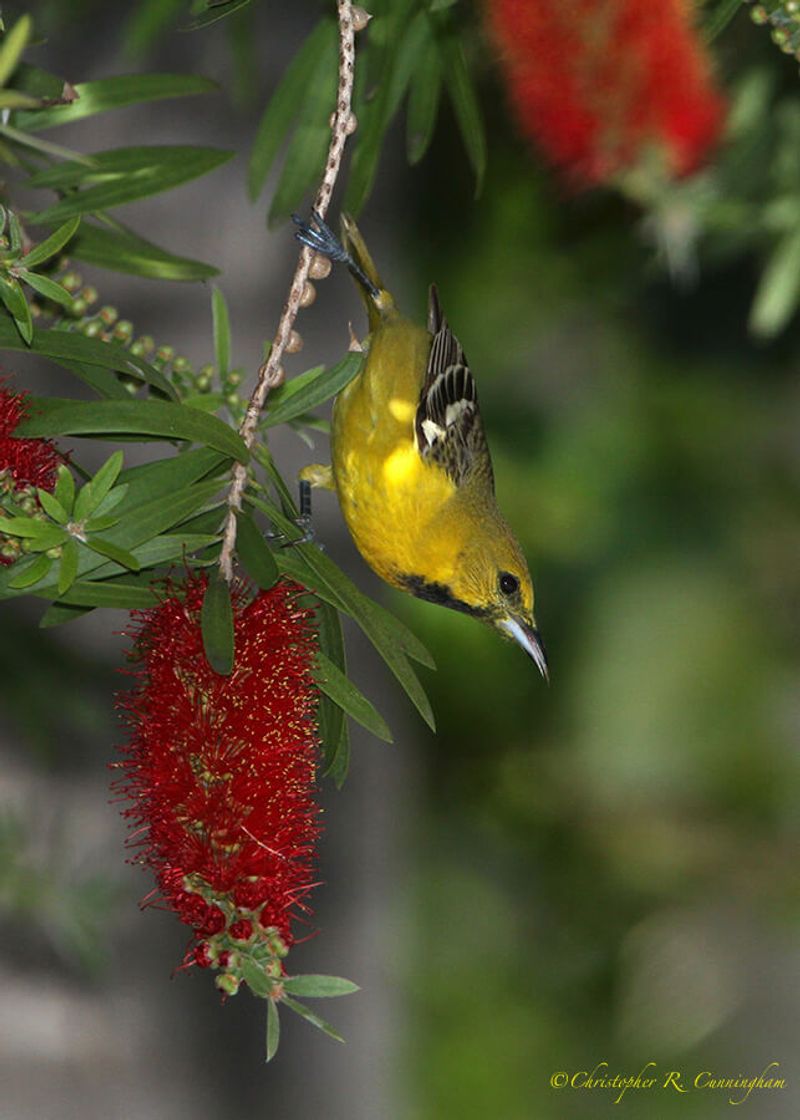
Shaped exactly like the brush you’d use to clean a bottle, this shrub’s fuzzy red flower spikes are packed with nectar and pollen. Orioles land right on the sturdy branches and probe the bristly blooms, often lingering for minutes at a time.
The flowers arrive in big flushes, sometimes more than once a year, which gives you multiple rounds of bird traffic. Each spike holds many tiny flowers, so a single bush can feed several visitors without running dry.
Drought-tolerant and heat-loving, bottlebrush suits nearly every California zone from the coast to the valleys. Skip heavy pesticide use around it, since the same insects the flowers attract become an extra protein snack for hungry orioles.
8. Salvia (Salvia species)
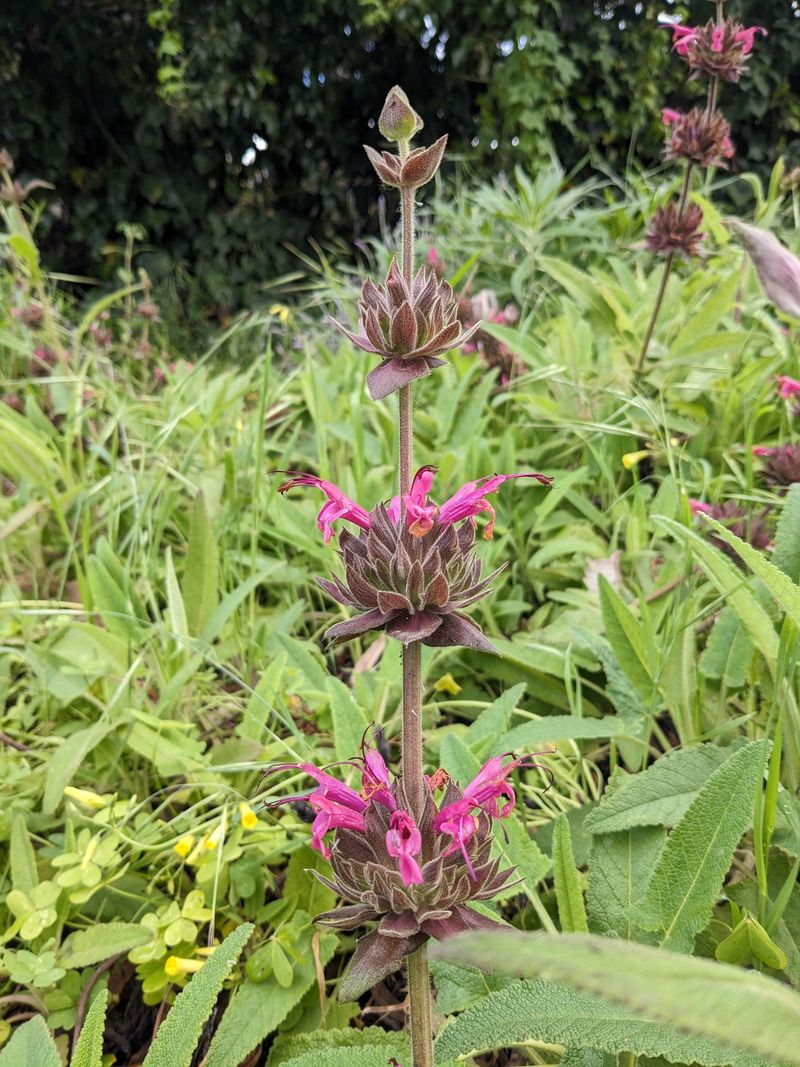
Ask any California wildlife gardener for a can’t-miss plant and salvia comes up fast, thanks to its endless spikes of tubular flowers. From native hummingbird sage to autumn sage, the genus offers a rainbow of blooms that orioles happily raid for nectar.
Its real strength is variety and length of bloom. By mixing a few species, you can keep flowers open from early spring straight through fall, giving orioles a steady reason to stop by all season.
Many salvias are California natives that support the local pollinator web too, so you feed bees and butterflies in the same bed. They sip little water, thrive in full sun, and bounce back after a hard prune, making them one of the easiest wins on this list.
9. Ocotillo (Fouquieria splendens)
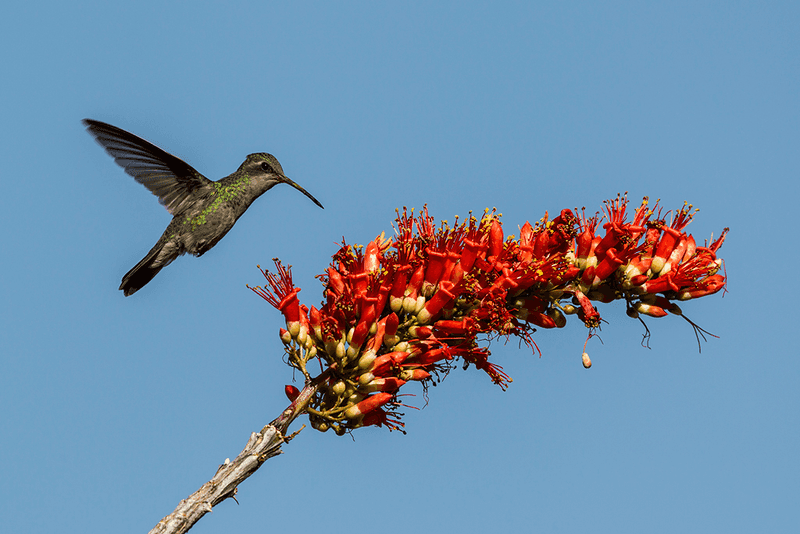
Looking like a bundle of spiny green wands, ocotillo surprises everyone in spring by tipping each stem with a flame of crimson flowers. Orioles migrating through the deserts and inland edges of California make a beeline for those bright tips.
Its dramatic vertical form offers something no low shrub can: tall, springy perches loaded with nectar right at the top where birds like to feed. The plant leafs out only after rain and drops leaves in drought, a clever water-saving trick.
For hot, dry inland and desert-adjacent gardens, ocotillo is a living sculpture that doubles as a bird feeder. Plant it in sharp-draining soil, water it sparingly, and let its red-tipped spires pull migrating orioles down for a rest and a drink.
10. Aloe (Aloe species)
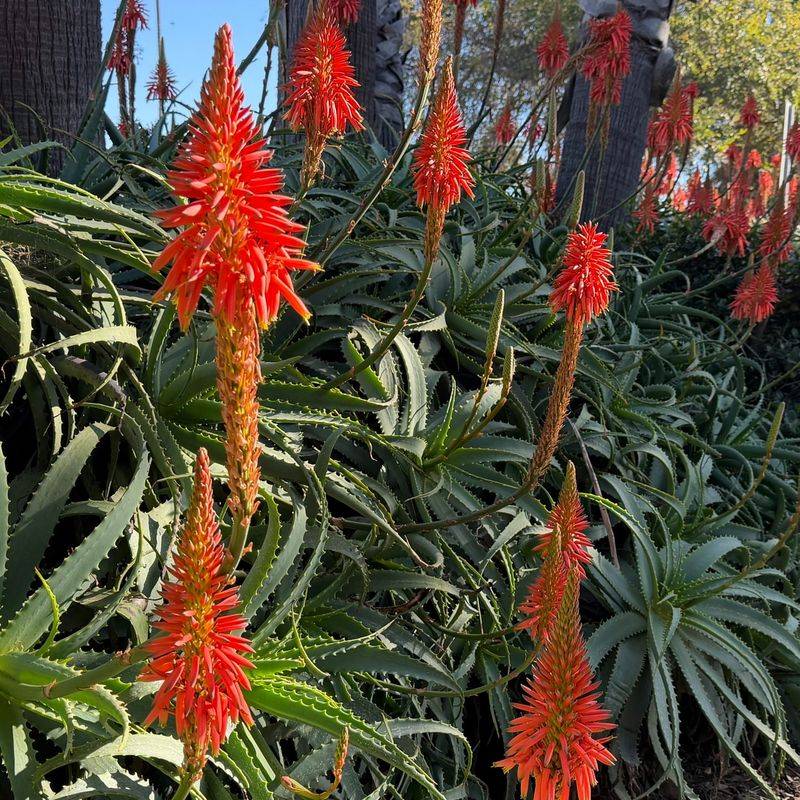
Come the depths of winter, when most gardens sit quiet, aloes send up tall stalks crowned with orange and coral tubular flowers. That cold-season bloom is a lifeline for orioles that overwinter along the California coast, and it’s the reason aloe closes out this list.
Each flower spike drips with nectar, and the succulent leaves store their own water, so the plant asks almost nothing of you during dry spells. In a drought-conscious yard, that kind of self-reliance is hard to beat.
Group several varieties together and you can stagger blooms across the cooler months for near-constant color and food. Tough, sculptural, and practically foolproof, aloe proves you can feed orioles even when the rest of the garden is fast asleep.