
That patch of bare dirt in your yard might look harmless now, but the first big fall storm can strip away topsoil in a single afternoon. In California, our long dry summers leave soil crusted and loose, and the winter rains hit it hard.
Native groundcovers can hold that soil in place, soak up rainwater, and feed local bees and birds at the same time. Planting in fall gives roots the whole rainy season to settle in, so now is the moment to act.
1. Creeping Sage (Salvia sonomensis)
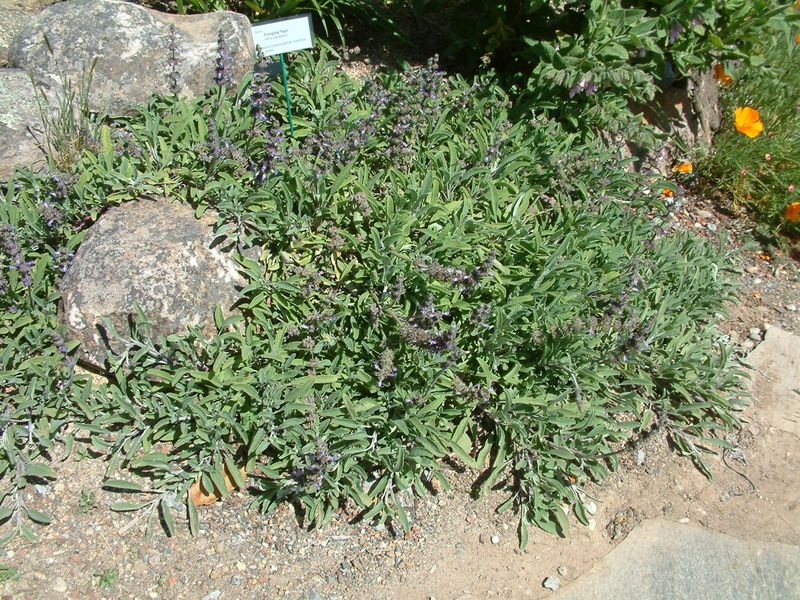
Picture a silvery carpet that smells like a walk through the chaparral every time you brush past it. Creeping sage hugs the ground, spreading into dense mats that can knit loose hillside soil together.
Spring brings spikes of lavender-blue blooms that native bees seem to adore. Once established, it can get by on little or no summer water in many inland and foothill gardens.
Plant it on a slope with good drainage and full sun or light shade. Soggy clay is its weak spot, so skip low spots where water pools after storms.
2. Pacific Coast Strawberry (Fragaria chiloensis)
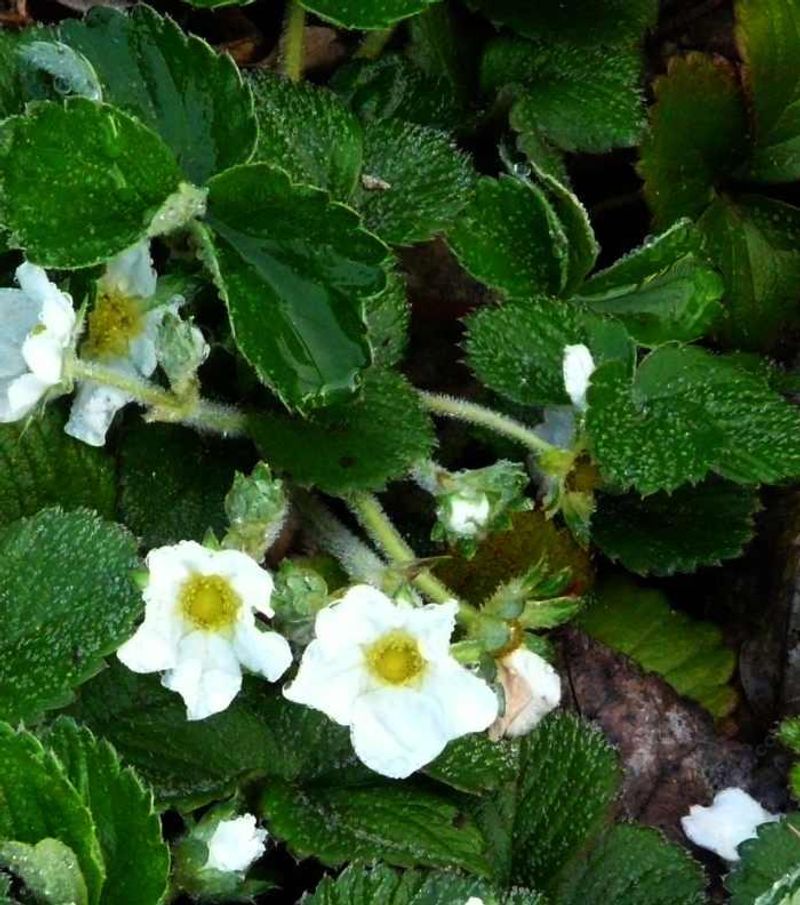
Kids tend to discover it first, crouching down to hunt for tiny red berries. Beach strawberry is a coastal native that runs along the ground on stolons, rooting as it goes.
Those rooting runners are exactly why it works as erosion control. Each new plantlet anchors another spot of soil, filling bare gaps faster than many clumping plants.
It does best near the coast or with some afternoon shade inland. Expect to give it occasional summer water in hotter valleys, and enjoy the white spring flowers that pull in small pollinators.
3. Dwarf Coyote Brush (Baccharis pilularis ‘Pigeon Point’)
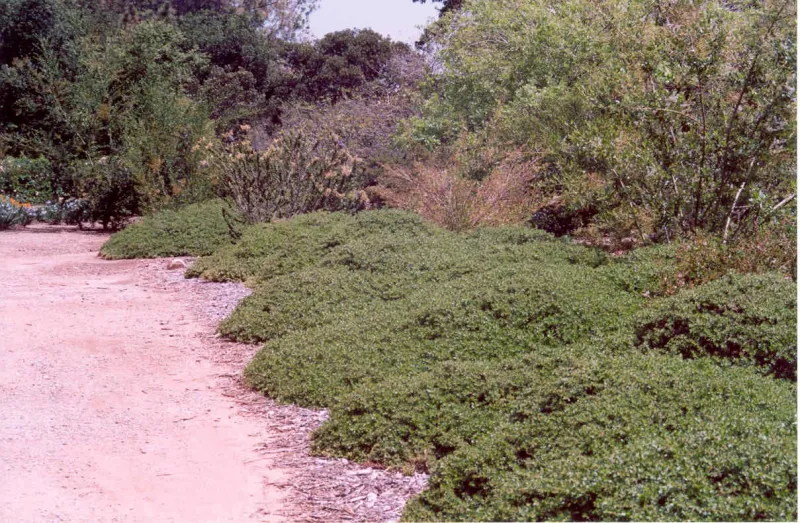
Tough as old boots. That sums up dwarf coyote brush, a low form of a shrub that already covers wild hillsides from Oregon down to Baja.
Selections like Pigeon Point stay about one to two feet tall and can spread several feet wide. The deep roots grip banks well, which is why Caltrans and land managers have leaned on it for years.
It handles clay, wind, and sun, and needs very little water once rooted. Fall blooms are modest, but they feed a surprising crowd of late-season insects when little else is flowering.
For fire-prone areas, keep it trimmed, watered occasionally, and clear of dead wood near the house.
4. California Aster (Symphyotrichum chilense)
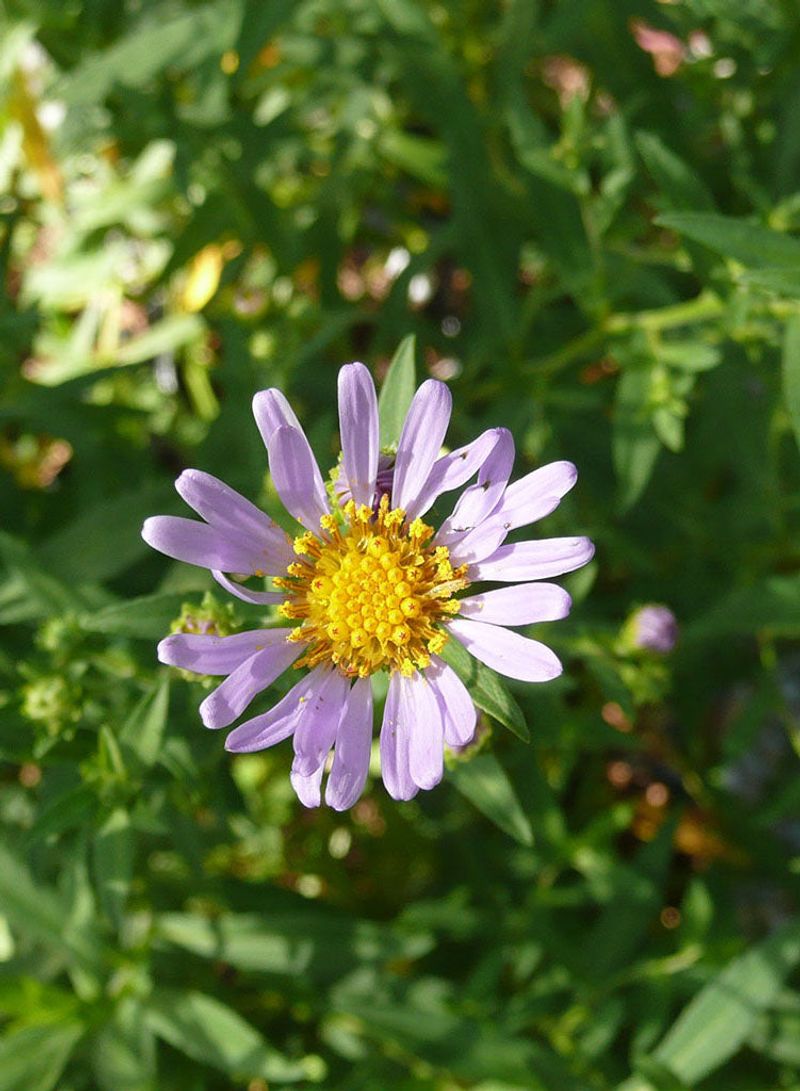
When most of the garden looks tired in late summer, California aster is just getting started. Its pale lavender daisies show up right when butterflies and bees are scrambling for food.
Underground rhizomes help it spread into a loose, meadow-like cover. That spreading habit makes it handy for filling bare spots between shrubs.
It can take some neglect and tolerates clay. Cut it back after flowering if it looks ragged, and it will return with fresh growth once the rains arrive.
5. Yerba Buena (Clinopodium douglasii)
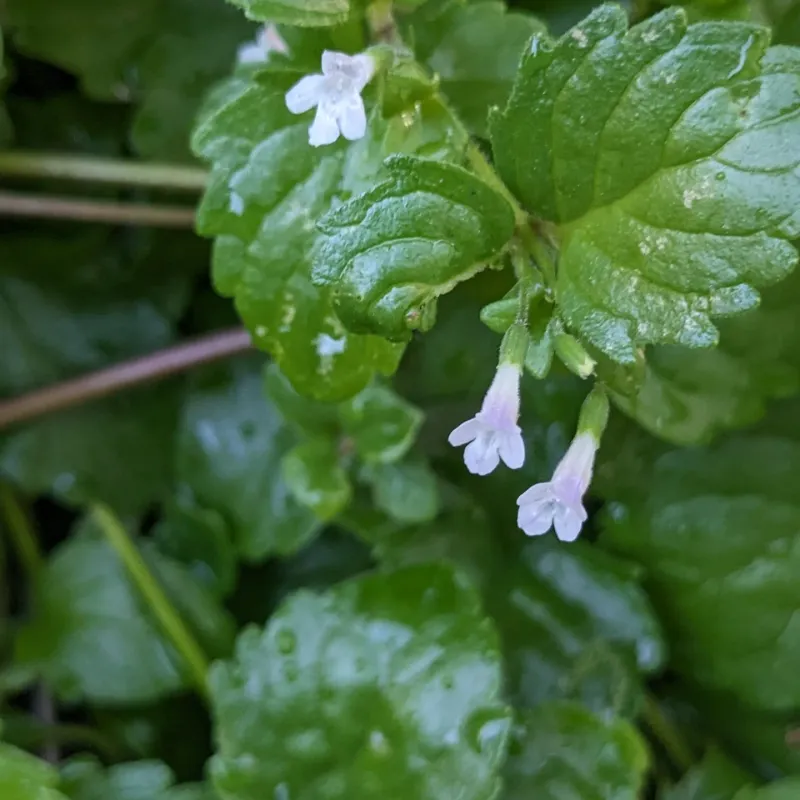
San Francisco was once named after this humble little plant. Yerba buena, meaning good herb, is a trailing native mint with a sweet scent and small tea-friendly leaves.
It shines in shade, including those dry, tricky areas under oaks where lawn never thrives. The trailing stems root lightly and can cover bare soil beneath trees.
Give it some summer water in warmer areas and shade from harsh afternoon sun. It stays gentle and low, so it won’t swallow nearby plants.
6. Carmel Creeper Ceanothus (Ceanothus griseus var. horizontalis)
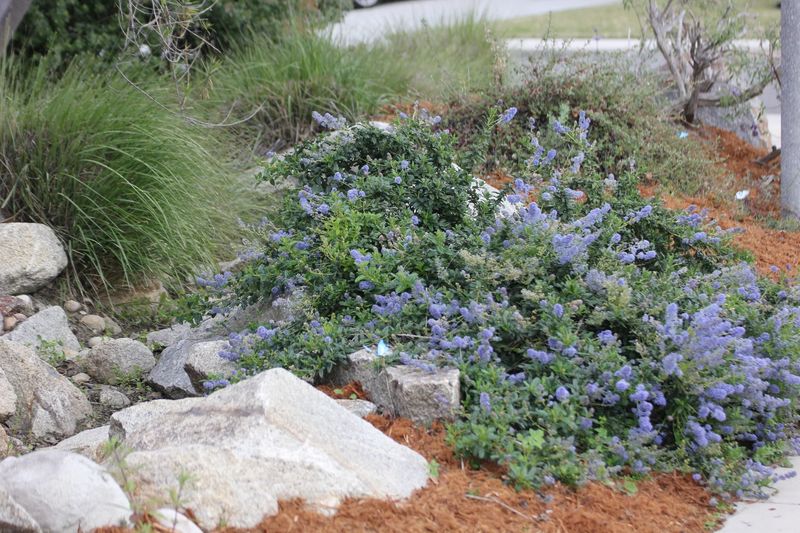
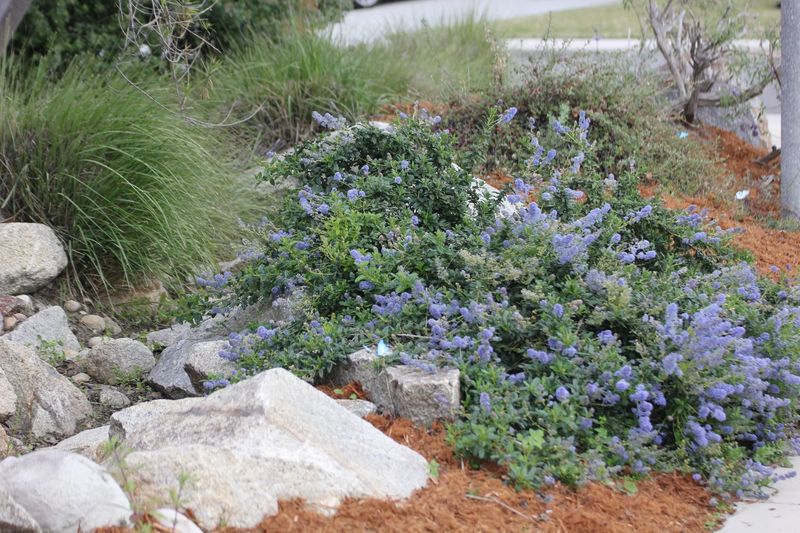
One spring morning, a patch of ceanothus can go from plain green to a sea of blue buzzing with bees. That transformation is the reason many gardeners fall for California lilac.
Carmel creeper grows low and wide, often spreading eight feet or more. A few plants can blanket a sizable bank, shading soil and softening the blow of heavy rain.
Most ceanothus dislike summer water once established, so plant it where irrigation won’t reach. Good drainage and sun are key.
Life span can be shorter than some shrubs, often around ten years, so plan to refresh plantings over time.
7. California Fuchsia (Epilobium canum)
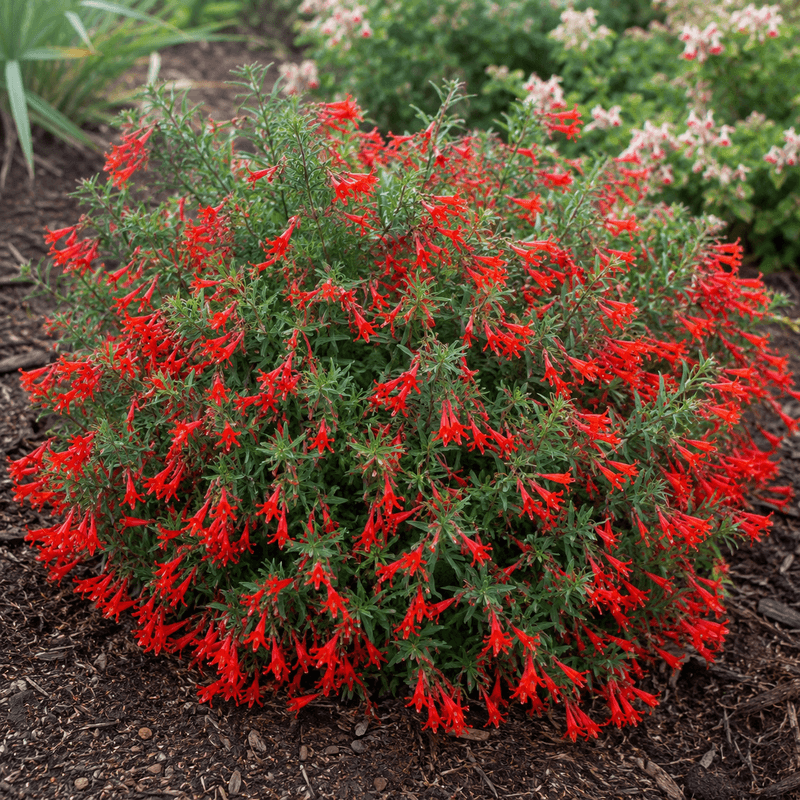
Hummingbirds treat California fuchsia like a fall buffet. Its scarlet tubular flowers open from late summer into autumn, just as migrating birds pass through.
Low, spreading forms creep by underground runners and can cover dry, sunny ground. Gray foliage helps it shrug off heat in inland yards.
Cut it nearly to the ground in late fall or winter. Fresh shoots will return in spring, and roots keep working to hold soil through the rainy months.
8. Manzanita ‘Emerald Carpet’ (Arctostaphylos)
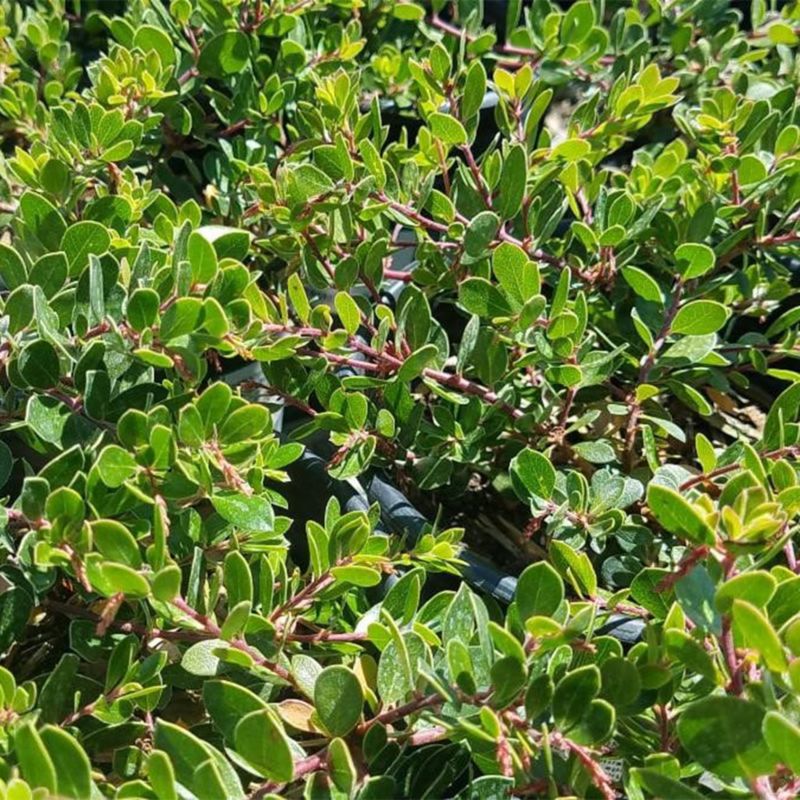
Manzanitas are famous for twisting red branches, but a few stay flat and lush. Emerald Carpet forms a tidy, glossy green mat that many people mistake for a formal groundcover.
It prefers coastal or mild areas with some shade inland. Tiny pink urn-shaped flowers appear in late winter and can feed early native bees.
Plant it in fall, water it through its first dry season, then taper off. It may grow slowly at first, so mulch around young plants to protect bare soil meanwhile.
9. California Meadow Sedge (Carex pansa)
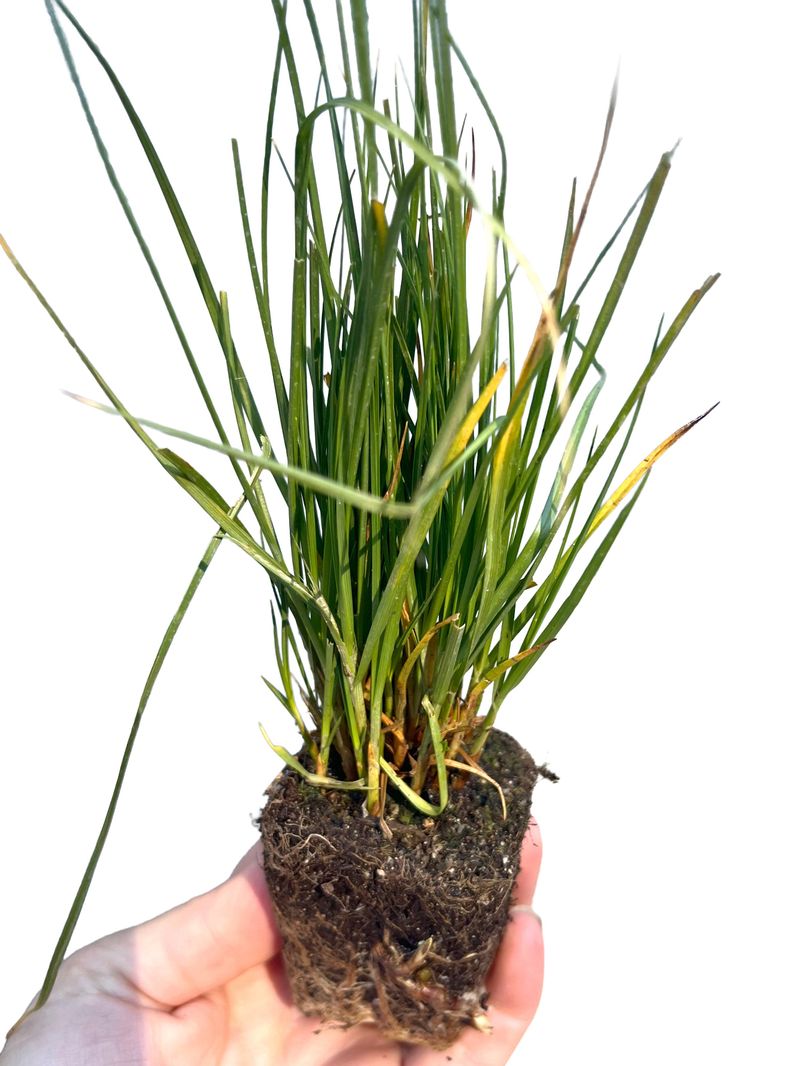
Tired of mowing a thirsty lawn? California meadow sedge can stand in as a soft, walkable green carpet that uses far less water than turf.
It spreads by rhizomes, forming a dense mat that holds soil on flat ground and gentle slopes. You can leave it shaggy or mow it a few times a year.
Plant plugs about a foot apart in fall and they should fill in over a season or two. It takes light foot traffic, sun or part shade, and gives ground-nesting insects a safer home than bare dirt.
Your yard gains a green, rain-ready cover that feels alive, not just tidy.