
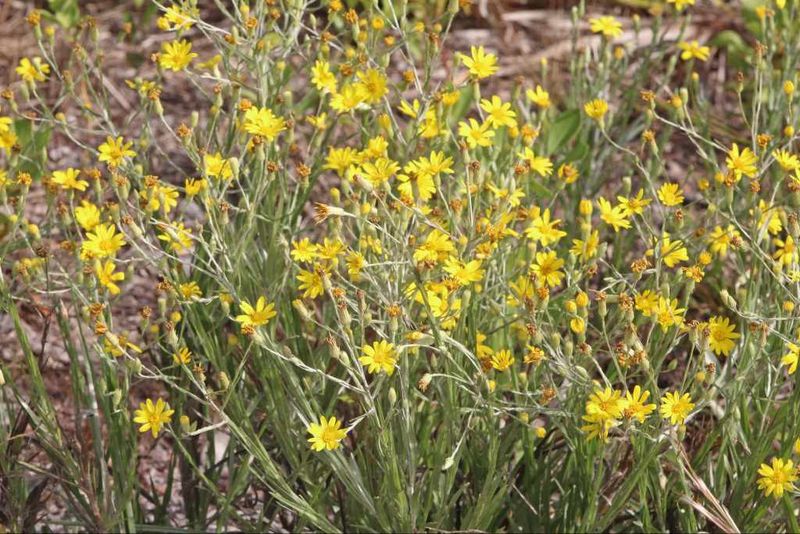
A bare, sandy bed can look tired by fall, but it does not need a sprinkler to come back to life. Florida native wildflowers can add color while giving bees and butterflies places to feed.
Plant them as the weather cools, help them settle in, and let their natural toughness do the work.
1. Dune Sunflower
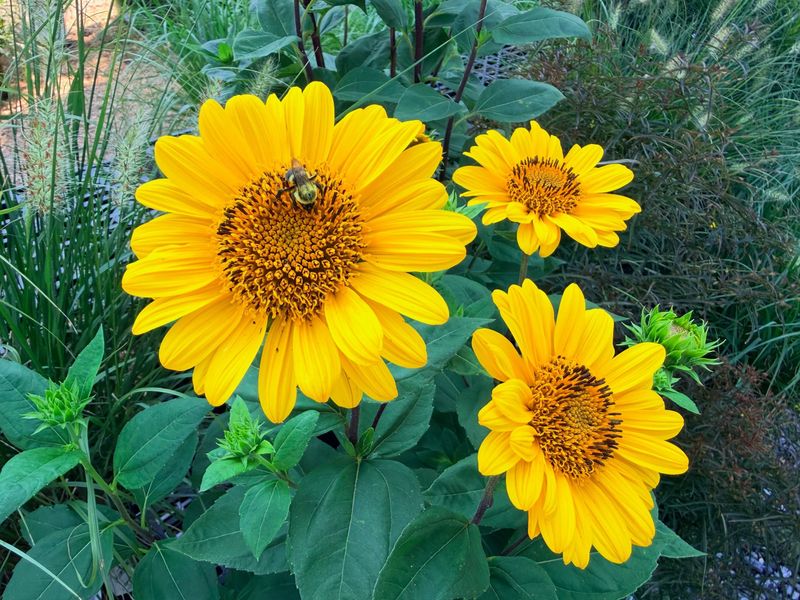
Need to hide a wide patch of sand fast? Dune sunflower spreads low and wide, covering open ground with cheerful yellow blooms.
Its sunny look works especially well along a driveway, in a mailbox bed, or near a coastal walkway where taller flowers would block the view.
Plant Helianthus debilis in full sun and well-drained sand. Give each plant room to spread, and keep it away from small, slow-growing neighbors it could crowd.
In frost-free parts of Florida, flowers may appear through much of the year; farther north, cold weather can slow or cut back growth. Bees and butterflies visit the blooms, while seed heads can draw birds.
Fall is a good time to get roots growing before the next hot season. Water new plants deeply when you plant them, then check the soil during dry spells until they are established.
After that, plants in a suitable sandy spot usually need little added water. Trim wandering stems if you want a tidier edge, but leave some flower heads for wildlife.
2. Blanketflower
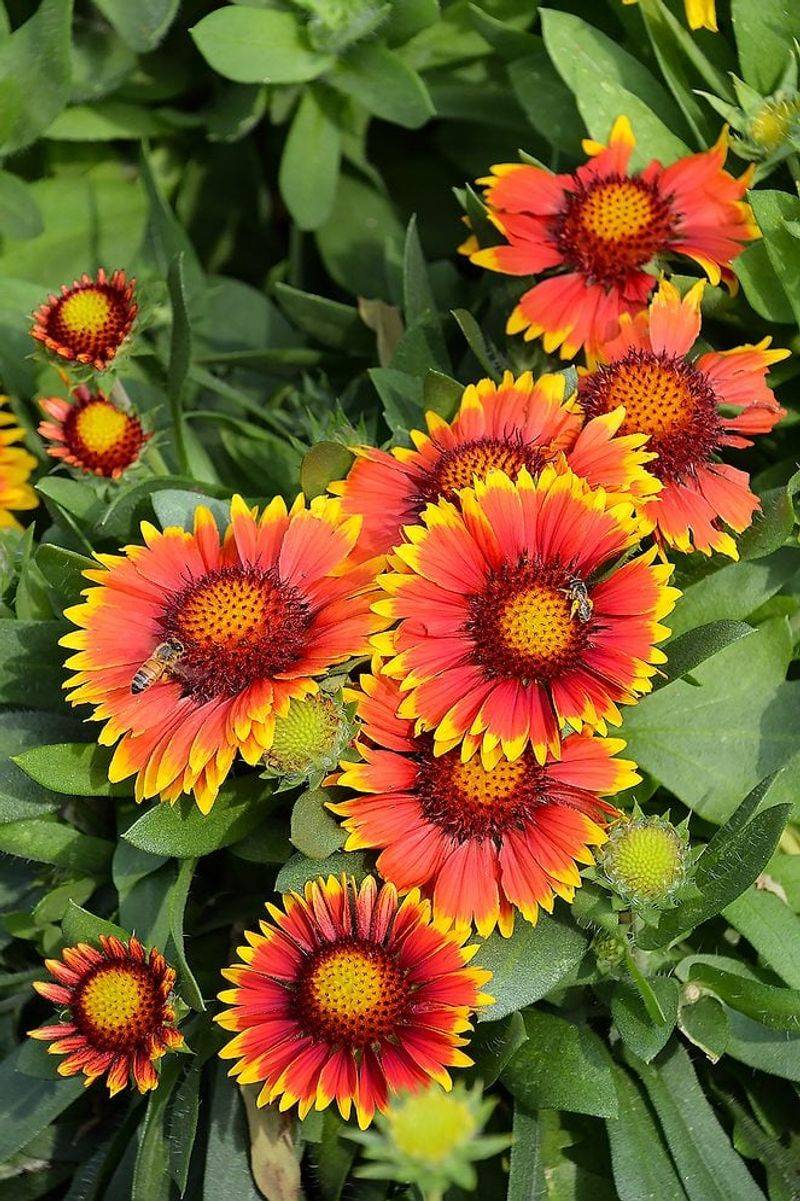
Red-and-yellow blanketflowers bring a little fireworks show to plain sand. Unlike a spreading groundcover, Gaillardia pulchella grows in loose clumps, so you can tuck several plants between a path and the front of a taller native planting.
The bright flowers are easy to spot from a porch or the street.
Choose a sunny place with quick drainage. Blanketflower handles lean soil better than rich, heavily fertilized beds, and bees and butterflies use its nectar and pollen.
Blooming can continue into fall in Florida, although the timing varies with weather and location. Individual plants may be short-lived, so let a few seed heads mature if you want new plants to appear.
For a fuller look, plant a small group rather than one lonely flower. Space plants so air can move between them, especially where humid weather lingers.
Water during establishment and during a severe early dry spell, then ease off once roots are growing well. Blanketflower makes a lively partner for lower dune sunflower without requiring the bed to become a high-water flower garden.
3. Spotted Beebalm
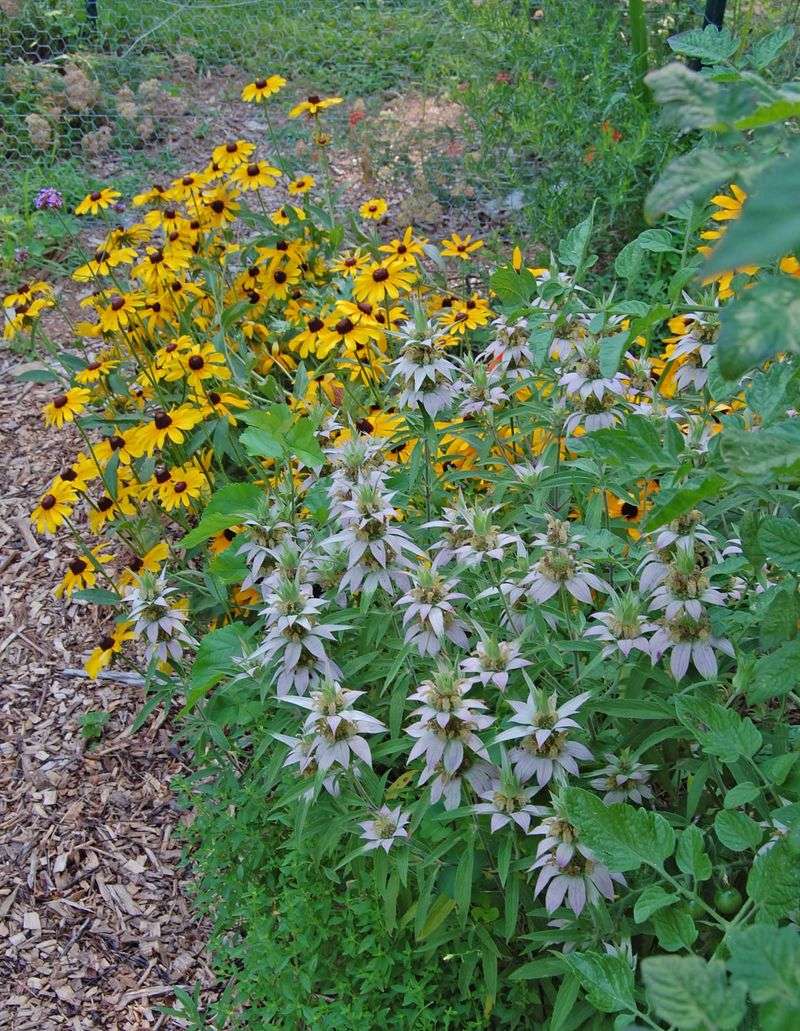
Look closely at spotted beebalm and the surprise is not just the flowers. Pale pink or lavender bracts stack around its spotted, cream-colored blooms, giving the plant a quirky, layered shape.
It adds height and texture to a sandy bed without making the planting look formal.
Also called dotted horsemint, Monarda punctata belongs in full sun or light shade with well-drained, lean soil. It is a strong choice where you want to watch native bees at work.
Butterflies may visit too, and the blooms often extend into fall. Place it toward the middle or back of a bed, where its airy stems can rise above lower flowers.
Spotted beebalm may live only a short time, but it can reseed where conditions suit it. Leave a few spent stems standing if you have space for seedlings next season.
Skip rich compost and routine fertilizer, which are unnecessary in a bed planned for sand-loving natives. As with every plant on this list, give new transplants water while they establish; drought tolerance is not a reason to leave fresh roots dry.
4. Narrowleaf Silkgrass
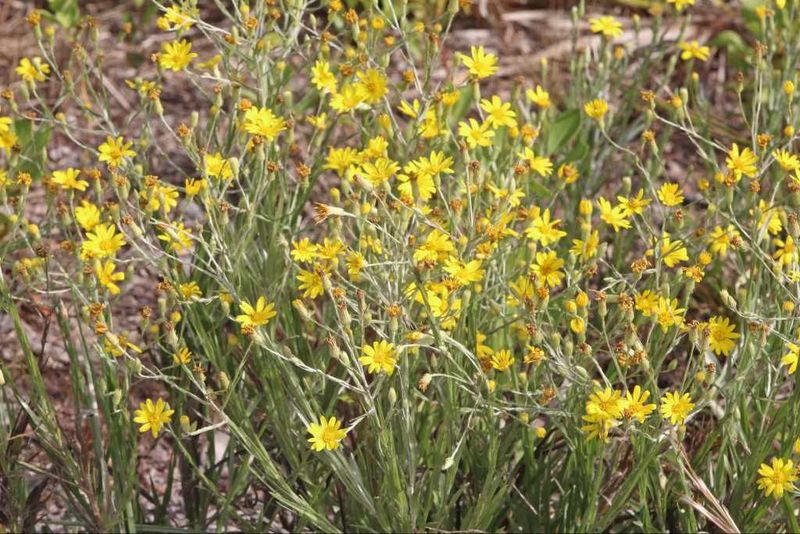
From a distance, narrowleaf silkgrass looks like a soft tuft of grass that suddenly decided to bloom. Fine, pale leaves keep a sandy bed from looking empty between flower shows, and small yellow daisies add a warm glow in fall.
It is a useful pick when you want a softer shape beside a walkway or stone edge.
Pityopsis graminifolia grows best in sun and well-drained, low-nutrient soil. Set several plants in a loose drift for more impact than a single clump can provide.
Its flowers offer resources to small pollinators, while the foliage adds contrast beside blanketflower’s bold colors or spotted beebalm’s upright stems.
Avoid crowding silkgrass with aggressive spreaders. Give it room to form clumps, and do not bury its crown under a thick layer of mulch.
Water newly planted roots as needed through their first dry periods, particularly if fall rains fail. Once established in the right spot, it is well suited to a low-irrigation bed.
Check the botanical name at the nursery, since plants sold under a common name are not always the species you expected.
5. Sweet Goldenrod
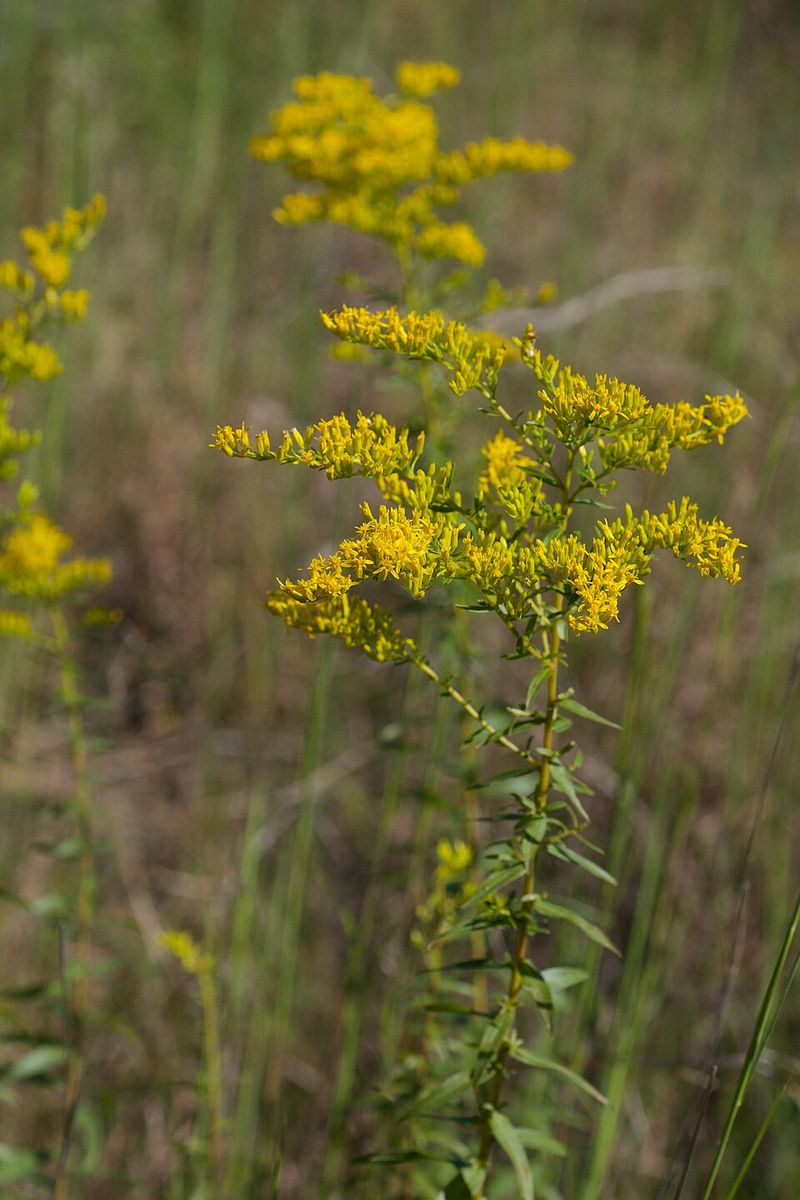
When the front of a bed is already full, sweet goldenrod can bring the color up higher. Its slender stems carry sprays of tiny yellow flowers that turn into a busy landing place for bees and other small insects.
Plant it behind lower wildflowers so the whole bed has layers rather than one flat line of blooms.
Solidago odora is a Florida native suited to sunny or lightly shaded spots with good drainage. Its leaves have a pleasant anise-like scent when crushed, an extra detail you might notice while tending the bed.
Goldenrods provide valuable late-season food for pollinators. They are often blamed for fall allergies, but their heavy pollen is carried mainly by insects; wind-pollinated ragweed is a more common culprit.
Give sweet goldenrod enough space for a natural-looking clump and leave some stems standing after flowering for seed-eating wildlife. If you prefer a neater front yard, cut old stems back after seeds have had time to mature.
Start with watering that supports root growth, then rely on its drought tolerance only after it is established. Avoid placing it in a low spot that stays wet after storms.
6. Shortleaf Blazing Star
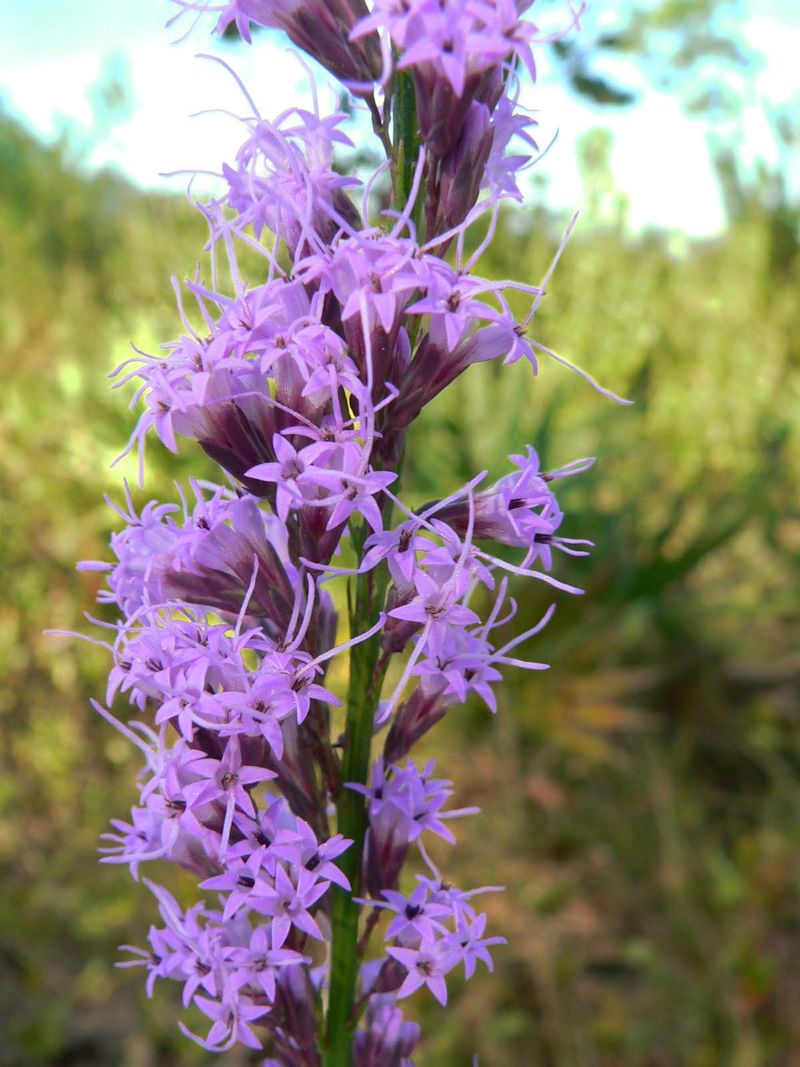
Purple flower spikes make shortleaf blazing star the exclamation point in a sandy planting. Instead of filling every inch of ground, Liatris tenuifolia rises above shorter flowers and gives butterflies a visible place to stop.
A few plants repeated through a bed can make even a simple planting feel planned.
Choose full sun and sand that drains promptly. This native is associated with dry Florida habitats, so a heavily amended, regularly watered bed is not its best home.
Its slender leaves stay fairly quiet while the fall blooms draw attention. Plant it in small groups among silkgrass or blanketflower, leaving enough open space that the spikes will not disappear behind larger neighbors.
Buy nursery-grown plants from a reputable native-plant seller rather than collecting from the wild. Handle the underground growing point gently when planting, and mark its spot so you do not accidentally dig there while it is dormant.
Water to settle the soil and keep new roots from drying out during establishment. Once plants are settled into suitable sand, routine irrigation should not be needed under normal conditions, though an extreme drought can call for a check.
7. Bluecurls
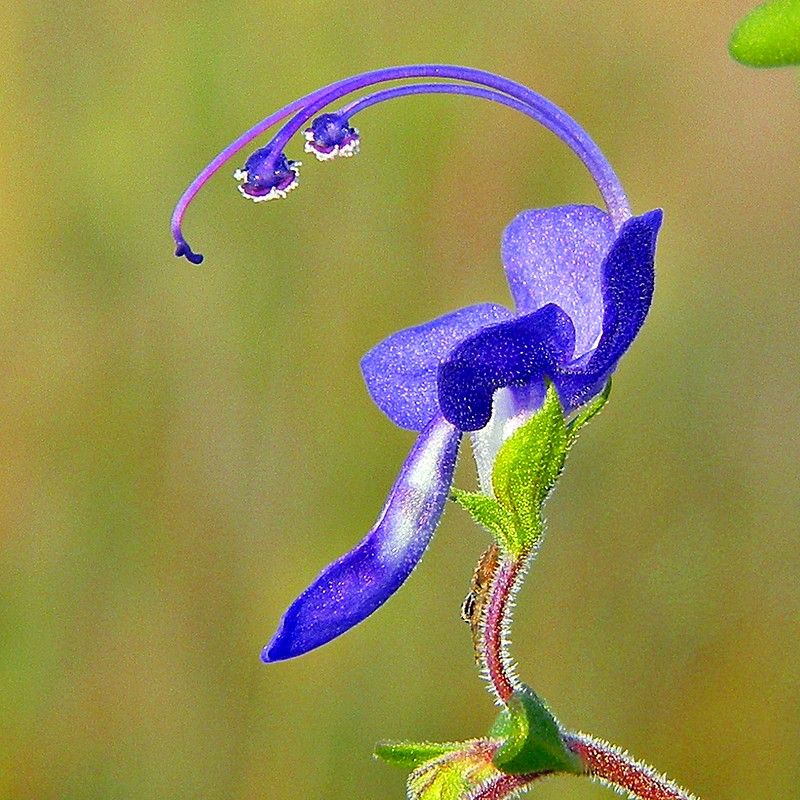
Bluecurls reward anyone willing to pause beside the garden path. Their small blue-purple flowers have long, curling stamens that look almost hand-drawn.
They will not cover sand like dune sunflower, but they can turn open gaps between larger plants into little spots of color and pollinator activity.
Trichostema dichotomum is an annual native to Florida, commonly found in sunny, disturbed, sandy places. Give it an open patch with little competition and good drainage.
Its flowers can appear into fall and attract small bees. Because individual plants finish their life cycle in one season, this is a pick for gardeners who enjoy a bed that changes and reseeds rather than staying identical year after year.
Leave some bare sand nearby so fallen seed has a place to sprout. Hold off on thick mulch where you hope to see seedlings, and learn to recognize young plants before pulling every volunteer.
Seed-grown plants need moisture to germinate and get started, even though established plants suit a dry planting. Pair bluecurls with sturdier perennials for lasting structure, then let its fine flowers add the small surprises.