
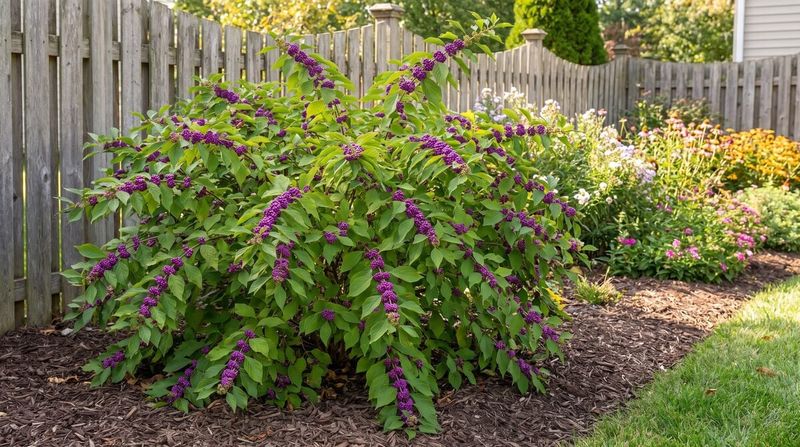
American beautyberry is one of those shrubs that most North Carolina gardeners stroll right past at the nursery, never realizing they are ignoring a native powerhouse. Come late summer, this plant lights up with clusters of bright purple berries that look almost too vivid to be real. It asks for very little, feeds hungry wildlife, and may even help keep biting bugs off your skin. If you want a low-effort yard that protects your family and gives back to native critters, beautyberry deserves a second look.
1. Those Electric Purple Berries Stop People in Their Tracks
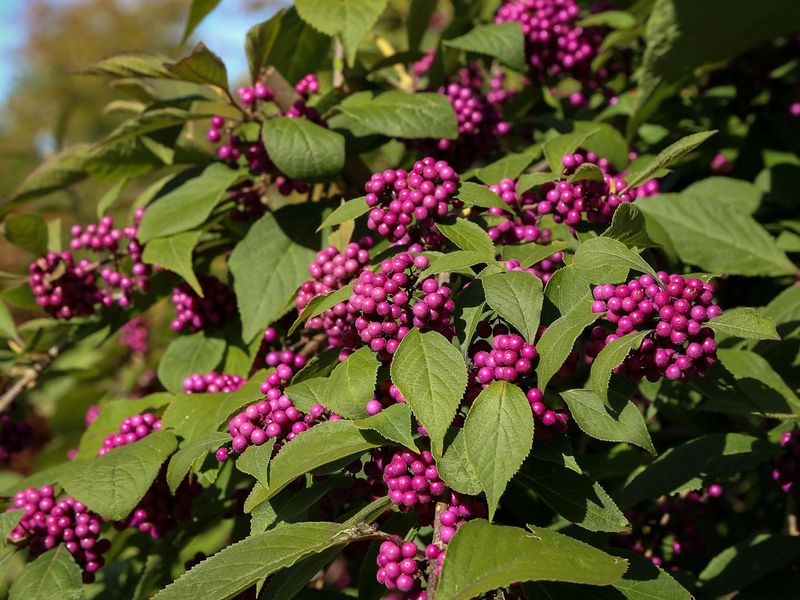
Picture a green shrub in September suddenly wrapped in beads of glowing violet, and you have got beautyberry (Callicarpa americana) at its showstopping best. The berries hug the stems in tight clusters, circling each branch like someone strung purple pearls around them.
No other native shrub in the Piedmont puts on a color show quite like this. Neighbors will slow down when they walk past your yard, and more than a few will ask what on earth that plant is.
The best part is that the color lasts for weeks, often stretching from late summer into fall. As the leaves drop away, the bare branches keep holding their berries, giving you a splash of life when the rest of the garden is winding down.
2. It May Help Keep Ticks and Mosquitoes Off Your Family
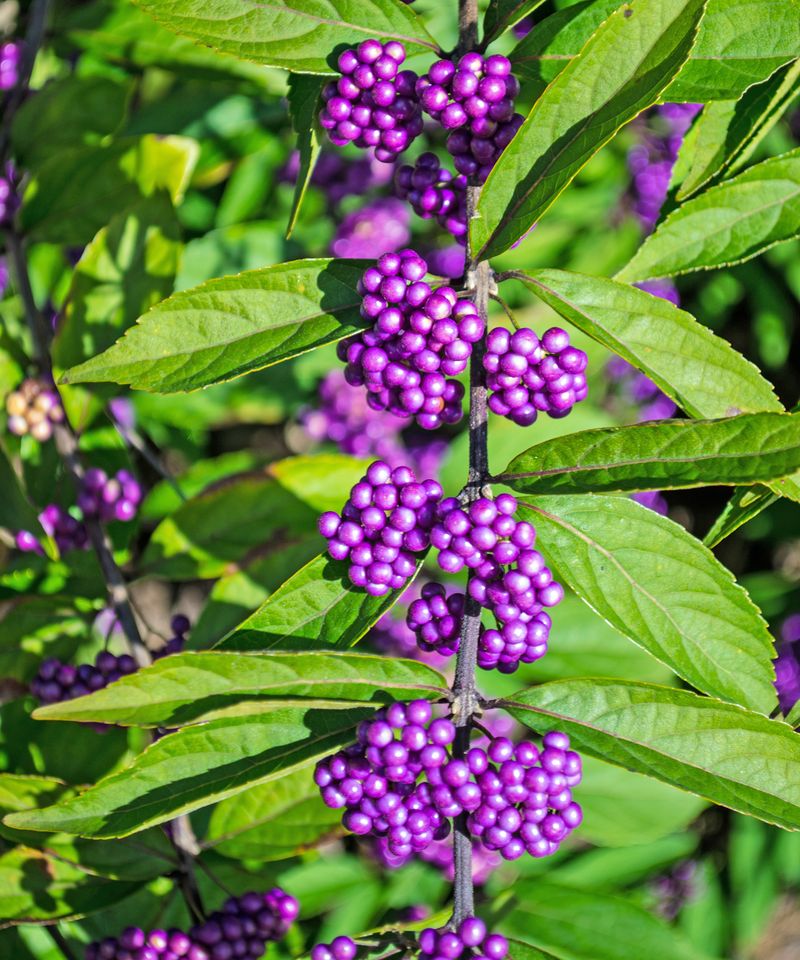
Here is the reason to plant it right by your patio: folk tradition and some USDA research both point to beautyberry leaves having bug-repelling qualities. Farmers a century ago crushed the leaves and tucked them under harnesses to keep biting flies off their mules.
Scientists later isolated compounds in the leaves that can help deter mosquitoes and ticks, the two pests that make a North Carolina summer miserable. Rubbing a few crushed leaves on your skin is an old backyard trick many locals still swear by.
Nobody should treat it as a guaranteed shield, and it will not replace careful tick checks after a hike. Still, having a shrub near the seating area that may reduce how many bugs buzz around your ankles feels like a smart move for a protective steward of the yard.
3. Songbirds Treat It Like a Fall Buffet
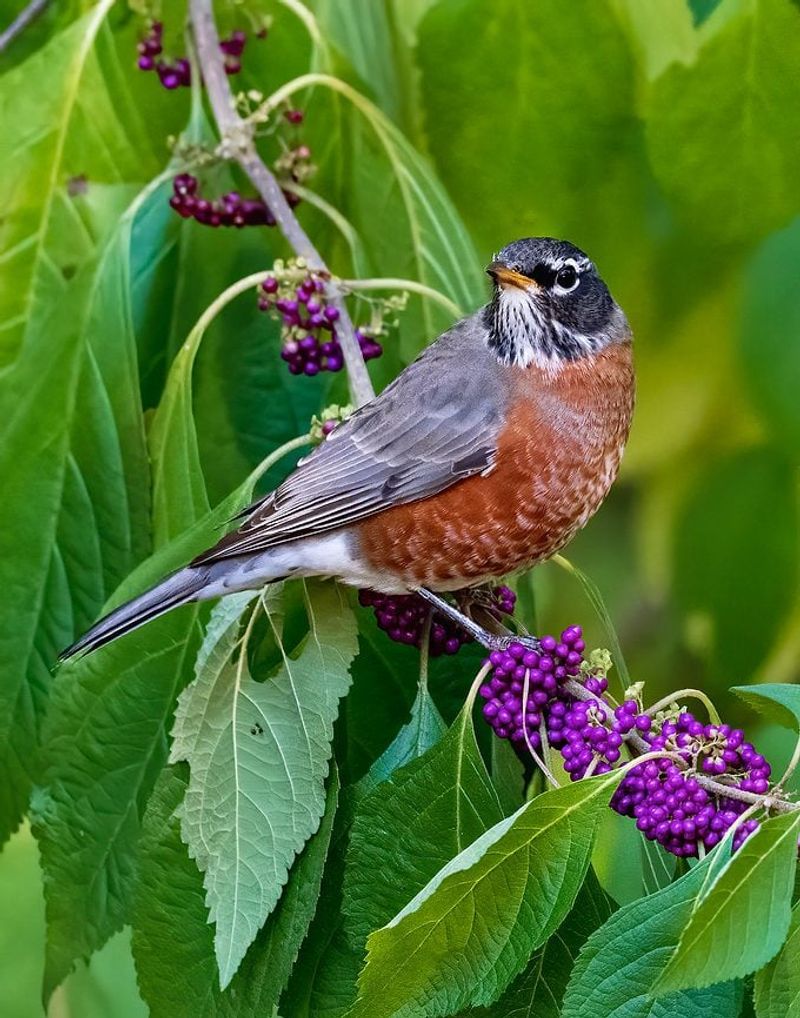
Come autumn, your beautyberry turns into a drive-through window for the neighborhood birds. Mockingbirds, cardinals, brown thrashers, and catbirds all line up to gulp down the fruit, and more than forty species have been recorded feeding on it.
Because the berries ripen later than a lot of other fruit, they show up right when migrating and overwintering birds need fuel the most. That timing makes beautyberry a genuine safety net for native wildlife heading into the lean months.
Set a chair near the shrub with a cup of coffee and you have got front-row seats to the show. Watching a flock strip the branches clean is the kind of quiet payoff that makes tending a native yard feel worthwhile.
4. It Practically Grows Itself
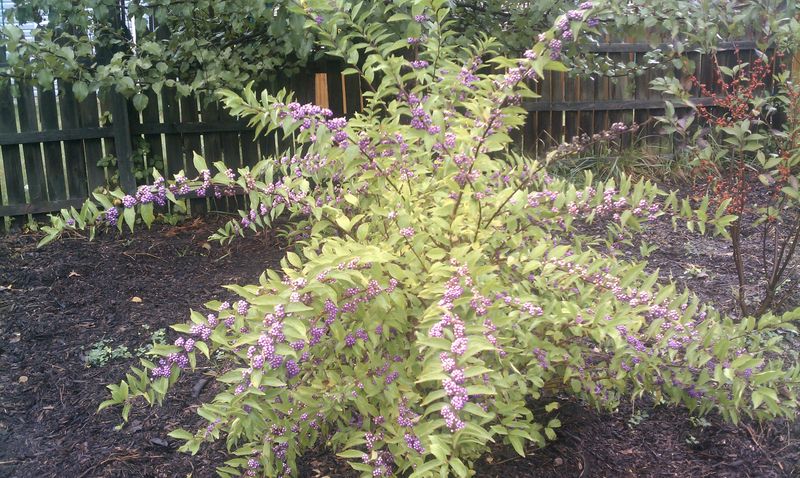
Some plants demand constant fussing, but beautyberry is happy to be left alone. Once its roots settle in during the first season, it shrugs off summer heat, spotty rain, and the clay soil that gives so many Piedmont gardeners fits.
You do not need to spray it, baby it, or run out with the hose every dry afternoon. A rough haircut in late winter keeps it full and tidy, and honestly that is about the whole chore list.
For anyone chasing a low-effort landscape, that hands-off nature is a gift. It fits the busy homeowner who wants a yard that looks alive without turning every weekend into a work project.
5. A True North Carolina Native, Not an Imported Impostor
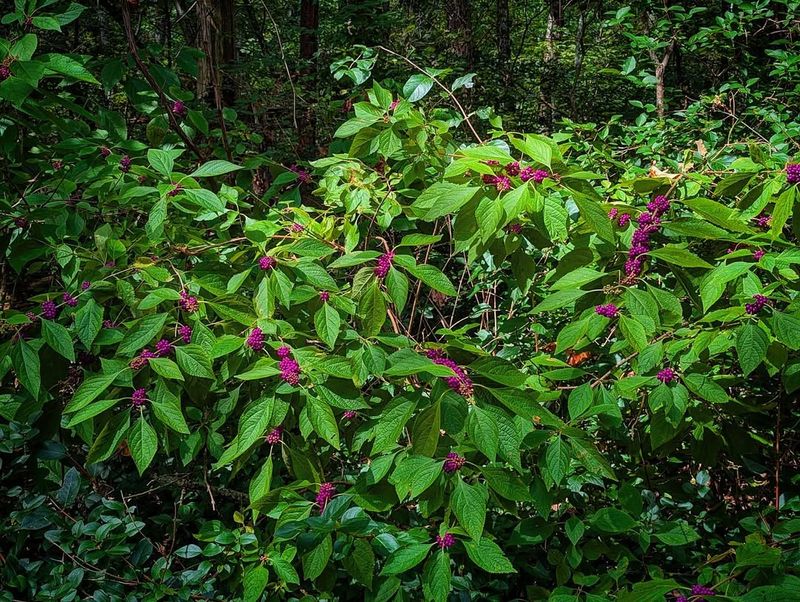
Long before garden centers existed, beautyberry was already thriving in the woods across the coastal plain and Piedmont. It belongs here in a way that flashy imported shrubs like burning bush or nandina never will.
Choosing a native means you are not gambling on a plant that could escape into the wild and crowd out the species our local insects and birds depend on. Beautyberry co-evolved with our pollinators, so it slots into the food web instead of disrupting it.
Swapping an invasive for a native is one of the simplest ways to do right by the land. You get the same easy beauty without the ecological baggage, and the local wildlife thanks you for it.
6. It Shrugs Off Shade That Stumps Other Shrubs
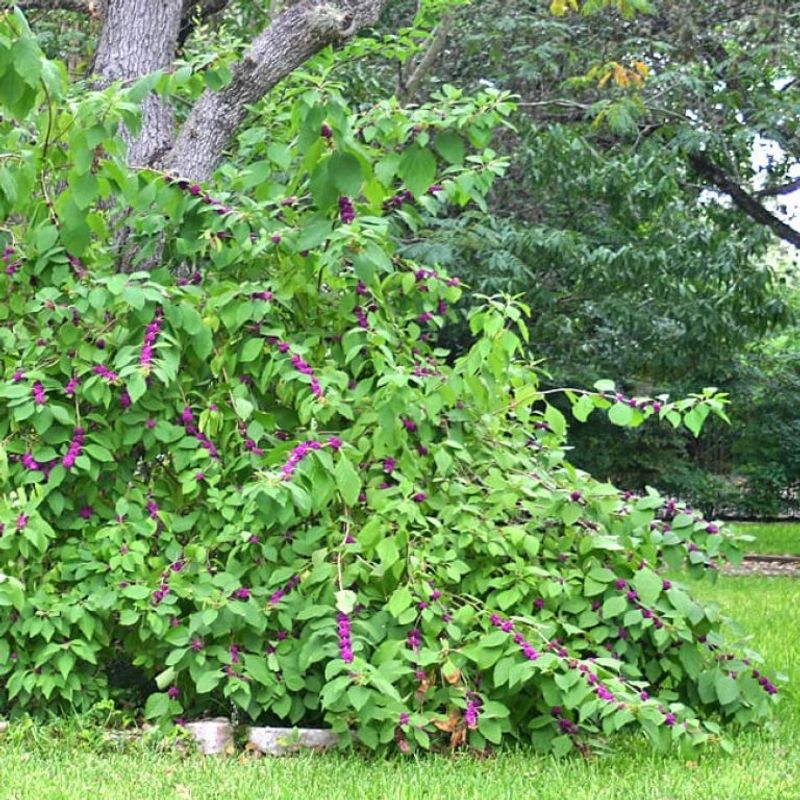
Got a spot under the oaks where nothing seems willing to grow? Beautyberry sees that dappled shade as a comfortable home rather than a hardship.
Plenty of berry-producing shrubs sulk without full sun, but this one keeps fruiting even in part shade, though it does reward a little sunlight with heavier berry clusters. That flexibility makes it a rescue plant for those awkward, shady corners every yard seems to have.
Because so much of a wooded North Carolina lot sits in filtered light, having a shrub that thrives there solves a real problem. You fill an empty spot, feed the birds, and add color to a zone most plants refuse to touch.
7. You Can Actually Eat the Berries
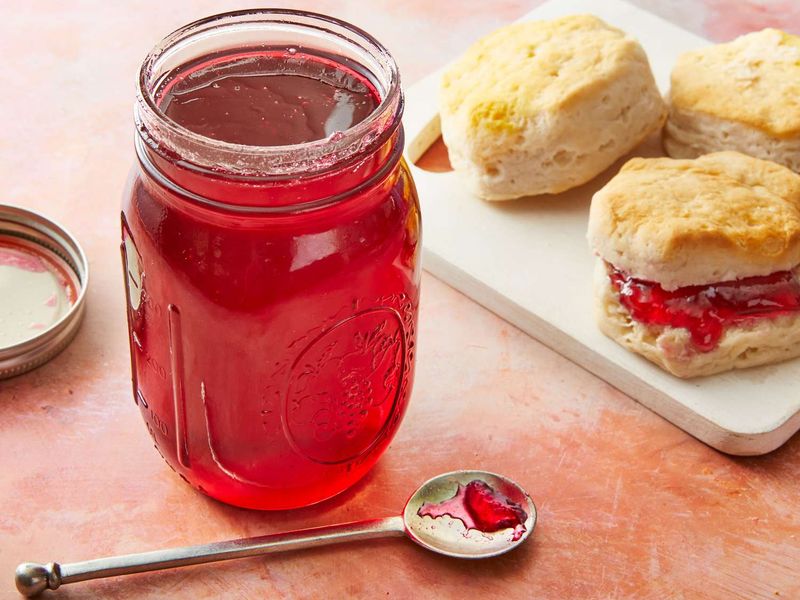
Surprise: those glowing purple berries are not just for the birds. People across the South have long turned them into a rosy pink jelly with a mild, slightly floral flavor.
Raw berries are best left alone in large amounts, but cooked down with sugar and pectin they make a spread that draws curious looks at the breakfast table. Foragers also use them for tea and the occasional homemade wine.
Did you know the finished jelly comes out a shocking magenta color that no store shelf can match? Turning a backyard shrub into something you spread on toast is a small, satisfying way to connect with the land right outside your door.
8. It Fits Any Budget and Multiplies for Free
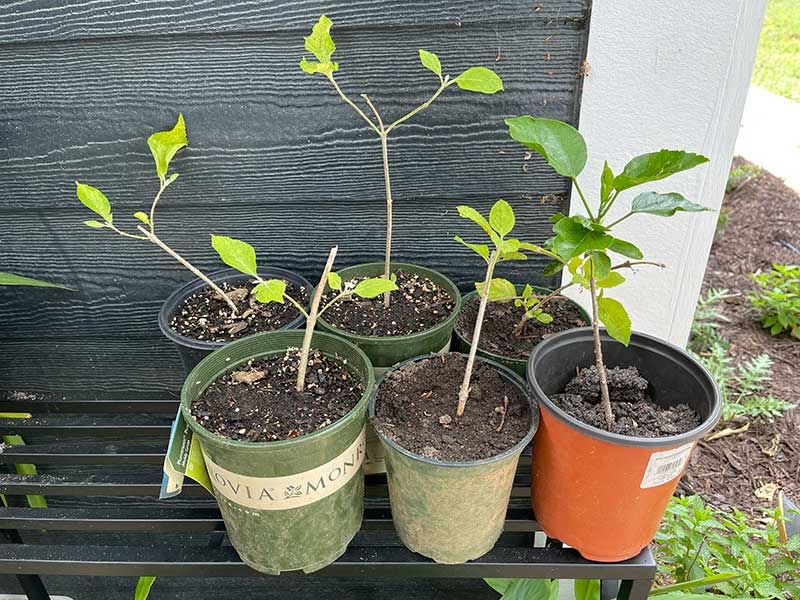
Money-minded gardeners, this one is for you. A single beautyberry is cheap to buy, and it hands you free copies of itself without much effort on your part.
Softwood cuttings root readily, and the seeds that birds drop around your yard often sprout into volunteers you can dig up and move. Before long you can line a fence or fill a bed for the cost of one starter plant.
That generosity makes it easy to share with neighbors who admire your fall color. Passing along a rooted cutting spreads native habitat down the whole street, turning one purple shrub into a small movement of protective, wildlife-friendly yards.