
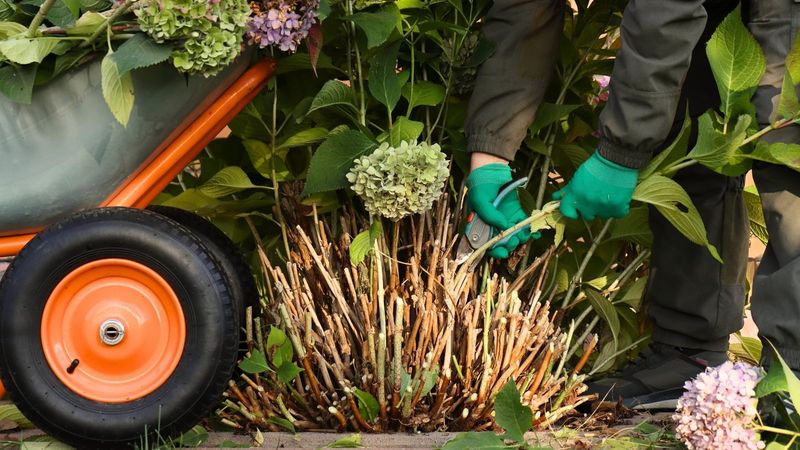
If your hydrangea leafs out beautifully every spring but barely produces flowers, the plant probably isn’t the problem. Small everyday choices, like when you prune or how you water, can quietly cut your blooms without you ever noticing. The good news is that most of these habits are easy to spot and even easier to fix. Walk through the list below, find the ones that match your garden, and give your hydrangea the fresh start it has been waiting for.
1. Pruning at the Wrong Time of Year
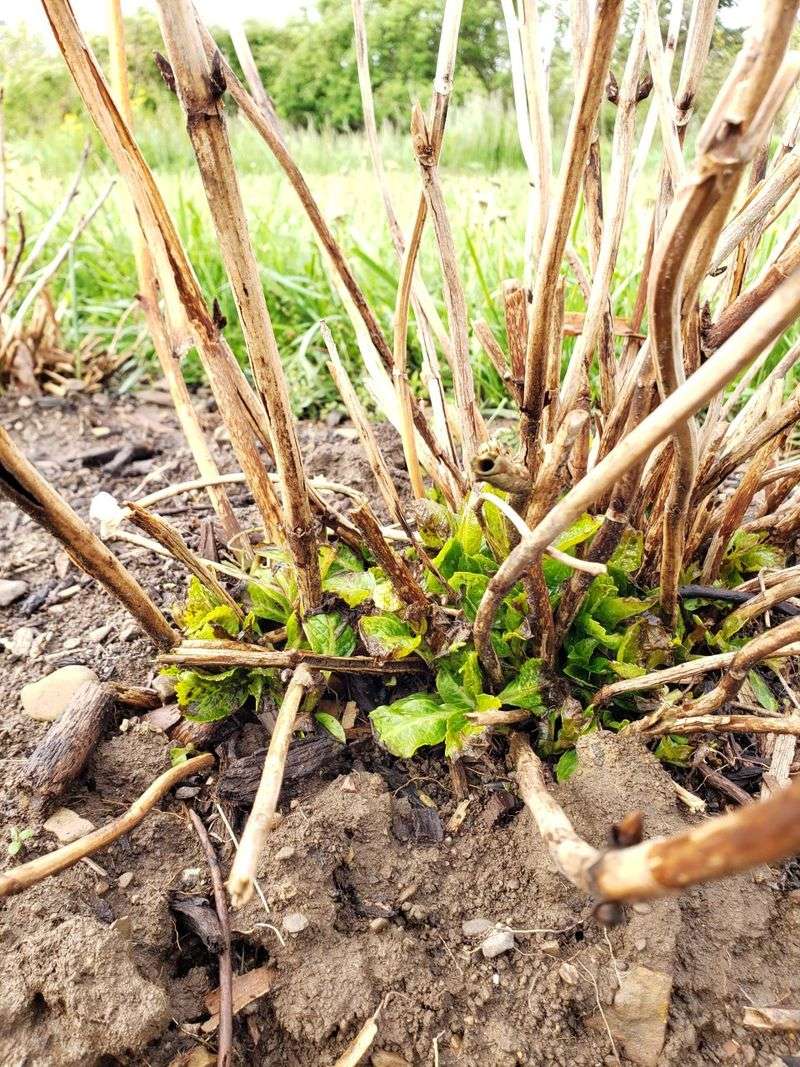
Snip at the wrong moment and you can chop off next summer’s flowers before they ever open. Bigleaf and oakleaf hydrangeas set their buds on old wood the previous season, so a hard fall or spring cut removes the very stems that were about to bloom.
If your plant leafs out fine but stays green and flowerless, mistimed pruning is often the quiet culprit. Learn which type you own before you reach for the shears, because panicle and smooth hydrangeas bloom on new wood and follow different rules entirely.
For old-wood bloomers, wait until right after they finish flowering in mid to late summer, then stop. For new-wood types, late winter cuts often encourage strong flowering stems.
When you are unsure, the safest move is to prune less and observe more. Remove only dead or broken stems and let the rest be for a full season.
Getting your timing right can bring a surprising rush of blooms back the following year without any fancy fixes.
2. Planting in Too Much Shade
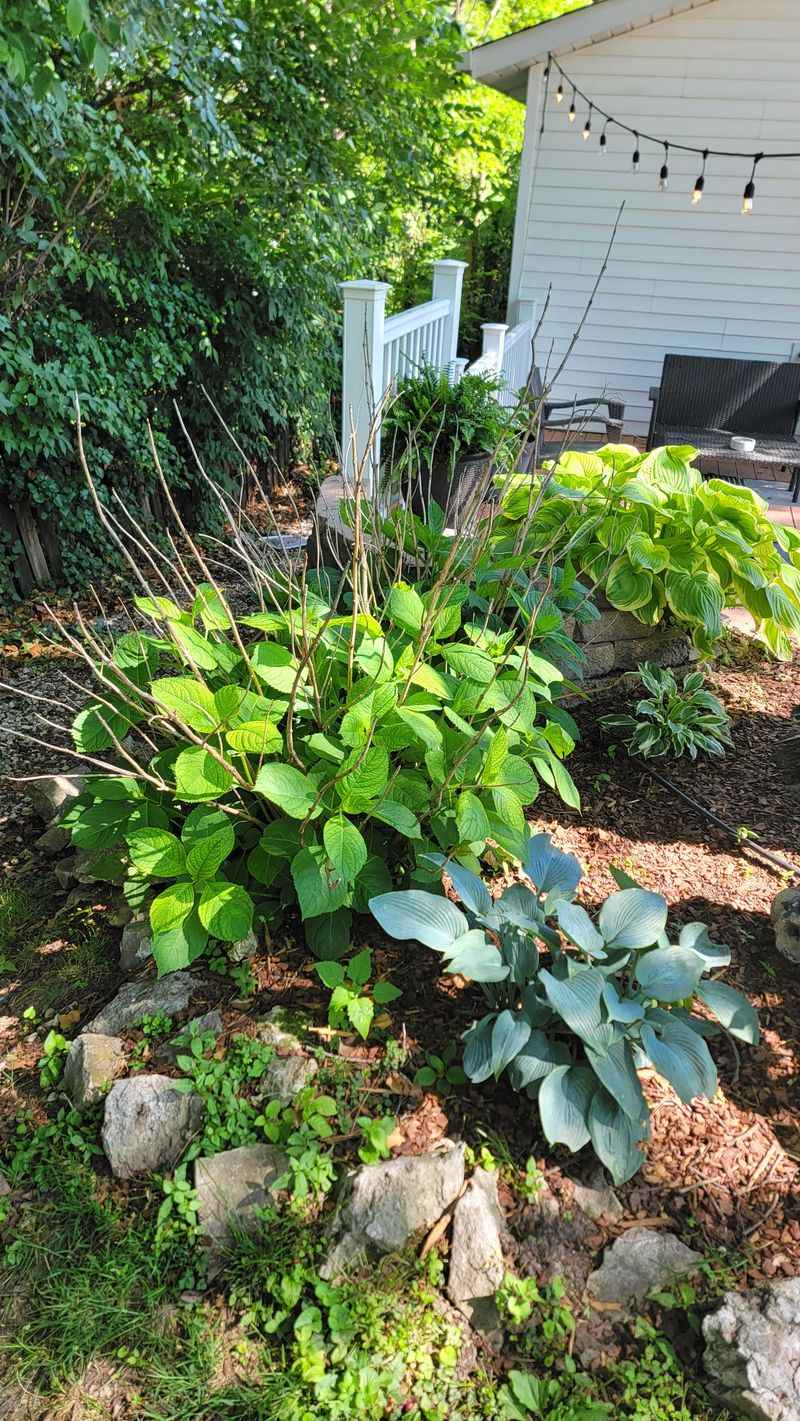
Many gardeners tuck hydrangeas into a deep, shady corner thinking they love it there, then wonder why the flowers never show up. While hydrangeas tolerate some shade, most need a few hours of gentle sun to fuel bud production.
Deep, all-day shade often gives you a lush green bush with almost no color. The plant spends its energy growing leaves instead of setting flower buds.
Morning sun paired with afternoon shade tends to be the sweet spot in most US temperate yards. That combination warms the plant early without scorching it during the hottest part of the day.
If moving the shrub isn’t practical, consider thinning nearby tree branches to let more filtered light reach the leaves. Even a modest increase in brightness can improve flowering over a season or two.
Panicle hydrangeas handle more sun than the others, so they can be a smart swap for a spot that gets stronger light.
Watch how the light travels across your garden for a full day before deciding, and you may find a better home for stronger blooms.
3. Feeding Too Much Nitrogen
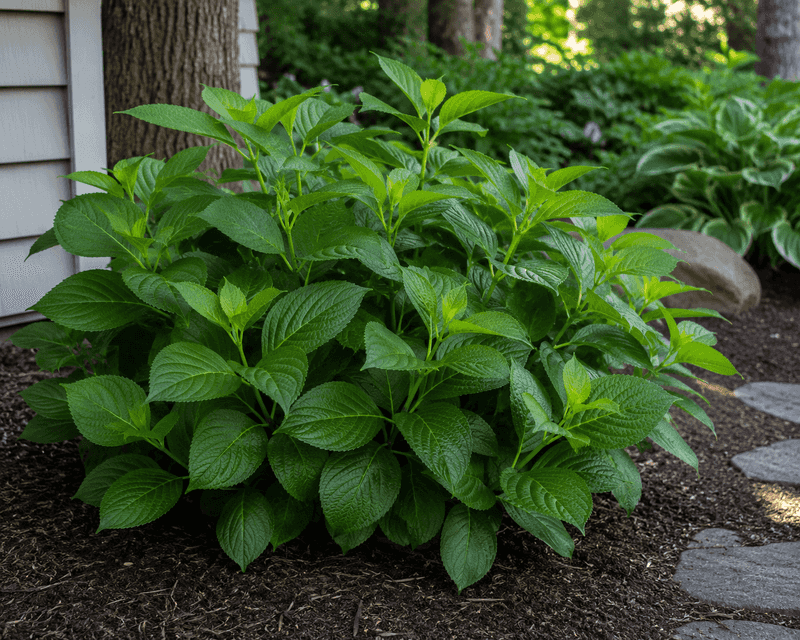
Reaching for a lush-lawn fertilizer to spoil your hydrangea can backfire in a big way. High-nitrogen feeds push out loads of leafy green growth, and that green rush often comes at the expense of flowers.
A hydrangea drowning in nitrogen looks vigorous and healthy, yet stays stubbornly bloomless. The plant simply pours its energy into foliage instead of buds.
Phosphorus is the nutrient more closely tied to flowering, so a balanced or bloom-focused fertilizer usually serves hydrangeas better. Look for numbers that aren’t heavily weighted toward that first nitrogen figure.
Keep an eye on nearby lawn feeding too, since runoff and overspray can reach shrub roots without you realizing it. Buffer your hydrangea from lawn treatments when you can.
Less is genuinely more here. A light spring feeding is often plenty, and over-fertilizing can do more harm than skipping it altogether.
Switching to a gentler, balanced approach may help your plant redirect its energy toward the flowers you’ve been missing all along.
4. Ignoring Late Spring Frosts
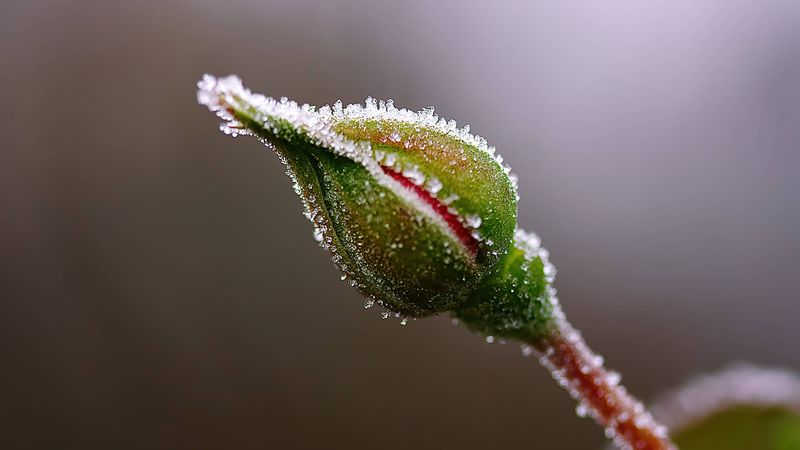
A single surprise cold snap can undo an entire season of flowers in one chilly night. Old-wood hydrangeas push their buds early, and a late frost can kill those tender buds while the rest of the plant survives just fine.
You’ll often see the damage weeks later as a healthy-looking shrub that simply refuses to bloom. The buds were lost long before the growing season really kicked off.
In regions where spring weather swings wildly, this is one of the sneakiest bloom thieves around. It leaves no obvious scar, only missing flowers.
When a frost is forecast after your hydrangea has broken dormancy, cover it overnight with a light sheet or frost cloth. Remove the cover in the morning so the plant can breathe and soak up sun.
Planting in a spot shielded from harsh early-morning sun can also slow bud development and reduce frost risk.
Reblooming varieties offer a helpful backup, since they can flower on new wood even after a rough spring.
5. Watering Inconsistently
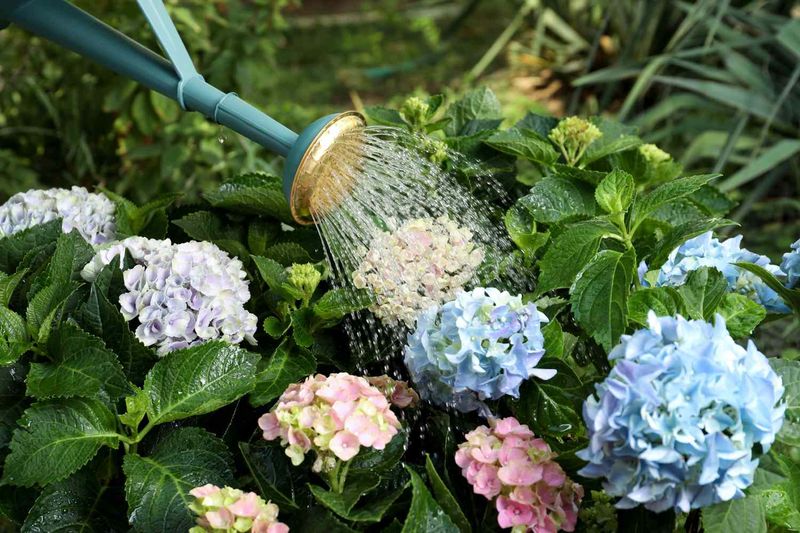
Hydrangeas practically wear their thirst on their sleeves, wilting dramatically the moment the soil dries out. That name even hints at their love of water, and erratic watering stresses them enough to shortchange your blooms.
Swinging between bone-dry soil and soggy roots leaves the plant scrambling to survive rather than flower. Buds can drop or fail to form when moisture is unreliable.
Aim for steady, deep watering that keeps the soil evenly moist but never waterlogged. A slow soak at the base beats a quick daily splash on the leaves.
During summer heat waves, checking the soil every day or two can help you catch stress before it sets in. Stick a finger a couple inches down and water when it feels dry.
A layer of mulch works wonders here by holding moisture and evening out those swings between soakings.
Morning watering gives the plant a full day to drink up before evening, which can reduce fungal problems on damp foliage. Consistency, more than volume, is what keeps blooms coming.
6. Forgetting to Mulch
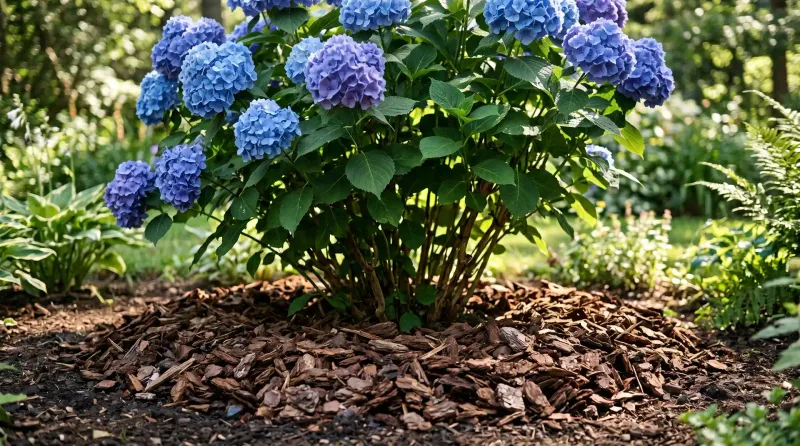
Bare soil around a hydrangea is like a leaky bucket for moisture and a wide-open door for weeds. Skip the mulch and you force the plant to fight for water and nutrients it could otherwise spend on flowers.
Roots exposed to swinging temperatures and drying winds get stressed, and stressed plants tend to skimp on blooms. The effect builds slowly, so it’s easy to overlook.
A two to three inch layer of shredded bark or compost keeps the root zone cool, moist, and steady through summer heat. That stability is exactly what flowering plants crave.
Keep the mulch pulled back a few inches from the main stem so it doesn’t trap moisture against the wood and invite rot. A doughnut shape works better than a volcano.
Organic mulches slowly break down and feed the soil as a bonus, gently improving conditions each year.
Refreshing the layer once a season keeps it doing its quiet, powerful work of protecting your hydrangea’s blooms from the ground up.
7. Deadheading the Wrong Way
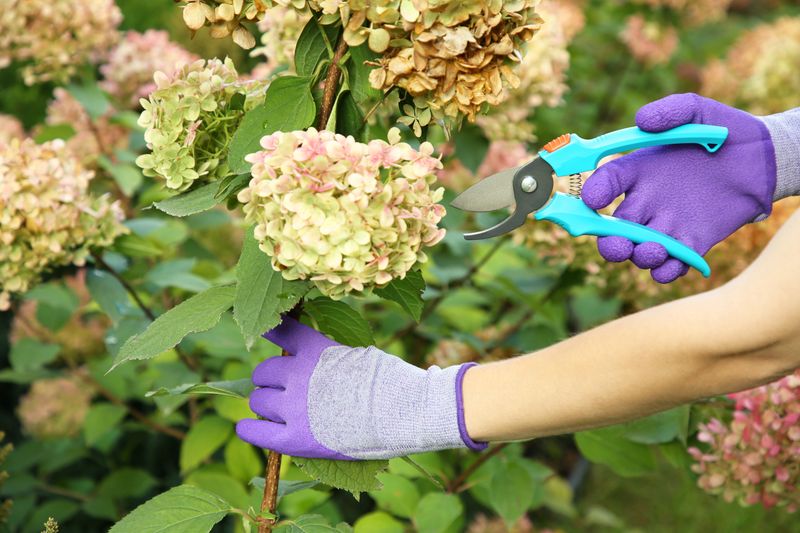
Trimming spent flowers feels tidy and helpful, but on old-wood hydrangeas an aggressive snip can cost you next year’s show. Cut too far down and you slice off the fresh buds forming just below the faded blooms.
Well-meaning gardeners often shorten stems by several inches, not realizing the flower-to-be sits right there. The plant looks neater but blooms less.
When you deadhead old-wood types, remove only the spent flower head just above the first set of healthy leaves. Leave the stem and its lower buds intact.
New-wood bloomers give you more freedom, since they’ll set flowers on fresh growth regardless of a harder cut.
If you’re not certain which type you have, err on the side of a light touch and clip only the dead bloom itself. You can always trim more later.
Some gardeners even leave dried heads on through winter for texture and mild frost protection for the buds beneath.
A gentler deadheading habit can quietly protect the very flowers you’ve been hoping to see.
8. Planting in Poorly Drained Soil
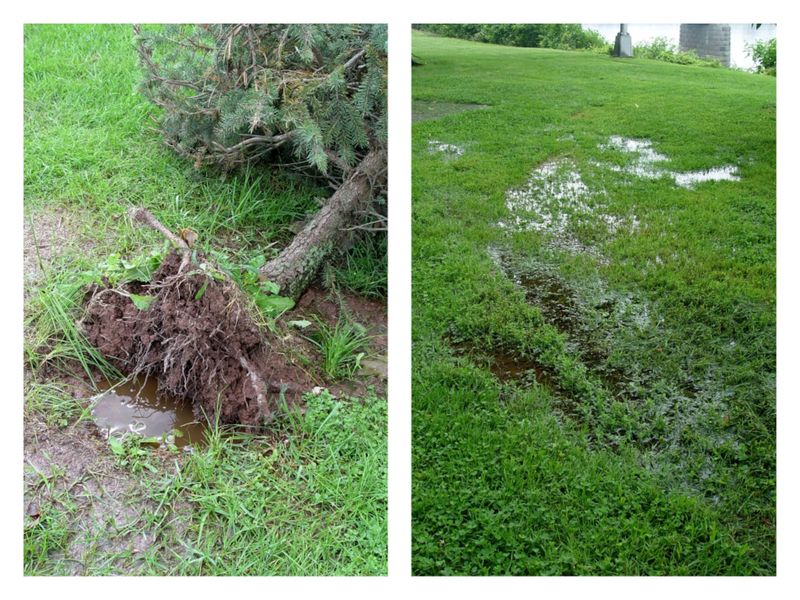
Roots sitting in soggy ground are quietly suffocating, even when the leaves look fine on top. Hydrangeas love moisture, but standing water robs the roots of oxygen and stresses the plant into skipping flowers.
Heavy clay soil is a common offender in many US backyards, holding water long after a rain. The result is a shrub that struggles below the surface while barely blooming above it.
Before planting, dig a hole, fill it with water, and see how quickly it drains. Slow-draining spots need help before a hydrangea moves in.
Mixing in compost and coarse organic matter loosens tight soil and lets excess water escape. Raised beds or gentle mounds can also lift roots above the wettest zones.
For an established plant that’s suffering, improving the surrounding soil and redirecting runoff may ease the stress over time.
Chronic sogginess also invites root rot, which weakens the whole plant beyond just the blooms.
Give those roots room to breathe and your hydrangea has a much better shot at flowering freely.
9. Letting Deer and Rabbits Snack Freely

You might blame your hydrangea for not blooming when the real thief has four legs and a taste for buds. Deer and rabbits happily nibble tender new growth and flower buds, especially in early spring when other food is scarce.
A shrub grazed at bud stage can look perfectly healthy yet never open a single flower. The damage happens fast and often overnight.
Telltale signs include cleanly clipped stems, missing bud tips, and hoof or paw prints in soft soil nearby. Once you spot them, the mystery usually solves itself.
Fencing is the most reliable defense, but scent-based repellents may help deter browsing when reapplied regularly. Deer especially tend to avoid strong smells they associate with danger.
Rotating a couple of deterrents can reduce the chance animals get used to any single one.
Interestingly, some gardeners argue a little wildlife traffic keeps them tuned in to their yard’s health. Still, when blooms are the goal, protecting those buds is worth the effort.
10. Overlooking Soil pH for Bud Health
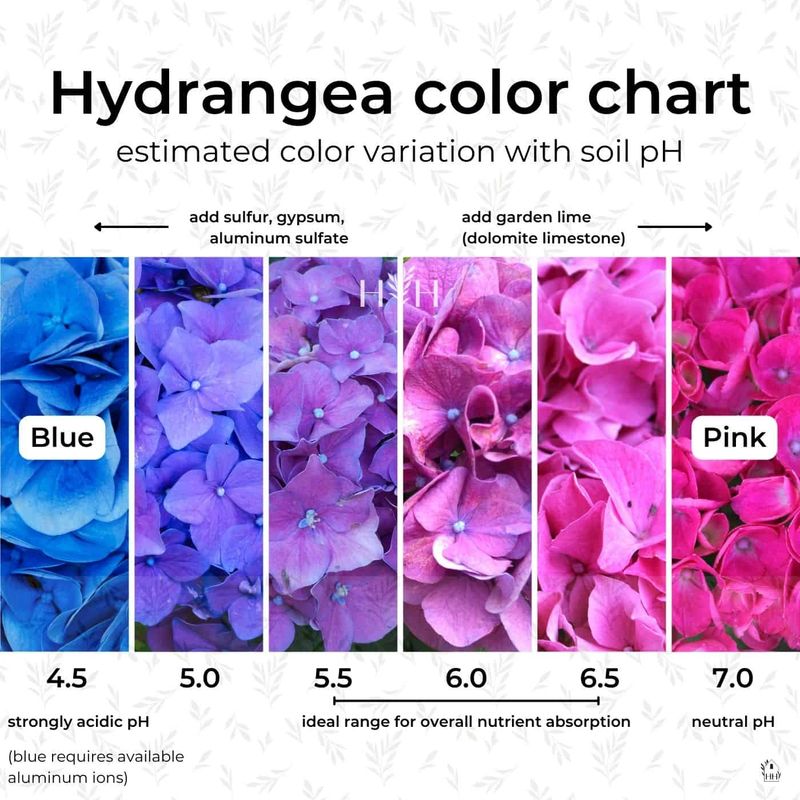
Most folks know soil pH shifts hydrangea color between pink and blue, but few realize it also affects how well the plant can feed itself. When pH sits at an extreme, roots struggle to absorb the nutrients that support strong, steady bud formation.
A plant fighting to pull food from the soil has less energy left for flowering. The blooms suffer even when everything above ground seems fine.
Most hydrangeas do best in slightly acidic to neutral soil, roughly in the mid pH range. A cheap home test kit can tell you where you stand in minutes.
If your soil is far off balance, gradual amendments like garden sulfur or lime can nudge it toward a friendlier range. Make changes slowly and retest as you go.
Chasing a specific flower color with heavy chemicals can sometimes stress the plant, so aim for healthy soil first.
Think of balanced pH as the foundation that lets all your other good habits actually pay off in blooms. Get it right and the rest tends to follow.
11. Crowding Plants Too Close Together
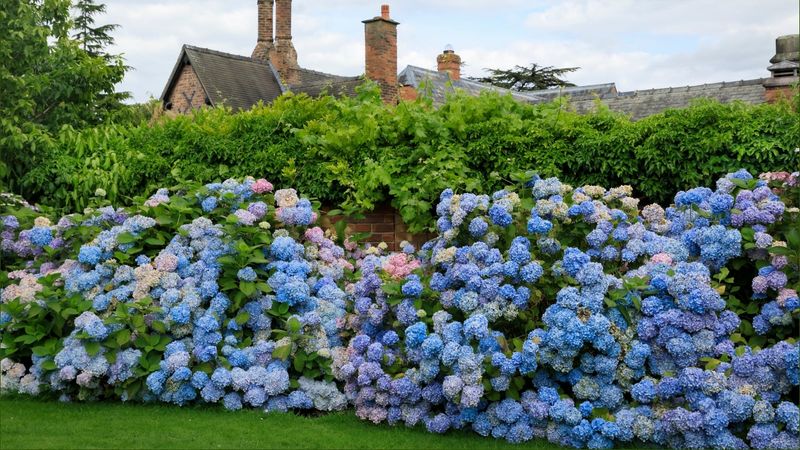
Squeezing hydrangeas shoulder to shoulder with neighboring plants looks full and lush at first, then quietly starves them of light and air. Crowded shrubs compete for sun, water, and nutrients, and the losers often respond by cutting back on flowers.
Poor airflow in a packed bed also traps humidity around the leaves, opening the door to mildew and fungal trouble. A stressed, disease-prone plant rarely blooms its best.
Give each hydrangea room to reach its mature size, which can be several feet wide depending on the variety. Check the tag before planting so future you isn’t fighting a jungle.
If an established shrub is boxed in, thinning or relocating a few crowding neighbors can free up light and breathing space. Even modest spacing improvements help.
Better air circulation dries the foliage faster after rain, quietly lowering disease pressure too.
A little breathing room lets each plant gather the energy it needs to flower, rather than spending it all just competing to survive. Space today often means blooms tomorrow.
12. Choosing the Wrong Variety for Your Zone
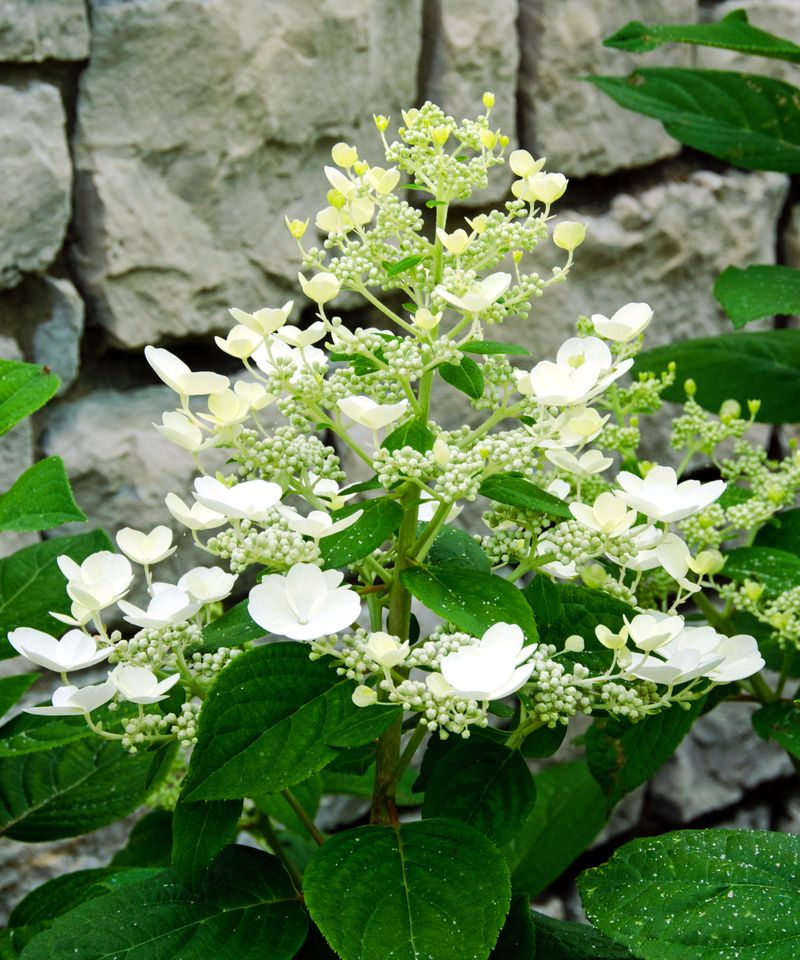
Sometimes the habit hurting your blooms started the day you bought the plant. A hydrangea rated for a warmer or cooler region than yours may survive but struggle to flower reliably in your climate.
Old-wood bloomers in cold zones are especially vulnerable, since harsh winters kill the buds long before summer arrives. The plant lives on, but the flowers keep vanishing.
Check your USDA hardiness zone and match it to the variety’s recommended range before planting. That single step saves years of frustration.
In colder areas, panicle and smooth hydrangeas that bloom on new wood tend to be far more dependable. They shrug off winter damage and flower on fresh growth each year.
Reblooming bigleaf types are another smart pick, offering a second chance at flowers even after a rough season.
If your current plant simply isn’t suited to your yard, swapping it for a zone-appropriate variety may be the kindest fix of all.
Right plant, right place remains one of gardening’s most reliable paths to steady blooms.
13. Skipping Winter Protection
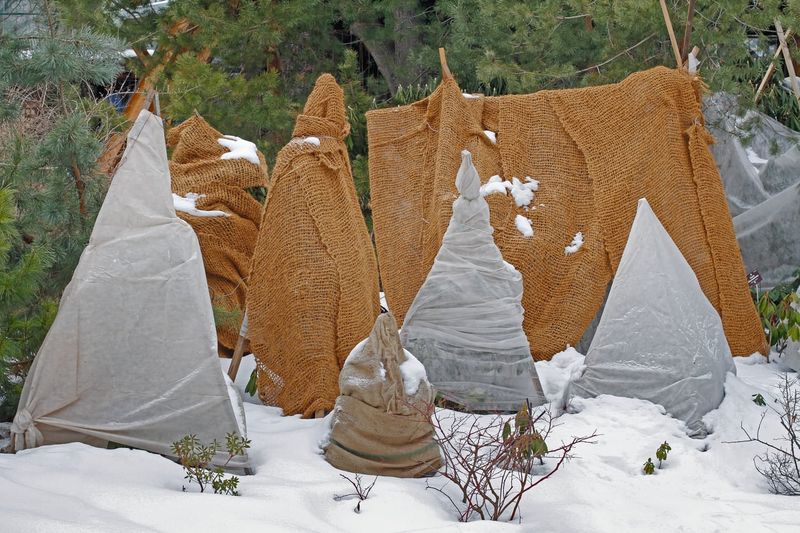
A harsh winter can quietly wipe out the flower buds that were sitting dormant and ready to bloom. Old-wood hydrangeas carry next year’s flowers through the cold months, and unprotected buds often don’t survive deep freezes or drying winds.
Come spring, the shrub leafs out normally while the killed buds leave you flowerless. The plant looks fine, but the show never starts.
In colder US regions, wrapping the shrub in burlap or building a loose cage filled with leaves can shelter those precious buds. The goal is insulation, not a sealed box.
Piling extra mulch over the root zone before the ground freezes adds another layer of defense. A thick blanket helps hold steady temperatures below.
Wait until the plant is fully dormant before wrapping, and remove protection gradually as spring warms up.
Reblooming and new-wood varieties need less fuss here, since they can flower on fresh growth.
A bit of seasonal care can carry those buds safely through winter and reward you with a fuller spring.
14. Damaging Roots During Transplanting
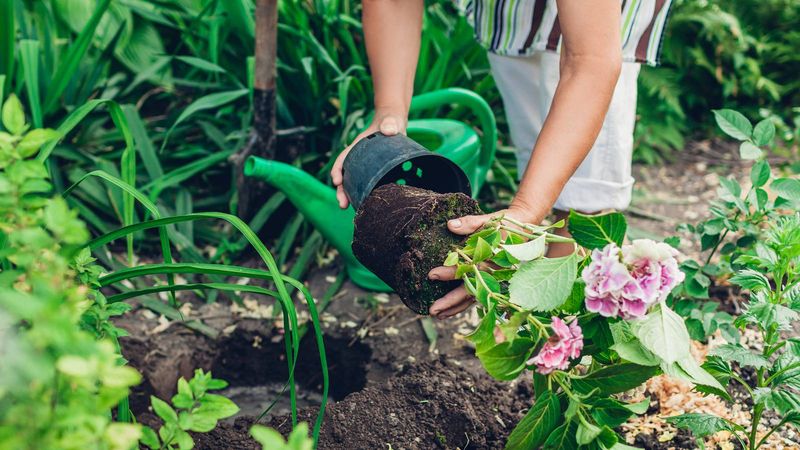
Moving a hydrangea to a better spot is smart, but a rough transplant can set back blooming for a year or more. Hydrangeas dislike having their roots disturbed, and torn or dried-out roots leave the plant too stressed to flower.
After a hard move, a shrub often pauses on blooms while it rebuilds its root system underground. The pause can look like failure when it’s really recovery.
Dig a wide root ball to keep as many feeder roots intact as possible, and move the plant during its dormant season when it’s least stressed. Late fall or early spring works well.
Water deeply right after transplanting and keep the soil consistently moist while roots settle in. That first season of care makes a big difference.
Adding compost to the new hole helps roots establish faster and reduces transplant shock.
Give a recently moved hydrangea patience and steady care, and blooms usually return once the roots feel at home again. Sometimes the fix is simply time.
15. Missing Early Signs of Pests and Disease
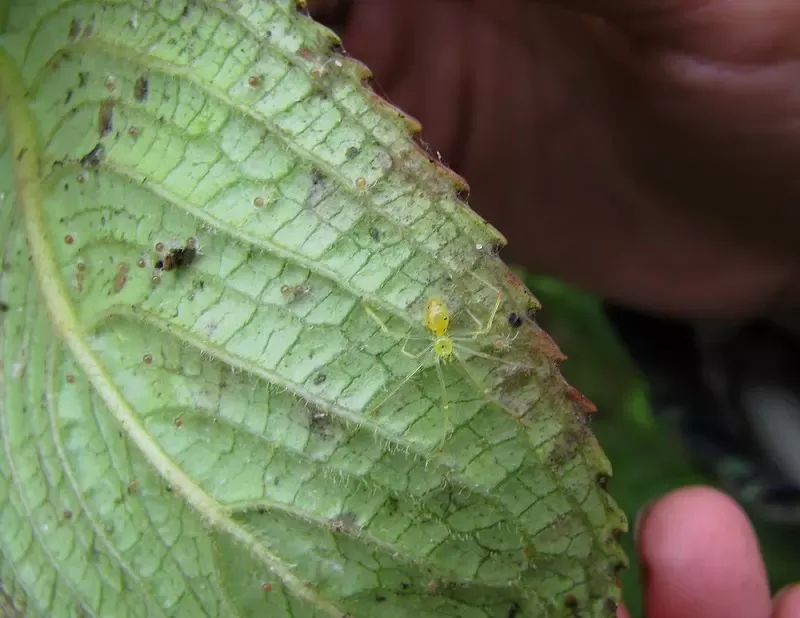
By the time a hydrangea looks obviously sick, the damage to its blooms may already be done. Aphids, spider mites, and fungal issues like powdery mildew sneak in early and quietly sap the energy the plant needs to flower.
Tiny insects clustered on new growth or a dusty white film on leaves are easy to miss until they spread. A weakened plant naturally puts flowers last.
Make a habit of flipping over a few leaves each week to check for pests, sticky residue, or discoloration. Catching trouble early keeps it manageable.
A strong spray of water can knock off many aphids, and insecticidal soap may help control stubborn infestations when used as directed. Good airflow and dry foliage reduce fungal risk too.
Removing and discarding badly affected leaves can slow disease from spreading further.
Staying observant is one of the simplest habits on this list, and it protects far more than just your hydrangea’s blooms.
A few minutes of weekly attention often prevents a season of disappointment down the road.