
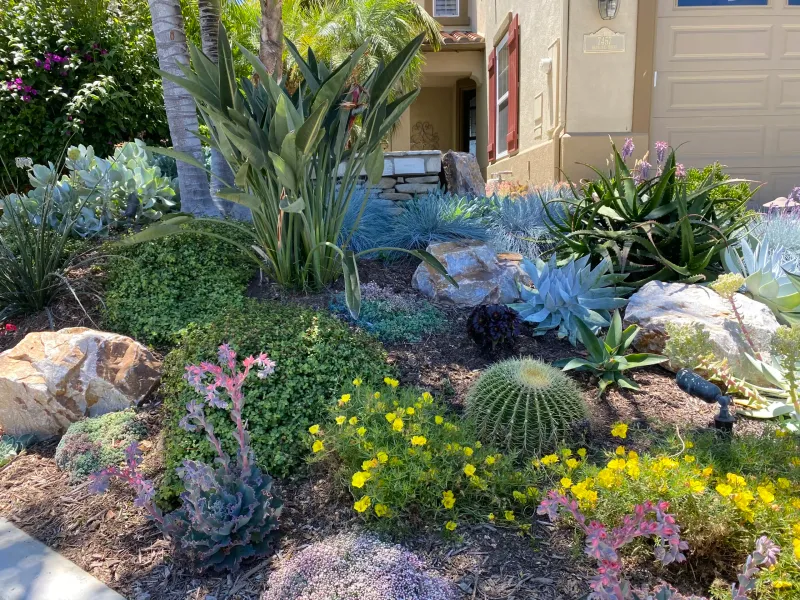
A Texas patio in July can feel like a frying pan, especially when the concrete soaks up sunlight and throws that heat right back at your plant pots. Most flowers wilt and give up by the Fourth of July, but a handful of tough plants actually love these blazing conditions. Picking the right ones means less watering, fewer dead pots, and a patio that still looks alive during a triple-digit heat wave. Here are seven plants that stand up to full Texas sun and radiating concrete without breaking a sweat.
1. Lantana
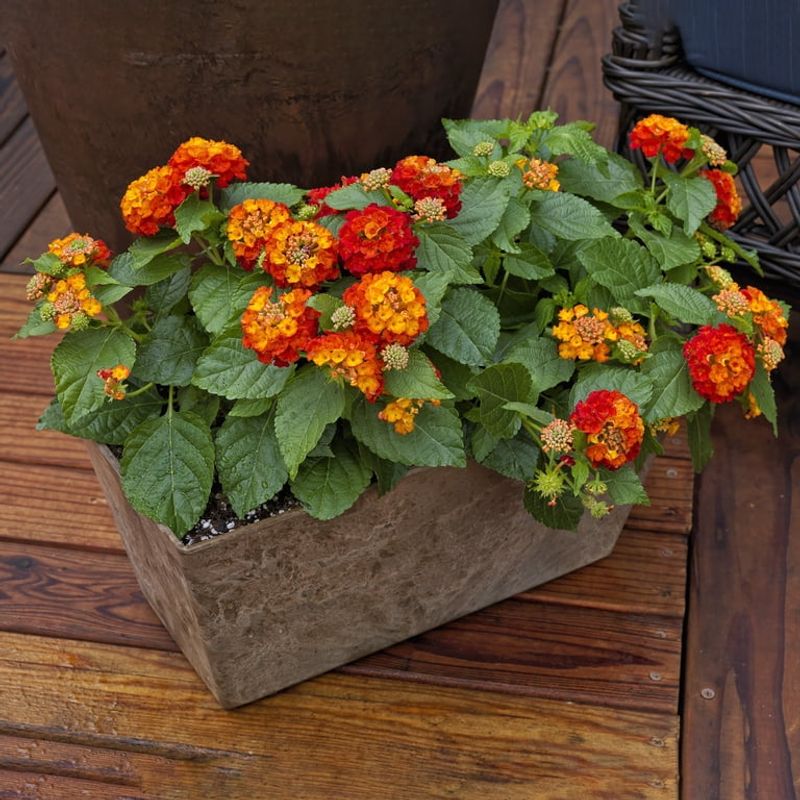
Bees and butterflies show up like clockwork the moment lantana starts blooming, and it keeps that color parade going straight through the hottest stretch of a Texas summer. While your neighbor’s petunias are turning crispy, this plant is throwing out clusters of orange, yellow, and pink flowers that seem to glow brighter as the temperature climbs.
Texas native lantana varieties, like the yellow Texas Lantana, are built for our soils and our droughts. Once the roots settle in, it barely asks for water, which makes it a smart pick when your city rolls out watering restrictions in August.
Fun fact: lantana leaves give off a strong scent when you brush against them, and some gardeners swear that smell can help keep a few nibbling pests at bay. It also handles reflected heat from a concrete slab better than almost anything, so those pots right against the patio edge are no problem.
2. Purple Fountain Grass
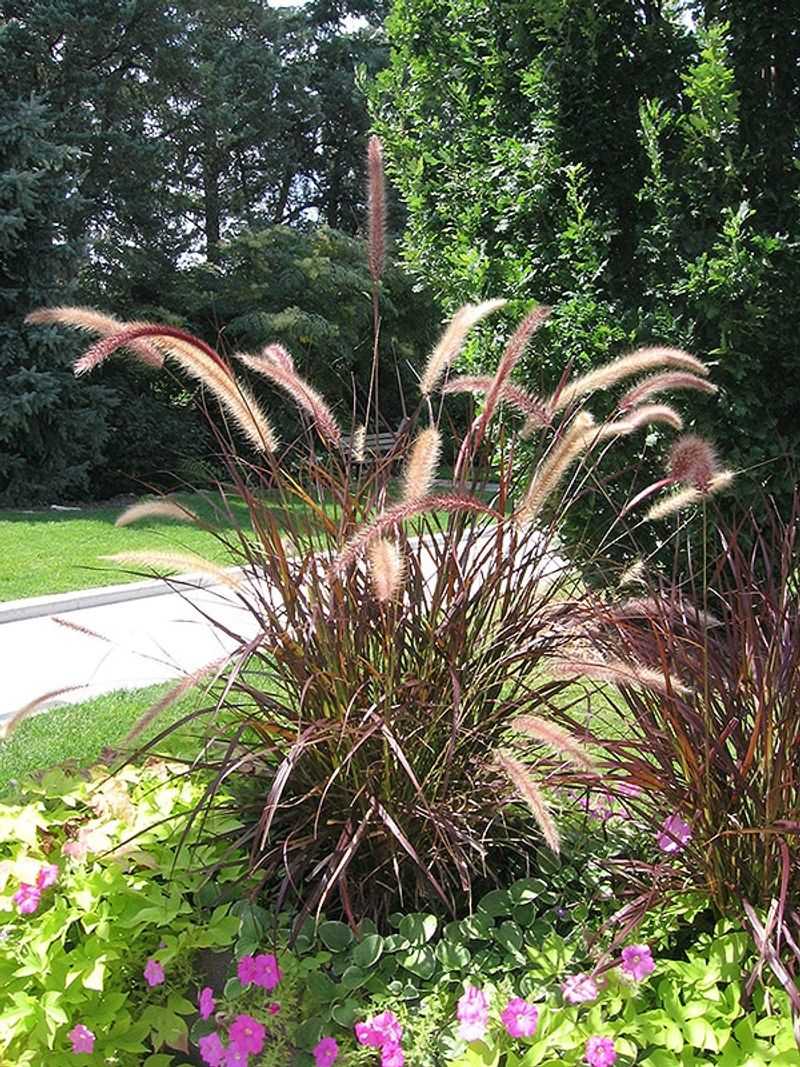
Movement is the trick this plant pulls off that no bloom can match. Purple fountain grass sends up feathery burgundy plumes that sway with every hot Gulf breeze, giving a stiff patio some life even when there’s nothing else stirring in the still summer air.
Heat and glare from concrete do not faze it one bit. The deep purple-red blades actually hold their color best in blazing full sun, so the harsher your patio conditions, the better this grass tends to look.
Water needs stay low once it is established, and it shrugs off the dry spells that come with Texas watering limits. Pair a tall container of it near a doorway and it works almost like a living curtain, softening the hard lines of brick and pavement. Come fall, those plumes catch the lower sunlight and practically glow, giving you a second season of good looks before the first freeze.
3. Esperanza (Yellow Bells)
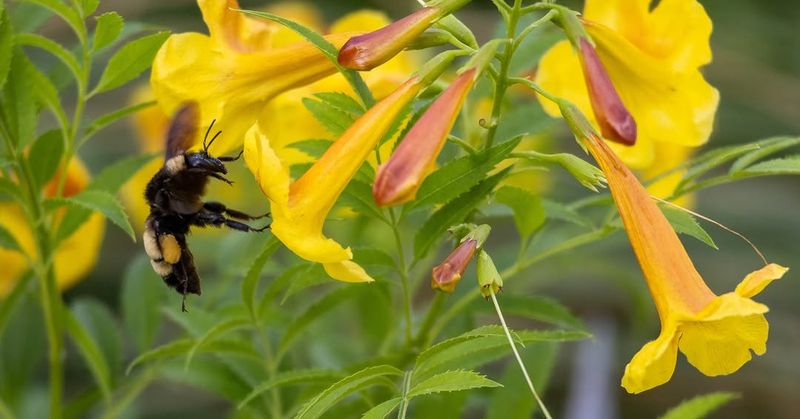
Golden trumpet-shaped flowers stacked on tall green stems make esperanza look almost tropical, which is a surprise for a plant this stubbornly tough. The name means hope in Spanish, and there is something hopeful about a shrub that blooms harder the hotter it gets.
A Texas Superstar plant, esperanza was chosen because it thrives across the state’s brutal summers and poor soils. Hummingbirds treat it like a filling station, so a pot of it near the patio can turn into a front-row seat for backyard wildlife.
Reflected concrete heat is exactly the kind of environment where this plant hits its stride. Give it a big container with good drainage, let it dry out between waterings, and it rewards you with waves of yellow blooms from late spring until the weather finally cools.
4. Angelonia (Summer Snapdragon)
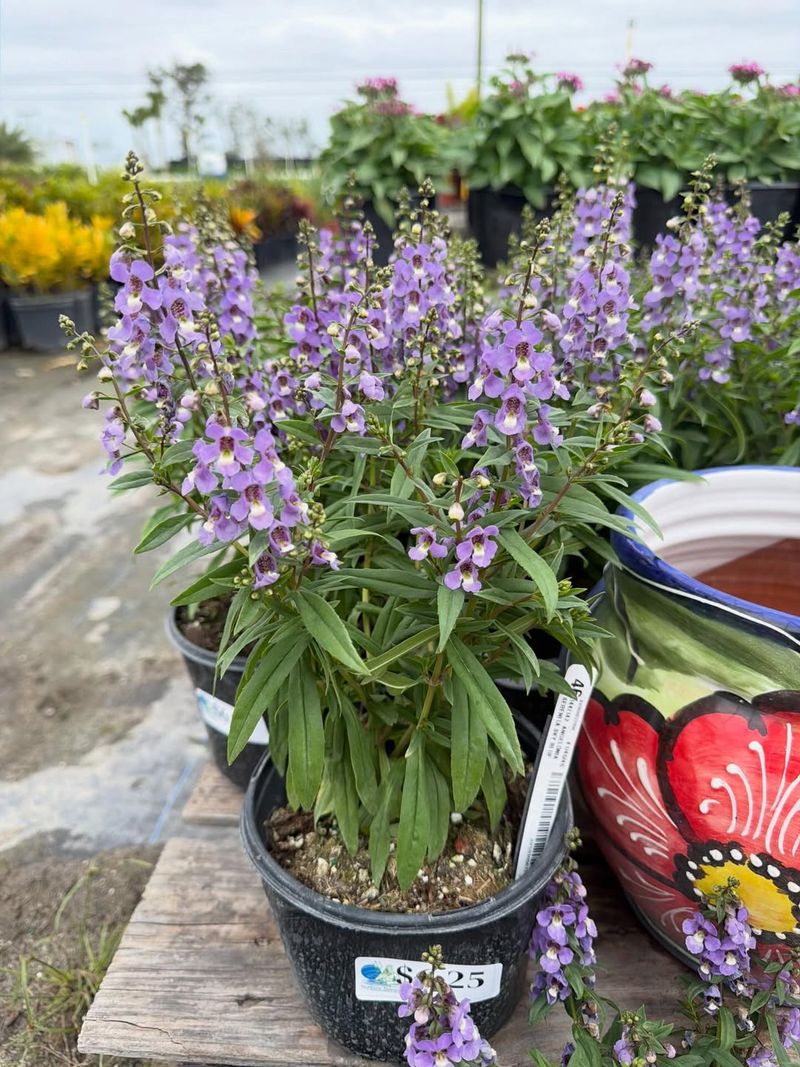
Nicknamed the summer snapdragon, angelonia delivers those tall flower spikes people love without collapsing the second July rolls in. Spires of purple, white, and pink keep coming even when the afternoon sun turns your patio pavers into a hot plate.
What makes it stand out on this list is its neat, upright habit. It fills the vertical space in a mixed container without flopping over, so it plays nicely with sprawling plants like lantana around the base of a pot.
Humidity does not bother it, which matters a lot along the Gulf Coast where sticky air can rot lesser flowers. Water it a bit more than a true desert plant, but nothing extreme, and it will bloom nonstop for months. Deadheading is optional too, since the plant cleans itself up and keeps pushing fresh spikes with almost no fuss on your part.
5. Agave
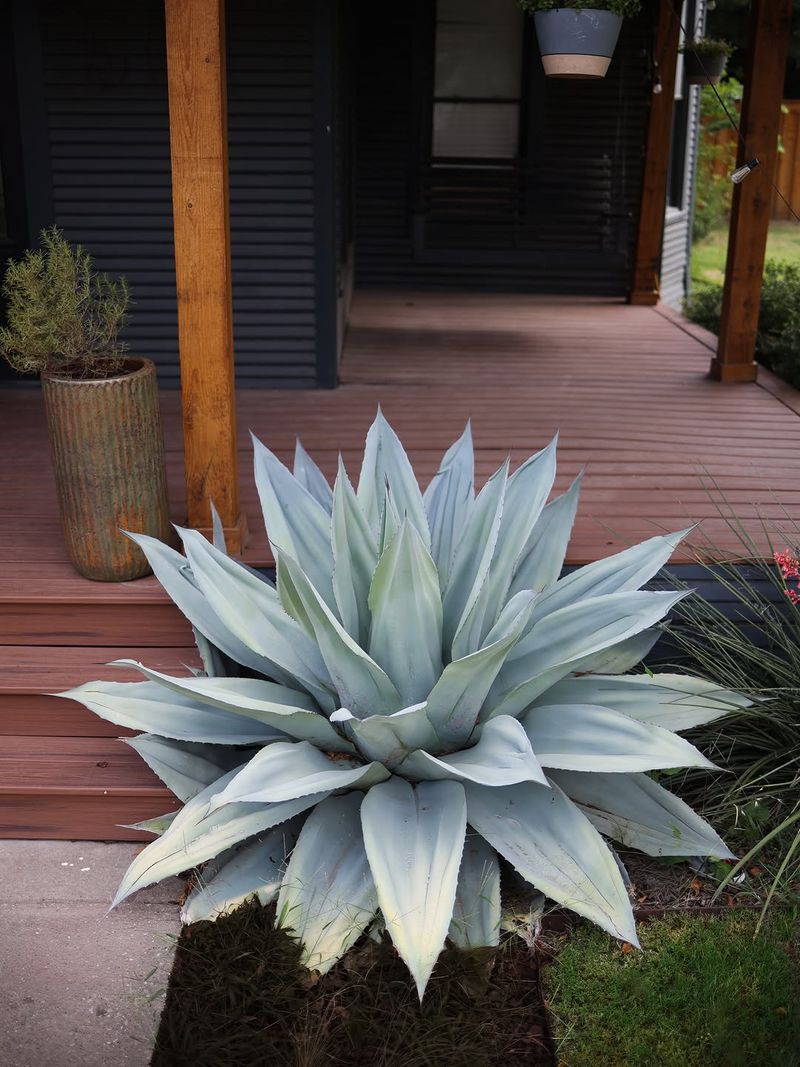
Nothing says built for drought quite like an agave, with its thick, sculptural leaves storing water like a living canteen. Set one in a big pot and it becomes a bold centerpiece that needs almost none of your attention through the worst of the summer.
Full sun and hot concrete are its natural comfort zone. Many agaves come straight from arid regions, so a Texas patio in August feels downright pleasant to them compared to what wilts everything else nearby.
Watering can be nearly forgotten, which makes agave a lifesaver during strict municipal water restrictions. Just be mindful of the sharp tips on some varieties and place them away from walkways where kids and pets pass by.
Did you know the sap of certain agave species is used to make sweetener and even tequila? On your patio, though, its main job is looking dramatic while asking for practically nothing in return.
6. Pentas
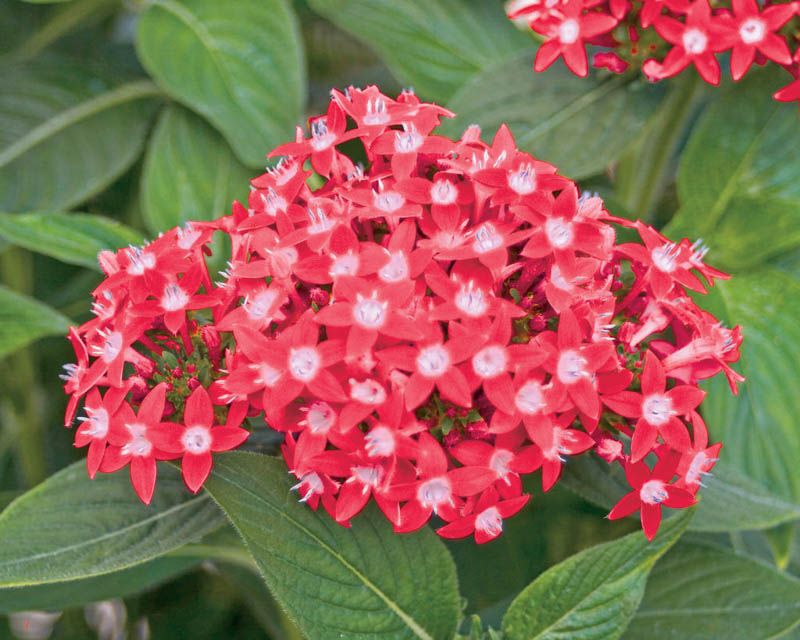
Clusters of tiny star-shaped flowers give pentas its other name, the star flower, and those little blooms are magnets for butterflies all summer long. If you want a patio that hums with pollinator traffic, few plants pull in as much winged company in the heat.
Reds, pinks, purples, and whites hold up beautifully under relentless sun, and the plant keeps flowering without a sulky pause during the dog days. That reliability is why it earns a spot here over showier plants that quit when it counts.
Along the Gulf Coast, pentas handles both the humidity and the heat, a rare combo that trips up a lot of container flowers. Give it decent soil, water it moderately, and it becomes a dependable burst of color right next to hot brick and pavement.
7. Purslane
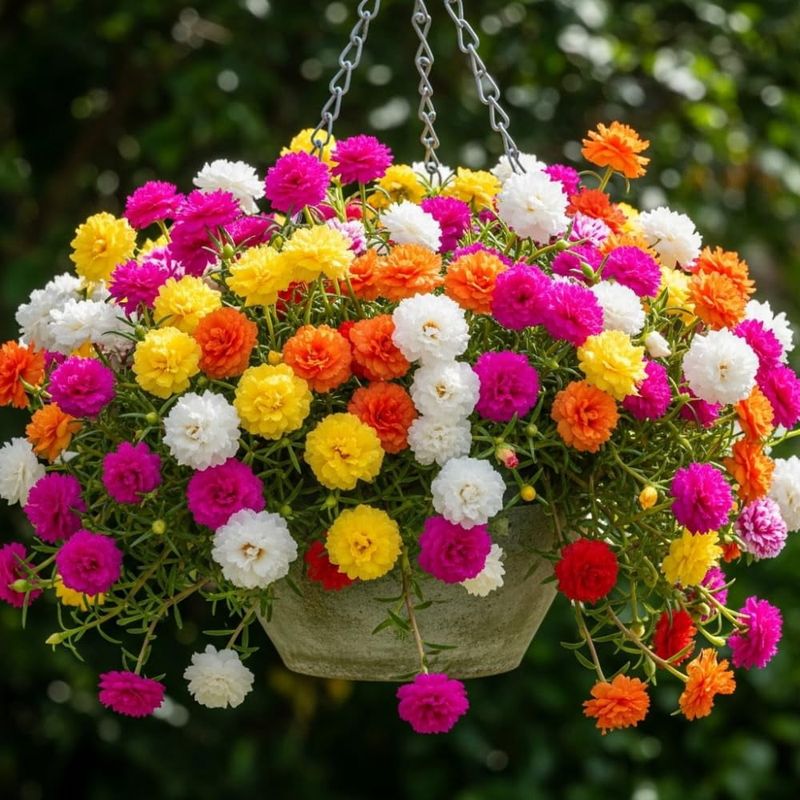
Low and spreading, purslane is the plant that spills over the edge of a pot with fat, water-filled leaves and cheerful jewel-toned flowers. It practically dares the sun to do its worst, opening its blooms widest exactly when the light is most punishing.
As a succulent, it stashes moisture in those plump leaves, so a missed watering here and there is no crisis. That trait makes it perfect for the shallow, quick-drying containers that heat up fast on a concrete patio.
Hanging baskets and pot edges are where purslane really shines, trailing over the sides in a curtain of orange, pink, yellow, and magenta. It closes its flowers in the evening and reopens them each morning, so your patio gets a fresh little show with every sunrise through the long Texas summer.