
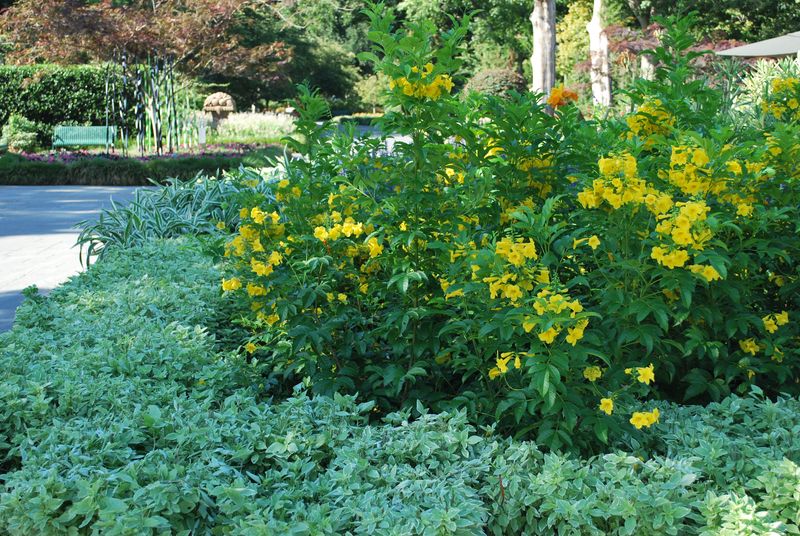
Texas summers are relentless, and most flowering shrubs wave a white flag long before August is over. Esperanza, also called yellow bells, keeps pushing out bright trumpet-shaped blooms from early summer well into fall, even when the thermometer climbs past 100 degrees. It grows wild in parts of southern and western Texas, and with the right spot and a bit of honest care, it can be one of the most rewarding plants in a Texas yard. Before you plant one, though, it helps to know what it can realistically do and where its limits are.
Esperanza is a strong answer, not the only Texas answer
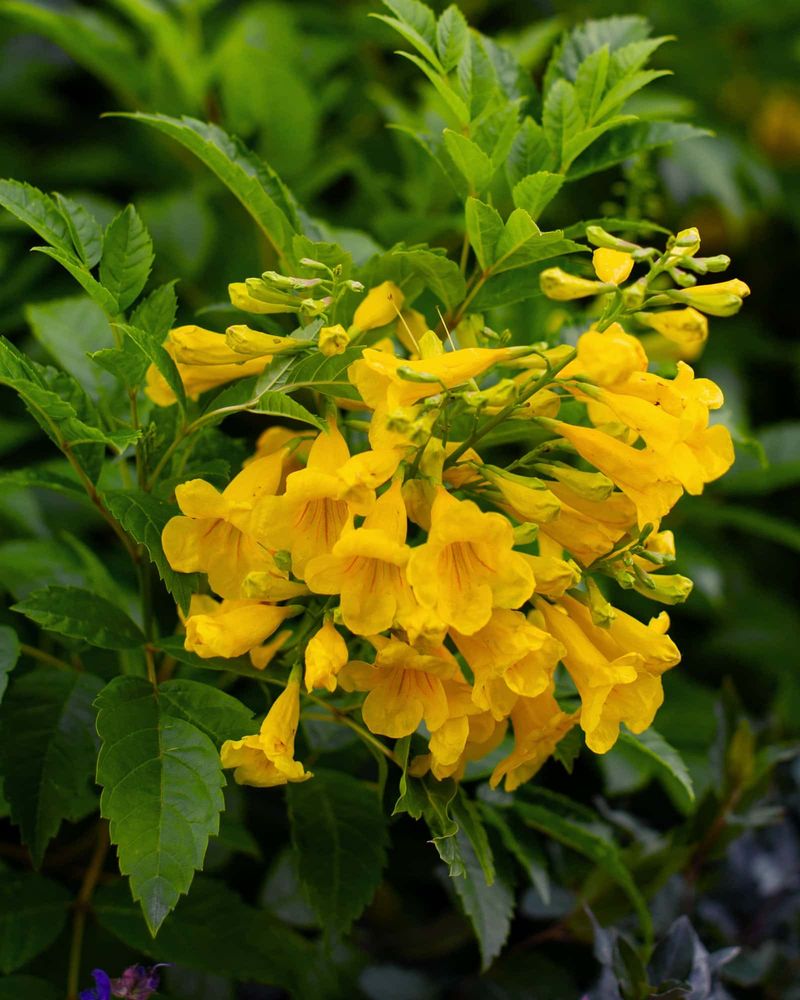
Yellow bells, known botanically as Tecoma stans, earns its reputation in Texas yards by combining bold color with a toughness that most ornamental shrubs cannot match in triple-digit heat. The ‘Gold Star’ selection, recognized as a Texas Superstar plant, has become a go-to recommendation for homeowners who want conspicuous summer color without rebuilding their entire irrigation system. That said, calling it the single answer for every Texas garden would be an overstatement worth correcting right away.
A mature esperanza typically reaches four to eight feet tall and wide, forming a rounded, multi-stemmed shrub. Its flowers are bright yellow to occasionally orange-tinged trumpets that cluster near branch tips, and its compound leaves give the plant a fine-textured, airy look even between bloom cycles. Long, slender seed pods follow the flowers and persist on the plant, adding a structural element that is easy to spot once you know what to look for.
The species is native to parts of southern and western Texas, including areas of the Chihuahuan Desert and the Southern Texas Plains, as documented by the Native Plant Society of Texas. That native status does not extend uniformly across the state. A homeowner in Corpus Christi and a homeowner in Amarillo are not working with the same climate, and esperanza performs very differently in those two places.
Commercial plants sold under the esperanza name can represent selections drawn from a broader species range. The Texas A&M range plant database notes that regional forms of Tecoma stans vary in height, cold hardiness, and drought tolerance. Southwestern varieties, including the narrower-leafed variety angustata, tend to be shorter and hardier than some tropical commercial cultivars. Knowing which type you are buying matters, especially if you garden in a region where winter temperatures regularly drop below freezing.
Expect a long flowering season rather than nonstop blooms
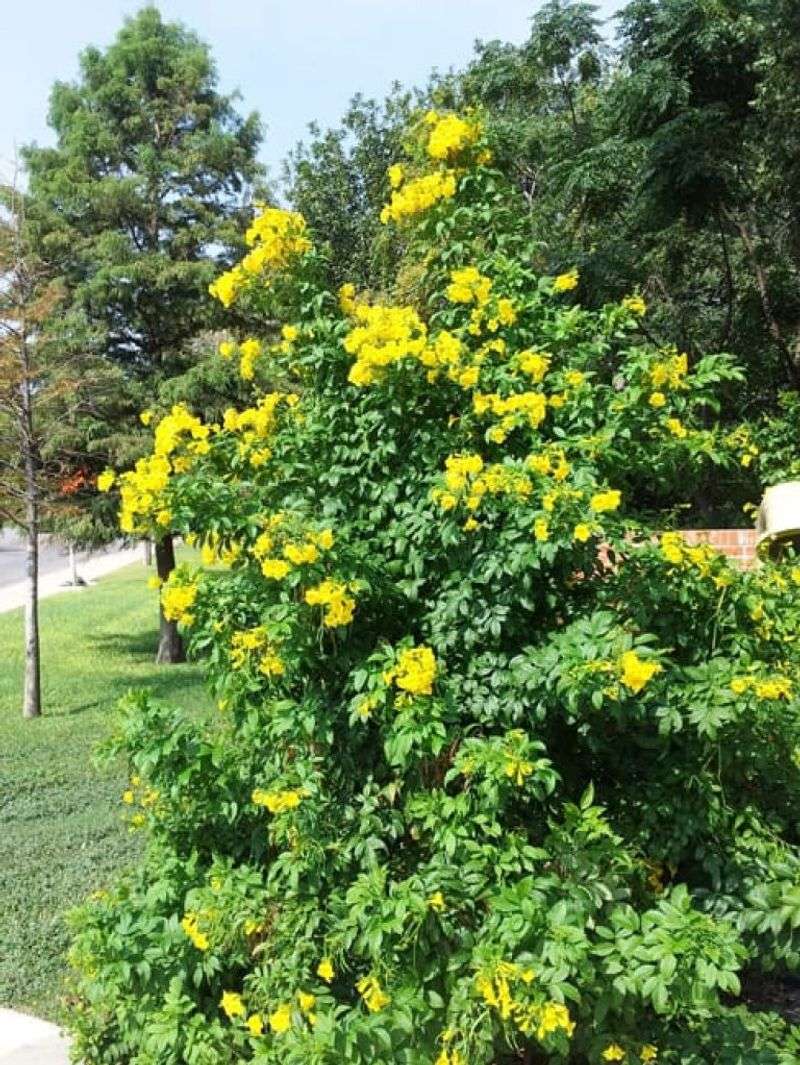
One of the most practical things to understand about esperanza is the difference between a long flowering season and a plant that is constantly covered in open blooms every single day. Texas sources document spring-through-fall flowering for the species, and the Texas Superstar listing for ‘Gold Star’ describes flowering from early summer until frost. That is a genuinely impressive window for a Texas landscape, covering the stretch of the year when most other flowering shrubs either go dormant or burn out entirely.
What that season looks like in practice is a plant that produces repeated flushes of color rather than a static display. Flowers open, fade, and are followed by new buds, so the shrub stays visually interesting across months rather than peaking once and going quiet. The Native Plant Society of Texas describes the bloom period as spring through fall, which aligns with what most Texas gardeners observe when the plant is well sited.
Several factors influence how freely the plant flowers during that window. Sun exposure, soil drainage, available moisture, and the plant’s establishment status all play a role. A newly planted shrub still working to build its root system will not flower as freely as one that has been in the ground for a full growing season. Winter damage can also delay or reduce flowering the following spring if stems were killed back and the plant is putting energy into regrowth rather than blooms.
The Texas Superstar brochure reinforces that the flowering advantage is real but conditional. Cultivar selection, site conditions, and regional climate all shape the result. Framing esperanza as a plant that delivers an extended season of conspicuous color, rather than one that flowers without interruption regardless of conditions, gives gardeners a more useful and accurate expectation to plan around.
Give esperanza full sun and fast-draining soil
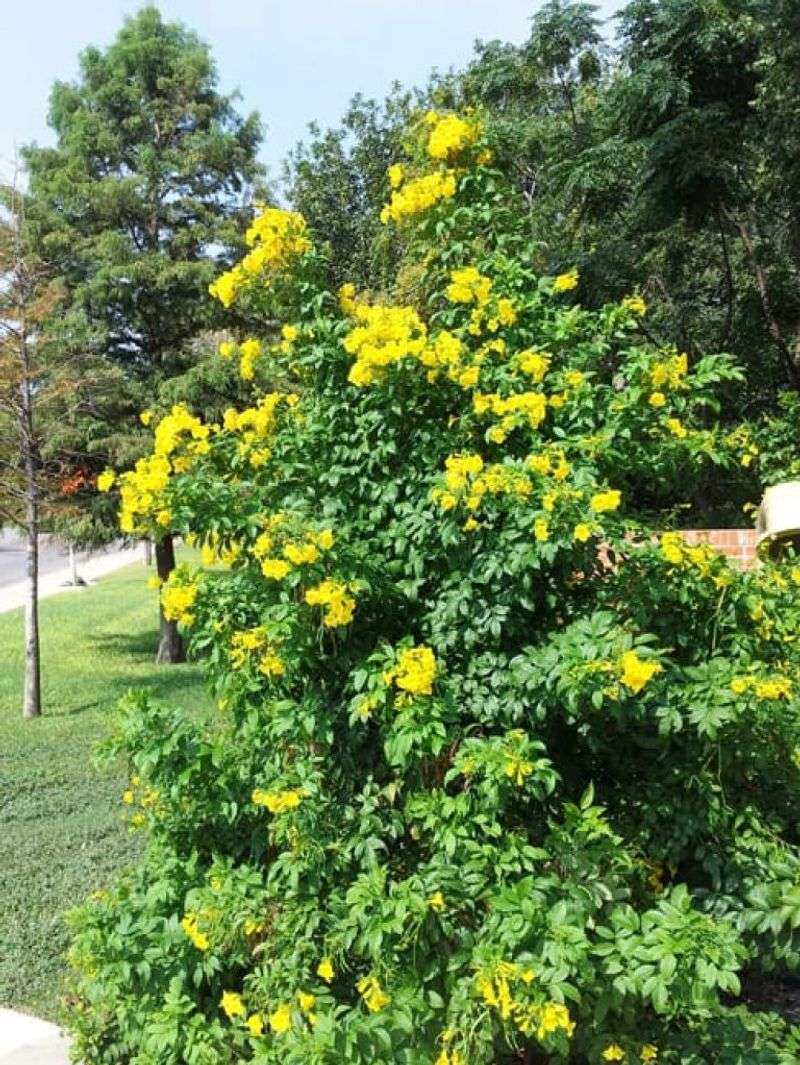
Correct placement does more work for esperanza than almost any other single decision a gardener makes. The plant performs best in full sun, meaning at least six to eight hours of direct sunlight daily, and that requirement is not negotiable. A shaded or partly shaded spot will produce a leggier, less floriferous shrub that is more vulnerable to the root problems that shade and moisture together can create.
Soil drainage matters just as much as sun exposure. Esperanza is native to rocky, well-drained terrain in southern and western Texas, and it has not evolved to sit in wet feet. Texas Superstar’s profile of ‘Gold Star’ notes that the plant tolerates a range of soils but requires reasonable drainage. Overwatering and soggy conditions are among the most reliable ways to undermine a heat-tolerant shrub, because saturated soil starves roots of oxygen and invites root rot even in plants that handle drought well.
The Texas Superstar brochure echoes this, placing drainage alongside sun as a non-negotiable site requirement.
Texas soil varies enormously from one region to the next. Heavy black clay in the Blackland Prairie holds moisture long after a rain, while sandy loam in the Hill Country drains almost immediately. Caliche layers in South Texas can create perched water tables that behave like buried bathtubs. Gardeners working in clay-heavy soils may need to amend planting beds or build raised areas to ensure drainage before establishing esperanza.
Local watering rules add another layer to the calculation. Municipal restrictions in many Texas cities limit how often homeowners can run irrigation, which means the right plant-and-placement combination becomes even more important. The Texas A&M AgriLife EarthKind plant selector and the AgriLife Extension irrigation cycling guide both emphasize that site conditions, soil type, and local restrictions should drive irrigation decisions rather than a single statewide schedule. Getting placement right from the start is the closest thing to low-maintenance gardening that actually works.
Drought tolerance still requires establishment watering
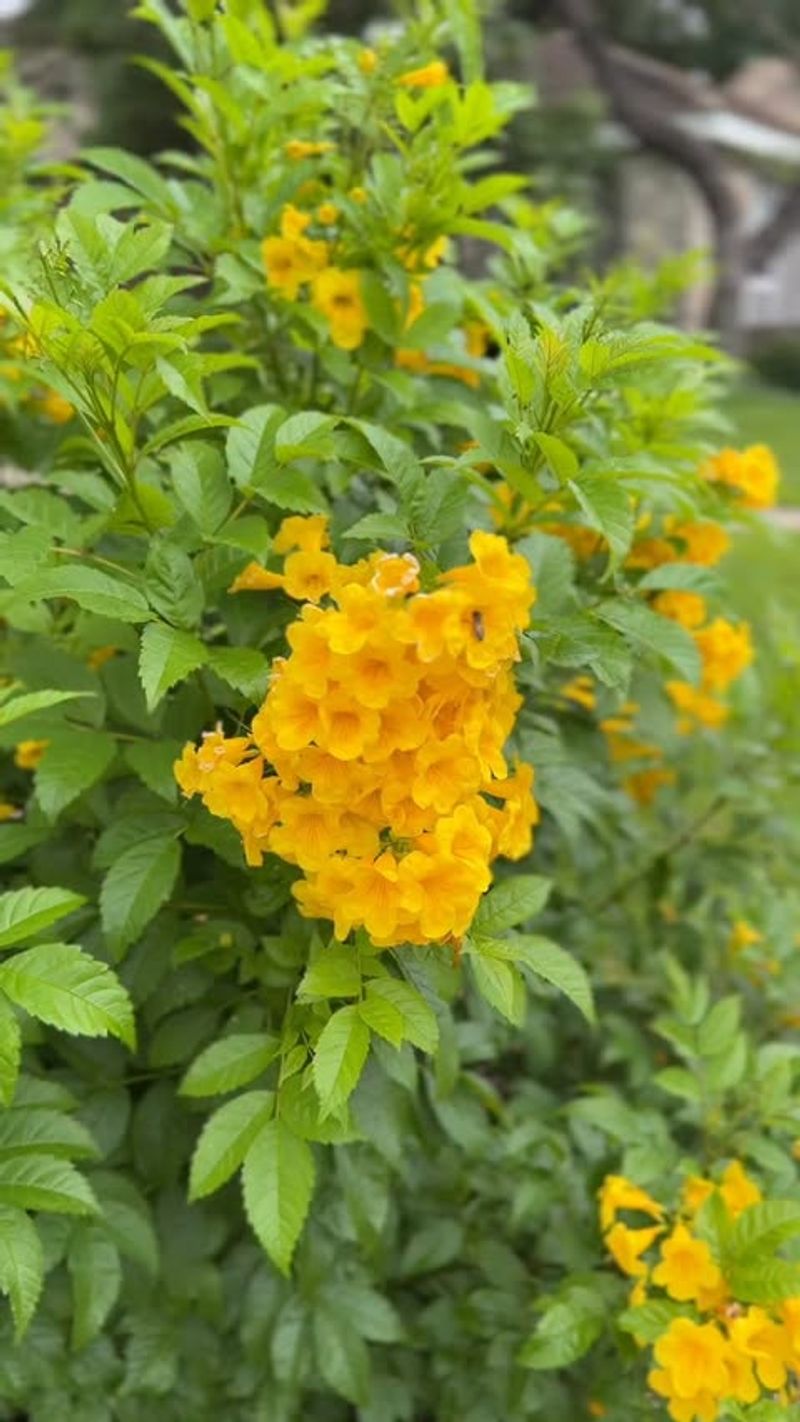
Drought tolerance is one of the most misunderstood phrases in Texas gardening. It describes what a plant can handle once its root system is fully established, not what it can survive the week after you plant it. Esperanza is no exception, and treating it as a plant you can install and immediately ignore is the fastest path to a dead shrub.
During the first growing season, newly planted esperanza needs regular watering to help roots extend into surrounding soil. The Texas Superstar brochure recommends watering ‘Gold Star’ weekly when rainfall falls below about one inch. That guidance applies until the plant is clearly established and actively growing on its own terms. Skipping that establishment phase because the label says drought tolerant is a common mistake that costs gardeners an entire season and the cost of a replacement plant.
Even after establishment, extended or severe drought can stress the plant enough to reduce flowering and damage stems. Established plants may need supplemental deep watering during prolonged dry stretches, particularly in the hottest weeks of a Texas summer when evaporation rates are highest. Texas A&M water research confirms that plants need a genuine establishment period before reduced irrigation becomes realistic, and that soil type and site conditions substantially alter how much and how often irrigation is needed.
Cenizo, or Texas sage (Leucophyllum frutescens), offers a useful comparison here. As documented by the Texas A&M range plant database, cenizo is extremely drought tolerant and blooms from May through October, though its flowers often arrive in intermittent flushes linked to rainfall or changes in humidity rather than as a sustained display. For gardeners working on very poor, dry, rocky soil with no reliable irrigation access, cenizo may be the more defensible choice. Esperanza is the stronger option when the goal is a long season of conspicuous yellow flowers and the site can support modest, consistent care during establishment and severe drought periods.
The two plants serve different priorities and should not be treated as interchangeable.
Regional winter conditions can change its habit
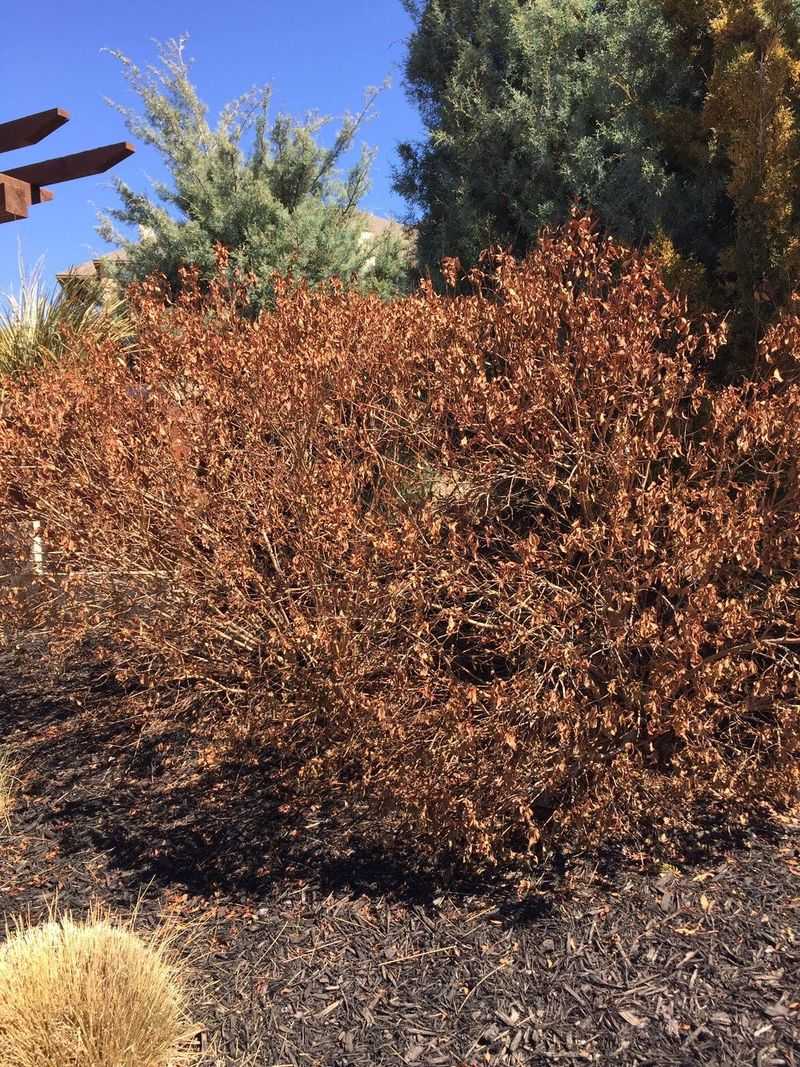
Gardeners in Houston or the Rio Grande Valley and gardeners in Dallas or Lubbock are not growing the same plant in the same way, and esperanza makes that regional difference very clear in winter. The ‘Gold Star’ cultivar is rated for USDA Zone 9, which covers much of coastal and southern Texas but stops well short of the northern half of the state. In Zone 9 and warmer, esperanza typically behaves as a woody perennial shrub, keeping some stem structure through winter and resuming growth in spring from existing wood.
Move north into Zone 8 or colder, and the picture changes. The Texas Superstar brochure describes ‘Gold Star’ as a summer annual in colder regions, meaning it may freeze to the ground and either fail to return or regrow slowly from the roots after a hard winter. Gardeners in those areas sometimes treat it as a seasonal plant, buying new transplants each spring rather than expecting a reliable perennial.
The Native Plant Society of Texas notes that southwestern native forms of Tecoma stans, particularly the variety angustata, tend to be more cold hardy than some commercial tropical cultivars. If cold hardiness is a primary concern, sourcing plants from regional native plant nurseries that carry locally adapted seed sources may produce better winter survival than buying a generic commercial selection.
The practical response to freeze damage is straightforward: resist the urge to cut back stems immediately after a cold event. Wait until new growth begins to emerge in spring, then remove dead or winter-damaged wood back to living tissue. Cutting too early can expose healthy tissue to additional cold, while waiting gives you a clear visual guide to exactly where the plant is still alive. Gardeners who understand their zone and plan for the possibility of dieback will be far less frustrated than those who expect a southern and western Texas native to perform identically across every corner of a state that spans multiple climate zones.
Modest maintenance can support wildlife without promising perfection
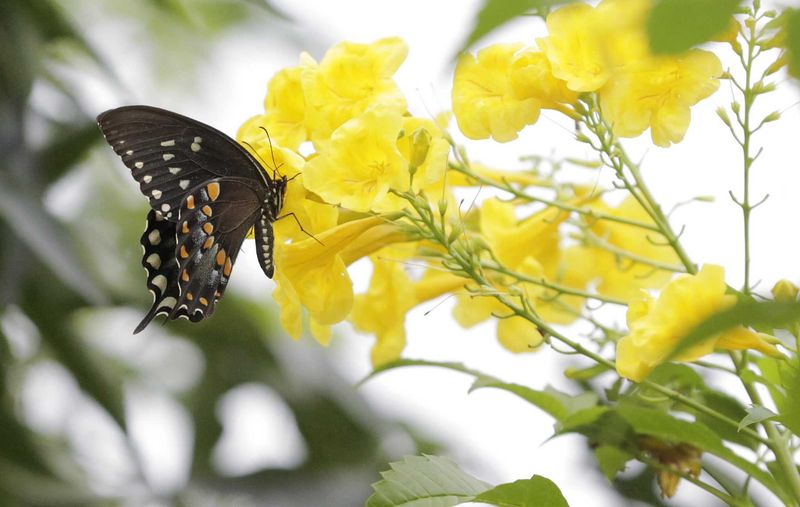
Part of esperanza’s appeal in Texas gardens is the wildlife activity it tends to attract, and that association is well documented by Texas sources. The Native Plant Society of Texas lists esperanza as a nectar source for hummingbirds, butterflies, and moths, and also identifies it as a larval host plant for the dogface butterfly. A shrub that flowers from early summer into fall provides a long window of potential nectar availability, which is one reason it shows up in pollinator garden recommendations across the state. That said, wildlife visits depend on what else is in the landscape, what species are present in your area, and seasonal patterns that no single plant can control.
On the maintenance side, the work is real but genuinely modest for an established plant. Winter-damaged or dead stems need to be cut back before new spring growth gets underway, as described in guidance from the Native Plant Society of Texas. Removing spent seed pods can encourage the plant to redirect energy toward new flowering rather than seed production, and Texas Superstar’s ‘Gold Star’ page mentions deadheading as a way to support continued bloom. Neither task demands significant time, but skipping both entirely will not produce the same result as giving the plant a once-over at the right times of year.
The seed pods deserve a specific caution. The Texas Superstar brochure notes that the fruit is reported to be poisonous, though pods are seldom produced in large numbers in most Texas regions. The evidence supports advising that the pods should not be ingested and that children and pets should not be allowed to chew them, rather than declaring every part of the plant definitively toxic. Treat the pods with the same common-sense caution you would apply to any garden plant with unknown edibility.
A few other claims about esperanza circulate in garden conversations and deserve a clear correction. The Texas Superstar symbol guide describes ‘Gold Star’ as highly pest resistant, which is a meaningful distinction from pest immune. No shrub is guaranteed to repel deer, attract zero insects, or thrive without fertilizer under all soil conditions. Esperanza is a low-maintenance plant in the right setting, not a maintenance-free one under any conditions.
Match esperanza to the site, climate, and kind of color you want
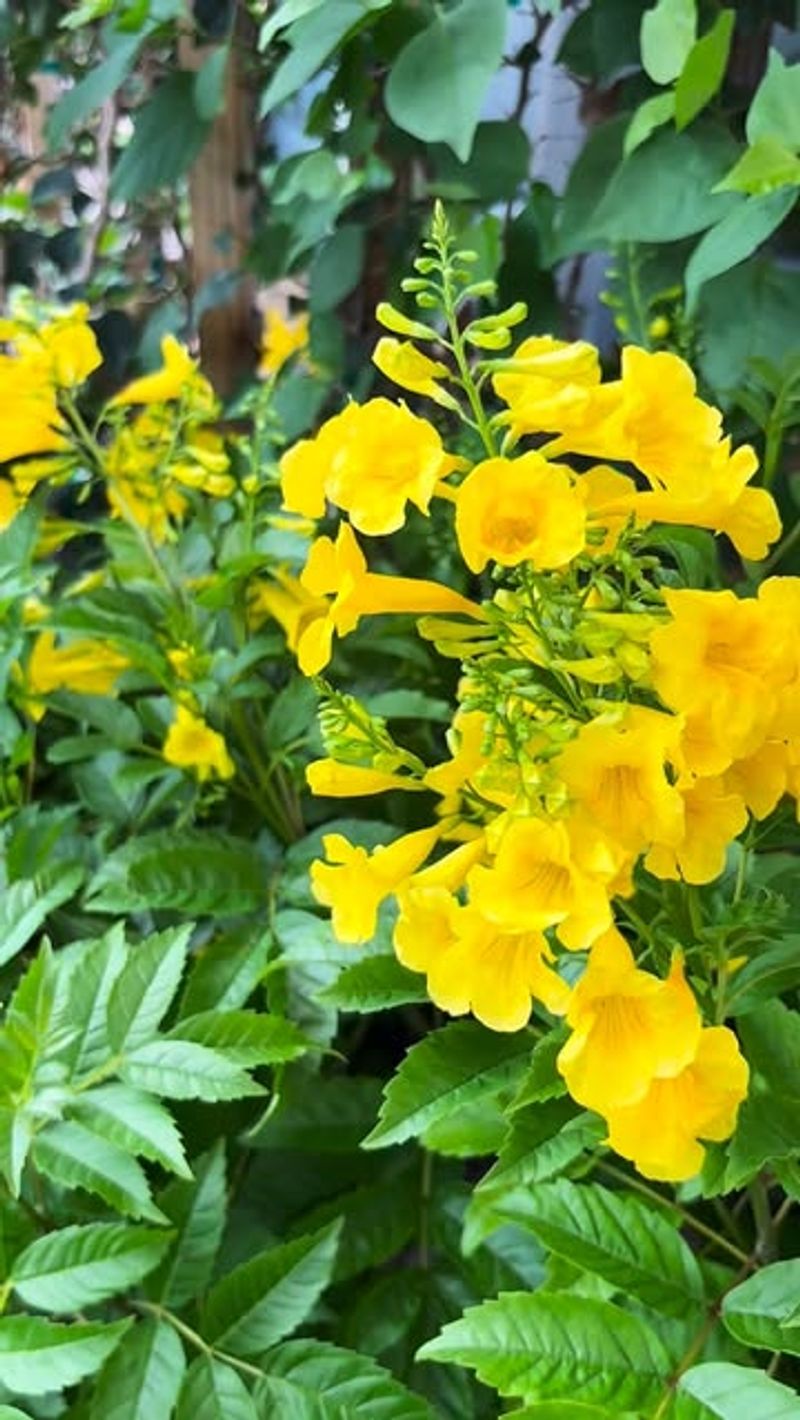
Pulling everything together, esperanza, and specifically ‘Gold Star,’ is a well-supported choice for Texas gardeners who want a long season of bright yellow flowers from early summer into fall with relatively low maintenance after establishment. Texas Superstar’s full profile makes the case clearly: this is a heat-tolerant, Texas-tested plant that delivers conspicuous color through the stretch of the year when most other shrubs struggle to stay presentable.
That recommendation comes with the qualifications this article has been building toward. Establishment watering is not optional. Severe drought may call for supplemental irrigation even after the plant is settled in. Gardeners in colder parts of Texas should expect some degree of winter dieback and plan for spring cleanup.
Texas A&M water research is clear that drought-tolerant plants still need a real establishment period before reduced irrigation becomes appropriate, and the Texas Superstar brochure backs that up with specific weekly watering guidance for the first season.
Choose esperanza when you have a full-sun spot with good drainage and you want extended summer color with honest but modest upkeep. Skip it when your site is shady, stays wet, or sits in a climate zone where it reliably freezes back and that trade-off does not suit your gardening style. A plant that is well matched to its site will always outperform one that is fighting its conditions, and that truth applies to every shrub in Texas, not just this one.