
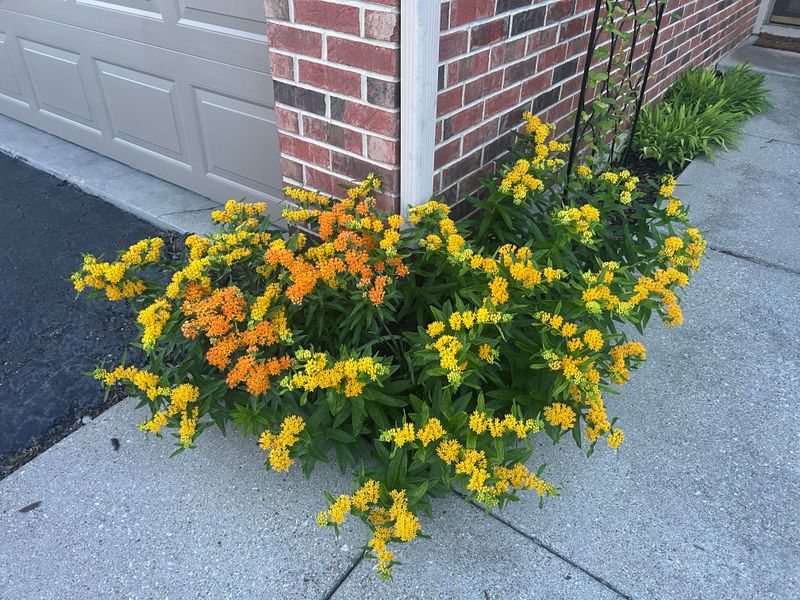
Butterfly weed is one of those plants that earns its place in a North Carolina yard quickly, drawing in pollinators with clusters of bright orange flowers from early summer through fall. Many gardeners have heard that missing the right planting moment means waiting an entire year to try again, but that claim is much more rigid than the reality. Asclepias tuberosa grows naturally across the Mountains, Piedmont, and Coastal Plain, and it offers more than one workable planting path. Understanding what those options actually are, and what the plant genuinely needs, is the fastest way to get one in the ground with confidence.
The butterfly-weed deadline is a misconception
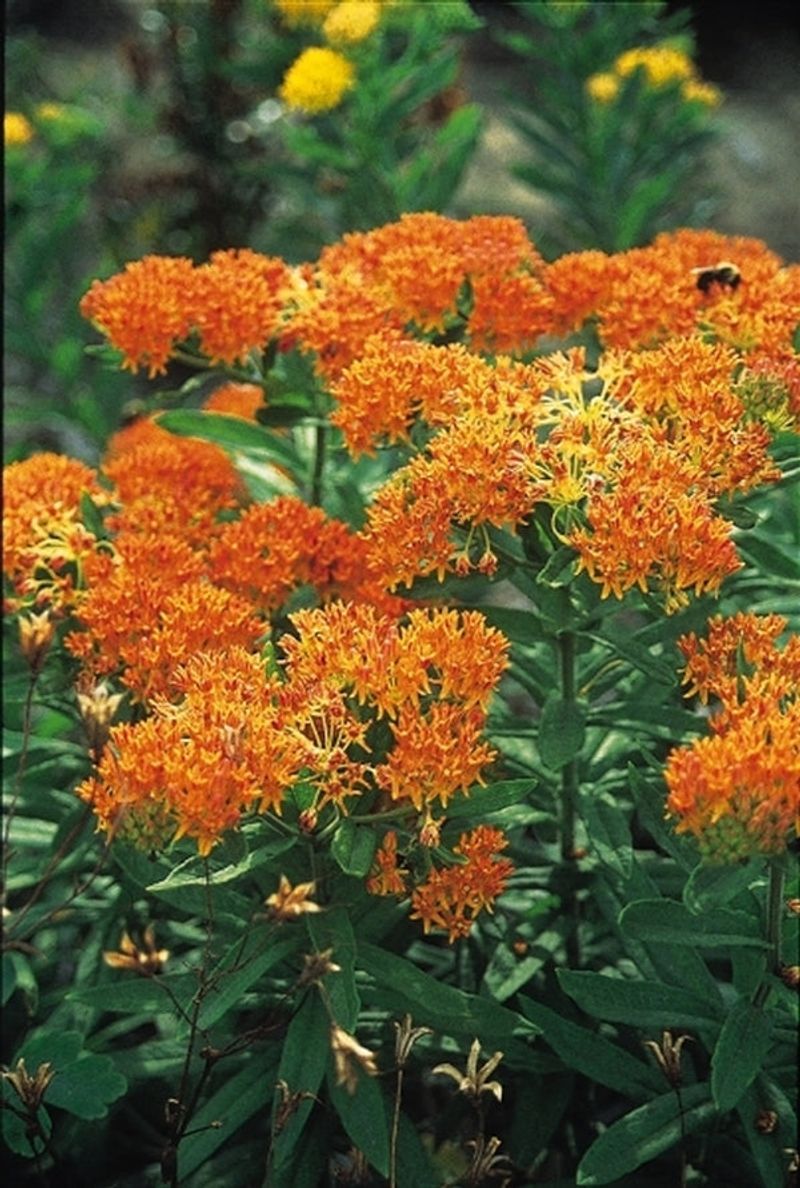
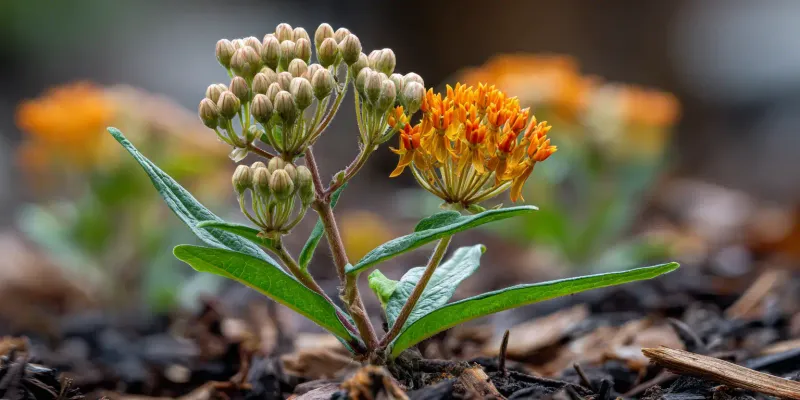
Asclepias tuberosa is a native herbaceous perennial that grows wild across all three of North Carolina’s major regions: the Mountains, the Piedmont, and the Coastal Plain. Its clusters of vivid orange flowers appear from early summer through fall, and NC State Extension’s plant profile confirms its value as a nectar source for butterflies and other pollinators, as well as a larval host plant for monarch, queen, gray hairstreak, and milkweed tussock moth caterpillars.
The monarch connection deserves a careful word, though. NC State’s butterfly guide lists butterfly weed as a monarch host plant but notes that monarchs rarely use it as a host plant in North Carolina. That does not diminish its value for other caterpillars and pollinators, but it does mean gardeners should not plant it expecting a guaranteed monarch nursery in their yard.
Now for the headline’s central claim: that North Carolina has one narrow planting window for butterfly weed, and missing it costs you a full year. NC State Extension’s native plants guidance does not establish a single statewide planting cutoff for Asclepias tuberosa. Fall conditions often favor establishment for hardy perennials because cooler temperatures and steadier moisture give roots time to settle before summer heat arrives. However, spring planting can also work, and seed can go in the ground in fall or in spring.
Missing a preferred window may slow establishment or reduce first-season performance, but it does not automatically eliminate the opportunity for the entire year. The more accurate framing is that the right timing depends on what you are planting, where you are in the state, and what your site conditions look like right now.
Match the timing to the planting material
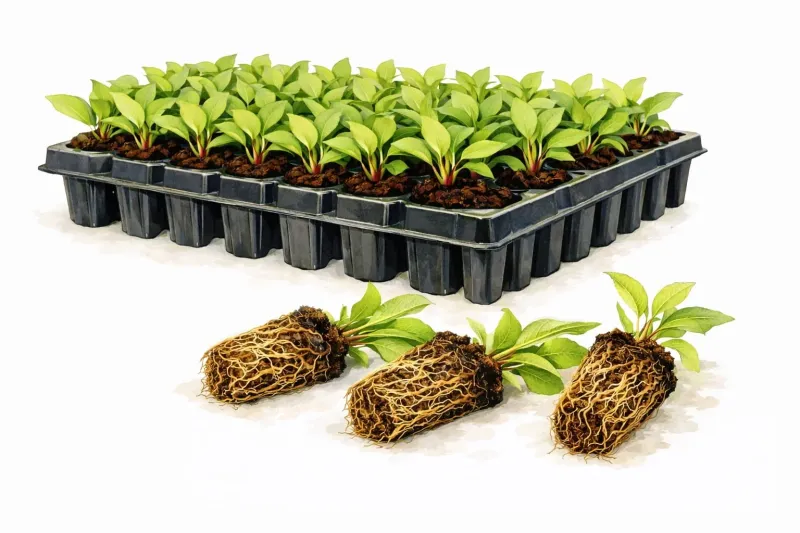
Before locking in a calendar date, gardeners need to decide what they are actually planting, because a nursery-grown container plant, a small dormant plug, and a packet of seed do not follow the same schedule. Treating all three as interchangeable is where the idea of a single narrow window comes from, and it leads to unnecessary urgency.
A well-established container plant purchased from a nursery has an existing root system and can handle either fall or spring planting. NC Cooperative Extension’s fall planting guidance explains that fall is generally advantageous for hardy perennials because cooler air and more consistent rainfall reduce transplant stress and give roots months to spread before the heat of summer. Spring planting can also succeed, but the plant will need closer attention to moisture as temperatures climb.
A small dormant plug or bare-root specimen has less stored energy to draw on, so timing it to fall, before the ground freezes in mountain areas, or to early spring in warmer coastal regions, gives it the best chance to settle in without competing with peak heat.
Seed follows its own logic entirely and is covered in detail in the section below on sowing. The short version is that seed can go in during fall as a direct sow or in spring after appropriate treatment, depending on what the packet or supplier recommends.
Local conditions also matter more than a fixed statewide date. Brunswick County Extension’s planting guide reinforces that soil temperature, drainage, and available moisture at a specific site should guide timing decisions. What works in Wilmington in October may not be the right call for a mountain garden in Asheville at the same time.
Give a container plant a permanent fall or spring start
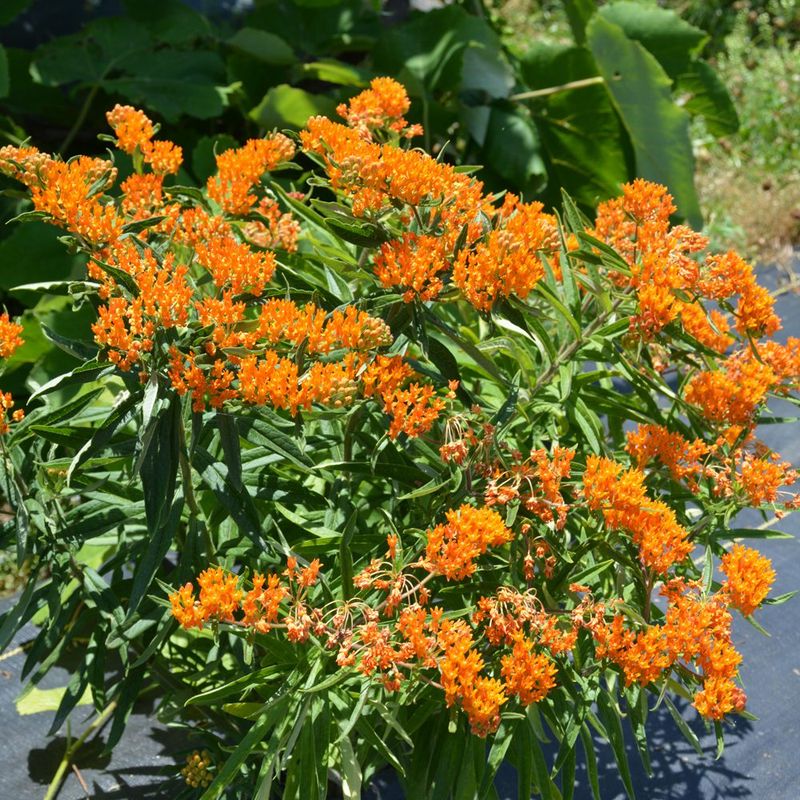
Choosing the right spot matters more than choosing the perfect date. Butterfly weed develops a substantial taproot over time, which makes it very difficult to move once established. Before you break ground, pick a location you are committed to, because NC State’s plant profile is clear that established plants should not be transplanted unless absolutely necessary.
When you are ready to plant, dig a hole just deep enough to set the root ball so the top of the soil in the container sits level with the surrounding ground. Planting too deep can lead to crown rot, especially in heavier soils. Backfill gently, firm the soil around the roots to eliminate air pockets, and water thoroughly right after planting to settle everything in place.
Fall planting gives the root system a head start. Cooler soil temperatures and more predictable rainfall, as highlighted in NC Cooperative Extension’s fall planting resource, mean the plant can focus energy on root growth rather than managing heat stress. Check soil moisture during dry spells through fall and into winter, particularly in the first several weeks after planting.
Spring planting works too, but the margin for error is smaller. Brunswick County Extension’s installation guide notes that newly planted specimens benefit from supplemental watering during dry periods, and a spring plant moving into its first summer will need consistent moisture monitoring until its roots have spread. Planting later than ideal may slow establishment or push flowering back, but it does not make success impossible. Attentive watering through the first season is the most important factor when spring timing is the only option available.
Use fall or carefully timed spring sowing for seed
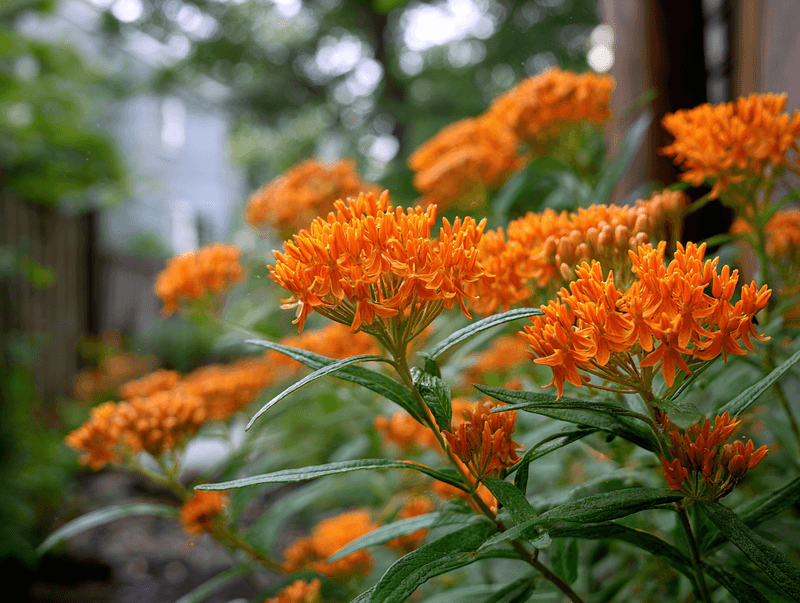
Seed gives gardeners a less expensive entry point, but it asks for more patience and some advance planning. The USDA’s butterfly milkweed plant guide supports collecting ripe seed before pods split and direct-sowing outdoors in fall, letting winter temperatures provide natural cold conditioning before spring germination. Fall direct sowing is straightforward: prepare a weed-free seedbed, sow at the right depth, and let the season do the work.
Spring sowing is also an option, but it may require cold stratification first, depending on the seed lot. Published research on milkweed seed dormancy shows that requirements vary considerably among lots. A peer-reviewed review of milkweed seed dormancy and germination found that stratification needs differ substantially across Asclepias species and even among seed collections within a species, with some lots responding to roughly three weeks of cold treatment while others have been reported to need 90 to 120 days. No single duration applies universally, so follow the instructions on your seed packet or from your supplier rather than applying one rule to every purchase.
Sowing depth is not a detail to guess at. North Carolina Department of Agriculture’s pollinator planting guidance specifies that butterfly milkweed seed should be sown no deeper than one-quarter inch. Some generalized milkweed resources suggest up to one-half inch, but the NC-specific guidance takes priority here.
The most important expectation to set before sowing is the timeline to flowers. NC State’s profile states that seed-grown plants may take two to three years to establish and flower. A seed sown this fall may not bloom until the third growing season, and that is normal, not a sign that something went wrong. Fall direct sowing and spring sowing after appropriate treatment are both legitimate paths; the difference is mostly in how much conditioning work you do versus how much you leave to nature.
Choose sun, drainage, and a site you will not need to move
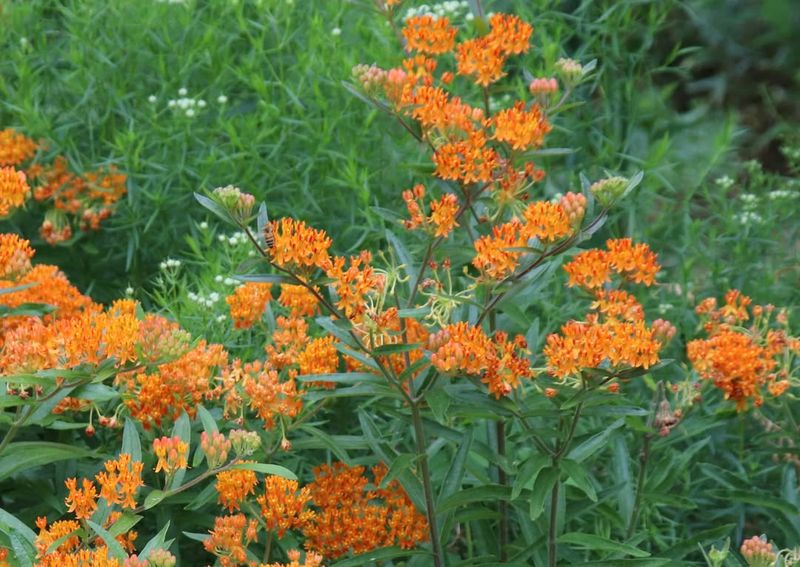
Getting the site right from the start is more consequential for butterfly weed than for many other perennials. Once the taproot grows deep, moving the plant causes serious setback and often kills it. Spend time choosing before you dig, not after.
Full sun is the primary requirement. NC State’s plant profile recommends full sun or light partial shade and average to dry, well-drained soil. Butterfly weed handles poor, lean soil and drought with ease once its roots are established, which makes it a practical choice for slopes, sandy spots, or other areas where many plants struggle. What it cannot tolerate is consistently wet or poorly drained soil, which creates conditions for crown rot and can kill a plant that was otherwise doing fine.
Clay-heavy Piedmont soils may need amendment or raised planting to improve drainage before butterfly weed goes in. Coastal gardeners often find that sandy, fast-draining soils suit the plant naturally. Mountain gardeners should avoid low-lying spots where cold air and moisture pool in fall and winter.
Sourcing matters too. Nursery-propagated plants from reputable native-plant suppliers are the safest choice, and those with regional provenance, meaning seed or cuttings collected from North Carolina populations, tend to be better adapted to local conditions. The North Carolina Native Plant Society’s nursery directory is a practical starting point for finding suppliers who specialize in locally sourced natives. Avoid substituting Asclepias curassavica, sometimes sold under similar common names, for Asclepias tuberosa; the two plants are distinct species with different origins and different management considerations for monarch butterflies.
Expect late emergence and gradual establishment
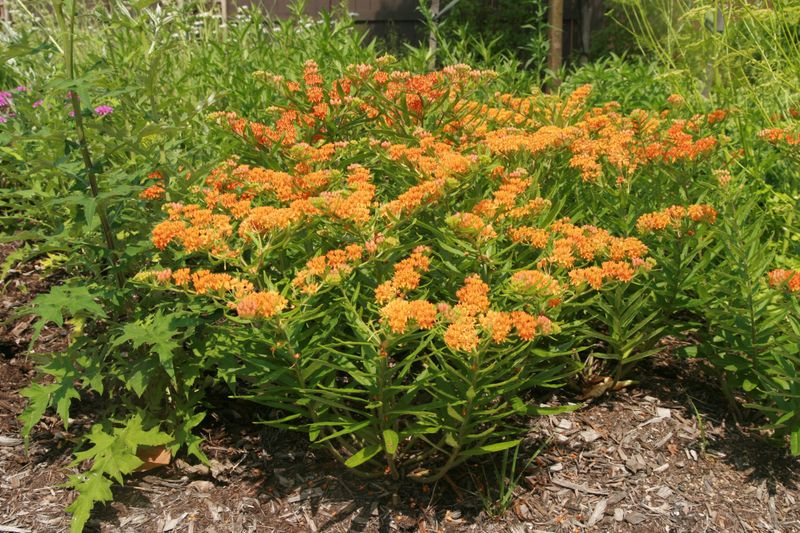
One of the most common reasons gardeners accidentally destroy their butterfly weed is impatience in spring. The plant emerges noticeably later than most perennials, often staying underground well after neighboring plants have leafed out. Marking the spot at planting with a durable stake or label prevents accidental digging during spring cleanup.
Once it does appear, growth tends to be slow in the first year or two as the plant invests energy in building its taproot rather than putting on visible top growth. NC State’s profile notes that a mature purchased container plant may bloom sooner than a seed-grown specimen, but neither source supports promising flowers in the first season. Seed-grown plants commonly take two to three years before flowering, and even a healthy container plant may spend its first year focused entirely on root development.
After establishment, the plant earns its low-maintenance reputation. Supplemental watering becomes less necessary once the taproot is deep, and the plant generally does not require fertilizing in average soil. Richer soils can actually produce lush, floppy growth at the expense of flowers, so resist the urge to amend heavily.
Butterfly weed can self-seed when pods are allowed to mature and split, which may eventually produce a small colony. That spread is not uniform or guaranteed, and it takes time, but allowing some pods to go to seed is a simple way to encourage the plant to naturalize gradually in a suitable spot. Removing spent flower clusters before pods form will reduce self-seeding if that is preferred.
Support pollinators without promising pest control
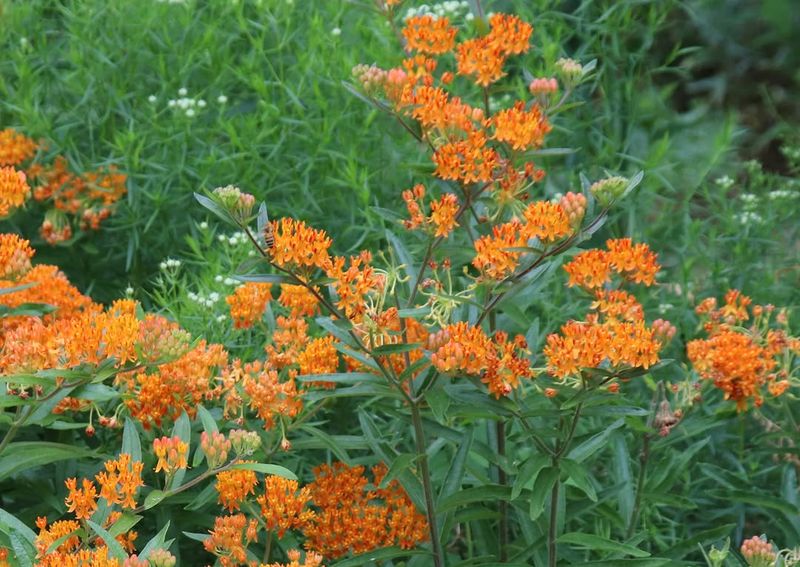
Butterfly weed earns its place in a North Carolina yard through documented, measurable benefits for pollinators and caterpillars. NC State’s profile describes its flowers as a reliable nectar source for a range of butterfly species and other pollinators, and its foliage as a larval host for monarch, queen, gray hairstreak, and milkweed tussock moth caterpillars. Those are real, well-supported benefits worth planting for.
Monarch caterpillars are a draw for many gardeners, but the expectation deserves honest calibration. NC State’s butterfly resource notes that monarchs rarely use butterfly weed as a host plant in North Carolina, which means planting it specifically to host monarch caterpillars may not produce the result you are hoping for. It can happen, and providing the plant is worthwhile, but other milkweed species may see more monarch use in some parts of the state.
One thing butterfly weed does not do is reduce household tick or mosquito populations. No authoritative source reviewed here establishes that planting Asclepias tuberosa functions as a pest deterrent for ticks or mosquitoes. Its documented benefits are nectar, pollinator support, and caterpillar habitat. Planting it for pest control would be a misplaced expectation.
NC State Extension’s native plants guidance recommends building a diverse planting with native species that bloom across spring, summer, and fall rather than relying on a single plant to carry the full habitat load. Butterfly weed is a strong summer contributor to that kind of garden.
Aphids occasionally colonize milkweed stems. Before reaching for any spray, check carefully for monarch caterpillars and other larvae, then try dislodging aphids with a firm stream of water. Routine insecticide use is not appropriate here because it risks harming the very caterpillars and pollinators the plant is meant to support. If a pesticide becomes necessary, read the label fully and apply only when caterpillars are not present.
Handle butterfly weed safely and make the timing decision
Butterfly weed contains milky sap that can cause skin irritation and contact dermatitis in some people. Wearing gloves when pruning or handling cut stems is a simple precaution, and washing hands after any contact is a good habit. NC State lists low-severity poisonous characteristics for the plant, including possible gastrointestinal and systemic symptoms from ingestion. Do not eat any part of the plant or prepare home remedies from it.
The ASPCA lists milkweed as toxic to dogs, cats, and horses, and Poison Control notes that milkweed can cause serious poisoning. Keep children and pets away from the plant and contact a poison control center or veterinarian if ingestion occurs.
With safety covered, the timing decision is straightforward. If you have a nursery container plant and fall conditions at your site are reasonable, plant now and let the root system settle over the cooler months, as NC Cooperative Extension’s fall planting guidance supports for hardy perennials. If spring is your only window, plant with attentive watering and reasonable expectations. For seed, follow your packet or supplier’s instructions for fall direct sowing or spring sowing after cold treatment, and remember that the USDA plant guide supports both approaches.
Missing the ideal moment usually shifts the odds on establishment speed or first-season flowers, not the entire opportunity. Butterfly weed rewards gardeners who get the site right and stay patient far more than it rewards those who chase a single calendar date.