
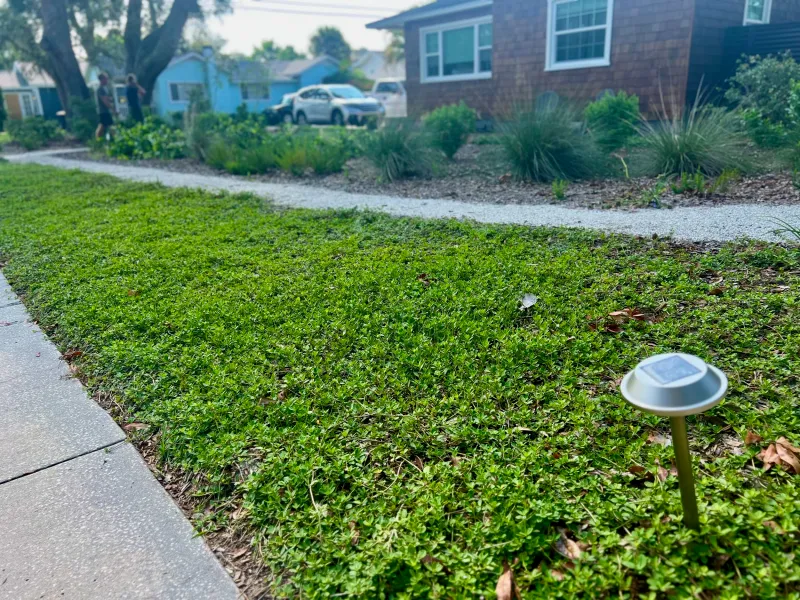
Mulch looks neat for a while, then Florida rain, wind, heat, and sandy soil start moving it around. Native ground covers can do the same job while staying alive, spreading slowly, and helping your yard feel more settled. The right plants can cool the soil, slow weeds, feed pollinators, and cut down on that yearly mulch haul. Here are Florida-friendly picks that earn their space instead of washing away.
1. Sunshine Mimosa
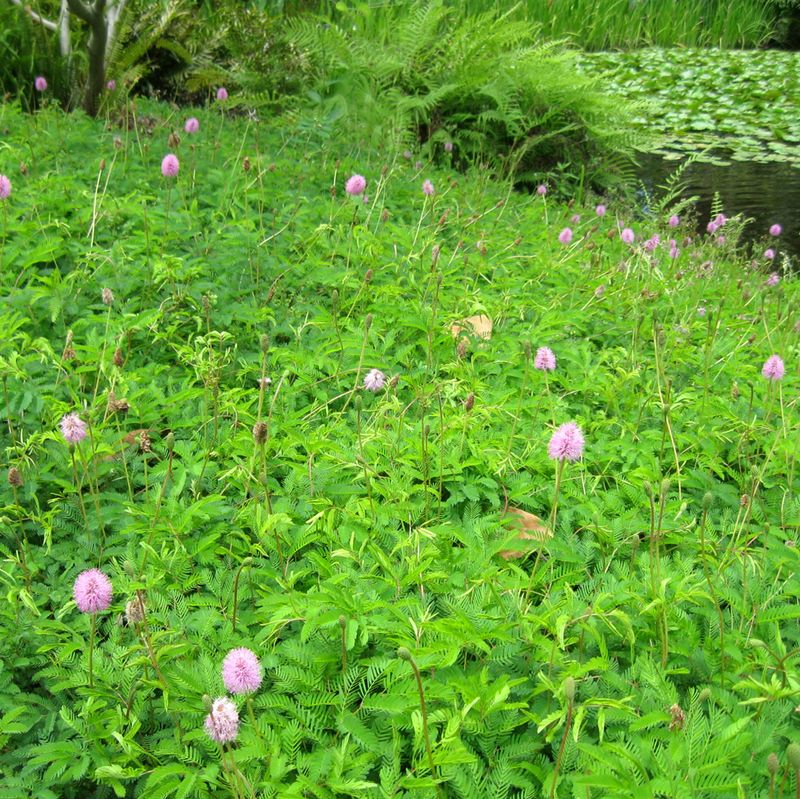
A pink puffball flower popping out of a lawn is hard not to smile at, and sunshine mimosa brings that playful look without acting fussy. Also called powderpuff, this Florida native spreads low across sunny spaces and can take light foot traffic once it is established.
Its big advantage is lawn-like coverage with pollinator value. The tiny leaves fold when touched, which makes it a fun plant for kids, but the real payoff is how it knits over bare sand and helps shade the soil.
Sunshine mimosa works best in full sun to part sun and well-drained soil, which describes plenty of Florida yards. It is especially useful along paths, driveway edges, and open beds where mulch tends to fade, float, or scatter after storms.
Give young plants regular water while they root in, then ease off. It can go dormant-looking in colder parts of North Florida during winter, but in warmer areas it often keeps a soft green presence most of the year.
2. Frogfruit
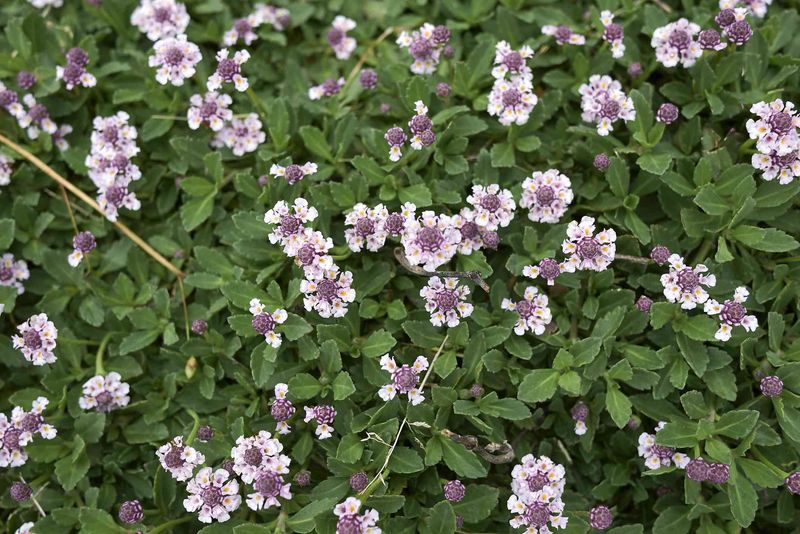
Busy bees seem to find frogfruit before people do, which is part of its charm. This low-growing native is one of the best choices for gardeners who want a living carpet that also supports butterflies, including several skipper species.
Frogfruit has a slightly wild, meadow-like look rather than a clipped formal style. That makes it a smart fit for edges of rain gardens, pollinator beds, and sunny strips where turf struggles but weeds are always trying to move in.
Florida yards with sandy soil are often either too dry one week or soggy after a heavy storm. Frogfruit handles that swing better than many ornamental ground covers, especially after its roots settle. It can tolerate some mowing if you want to keep it lower, though flowering is best when it is not cut too often.
Compared with mulch, frogfruit does more than cover the ground. It holds space, blooms for wildlife, and gives a relaxed native look that feels right at home in a Florida landscape.
3. Twinflower
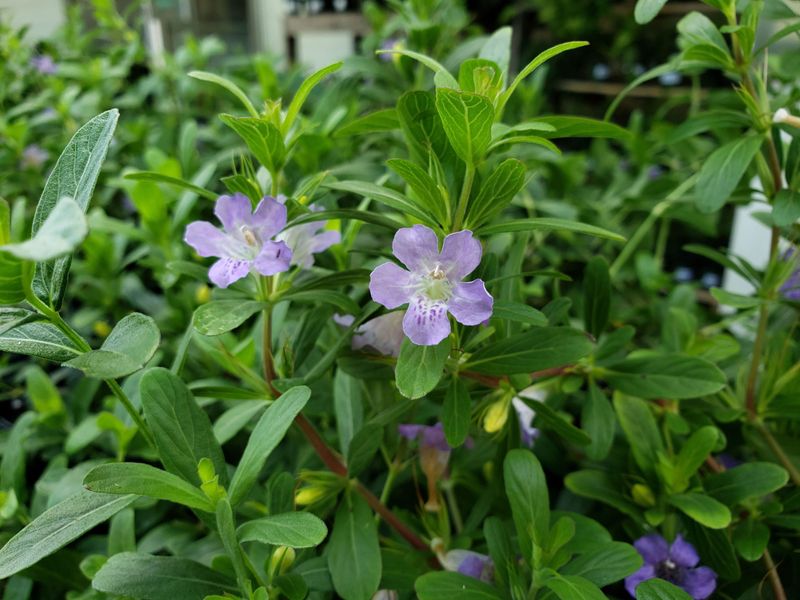
Shady corners can become the forgotten junk drawers of the landscape, filled with thin mulch, exposed roots, and random weeds. Twinflower helps turn those spots into something intentional with low greenery and small lavender blooms.
Native to Florida, twinflower is a useful ground cover for part shade and filtered light, especially under trees where turf usually gives up. It has a tidy, natural look and stays low enough to work near walkways, foundation plantings, and woodland-style beds.
The flowers are not giant showpieces, but they are lovely up close. Their quiet color is exactly what makes twinflower different from louder ground covers. It softens bare soil without demanding center-stage attention.
For Florida gardeners tired of replacing mulch under oaks or palms, twinflower can be a practical shift. Water it during establishment, keep heavy leaf piles from smothering young growth, and allow it time to fill in. Once settled, it can reduce open ground where weeds sprout and mulch disappears into the sand.
4. Lyreleaf Sage
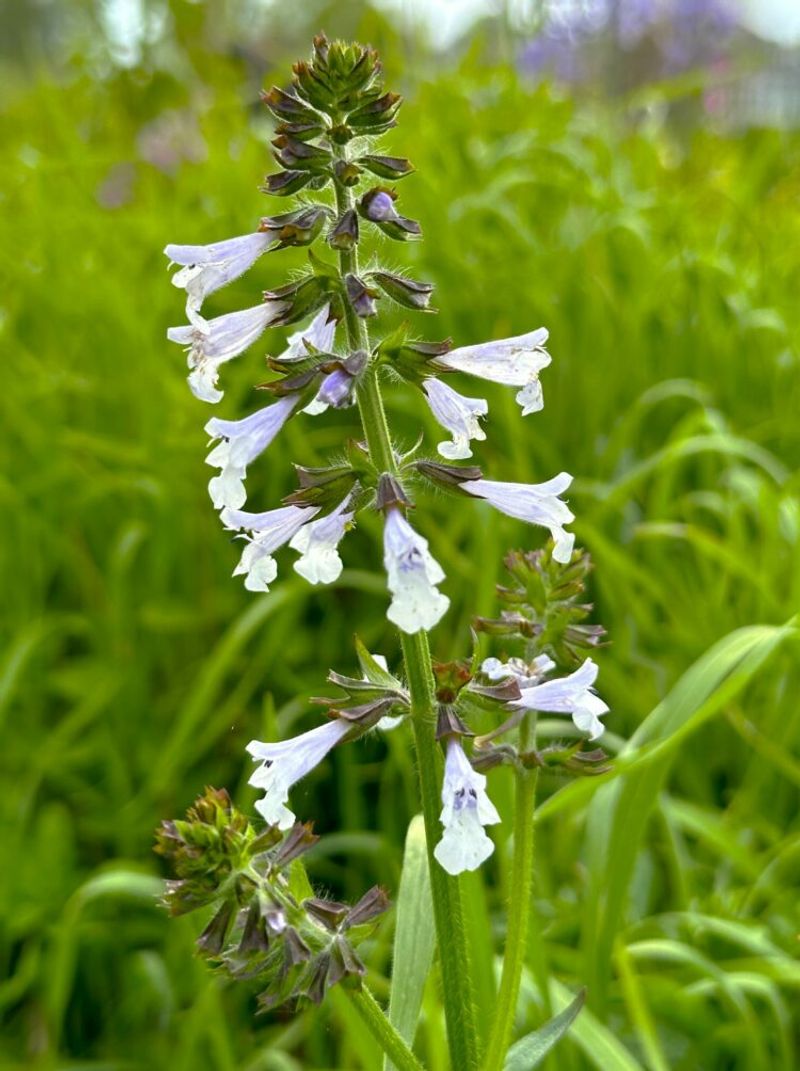
A little purple surprise in spring can change the whole mood of a yard. Lyreleaf sage forms low rosettes most of the year, then sends up blue-purple flower spikes that make a mulched bed feel more like a living garden.
Its special talent is flexibility. Lyreleaf sage can grow in sun to part shade, and it is often seen in natural areas, open woods, and disturbed sites across the Southeast. In home landscapes, that toughness translates into a plant that can handle less-than-perfect soil and still look useful.
Use it where you want a soft, informal ground layer rather than a flat green mat. It pairs well with native grasses, wildflowers, coontie, and shrubs, filling the open gaps that would otherwise need fresh pine bark or pine straw.
In wetter seasons, lyreleaf sage may spread by seed, which can be a benefit in a naturalized bed. If you prefer a cleaner edge, pull extras while small or mow after bloom. For many Florida gardeners, that light editing is easier than hauling bag after bag of mulch every year.
5. Beach Sunflower
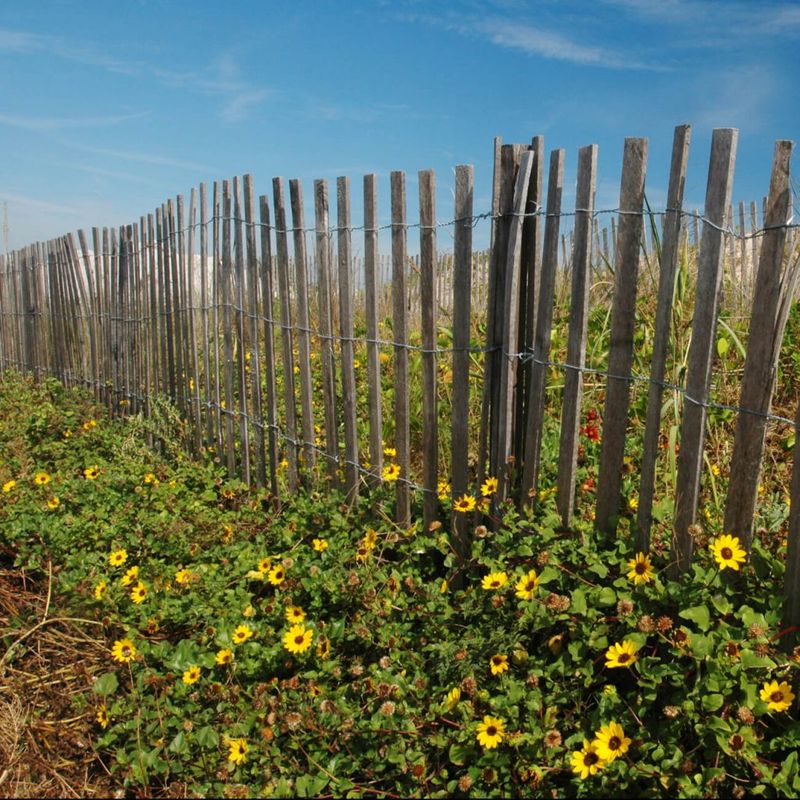
Hot sand, salty breezes, and blazing sun would ruin many plants, but beach sunflower seems to treat them like an invitation. For coastal and full-sun Florida yards, this native brings cheerful yellow flowers and quick coverage.
Beach sunflower stands out because it looks bright while doing hard work. It spreads across open ground, helps stabilize sandy areas, and draws butterflies and other pollinators. In the right spot, it can turn a bare, mulch-hungry slope or roadside strip into a sunny native patch.
Give it room, because this is not a timid little filler. It can move quickly, especially in warm weather, so place it where spreading is welcome. Along driveways, mailbox beds, dune-like areas, and large sunny borders, that energy is exactly what makes it valuable.
Good drainage is key. Avoid soggy, shaded corners and instead use beach sunflower where reflected heat and dry soil make other plants sulk. Trim it back when it gets rangy, and it often responds with fresh growth and more flowers. Compared with mulch, it brings color, roots, and wildlife value to the job.
6. Railroad Vine
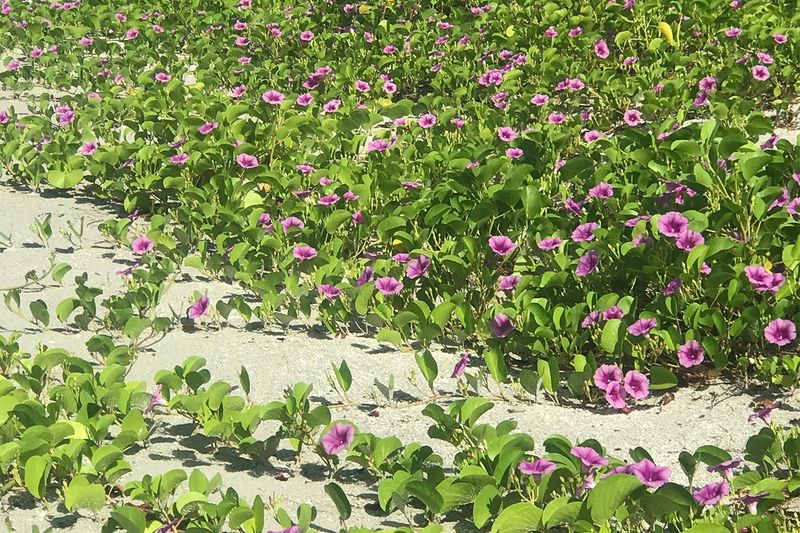
Few plants say coastal Florida as clearly as railroad vine crawling across open sand. Its long runners, thick leaves, and purple morning glory-like flowers are built for harsh beachside conditions where mulch would blow, wash, or vanish.
Railroad vine is different from the other plants on this list because it is a sand stabilizer with serious reach. In dune and coastal settings, it helps hold loose soil and tolerates salt spray, wind, and sun better than many landscape choices.
Home gardeners should use it thoughtfully. It needs space, so it is best for large sandy areas, coastal properties, and naturalized edges rather than tiny foundation beds. In the right place, its spreading habit becomes an asset instead of a chore.
Because Florida storms can rearrange exposed landscapes fast, rooted living cover matters. Railroad vine creates a flexible web over sand that looks natural and supports a healthier coastal yard. Check local rules before planting near protected dunes, and choose nursery-grown native plants rather than disturbing wild populations.
7. Coontie
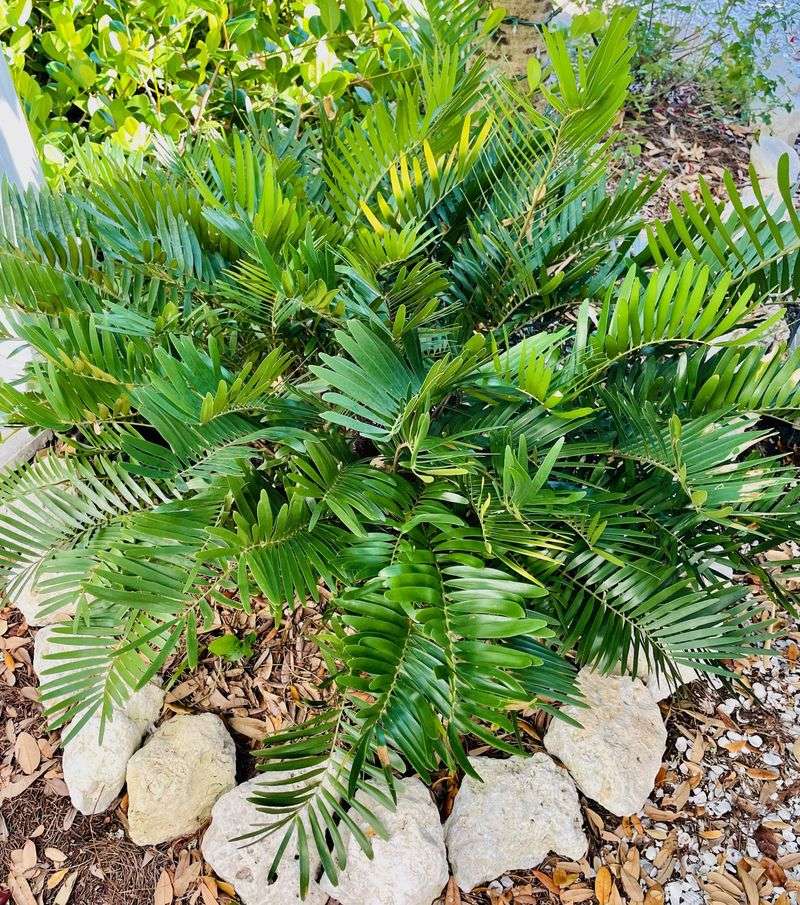
Not every ground cover needs to creep like a carpet. Coontie earns its place by forming tough, low clumps that fill beds with glossy, palm-like texture and almost no drama once established.
This ancient-looking Florida native is a cycad, not a palm, and it has a neat history. Indigenous people used coontie as a starch source after careful processing, and the plant later became tied to early Florida industry. Today, its biggest home-garden fame comes from supporting the atala butterfly, whose caterpillars feed on coontie leaves.
Coontie is ideal where you want a mulch replacement with structure. It works under high tree shade, in part sun, along foundations, and around larger shrubs. Instead of a flat mat, it creates a layered, polished look that fits both modern and natural Florida landscapes.
Plant it in well-drained soil and avoid overwatering. Coontie handles drought after establishment and is generally low-care, though the seeds are toxic if eaten, so place it with care around curious pets or children. Used in groups, it can make bare beds feel finished without a yearly mulch refresh.
8. Dune Sunflower
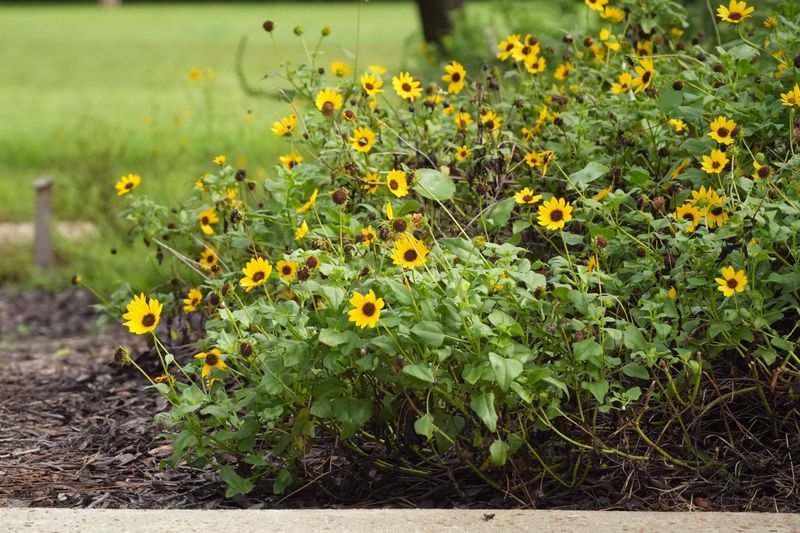
Bright yellow flowers have a way of making a tough planting site look planned instead of neglected. Dune sunflower brings that sunny effect while covering sandy ground with a low, spreading habit.
Often discussed alongside beach sunflower, dune sunflower is valued in Florida-friendly landscapes for full sun, fast drainage, and pollinator appeal. It is especially helpful in yards where mulch gets bleached by heat or thinned out by heavy afternoon rain.
What gives dune sunflower its own reason to be here is its bold ground-hugging flower power. It can fill wide spaces faster than many small perennials, and the blooms make the area look cared for even when your maintenance schedule is not perfect.
Use it in sunny beds, slopes, open borders, and low-water zones where it has room to spread. A periodic trim keeps it from getting too loose and encourages fresh growth. Like many native ground covers, it performs best when matched to the right site, so skip deep shade and poorly drained soil. In a hot Florida yard, it can be a colorful substitute for plain mulch.
9. Wild Petunia
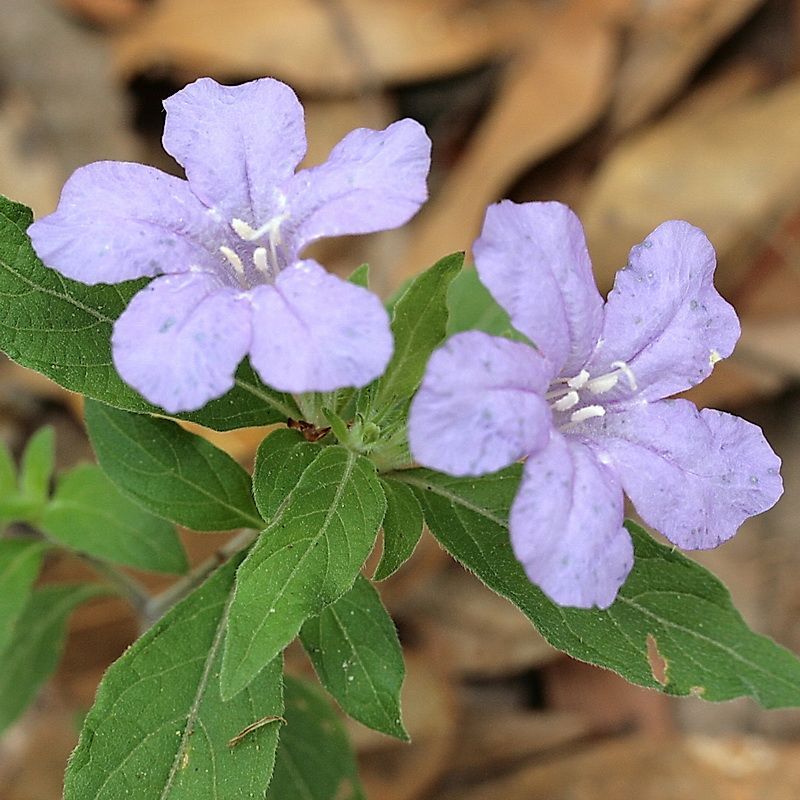
Here is the petunia-like flower Florida gardeners can feel better about inviting in. Wild petunia, often Ruellia caroliniensis, is native, unlike the invasive Mexican petunia that has caused problems in wetlands and landscapes.
That distinction matters. Many homeowners know the pretty purple Mexican petunia, but UF-IFAS and other Florida plant experts warn against invasive choices because they can escape yards and crowd out native plants. Wild petunia offers a gentler native option with lavender blooms and wildlife value.
In the landscape, wild petunia works well as a loose ground cover in part sun to light shade. It is not a tight mat, so think of it as a living filler for native beds, shrub borders, and pollinator pockets where mulch would otherwise sit bare between plants.
Its flowers bring a soft cottage-garden feel, but the plant still belongs to Florida. Give it average to well-drained soil and some water while it establishes. Over time, it can seed around politely in suitable spots, helping knit plantings together and reducing empty space for weeds. For gardeners replacing mulch with natives, it also doubles as a smart invasive-swap conversation starter.