
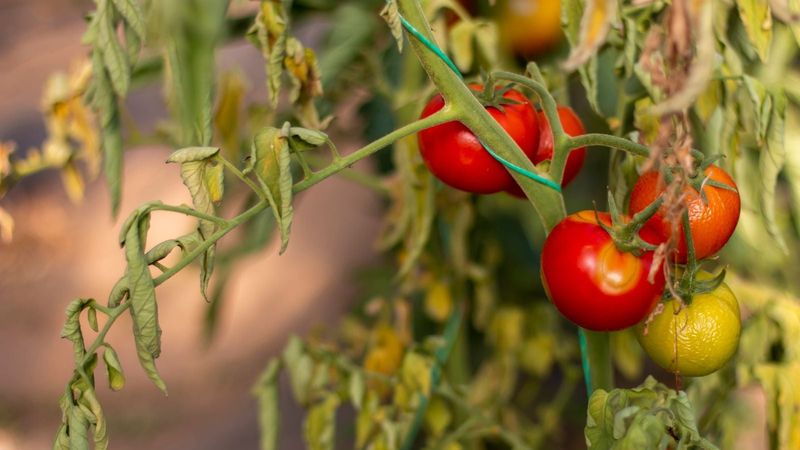
Watching a potted tomato sit there all summer, barely growing and producing almost nothing, is genuinely frustrating. Before you blame the weather or give up on container gardening, it is worth checking whether the pot itself might be holding your plant back. An undersized or overcrowded container can limit the root space a tomato needs to grow, but it is not the only reason a plant stays small and weak. Running through a short diagnosis can save the season and help you grow a much stronger plant next year.
Check the container before you blame it
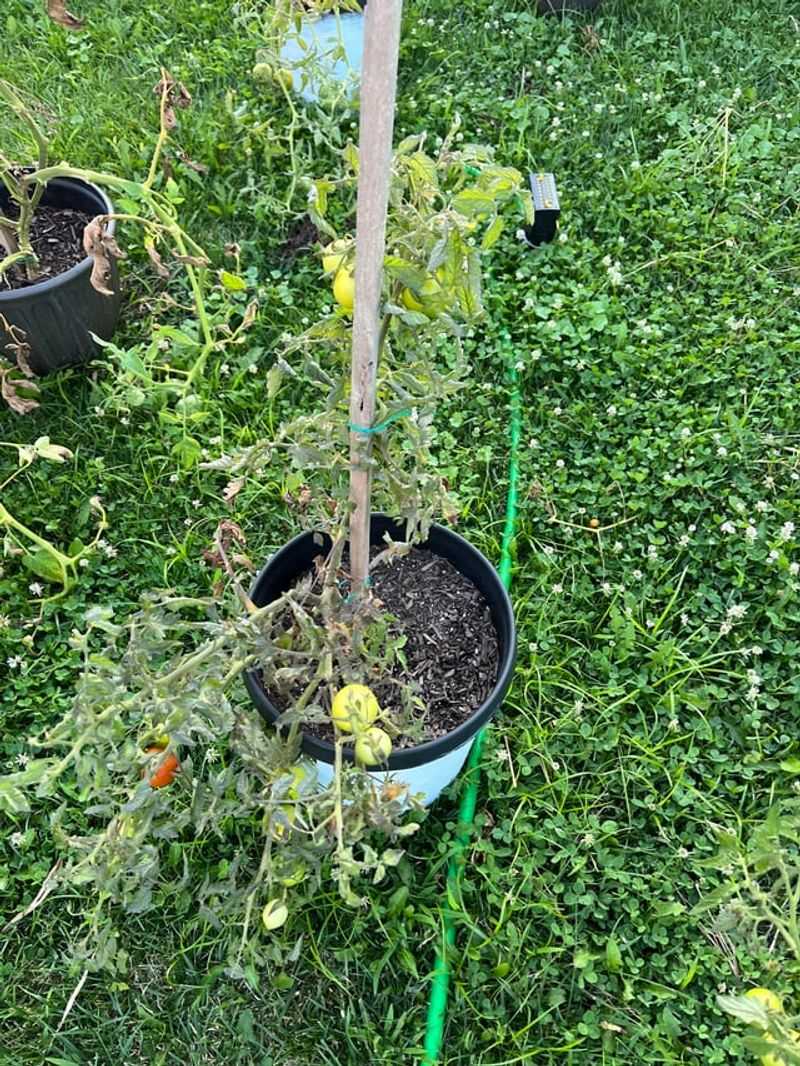
A tomato that spends the whole summer looking spindly and unproductive deserves a careful look at its container first. Root volume matters more than most gardeners realize. When the pot is too small, the plant has limited access to stored water and nutrients, and that constraint can slow shoot growth and reduce how much fruit the plant manages to set and carry to maturity.
Oregon State University Extension guidance on growing tomatoes states directly that tomato growth is limited by container size and that larger containers reduce restriction of growth and production. That is a meaningful connection, but it is not a blanket verdict. Plenty of other problems can produce a weak, underperforming plant even when the pot looks adequate.
The container explanation becomes more plausible under specific conditions: multiple plants sharing one pot, a medium that dries out within a few hours of watering, or a container that is clearly below the practical volume range for the variety. Colorado State University Extension identifies crowding as a contributor to lower yields and increased disease risk. Those clues raise suspicion of inadequate root volume, but none of them alone proves that the container is the sole cause of weak growth.
Tell true stunting from naturally small tomatoes
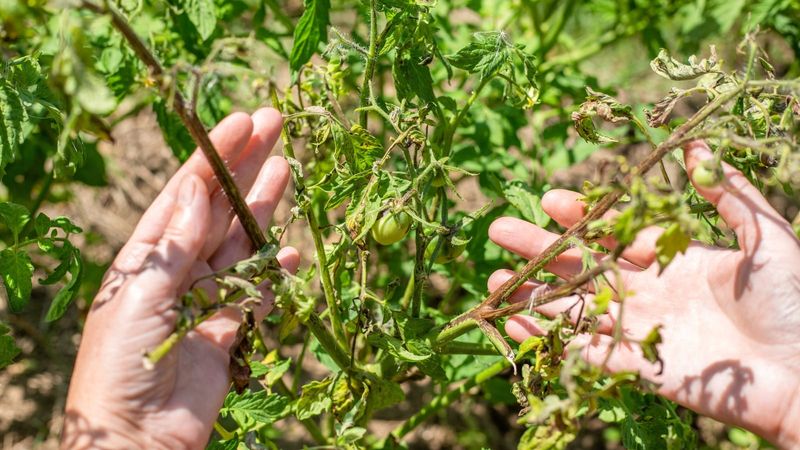
Before reaching for a bigger pot, spend a moment confirming that what you are seeing is actual stunting and not a naturally compact or small-fruited variety doing exactly what it was bred to do. True stunting looks like generally weak, poorly expanding growth across the whole plant: thin stems that do not thicken up, leaves that stay small or pale, and little to no new growth as the season moves along.
A vigorous dwarf, patio, cherry, or compact tomato is a completely different picture. Oregon State University’s tomato publication notes the range of cultivar sizes available to home gardeners, and many of the most popular container varieties are bred to stay short while producing abundantly. A ‘Tiny Tim’ or a cherry tomato that is short, bushy, and loaded with fruit is not failing. It is succeeding on its own terms.
Rapid drying, roots circling the drainage holes, and multiple plants sharing a single container are supporting clues that make limited root volume more plausible as a cause, but they are not defining proof of stunting. University of Minnesota Extension points out that an oversized container holding a small plant can stay wet too long, which creates a different kind of root stress. If a tomato sits in a large pot with good light and consistent moisture and still looks weak, the cause is likely somewhere other than container volume.
Choose container volume for the variety
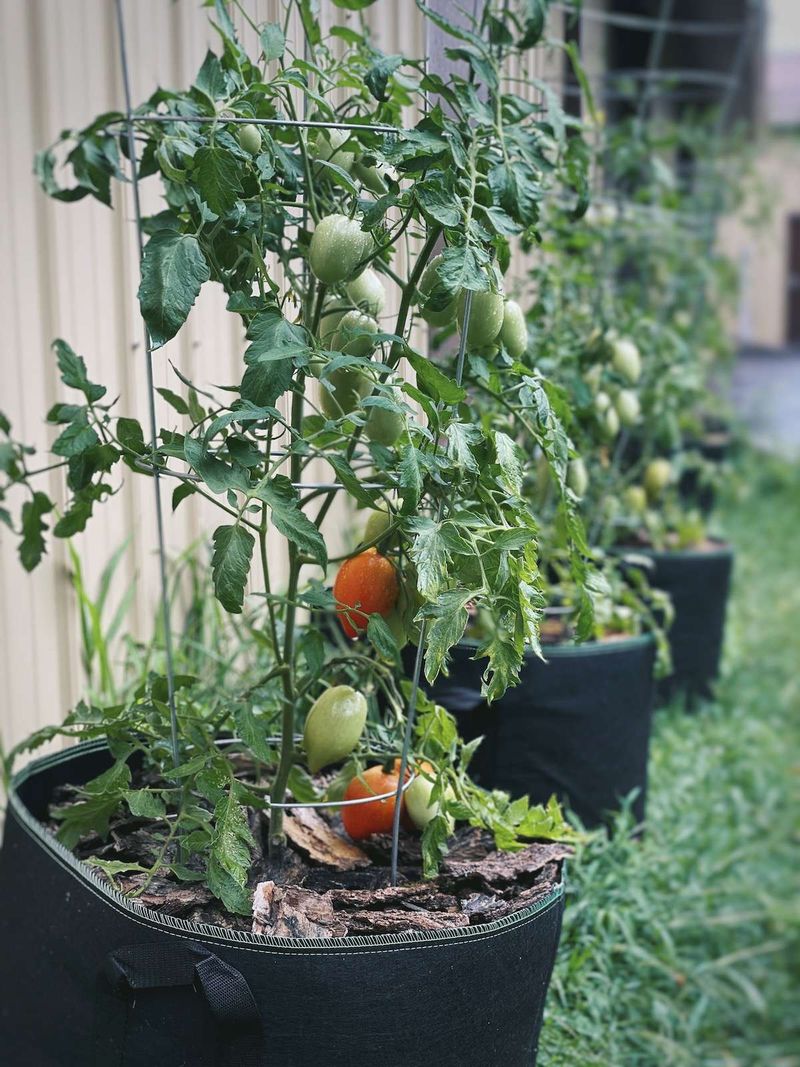
Matching the container to the tomato’s growth habit is one of the most practical decisions a container gardener can make at the start of the season. The standard recommendation is one tomato plant per container, full stop. Sharing a pot between two plants competes for root space and water from the beginning, which is a setup for exactly the kind of weak, crowded growth that looks like a mystery all summer.
Colorado State University Extension lists tomatoes at roughly 2 to 5 gallons per plant depending on the variety, while other extension programs treat 5 gallons as a practical starting point for standard-sized plants. For many determinate, patio, or bush tomatoes, approximately 5 gallons of growing medium gives the root system enough room to function well through the season.
Indeterminate varieties are a different case. Because they keep growing and producing rather than setting fruit and stopping, they tend to need more root volume than a 5-gallon container provides. University of Wisconsin Extension recommends a container larger than 5 gallons for indeterminate plants. Depth matters too: Oregon State guidance suggests at least 12 inches of depth for determinate tomatoes and notes that some crops prefer 18 to 24 inches of soil depth.
Rather than chasing one universal measurement, match the container to the mature size described on the plant tag or seed packet.
Transplant carefully when upsizing makes sense
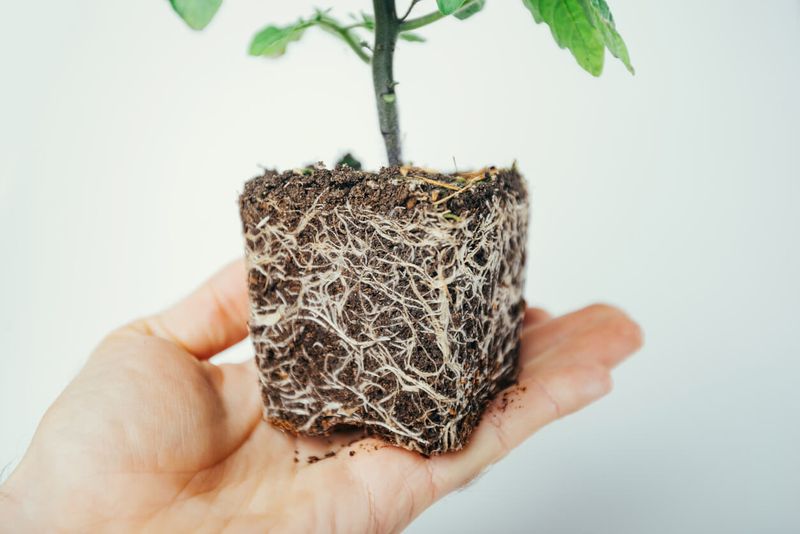
Moving a tomato into a better-sized container can give it a real opportunity to recover, but only when the plant is still actively growing and the season leaves enough time for it to benefit. A plant that is already diseased, severely heat-damaged, or within a few weeks of the first frost may not rebound meaningfully no matter how good the new pot is. Timing the move during a cooler part of the day and giving the plant shade for a day or two afterward reduces the extra stress of transplanting.
Choose a container made from nontoxic materials with unobstructed drainage holes at the bottom. Oregon State University recommends containers that will not leach harmful substances into the growing medium, which matters for edible crops. Fill the new container with a commercial potting mix or container mix rather than garden soil. Penn State Extension warns that garden soil or topsoil can be too heavy and drain poorly in containers, which trades one root problem for another.
Handle the root ball with care and disturb it as little as practical. A severely root-bound plant generally needs to be properly transplanted into the new container rather than simply having fresh soil added around the outside. Adding a thin layer of new mix on top or around the edges of a tightly compacted root mass may not adequately relieve the crowding. University of Minnesota Extension notes that a larger container can stay too wet if the potting mix drains poorly, so good drainage is essential even in a bigger pot.
Manage moisture and fertilizer after the move
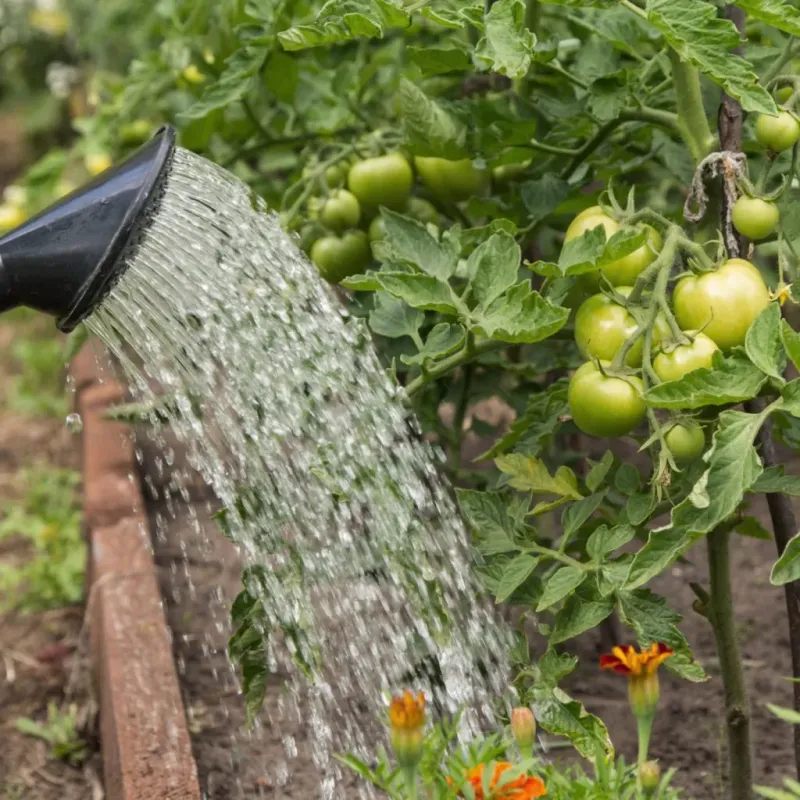
After moving a tomato into a new container, getting moisture right is the most immediate priority. The goal is even, consistent moisture throughout the root zone, not constant saturation and not drought between waterings. Oregon State Extension advises watering thoroughly until water exits the drainage holes, then waiting until the top inch or two of the mix begins to dry before watering again. During hot weather, containers may need water daily or even more often, but the mix should be checked rather than watered on a fixed mechanical schedule.
Nutrients also need attention after transplanting. Container plants rely entirely on what is in the pot, and frequent watering gradually flushes soluble nutrients out through the drainage holes. Penn State Extension recommends regular fertilization for container vegetables, following the product label for rates and timing. Applying more nitrogen than the label suggests in hopes of pushing weak growth can backfire by producing lush foliage while delaying or reducing flowering and fruit set.
Blossom-end rot and small or misshapen fruit are sometimes blamed on calcium deficiency, but University of Minnesota Extension connects blossom-end rot primarily to inconsistent water availability and root stress rather than a simple lack of calcium in the soil. Adding calcium fertilizer as a reflex response to weak growth or small fruit is not a reliable fix. Stabilizing moisture and correcting the root environment are better starting points. University of Georgia Cooperative Extension similarly cautions against excess fertilizer applications that do not match the plant’s actual needs.
Rule out shade, heat, and root-zone trouble
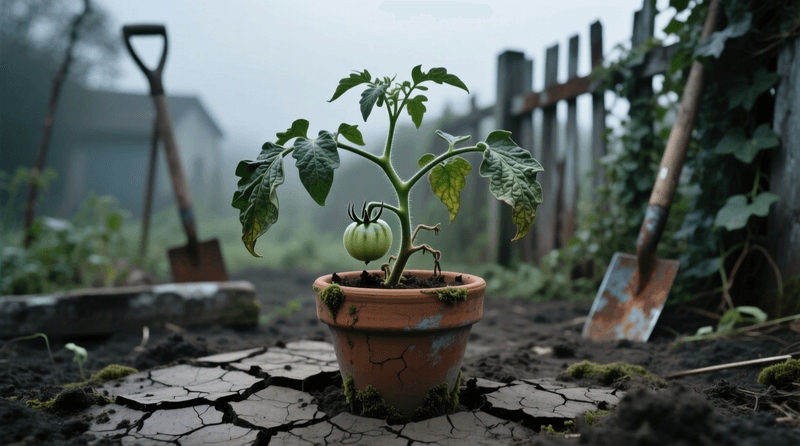
A bigger pot cannot fix a sun problem. Tomatoes need substantial direct sunlight to grow and produce well, and Illinois Extension recommends at least six hours of direct sun daily, with eight hours being a more reliable target for strong growth and consistent fruiting. A plant sitting in filtered light or shifting shade from a fence or overhang will stay weak regardless of how much root space it has.
Heat is a separate issue that can convincingly mimic a container problem. Penn State Extension explains that sustained high temperatures can reduce fruit set, fruit weight, and pollination success. A tomato may look reasonably healthy during a heat wave but produce few fruits or drop blossoms entirely. Moving a container to a spot with afternoon shade during peak summer heat can sometimes help, as long as morning sun hours remain adequate.
Root-zone conditions deserve a separate check from container size. Drought stress and waterlogging are opposite problems that can both produce a weak, struggling plant. University of Minnesota Extension notes that uneven moisture contributes to several tomato disorders beyond blossom-end rot. Saucers that hold standing water for hours, media that stays soggy, or drainage holes that are blocked all deprive roots of oxygen in ways that no upsizing can correct.
Scan the foliage for yellowing patterns, spots, or distorted growth that might point toward a nutrient imbalance or disease rather than a root-volume issue.
Reassess growth instead of expecting an instant cure
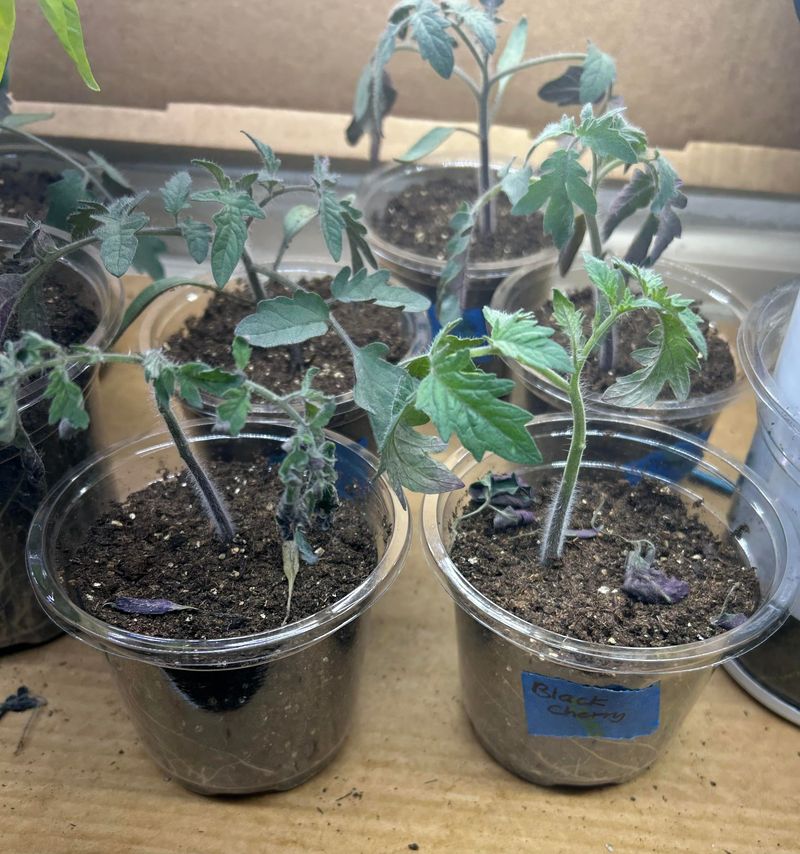
Give the plant a few weeks after any correction before drawing conclusions. If the tomato was genuinely cramped, crowded, or sitting in a pot that dried out every few hours, moving it into a properly sized container with good drainage and consistent moisture creates a better environment for continued growth. New leaves that look healthy, stems that begin to thicken, and flowers that hold rather than drop are signs the plant is responding. Oregon State University’s container tomato guidance frames container size as an ongoing factor in growth and production, not a one-time fix.
If the plant was vigorous all along but simply produced small fruit, revisit variety and growing conditions rather than the container. Colorado State University Extension reminds gardeners that small-fruited varieties are working as intended, and Penn State Extension points to heat as a factor that reduces fruit size and set even in an otherwise healthy plant. Upsizing creates an opportunity for recovery, not a guarantee of one. The plants that tend to benefit most are those still actively growing early enough in the season to use the extra root space.