
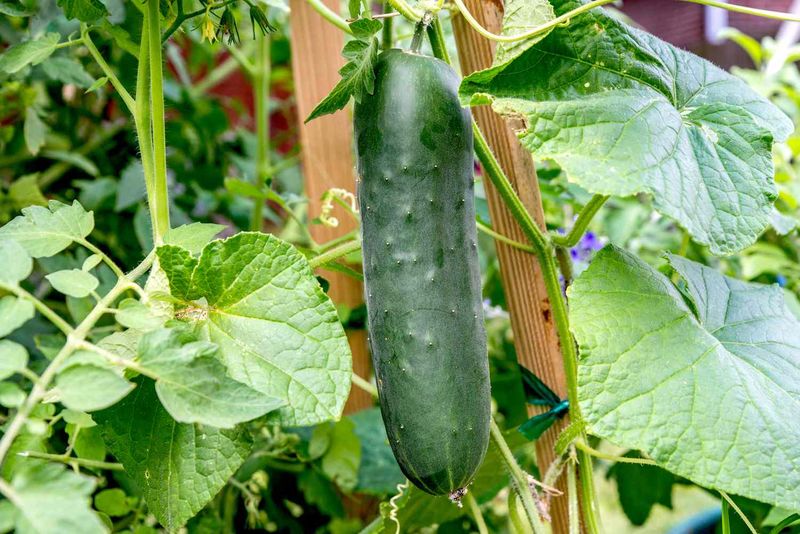
Biting into a homegrown cucumber and getting a mouthful of bitterness is one of summer’s most common garden disappointments. The good news is that a specific group of natural compounds is responsible, and at least one of the triggers behind them is something you can actually fix before your next flush of fruit ripens. That said, the fix is not as simple as “just water more” – several factors can work together, and knowing which one applies to your plants makes all the difference. This article walks through what causes cucumber bitterness, how to reduce it going forward, and how to handle fruit you have already picked.
Why cucumbers can taste bitter
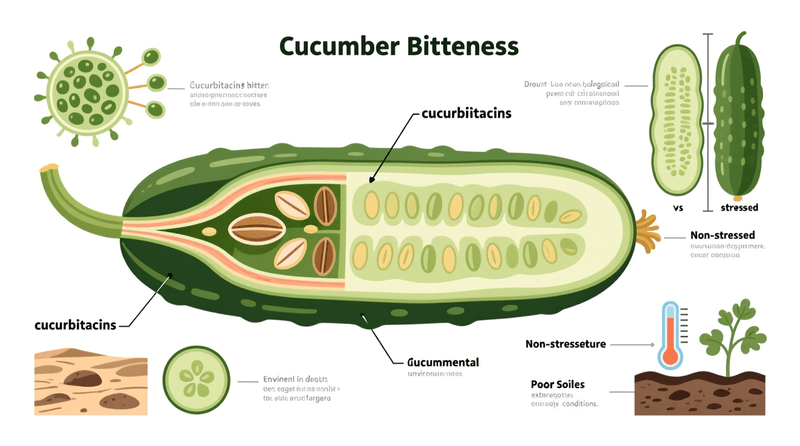
Natural compounds called cucurbitacins are responsible for the sharp, unpleasant bitterness you sometimes taste in homegrown cucumbers. Several types exist across the cucurbit family, but published research on cucumber bitterness biosynthesis identifies cucurbitacin C as a major bitter compound specifically in cucumber fruit. These compounds are produced by the plant itself as a natural defense, and their concentration in the fruit can vary considerably depending on both the plant’s genetics and what it experiences during the growing season.
Cucumber plants carry a genetic bitterness-regulation system, sometimes called the Bt system, that sets the ceiling for how much cucurbitacin C a given variety can produce. A cultivar bred for low bitterness has a lower genetic ceiling, which is why burpless and non-bitter varieties often stay mild even under stress. A variety with a higher bitterness potential, by contrast, may respond more strongly when growing conditions become difficult.
Environmental stress – things like drought, uneven watering, temperature swings, and poor nutrition – can trigger or intensify cucurbitacin production in susceptible plants. That means watering practices matter, but they are not the whole story. Genetics set the stage, and growing conditions influence how much of that potential actually shows up in your fruit. Improving your watering routine may help future cucumbers taste better, but it cannot override a cultivar that is genetically wired to run bitter.
Uneven moisture is a common trigger to investigate
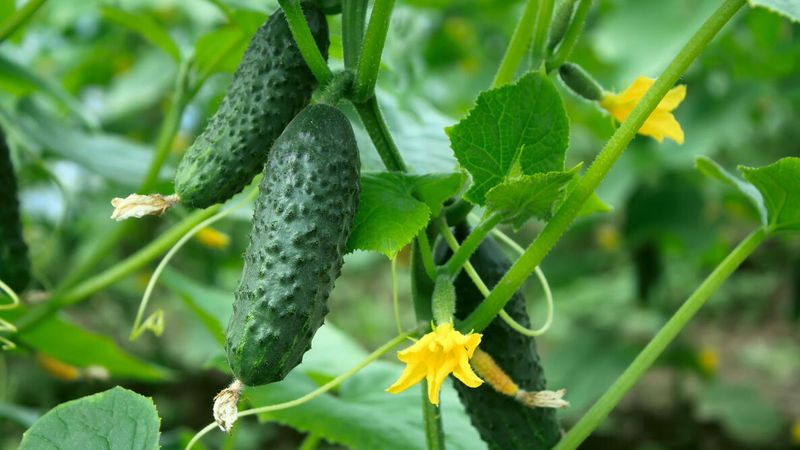
When a batch of cucumbers turns bitter after a stretch of hot, dry weather, uneven soil moisture is one of the first possibilities worth examining. Oregon State University Extension lists drought, temperatures above 90 degrees F, temperatures below 60 degrees F, and poor nutrition among the stress conditions associated with bitter cucumbers. The pattern that points most clearly toward a moisture problem is bitterness appearing across otherwise healthy-looking plants right after a dry spell or a heat wave, then fading when conditions cool and watering becomes more consistent.
What makes this tricky is that watering on a schedule does not automatically mean the root zone stayed moist enough. During a heat wave, cucumber plants can pull water from the soil faster than a once-a-day drip cycle replaces it. Illinois Extension specifically recommends watering during dry periods and using mulch to conserve soil moisture when bitterness is a concern – not just watering on autopilot. Sandy soils, raised beds, and container-grown plants dry out faster than in-ground garden beds in heavier soil, so the same watering schedule can leave one garden well-supplied and another running dry.
Repeated swings between bone-dry and heavily saturated soil may also stress the plant even when the total water delivered seems adequate. University of Minnesota Extension recommends moisture-retentive yet well-drained soil – steady moisture is the goal, not alternating extremes. If your cucumbers turned bitter after a recognizable hot or dry episode and the plants otherwise look healthy, moisture management is a reasonable and correctable place to start.
Stabilize the root zone before the next fruit develops
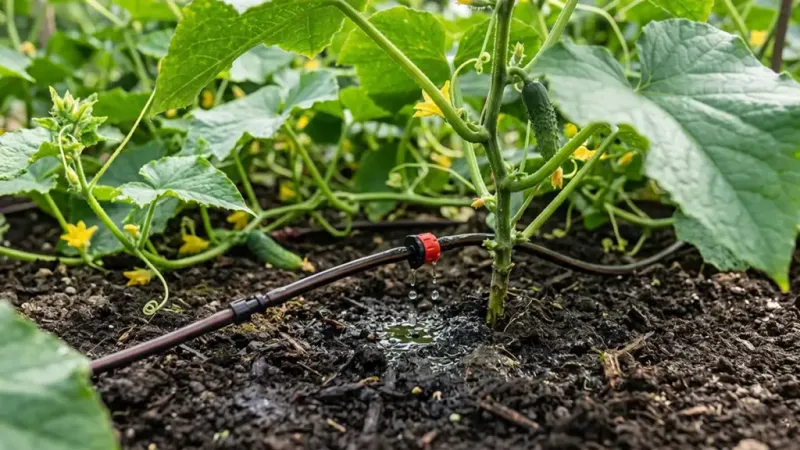
Getting ahead of bitterness in future fruit starts with checking the actual soil, not just the calendar. Push a finger two inches into the ground near the base of the plant. If it feels dry at that depth, the root zone has already lost more moisture than the plant prefers. University of Minnesota Extension suggests roughly one inch of water per week from rain or irrigation as a general starting point for cucumbers – but that figure is a guideline, not a fixed prescription.
Sandy soil, containers, trellised plants, high heat, and strong wind all increase how quickly moisture disappears, so actual needs can run higher.
Water at the soil line rather than overhead to reduce evaporation and keep foliage dry. Drip irrigation and soaker hoses deliver water directly to the root zone with minimal waste, and UMN’s vegetable garden watering guidance notes that deep, infrequent watering encourages roots to grow downward, which can help plants access moisture between applications. Sandy soils often do better with smaller, more frequent waterings rather than one long weekly soak.
Organic mulch is one of the most practical tools for stabilizing root-zone moisture between waterings. A two-to-three-inch layer of straw, shredded leaves, or wood chips slows evaporation, moderates soil temperature, and reduces the boom-and-bust moisture swings that stress cucumber roots. Illinois Extension specifically recommends organic mulch for conserving soil moisture when cucumber bitterness is a problem. Pair mulch with consistent watering and good drainage – the aim is steady and moist, not soggy.
Waterlogged roots are as stressful to a cucumber plant as drought.
Harvest early enough to protect flavor and production
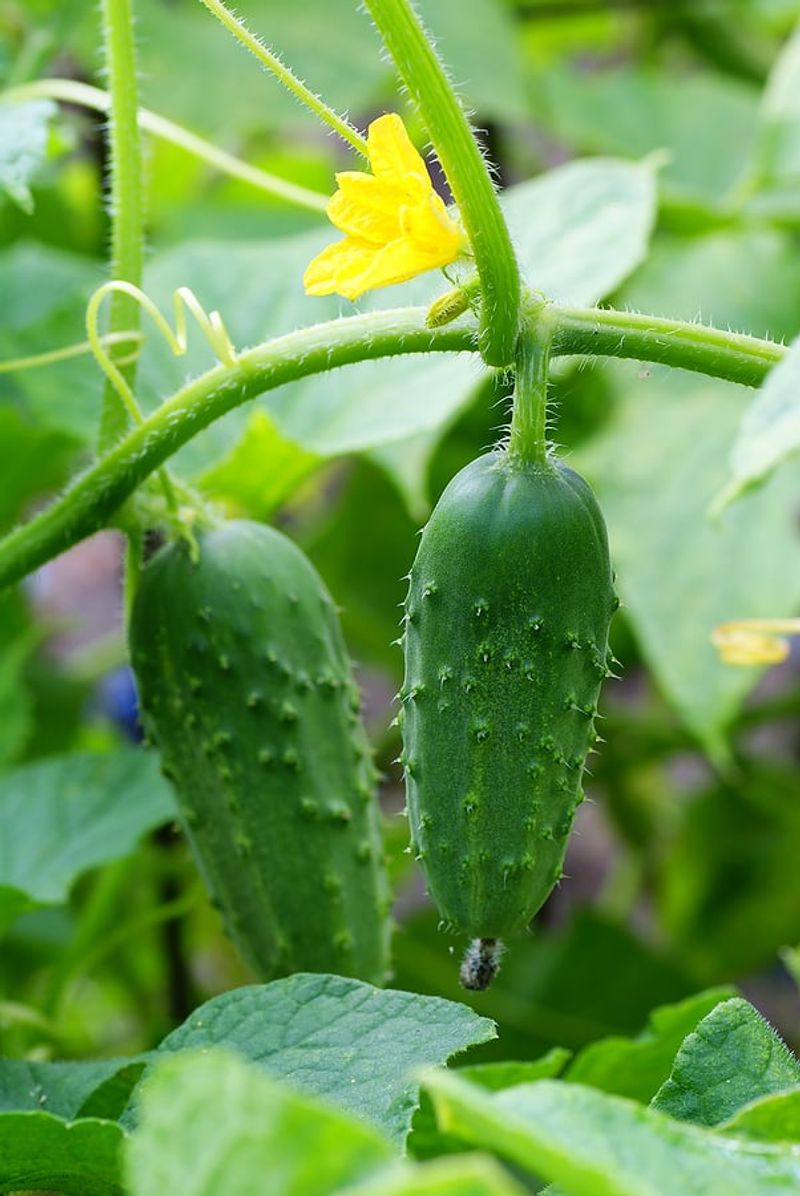
Fruit age is a separate issue from growing-season stress, and it can produce bitterness on its own. Cucumbers left on the vine too long shift their chemistry as they mature – seeds harden, the skin yellows, and cucurbitacin levels can climb. Illinois Extension recommends harvesting slicing cucumbers at roughly six to eight inches and pickling types at three to four inches, though the right size depends on the cultivar. Checking the seed packet or plant tag for variety-specific guidance is always worthwhile, because some cultivars are bred to be harvested smaller or larger than average.
The more reliable rule is to pick before the cucumber turns yellow and before you can feel hard seeds through the skin. Oregon State University Extension recommends checking plants every day or every other day during peak season, and removing any oversized or yellowing fruit immediately even if you cannot use it right away. An overripe cucumber left on the vine signals the plant to slow or stop new fruit production, so frequent harvesting serves two purposes at once – better flavor and a longer productive season.
Over-maturity explains some cases of bitterness, but not all of them. A cucumber harvested at the right size and color can still taste bitter if the plant was stressed during fruit development. Treating harvest timing as one variable among several gives you a more accurate picture than blaming either watering or timing alone.
Use the whole plant and harvest pattern as clues
Bitterness alone rarely tells you which problem you are dealing with. Looking at the pattern across the plant and across the season gives you much better information. Purdue Extension’s cucumber profile notes that bitterness tends to concentrate near the skin and can be stronger toward one end of the fruit, though the exact location varies by cultivar and individual fruit. If you notice the skin and the area just under it taste sharper than the center, that is consistent with normal cucurbitacin distribution rather than a sign of something more serious.
The timing and spread of bitterness across your plants can help you narrow things down. Bitterness that showed up during a heat wave and then faded when temperatures dropped and watering improved suggests an environmental trigger – moisture stress and heat are reasonable suspects. Bitterness that keeps returning even when conditions seem good, or that affects every fruit on a plant regardless of weather, may point toward cultivar genetics or chronic stress rather than a single correctable episode. University of Minnesota Extension notes that cucumber cultivars differ genetically in cucurbitacin production, which is why the same growing conditions can yield mild fruit from one variety and bitter fruit from another.
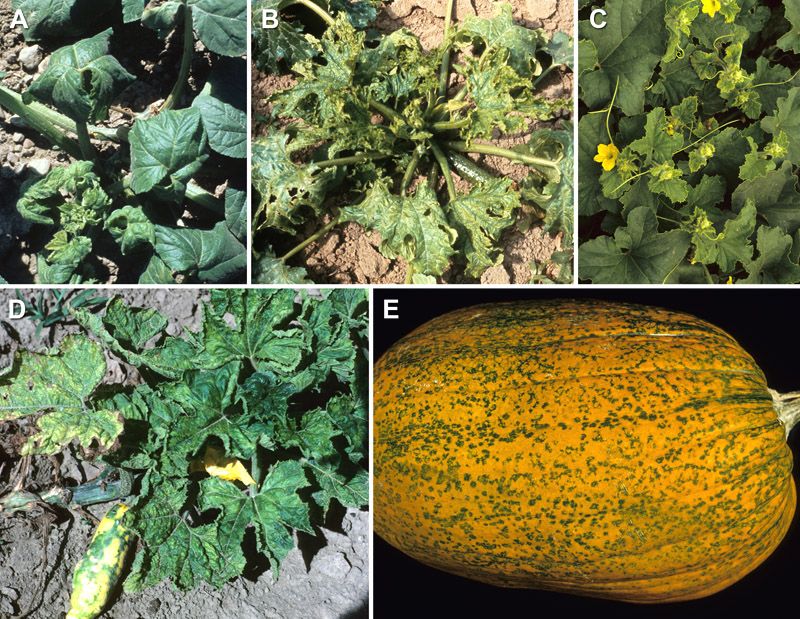
A disease checkpoint matters here too. Illinois Extension’s cucumber growing guide describes cucumber mosaic virus as capable of causing stunting, mottled yellow leaves, blotchy fruit, and bitter flavor. If your plants show any of those foliage symptoms alongside bitterness, get a separate disease assessment rather than assuming that better watering will resolve it. Fruit flavor alone is not enough to diagnose a plant disease – the whole plant picture matters.
Treat mild and extreme bitterness differently
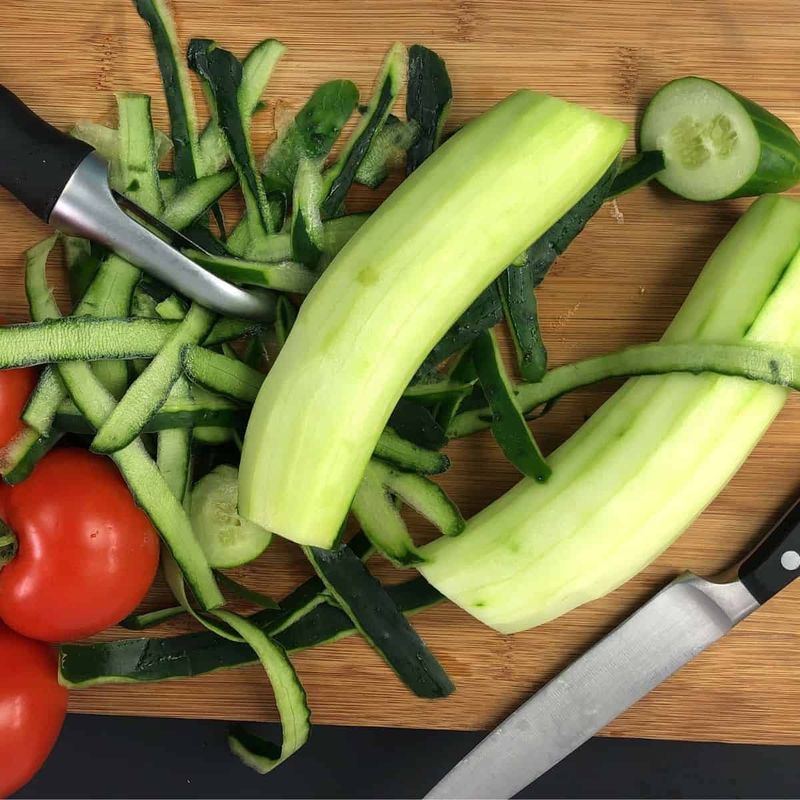
Not every bitter cucumber deserves the same response. A fruit that tastes mildly off – slightly sharp near the skin but tolerable in the center – is most likely a quality issue rather than a safety concern. Peeling the cucumber and trimming away a portion near the bitter end may improve the flavor noticeably, because cucurbitacins tend to concentrate close to the skin and toward one end. Illinois Extension suggests peeling and removing part of the fruit as a flavor-management step for mildly bitter cucumbers.
This is not a guaranteed safety fix, just a practical way to make a lightly bitter cucumber more pleasant to eat.
Extreme bitterness is a different situation. Oregon State University Extension advises discarding fruit that tastes intensely bitter, because high concentrations of cucurbitacins can cause gastrointestinal illness. If you take a bite and the bitterness is sharp and overwhelming rather than mild and fleeting, spit it out and throw the fruit away. Do not keep tasting it to decide whether it is safe.
Extra caution applies to volunteer plants, plants grown from saved seeds, or any cucumber that looks unusual in shape or color. OSU Extension’s guide on volunteer cucurbit safety explains that crosses involving wild or ornamental cucurbits can produce offspring with much higher cucurbitacin levels than standard garden varieties. Pickling may mask the taste of a bitter cucumber, but it is not evidence that the cucurbitacins have been removed or neutralized. Soaking in salt water, soaking in plain water, or rubbing cut ends together are folk remedies without reliable support as toxin-removal methods.
When in doubt with intensely bitter fruit, discard it.
Prevent a repeat with care and cultivar choice
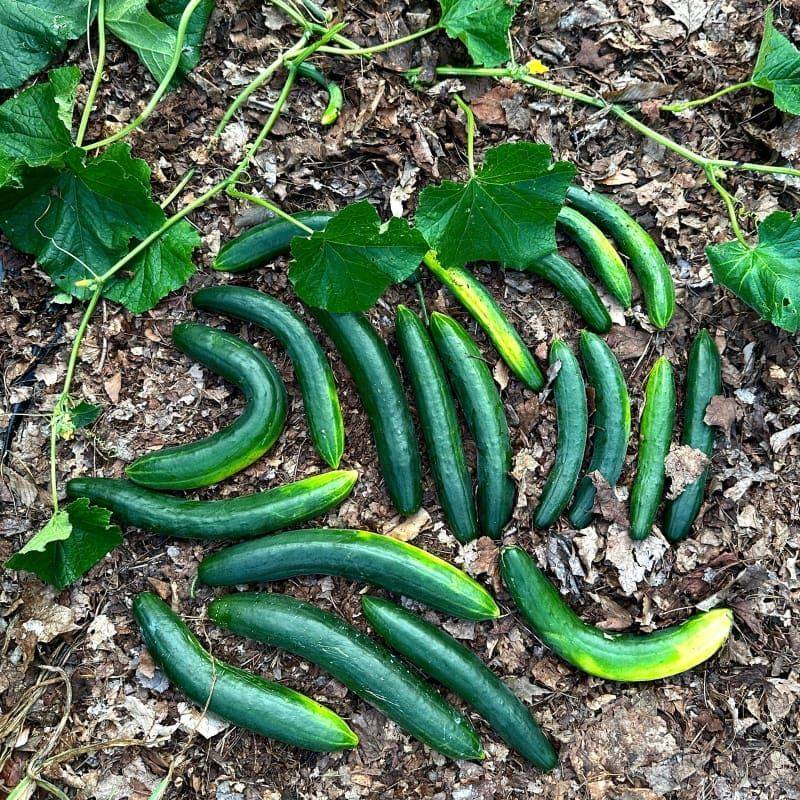
Going into next season with a clear checklist reduces the guesswork. Keep soil moisture as steady as possible through hot and dry stretches by combining consistent watering with a layer of organic mulch. Check the root zone by feel rather than by schedule, and adjust frequency when heat or wind increases evaporation. Pick fruit frequently – every day or every other day during peak production – and remove any cucumber that has started to yellow before it pulls energy from new fruit.
Oregon State University Extension links regular harvesting to both better flavor and continued fruit production.
If bitterness keeps coming back despite careful watering and timely harvesting, the cultivar itself may be the issue. University of Minnesota Extension notes that non-bitter and burpless varieties carry lower genetic bitterness potential, making them a practical choice for gardeners who have had repeated problems. Switching varieties is not an admission of failure – it is a targeted response to a genetic ceiling that improved care alone cannot lower. If a volunteer plant or saved-seed plant produced extremely bitter fruit, replace it rather than trying to nurse it through another season.
Stable growing conditions remove one common trigger, but they are not a guarantee. Illinois Extension frames improved conditions as likely to help later fruit – a realistic expectation rather than a promise. The honest takeaway is that moisture, timing, and variety selection each reduce a real piece of the risk, and using all three together gives your cucumbers the best shot at a mild, satisfying flavor.