
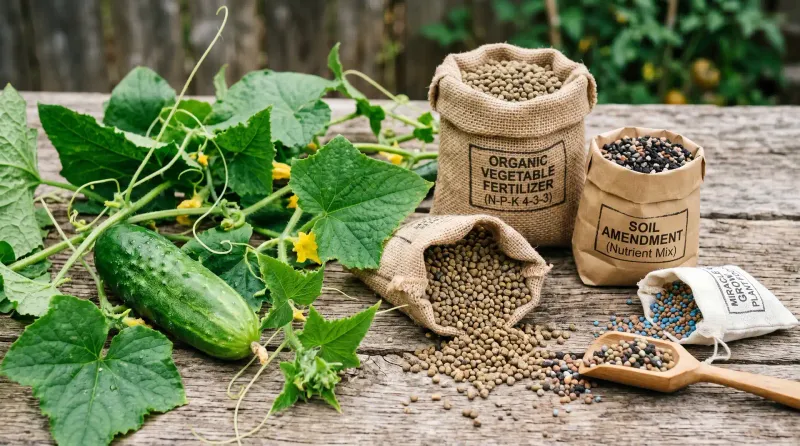
Watching cucumber vines sit stubbornly small while summer heat cranks up is genuinely frustrating, especially when you were expecting a steady harvest by now. The good news is that slow, undersized vines usually have a fixable cause, and narrowing that down is the first step toward getting your plants moving again. Finished compost worked into the root zone can help when the soil is low on organic matter, but it works alongside proper watering, pollination, and plant health, not instead of them.
Small cucumber vines need a diagnosis before an amendment
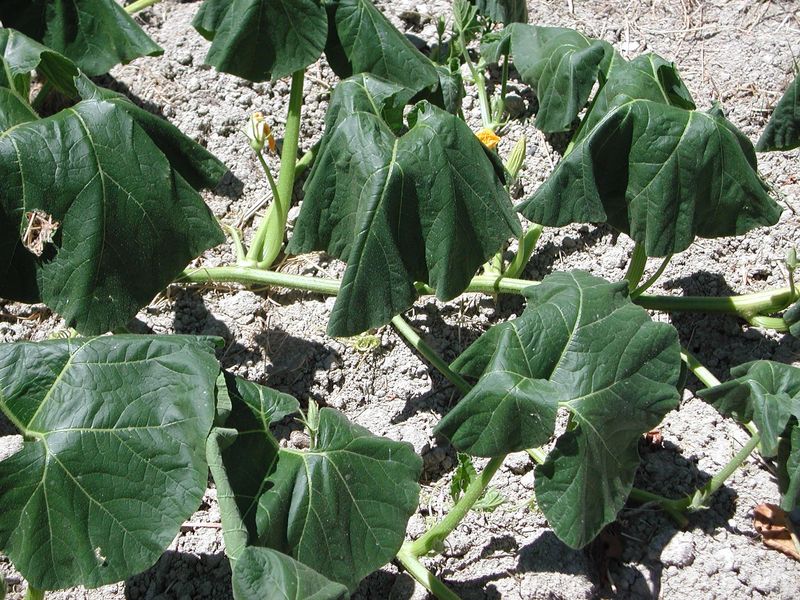
Stunted cucumber vines during hot weather do not automatically point to a soil organic matter problem. Before reaching for any amendment, check the basics: is the soil consistently moist several inches down, are flowers forming and setting fruit, and are any insects or disease symptoms visible on the leaves or stems?
Heat affects cucumbers in ways that look a lot like soil deficiency. University of Minnesota Extension guidance on heat in the vegetable garden explains that wilting, leaf scorch, stalled growth, and poor fruit set can all persist even in fertile soil when roots cannot replace water lost through the leaves fast enough. Adding nutrients to a vine that is simply heat-stressed or drought-stressed will not restart it.
Pollination failure is another common culprit. Cucumber beetles, aphids, mites, bacterial wilt, and foliar diseases can each stall a vine that has plenty of nutrients available. Utah State University Extension’s cucumber growing guide recommends checking moisture, pest pressure, and flower development before adjusting soil fertility.
Finished compost is a reasonable option when a soil test or site history suggests low organic matter. Treat it as one conditional tool in a broader diagnosis, not a guaranteed production trigger for vines that are struggling for other reasons.
When finished compost makes sense
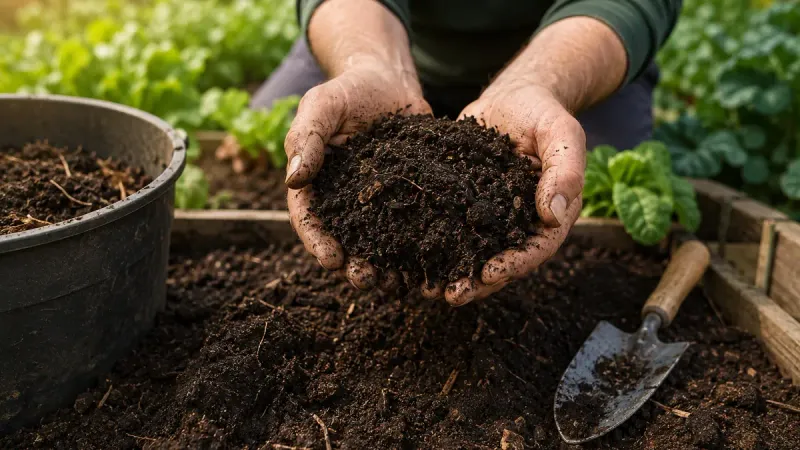
Cucumbers perform best in fertile, well-drained soil that holds moisture without becoming waterlogged. When a bed has been planted repeatedly without organic matter replenishment, or when the soil feels dense, compacted, or sandy and drains instantly, finished compost becomes a genuinely useful amendment rather than just a general-purpose habit.
University of Illinois Extension’s cucumber growing guide recommends incorporating compost or well-rotted organic matter into cucumber beds, particularly where the soil lacks adequate organic content. The improvement targets the root environment: better drainage in clay soils, better water retention in sandy soils, and a slow trickle of nutrients as the organic matter continues to break down.
The key qualifier is that the compost must be finished and mature. Partially decomposed material can tie up nitrogen as it continues breaking down, which is the opposite of helpful for an actively growing vine. Well-rotted material that smells earthy and crumbles easily is ready to use.
Utah State University’s cucurbit soil guidance ties amendment decisions to soil conditions rather than a fixed calendar schedule. If your bed already has good tilth and a history of compost additions, a fresh application may provide little benefit. The case for compost is strongest when the soil genuinely lacks organic matter and a test or site conditions confirm it.
What compost can and cannot do for the root zone
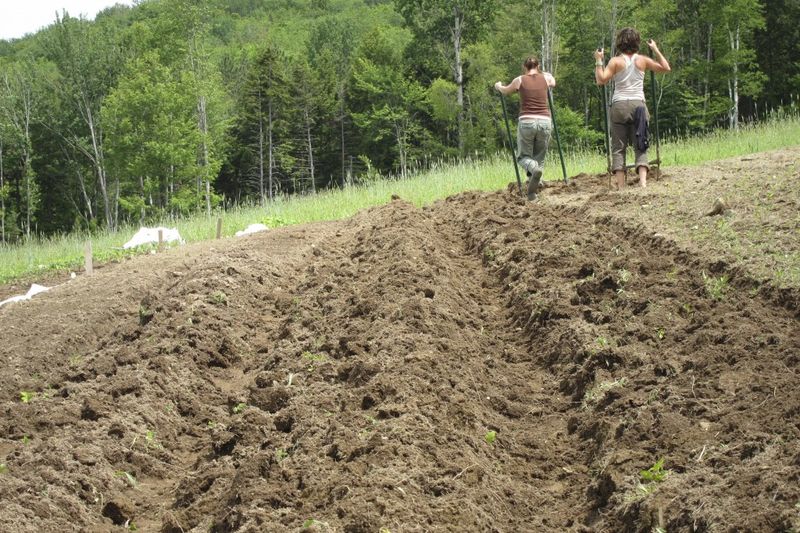
Mature compost earns its reputation as a soil builder through three root-zone improvements: it opens up compacted soil so water and air move through more freely, it helps sandy soil hold moisture longer between waterings, and it releases a slow, modest supply of nutrients as soil microbes continue breaking it down.
EPA composting guidance describes finished compost as a material that improves soil’s ability to accept and store water while slowly releasing nutrients. That slow release is both compost’s strength and its limitation: it is not a quick fertilizer fix for a nitrogen-hungry vine that needs immediate support.
Compost’s fertilizer value is relatively low and variable depending on what it was made from. A cucumber in active growth and fruiting mode may need more immediately available nitrogen than finished compost can supply on its own. Utah State University’s organic nutrient sources guide notes that nutrient concentrations in compost vary widely by feedstock, so relying on compost alone for fertility without a soil test is a guessing game.
Compost also cannot reverse heat-induced flower drop, restore fruit that failed to set because pollinators were absent, or protect leaves from a fungal disease already in progress. USU’s soil improvement guide frames compost as a gradual root-zone builder, not an emergency treatment. Think of it as setting better conditions for recovery, not delivering an instant rescue.
How to apply compost without overloading the bed
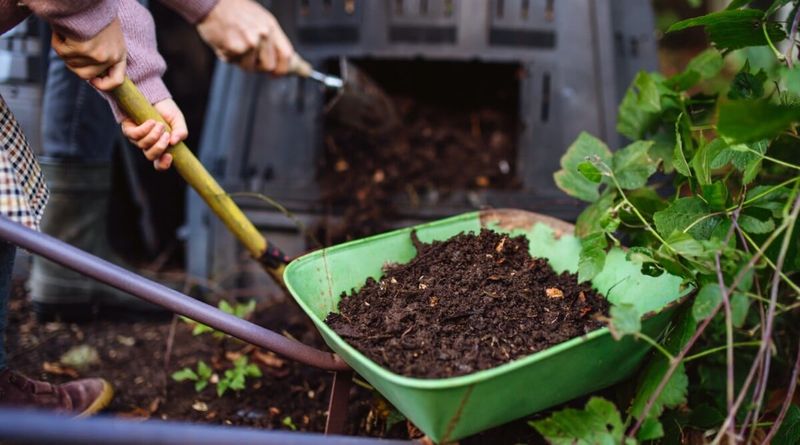
More compost is not automatically better. Piling on excess material can raise salt levels in the soil, skew the nutrient balance, and in some cases create as many problems as it solves. A conservative, targeted approach protects the plants you are trying to help.
Start with finished, mature compost only. Material that still smells like ammonia or has visible un-decomposed chunks is not ready and can temporarily lock up nitrogen or introduce weed seeds. Once you have confirmed the compost is fully broken down, the application amount should reflect your soil’s current condition.
Utah State University’s cucumber guide recommends incorporating amendments into the top 6 inches of soil rather than leaving them on the surface, which puts organic matter where cucumber roots can actually use it. Avoid mounding compost directly against the stem, which can encourage rot at the crown.
Penn State Extension’s compost application guide cautions that extension recommendations range from a thin quarter-inch layer for untested compost to roughly 1 inch under specific conditions, and no single universal rate applies to every garden. If you have a compost analysis, use it; Oregon State University’s guide to interpreting compost analyses explains how to read those numbers. And consult USU’s organic nutrient sources resource for context on how different compost types compare in nutrient content before applying manure-based products in quantity.
Heat, water, and pollination often control production first

A cucumber vine that stops setting fruit in mid-summer heat may have nothing wrong with its soil at all. Temperatures above roughly 90 degrees Fahrenheit can cause reproductive failure in cucumbers, and Penn State Extension’s high-tunnel cucumber guide identifies excessive heat as a factor that interferes with fruit set even in well-managed crops.
Pollinator activity adds another layer of complexity. Bees tend to work earlier in the morning and may reduce activity during the hottest parts of a summer day. Without adequate pollinator visits to female flowers, fruit simply will not develop, regardless of how rich the soil is. Check for both male and female flowers on the vine.
Female flowers have a tiny swollen base that looks like a miniature cucumber; if those flowers are opening and dropping without fruit forming, pollination is the likely bottleneck.
University of Georgia Cooperative Extension’s home cucumber guide explains that poor pollination can cause fruit abortion or result in small, misshapen cucumbers that stop developing early. Adding compost to the bed will not correct that problem.
To distinguish a heat or pollination problem from a soil issue, check soil moisture at least 4 to 6 inches below the surface, note what time of day pollinators are visiting, and look at whether female flowers are opening at all. Cooling conditions, consistent moisture, and active pollinators are what restart fruit set after a heat event, not a soil amendment applied mid-season.
Follow a rescue sequence before adding fertilizer
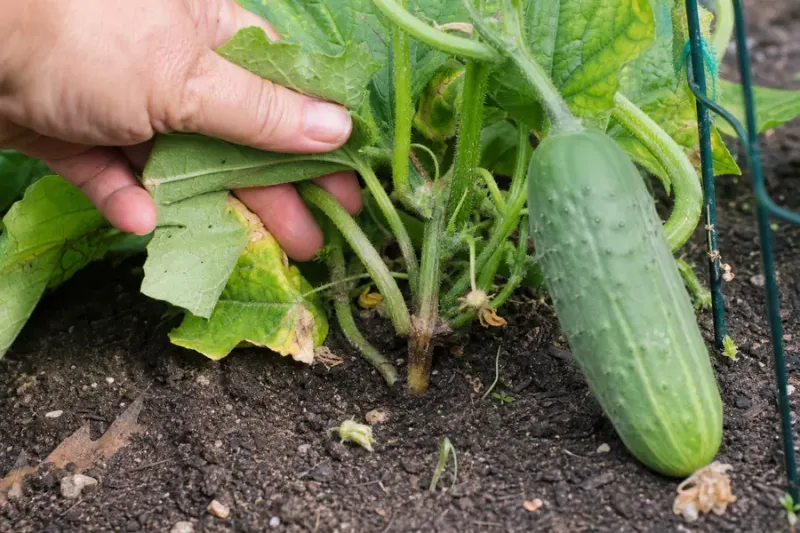
Working through a short, ordered checklist before adding any amendment protects you from treating the wrong problem. Start with moisture. Press your finger or a wooden dowel several inches into the soil near the base of the vine. If the soil feels dry at 4 to 6 inches, water stress is likely contributing to the stall, and that needs to be corrected before anything else.
Utah State University Extension recommends roughly 1 to 2 inches of water per week for cucumbers, adjusted for heat, plant size, and rainfall, and notes that moisture is especially critical during flowering and fruit development. Water stress during those stages can produce fruit that is pointed, bitter, poorly developed, or misshapen.
Once moisture is addressed, apply a 2- to 3-inch layer of surface mulch, such as straw or shredded leaves, to slow evaporation. Keep mulch a few inches away from the stem to prevent crown rot. Then inspect the leaves, stems, and soil surface for cucumber beetles, aphids, spider mites, and signs of bacterial wilt or foliar disease. University of Minnesota Extension’s cucumber guide lists cucumber beetles and bacterial wilt among the most damaging threats to home-garden cucumbers.
Next, check flowers. Are female flowers opening? Are pollinators visiting? UGA Extension notes that fruit abortion and misshapen cucumbers often trace back to inconsistent pollination rather than fertility.
Only after working through moisture, mulch, pests, disease, and pollination does it make sense to order a soil test and consider whether compost or a targeted fertilizer is warranted.
Avoid nutrient shortcuts that can worsen the soil
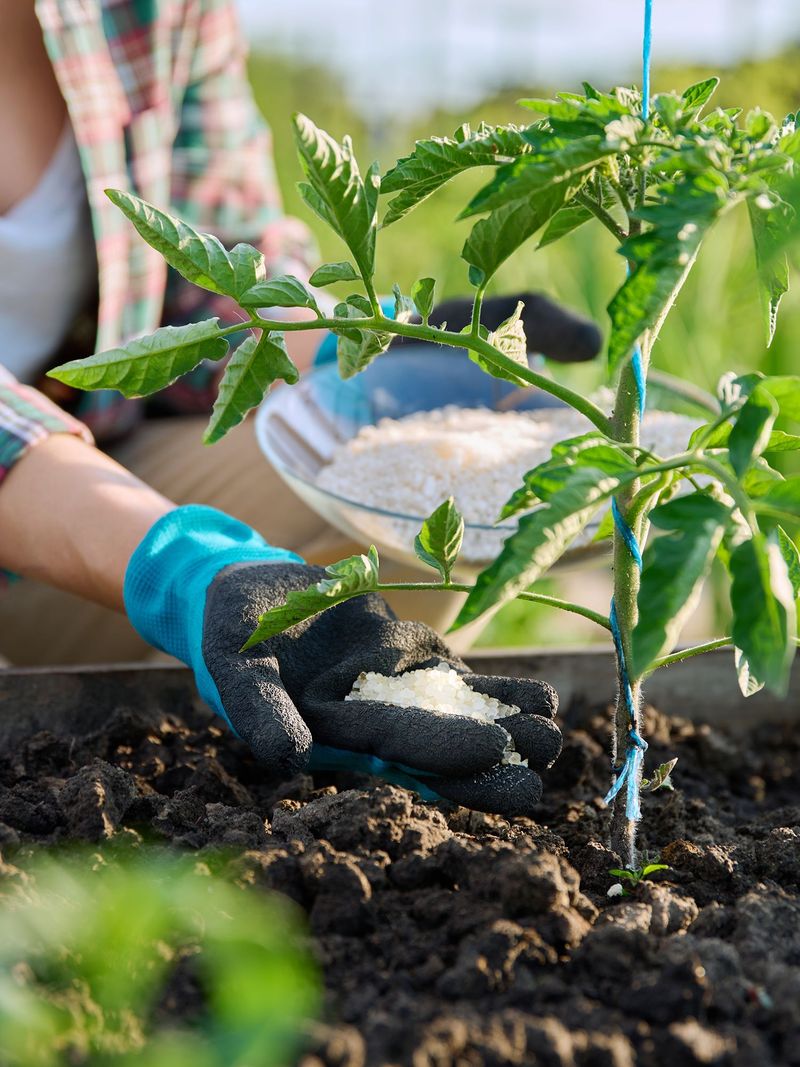
Kitchen and yard scraps get promoted as garden cure-alls constantly, but several of the most popular ones can cause real problems if applied carelessly to a cucumber bed. Fresh manure tops the list of materials to avoid as a quick fix. University of Minnesota Extension is clear that fresh manure can introduce pathogens, burn plants through excess salts and nitrogen, and load the bed with weed seeds. Only fully composted manure is appropriate for a food garden.
Epsom salt is another frequently recommended but often misapplied material. Extension guidance on Epsom salt use states it is only appropriate when a magnesium or sulfur deficiency is confirmed through a soil test. Applying it to soil that already has adequate magnesium can throw off the nutrient balance and cause other deficiencies to appear.
Coffee grounds, eggshells, banana peels, and wood ash all have variable nutrient content and can behave unpredictably when applied directly to garden soil. University of Nebraska Extension’s review of coffee grounds recommends composting them rather than using them as a direct soil amendment, since dense surface applications can form a water-repelling layer.
Extra phosphorus is another common but risky addition. USU soil fertility guidance notes that phosphorus applied when soil levels are already adequate does not improve production and can contribute to nutrient runoff. Penn State Extension reinforces that excess nitrogen and phosphorus can leach or run off, and excess salts can injure the very plants you are trying to help. Tie any targeted nutrient or lime application to a current soil test result, not a general recommendation found online.
Use compost as root-zone support, not a yield guarantee
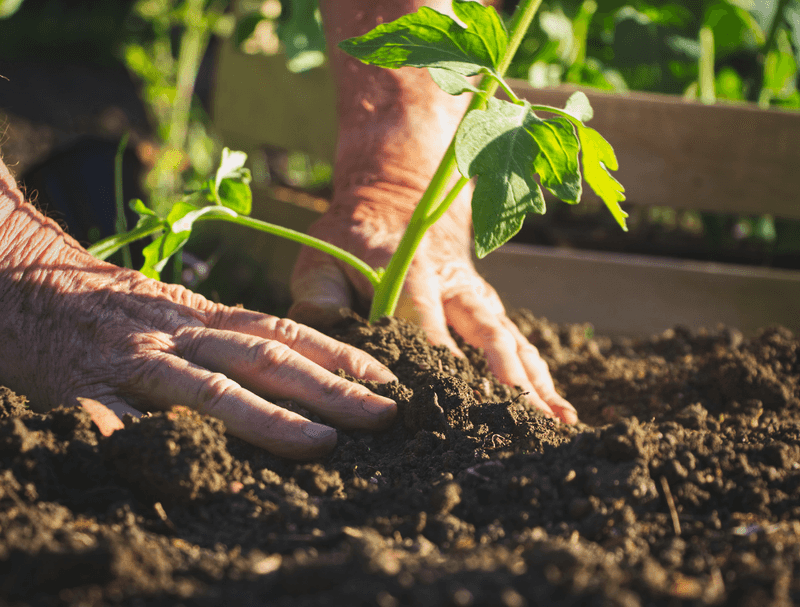
Finished compost is a reasonable, broadly useful soil amendment when organic matter is genuinely low and the material is mature, clean, and appropriate for a food garden. Applied conservatively and worked into the root zone, it can improve soil structure, help the bed hold moisture more evenly, and release a modest trickle of nutrients over time. Those are real, meaningful benefits.
What compost cannot do is override heat, drought, absent pollinators, active pest pressure, or a significant nutrient imbalance. Utah State University’s cucumber growing guide and USU’s cucurbit soil resource both frame soil improvement as one part of a broader management system that includes consistent moisture, fertility matched to a soil test, and pest and disease monitoring.
Research on specific organic amendments adds useful nuance but not a simple guarantee. A greenhouse study on vermicompost found yield and soil benefits under continuous-cropping conditions, but as that Springer Nature research makes clear, those results came from a controlled greenhouse system, not a typical backyard garden in summer heat. Controlled conditions, specific soil types, and managed cropping systems produce results that may not transfer directly to your raised bed or in-ground plot.
Match the amendment to the diagnosis: use compost if organic matter is low, address moisture and mulch first, and let a soil test guide any targeted fertilizer decision. Healthy production follows consistent management, not a single ingredient.