
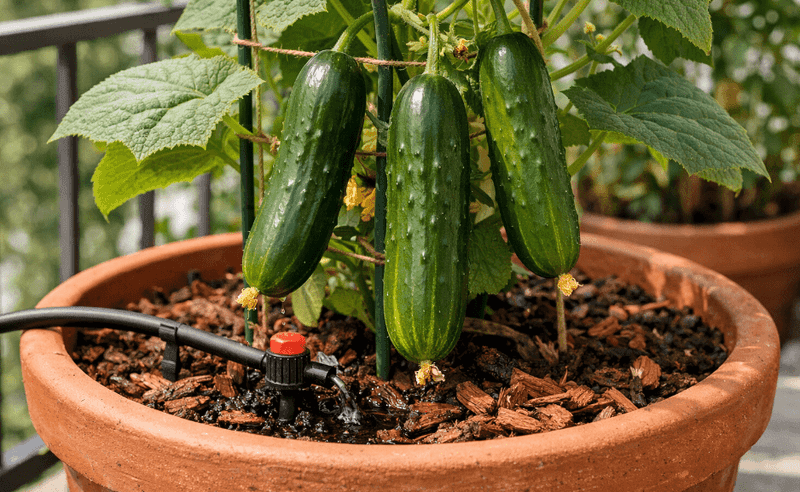
Watching your cucumber plant slump by two in the afternoon is genuinely alarming, especially when you feel like you just watered it. The good news is that afternoon wilt does not always mean the plant is dying, but it does mean something in your setup deserves a closer look. A poorly sized, poorly drained, or heat-exposed container can absolutely contribute to the problem, though it is rarely the only factor at play. Before you grab the hose or order a bigger pot, a quick check of the root zone will tell you far more than the leaves ever can.
Afternoon Wilt Is a Clue, Not a Diagnosis
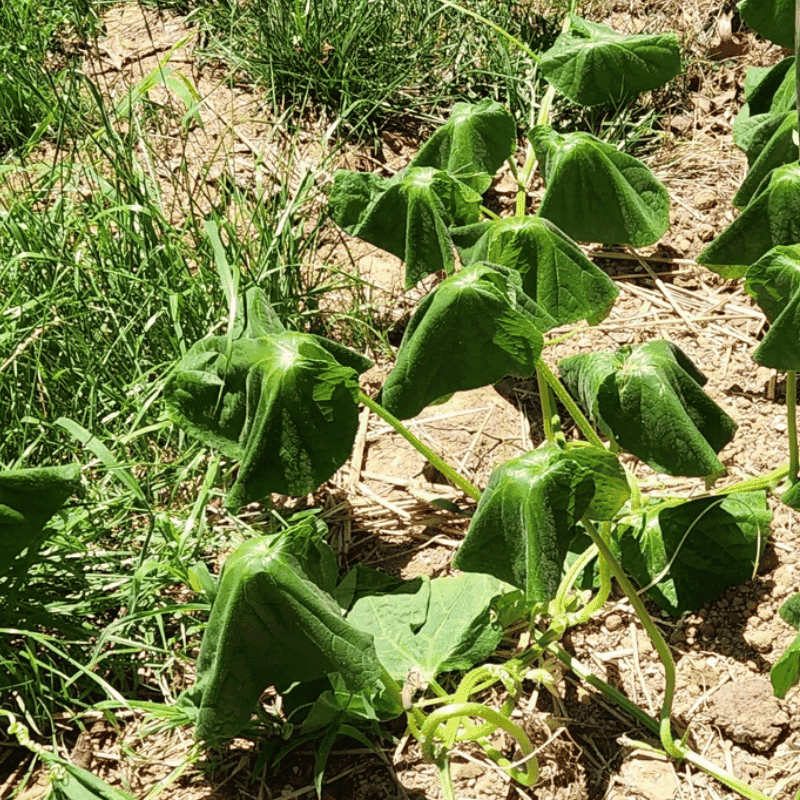
Cucumber leaves that sag during the hottest part of the day can mean several different things, and a container problem is only one possibility. When temperatures climb above 90 degrees Fahrenheit, leaves can lose water through transpiration faster than the roots can replace it, causing a temporary midday droop even when the potting mix has plenty of moisture. OSU Extension guidance on heat stress in garden plants describes this pattern as a normal short-term response to intense heat, not a sign that the plant is failing.
The key distinction is what happens next. A plant that perks back up by evening or early morning is behaving differently from one that stays limp, continues to worsen over several days, or collapses on only one section of the vine. Temporary afternoon droop points toward heat stress or a moisture imbalance; persistent or progressive decline suggests something more serious is involved.
Containers can make this worse because a limited volume of potting mix dries out faster than in-ground soil, particularly on hot days. But the same drooping leaves can appear with overwatering, root damage, pests, or early disease. University of Illinois Extension container watering guidance recommends checking the root zone rather than reacting to leaf appearance alone before adjusting your watering routine or blaming the pot.
Check the Potting Mix Before You Add More Water
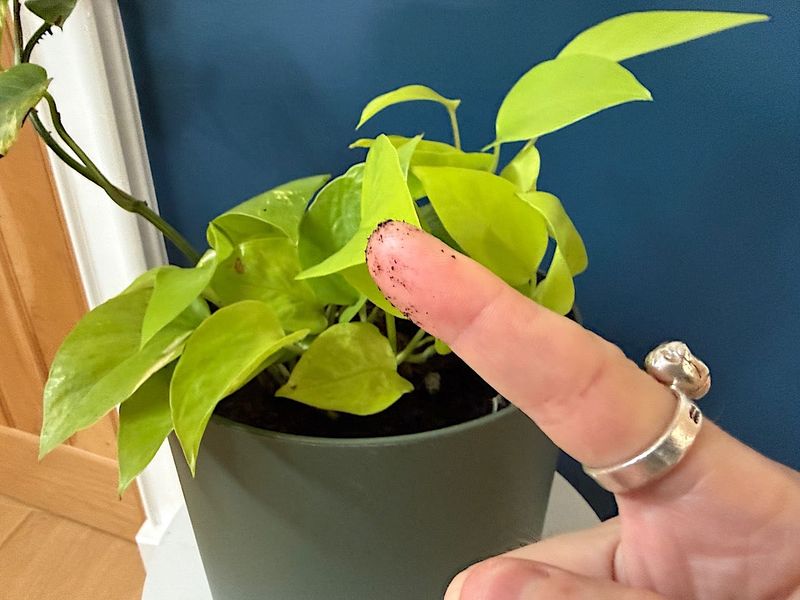
The single most useful thing you can do when a potted cucumber wilts is push your finger about one to two inches into the potting mix near the base of the plant. If the mix feels dry at that depth, the root zone genuinely needs water. If it feels damp or cool, adding more water right away may not help and could actually cause harm.
Saturated roots can lose the ability to take up water normally because they run short of oxygen. OSU Extension watering basics explains that waterlogged soil starves roots of air, which can produce wilting that looks identical to drought stress even though the mix is wet. Repeatedly watering a soggy container deepens that problem rather than solving it. A small pot can also be lifted to judge weight; a noticeably light container is almost certainly dry throughout.
When the mix is genuinely dry, water slowly and thoroughly until you see water draining steadily from the bottom holes, then let the excess escape completely before moving on. Shallow sips that only wet the top inch leave the lower root zone dry and train roots upward where they are more vulnerable to heat. Illinois Extension advice on growing vegetables in containers consistently favors deep, thorough watering over frequent light applications for exactly this reason.
Give the Roots Enough Container Volume
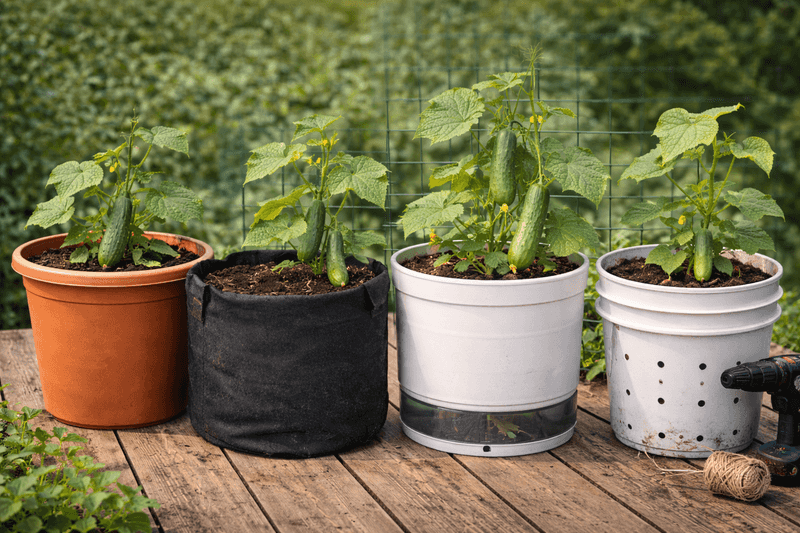
A cramped container gives roots less room to spread and the potting mix less capacity to hold water between waterings. On a hot afternoon, a small pot can go from adequately moist to bone dry in just a few hours, especially if the plant is actively growing and the sun is hitting the container directly. More soil volume means a larger moisture buffer and more stable root-zone temperatures.
Published recommendations vary depending on the cucumber variety and the source. University of Illinois Extension container size guidance notes that certain compact cucumber varieties can manage in smaller containers, while Colorado State University recommends a minimum of five gallons for cucumbers as a general starting point. One bush cucumber in roughly a five-gallon container is a sensible conservative choice for hot-weather growing in most US temperate gardens, but variety selection, plant count, local climate, and how often you can water all shift that number.
Vining cucumbers are naturally more vigorous and may need considerably more space plus a sturdy trellis to stay productive. Crowding two plants into a container sized for one doubles the competition for the limited water and nutrients available. Illinois Extension growing vegetables in containers recommends matching plant count to pot volume carefully, and favors compact or bush cultivars when container space is limited. Upsizing the container can help, but a larger pot will not automatically fix poor drainage, root disease, or excessive heat exposure.
Prevent Drought-Like Wilt From Poor Drainage
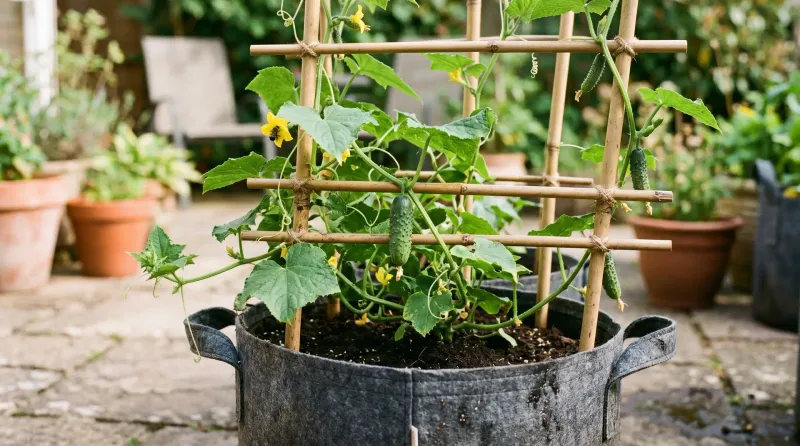
Container volume matters, but what fills that container matters just as much. Straight garden soil packed into a pot tends to compact over time, which slows drainage and reduces the air pockets roots depend on. A soilless container mix is designed to drain freely while still holding enough moisture to support the plant between waterings, and that balance is harder to achieve with native soil.
Penn State Extension container vegetable gardening guidance recommends a quality soilless potting mix and clear, unobstructed drainage holes as two of the foundational requirements for any container vegetable. Blocked drainage holes turn a pot into a bucket; water collects at the bottom, roots sit in standing moisture, and the plant wilts despite the soil appearing wet near the surface. Check that holes are open and that the pot is not sitting flat in a saucer that stays permanently full.
Raising the container slightly on pot feet or setting it on a surface that allows runoff to escape freely helps drainage work as intended. A container that drains too fast – common with very sandy mixes or unglazed clay in full sun – creates the opposite problem, drying out before the next watering. Illinois Extension container watering advice points out that both extremes, too wet and too dry, can produce similar wilt symptoms, which is why checking the actual mix is more reliable than reading the leaves.
Reduce Heat From the Pot and Its Location
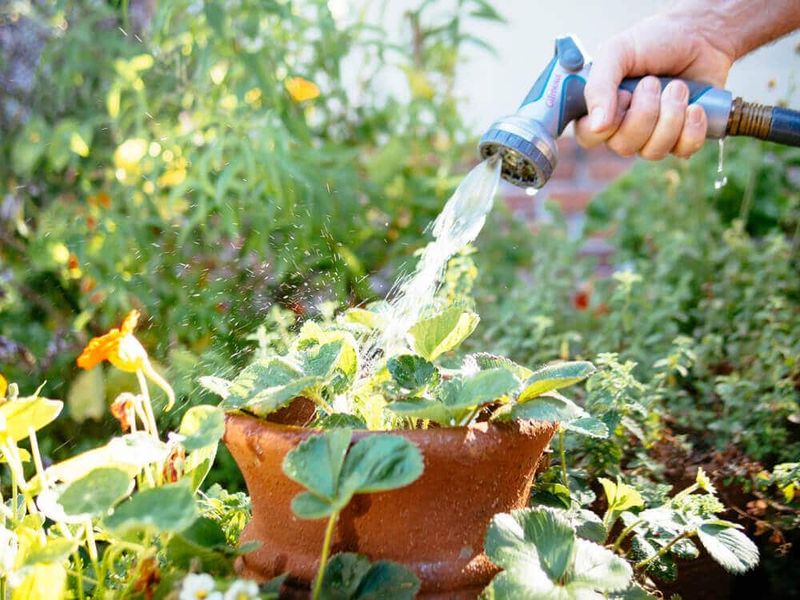
Where a pot sits and what it is made of can change how fast the root zone heats up and loses moisture. Unglazed terracotta and other porous clay containers allow water to evaporate through the walls, not just from the surface, which means they dry out noticeably faster than plastic or glazed ceramic pots. Illinois Extension container size and material notes confirm that porous containers lose moisture more rapidly and may need more frequent watering during hot weather.
Placement compounds the effect. A pot resting directly on concrete or asphalt absorbs radiated heat from below while taking direct sun from above, pushing root-zone temperatures well above air temperature. Reflected afternoon sun from a light-colored wall, fence, or surface can add further heat load. Wind accelerates evaporation from both the leaves and the potting mix surface, increasing water demand even when temperatures are moderate.
Moving a container to a spot that receives morning sun and afternoon shade during a heat wave can reduce stress noticeably. That shift does not replace checking the root zone or adjusting the watering schedule, but it removes one source of heat before it compounds the others. OSU Extension heat stress identification guidance supports temporary shade as a reasonable protective measure during sustained high temperatures, while emphasizing that it works alongside, not instead of, consistent root-zone moisture management.
Stabilize the Plant Before You Repot
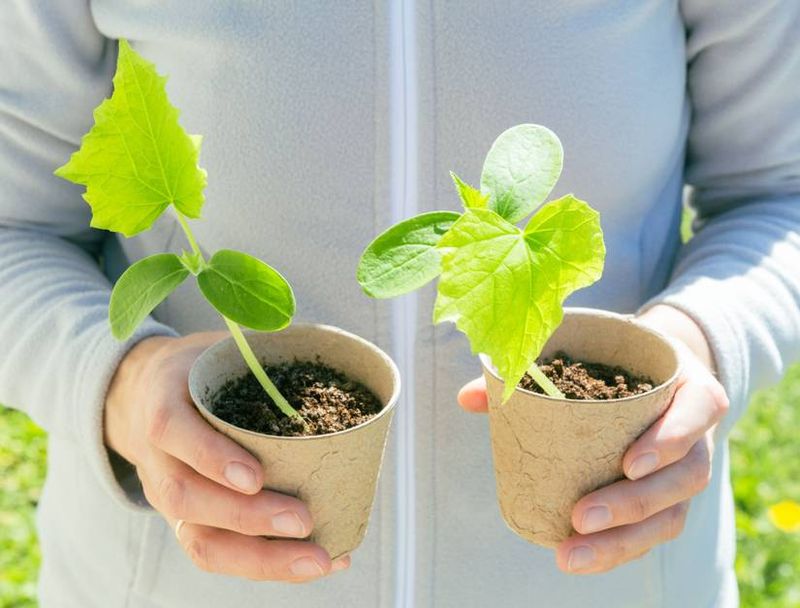
A cucumber wilting during a heat wave needs immediate stress reduction, not a major intervention. The priority is getting the root zone to a stable moisture level, cutting the heat load where possible, and protecting what the plant already has. Bigger fixes like repotting, heavy pruning, or fertilizing should wait until conditions moderate, because each of those actions adds its own stress on top of what the plant is already managing.
OSU Extension extreme heat plant protection guidance specifically advises against transplanting during a heat event and recommends temporary shade and careful watering as the safer first steps. If the potting mix is dry, water thoroughly at the soil line and let drainage complete before checking again. Morning is the preferred time for routine watering because it gives the plant time to absorb moisture before peak heat, but a visibly wilted plant with a dry root zone should be watered whenever that condition is found, not held until the next morning.
A light layer of mulch, roughly one to two inches of straw, shredded leaves, or similar material, spread across the potting mix surface can slow evaporation and moderate surface temperature. Keep the mulch pulled back from the cucumber stem to allow air circulation. University of Minnesota Extension heat gardening tips include surface mulch as a practical tool for reducing moisture loss from containers during hot spells. Once temperatures drop and the plant has stabilized, a container that is clearly too small or severely root-bound can be addressed through careful repotting with minimal root disturbance.
Persistent or One-Sided Collapse Points Beyond the Pot
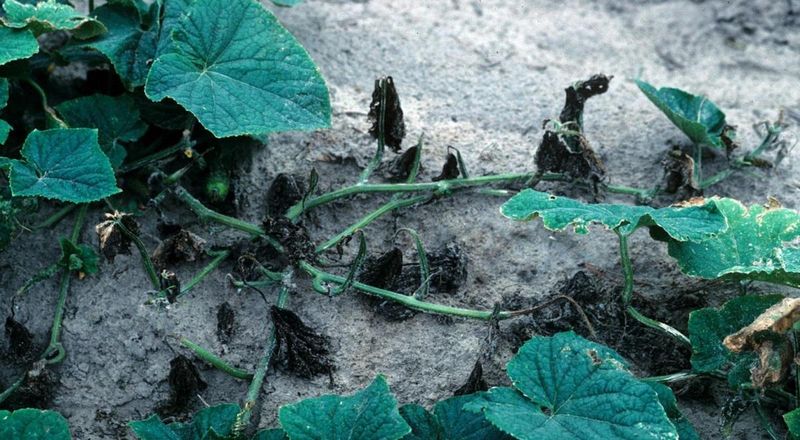
Most container problems produce a plant that wilts broadly during the hottest part of the day and recovers reasonably well by evening or the following morning. When recovery stops happening, or when wilt appears on only one branch or section of the vine while the rest looks fine, the container setup is unlikely to be the full explanation.
University of Minnesota Extension bacterial wilt guidance describes a pattern where infected cucumbers wilt during the day and recover overnight in the early stages, then progressively fail to recover as the disease advances through the vascular tissue. Cucumber beetles are the primary carrier, so visible beetle feeding damage on leaves or stems alongside wilt symptoms is a meaningful warning sign. Other disorders, including root rot, vine damage, and certain fungal infections, can produce similar progressive decline.
Sudden permanent collapse, yellowing or browning that spreads along the vine, and wilt that does not respond to correcting moisture or reducing heat all suggest the problem has moved beyond a container fix. Continuing to adjust pot size or watering frequency while a disease progresses delays the diagnosis and may cost the plant entirely. When warning signs like these appear and persist, the most productive step is to contact a local cooperative extension plant clinic or a qualified diagnostic service rather than continuing to troubleshoot the container alone.
Use a Root-Zone Checklist Instead of Guesswork
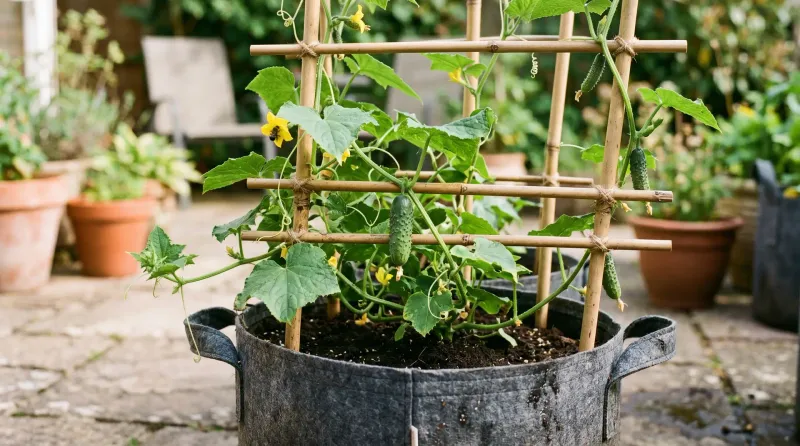
Working through a short, ordered checklist takes less time than trial-and-error watering and gives you real information to act on. Start by pressing a finger one to two inches into the potting mix: dry means water thoroughly, wet means hold off and check drainage. Confirm that drainage holes are open and that the pot is not sitting in standing water. Illinois Extension container guidance and its companion watering page both reinforce this sequence as the foundation of container vegetable care.
Next, assess the container itself. Consider whether the volume is adequate for the cultivar and plant count, whether the material and placement are adding unnecessary heat, and whether the potting mix is a quality soilless blend. Temporary shade, morning watering, and a light surface mulch can reduce stress while you gather that information. A roomy, well-drained container reduces water stress considerably, but it cannot correct saturated roots, root disease, or pest damage on its own.
If the plant does not rebound after you address moisture and heat, or if it shows the warning signs described earlier, reach out to your local cooperative extension service or a certified plant diagnostic lab. UMN Extension bacterial wilt information and similar resources can guide you toward a qualified diagnosis. A healthy container setup gives cucumbers the best possible foundation; recognizing when the problem has moved beyond that foundation is just as valuable a skill.