
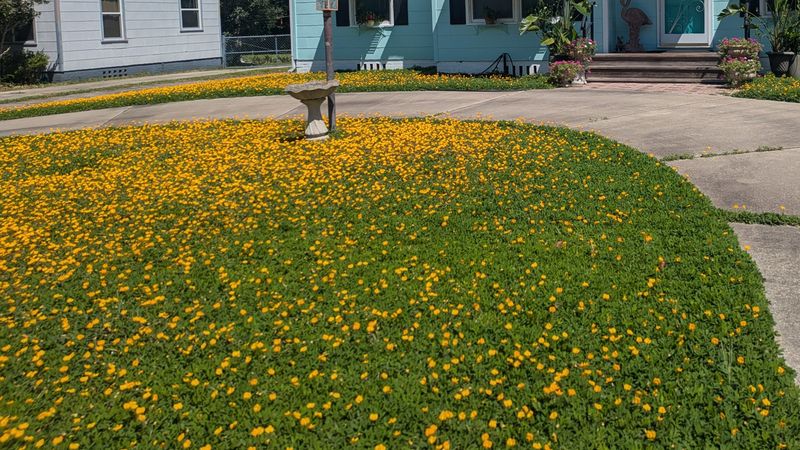
Keeping a Florida front lawn looking good costs real money every year in mowing, watering, and fertilizer. A ground cover called perennial peanut has drawn attention because a UF/IFAS economic study found its annual maintenance costs far lower than St. Augustinegrass after it gets established. The catch is that the upfront installation price runs higher, so this is a long-term play rather than an instant bargain. Understanding exactly where the savings come from, and where they do not, helps you decide whether your yard is a good fit.
The evidence supports lower upkeep, not a first-year bargain
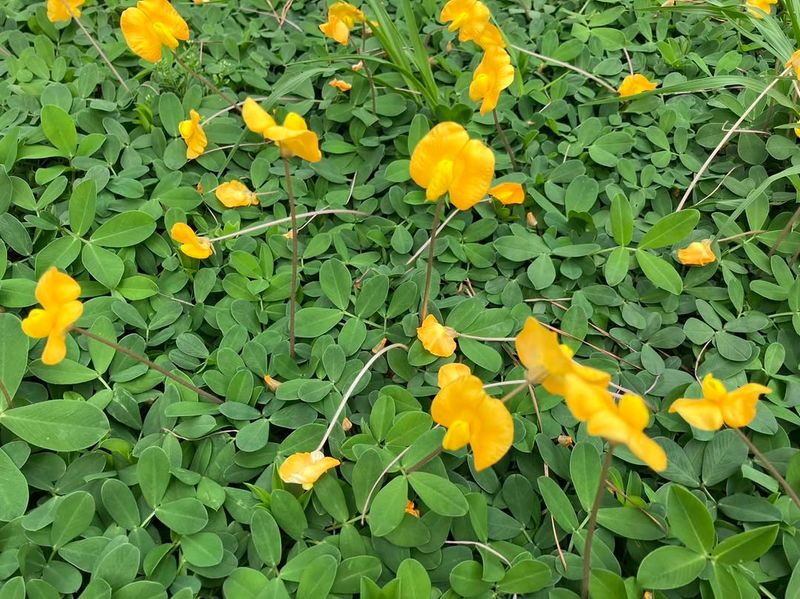
A UF/IFAS economic analysis is the source most often cited when people talk about replacing Florida sod with perennial peanut, and the numbers in that study are striking. The UF/IFAS guide to rhizomal perennial peanut in the urban landscape estimated annual maintenance at $64 per 1,000 square feet for established perennial peanut, compared with $353 per 1,000 square feet for St. Augustinegrass. That is more than a fivefold difference in recurring upkeep.
The study attributed the gap largely to reduced mowing frequency and the elimination of routine dry-season irrigation for the established ground cover. Those were assumptions built into the study’s cost model, not independently measured household savings you can expect to replicate dollar for dollar.
Before treating those figures as a current price guide, consider their origin. The analysis used 2002 prices, Fort Myers-area water rates, and commercial landscape-company labor rates. Neither number reflects what a contractor or water utility will charge you in 2026. They represent a historical comparison framework showing that established perennial peanut carried substantially lower recurring costs than St. Augustinegrass under the study’s specific assumptions.
The headline framing of “less than one year of sod care” also needs a closer look. What the study actually demonstrates is lower annual maintenance after establishment, not a guarantee that the complete lawn conversion costs less than twelve months of sod upkeep. The comparison is about recurring costs once the plants are mature, not about the total price of switching from one lawn type to another.
Correcting that overstatement matters because it changes how you budget. If you go in expecting a first-year payoff, the actual establishment invoice will feel like a surprise. If you go in expecting lower annual upkeep after a higher upfront investment, you can plan the transition realistically and decide whether the long-term math works for your situation.
Why perennial peanut fits some Florida lawns
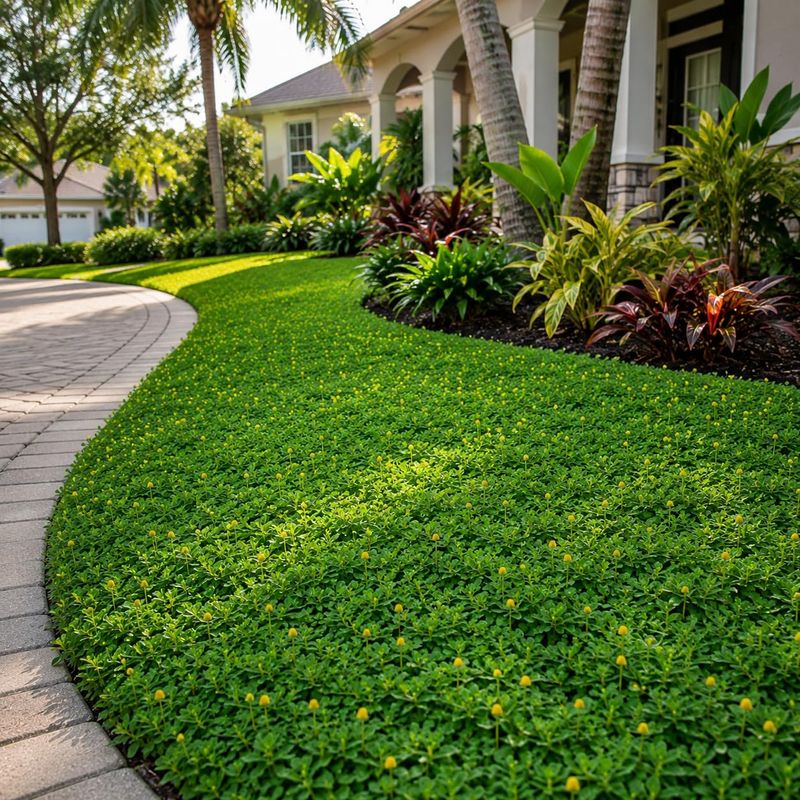
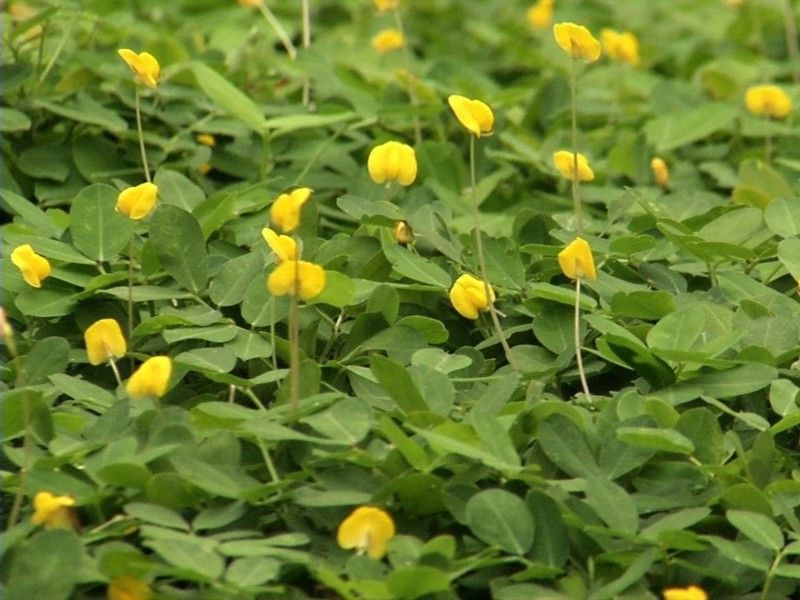
Perennial peanut, known botanically as Arachis glabrata, is a non-native, mat-forming ground cover that UF/IFAS describes as well suited to Florida’s heat, sandy soils, and full-sun conditions. It spreads through underground rhizomes rather than seeds, forming a dense, low carpet that can crowd out weeds once it fills in. UF/IFAS Gardening Solutions on perennial peanut notes that the plant performs statewide and works as a lawn alternative in low-foot-traffic areas.
Full sun is where perennial peanut truly excels. Partial shade slows its spread and thins the mat, which invites weeds and reduces the tidy appearance most homeowners want from a lawn replacement. If your front yard gets at least six hours of direct sun daily, that is a good starting condition.
Drought tolerance is one of its most practical traits for Florida homeowners. Once the root system is established, the plant can handle dry spells without routine irrigation, which is a meaningful advantage during water-restriction periods common across much of the state. It also fixes atmospheric nitrogen through root nodules, which means general fertilizer needs are low compared with St. Augustinegrass, though soil conditions still vary by site and a soil test is always a reasonable first step.
The plant can also help hold soil on gentle slopes, which matters in yards prone to erosion during Florida’s heavy summer rains. That said, performance on slopes depends on establishment success, slope grade, and whether bare patches remain during fill-in. It is not a guaranteed erosion solution, but it is a functional one on suitable sites.
Perennial peanut is not a Florida-native plant, a distinction covered in more detail later in this article. For homeowners who specifically want native species, that matters and shapes which ground cover makes the most sense.
The installation cost changes the calculation
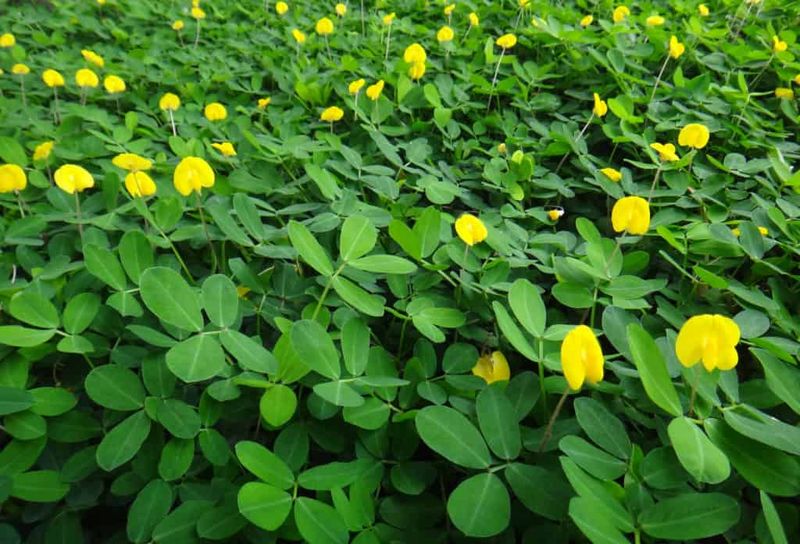
The same UF/IFAS study that showed lower annual maintenance for perennial peanut also found that getting it established costs considerably more than installing St. Augustinegrass sod. The UF/IFAS rhizomal perennial peanut guide estimated establishment at $1,260.50 per 1,000 square feet for perennial peanut versus $336 per 1,000 square feet for St. Augustinegrass. That is roughly a $924 difference per 1,000 square feet before you have grown a single leaf.
For a typical front lawn of 2,000 square feet, that gap could approach $1,800 or more using the study’s historical figures. Apply the study’s annual maintenance savings of about $289 per 1,000 square feet and you are looking at several years before the lower upkeep offsets the higher installation cost. The actual break-even point depends on current local prices, which will differ from the 2002 figures in the study.
Those historical numbers should be treated as a comparison framework, not a 2026 price sheet. Labor costs, plant material prices, water rates, and contractor fees have all changed since the study was conducted. A quote from a local landscape company using current perennial peanut pricing is the only reliable way to know what conversion will actually cost you.
There is also the question of what you are converting from. A homeowner pulling out an existing lawn faces removal costs that the study’s bare-soil establishment figures do not include. Sod removal, soil preparation, and any irrigation adjustments add to the upfront total and push the break-even point further out.
None of this means the switch is a bad financial decision. Over five or ten years, lower annual maintenance can add up to real savings. The point is that perennial peanut is not cheaper from day one, and the headline claim that replacing a whole front lawn costs less than one year of sod care does not hold up against the study’s own establishment numbers. Knowing that going in lets you budget honestly and compare apples to apples when you request local quotes.
Plan for a demanding establishment period
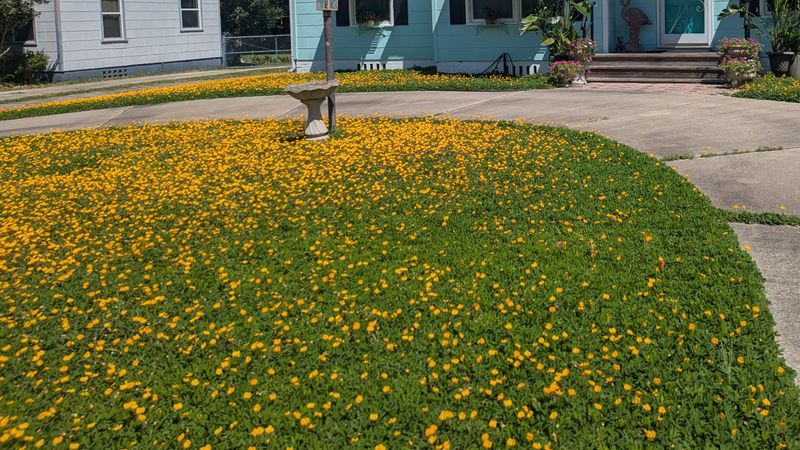
Perennial peanut earns its low-maintenance reputation only after it fills in, and the path to that point takes real effort. New plantings need regular irrigation to survive Florida’s dry spells and to push root growth deep enough for the plant to become self-sufficient. Skipping water during the establishment phase is one of the fastest ways to lose a planting and have to start over.
UF/IFAS recommends spacing perennial peanut plants 12 to 18 inches apart to allow for eventual fill. Tighter spacing fills in faster but costs more in plant material. Wider spacing saves money upfront but leaves bare ground open longer, which means more weeding during the wait.
Weed pressure is the biggest challenge during establishment. Open soil between young plants is an invitation for grasses and broadleaf weeds to move in. Staying ahead of weeds with hand-pulling or targeted herbicide applications protects the perennial peanut from competition before it can form a closed canopy. Once the mat is dense, weed pressure drops significantly, but that can take one to two growing seasons depending on spacing, watering, and weather.
Mowing is optional rather than required for perennial peanut. Occasional mowing can tidy the appearance and encourage flowering, but the plant does not need to be cut on a regular schedule the way St. Augustinegrass does. During establishment, mowing too early or too aggressively can set the planting back, so it is worth waiting until the plants have filled in substantially before running a mower over the area.
The contrast between establishment-phase care and mature-plant care is worth keeping clear in your mind. The low annual maintenance figures from the UF/IFAS study describe an established stand, not a new one. Budget your time and water accordingly for the first season or two, and the long-term payoff becomes much more realistic.
Traffic, drainage, and winter conditions limit the replacement
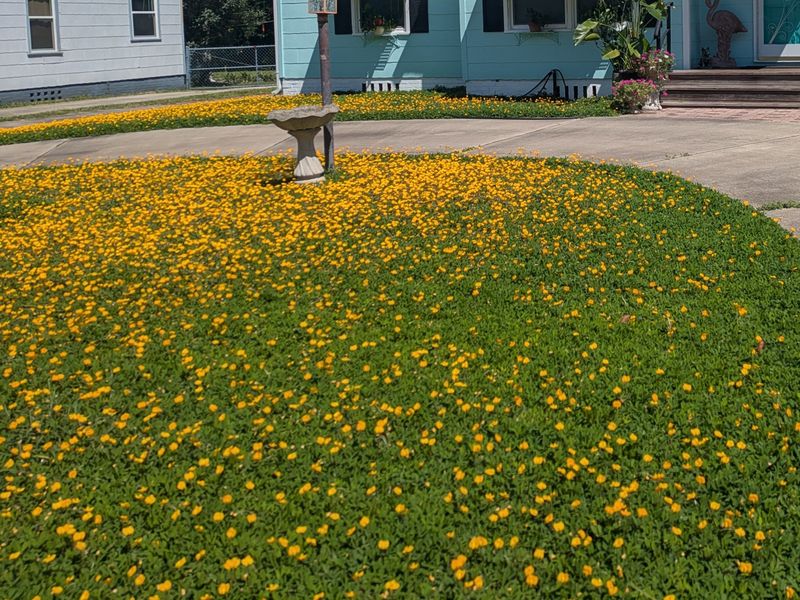
Perennial peanut is not a universal lawn swap. Three site factors, foot traffic, soil drainage, and winter temperatures, each have the power to make this plant the wrong choice for a specific yard, and checking all three before you commit saves a lot of frustration.
Foot traffic is the most commonly overlooked limit. UF/IFAS specifically recommends stepping stones or a separate walking surface where foot traffic is high. Perennial peanut handles occasional crossing, but regular walking routes, play areas, dog runs, and parking areas will thin and damage the mat. If your front yard sees constant use, you need to map those paths and either keep turf in those zones or install hardscape before the ground cover goes in.
Drainage is equally decisive. Perennial peanut prefers well-drained, sandy soil, which is common across much of Florida but not universal. Yards that stay wet after heavy rain, sit in low spots, or have compacted clay layers beneath the surface are poor candidates. Drought tolerance after establishment does not mean the plant can handle waterlogged roots.
Flooding or poor drainage during Florida’s rainy season can kill established stands and leave bare patches that weeds quickly colonize.
Winter appearance varies by region in a way the article’s title does not acknowledge. In South Florida’s frost-free areas, perennial peanut may stay green year-round. In Central and North Florida, a hard frost can brown the foliage or send the plant into dormancy, exposing the rhizome network until warm weather returns. UF/IFAS extension guidance on turfgrass alternatives confirms that groundcovers vary in their cold-weather performance, and a uniformly evergreen lawn replacement is not a promise that holds statewide.
Checking the Florida-Friendly Plant Guide for your specific region helps you understand what to expect from any ground cover through a typical winter before you invest in installation.
Low maintenance still includes containment and seasonal care
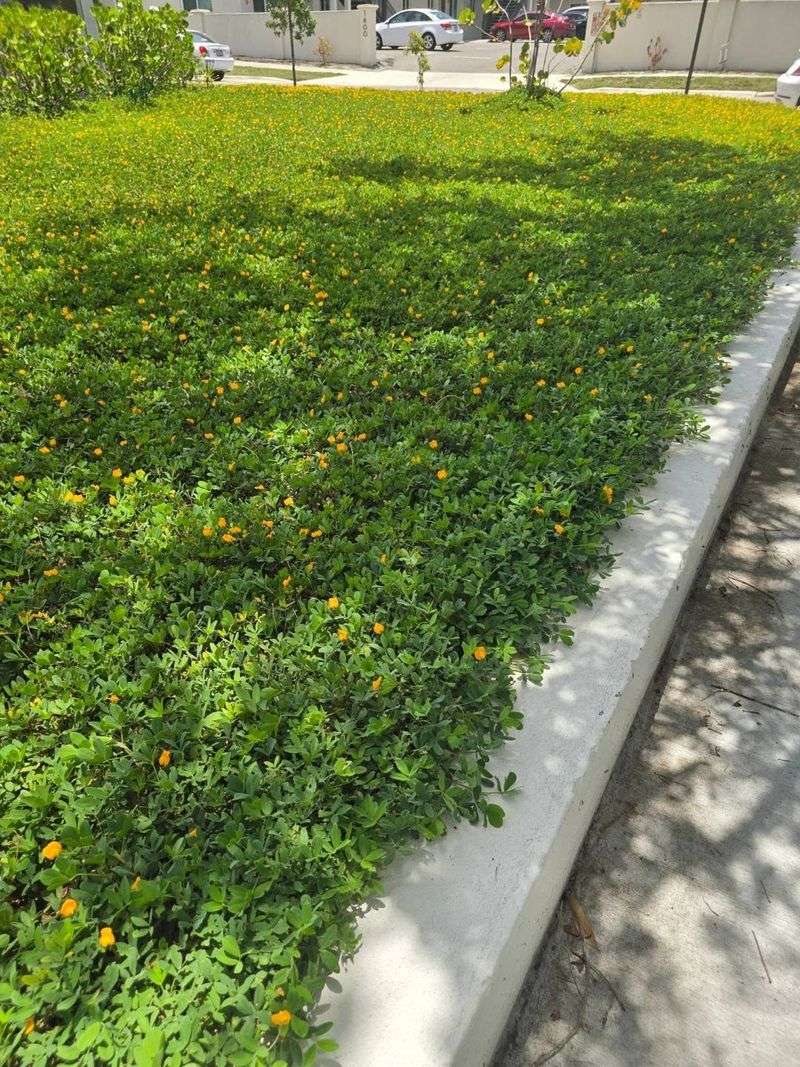
Calling perennial peanut low maintenance is accurate, but low maintenance is not the same as no maintenance. Once the plant fills in and the mowing and irrigation demands drop, a different set of tasks takes their place, and skipping them leads to problems that are harder to fix later.
Rhizome spread is the most important thing to manage. UF/IFAS notes that perennial peanut rhizomes spread vigorously and recommends installing edging or another physical containment barrier near garden beds, sidewalks, and property lines. Without a barrier, the plant will move into adjacent planting areas or across boundaries, which can create conflict with neighbors and require labor-intensive removal.
Occasional trimming or mowing keeps the edges tidy and prevents the mat from mounding up against structures. This is far less frequent than the weekly or biweekly mowing schedule St. Augustinegrass demands, but it is a real task that shows up on the seasonal calendar. The UF/IFAS rhizomal perennial peanut study accounted for reduced mowing as part of its lower annual maintenance estimate, not zero mowing.
Weed control does not disappear entirely either. A dense, established mat suppresses most weeds, but thin spots caused by shade, foot traffic damage, or dry spells create openings that opportunistic plants exploit. Checking the mat a few times a year and addressing gaps early keeps the planting healthy without requiring major intervention.
Perennial peanut also shows resistance to many common pests and diseases, but that resistance is not immunity. Site stress, such as poor drainage, shade, or compaction, can weaken the planting and make it more vulnerable. Treating the plant as resilient rather than indestructible is the right posture for long-term success.
Sunshine mimosa offers a native alternative without a proven cost advantage
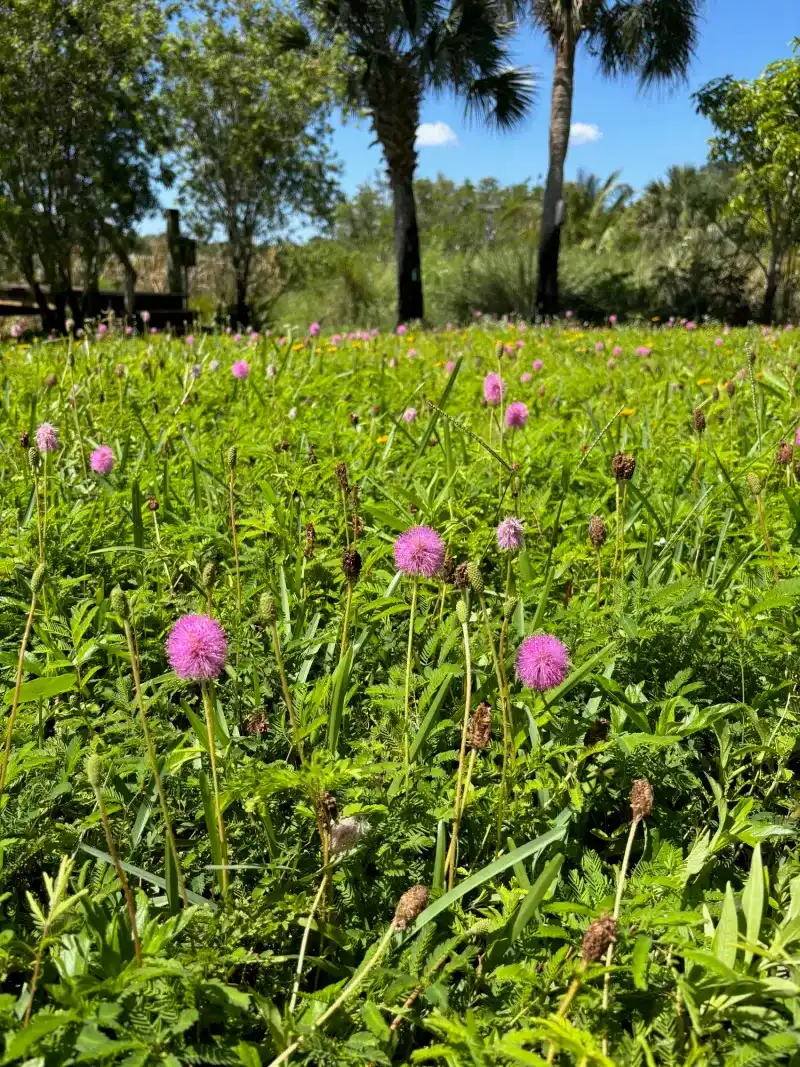
Homeowners who specifically want a Florida-native ground cover have a strong candidate in sunshine mimosa, known botanically as Mimosa strigillosa. This is a different plant entirely from the invasive mimosa tree, Albizia julibrissin, and the two should not be confused. Sunshine mimosa is a low-growing, spreading perennial that UF/IFAS describes as well suited to sunny or partially shaded, well-drained Florida yards.
UF/IFAS Gardening Solutions on sunshine mimosa notes that four or five container plants can cover as much as 300 square feet in a single growing season, though actual fill time depends on planting material, watering, weeds, soil conditions, and weather. The plant produces distinctive pink, powder-puff flowers that attract pollinators, and it can be mowed to maintain a tidy appearance. It tolerates light foot traffic but is not suited for heavy-use areas.
UF/IFAS Extension Hillsborough County coverage of alternative lawn groundcovers highlights sunshine mimosa as a practical native option with minimal major pest or disease pressure. After establishment, it becomes drought tolerant and requires little routine irrigation, similar to perennial peanut in that regard.
The key financial distinction is that the reviewed research does not include a cost analysis comparing sunshine mimosa with St. Augustinegrass or with perennial peanut. The claim that sunshine mimosa costs less than one year of sod care is not supported by the available sources, so that comparison should not be made. Its case rests on horticultural performance, native status, and lower-input care after establishment, not on a verified dollar figure.
Like perennial peanut, sunshine mimosa is a poor choice for waterlogged sites, and the Florida-Friendly Plant Guide confirms it does not tolerate poorly drained conditions. It may also go dormant or lose visible coverage during cool winter months, so it does not guarantee a green lawn year-round across all Florida regions.
Use a site check and local quote before committing
Before contacting a nursery or landscaper, walking your own yard with a checklist is the most productive thing you can do. Start by measuring the area you want to convert. Then map where people actually walk, where dogs run, and where deliveries land. Those high-traffic corridors need turf, stepping stones, or hardscape regardless of which ground cover you choose for the rest of the space.
Check drainage by watching the yard after a heavy rain. If water pools for more than a few hours in any section, that area is not a good candidate for perennial peanut or sunshine mimosa. Count the hours of direct sun your front yard receives on a typical summer day. Full sun, six or more hours, gives perennial peanut its best chance.
Partial shade may favor sunshine mimosa but will slow either plant’s spread.
Think through what your yard looks like in January. If you are in North or Central Florida and a brown or sparse lawn during cool months would bother you, that expectation should factor into your decision before you commit to a ground cover that may go dormant after frost. Asking a local UF/IFAS extension agent about typical winter performance in your county costs nothing and can prevent a disappointing outcome.
The 2025 UF/IFAS Florida Sod Inventory and Pricing Report recorded perennial peanut from only two responding producers, with 12.5 acres reported in the survey. That reflects limited reported production among survey respondents, not a complete picture of statewide supply, and it does not establish a price effect. What it does mean practically is that perennial peanut is less commonly stocked than conventional turf, so verifying local availability before you plan a project is a necessary step.
Request current installation and annual maintenance quotes from at least two local contractors. Compare those figures against your current sod care costs rather than against the study’s 2002 estimates. That real-world comparison, applied to your specific yard size, is the only reliable way to know whether the switch makes financial sense for you.
Perennial peanut can lower long-term care on the right site
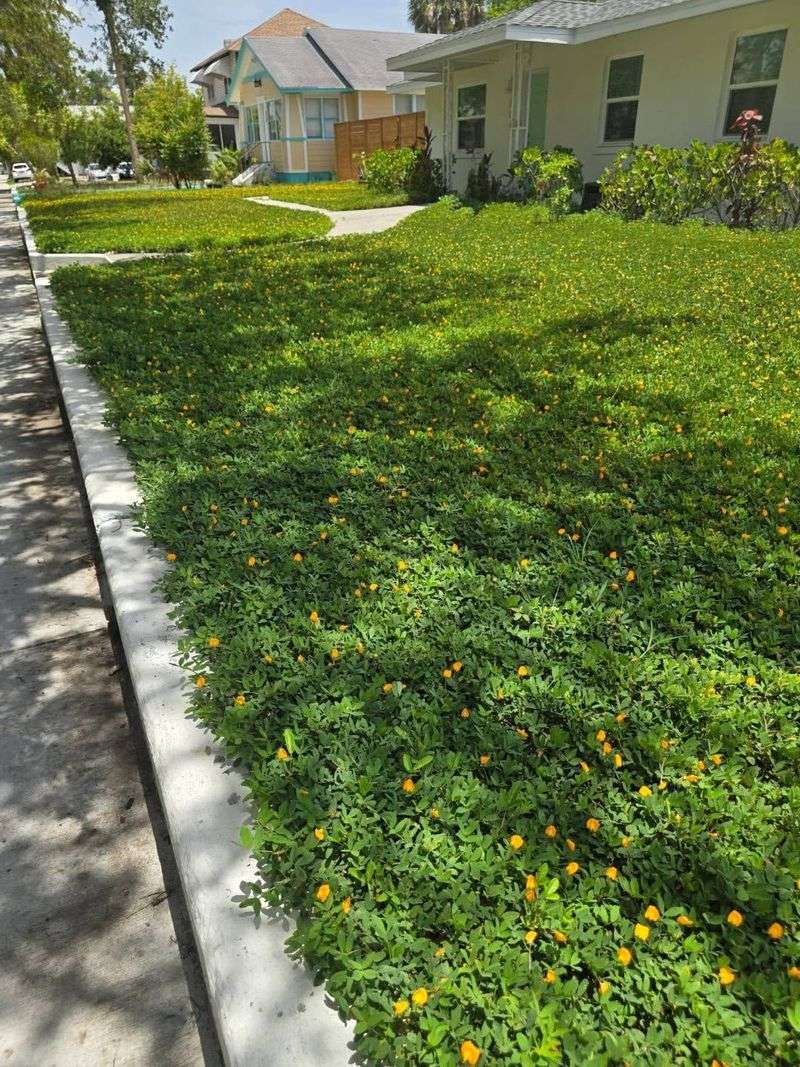
For a sunny, well-drained front yard that sees mostly light foot traffic, perennial peanut is the strongest research-backed option available to Florida homeowners looking to reduce recurring lawn care. UF/IFAS describes it as a proven low-maintenance groundcover for exactly these conditions, and the historical UF/IFAS economic analysis provides the clearest evidence that annual upkeep after establishment can be significantly lower than St. Augustinegrass, based on the study’s 2002 assumptions.
The right homeowner for this switch accepts higher upfront installation costs, plans containment from the start, budgets establishment-phase irrigation, and understands that winter browning may occur in cooler parts of the state. If those conditions fit your situation, requesting a current local quote for perennial peanut installation is a reasonable next step.
Homeowners with shaded yards, heavy foot traffic, poor drainage, or a preference for a native species should look elsewhere. Turf remains the right answer for high-use zones, and sunshine mimosa deserves consideration where native plants are the priority and the site suits it. The evidence supports lower annual maintenance after establishment on suitable sites, and that is a genuinely useful advantage, just not the whole-lawn bargain the headline suggests. A yard that fits the conditions is where perennial peanut earns its reputation.