
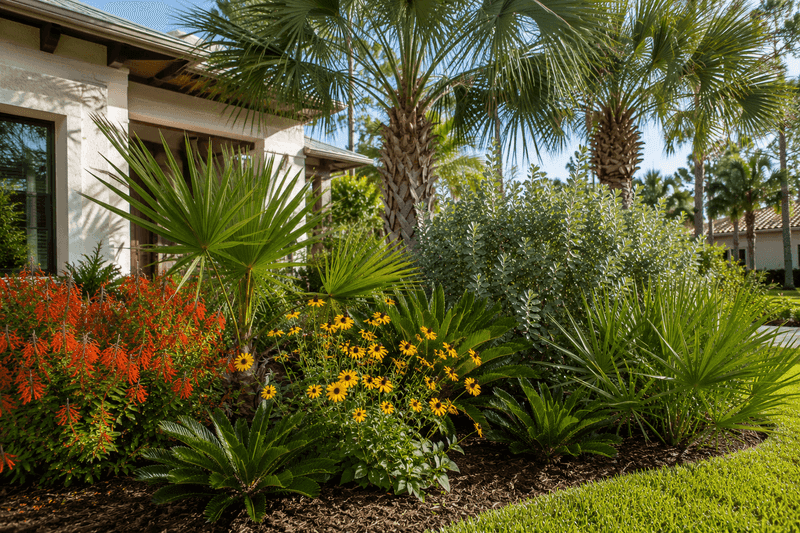
Your yard can do more after dark than you think. The right Florida native plants can turn it into a safer hunting ground for bats, owls, frogs, toads, spiders, and small snakes that eat pests people hate. No plant magically erases rats, roaches, or mosquitoes, but a smart native planting can make your yard less friendly to pests and more useful to the creatures that hunt them.
1. Firebush
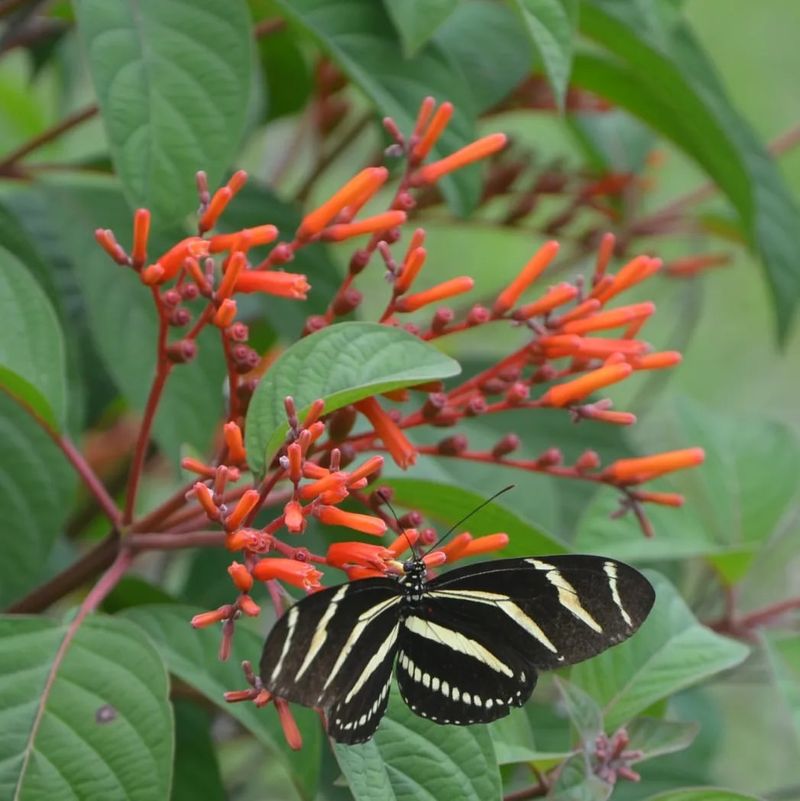
Just before sunset, firebush can look like the yard flipped on tiny red lanterns. Those tubular blooms pull in moths and other night-flying insects, which helps make the space more interesting to bats working the evening shift.
Florida bats are famous mosquito hunters, though they do not live on mosquitoes alone. They follow insect movement, and a layered yard with native flowering shrubs gives them more reason to patrol instead of passing over a bare lawn.
Firebush earns its place because it handles Florida like a local, especially in central and south Florida. It tolerates heat, recovers well from pruning, and can grow in sandy soil once established, though it appreciates water during dry spells.
Plant it where it has room to become a loose shrub rather than shearing it into a tight box. A natural shape leaves more flowers, more insect activity, and more cover for an evening food web that works quietly while you sleep.
2. Simpson’s Stopper
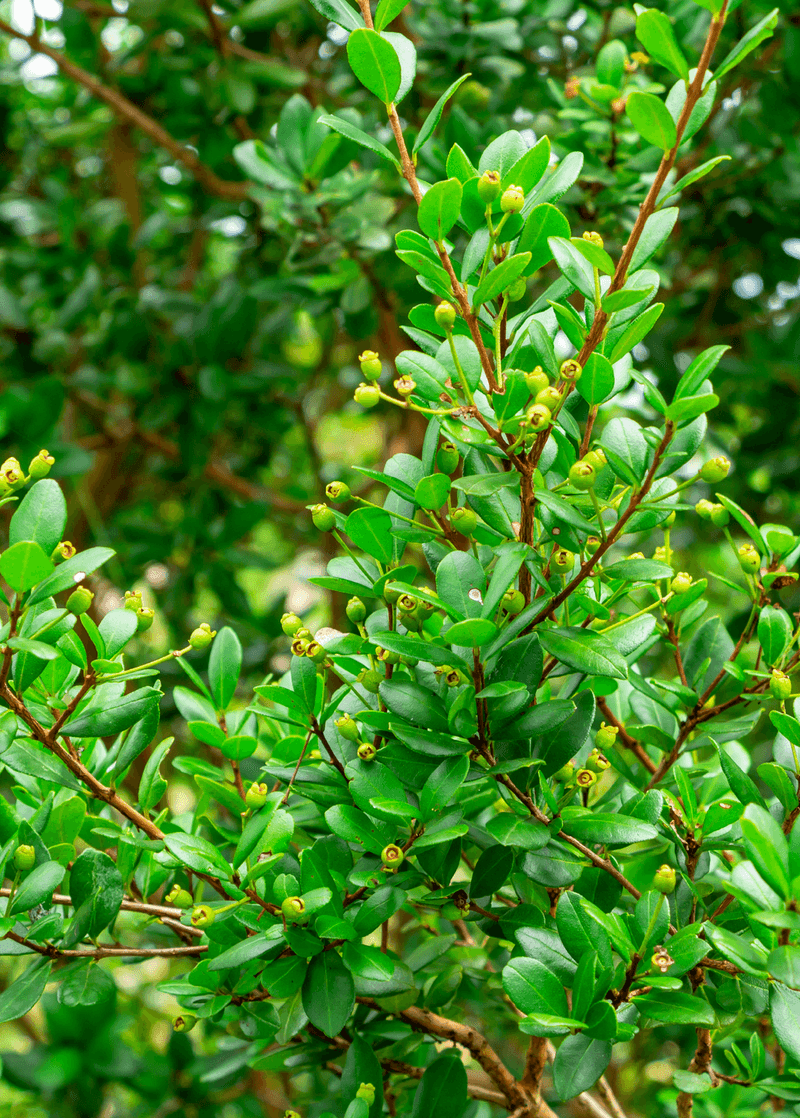
A tidy hedge can be more than a property-line haircut when it is Simpson’s stopper. Birds love the berries, pollinators visit the small white flowers, and the dense branching gives small yard predators places to hide and move without crossing wide-open grass.
That matters because many night hunters are cautious. Treefrogs, anoles, spiders, and even harmless small snakes use cover to stay alive while they search for roaches, beetles, mosquitoes, and other soft-bodied insects.
Simpson’s stopper is especially useful in neighborhoods where people want something neat but still wildlife-friendly. It can be clipped lightly, grown as a screen, or mixed into a native hedge that stands up to Florida sun, salt air in some coastal sites, and quick-draining soil.
Give it mulch, not a volcano of it, and let some fallen leaves stay under the shrub. That little patch of leaf litter becomes a bug buffet, and a bug buffet draws the hunters that help keep pest pressure lower.
3. Coontie
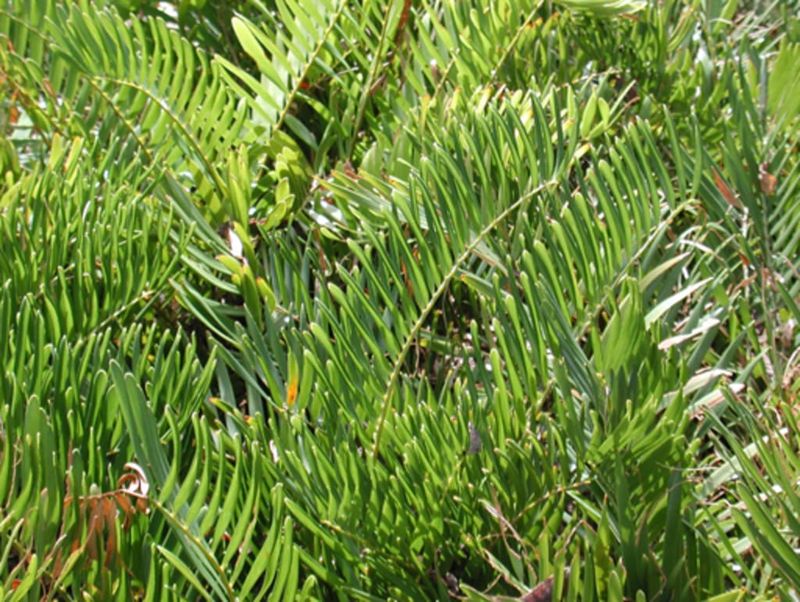
Coontie has an old-Florida look, almost like a tiny palm from another age. Its stiff, ferny leaves form a low shelter that stays attractive without begging for constant attention.
Near patios and foundation beds, that low cover can matter. Toads, ground beetles, wolf spiders, and small lizards often work close to the soil, where roaches and other crawling insects hide during the day and wander at night.
Coontie is also the host plant for the atala butterfly in parts of Florida, which gives it a second wildlife job without turning it into a fussy garden diva. Once established, it is drought-tolerant and well suited to sandy soil, making it a strong pick for set-and-forget native beds.
Avoid planting it where pets or children may chew the seeds, since coontie is toxic if eaten. Used wisely, it creates a tough, low-maintenance base layer that helps ground-level hunters do their work in the darker corners of the yard.
4. Beautyberry
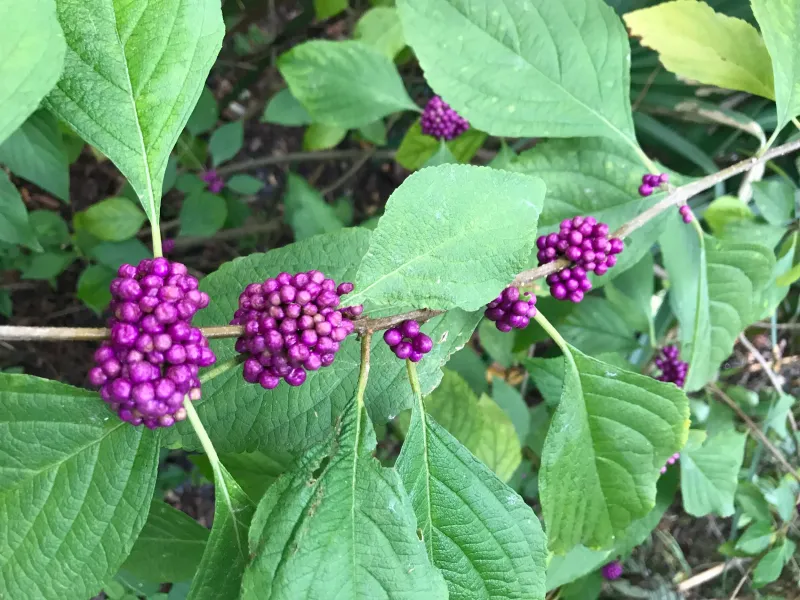
Few shrubs stop people mid-walk like beautyberry loaded with purple fruit. The color is almost cartoon-bright, but the plant is doing serious work for a Florida yard.
Beautyberry feeds birds, supports insects, and creates a loose, arching thicket where small hunters can slip in and out. Around those stems, spiders build webs, treefrogs rest in shade, and lizards scan for insects that gather in protected, plant-rich edges.
Its biggest difference from tighter hedge plants is the way it softens a yard. Instead of a hard wall of greenery, beautyberry makes a living fringe that connects shrubs, trees, and mulched areas so wildlife can move safely after dark.
In much of Florida, American beautyberry handles partial shade and sandy soil well once established. Cut it back in late winter if it gets rangy, then let it regrow with a natural shape, because the flowers and berries form on new growth and the open branching keeps the night crew moving.
5. Wax Myrtle
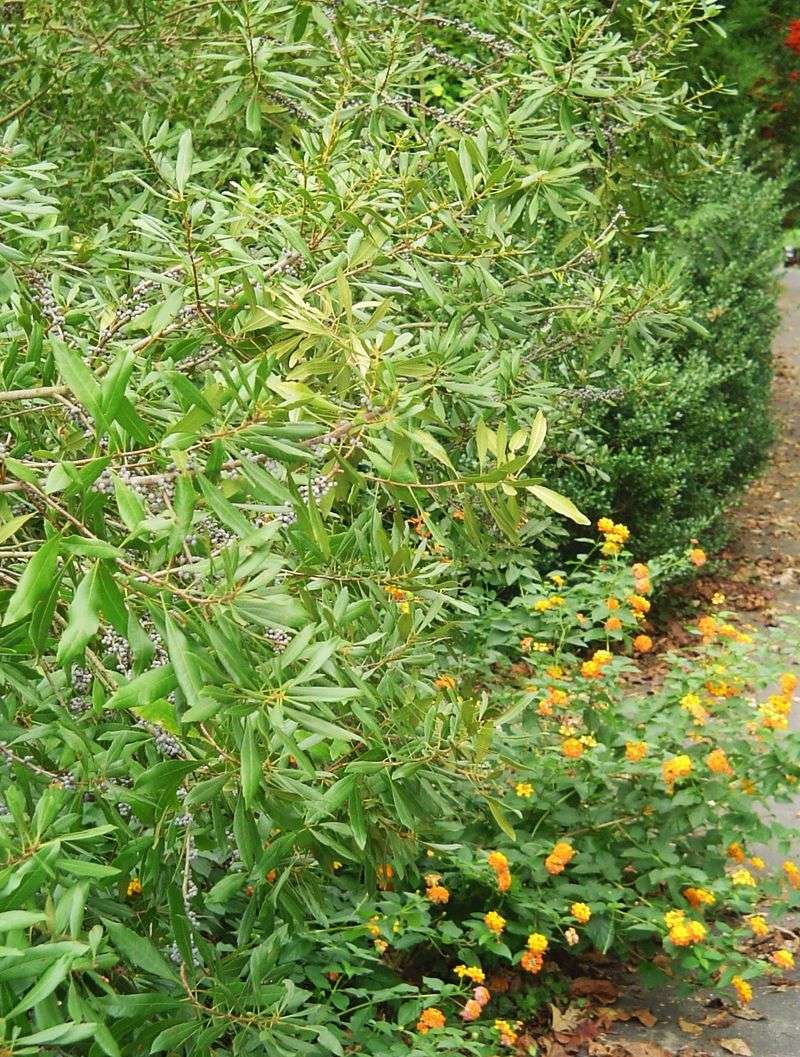
When a yard needs privacy fast, wax myrtle often shows up like the dependable neighbor with a truck. It grows into a useful evergreen screen, but its real value here is structure.
Owls and other nighttime hunters do better around layered landscapes than flat, exposed lawns. Wax myrtle can help form that middle layer between groundcovers and tall trees, giving birds a place to perch, watch, and move through the yard.
Rats are not solved by planting one shrub, and food scraps, fallen fruit, open trash, and pet food must be controlled first. Still, a yard with native screening, fewer hiding places around buildings, and better predator perches can be less inviting to rodents than a messy, overgrown edge.
Wax myrtle is native across much of Florida and tolerates wet spots better than many shrubs, which is helpful after summer storms or hurricane-season downpours. Use it along back fences, drainage edges, or side yards, then prune selectively so it stays airy instead of becoming a tangled pest hotel.
6. Dahoon Holly
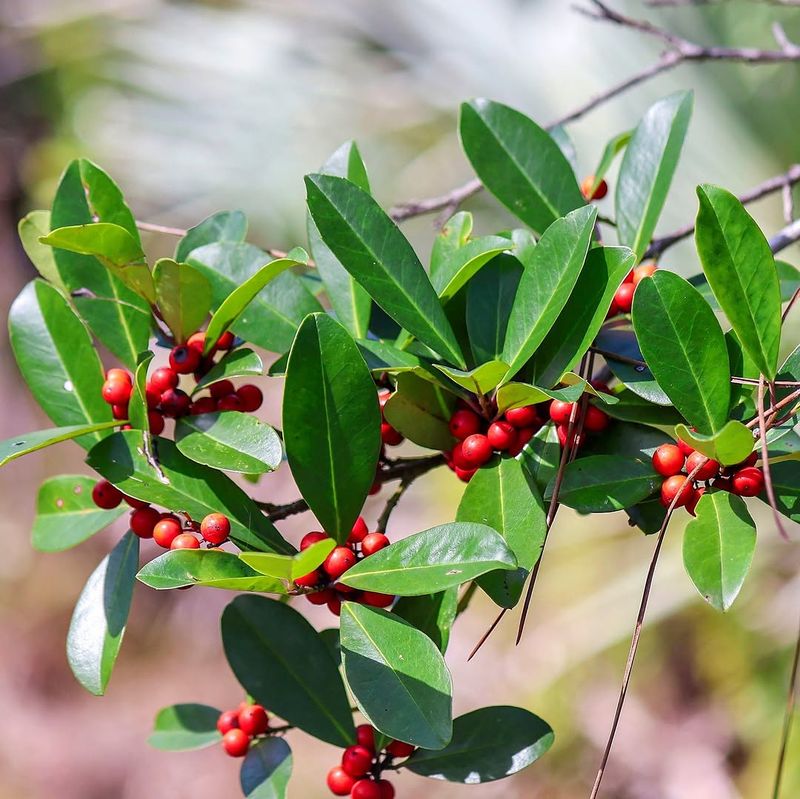
A small native tree can change the whole nighttime map of a yard. Dahoon holly gives height without swallowing a typical Florida lot, and that height matters for hunters that watch before they strike.
Owls, especially in neighborhoods with mature trees nearby, use perches to scan for movement. A well-placed dahoon holly can add a sturdy lookout over lawn edges, rain gardens, or mulched beds where rodents and large insects may travel after dark.
The red berries feed birds, and the flowers support pollinators, so the tree brings life through more than one season. It also handles moist soils and periodic flooding better than many landscape plants, a useful trait in low Florida yards that puddle after heavy rain.
Give dahoon holly room to grow into its natural form rather than crowding it against the house. Female trees produce the showy berries when a male holly is close enough for pollination, so ask a Florida native nursery for help if berries are part of your plan.
7. Muhly Grass
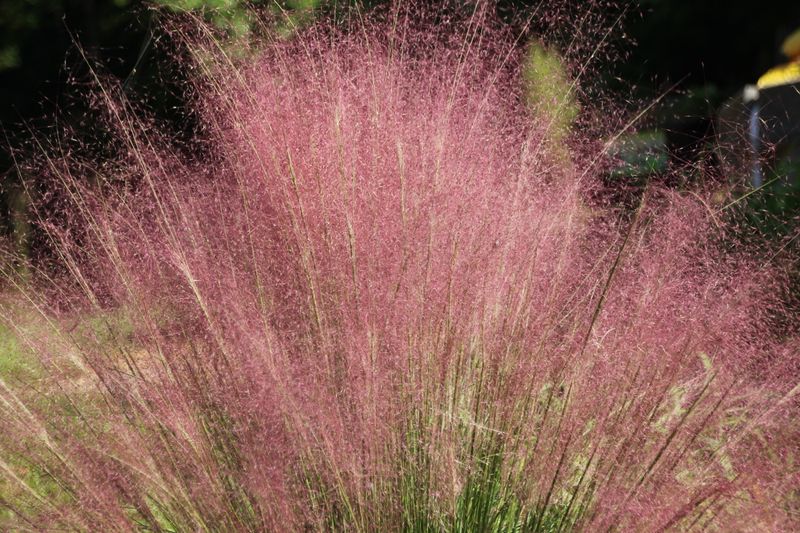
Pink muhly grass looks soft enough to be a cloud, but it is tougher than it appears. In fall, the pink plumes glow in low light, giving the garden beauty just when many heat-worn beds look tired.
For pest control, muhly brings a different tool than berry shrubs or trees. Its clumping shape creates cover for ground beetles, spiders, anoles, and toads without forming a dense, damp jungle that hides trouble right against the house.
That balance is helpful in Florida, where overgrown beds can become roach-friendly if they stay wet and packed with debris. Muhly prefers sun and good drainage, so it fits sandy yards and open spots that bake in summer.
Plant it in groups along paths, mailbox beds, or dry slopes, then cut it back once a year before fresh growth starts. Leave a little space between clumps so air can move, predators can hunt, and the planting stays clean instead of turning into a pest shelter.
8. Southern Magnolia
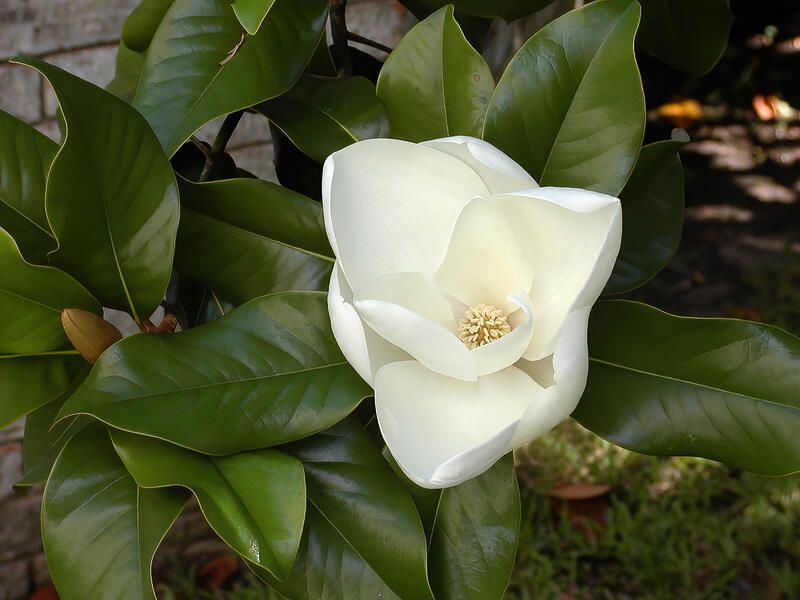
Some yards need a grand old tree, and southern magnolia brings that front-porch Florida feeling in a big way. Its glossy leaves, huge white flowers, and strong limbs make it more than a pretty landmark.
Large native trees support more insects than many small ornamentals, and that insect life feeds bats, birds, spiders, lizards, and frogs. The branches can also provide perching and shelter for nighttime hunters, while the leaf litter below becomes habitat for the small creatures that eat roaches and other crawling pests.
Southern magnolia is not for tiny spaces. It needs room for roots, falling leaves, and a broad canopy, so it belongs in larger yards, parks, or wide side lots where it will not crowd roofs, driveways, or power lines.
In the right spot, though, it becomes a long-term wildlife anchor. Keep the area under it lightly mulched with its own leaves, avoid harsh cleanup that strips the soil bare, and let the tree build a cooler, richer zone for the yard’s after-dark pest patrol.