
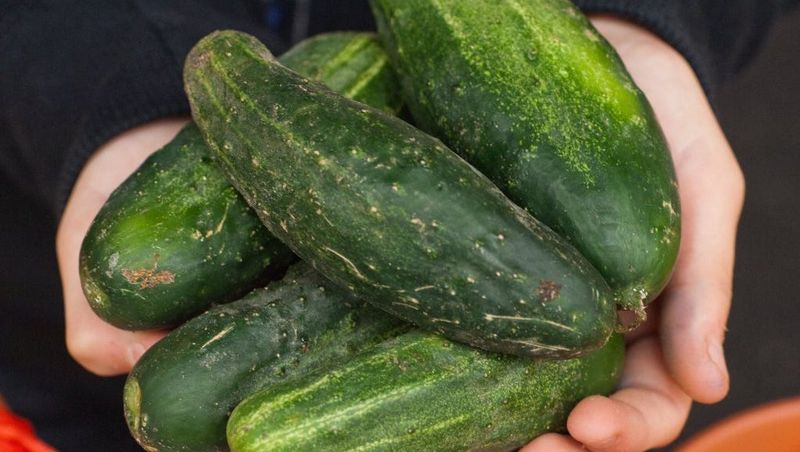
Biting into a cucumber you grew yourself, only to get a mouthful of something sharp and unpleasant, is genuinely frustrating. The fruit looks perfect on the vine, so the cause is not obvious. August is prime time for this problem in most US home gardens, and the reasons behind it are more varied than most gardeners expect. Understanding what really drives cucumber bitterness can save you from making the wrong fix and help you grow better fruit going forward.
August conditions can reveal several causes of bitterness
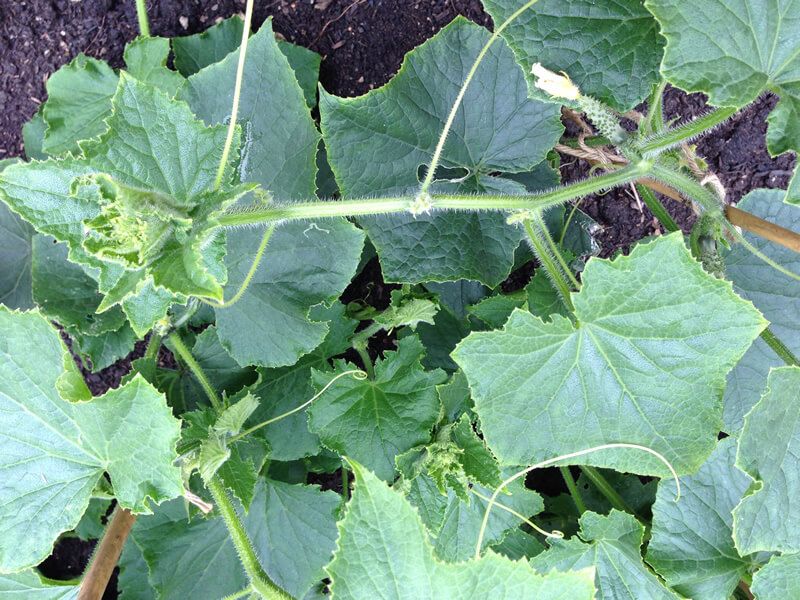
Normal-looking cucumbers can taste surprisingly unpleasant, and that disconnect makes diagnosing the problem harder. A fruit that appears healthy and properly sized on the vine can still carry bitter compounds inside, so appearance alone cannot tell you what went wrong. Checking the growing conditions rather than relying on how the fruit looks is where a useful diagnosis actually starts.
August heat, drought, irregular irrigation, and sharp temperature swings between day and night all make environmental stress worth examining first. Oregon State University Extension identifies drought, inconsistent watering, high temperatures, temperature swings, and poor nutrition as recognized causes of cucumber bitterness, and each of these conditions is common in US gardens during August. That timing makes stress a reasonable hypothesis, but it does not prove stress caused your particular bitter cucumber.
Variety genetics, fertilizer history, and harvest maturity all belong in the same review. A recent feeding event is worth noting as one clue among several, but treating it as the default explanation before checking everything else can lead you to the wrong conclusion. Working through the full list of possible causes, rather than stopping at the first plausible one, is the most reliable path to understanding what happened in your garden this season.
Cucurbitacins and genetics shape cucumber flavor
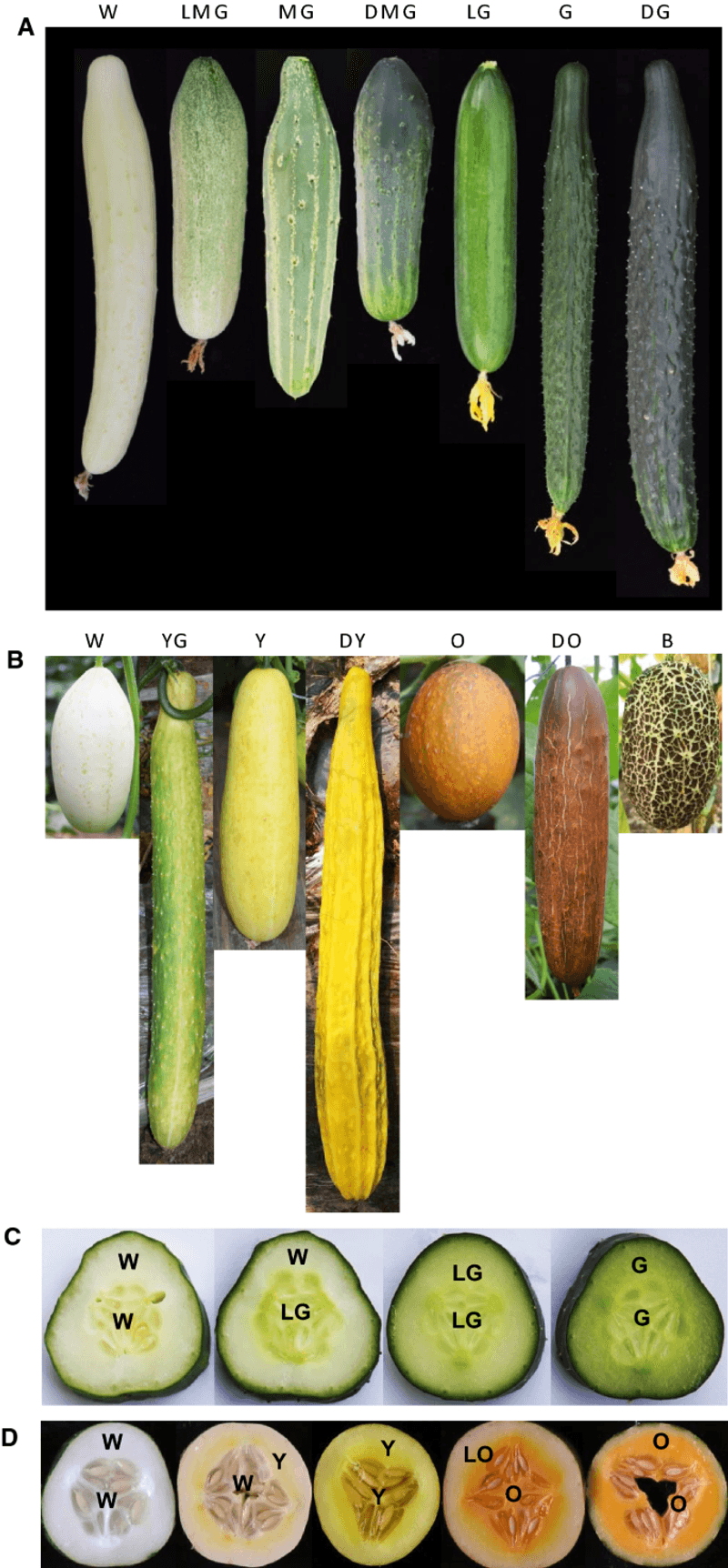
Cucumbers belong to a plant family that produces naturally occurring bitter compounds called cucurbitacins. These chemicals are part of the plant’s defense system, and cucurbitacin C is one of the primary compounds responsible for the bitter flavor found in cucumber fruit. Plants can produce these compounds throughout their tissues, and the concentration that ends up in the fruit depends on a combination of genetic and environmental factors.
Published research on cucurbitacin biosynthesis and domestication shows that genetic regulators strongly influence whether a cucumber plant produces bitter or nonbitter fruit. This is why two plants growing side by side under nearly identical care can produce cucumbers that taste very different from each other. Some varieties carry a stronger genetic tendency toward bitterness, and stress conditions can push a susceptible plant further in that direction.
Genetics affects susceptibility but does not work alone. Environmental conditions, watering consistency, temperature, and plant nutrition can all influence how much cucurbitacin ends up in the fruit of a genetically susceptible plant. Choosing a variety bred to be nonbitter or burpless reduces the genetic risk, but even those varieties can occasionally produce off-flavor fruit when growing conditions are particularly harsh. Understanding this interplay between genes and environment helps explain why bitterness is rarely traceable to a single cause.
Check water and temperature before changing fertilizer
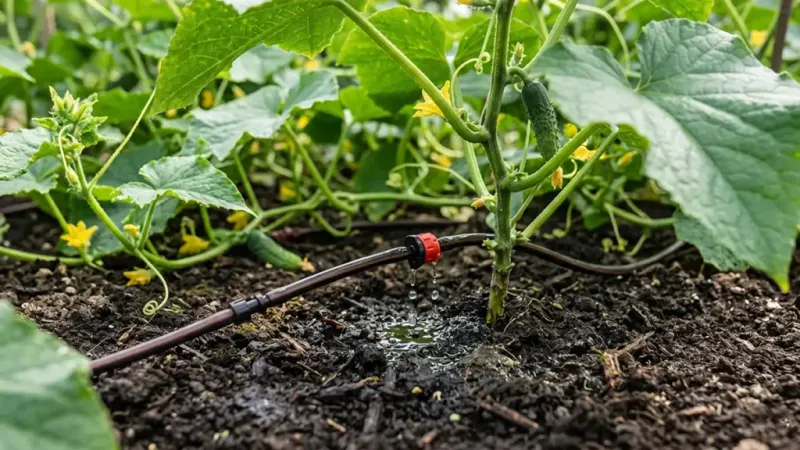
Before adjusting any fertilizer routine, go back and think about how consistently the plants were watered over the past several weeks. Soil that dried out significantly between waterings, followed by a deep soaking, creates exactly the kind of uneven moisture environment that extension sources link to cucumber bitterness. The stress of that cycle can trigger cucurbitacin production in susceptible plants, and no fertilizer change will undo that once the fruit is already developing.
Utah State University Extension recommends deep irrigation of approximately 1 to 2 inches per week, adjusted for plant size and weather conditions, with organic mulch used to conserve soil moisture and buffer the root zone from temperature extremes. University of Illinois Extension also recommends watering during dry periods and using organic mulch to help keep moisture levels steadier between irrigations. Mulch does double duty in August by slowing evaporation and reducing the soil temperature swings that can add to plant stress.
High air temperatures and sharp swings between warm days and cool nights are separately worth noting as possible contributors. August conditions in most US temperate gardens bring both. These factors make heat and water stress a plausible explanation for bitterness that appears mid-season, but plausible is not the same as proven. If watering has actually been steady and temperatures have not been extreme, the cause likely lies somewhere else in the growing history, and the diagnosis should keep moving.
Excess nitrogen is one feeding-related possibility
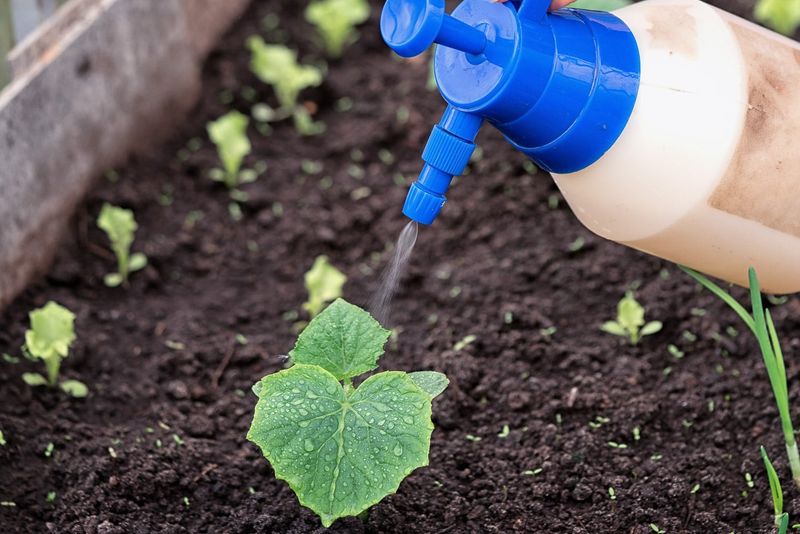
Fertilizer history is worth reviewing if environmental stress does not explain the bitterness in your cucumbers. Among the various nutritional factors that researchers have studied, excessive nitrogen stands out as the one with the clearest experimental support. Research published in the Journal of the Japanese Society for Horticultural Science found that higher total nitrogen levels and elevated amino-acid nitrogen in cucumber tissue were associated with increased bitterness, and a related study reported that fertilizer applications at twice the usual rate produced more bitter fruit in the cucumber material tested.
These findings describe a plausible pathway, not a universal rule for backyard gardens. The research used specific cucumber lines and controlled conditions, so the results cannot be applied directly to every home garden situation. What the findings do suggest is that a gardener who has applied heavy doses of nitrogen-rich fertilizer, or who has incorporated large amounts of fresh manure or high-nitrogen compost, has a reasonable reason to consider excess nitrogen as a possible contributor to bitterness.
A single application made at a normal rate, following label guidance, is much less likely to be the culprit than a history of repeated heavy feeding. Think through what went into the soil this season, including any bagged fertilizer, compost, manure, or organic amendments, and consider whether the total nitrogen load was unusually high. That review is more useful than pointing at one feeding event and stopping there.
Use a soil test instead of guessing at nutrition
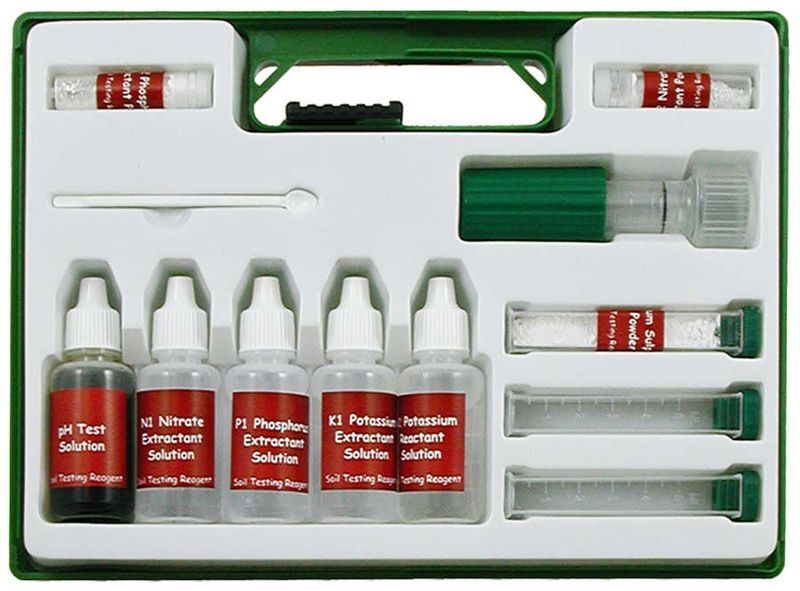
Poor nutrition in cucumbers can come from two very different directions: the soil may lack enough of a key nutrient, or it may have too much of one, especially nitrogen. Both situations can stress the plant and potentially contribute to bitterness, but they call for opposite responses. Adding more fertilizer to a soil that already has excess nitrogen makes the problem worse, not better, and guessing at a corrective dose without knowing the soil’s actual condition is a risk that is easy to avoid.
University of Minnesota Extension recommends testing soil and avoiding indiscriminate fertilizer use. A basic soil test through your local cooperative extension office is typically inexpensive and will tell you what nutrients are present, what is deficient, and what the pH looks like, giving you a factual basis for any amendment decisions rather than a guess.
Before sending a sample, also review everything that went into the bed this season: bagged fertilizers, compost, aged manure, and any organic amendments all add nutrients to the soil. A bed that received multiple inputs may already have adequate or excess fertility even if no single product was applied in excess. The goal of this step is to understand the soil’s current state so that any future feeding decision is based on documented need. Correcting a documented deficiency may improve conditions for fruit that forms later in the season, but no soil amendment can reliably change the flavor of cucumbers that are already developing on the vine.
Harvest fruit before maturity reduces eating quality
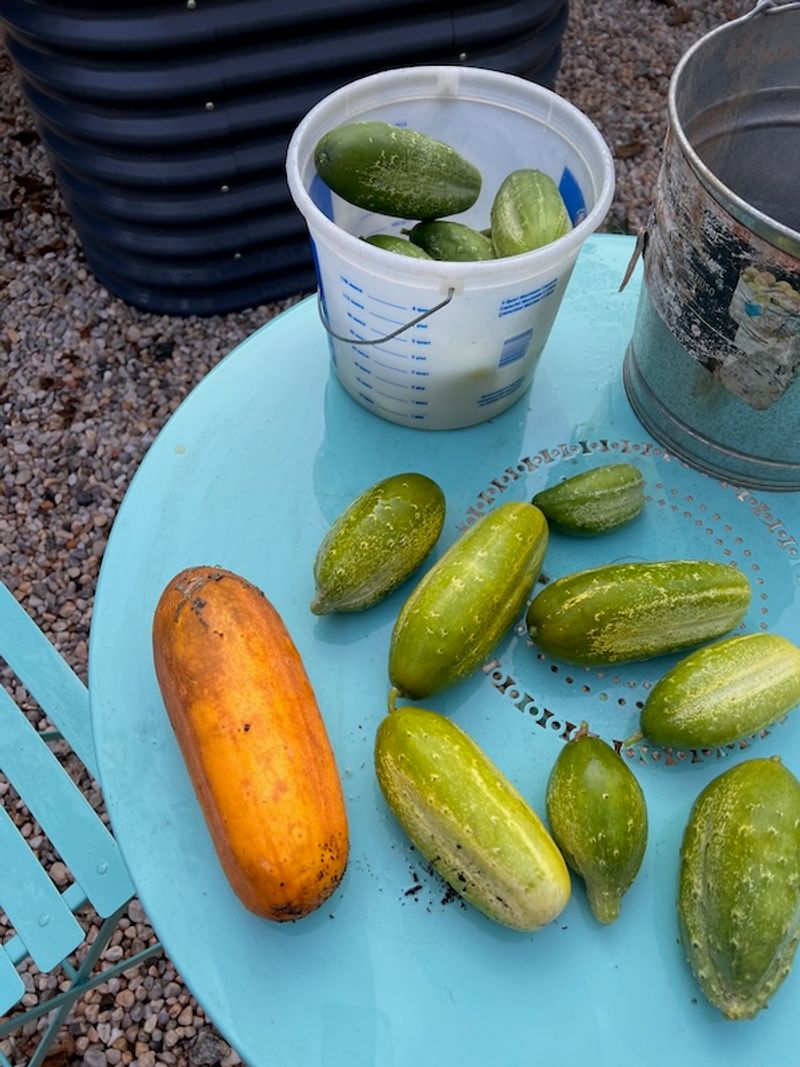
Leaving cucumbers on the vine past their ideal harvest window is a straightforward cause of reduced eating quality that gardeners sometimes overlook when chasing other explanations. As a cucumber grows beyond its peak size, the seeds harden, the skin thickens, and the flesh can develop a more pronounced bitter edge. A fruit that would have tasted fine at seven or eight inches may taste noticeably harsher a week later.
University of Illinois Extension recommends harvesting before fruits turn yellow, seeds harden, or fruits become oversized, and notes that regular picking also encourages the plant to continue producing. University of Minnesota Extension similarly points to harvest timing as part of maintaining fruit quality. Checking the vines every two to three days in August, when growth accelerates in warm weather, prevents cucumbers from slipping past their prime unnoticed.
Observable clues to watch for include fruit that has started to lighten in color, a skin that feels tough or waxy rather than smooth and firm, and any visible yellowing at the tips or along the body. These signs mean the window has passed. Harvest timing alone may not explain every bitter cucumber, but it is one of the easiest variables to control and worth ruling out before attributing the problem to stress or nutrition.
Handle mild bitterness cautiously and discard extreme bitterness
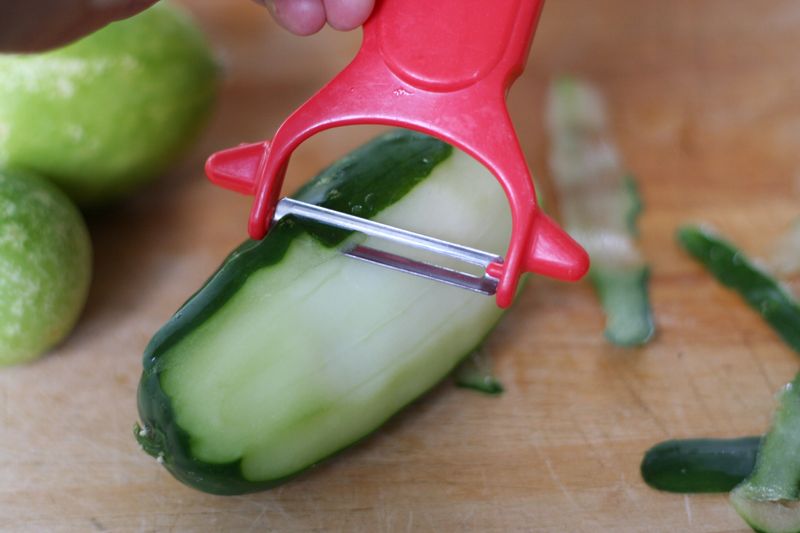
Peeling a mildly bitter cucumber is worth trying because cucurbitacins are often concentrated near or just beneath the skin. Removing the skin reduces the total amount of the bitter compound in what you eat, and for fruit with only moderate off-flavor, that can make a noticeable difference. Peeling is a practical workaround for mild cases, not a reliable fix for cucumbers that are intensely bitter throughout the flesh.
Where bitterness is strongest within the fruit can vary. Oregon State University Extension notes that the skin and stem end may carry more bitterness, while University of Minnesota Extension points to the blossom end as typically stronger. Because sources differ on this point, avoid assuming there is one universal bitter end on every cucumber. The safest approach is to taste a small piece after peeling and trimming both ends before deciding whether the rest of the fruit is worth eating.
A cucumber that is extremely bitter, far beyond the mild sharpness that peeling might improve, deserves more caution. Oregon State Extension’s guidance on volunteer squash warns that extremely bitter cucurbit fruit should not be eaten, because high concentrations of cucurbitacins can cause gastrointestinal illness. This warning applies most directly to volunteer plants or unusual squash-family plants whose origins are unknown. A mildly bitter cucumber from a known cultivated variety is a different situation and does not by itself indicate toxicity.
Do not attempt to rescue an extremely bitter fruit by peeling, salting, pickling, or cooking; discard it instead.
Prevent recurrence with cultivar choice and steady care
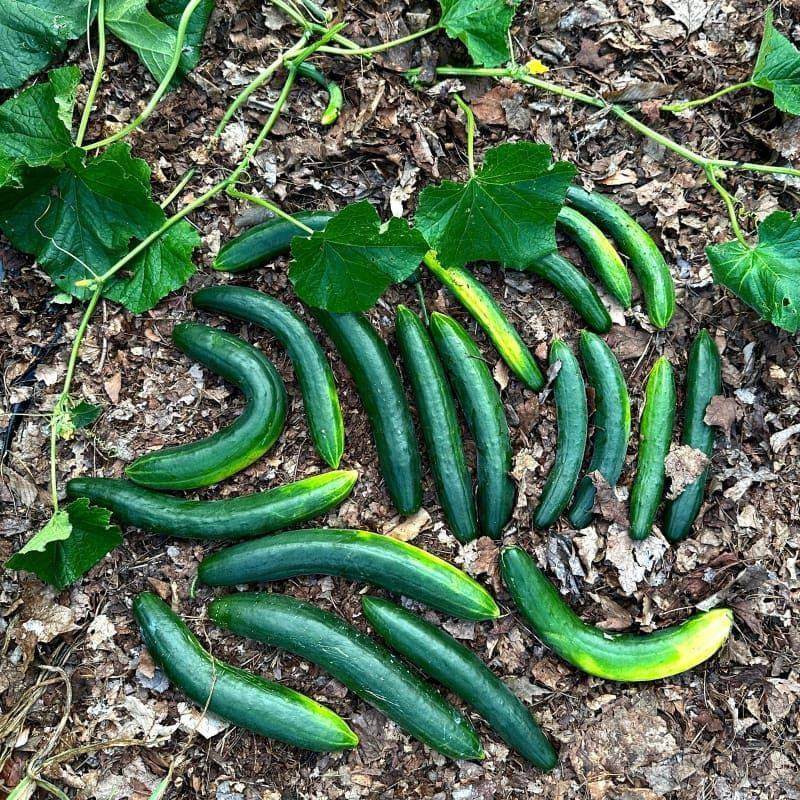
If bitter cucumbers have been a recurring problem across more than one season, variety selection is the most direct long-term fix available. Cultivars labeled as bitter-free, nonbitter, or burpless have been bred to produce less cucurbitacin, and University of Minnesota Extension recommends these types when bitterness keeps coming back. Switching varieties does not guarantee a perfectly sweet crop under harsh conditions, but it removes the genetic susceptibility that makes some plants respond to stress with sharp-tasting fruit.
Consistent moisture, organic mulch, and timely harvest remain the core practices that reduce stress-related bitterness season after season. One common misconception worth clearing up: cucumbers do not become bitter because they grow near melons, watermelons, or squash. University of Illinois Extension explicitly states that cross-pollination between cucumbers and other cucurbits does not affect the flavor of the current season’s fruit. Cross-pollination can affect saved seed, so if you save seed for replanting, keep that in mind, but proximity to other vine crops is not a cause of bitterness in the cucumbers you are harvesting now.
A practical end-of-season checklist can help you prepare for next year. Review whether the summer brought extended heat or drought, whether irrigation stayed consistent or ran dry between waterings, whether fertilizer inputs were heavy or light, which variety you grew, and whether any fruit was left on the vine past its ideal size. Utah State University Extension reinforces that steady moisture and appropriate nutrition throughout the season give cucumbers the best foundation for good flavor. No single checklist item guarantees a bitter-free crop, but working through all of them together gives your plants the best possible conditions to succeed.
The gardeners who get the most consistent results are usually the ones who treat bitterness as a whole-season question rather than a single-day problem to solve.