
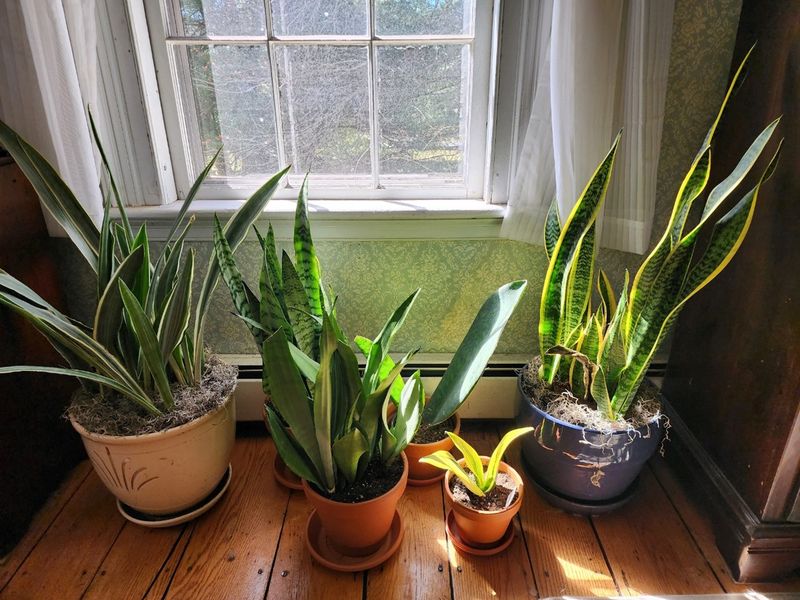
A snake plant is supposed to shrug off almost anything, so a floppy leaf in winter can feel alarming. Soft, folding leaves are a signal worth taking seriously, but they do not prove the roots are rotting.
A few quick checks of the soil and the roots can tell you what is really going on. Here is how to look before you water or repot.
Soft, folding leaves call for a check—not a diagnosis
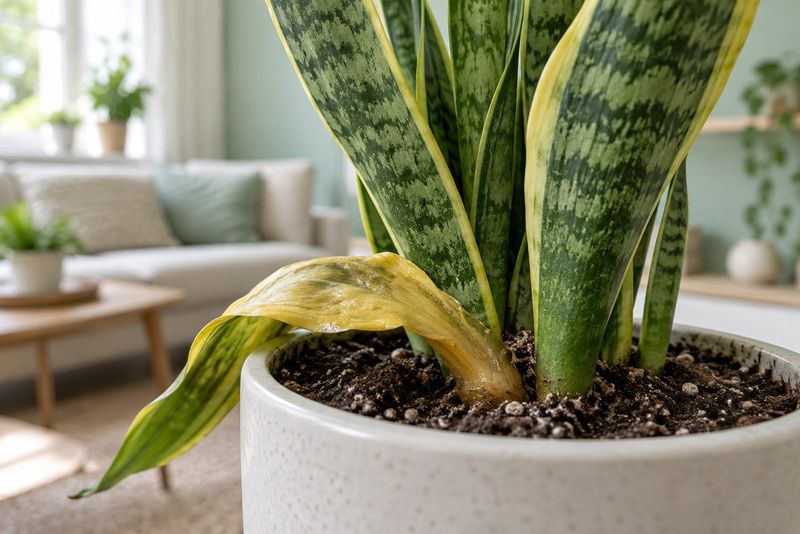
Floppy leaves on a snake plant are a real warning sign, but they do not prove the roots are rotting. The plant is telling you something is off, and your job is to work out what.
Here is the tricky part. Clemson Extension notes that overwatering and underwatering can produce similar symptoms.
A plant sitting in soggy mix can wilt, and so can a plant whose root ball has gone bone dry.
Snake plants are prone to rot when they stay too wet, so overwatering is a fair suspect. Even so, leaf softness alone cannot separate the two problems.
The better approach is to let the pot give you answers. Start with the soil moisture below the surface.
If the mix is staying wet, take a look at the roots next. University of Maryland Extension describes rot as more likely when the mix stays wet and the roots turn dark and soft, or the base feels mushy.
Those clues, not a drooping leaf, point toward rot.
Why winter can leave soil wet for longer
Picture your watering routine staying exactly the same from summer into December. Meanwhile, the plant is doing less.
University of Vermont Extension explains that shorter days slow growth in many houseplants, which means they use less water.
Less water use means the potting mix can stay wet longer than it did in summer. That extra time in damp soil is how a normal routine can turn into too much water.
Cold is a separate issue. Chilly exposure can injure tropical plants, and that injury may show up as soft or damaged leaves.
But cold by itself does not mean a snake plant has root rot.
NC State Extension describes snake plants as tolerating cool temperatures, with 50°F as a tolerance reference. That is not a target to aim for.
It simply shows that a cool room is not automatically the culprit, so check the soil before blaming the temperature.
Check the soil before adding water
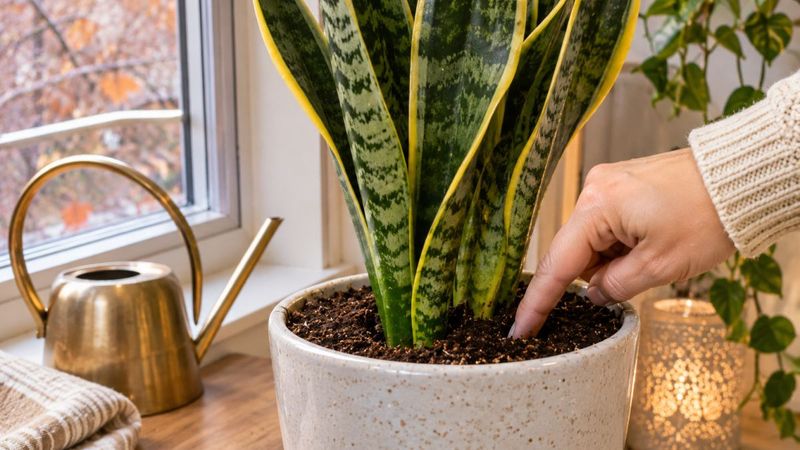
Before the watering can comes out, push a finger a couple of inches into the mix. The surface can look dry while the lower part of the pot is still damp.
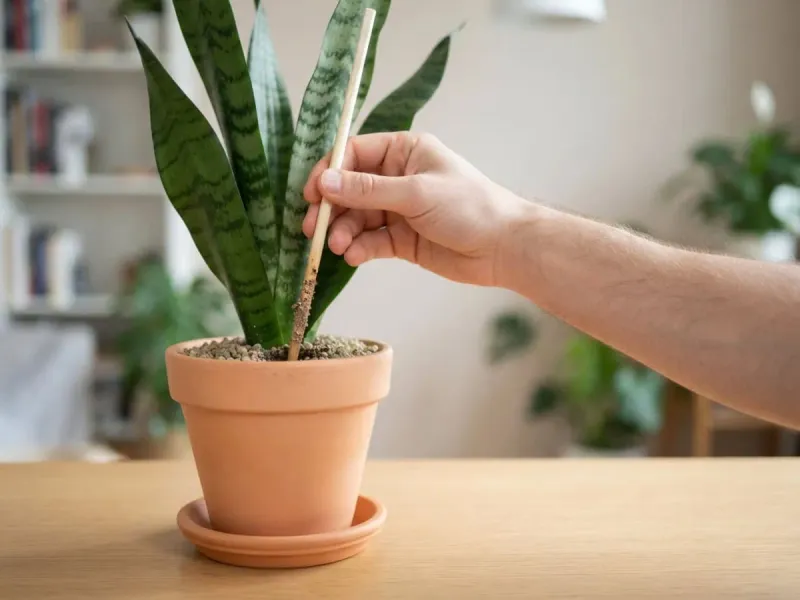
A wooden skewer left in the soil for a minute works too, and it comes out dark and damp if moisture is hiding deeper down.
Clemson Extension recommends watering based on the condition of the potting mix rather than a universal schedule. Your pot, your mix, and your room all change how fast the soil dries.
For snake plants, Illinois Extension says the soil should dry completely between waterings. If the mix is still damp, wait.
Also look at the saucer. Standing water keeps the bottom of the pot wet, so empty it after watering.
If the soil is dry all the way through and the leaves are still limp, underwatering moves higher on your list.
Inspect roots when the mix stays wet
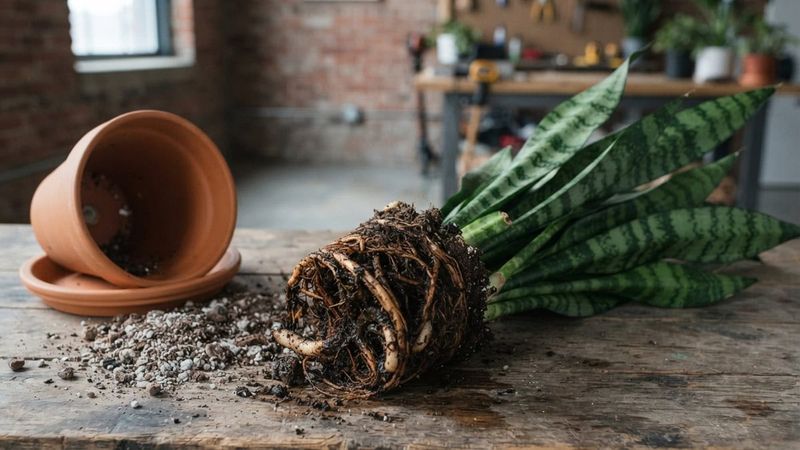
If the leaves are wilting and the mix never seems to dry out, it is time for a closer look. Tip the pot, ease the plant out gently, and brush away some soil from the roots and the base of the leaves.
Healthy roots are generally light-colored and firm, as Colorado State Extension describes in its repotting guidance. Roots that are diseased tend to look dark and feel soft.
A mushy base is another strong clue. University of Maryland Extension ties rot to this combination of persistently wet mix and dark, soft tissue.
If you find mostly pale, firm roots, rot is not the explanation, and you can slide the plant back in. A dry, tight root ball would point toward thirst instead.
A floppy leaf on its own never confirms rot, so let what you see below the soil decide.
Repot when you find rot or another clear reason
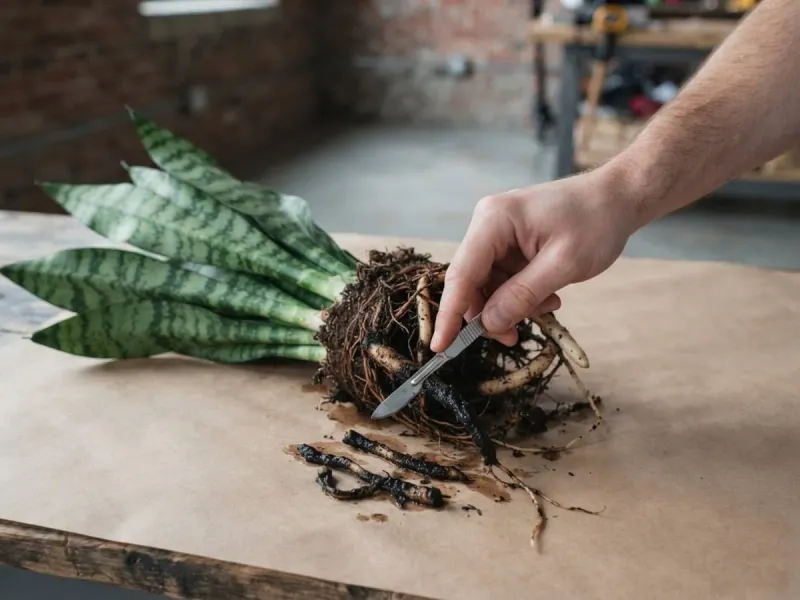
When the inspection confirms rot, act on it. Use a clean tool, such as scissors wiped with rubbing alcohol, to cut away the rotten portions.
University of Maryland Extension advises removing the rotten parts and replanting the healthy sections.
Set the healthy remainder in fresh potting mix, in a container with drainage holes. Old mix can hold excess moisture and the problems that came with it, so reusing it may undo the effort.
Repotting also makes sense for another clear reason, such as roots packed tightly in the pot. It does not make sense just because a leaf is floppy.
Moving a plant that has healthy roots adds stress and solves nothing.
Timing matters for routine repotting too. Illinois Extension says it is generally best during active growth, so a plant with no rot can usually wait.
For general repotting steps, Montana State Extension offers a helpful walkthrough.
Adjust winter care to moisture and temperature
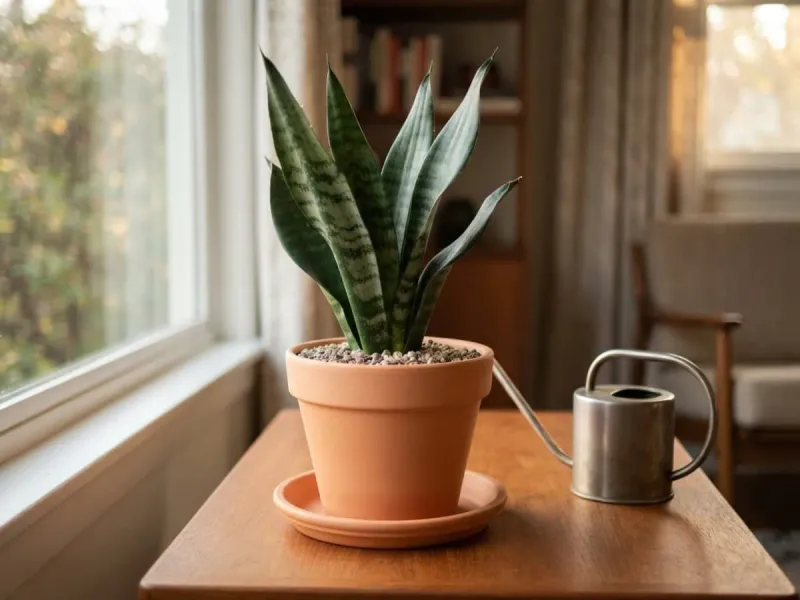
Once you know what the pot is telling you, care gets simpler. Water again only after the mix has dried, and let the plant drain fully.
Tip out any water left in the saucer.
You may see a winter interval mentioned. NC State Extension gives watering every one to two months as a guideline, but treat that as a rough reference.
Your pot, mix, light, and indoor conditions can shift the timing a lot, and Illinois Extension simply says to let the soil dry completely. Snake plants still need occasional water, so do not stop altogether.
Move the plant away from cold drafts and from windows that get icy at night. The 50°F figure only shows how much cool air the plant can tolerate, not a temperature to aim for.
Wet soil and thirsty soil can look alike from the leaves, so Clemson Extension points back to the pot itself. A quick poke of the soil usually beats a guess.