
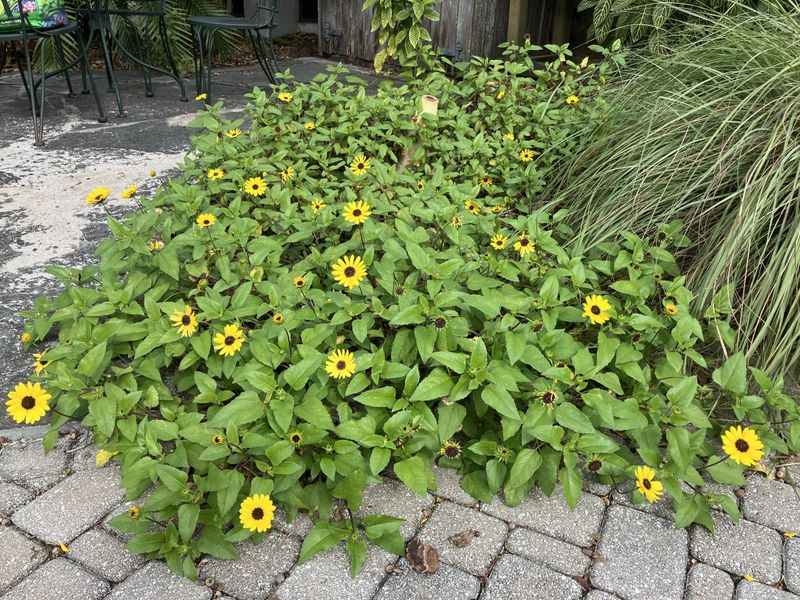
Bark mulch looks tidy on a calm day, but Florida storms can scatter it down the driveway in minutes. Living ground covers hold soil, cool the ground, and keep working after heavy rain. The right native plants can handle sandy soil, summer heat, and wet spells better than a loose layer of chips. Here are seven Florida-friendly choices that can replace mulch with roots, flowers, and real staying power.
1. Sunshine Mimosa
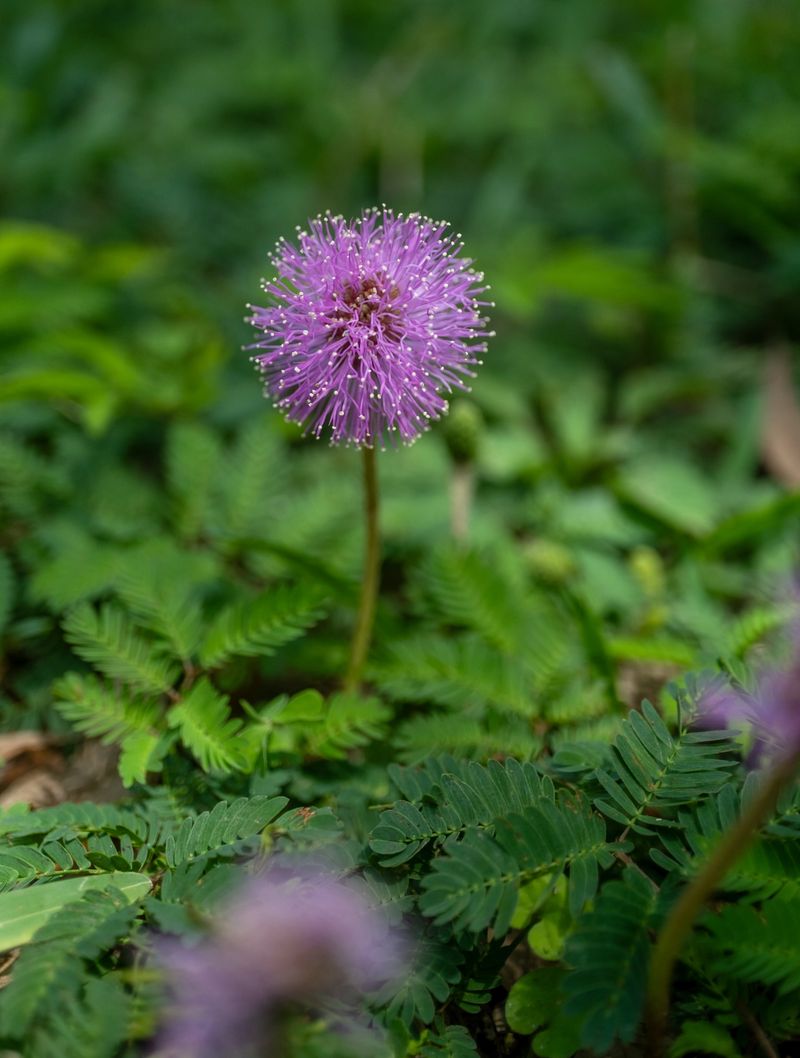
Pink puffball flowers popping out of a lawn-like mat can make a storm-ready planting feel almost playful. Sunshine mimosa, also called powderpuff, is one of the most charming Florida native ground covers for sunny spots where bark mulch keeps floating, shifting, or breaking down too fast.
Its real superpower is the way it creeps by runners and roots as it spreads. Once established, those stems help knit sandy soil together, which is exactly what you want on a slope, near a downspout, or along a walkway that gets blasted during afternoon thunderstorms.
Sunshine mimosa works best in full sun to light shade and can handle dry stretches after it settles in. In many Florida yards, it can be used as a lawn alternative in low-traffic areas, especially where you want something softer and more alive than mulch.
Pollinators visit the blooms, and the leaves fold when touched, which gives kids and curious adults a little garden magic. Give it room to roam, trim edges as needed, and skip planting it where you need a perfectly still, formal border.
2. Frogfruit
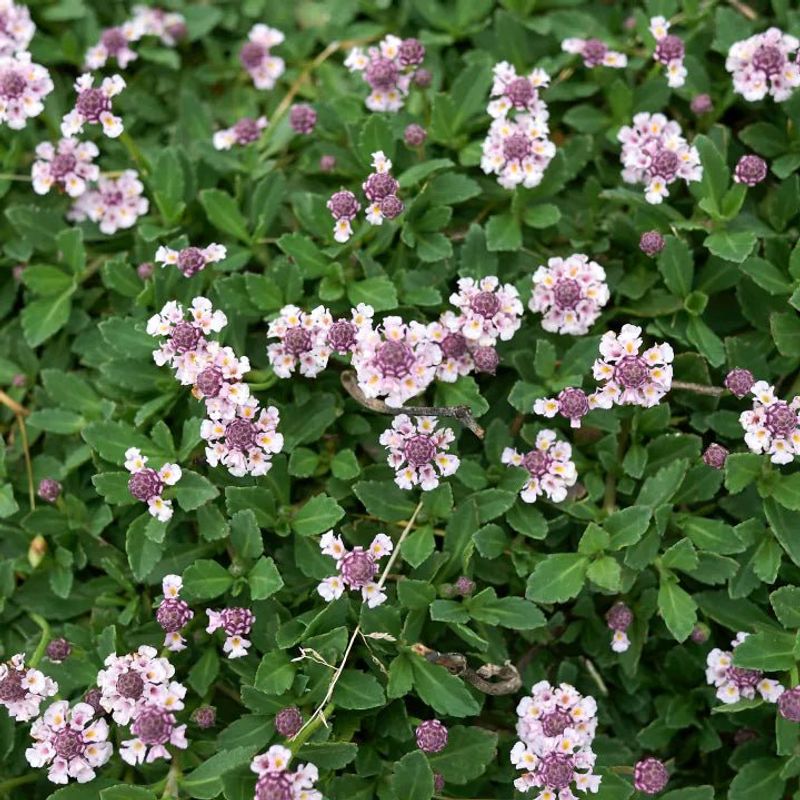
For gardeners who want a ground cover that feels busy in the best way, frogfruit brings constant tiny flowers and a surprising amount of wildlife action. It stays low, spreads steadily, and often looks right at home in places where regular mulch would wash into the street.
Frogfruit is especially useful because it tolerates a mix of conditions. It can grow in sun or part shade, handles moist soil better than many dry-loving natives, and still manages Florida heat once its roots are established.
Small flower heads feed native bees and butterflies, including several small butterfly species that use related plants in the verbena family. That makes it more than a mulch substitute, since it turns bare ground into a living feeding station.
Use frogfruit around rain gardens, along path edges, under open shrubs, or in lawn areas that do not get heavy foot traffic. It may thin out during stress or cold snaps in some regions, but it usually rebounds when conditions improve.
A quick tip: mow or trim it high if you want a tidier look. Treated gently, frogfruit gives you a soft green carpet that helps cover soil without becoming a loose storm-day mess.
3. Beach Sunflower
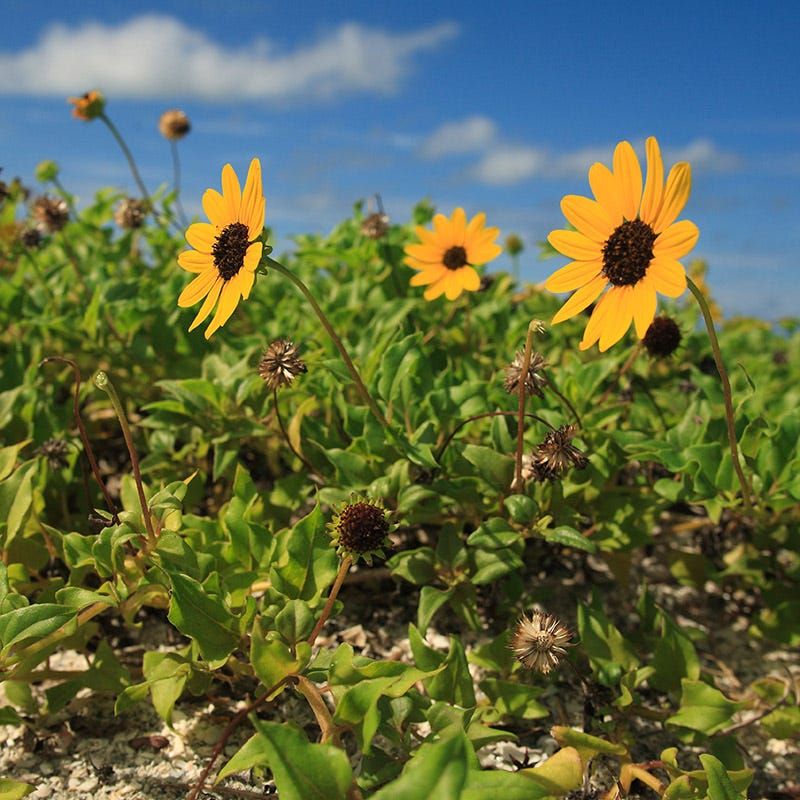
A hot strip by the driveway can be brutal, but beach sunflower seems to take that challenge personally. With golden daisy-like blooms and a sprawling habit, it is a strong pick for Florida gardeners who need color and coverage in full sun.
Unlike bark mulch, beach sunflower does not sit loose on top of the soil waiting for the next storm drain. Its stems spread outward, root where they can, and form a low mass that helps shield sand from pounding rain.
Coastal gardeners often appreciate its tolerance for salt, sun, and lean soil. Inland gardeners can use it too, especially in bright beds where irrigation is limited and summer heat bakes ordinary landscape plants.
Butterflies and bees visit the flowers, so this plant earns its space twice: it protects the ground and adds wildlife value. The cheerful blooms also make a front-yard bed look intentional instead of like a patch of erosion control.
Beach sunflower is not the best choice for deep shade or soggy ground. Plant it where drainage is decent, cut it back when it gets leggy, and let it fill the kind of exposed space where mulch usually looks tired by August.
4. Railroad Vine
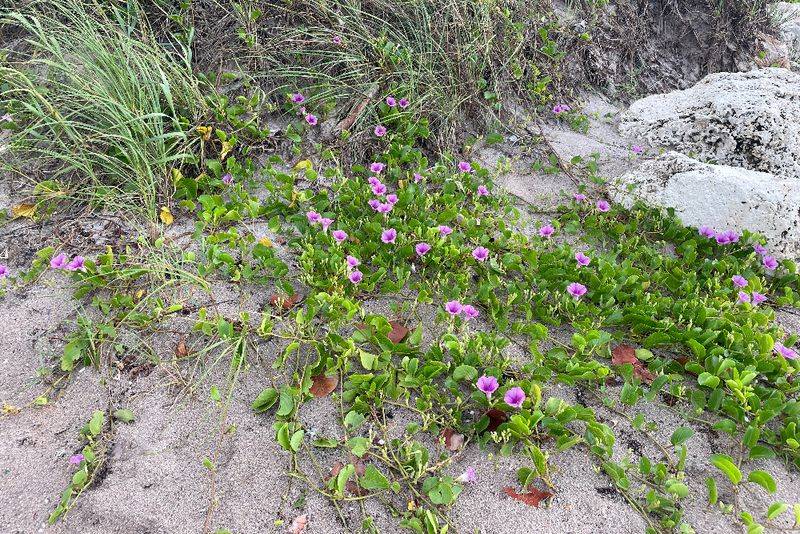
Few plants look as relaxed in sand as railroad vine. It sprawls across hot, open ground with glossy leaves and purple funnel-shaped flowers, making it a natural fit for coastal yards that deal with wind, salt, and sudden downpours.
Its difference from the rest of this list is toughness in beach-like conditions. Railroad vine is a dune plant, so it is built to creep over loose sand and help hold it in place with long, wandering stems.
That spreading habit can be a gift or a headache, depending on where you plant it. Give it open room, such as a sandy slope, coastal buffer, or large sunny bed, rather than squeezing it into a tiny foundation planting.
Railroad vine needs full sun and very well-drained soil. In the right spot, it can reduce bare sand, soften hard edges, and create a wilder Florida look that feels more natural than repeated bags of mulch.
One fun bit of plant history: its name comes from the way the long stems run across the ground like tracks. If your landscape leans coastal, casual, and storm-aware, railroad vine can be one of the most fitting living mulch choices you can plant.
5. Lyreleaf Sage
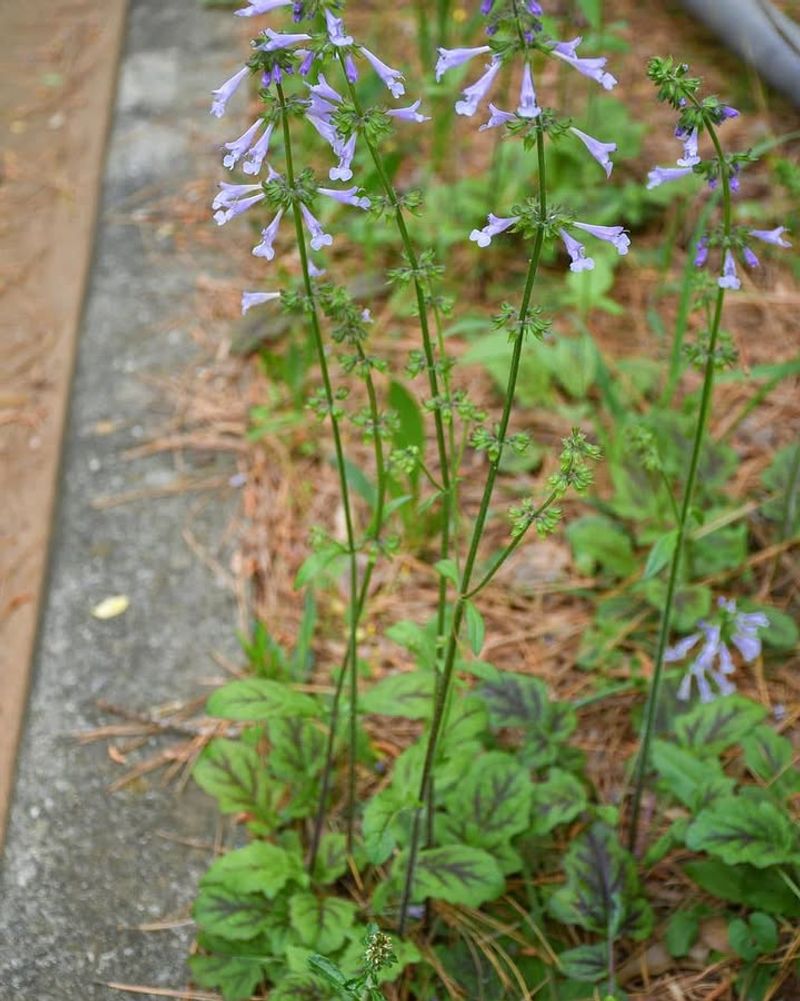
Shade under oaks can be a mulch trap, especially when heavy rain carries bark into low spots and leaves bare patches behind. Lyreleaf sage offers a calmer, greener answer for part-shade areas where you want a native plant with seasonal flower spikes.
Rosettes of leaves hug the ground and gradually form colonies. In spring, slender stalks rise with soft blue to purple flowers that draw pollinators without overwhelming the garden.
Lyreleaf sage is useful because it handles the in-between places many ground covers dislike. It can take sun in some settings, accepts partial shade, and is often comfortable in average Florida soils that drain quickly.
Its look is looser than a clipped lawn alternative, so it fits best in naturalistic beds, under trees, along woodland edges, or mixed with other native plants. If it seeds around, you can pull extras easily or let them fill bare soil where mulch would otherwise be needed.
Gardeners who like a soft, cottage-style Florida native bed may enjoy this one most. It does not shout for attention all year, but it quietly covers ground, feeds small pollinators, and stays put far better than floating bark chips.
6. Twinflower
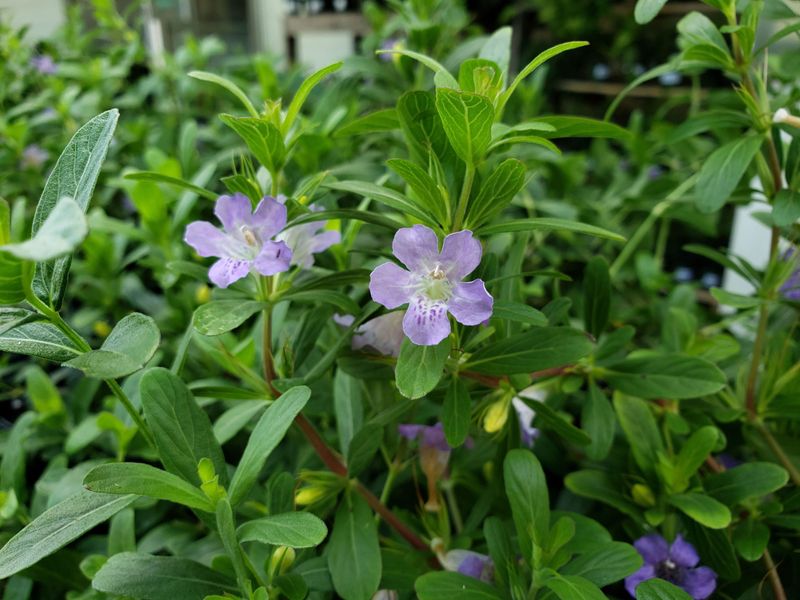
Small flowers can do big work when the plant behind them spreads into a tough mat. Twinflower, a Florida native in the honeysuckle family, is a low-growing option for gardeners who want a neat, understated ground cover with delicate blooms.
Its paired flowers are easy to miss from a distance, but up close they have a sweet, quiet charm. More importantly for a mulch replacement, the plant creeps along the soil surface and helps cover bare sand before rain can carve little channels through it.
Twinflower can work in sun to part shade, depending on moisture and site conditions. It is often a good candidate for edges of beds, open areas beneath taller native shrubs, or spaces where a very tall, bold ground cover would look messy.
Because it stays relatively low, twinflower can create a smoother look than some wilder spreaders. That makes it handy for gardeners who want native planting benefits without making the front yard feel overgrown.
Water it during establishment, especially in fast-draining sand, then reduce care as it settles. If you have been replacing washed-out mulch every rainy season, twinflower gives you a quieter way to keep the soil covered and rooted.
7. Coontie
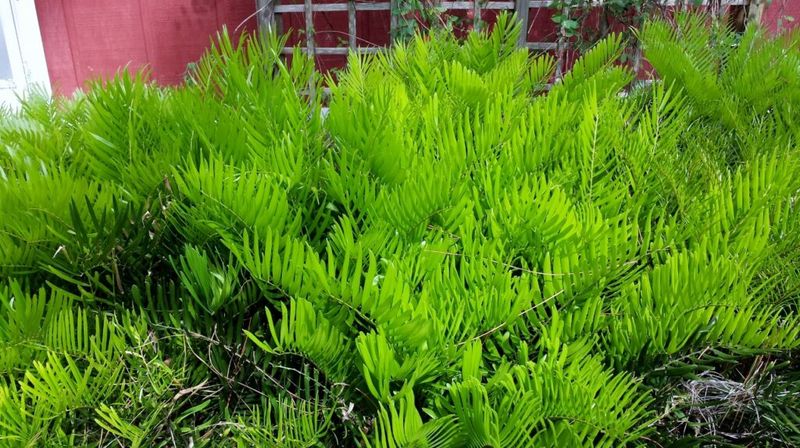
Not every ground cover has to crawl like a carpet. Coontie brings a different kind of storm-smart coverage, using dense, fernlike clumps that protect soil, anchor beds, and give Florida landscapes a polished native look.
Coontie is a cycad, not a true fern, and it has deep Florida roots in more ways than one. Indigenous peoples historically processed its starchy underground stems carefully for food, and today gardeners value it as a durable native landscape plant.
In the yard, coontie shines where you want structure instead of a flat mat. Plant it in groups under palms, near foundations, along shaded walks, or in mixed native beds where mulch tends to wash out between larger plants.
Wildlife value gives it a special reason to make the list. Coontie is the larval host plant for the atala butterfly, a striking species with dark wings and bright blue spots that has made a comeback in parts of South Florida thanks in part to landscape plantings.
It handles sun to shade, though moisture needs can vary by site, and it dislikes being constantly soggy. Use it as a living mulch with backbone, especially where you want a set-and-forget plant that looks clean after the rain stops.