
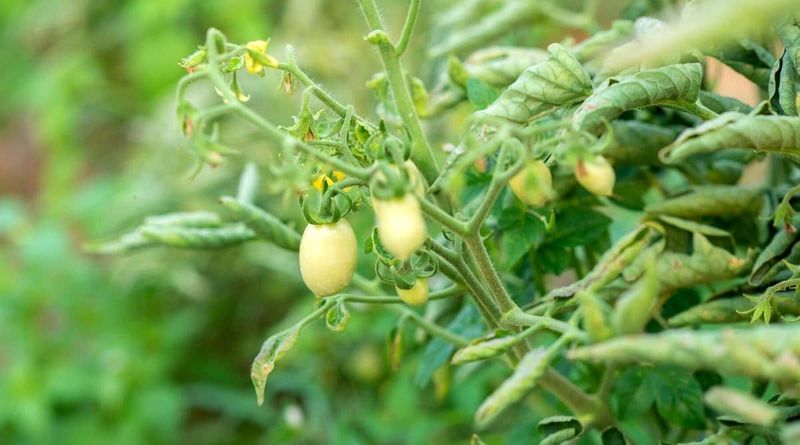
Spotting curled leaves on your tomato plants during a heat wave is enough to make any gardener stop and worry. The good news is that this reaction is often the plant protecting itself, not a sign that something has gone badly wrong. Your feeding routine could be a piece of the puzzle, but heat is usually the bigger driver. Understanding what is actually happening gives you a clear, calm path forward.
Heat, not just feeding, can curl tomato leaves
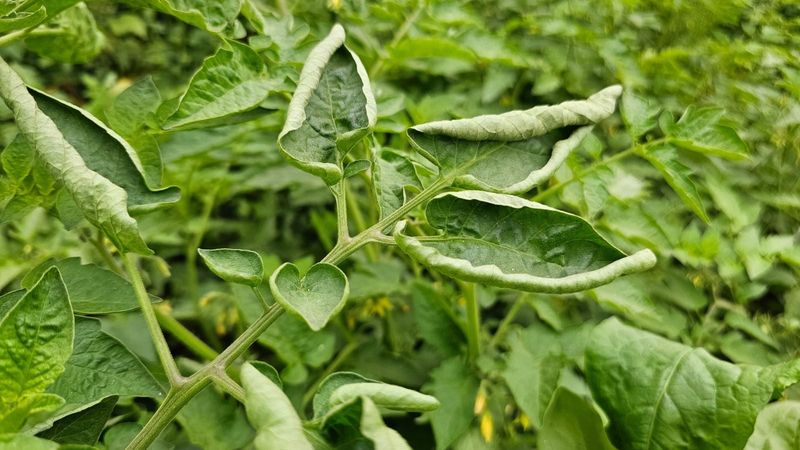
Tomato plants have a built-in response to intense heat: they roll their leaves upward and inward to shrink the amount of leaf surface exposed to the sun and slow down water loss. The result looks alarming, but the pattern itself tells you a lot. Oregon State Extension’s heat-wave plant guide notes that sustained temperatures above roughly 90 degrees Fahrenheit can push many plants into visible stress responses, and tomatoes are no exception.
When the cause is physiological leaf roll, the leaves tend to stay green and feel thick or leathery rather than soft and limp. Rolling typically starts on the older, lower leaves and works its way up as conditions worsen. The rest of the plant usually looks healthy, with no yellowing, mottling, or distorted new growth.
University of Minnesota Extension’s tomato disorders guide describes physiological leaf roll as a common, generally non-damaging condition that often requires observation rather than treatment. A feeding routine may contribute to the picture, but curled leaves alone do not prove that over-fertilization is the problem. Severe heat can separately reduce flowering and fruit set, so keeping the plant comfortable matters, but the curl by itself is not a verdict on your soil or your feeding habits. Treating it as one can lead to unnecessary interventions that make things worse.
Excess nitrogen can add stress without proving a diagnosis
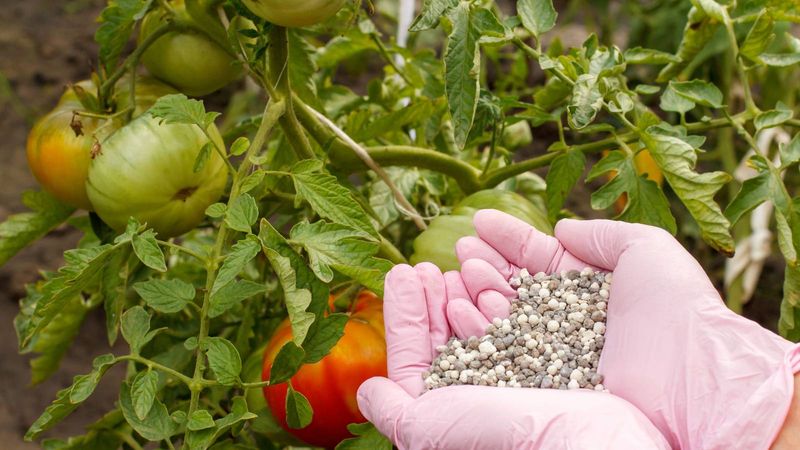
Repeated or nitrogen-heavy feeding can push tomato plants toward lush, fast vegetative growth, which sounds positive but creates its own problems during a heat wave. A plant with a lot of tender new growth has more leaf area to keep hydrated, and that demand becomes much harder to meet when temperatures are consistently high. Utah State University Extension’s tomato growing guide points out that excess nitrogen can delay flowering and fruiting while encouraging the kind of leafy growth that is most vulnerable to environmental stress.
The causal link between nitrogen and leaf curl is conditional, not absolute. Washington State University Extension’s leaf roll fact sheet identifies excess nitrogen as one of several factors that may be associated with physiological leaf roll, alongside heat, drought, and rapid growth, but it does not establish nitrogen as the sole or primary cause. Over-fertilization may increase susceptibility or compound the stress the plant is already managing, rather than directly triggering the curl.
The practical step right now is simple: pause routine fertilizer applications during the heat period, especially any product with a high nitrogen content. Adding more fertilizer in response to curled leaves is unlikely to help and may deepen the stress. Penn State Extension’s tomato growing guide reinforces that tomatoes do not benefit from constant heavy feeding, and restraint during hot weather is the safer choice.
Take these heat-safe steps today
Start by pausing any scheduled fertilizer application. During a heat wave, the plant’s priority is survival and water management, not processing a new round of nutrients. Oregon State Extension’s extreme-heat plant protection guidance specifically advises waiting to fertilize until conditions cool, and that advice applies whether you have been feeding on a weekly schedule or just top-dressed last weekend.
Next, check the soil rather than assuming it is dry. Push a finger or a trowel several inches into the root zone and feel what is actually there. If the soil is dry at that depth, water deeply at the soil line, preferably in the morning so the root zone can absorb moisture before midday heat peaks. University of Minnesota Extension’s heat gardening tips note that watering needs vary with soil type, container size, wind, and local temperatures, so a fixed weekly schedule may not match what your plants actually need right now.
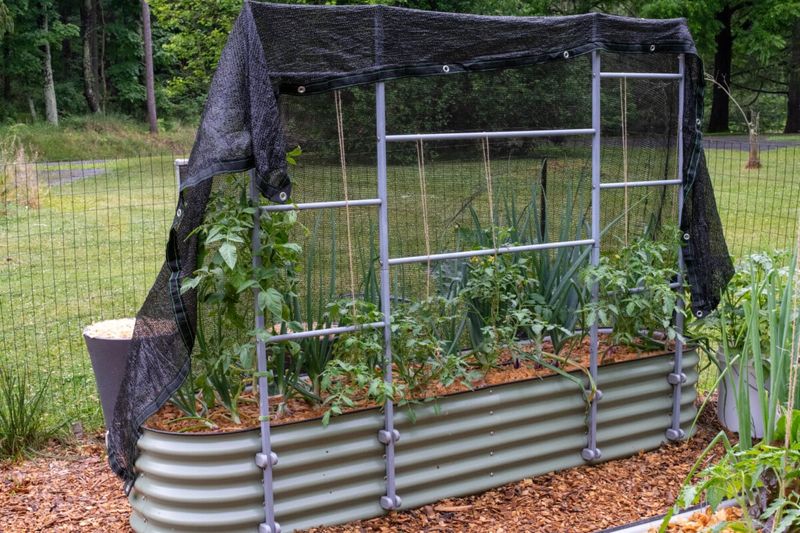
Refresh the mulch layer around the base of the plant to slow evaporation and keep the root zone cooler. For exceptional heat, a piece of shade cloth or a propped board that blocks afternoon sun can reduce leaf temperature, but leave space for airflow so the plant does not trap humidity. Avoid heavy pruning, transplanting, or applying any foliar spray or pesticide during extreme heat. Oregon State’s heat stress identification guide cautions that chemical treatments applied during high temperatures can injure foliage, so hold off unless the product label specifically permits use under current conditions.
These steps support the plant through stress; they are not a guaranteed cure for every form of leaf curl.
Read the curl as a pattern, not a verdict
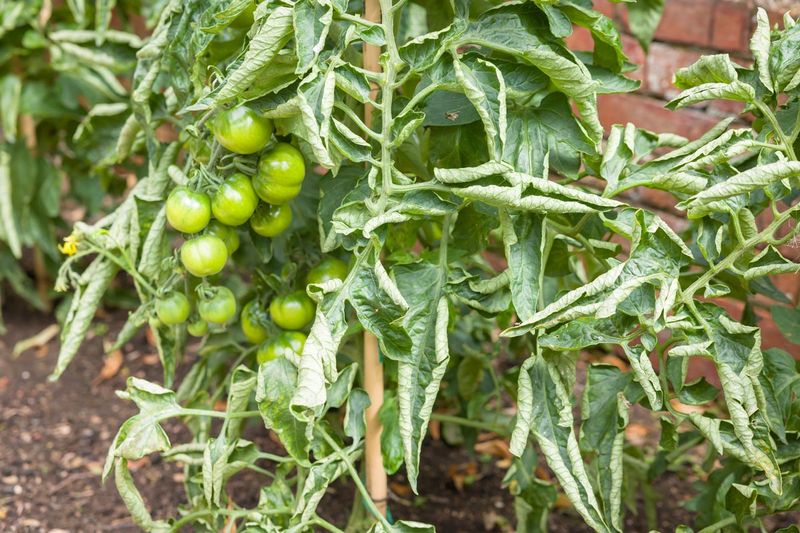
Leaf curl covers a range of appearances, and the specific pattern matters more than the word itself. Before reaching for a spray bottle or a fertilizer bag, take a few minutes to actually look at what the leaves are doing. Physiological leaf roll fits a recognizable picture: leaves curl upward and fold inward along the midrib, the tissue stays green and feels thick or slightly leathery, and the rolling starts on the older lower leaves rather than the newest growth at the top of the plant.
Utah State University’s vegetable IPM advisory describes this pattern as common under hot, dry conditions and generally not harmful to overall plant health. The rest of the plant should look vigorous, with no unusual spotting, mottling, or twisting of new leaves. If the overall picture matches, the most useful thing you can do is monitor rather than intervene.
One thing worth knowing: curled leaves may stay curled even after temperatures drop and conditions improve. Do not judge recovery by whether the old leaves flatten out again. Clemson Cooperative Extension’s tomato leaf rolling fact sheet notes that new growth and overall plant vigor are more reliable indicators of how the plant is actually doing. Healthy, actively growing new foliage after a heat event is a much better sign than a set of lower leaves that decided to stay rolled.
Warning signs point beyond heat and feeding
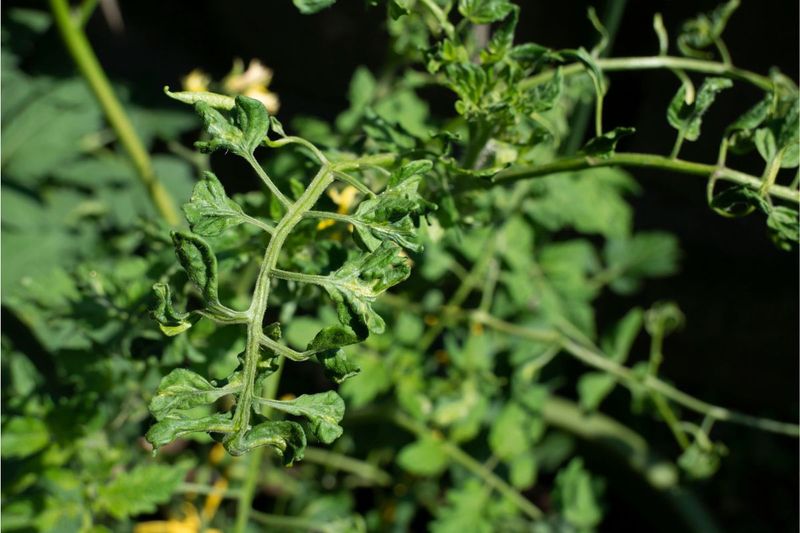
Not every form of leaf curl belongs in the heat-and-fertilizer category, and pushing that explanation onto a different problem delays the right response. Certain symptoms shift the picture away from physiological leaf roll and toward something that needs a closer look. University of Minnesota Extension’s tomato leaf curl diagnostic tool lists downward-curling petioles, yellowing, purple veins, mosaic or mottled patterns, severe stunting, dead spots, and distorted or narrow new leaves as signs that a simple heat explanation may not hold.
Aphids cluster on the undersides of leaves and can cause curling, wilting, and stunted growth alongside the sticky residue they leave behind. Viral diseases tell a different story: University of Minnesota Extension’s tomato virus guide describes mosaic patterns, mottling, distorted leaf shape, and abnormal fruit as common signs. Curly top virus, spread by leafhoppers, produces a specific combination of upward-curled yellowing leaves, thickened tissue, purple veins, and stunted plants. Utah State University Extension’s curly top guide notes it can be mistaken for heat stress at first glance.
Herbicide injury is another possibility, particularly if a neighboring lawn or garden was recently treated. It tends to show up as cupped or twisted leaves, thickened veins, and abnormally narrow new growth, often concentrated on the side of the plant facing the exposure source. If any of these warning signs appear, stop applying treatments based on a heat-and-feeding assumption, review what the plant has been exposed to recently, and consider reaching out to your local cooperative extension office for a more specific diagnosis.
Use soil and weather to guide the next feeding
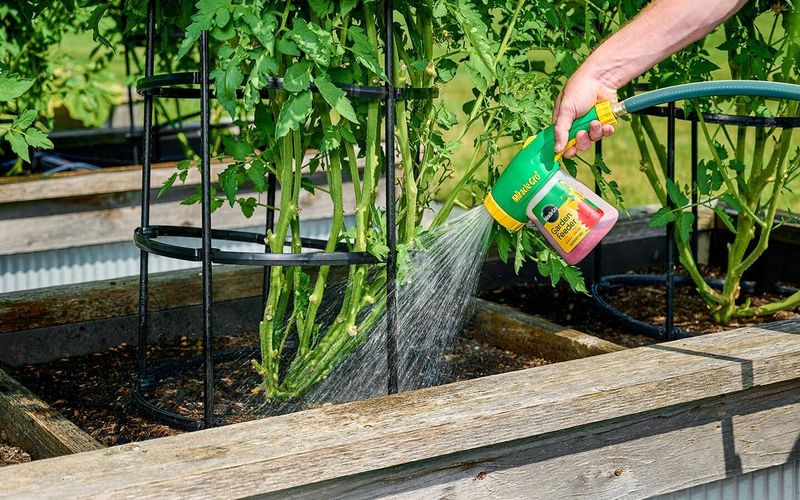
Once temperatures moderate, the question shifts from damage control to smart prevention. Resuming fertilizer according to the product label is a reasonable starting point, but the most reliable guide is a soil test. Penn State Extension’s soil testing overview explains that a soil test provides crop-specific lime and fertilizer recommendations based on what is actually in your soil, rather than what a general feeding schedule assumes.
Adding nutrients without knowing what the soil already contains can create imbalances that harm plant growth and contribute to runoff. Penn State’s guide to reading a soil test report walks through how to translate results into practical action, and their fertilizer-matching guide helps connect those recommendations to the products available at your local garden center. More fertilizer is not automatically better, and a curled leaf is not a reliable signal that nutrients are deficient.
Consistent moisture matters just as much as feeding. University of Minnesota Extension’s tomato growing guide connects steady water supply and moderate, evidence-based fertilization with better overall plant performance. Swapping out a reflexive heavy-nitrogen feeding habit for a soil-informed approach removes one variable that may have been compounding heat stress, without requiring you to guess at what your garden actually needs.
Pause the feed and watch what grows next
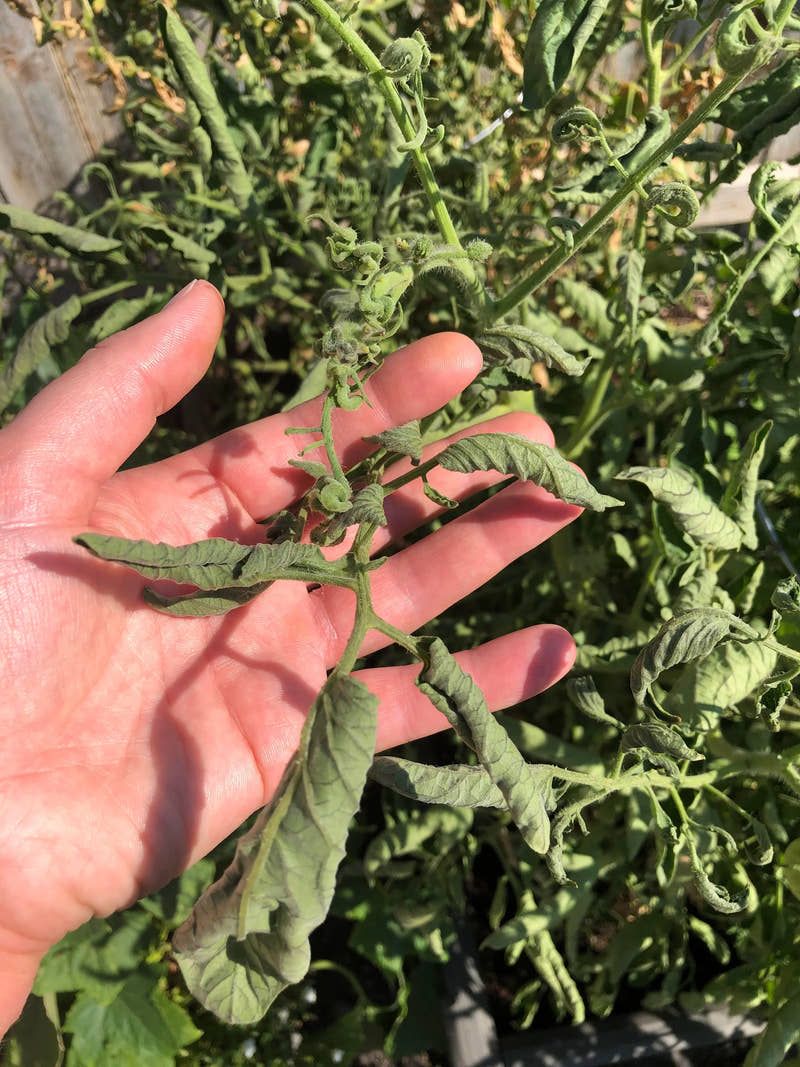
The clearest action you can take right now is to pause routine fertilizer, especially high-nitrogen products, and let the plant focus on managing heat rather than processing a fresh nutrient load. Keep the root zone consistently moist by checking soil depth before watering, and maintain a mulch layer to hold that moisture in place. Oregon State Extension’s heat stress guide frames these steps as foundational support during extreme heat, not a cure-all for every symptom.
Healthy green leaves that curl upward and inward, especially on lower foliage, often signal physiological leaf roll, a condition that University of Minnesota Extension considers generally non-damaging. Watch new growth at the top of the plant after temperatures ease; that is your real progress report. A garden that responds to heat with restraint rather than extra inputs tends to come through the season with fewer complications.