
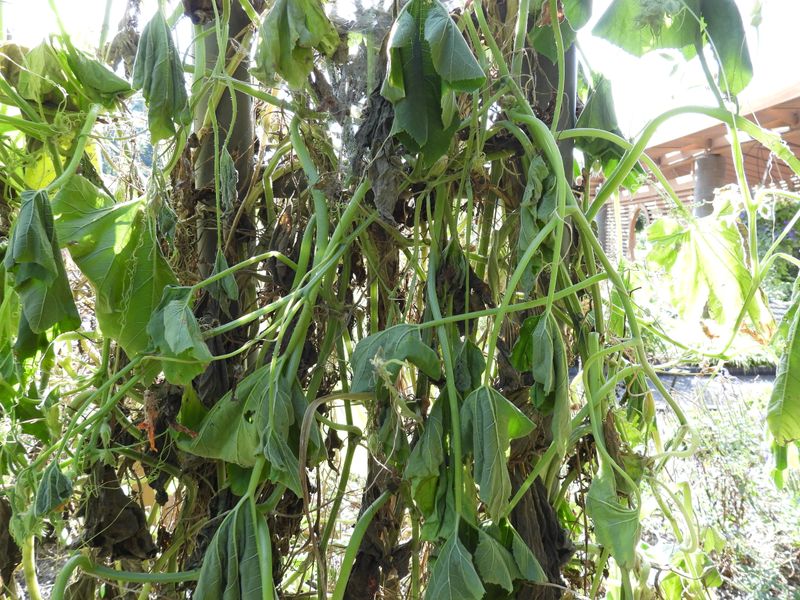
You walk out to your garden on a hot morning and find a zucchini vine that looked perfectly healthy yesterday now drooping flat on the ground. The soil around it is still damp, so a watering problem seems unlikely. That mismatch between moist soil and a collapsing vine is exactly what makes squash vine borer damage so confusing and so easy to misdiagnose. Knowing where to look and what physical clues actually matter can save you time, spare your remaining plants, and help you figure out whether your flowerless vines have a completely separate problem.
Why a squash vine can wilt when the soil stays moist
Moist soil normally points a gardener away from drought stress, but a squash vine can collapse even when water is plentiful. The reason is location: University of Minnesota Extension guidance on squash vine borers explains that larvae tunnel through the crown or lower stem, disrupting the internal pathways that move water up through the plant. The roots may be sitting in adequate moisture while the vine above the damaged section starves for water.
Wilting that shows up mainly during strong afternoon sun and then recovers overnight is worth watching but does not immediately confirm a serious problem. Persistent wilting that remains in the morning, or a vine that progresses from drooping to full collapse over a day or two, is a stronger signal that something structural has gone wrong inside the stem.
Moist soil does reduce the likelihood of simple drought, but it does not rule out other causes. Waterlogged soil can suffocate roots just as effectively as dry soil. Root or crown rot, Phytophthora blight, heat stress on shallow roots, and bacterial vascular disease can all produce sudden wilt regardless of surface moisture, as the Minnesota summer squash wilting diagnostic guide makes clear. Sudden wilt in moist soil is a reason to inspect the soil line, not an automatic diagnosis of any single cause.
Inspect the crown and lower stem for borer evidence
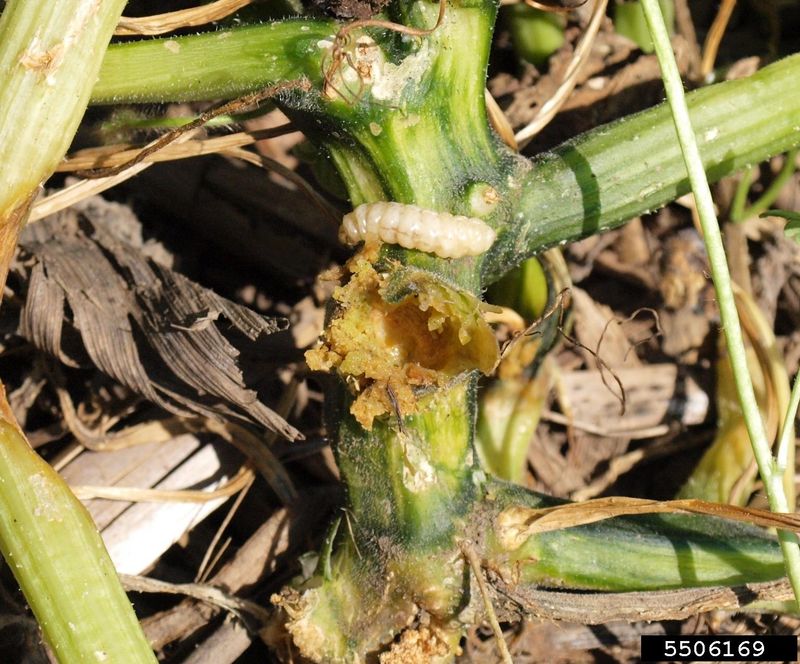
Start every investigation at the soil line. Crouch down and look closely at the crown, the point where the stem meets the soil, and the first several inches of stem above it. You are looking for a small entry hole, wet frass that may appear green, orange, or look like damp sawdust, a stem that feels mushy or hollow when pressed gently, or any soft discoloration that suggests internal feeding. According to Illinois Extension’s squash vine borer profile, eggs are commonly laid singly near the base of susceptible plants, but larvae and the damage they cause can also appear farther up the stem or along petioles.
Because of that, do not stop at the crown if you find nothing there. Run your fingers along the main stem and check petiole junctions for the same combination of a small hole and frass material. A single larva can travel and feed over a considerable length of stem tissue before the plant shows obvious symptoms.
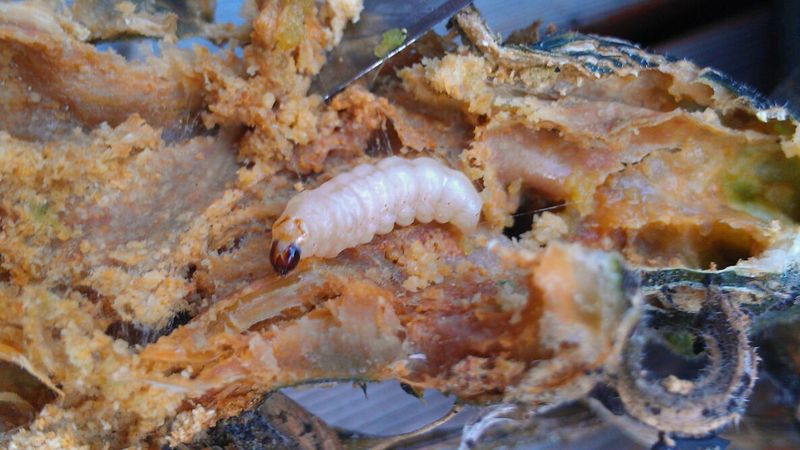
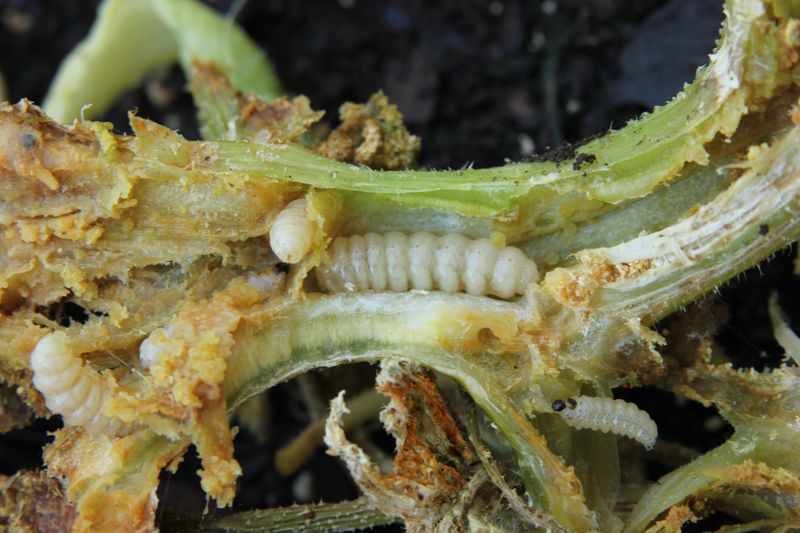
Finding a hole paired with frass is strong practical evidence pointing toward squash vine borer, and the Illinois Extension managing squash vine borer article treats that combination as a meaningful field indicator. Still, the most reliable confirmation comes from actually locating the white or cream-colored larva with its brown head inside the stem, or from opening the stem and seeing the hollowed feeding channel directly. Physical evidence of the pest itself is stronger than surface clues alone.
Attempt a careful rescue only when the vine remains viable
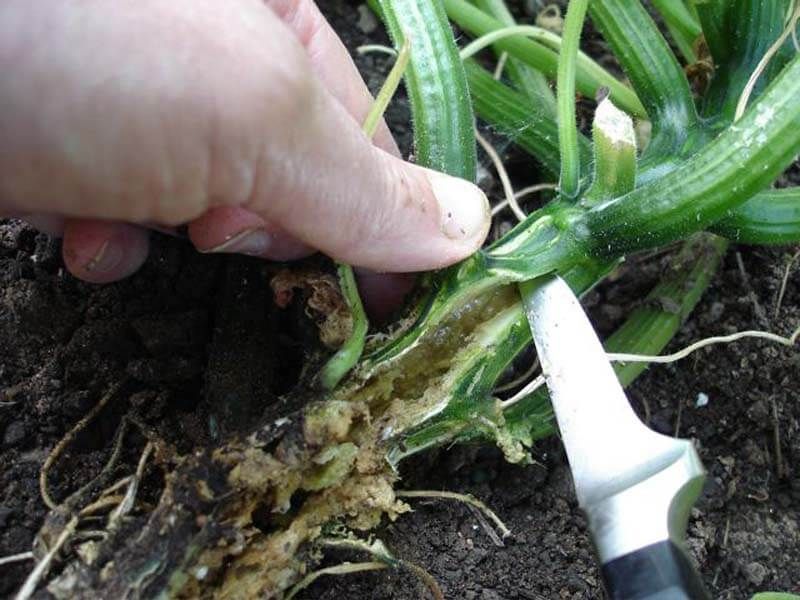
Before reaching for a knife, take a moment to assess whether the vine is worth treating. A plant that is still partially upright, producing new growth, or showing green tissue beyond the damaged section has a better chance of surviving a rescue attempt than one that has already collapsed entirely and turned brown at the crown.
If the vine still looks viable, University of Minnesota Extension and the University of Georgia Cooperative Extension squash guide both describe a similar approach: use a clean, sharp knife to make a careful lengthwise slit near the entry hole, find the larva inside, and remove it. Work slowly to limit the cut to what is necessary. The larva is white or cream-colored with a brown head and is usually easier to see once the stem is opened.
After removal, mound moist soil over the wound and keep the area consistently watered. Squash can sometimes form adventitious roots along a buried stem, which may help the plant compensate for internal damage. The Illinois Extension dealing with squash vine borer post frames this as a reasonable rescue attempt, not a guaranteed cure. When internal damage is extensive, the plant may still decline and die even after the larva is gone.
Proceed with measured expectations rather than confidence that the surgery will fix everything.
Flowers without fruit require a pollination check
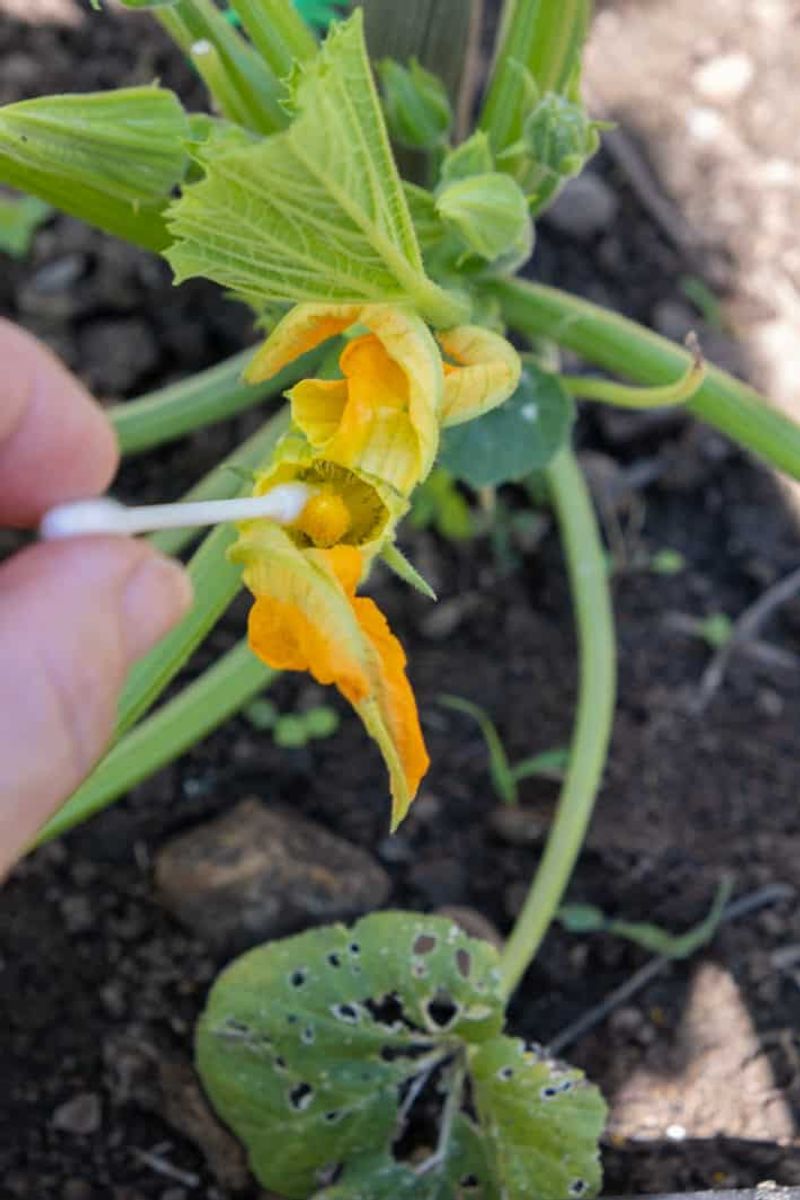
A vine covered in flowers but producing no squash is a frustrating sight, but that symptom on its own does not point to borer damage. Summer squash produces separate male and female flowers on the same plant, and only female flowers can develop into fruit. University of Minnesota Extension’s summer squash growing guide notes that you can identify a female flower by the small swollen ovary, which looks like a tiny immature squash, sitting directly behind the petals. Male flowers attach to a plain stem with no swelling.
Pollen must travel from a male flower to a female flower, usually carried by bees or other pollinators. If insect activity is low, if flowers open during rainy or very hot weather when pollinators are less active, or if male and female flowers are not open at the same time, fruit will not set. University of Minnesota Extension’s pollination requirements resource confirms that adequate bee visitation is central to reliable squash fruit set.
Hand-pollination is a practical option when female flowers are present but keep dropping without forming fruit. Use a small brush or a freshly opened male flower to transfer pollen directly to the stigma of the female. According to Illinois Extension’s zucchini flowering and fruit-set guidance, male flowers often appear well before female flowers do, so patience matters early in the season. Excess nitrogen and unfavorable heat can also reduce fruit set on otherwise vigorous plants, so fertilizer alone is not the automatic fix when fruit fails to appear.
Compare the clues with other causes of wilt
Keeping the diagnosis honest means checking whether the physical evidence actually fits squash vine borer before committing to a response. The Minnesota summer squash wilting diagnostic guide lists squash bugs, bacterial wilt, Phytophthora blight, root and crown rot, and environmental stress alongside vine borer as recognized causes of wilt in summer squash.
Squash bugs are a different pest entirely. They feed by piercing plant tissue from the outside, and their evidence looks nothing like a borer hole. UC Statewide IPM’s squash bug profile and University of Minnesota Extension’s squash bug resource both describe the key clues as flattened gray-brown adults, clusters of bronze or yellowish eggs on leaf undersides, and nymphs gathered around stems and foliage rather than a single stem entry hole with frass. If you are seeing those signs instead of a hole and frass, squash bugs are the more likely explanation.
Bacterial wilt, which is more common in cucumbers and melons than in squash, is associated with cucumber beetle feeding. A cut stem that releases a bacterial stream or forms a sticky thread when the two cut surfaces are slowly separated is sometimes used as a field clue, though that observation is suggestive rather than a confirmed laboratory diagnosis. Penn State Extension’s insect pests of squash guide also addresses environmental and disease-related causes worth ruling out. Follow the pattern of physical symptoms and direct inspection rather than stopping at one possible explanation.
Build prevention around local moth activity
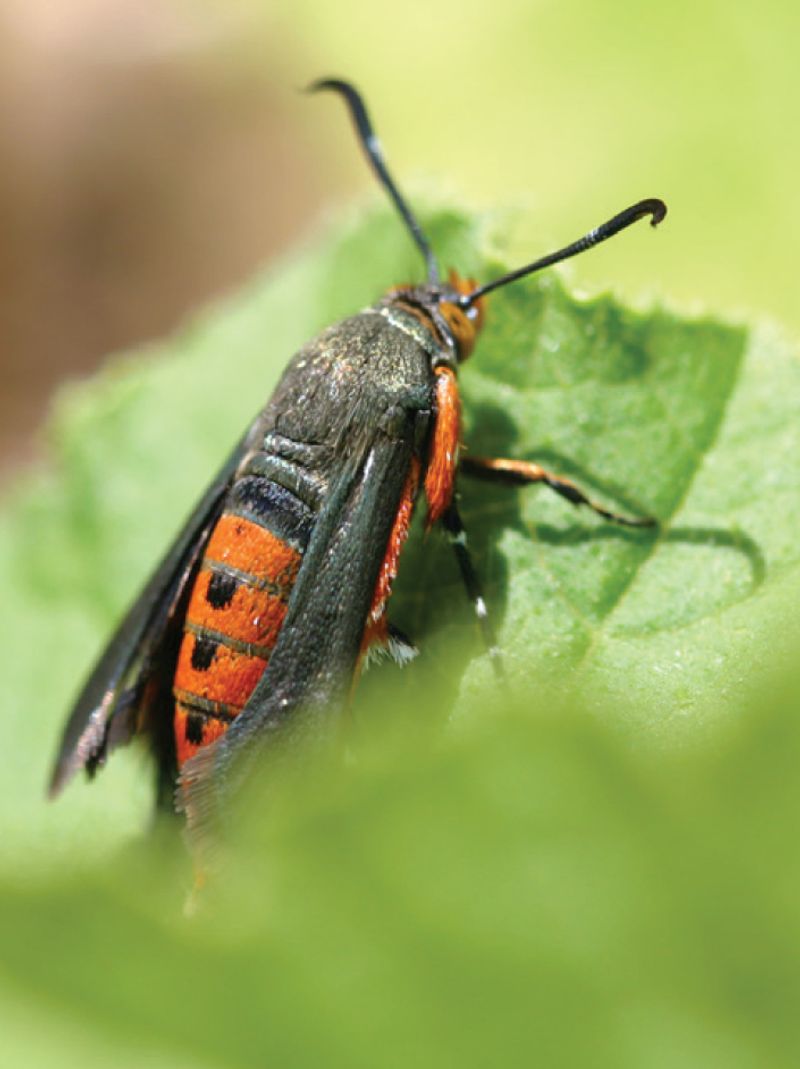
Prevention works best when it is timed to what is actually happening in your garden rather than a fixed calendar. The adult squash vine borer moth flies during the day and is often mistaken for a wasp because of its orange and black coloring. University of Minnesota Extension places peak activity roughly in early to midsummer for northern regions, but Illinois Extension notes that timing varies by location, and southern areas may see longer activity windows or more than one generation per season. Checking with your local cooperative extension office for regional moth-flight timing is more reliable than any single national date range.
Scout your plants at least weekly, paying close attention as vines begin to run and when you start seeing the wasp-like adults near your garden. Look for flat, reddish-brown eggs laid singly on stems and petioles, not just at the crown. Catching the problem early, before larvae burrow deep, gives you more options.
Crop rotation reduces the number of overwintering pupae near your planting area, because the pest spends winter in the soil close to where its host plants grew. Removing and disposing of infested vines at the end of the season, rather than leaving them to decompose in place, can also reduce pressure the following year. Penn State Extension and Illinois Extension’s horticulture answers on vine borer also mention that butternut squash and some other Cucurbita moschata types are generally less susceptible to borer damage than zucchini, acorn, or Hubbard squash. Less susceptible is not the same as immune, but variety choice can factor into a longer-term garden plan.
Use covers and pesticides only within their limits
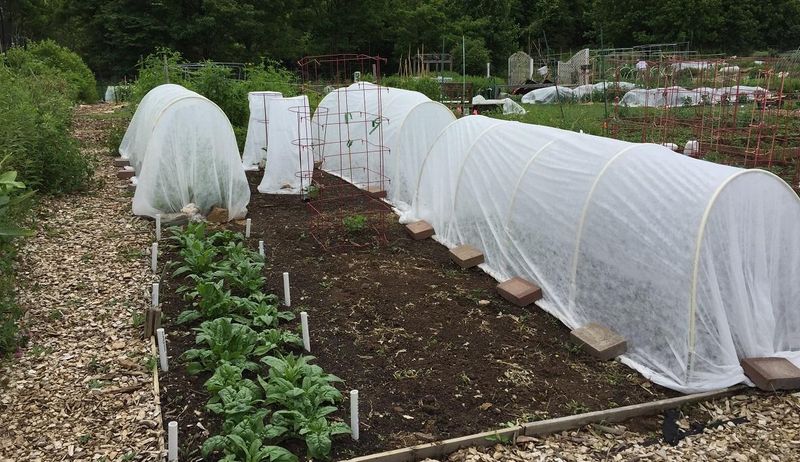
Row covers can be an effective physical barrier against egg-laying moths, but timing and placement matter. Covers must be securely anchored at the edges so moths cannot find gaps, and they need to go on before adults are active in your area. University of Minnesota Extension’s summer squash growing guide notes that covers should be removed when flowers open so bees can reach them, unless you are willing to hand-pollinate every female flower yourself. One important caution: do not place covers over squash growing in the same spot where borers overwintered the previous season, because emerging moths could become trapped beneath the cover and have direct access to your plants.
Pesticides work best as preventive or very early-timing tools, not as a response to a vine that is already wilting. Once larvae are inside the stem, ordinary foliar sprays generally cannot reach them. University of Minnesota Extension and Illinois Extension both emphasize that control is most useful against adults or newly hatched larvae before they enter the stem. Timing and application method matter with any product, including Bt-based options.
Any pesticide you consider must be registered and specifically labeled for use on squash and for the target pest in your state. The EPA’s introduction to pesticide labels states that the label is a legally enforceable document and must be followed exactly. Check for bee protection language, preharvest intervals, application-site restrictions, and any state-specific rules before applying anything. Broad-spectrum products can harm bees and other beneficial insects, particularly when applied to open flowers or during active pollinator foraging hours.
The EPA pesticide registration guidance and the EPA National Pesticide Applicator Certification Core Manual provide additional context on label compliance and applicator responsibility.
Match the remedy to the evidence
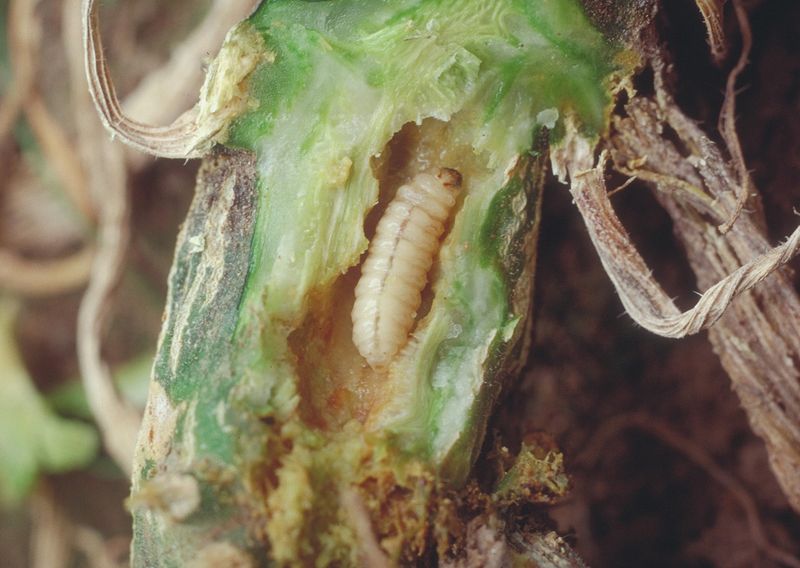
When a squash vine collapses in moist soil, go to the crown and lower stem before drawing any conclusions. Look for the hole-and-frass combination as strong practical evidence, and treat finding the larva or seeing the internal feeding channel as the clearest confirmation. Only then does a rescue attempt make sense, and even then, University of Minnesota Extension frames it as an uncertain outcome rather than a reliable fix.
Treat flowers without fruit as a separate question. Check for female flowers, assess pollinator access, and consider hand-pollination if bees are scarce. Weekly inspection is a practical scouting habit that may help you notice warning signs before damage becomes severe, and pairing it with crop rotation, covers timed to local moth activity, and less-susceptible varieties can reduce pressure season over season without guaranteeing protection. The steadiest habit a squash gardener can build is diagnosing before treating.