
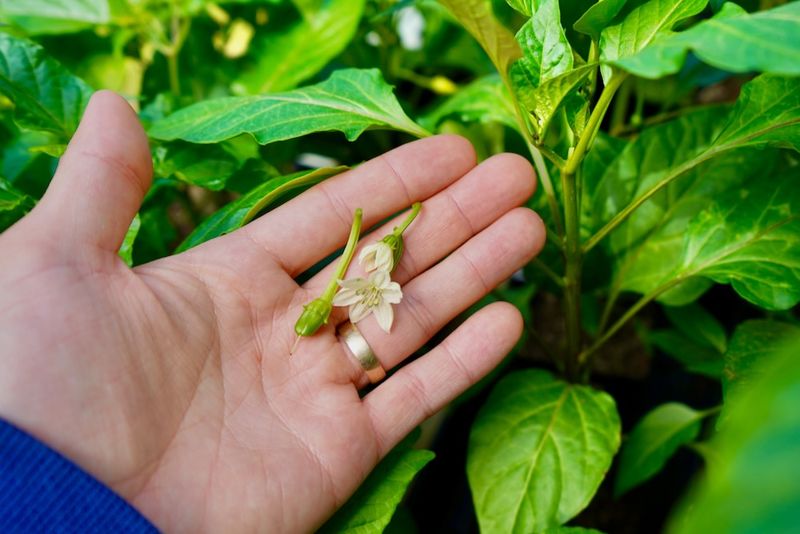
Your pepper plant looks like it is thriving, but there is not a single flower in sight and summer is slipping away. Before you blame your fertilizer and throw out your routine, the real picture is more complicated than one feeding habit gone wrong. Leafy, vigorous peppers can point to excess nitrogen, yes, but heat, dry soil, and the timing of symptoms often tell a more complete story. Knowing which problem you are actually facing is what separates a quick fix from a real recovery.
Start by identifying the failure pattern
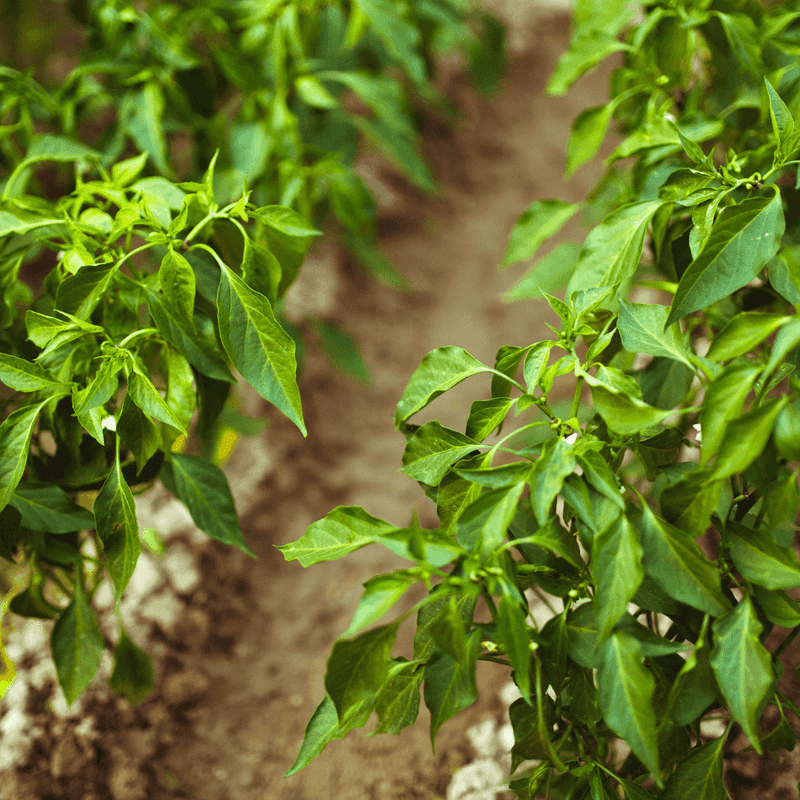
Not every flowerless pepper plant has the same problem, and treating them all the same way will slow you down. Before adjusting fertilizer or watering, spend a few minutes looking closely at the plant itself. Illinois Extension’s pepper production guide points out that gardeners often miss the distinction between three very different situations: a plant with abundant leaves and no visible buds at all, a plant whose buds or flowers form and then dry up and fall off, and a plant whose flowers stay put but never turn into peppers.
Each of those patterns has its own likely causes. Check the leaf axils and along the main stems for tiny developing peppers you may have overlooked, dried flower stems left behind after drop, or shriveled buds that fell before opening. Also scan for distorted leaves, discoloration, insect feeding damage, or signs of disease, because those symptoms shift the diagnosis in a different direction entirely.
Keep in mind that a plant can lose an entire flush of flowers during a brutal hot spell and still push out new buds once conditions ease. The timing of what you are seeing matters as much as the symptom itself. Rushing to change fertilizer before reading these clues can mean treating the wrong problem entirely, so let the plant’s pattern guide your next move.
Excess nitrogen can delay fruiting without proving the diagnosis
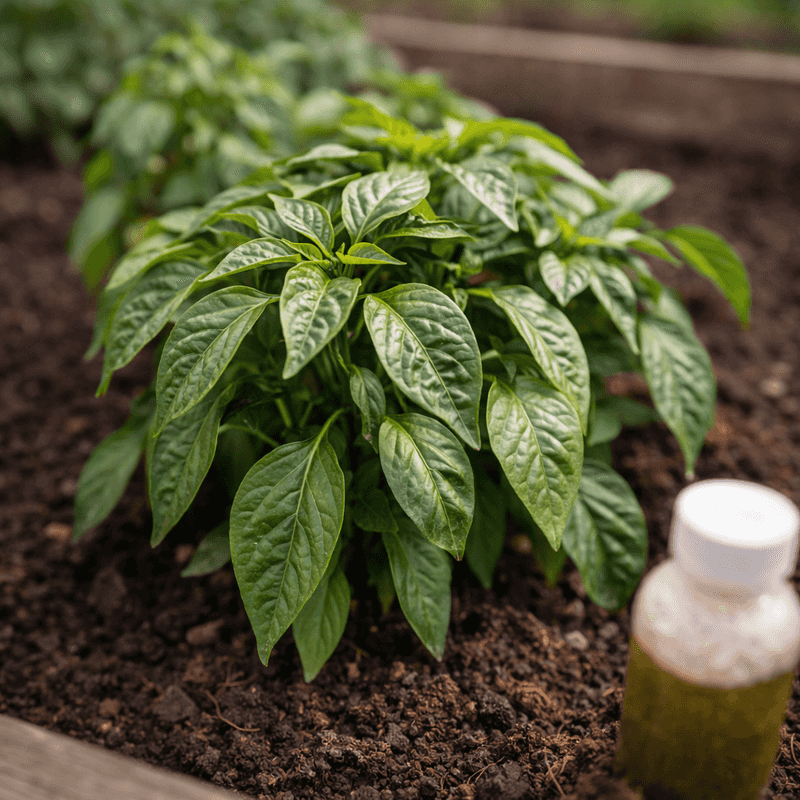
Fertilizer history is worth reviewing when your pepper plant has loads of foliage but no visible buds anywhere on the plant. Repeated nitrogen applications can push a plant toward bushy, leafy growth and slow the transition to fruit production. UMN Extension’s pepper-growing guide confirms that too much nitrogen can make pepper plants leafy and slow to bear fruit, which is why looking back at what you have applied and how often is a reasonable first step.
Here is the part that often gets skipped, though: a lush canopy alone does not prove overfertilization. Illinois Extension notes that research does not establish excess nitrogen as the general explanation for poor pepper fruiting, and that some vigorous plants simply devoted more energy to vegetative growth because heat or other conditions interrupted fruit set. Blaming the fertilizer bag without more evidence can send you chasing the wrong fix.
The relationship between nitrogen and flowering is also more layered than “less nitrogen means more flowers.” A 2023 peer-reviewed study of Capsicum annuum found that moderate nitrogen addition supported several floral and reproductive traits, while both very low and very high nitrogen reduced some reproductive measures. The practical takeaway is that the goal is balanced, measured nutrition, not nitrogen starvation. Cutting off nitrogen entirely can create its own problems, so hold that thought until you have a clearer picture of what is actually happening.
Heat more often explains dropped flowers and failed fruit set
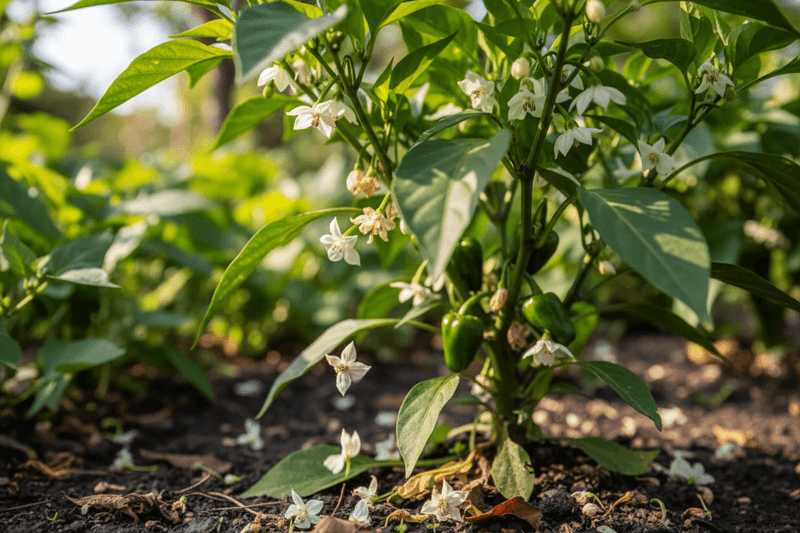
Sustained summer heat deserves at least as much attention as fertilizer when peppers are not producing. High daytime temperatures, warm nights that stay elevated, and the length of time the plant is exposed to those conditions can all cause buds or flowers to abort and can dramatically reduce fruit set, even on a plant that looks perfectly healthy from a distance. This is not a background condition to dismiss while focusing on nitrogen; for many gardeners in hot summer climates, heat is the primary driver of the problem.
Oklahoma State’s pepper production fact sheet reports that fruit set is very poor above roughly 90 degrees Fahrenheit during the day or below about 60 degrees Fahrenheit at night, with the best conditions for fruit set falling around 65 to 80 degrees. These are approximate thresholds, not universal cutoffs, because cultivar, pepper type, and how long the plant has been exposed all change the response. Small-fruited hot peppers, for example, tend to tolerate high-temperature stress better than large bell peppers.
What heat does best is cause flower and bud abortion and disrupt fruit set after flowers open. Research on bell pepper flower developmental stages found that the timing of heat exposure relative to flower development affects which reproductive processes are most vulnerable. Heat does not generally prevent the plant from initiating every flower bud, so the evidence here is specifically about what happens to flowers and fruit set once temperatures climb, not about the plant becoming unable to flower at all. That distinction matters when you are trying to figure out what to do next.
Match the symptom to the most likely contributors
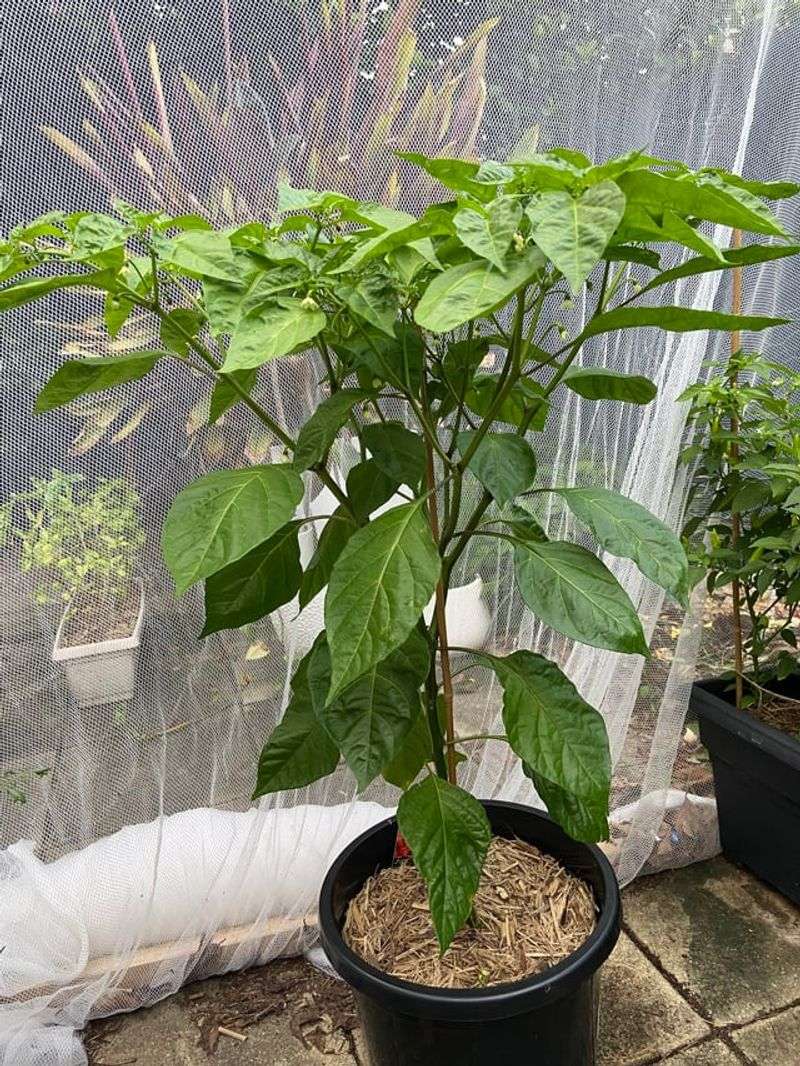
Abundant leaves with no buds anywhere on the plant call for a look at fertilizer history, a soil test if you have not done one recently, and some patience for delayed reproductive growth. The plant may simply still be in a vegetative phase, especially if you have been feeding regularly with a high-nitrogen product. Illinois Extension’s pepper troubleshooting resource points out that lush, fruitless plants sometimes just directed more energy toward leaves because environmental conditions interrupted fruiting, not because the fertilizer program was wildly off.
Buds or flowers that form and then drop during a hot, dry stretch point more directly toward heat and water stress as the primary suspects. Check whether the drops coincide with your hottest days or with periods when the soil dried out more than usual. Flowers that stay on the plant but never develop into peppers raise a different set of questions, including temperature, soil moisture consistency, how the specific cultivar responds to heat, and whether pollination was successful.
Peppers are capable of self-pollination, so a shortage of bees is rarely the first thing to investigate. Oklahoma State’s guidance notes that pollinators can improve fruit size and seed number under some conditions, but that is a secondary consideration worth exploring only after heat and moisture have been ruled out. Small-fruited hot pepper varieties may also show fewer visible problems during heat waves than large bells, so the variety you planted can shift what you should expect.
Pause automatic feeding and use evidence to plan the next application
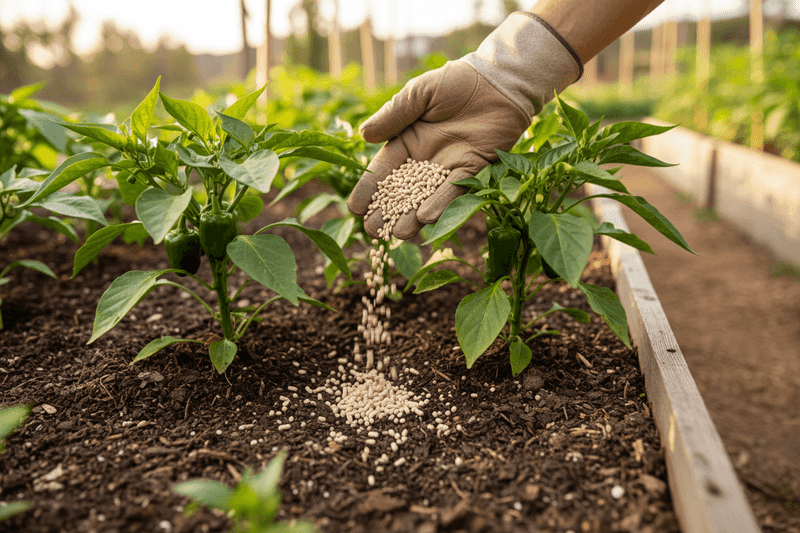
Adding more nitrogen because flowering has stalled is one of the more common ways gardeners accidentally make the situation worse. When a plant is already under heat stress, pushing new vegetative growth with another fertilizer application adds to that stress rather than relieving it. Oregon State Extension advises avoiding fertilization during extreme heat because the plant is already struggling, and adding nutrients at that moment can compound the problem rather than help.
Switching reflexively to a high-phosphorus “bloom booster” is not the answer either. UMN Extension recommends applying phosphorus and potassium only when a soil test calls for them, using a low- or no-phosphorus fertilizer in the meantime. Adding phosphorus to soil that already contains enough is wasteful, potentially harmful to the environment, and unlikely to fix a problem rooted in heat or water stress.
The more useful move is to pause routine applications, pull out the bag or bottle you have been using, and check the nitrogen content and how frequently you have applied it. Then, if you can, get a soil test. UMN’s soil-testing guide explains how test results can tell you what your soil actually needs rather than what you assume it needs. Oklahoma State also recommends soil testing before building a pepper fertility plan.
Peppers still need adequate nitrogen throughout the season, so the goal is not to eliminate feeding but to time and calibrate it based on what the plant and soil actually require.
Protect the root zone through the heat wave
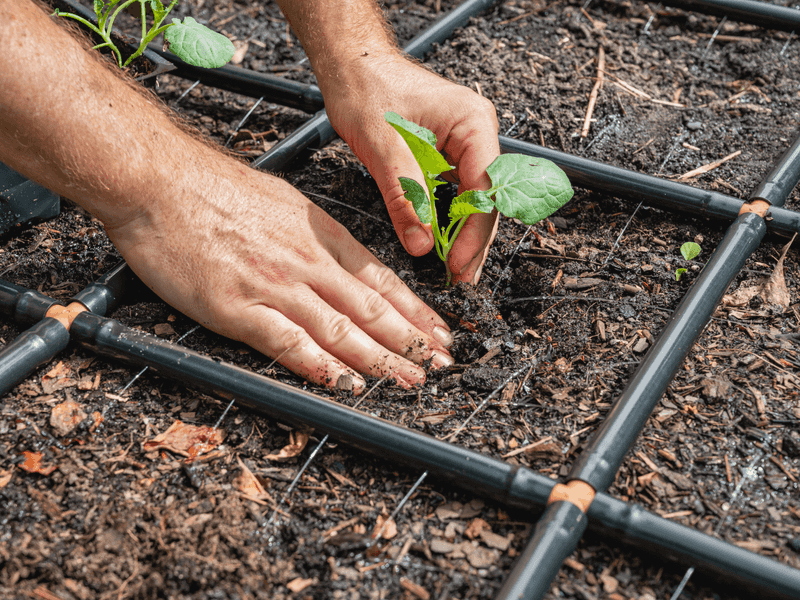
Stable soil moisture is one of the most direct things you can do for a pepper plant struggling through a heat wave, and it works independently of whatever fertilizer decision you make. Dry soil causes buds, flowers, and small developing peppers to drop, so allowing the root zone to go through severe dry-down cycles followed by heavy watering is one of the fastest ways to lose whatever flowering progress the plant has made. Oregon State’s pepper-growing guide recommends about 1 to 2 inches of water per week under normal conditions, with additional irrigation during heat waves as the situation requires.
Where and how you deliver that water matters. Drip irrigation, a soaker hose, or careful hand watering directed at the soil surface keeps moisture where the roots can use it. Overhead watering wets foliage unnecessarily and can increase the risk of fungal disease, so it is not the preferred approach for routine irrigation of peppers.
A 2- to 3-inch layer of mulch over the root zone helps conserve that moisture between waterings and moderates soil temperature swings that stress roots during hot weather. Temporary shade during the hottest part of the day, using shade cloth or a similar material, can also reduce the heat load on the plant. Oregon State’s heat-stress garden guide recommends shade cloth as a practical tool during heat waves. These steps protect the conditions new flowers and fruit will need once temperatures ease, even if they do not instantly restore what was already lost.
Judge recovery by new growth, not by an instant fertilizer effect
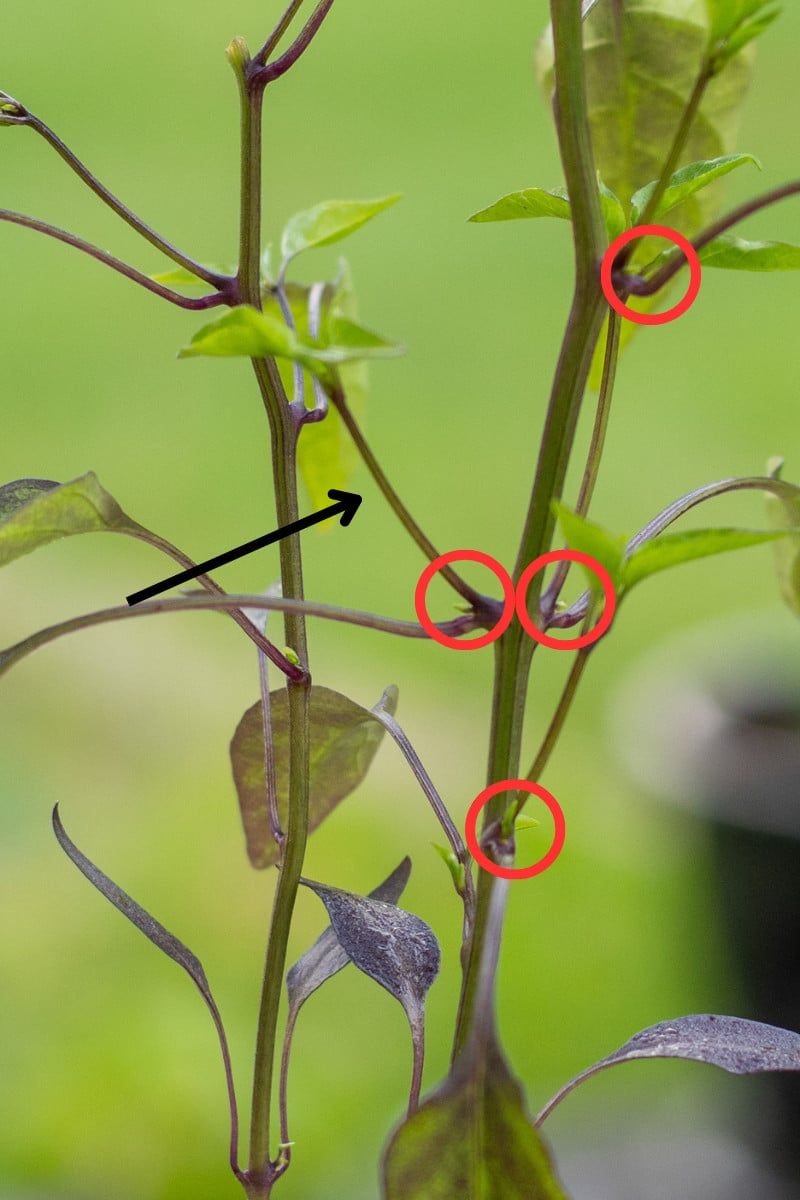
Flowers that dropped during a heat wave are gone, and no fertilizer adjustment will bring them back. Recovery for a pepper plant means watching for new bud development after temperatures moderate and conditions stabilize, not expecting an immediate transformation the week after you change your feeding routine. That distinction matters because gardeners who expect quick results from a fertilizer switch sometimes escalate inputs unnecessarily, which can create a new set of problems.
The monitoring plan is straightforward. Check the plant every few days for new buds forming in the leaf axils, and look for tiny peppers beginning to develop beneath any flowers that have stayed on the plant. Keep soil moisture even and consistent in the meantime. Oregon State’s growing guide reinforces that consistent moisture is foundational to fruit set, so that step should not wait for cooler weather.
Once you have your soil-test results, use them alongside product directions and your crop’s actual needs to decide when and whether to resume fertilizing. Illinois Extension’s pepper production resource is clear that vigorous foliage is a clue worth investigating, not automatic proof of a fertilizer problem. The timing of flower loss and the recent weather record usually reveal more than the lushness of the canopy alone. Treat the full pattern of symptoms as your diagnosis, and let the plant’s response to stable conditions tell you whether you have found the right answer.