
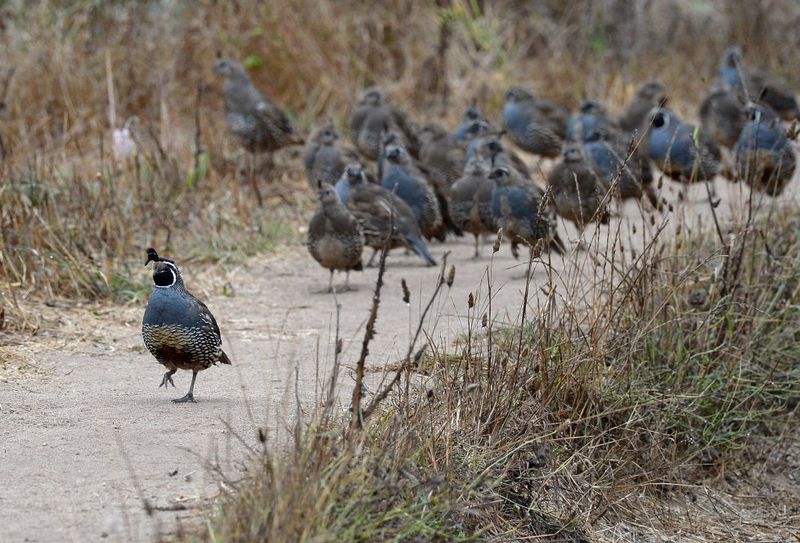
A small group of California quail bobbing through your yard on a quiet morning is one of those sights that stops you mid-coffee. Those plump birds with their forward-curving topknot feathers are not wandering randomly. Their presence tells you something specific about what your yard or the surrounding neighborhood currently offers them. Understanding what draws them, and what they actually do while they are there, helps you make smarter choices about your plants, water, and pest management.
A covey is a clue about the landscape, not a yard inspection
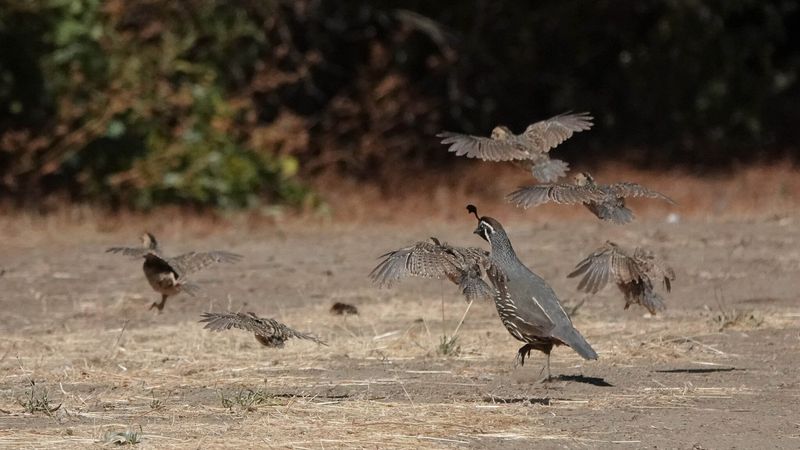
Spotting a covey of California quail moving through your yard feels like a small reward, but the birds are not grading your garden. What they are really doing is responding to a set of conditions, some combination of open ground for foraging, seed-producing plants, low brush or shrubs nearby for quick cover, and possibly access to water. Your yard may simply be one good stop along a route that runs through several neighboring properties.
California quail typically form larger family groups and coveys outside the breeding period, most commonly in fall and winter. Cornell Lab of Ornithology’s life history account describes how pairs and broods use smaller areas during nesting season, then join up into larger social groups once chicks are grown. Seeing a covey rather than a lone pair is itself a seasonal signal, suggesting you are most likely watching birds in their post-breeding, social phase rather than a resident breeding pair.
The birds may not live in your yard at all. CDFW’s California Wildlife Habitat Relationships account for California quail reports that winter covey home ranges average about 26 acres, varying roughly from 17 to 45 acres. A suburban lot is a fraction of that range, so a covey visit means your yard fits somewhere into a larger neighborhood circuit, not that the birds have chosen it as their permanent address.
Water may also play a role, particularly during California’s hot, dry summers, but a covey sighting does not prove that dependable water exists on your property. The birds may be finding water elsewhere within their range and visiting your yard mainly for food or cover. The sighting is a clue about what the surrounding landscape offers, not a report card on any single yard’s ecological quality or pest management.
Scratching reveals a seed-heavy menu
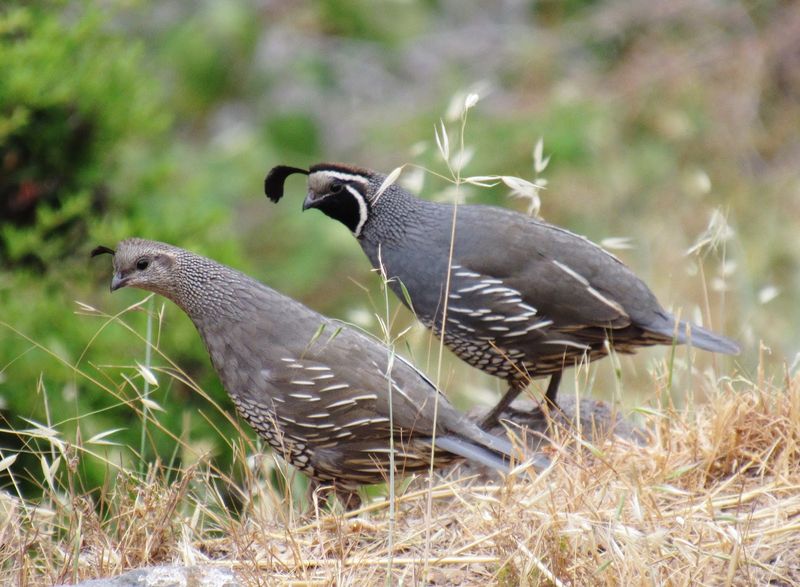
When quail scratch through leaf litter or disturb the top layer of soil in a bed, they are doing exactly what ground-foraging birds do to find food. The motion is purposeful, not destructive for its own sake. They are working through organic debris to expose seeds, small invertebrates, and plant material that would otherwise stay buried under the surface.
CDFW’s life-history account describes the foraging repertoire as scratching, gleaning, grazing, browsing, and pecking, a varied toolkit that lets quail work different microhabitats. Seeds are the dominant item on the menu. Legume seeds and seeds from annual weeds are particularly common finds, but quail also eat green vegetation, fruit, grains, and some arthropods depending on what is available.
Adults lean heavily toward plant material. A historical analysis of 291 California quail crop samples published in The Condor found that seeds were the major dietary component and animal foods were a minor component overall. Cornell Lab summarizes the adult diet as roughly 70 percent vegetarian, with seeds, leaves, and other plant parts making up the bulk.
Young quail follow a different pattern. Chicks rely much more heavily on insects and other animal food during their first weeks of life, when protein is critical for rapid growth. Caterpillars, beetles, mites, millipedes, and snails all appear in the documented diet. This age-based difference matters because a covey of adults foraging through a bed is not doing the same thing as a brood of newly hatched chicks working the same ground.
The scratching you see from a fall or winter covey is almost entirely seed and plant material hunting, not a pest-control patrol.
Their garden benefit is real, but it is not pest control
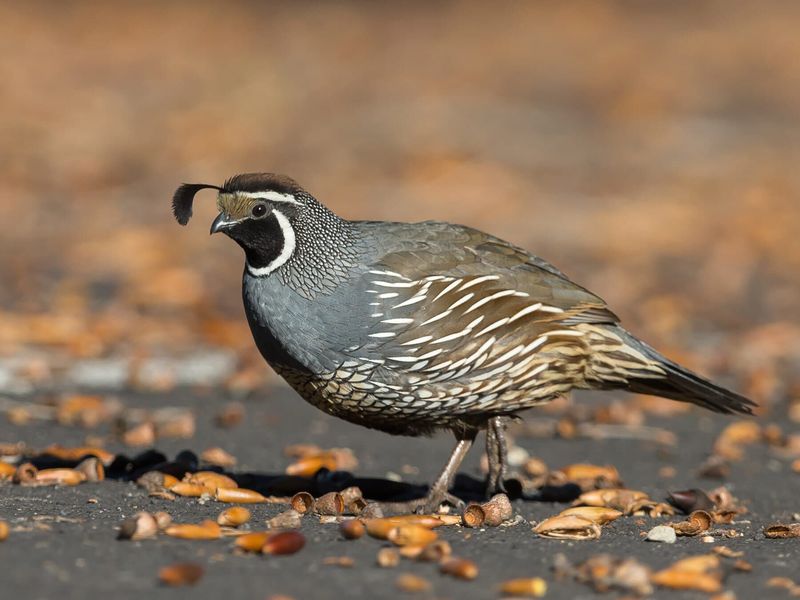
Quail visiting your beds can remove some weed seeds and eat some insects along the way. That is a genuine ecological interaction worth appreciating. Where the story gets muddier is the leap from “they eat some seeds and bugs” to “they keep my garden clean.” Those two things are not the same, and treating them as equivalent sets up expectations the birds cannot meet.
The crop-sample research mentioned earlier found that seeds dominate the documented diet and animal foods form a smaller component overall. Adult quail are not running systematic sweeps for aphids or caterpillars. They are opportunistic foragers working whatever the ground offers. Cornell Lab’s life history page does not characterize the species as a reliable garden pest predator, and no authoritative source reviewed here demonstrates that wild quail visiting a residential yard produce a measurable reduction in that yard’s weed population.
There is also a species-identification problem with the insects they eat. A yard supporting quail likely also supports native bees, parasitic wasps, ground beetles, and other beneficial invertebrates. Quail are not sorting pests from beneficials before they forage. Some of the arthropods they consume may be neutral or actively helpful to the garden.
EPA’s ecological risk assessment framework for pesticides notes that non-target invertebrates are frequently affected by broad-spectrum treatments, a reminder that the insect community in a yard is more complex than the pest-versus-beneficial shorthand suggests.
Welcome the foraging as a small positive interaction. Just do not replace your hand-weeding, mulching, mowing, or integrated pest management practices with the assumption that a visiting covey has it covered.
Build the habitat mosaic that brings them close
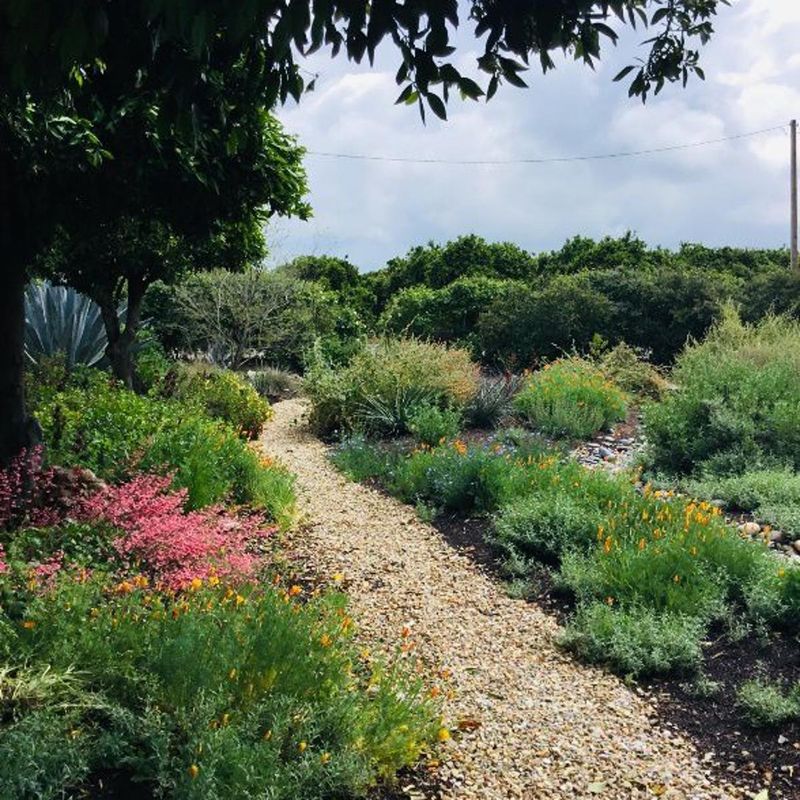
Rather than one magic plant or a single feature, what attracts California quail is a mosaic of conditions working together. Open or lightly vegetated ground gives them room to forage and spot approaching predators. Seed-producing forbs and annual plants supply the food they are looking for. Dense low shrubs offer fast escape cover, and taller shrubs or trees add structure, perches, and additional shelter.
Water can be a significant draw, especially during California’s long dry summers when natural sources disappear.
CDFW’s quail habitat guidance recommends a mix of brush species for cover and forb species for food. Examples given for California quail include brittlebush, deerweed, redberry, Pacific blackberry, lotus, lupine, clover, filaree, and chickweed. These are starting points for a conversation with your local nursery, not a universal shopping list. Plant suitability still depends on your specific climate zone, soil type, existing irrigation infrastructure, and whether a species has invasive tendencies in your region.
Native plants often come up in quail habitat discussions because many California natives evolved alongside the birds and produce seeds and structure that support them. UC ANR’s native plant guidance makes clear that “native” does not automatically mean low-water or low-maintenance. Riparian species may need regular irrigation even after establishment, and UC ANR’s fall planting notes emphasize that newly planted natives commonly require irrigation during their first one to two seasons while roots develop.
Check any candidate plant against CDFW’s invasive species resources before planting. Some plants marketed as wildlife-friendly or drought-tolerant have documented invasive potential in California wildlands. A habitat mosaic built from well-chosen, site-appropriate plants will serve quail and your yard far better than a random assortment of whatever is available at a big-box store.
Accommodate scratching where the garden can spare it
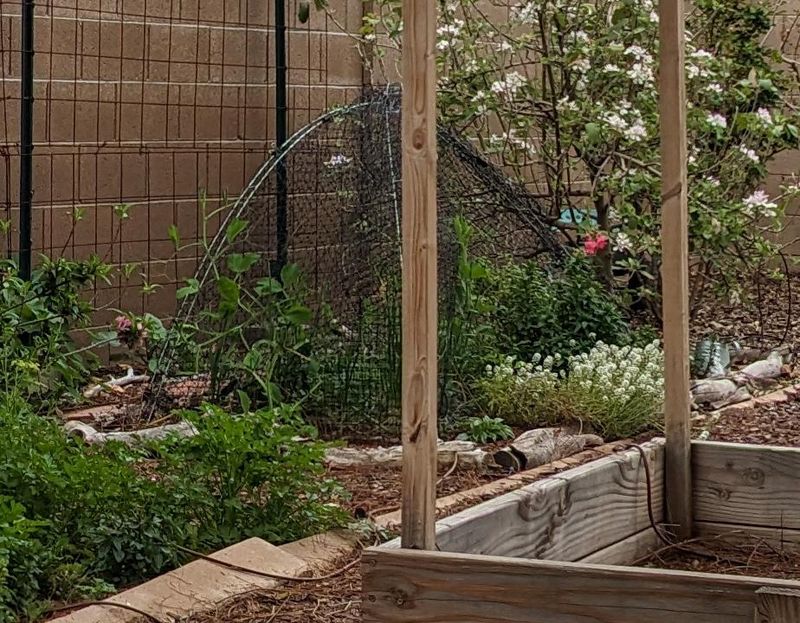
Scratching benefits the bird and costs the homeowner something. That honest tradeoff is worth naming before deciding how much of it to welcome. A quail working through a bed can displace mulch, expose bare soil, consume seeds you just sowed, and damage tender seedlings. The behavior is neither malicious nor particularly targeted.
It just happens to conflict with a freshly planted bed in a way it does not conflict with an open, lightly vegetated foraging patch.
WSU Extension’s quail and garden guidance suggests concentrating tolerance in open or naturally disturbed areas and protecting the beds that matter most. Low wire barriers, row cover, or a simple cage of chicken wire over seedlings can block access to vulnerable spots without chasing birds off the property entirely. The goal is selective accommodation, not a choice between protecting every inch of soil or surrendering every bed to foraging.
Along bed edges or in areas with established plants and a thick organic layer, some scratching is unlikely to cause lasting damage and can be left alone. CDFW’s habitat account describes quail as birds of open and semi-open ground, so a small, lightly planted corner or a gravel patch with seed-producing plants nearby is exactly the kind of space they prefer anyway.
One caution on weeds: tolerating some seed-producing annual plants in a designated foraging area is reasonable, but leaving all weeds indiscriminately is not. Some common California weeds are invasive, allergenic, fire-prone, or simply too aggressive to let spread. Selective tolerance, guided by what you know about each plant, is the practical middle ground between a weed-free yard and an unmanaged lot.
Make targeted pest decisions around visiting quail
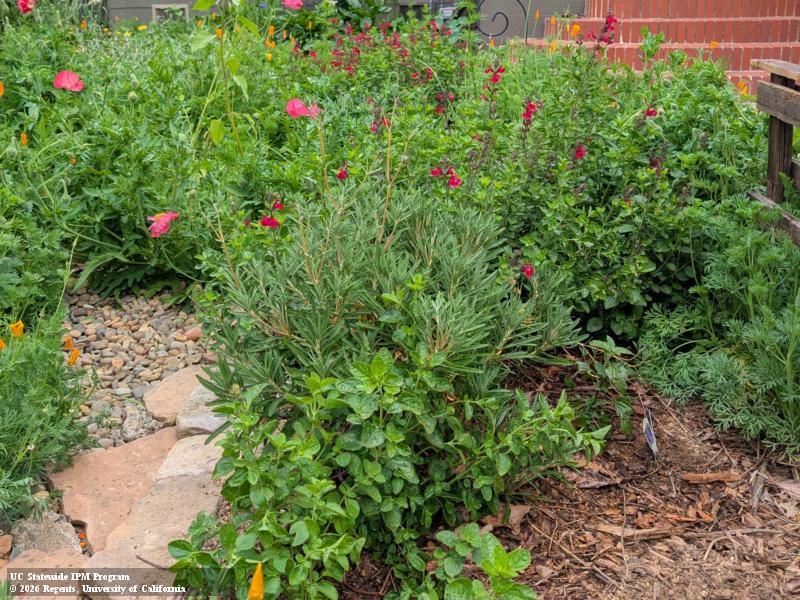
Having quail in the yard is not a reason to abandon pest management. The birds may consume some insects opportunistically, but they are not patrolling for specific pests on your behalf, and counting on them to handle a real infestation will leave the problem unaddressed. What their presence does suggest is that a broad-spectrum spray applied without careful targeting could harm birds and beneficial insects alongside whatever pest you are trying to manage.
EPA guidance on reducing pesticide impacts on wildlife recommends treating only the areas that actually need treatment, minimizing overall pesticide use, and always following the product label. Spraying the entire yard because you spotted a few aphids on one rose is the kind of decision that exposes ground-foraging birds and the invertebrates they eat to unnecessary chemical contact.
A practical sequence looks like this: inspect the plant, identify the pest accurately, decide whether the population level actually warrants treatment, and then treat only the affected area using the least disruptive method that will work. California DPR’s integrated pest management fact sheet for gardens lays out this inspect-identify-treat framework in detail and recommends physical controls, cultural practices, and targeted products before reaching for broad-spectrum options.
Label compliance is not optional. EPA’s label guidance is direct: the label is a legal document, and following it protects you, your soil, your water, and the wildlife using your yard. Pay attention to re-entry intervals, application timing relative to bloom periods, and any specific warnings about birds or aquatic organisms. Quail foraging on the ground the morning after an evening spray can pick up residues directly from treated soil and vegetation.
Manage water and hygiene before you invite more birds
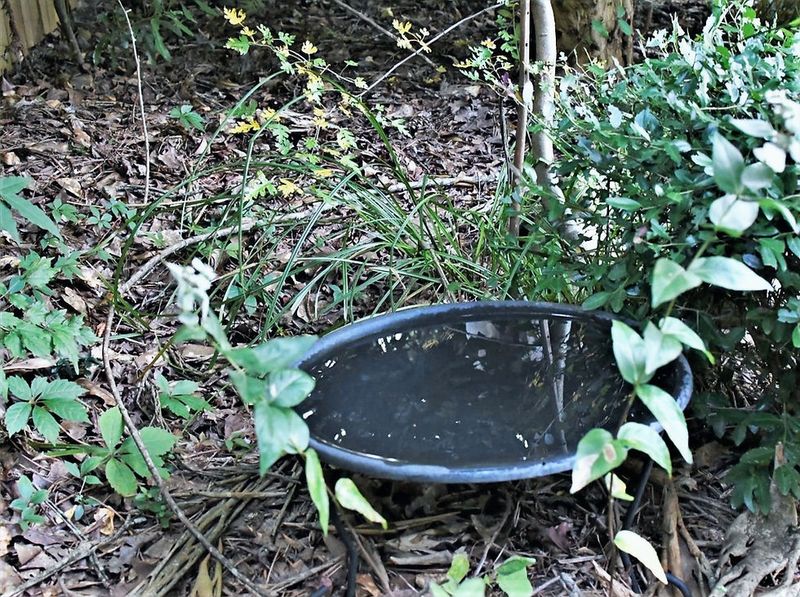
Free water can matter daily for California quail during hot, dry conditions. CDFW’s habitat account states that quail require access to free water daily in hot, dry weather, which in a California summer can mean most of the season. A shallow water source placed where birds can watch for approaching predators is one of the most practical things a homeowner can offer. The placement detail is not cosmetic; quail are prey animals and will avoid water sources that feel like traps.
Hygiene matters as much as placement. CDC guidance on Salmonella linked to wild bird feeders recommends cleaning birdbaths at least weekly or whenever visibly dirty, cleaning feeders at least monthly, and keeping pets away from areas where birds congregate and leave droppings. A bath that sits stagnant for two weeks in summer heat is a contamination risk, not a wildlife amenity.
Research published in Emerging Infectious Diseases links wild bird feeding and watering stations to disease transmission among birds and, in some cases, to human health risks. Concentrating birds around a single water or food source increases the chance that a sick bird passes pathogens to healthy ones. If you notice sick-looking birds or find dead birds near your water source, CDC bird flu guidance for bird hobbyists recommends temporarily removing feeders and baths, cleaning and disinfecting them thoroughly, and washing your hands after any contact with bird equipment.
Supplemental feeding is worth approaching cautiously. Spilled seed attracts rodents, and large concentrations of birds around a single food source can increase fecal contamination of soil and nearby plants. A clean, well-placed water source is a lower-risk way to support quail than a heavily stocked feeder that draws every bird in the neighborhood to one spot.
Keep habitat improvements inside California fire rules
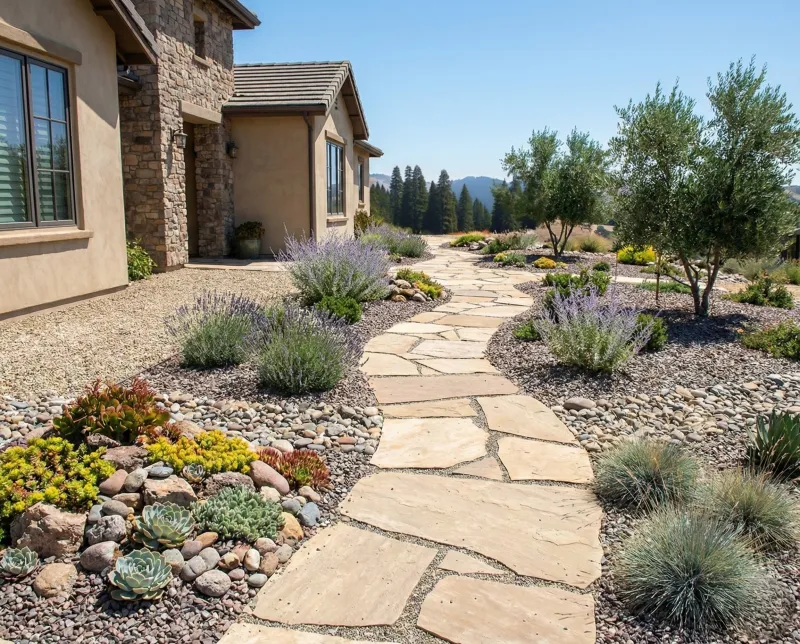
Any habitat improvement for quail has to work within California’s defensible-space requirements, not around them. Dense brush, tall dry grass, and accumulated dead vegetation are exactly the materials that make a yard dangerous during wildfire season, and they are also the features that some quail habitat guides encourage. Those two goals can coexist, but only with careful placement and ongoing maintenance.
CAL FIRE’s defensible space guidance requires homeowners to remove dead and dry vegetation, maintain horizontal spacing between trees and shrubs, and mow annual grass to a maximum of four inches in the relevant zone. The rules apply year-round, not just when a fire is imminent. Low shrubs planted for quail cover must be spaced according to zone requirements and kept free of dead material, not left to grow dense and continuous.
The Board of Forestry’s zone definitions distinguish between the immediate zone closest to the structure and the broader clearance zones extending outward. Shrubs that provide good quail cover in Zone 2 may be problematic if placed in Zone 0 or Zone 1 without adequate spacing and maintenance. Local fire departments and CAL FIRE units can tell you whether your jurisdiction imposes requirements stricter than the state minimum, and many do, particularly in communities near wildland-urban interface areas.
The practical principle is straightforward: quail cover belongs where it remains compatible with fire safety. A few well-spaced native shrubs with cleared ground beneath them can serve both goals. A continuous thicket of dry brush serves neither. Plan habitat with your fire clearance map in hand, not as an afterthought.
Let the covey enrich the yard without asking it to garden
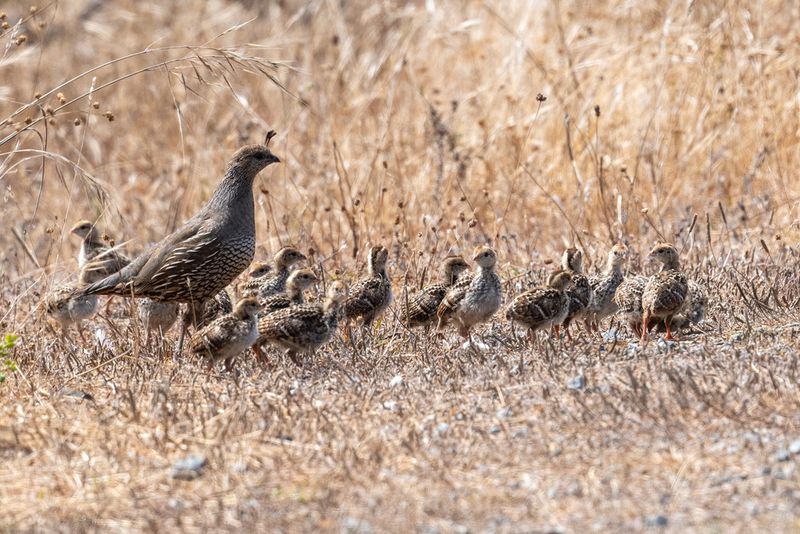
A covey moving through your yard is useful feedback: somewhere nearby, the landscape offers enough open ground, seed-producing plants, and low cover to make the visit worthwhile. Water may be part of the picture, or the birds may be finding it elsewhere in their range. Either way, the sighting reflects habitat conditions across the neighborhood, not a single yard’s performance.
You can build on that feedback practically. Keep a small open foraging pocket, tolerate scratching in areas where the plants can handle it, and protect seedlings and newly sown patches with simple physical barriers. Reduce unnecessary pesticide applications by following the inspect-identify-treat sequence from EPA’s wildlife protection guidance, and keep any water source clean and well-placed. Make sure every habitat feature you add stays within CAL FIRE’s defensible-space requirements for your zone.
Quail are genuinely good company in a California yard, and their foraging adds a small ecological thread to a suburban landscape that often has too few of them. They are just not responsible for weed control or pest management, and a yard that expects them to be will be disappointed. Let the birds do what they do, and handle the rest yourself.