
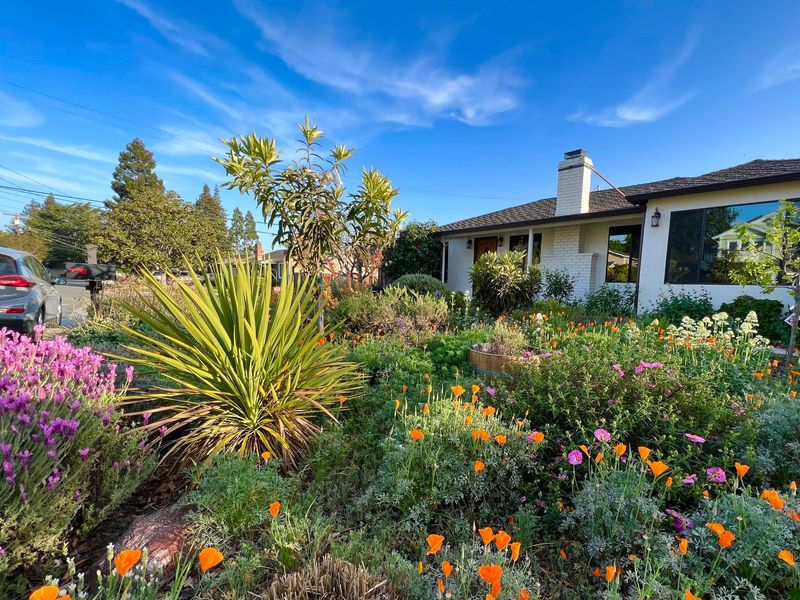
Crape myrtle looks pretty, but it drinks a lot of water and does almost nothing for California’s bees and butterflies during our long dry summers. When you swap it for the right native shrub, you get color along your walkway and a steady food source for pollinators when nectar is hard to find. The best part is that many of these plants shrug off drought once they settle in, so you water less and worry less about breaking water rules. Here are seven California native shrubs that earn their spot by the path and keep the pollinators fed all season.
1. Cleveland Sage (Salvia clevelandii)
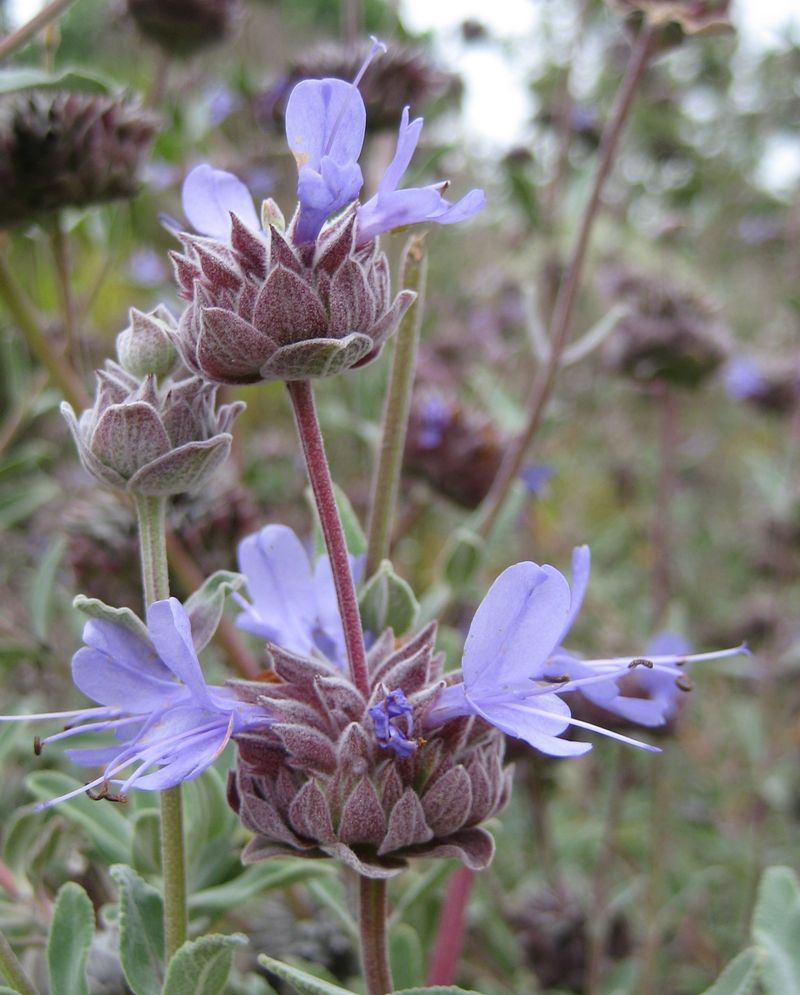
Brush past this shrub on a warm afternoon and the whole path smells like a mix of sage and mint, which is reason enough to plant it near a walkway. Cleveland sage sends up whorls of blue-purple flowers in late spring and summer, stacked like little floating rings on tall stems.
Bumblebees and carpenter bees love to wrestle into those blooms, and hummingbirds stop by too. It thrives in the hot, dry conditions that leave crape myrtle thirsty, asking for almost no summer water once its roots go deep.
Give it full sun and room to spread, since it can reach four to five feet across. A light trim after flowering keeps it tidy and encourages a second flush. If your soil drains slowly, plant it on a small mound so the roots stay happy through wet winters.
2. California Buckwheat (Eriogonum fasciculatum)
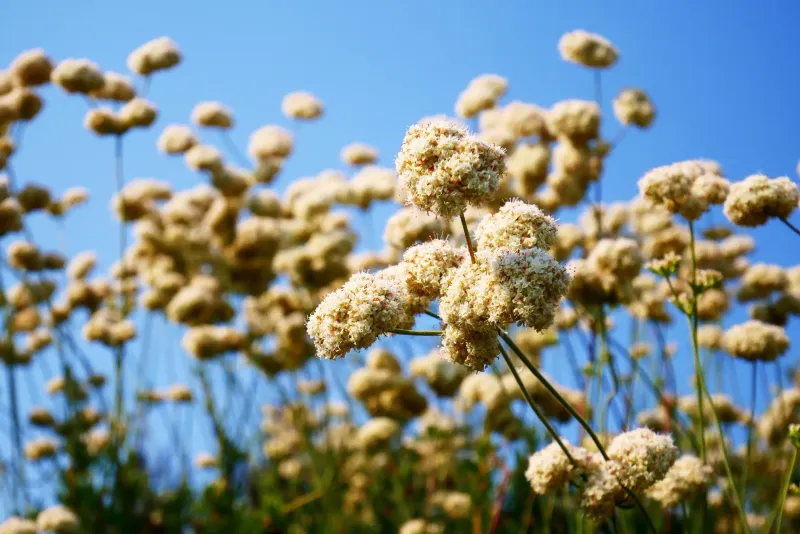
If any plant deserves the title of pollinator cafeteria, it is California buckwheat. The flat-topped flower clusters open creamy white in early summer, then slowly fade to rust and copper as the season dries out, giving your walkway a color show that shifts for months.
Native bees, hoverflies, small butterflies, and beneficial wasps swarm these flowers, and the dried seed heads later feed birds. It is one of the most important nectar sources for California’s wild pollinators, so planting it is a small act of stewardship that actually matters.
Buckwheat handles poor, rocky soil and blazing heat without blinking, and it needs no summer irrigation once established. Keep it lean and dry rather than pampered, because rich soil and extra water can make it flop or rot. A quick shear of spent blooms in late winter keeps the mound neat beside a path.
3. Woolly Bluecurls (Trichostema lanatum)
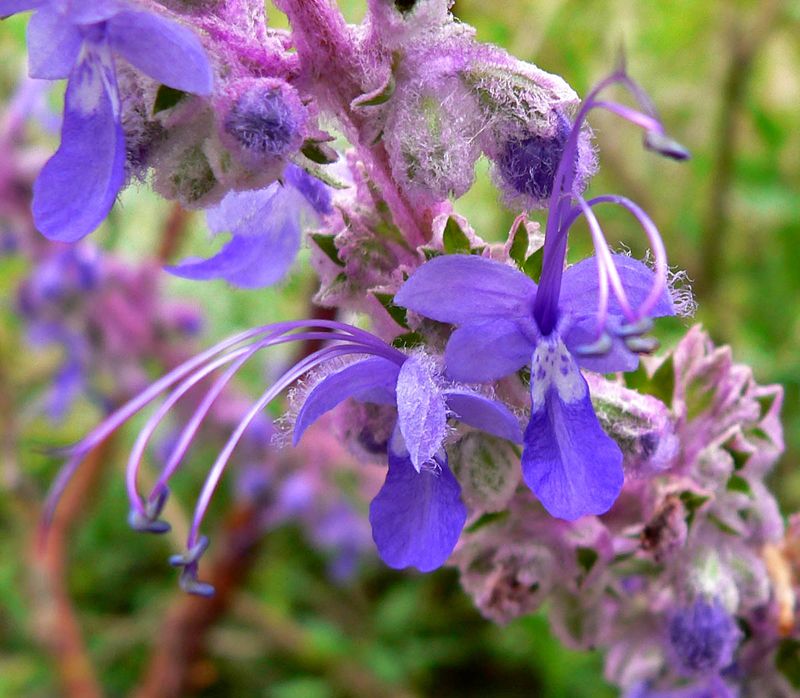
Few native shrubs stop visitors in their tracks like woolly bluecurls. The flower stalks are covered in fuzzy purple wool, and out of that fuzz curl bright electric-blue blossoms that look almost too strange to be real.
Hummingbirds and long-tongued bees make regular runs to these flowers, and the plant can bloom on and off for much of the dry season. Set it right along a walkway where people can lean in and see the odd, beautiful detail up close.
Here is the catch worth knowing: woolly bluecurls is picky about drainage and hates summer water on its roots. Plant it in fast-draining soil, in full sun, and then step away and leave it alone through summer. Treat it a bit like a wild thing rather than a fussy garden plant, and it can reward you for years with color crape myrtle could never match.
4. Bush Anemone (Carpenteria californica)
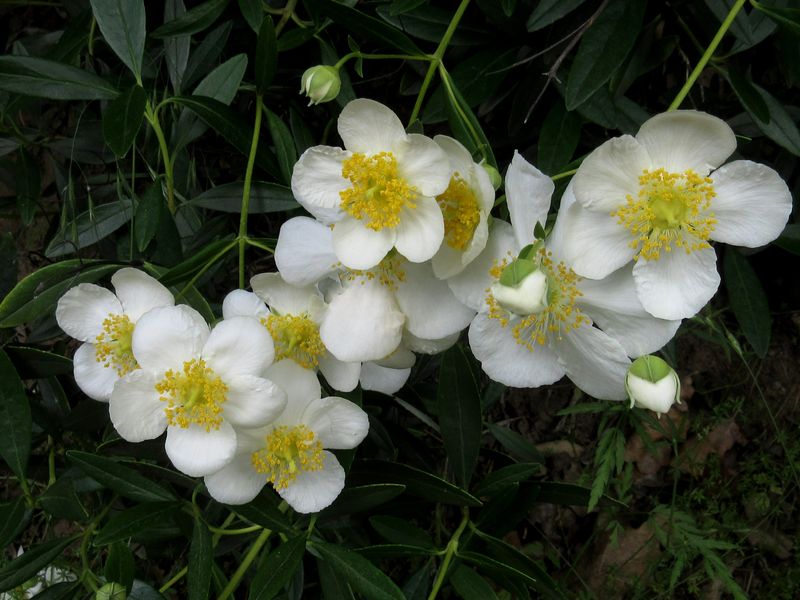
Want the clean, white-flowered elegance people expect from a showy garden shrub, but with California roots? Bush anemone delivers glossy evergreen leaves and big, fragrant white blooms with sunny yellow centers that glow against the dark foliage.
Bees dive straight for those golden stamens, gathering pollen through late spring and early summer. Because it stays green and neat all year, it makes a polished walkway anchor where crape myrtle used to sit bare and gray in winter.
A rare gem, bush anemone grows wild in only a small part of the Sierra foothills, which makes planting one feel a little like protecting a piece of California. It takes light shade better than most natives, so it fits paths shaded by a fence or house. Give it occasional deep summer water the first couple of years, then ease off as it matures.
5. Chaparral Mallow (Malacothamnus fasciculatus)
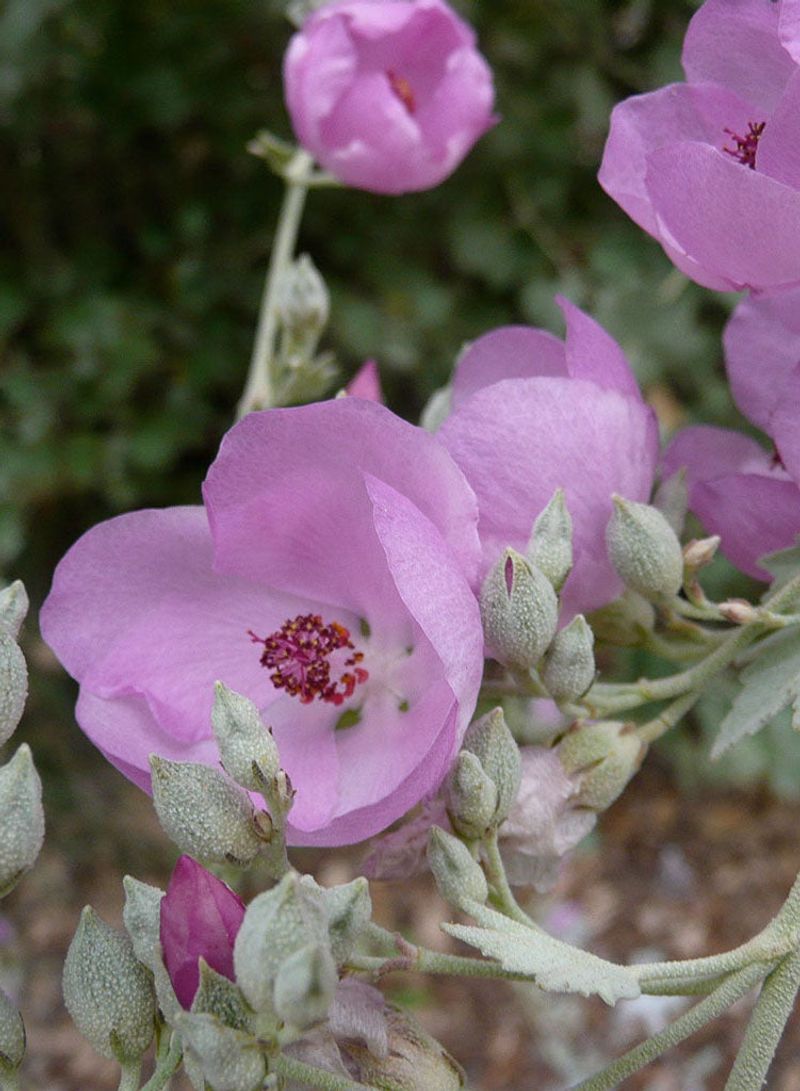
Picture soft, silvery-gray leaves topped with wands of pale pink hollyhock-like flowers, and you have chaparral mallow doing its thing all summer long. It grows fast and fills space quickly, which is handy when you are trying to cover the gap a removed crape myrtle leaves behind.
The cup-shaped blooms are a favorite of native bees, and this plant is a host for several butterfly and moth species, so it feeds both the grown-ups and the caterpillars. That double duty makes it a quiet hero for anyone worried their yard offers pollinators nothing but empty lawn.
It tolerates heat, drought, and even bounces back well after wildfire, a trait that matters for hillside and fire-zone homeowners. Give it a hard prune in late fall or winter to keep it from getting leggy. Full sun and lean soil suit it best, and it asks for very little water once settled.
6. Bee’s Bliss Sage (Salvia ‘Bee’s Bliss’)
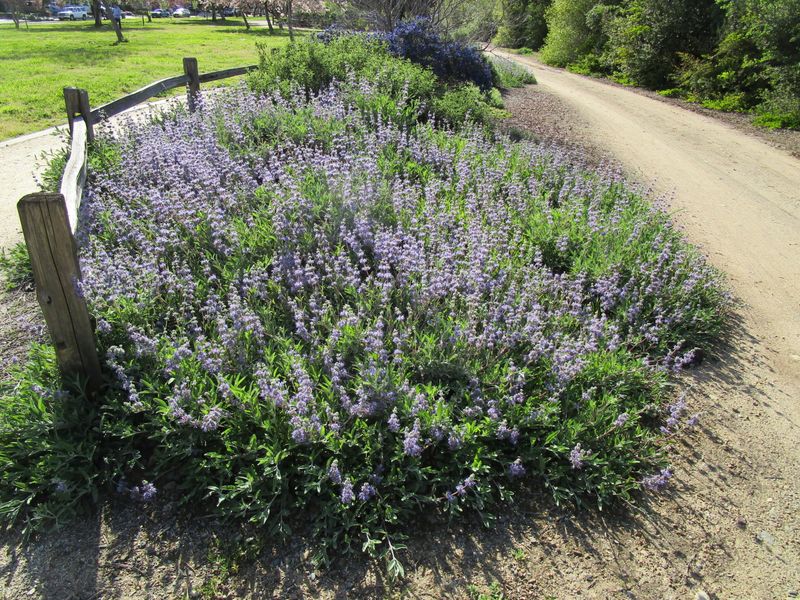
The name says it all, and the bees agree. This low, spreading sage hugs the ground and rolls out a carpet of gray-green foliage topped with soft lavender flower spikes in spring and early summer.
Because it stays low and wide, it works beautifully as a walkway edger or ground cover where a tall crape myrtle would feel out of place. The blooms hum with bees while the aromatic leaves seem to keep deer moving along.
Bee’s Bliss is a tough hybrid bred for gardens, so it handles heat and drought with less fuss than some pure wild species. Plant it on a slope or the front edge of a bed and let it tumble. One deep soak a month in peak summer is plenty, and often it needs even less once its roots reach down.
7. Coyote Mint (Monardella villosa)
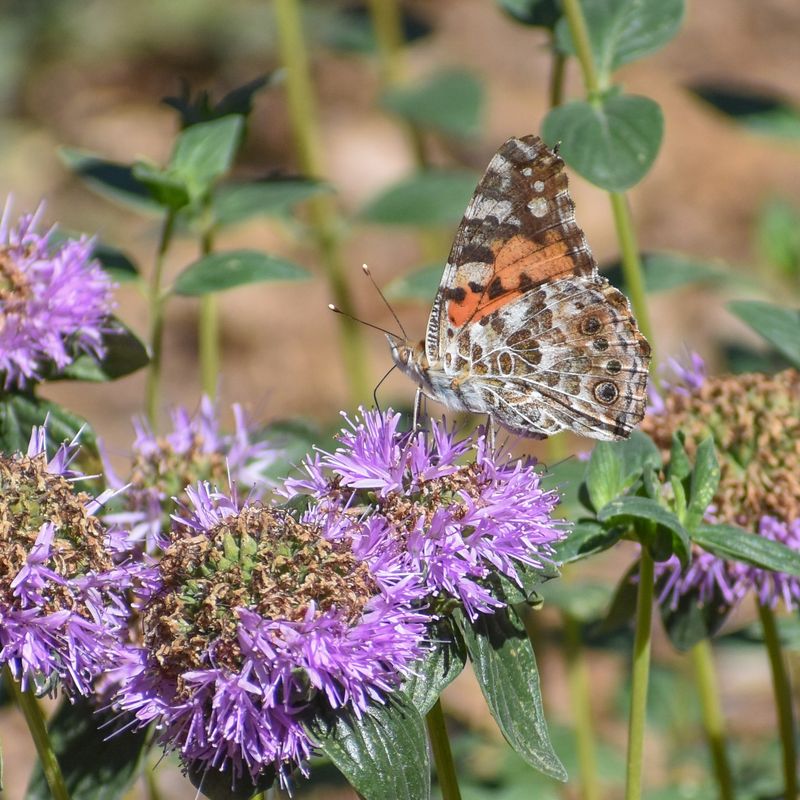
Crush a leaf of coyote mint between your fingers and you get a cool, minty scent that lingers, a fun surprise for anyone strolling the path. Rounded clusters of lavender-pink flowers sit atop the low mounds through summer, right when many other plants have called it quits.
Butterflies, native bees, and skippers cluster on the blooms, drawn by all that nectar during the driest stretch of the year. Its small size makes it ideal for the front of a bed or tucked between stepping stones where feet occasionally release the fragrance.
Coyote mint likes good drainage and full sun to light shade, and it rewards a little deadheading with more flowers. Water it modestly the first summer, then back off as it toughens up. For a walkway that smells wonderful and buzzes with life when the heat is on, this little native punches well above its size.