
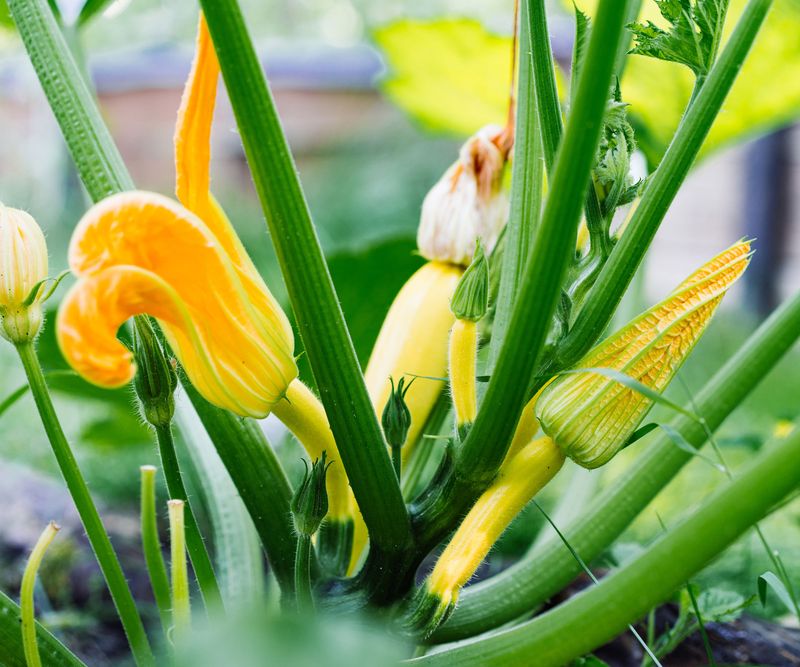
You step outside expecting to find baby zucchini forming, and instead you find a pile of fallen flowers under a plant that looks perfectly healthy. Before you reach for the watering can or a bag of fertilizer, take a closer look at those blossoms. Most dropped zucchini flowers are delivering a normal message, not an alarm, and knowing what to read in the flower itself changes everything about how you respond.
Dropped male blossoms can mark a normal beginning
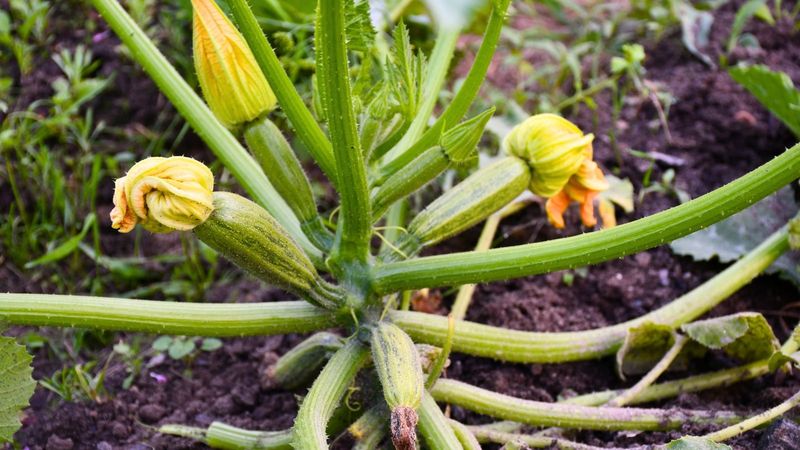
Zucchini is what botanists call monoecious, meaning one plant carries both male and female flowers. Only the female flowers can develop into the zucchini you eat. University of Minnesota Extension guidance on growing summer squash confirms that male blossoms typically open first, show up in greater numbers early in the season, and then fall after blooming without forming any fruit at all.
A vigorous, well-watered plant that drops flower after flower in its first few weeks of blooming may simply be working through its natural male-heavy phase. Iowa State University Extension notes that heavy blooming without much fruit is common early on, and that the proportion of female flowers usually rises as the plant matures, often within a few weeks.
Heat can extend or intensify that male-heavy pattern, but it is not the automatic cause of every dropped blossom. Sustained high temperatures can encourage more male flowers, slow female-flower development, or push the whole flowering timeline later. Framing heat as one possible contributor rather than the proven culprit keeps the diagnosis open until you actually look at the flowers.
Inspect the flower base before diagnosing failure
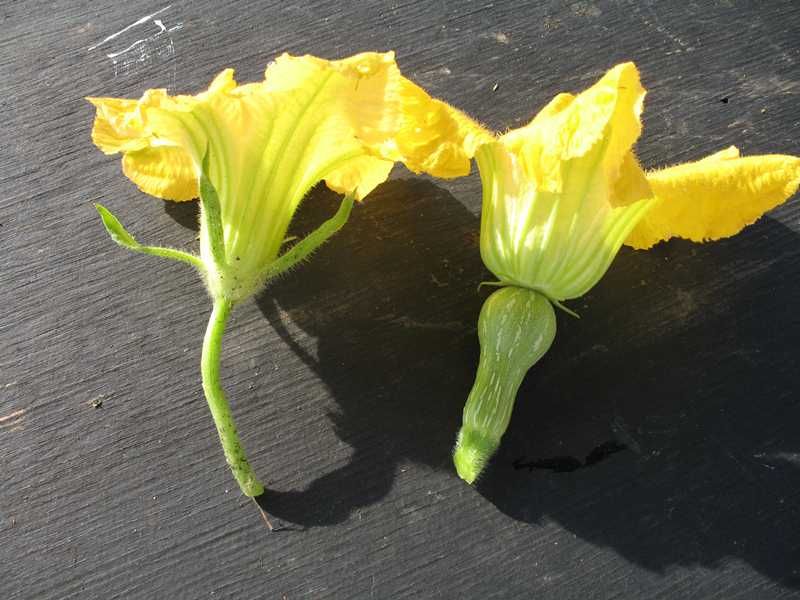
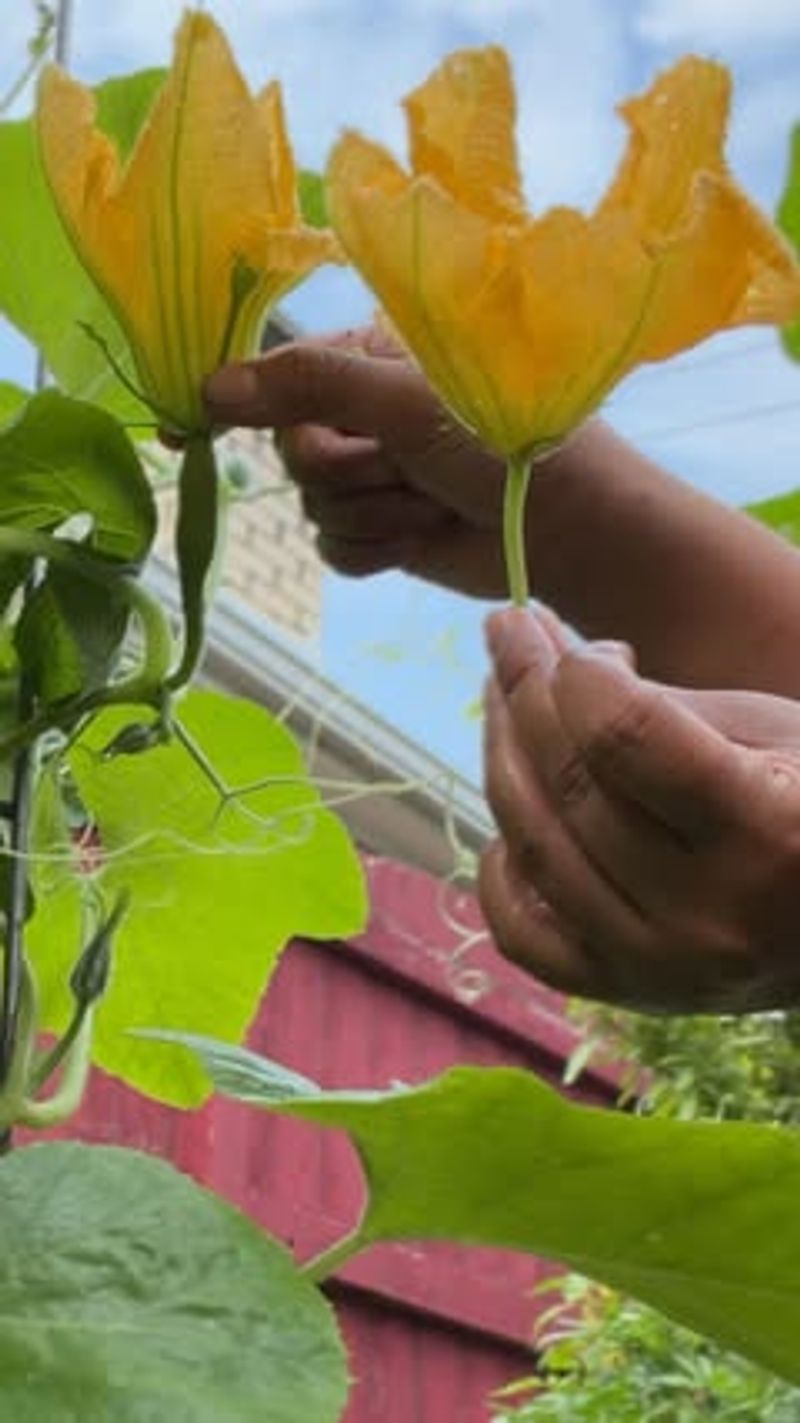
The fastest diagnostic tool you have costs nothing: pick up one of the fallen flowers and look at the base. A male flower sits at the end of a long, slender stem with no swelling behind the petals. A female flower has a noticeably shorter, thicker stem and a small, zucchini-shaped ovary sitting directly behind the bloom, like a miniature fruit waiting to grow.
Minnesota Extension’s squash guide describes this difference clearly: the presence or absence of that tiny swollen ovary is the single most reliable way to know which flower type you are looking at. Checking several buds across the plant, not just one, gives a more accurate picture of whether female flowers exist at all, whether they are aborting before they fully open, or whether the plant is genuinely producing only males right now.
Some gardeners miss the small ovary because it is easy to overlook on an immature bud, or because female buds can abort and drop before they ever open fully. If you find that ovary on at least some flowers, the plant has moved past the all-male phase. If every flower you check lacks it entirely, the plant may still be in its early flowering stage, or sustained stress may be delaying female development.
Heat can delay female flowers and disrupt several stages
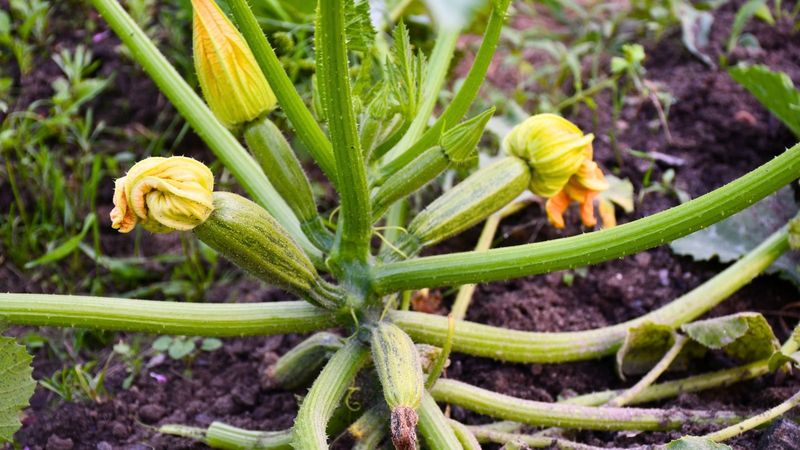
Sustained heat does not damage a zucchini plant in one single way. University of Minnesota Extension’s vegetable IPM blog reports that daytime temperatures hovering around 90 degrees Fahrenheit combined with nighttime temperatures near or above 70 degrees Fahrenheit can push sex expression toward more male flowers, slow female-flower development, and cause female buds or newly set fruit to abort. Those figures are useful cautionary benchmarks, not biological on-off switches that apply identically to every variety in every garden.
Duration matters as much as peak temperature. A single hot afternoon is different from two weeks of relentless heat. Variety, plant age, soil moisture, humidity, and overall plant health all influence how a zucchini responds. A well-watered plant in fertile, well-drained soil may tolerate the same temperatures that push a stressed or waterlogged plant into a prolonged male-only flowering phase.
Minnesota Extension’s cucurbit production guide distinguishes among four separate heat-related disruptions: a shift toward male flowers or delayed female development, abortion of female buds before they open, reduced pollinator activity during the brief morning bloom window, and impaired pollen performance or fruit abortion after pollination. Each of those problems has a different signature and calls for a different response, so treating them as one problem with one fix can lead you in the wrong direction.
A shrinking miniature zucchini points to pollination trouble
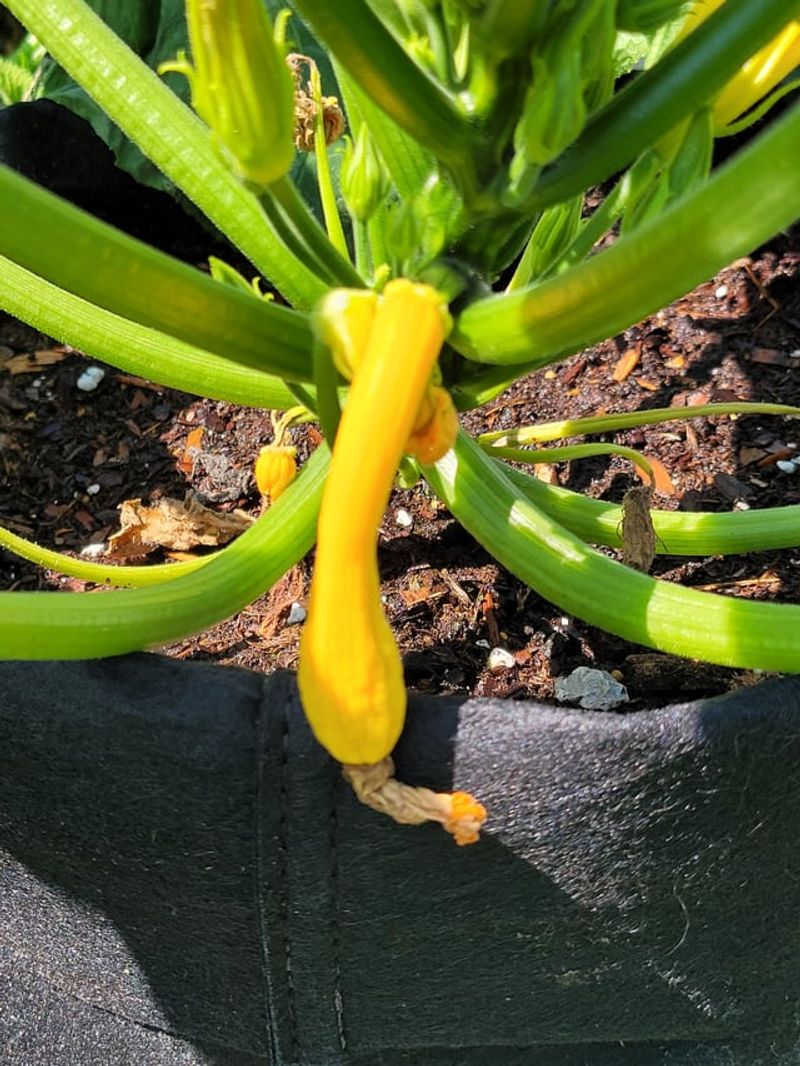
There is an important difference between a plant that has never produced a female flower and one that produces female flowers but loses the developing fruit shortly after. When a female flower opens, its ovary starts out as a promising little zucchini. If pollination is incomplete or fails entirely, that ovary yellows, shrivels, and drops within a day or two of the flower closing. Minnesota Extension’s pollination requirements page notes that poor pollination can also produce misshapen or stunted fruit rather than clean, straight zucchini.
Squash flowers open for only a few hours, generally in the morning, so pollination must happen during that narrow window. Utah State University Extension explains that bees and other insects transfer pollen from male to female flowers during this period, and that hot, rainy, windy, or otherwise unfavorable weather can sharply reduce how many effective visits actually occur.
Most conventional zucchini varieties depend on insect-mediated pollen transfer to set fruit. A smaller group of specifically bred parthenocarpic cultivars can set fruit under restricted pollination conditions, but research on parthenocarpic fruit set in summer squash confirms that this trait is cultivar-specific and should not be assumed to apply to standard garden varieties. If you are seeing female flowers open and then watching the tiny fruit behind them shrivel, the next place to look is pollinator activity and weather conditions during the morning bloom window.
Use steady moisture and patience instead of a speculative fix
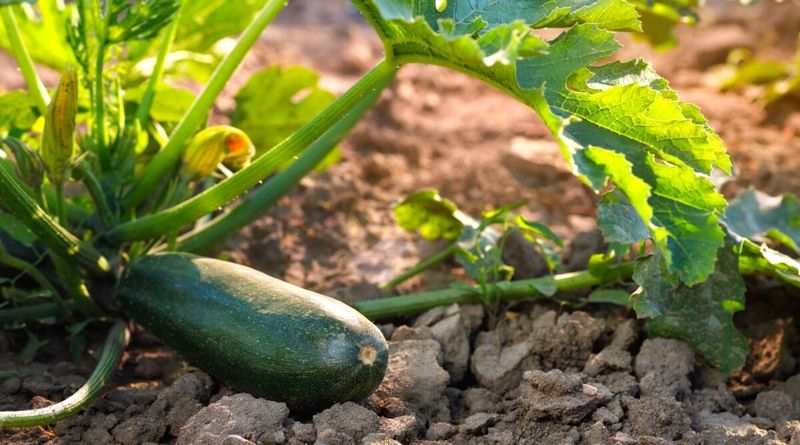
When a zucchini plant is producing only male flowers or aborting female buds, the instinct to do something is understandable, but the most common responses, adding more water or dumping in fertilizer, can make things worse. Minnesota Extension’s cucurbit production guide recommends keeping soil consistently moist in well-drained ground rather than simply watering more. Both drought stress and excessive water in poorly drained soil can contribute to flower and fruit abortion, so the goal is even moisture, not saturation.
Check the soil a few inches down before you water. If it feels wet, hold off. If the surface is bone dry and pulling away from the edges of the bed, the plant may already be drought-stressed enough to delay female-flower production. Good drainage is just as important as frequency, because roots sitting in standing water cannot take up nutrients effectively even when the plant looks thirsty.
Minnesota Extension also cautions against adding fertilizer without a soil test, particularly nitrogen-heavy products. Excess nitrogen pushes the plant toward leafy, vigorous growth and can delay the transition to female-flower production. The IPM heat blog reinforces that when sustained heat is the underlying issue, the most honest answer is often to maintain stable growing conditions and wait for temperatures to moderate. Production often improves as conditions ease, but the timing varies by variety, plant age, and how long the stress has lasted.
Hand-pollinate a fresh female flower when needed
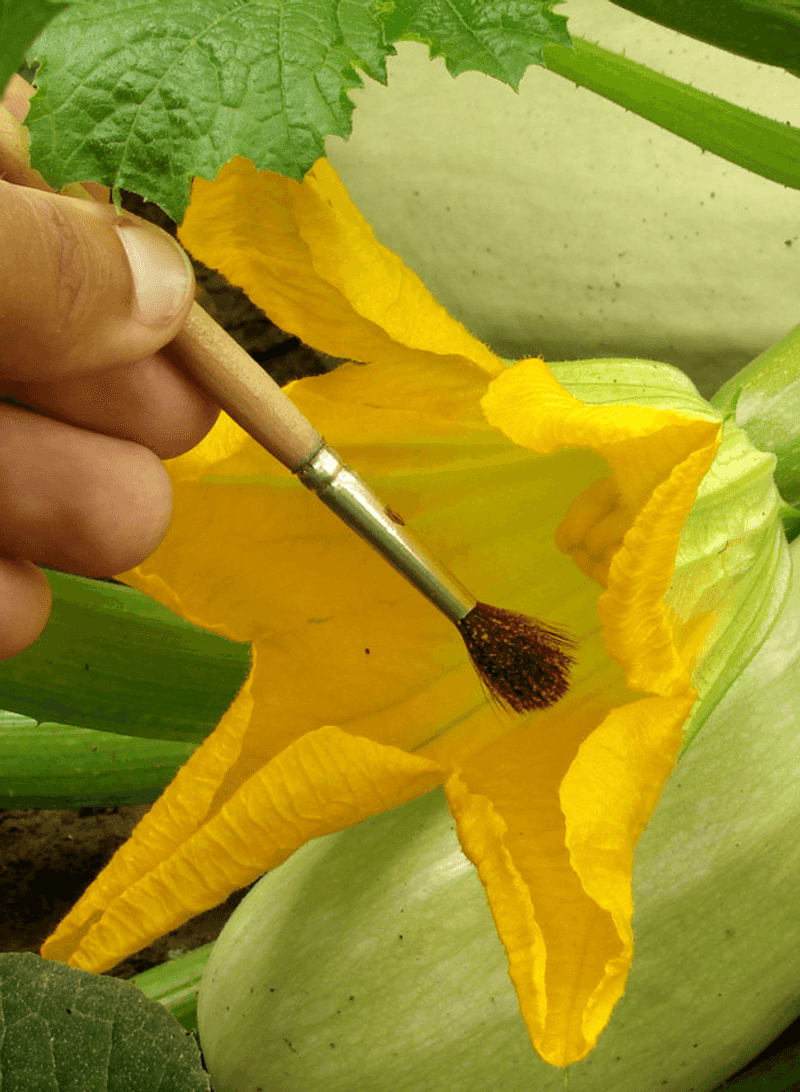
Hand pollination is a practical rescue step for a plant that has both flower types open at the same time but is not getting enough effective pollinator visits. University of Florida IFAS Extension recommends working early in the morning while the flowers are fully open and pollen is fresh. Use either a freshly opened male flower or a clean, dry paintbrush.
If you use the male flower directly, peel back its petals to expose the central anther, which will be coated in yellow pollen. Gently dab or swipe it against the stigma inside an open female flower, the sticky central structure visible when you look into the bloom. UC Agriculture and Natural Resources guidance on hand-pollinating squash suggests making contact with the stigma several times and using more than one male flower if possible, since a single pollen transfer may not deposit enough to complete fertilization.
This technique addresses one specific problem: insufficient pollen reaching a viable female flower. Minnesota Extension’s cucurbit guide is direct on this point. Hand pollination cannot produce female flowers where none exist, cannot reverse the effects of severe heat or drought, cannot compensate for waterlogging or disease, and cannot rescue pollen that has lost viability due to extreme temperatures. When the conditions are right and a fresh female flower is open, it gives the plant its best chance; when those conditions are not met, no amount of pollen transfer will produce fruit.
Protect flowers, pollen, and pollinator access
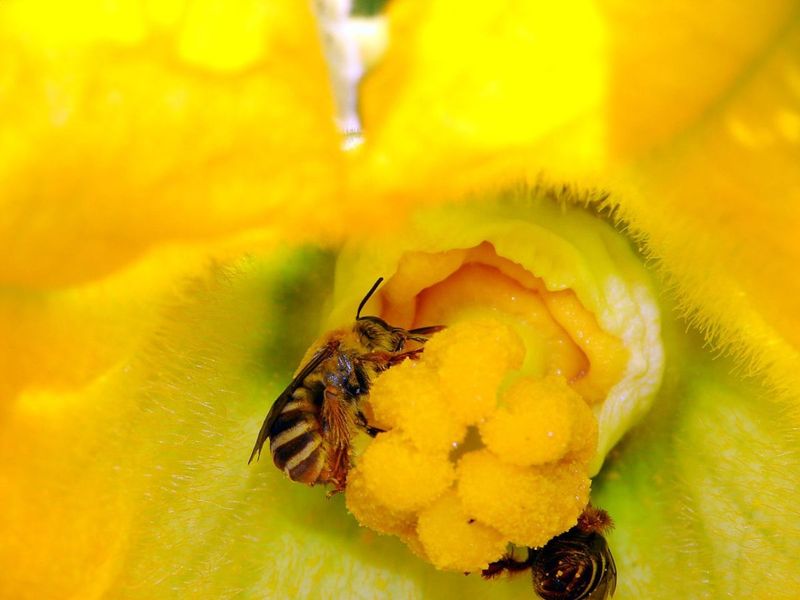
One of the most counterproductive responses to a slow-producing zucchini is reaching for an insecticide spray. Squash depends heavily on insect pollination, and EPA pollinator protection guidance recommends avoiding unnecessary pesticide use during bloom, applying only when pollinators are least active if a label permits it, and always following the product label. Spraying during the morning hours when flowers are open can harm the very insects the plant needs.
Honeybees are not the only pollinators worth protecting. North Carolina State Extension’s guide to squash bees explains that squash bees are specialists closely associated with cucurbit flowers, often active earlier in the morning than honeybees, and capable of effective pollination on their own. Bumblebees and other native insects also contribute. The goal is to keep the full community of flower visitors active rather than assuming one species carries the entire workload.
Illinois Extension’s summer squash guide notes that gardeners should leave some male flowers on the plant at all times, since they supply the pollen that female flowers need. Row covers are useful for protecting young plants from pests or cold, but Minnesota Extension is clear that covers must come off once flowering begins. A covered plant in full bloom gets no pollinator visits at all, and no amount of hand pollination later fully replaces consistent, natural insect activity.
Let the blossoms guide the next step
Reading the flowers before changing the plant’s care keeps the response proportionate to the actual problem. Male-only flowers on a young plant call for observation, stable moisture, and patience through the heat. Minnesota Extension confirms this is a normal early phase that resolves as the plant matures or conditions moderate.
Female buds that appear and then disappear before opening point toward sustained heat or plant stress as likely contributors, and the response is to address soil moisture, drainage, and conditions rather than fertilizer. Female flowers that open but produce fruit that quickly shrivels call for a closer look at pollination requirements and whether pollinators are reaching the blooms during the brief morning window.
Fallen blossoms are not automatically diseased, heat-damaged, or a sign that something went wrong. The useful fix starts with identifying the flower type, then matching the response to what the plant is actually showing you. A zucchini that keeps blooming is still trying to produce, and that is the most encouraging sign of all.