
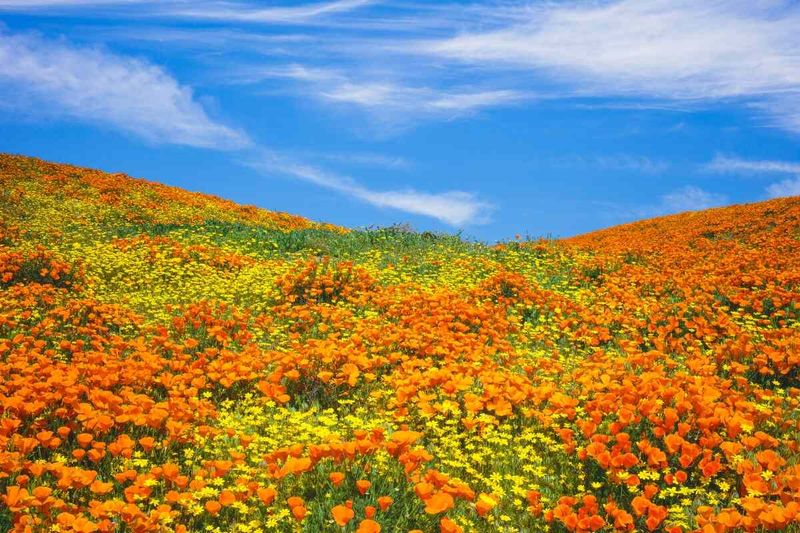
If your grassy slope drinks water like it is going out of style, there is a better way that actually loves California summers. Native groundcovers can hold a hillside in place, feed local bees and birds, and stay green long after your neighbor’s lawn turns brown. The best part is that once these plants settle in, most need zero summer watering to look good. Here are seven tough, beautiful natives that turn a thirsty slope into a low-care, wildlife-friendly carpet.
1. Bearberry Manzanita (Arctostaphylos uva-ursi)
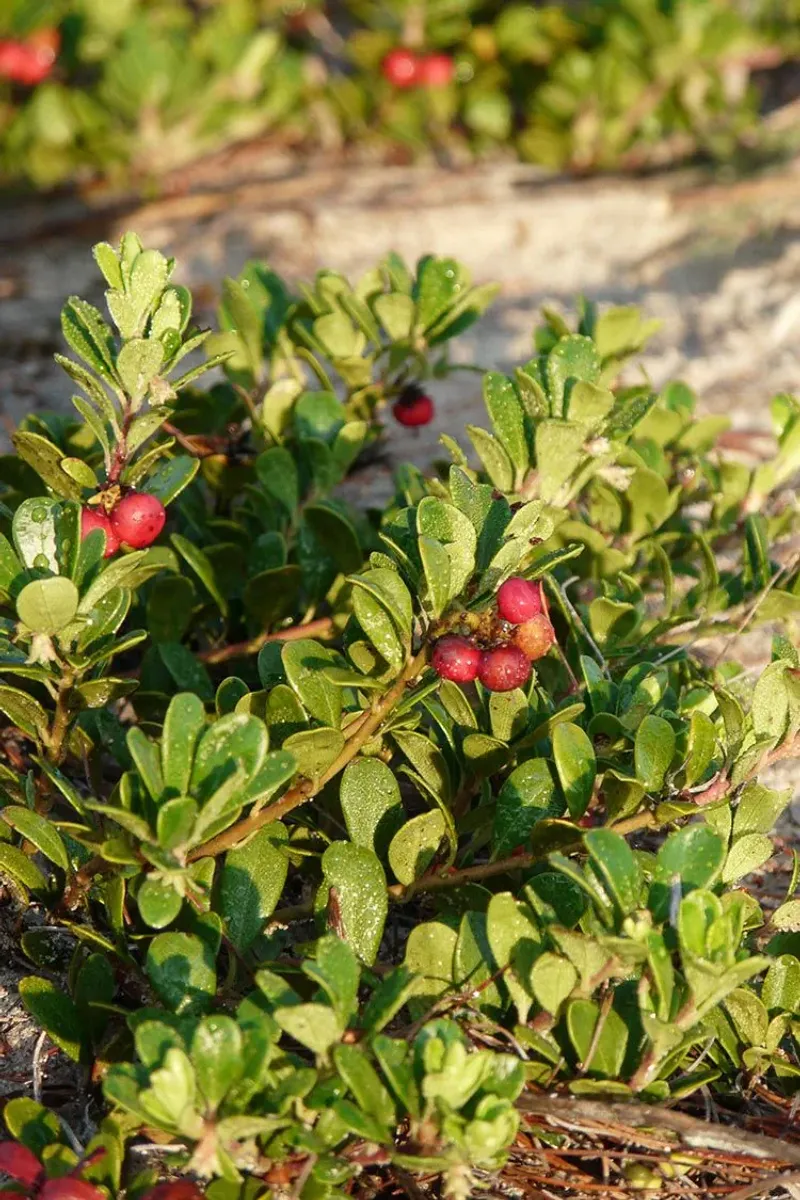
Picture a green mat so dense that weeds barely stand a chance, spilling down a slope like a slow-moving wave. That is bearberry manzanita, one of the toughest carpet-formers a California homeowner can plant.
Its small, leathery leaves stay a rich green through the driest months, and its trailing stems root as they spread, knitting loose hillside soil together. In late winter, tiny pink-tinged bell flowers appear and hum with native bumblebees, followed by little red berries that birds happily raid.
Coastal and cooler inland yards suit it best, and it wants sharp drainage on a slope rather than soggy flat ground. Give it a couple of deep soaks the first year to help roots reach down, then step back and let the rain do the rest.
Fun bit of trivia: the name uva-ursi literally means grape of the bear, a nod to the animals that feast on its fruit. Skip the summer hose and you will not be harming it, you will be doing exactly what it wants.
2. Creeping Sage (Salvia sonomensis)
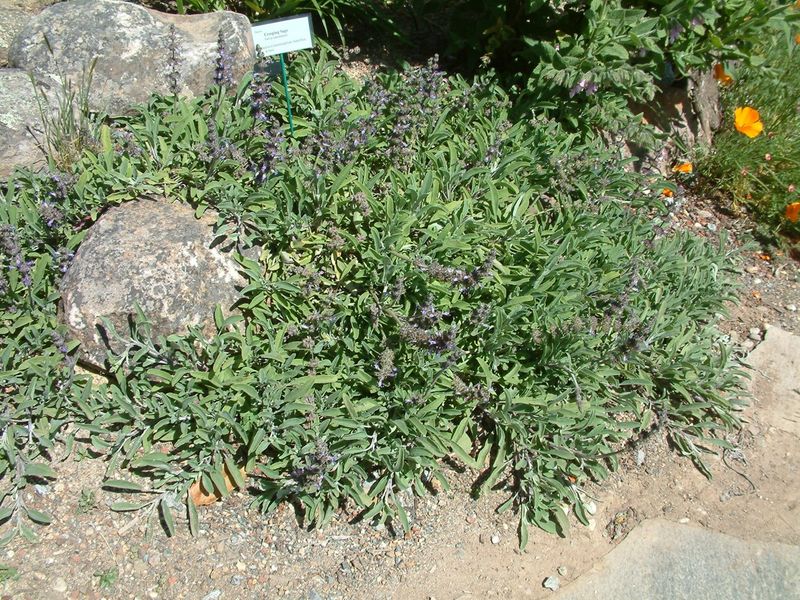
Brush your hand across this plant and your fingers come away smelling like a wild hillside after rain. Creeping sage brings fragrance to the ground layer, something most lawn substitutes cannot claim.
Low mounds of soft gray-green leaves hug the earth and send up spikes of lavender-blue flowers in spring that pollinators track from yards away. Native bees, hummingbirds, and butterflies all work the blooms, so a single planted slope becomes a busy little pit stop for local wildlife.
Dry, sunny, well-drained banks are its happy place, and it genuinely resents rich soil or extra summer water. Overwatering is the fastest way to lose it, so once it is established, treat drought as a feature rather than a problem.
Because the foliage stays aromatic and evergreen, it also reads as tidy year-round without mowing or edging. Plant it where you will walk past often, and every breeze becomes a small reward.
3. Yarrow (Achillea millefolium)
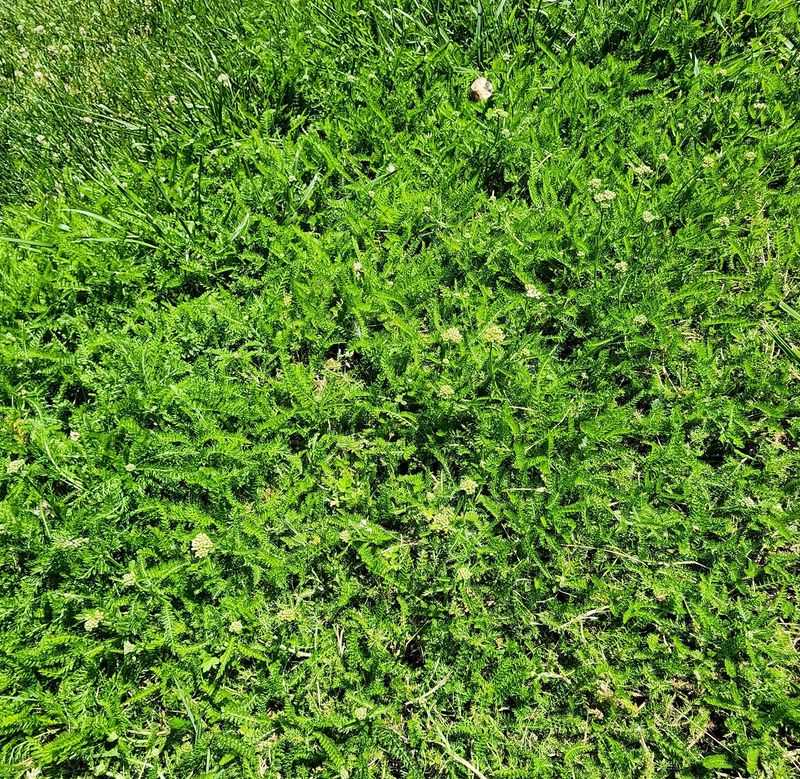
Here is the native that comes closest to actually looking like a lawn, minus the guilt and the water bill. Yarrow forms a soft, ferny green carpet you can even walk across and mow a few times a year if you want that manicured feel.
Left a little longer, it sends up flat clusters of white flowers that swarm with beneficial insects, including the tiny predatory bugs that keep garden pests in check. That makes it a quiet ally for anyone worried about spraying chemicals that harm pollinators.
It shrugs off poor soil, spreads by underground runners to fill a slope, and greens up fast after the first fall rains. During peak summer heat it may go semi-dormant and look tired, but it bounces right back and needs no rescue watering.
Yarrow has been used by people for thousands of years, and its old nickname was soldiers woundwort. On a hillside, though, its real job is holding soil and feeding the good bugs.
4. Point Reyes Ceanothus (Ceanothus gloriosus)
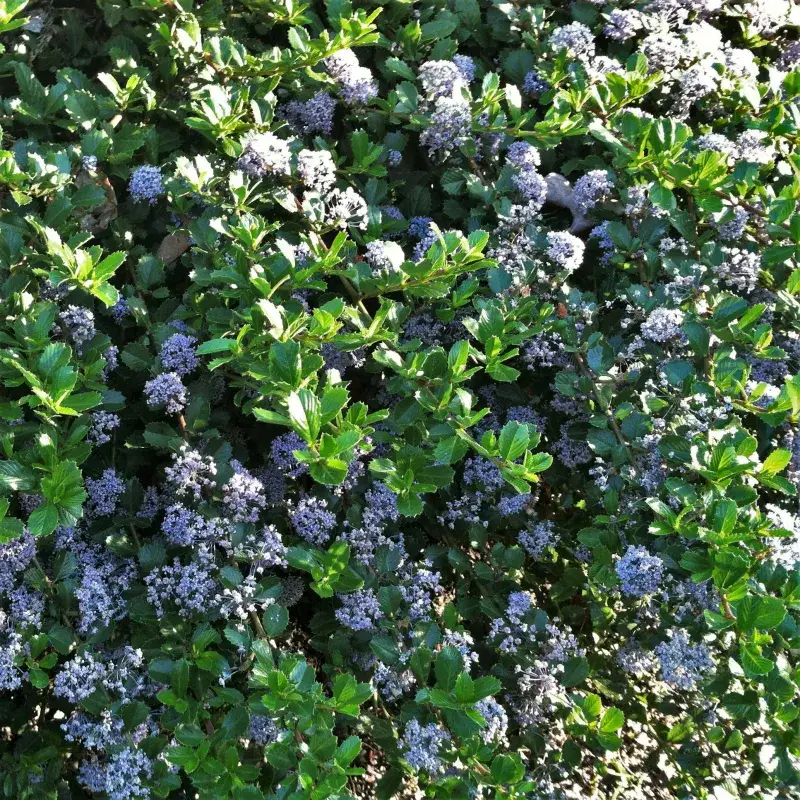
For a slope you basically want to plant and forget, few natives are as reliable as this low creeping ceanothus. It spreads into a thick, glossy dark-green blanket that smothers weeds and stays handsome without any fuss.
Spring brings a haze of powder-blue flower clusters that pull in native bees by the dozen, turning a quiet bank into a buzzing patch of life. The dense growth also grips loose or eroding soil, which makes it a favorite for tricky hillsides that keep sliding.
Coastal and cooler inland gardens with decent drainage suit it best, and it truly wants to be left dry through summer. Extra irrigation on a mature plant can invite root rot, so putting the hose away is genuinely the kinder choice.
Old-timers call ceanothus California lilac, though it is no relation to true lilac at all. What it lacks in family ties it makes up for in being a wildlife magnet that asks for almost nothing in return.
5. Beach Strawberry (Fragaria chiloensis)
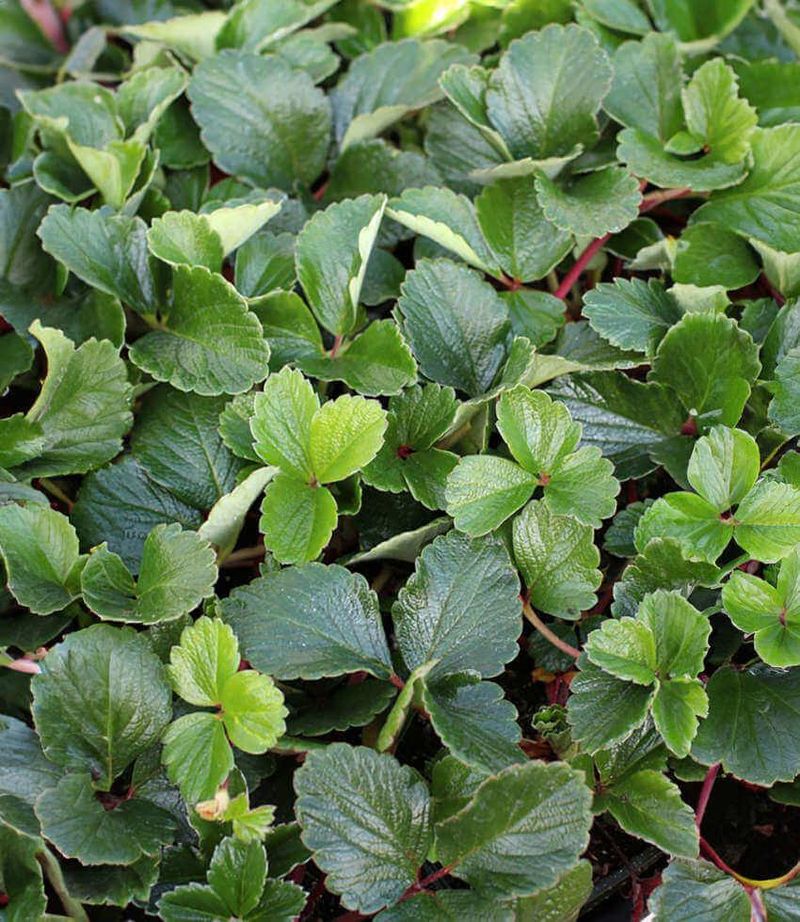
Glossy, three-part leaves that shine like they have been polished make this little strawberry a standout underfoot. Beach strawberry runs across the ground on strawberry-style runners, quickly stitching bare slopes into a lush green mat.
Small white flowers give way to tiny edible red berries, so you get a groundcover that feeds birds, pollinators, and the occasional curious kid. The dense, layered leaves shade out weeds and cushion the soil against pounding winter rain.
It handles sun near the coast and appreciates a bit of afternoon shade inland, where summer heat runs stronger. Once its roots are down, it coasts through the dry season on rainfall alone, greening up again the moment fall storms arrive.
Anyone missing the soft look of turf will appreciate how walkable and cheerful this species feels. Plant it on a gentle slope you actually enjoy strolling, and you may find yourself checking for ripe berries all summer.
6. California Fuchsia (Epilobium canum)
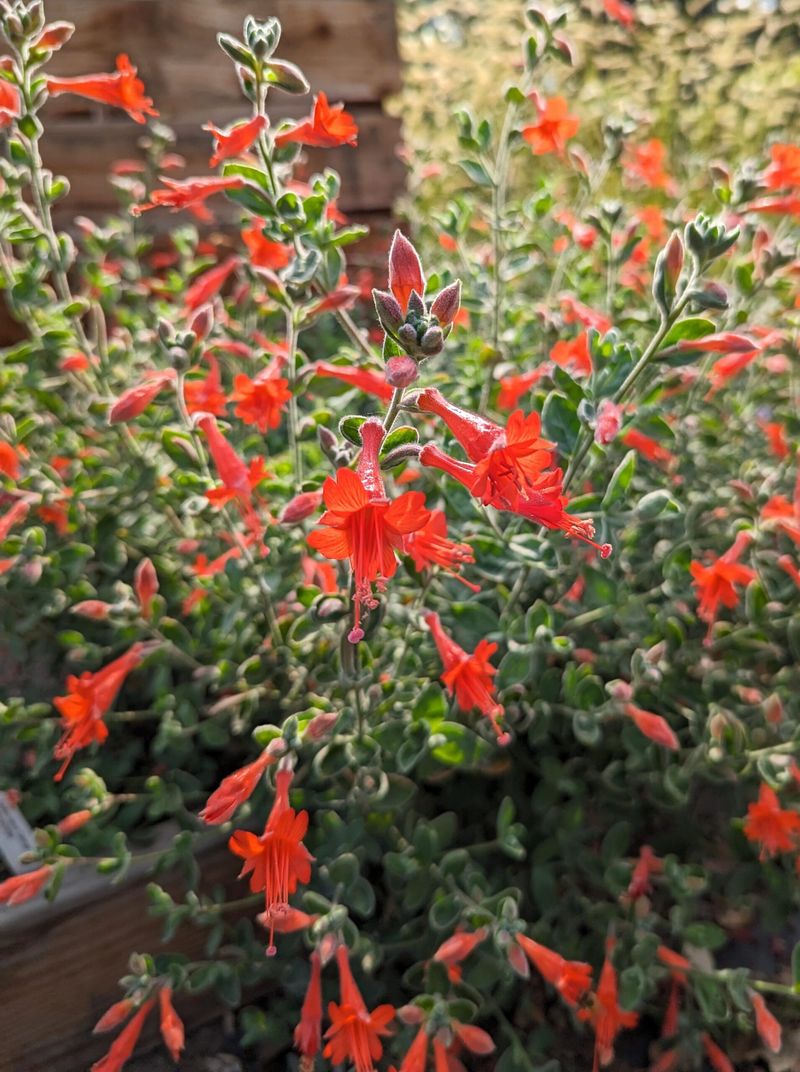
Just when the rest of the garden looks parched and sleepy, this plant lights up a slope with fireworks. California fuchsia bursts into brilliant tubular red-orange flowers in late summer and fall, exactly when hummingbirds need fuel the most.
Its silvery gray-green foliage spreads by underground roots to form a loose, drought-proof carpet on hot, sunny banks. Those blazing blooms are practically a hummingbird cafeteria, and planting a patch can make your yard a lifeline for migrating birds.
Poor, rocky, fast-draining soil is where it thrives, and summer watering only makes it floppy and short-lived. Cutting it back in late winter keeps it dense and encourages a fresh, tidy flush of growth.
Where many natives fade in the heat, this one saves its best show for the toughest stretch of the year. If you want color when everything else has given up, this is the slope-holder to plant.
7. Dwarf Coyote Brush (Baccharis pilularis ‘Pigeon Point’)
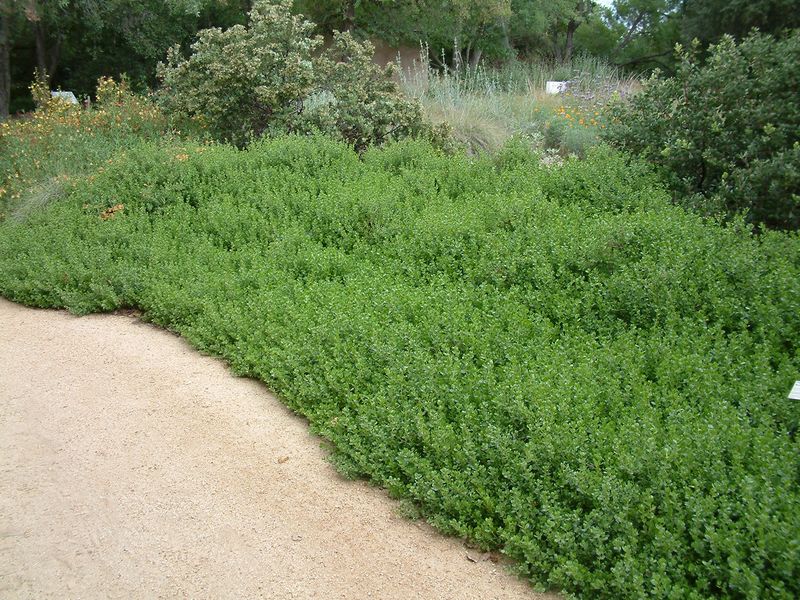
If you have a big, ugly slope and a small budget of patience, meet the workhorse of California groundcovers. Dwarf coyote brush spreads fast into a low, bright-green evergreen carpet that covers ground almost anything else would give up on.
It laughs off clay, sand, wind, salt spray, and neglect, which is why highway crews and hillside homeowners lean on it so heavily. Its dense mat locks down eroding soil, and because it stays green and relatively low in moisture, it fits well into fire-wise, defensible-space planting near wildland edges.
Tiny fall flowers feed a surprising crowd of native insects, from beneficial wasps to butterflies, keeping the food web humming through the season. Once established, it wants no summer irrigation at all and stays evergreen straight through the dry months.
A yearly shearing keeps it flat and neat, otherwise it slowly builds up woody height. For the slope that has beaten every other plant, this is the reliable finisher.