
A plain fence can feel like a missed chance in a Florida yard. Add the right native vine, and that same fence can become a living screen with color, cover, and bird appeal. For gardeners hoping to draw painted buntings, the goal is simple: build a safe, leafy edge where birds can pause, feed nearby, and feel hidden.
Florida as the vine-friendly stage
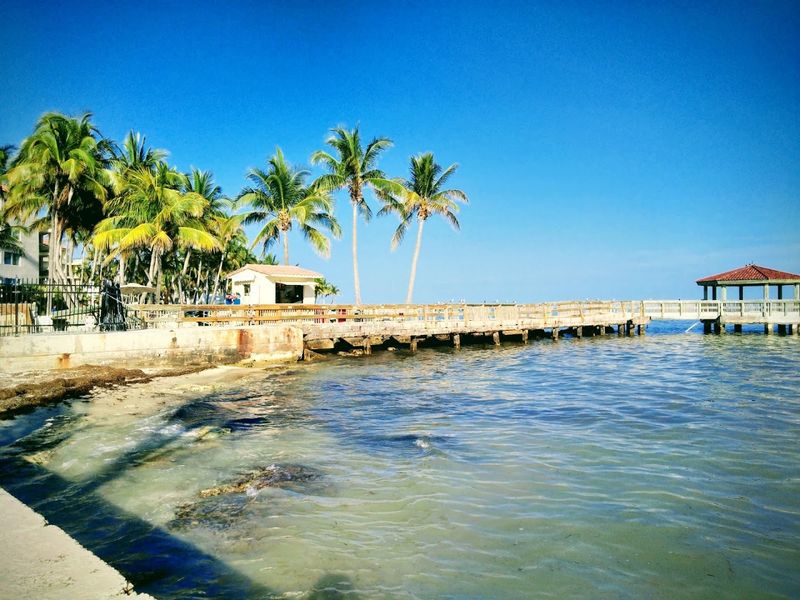
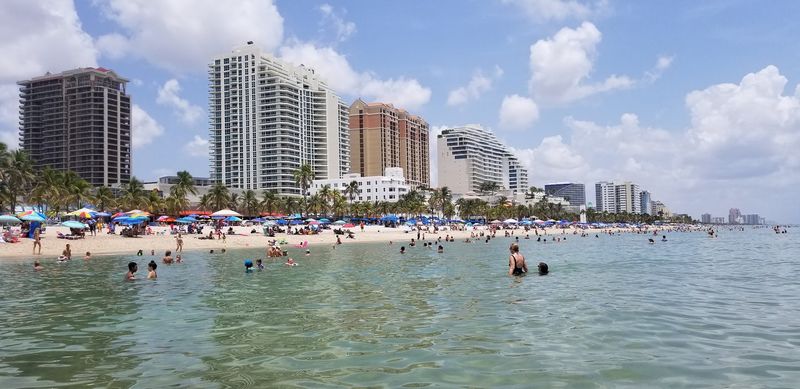
Florida gives fence gardens a setting unlike almost anywhere else in the country. The state sits at the southeastern edge of the United States, with the Atlantic Ocean on one side and the Gulf of Mexico on the other. That watery frame shapes the way many home landscapes feel, from salty breezes near the coast to humid afternoons inland.
A vine on a fence makes sense in this kind of place because outdoor space often works hard. A bare barrier can block a view, mark a property line, or protect a patio, but it does not have to stay flat and lifeless. When gardeners train a Florida native vine through slats, the fence can begin acting like habitat instead of just hardware.
For painted bunting fans, that change matters. Buntings are shy, jewel-colored birds that are easier to welcome when a yard offers cover rather than wide-open exposure. A woven fence planting can create the kind of leafy edge that feels useful, beautiful, and practical in a Florida garden.
A living fence instead of a bare barrier
A fence can look finished and still feel empty. Many Florida homeowners know the look: a clean run of wood, vinyl, or metal that solves a privacy problem but adds little life to the yard. A native vine changes the mood without requiring a full redesign.
Threading growth through fence slats gives the plant a ready-made support. Instead of asking a gardener to build an arbor or trellis, the existing barrier becomes the structure. The effect is especially satisfying along side yards, patio edges, and back fences where a narrow planting strip may be all the space available.
Birds respond to layers. A fence by itself is a hard line, but a vine turns that line into a softer edge with leaves, stems, shade pockets, and stopping points. For a bunting, that can mean a safer route through the yard. For the gardener, it means the view gets better from both sides of the fence.
The best part is the everyday payoff. A once-blank surface starts changing with the seasons, catching morning light, hiding awkward gaps, and making a small yard feel more settled.
Native planting with Florida logic
Smart Florida gardening starts with plants that understand the assignment. Sandy, fast-draining soil, strong sun, heavy rain, and sticky heat can punish fussy choices. Native vines are often a better fit because they belong to the region’s natural plant community.
That does not mean every native plant is maintenance-free or right for every fence. It means the gardener begins with a better question: what grows with Florida rather than against it? A vine chosen for local conditions can be easier to settle into a yard than a delicate ornamental that needs constant rescue.
Florida gardeners also think about storms. A vine-covered fence should be managed, not ignored, because extra weight and tangled growth can become a problem if the plant is allowed to overwhelm weak sections. Light training and seasonal trimming keep the planting attractive while helping the fence do its job.
Native-leaning choices also support a more connected yard. When the plant fits the place, insects, birds, and other wildlife have a better chance of using the space. That is the quiet logic behind a bunting-friendly fence: beauty first catches the eye, but habitat keeps the garden interesting.
Leafy cover for shy painted buntings
Painted buntings look flashy, but they often behave like little secrets. Their bright colors can make them seem bold in photos, yet in a yard they usually appreciate cover, edges, and quick escape routes. A fence laced with foliage gives them more places to pause without feeling exposed.
The vine is not the whole bird garden by itself. Think of it as one piece of a small habitat puzzle. Nearby seed sources, shrubs, quiet corners, and reduced disturbance all help make a yard more inviting. The fence vine adds vertical cover, which is especially valuable in tight Florida lots where planting space may be limited.
Gardeners sometimes focus only on feeders, but structure matters just as much. Birds need places to approach, retreat, and watch before dropping down to feed. A leafy fence line can become that in-between zone, softening the jump from open lawn to dense planting.
For anyone hoping to spot buntings, patience is part of the charm. The reward is not only the rare burst of color. It is the feeling that a simple backyard boundary has become part of a living corridor.
Fence slats as a natural trellis
No fancy garden structure? A fence can quietly do the work. Slats, rails, and gaps offer a vine places to lean, twist, and be guided, turning an ordinary barrier into a practical trellis. That is good news for Florida gardeners who want results without adding another project to the weekend list.
Training matters more than forcing. Young stems can be guided through openings while they are flexible, then checked as they grow. A few minutes of attention every so often is usually better than waiting until the vine has made a thick knot that is hard to correct.
Airflow should stay part of the plan. In humid Florida weather, dense plant walls can hold moisture, so gardeners are wise to keep growth thinned enough that leaves dry after rain. The goal is a leafy fence, not a sealed green blanket that hides trouble.
Fence condition also counts. A strong, stable barrier can handle plant training better than an aging one with loose boards or weak posts. Before planting, it makes sense to inspect the structure, fix wobbly areas, and leave access for future maintenance. The prettiest vine is still easier to enjoy when the fence behind it remains sound.
Color, movement, and small-yard drama
A narrow strip of soil can still put on a show. That is the quiet magic of using a fence as growing space: the garden moves upward instead of spreading outward. In Florida yards where patios, pools, driveways, and side setbacks compete for room, vertical planting can feel like found space.
A vine brings motion to a surface that usually stands still. Leaves shift in the breeze, stems trace new paths, and birds may flicker in and out of cover. Even before a bunting appears, the fence feels less like a wall and more like a living backdrop.
Color can come from flowers, foliage, nearby companion plants, or the birds themselves. The strongest yards do not depend on a single moment of bloom. They layer texture and shelter so the scene stays interesting through changing weather and seasons.
That visual richness is useful, not just pretty. A softened fence can make a small backyard feel calmer and more private without closing it in completely. For gardeners who want a wildlife-friendly space that still looks intentional, a trained native vine offers a neat balance between tidy design and natural energy.
A good fit for low-effort Florida gardeners
Some garden ideas sound lovely until the chores pile up. A fence vine works best for people who want a high-impact change without rebuilding the whole yard. Once established and properly guided, the planting can become part of the background rhythm of garden care.
Florida gardeners often want set-and-forget choices, but the honest version is more like set, guide, and check. Watering during establishment, watching for growth that heads the wrong way, and trimming before stormy periods can keep the project manageable. Those small tasks are easier than constantly replacing plants that never liked the site.
Wildlife watchers are the clearest match. If the idea of spotting a painted bunting from a kitchen window makes you slow down, a leafy fence line is worth considering. It suits patient gardeners who enjoy creating conditions rather than demanding instant results.
Privacy seekers may like it too. A vine can soften sightlines, reduce the stark look of a barrier, and make an outdoor seating area feel more tucked away. The key is choosing a plant that fits the fence, the light, and the amount of upkeep the household will truly give it.
Practical Florida notes before planting

Before planting, walk the fence line at different times of day. Light changes fast in Florida yards, especially where houses, palms, neighboring fences, and pool screens cast shifting shade. A vine that loves one exposure may sulk in another, so matching the plant to the actual site is the first practical step.
Soil preparation should stay realistic. Many Florida yards have sandy, quick-draining soil, which means new plantings may need careful watering while roots settle. Mulch can help moderate the soil surface, but it should not be piled against stems or fence materials.
There are no hours or ticket prices for this kind of visit because the place is your own yard. The broader setting, Florida, is not a single garden with an admission gate. Its official state website is listed as http://www.myflorida.com/, but a fence-vine project begins at home, with the conditions right outside the door.
Getting started can be as simple as checking the fence, choosing a suitable native vine, and planning how growth will be guided. Leave room to reach the fence for repairs. A living screen is more useful when it stays beautiful and accessible.
A soft verdict for the bunting-minded fence
A bare fence is not a failure, but it is an opportunity. In Florida, where outdoor living is part of daily life and wildlife can appear in quick, memorable flashes, a native vine can make that opportunity feel surprisingly rich. The fence stays useful, while the planting adds shelter, softness, and a reason to look twice.
For painted bunting hopefuls, the vine should be viewed as habitat support rather than a magic switch. Birds choose yards for a mix of cover, food, safety, and timing. A woven fence line improves one important part of that mix by creating a protected edge in a space that might otherwise feel too open.
The idea also respects how many Floridians really garden. Not everyone has room for a meadow, a thicket, or a large native border. Many people have a fence, a strip of soil, and a wish for more life outside the window.
That is why the vine-covered fence earns its place. It is practical, beautiful, and grounded in the Florida habit of making small spaces work harder. If a bunting eventually slips into the greenery, the whole project feels even sweeter.