
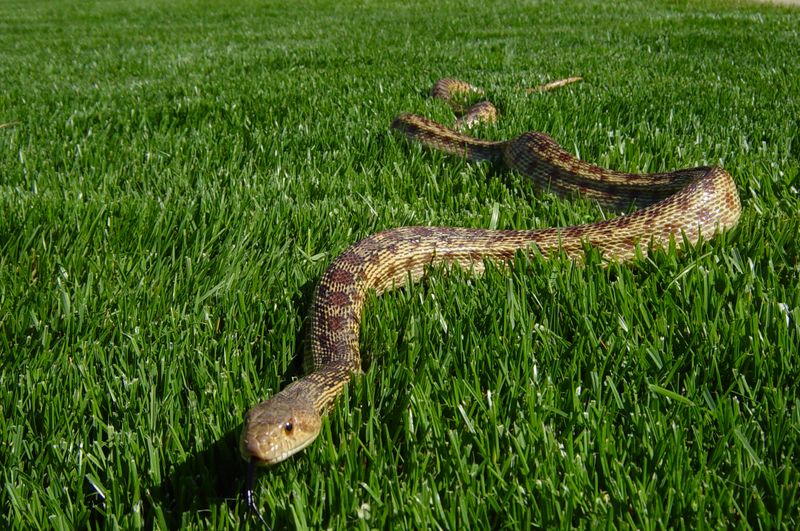
Finding a large, patterned snake coiled near your garden bed is enough to make anyone freeze. Most California homeowners who encounter one are looking at a gopher snake, a nonvenomous native that quietly patrols yards from the Central Valley to coastal hillsides. Understanding what brought it there, and what it can and cannot do for your rodent problem, helps you make a smarter call than reaching for a shovel.
A gopher snake may be a helpful visitor, not a pest-control guarantee
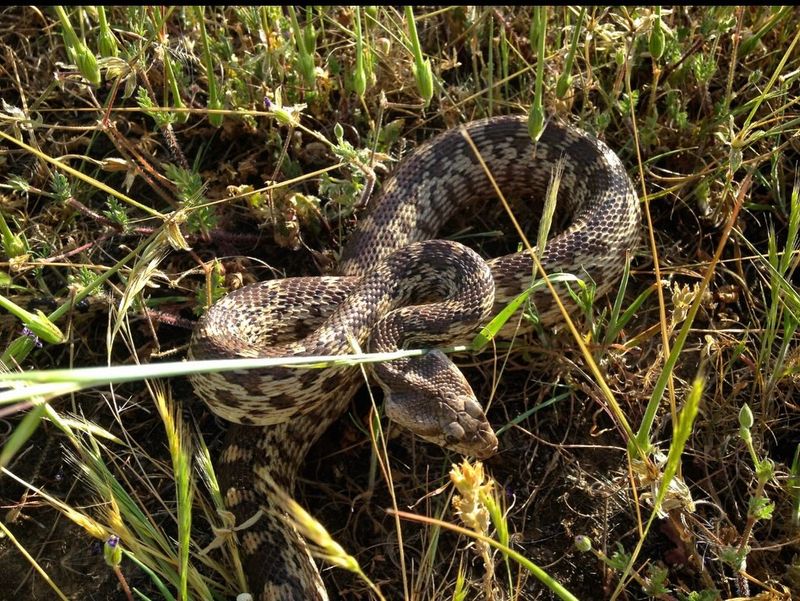
Spotting a thick, patterned snake moving through the flowerbed feels alarming, but the animal most California homeowners are seeing is almost certainly a gopher snake, Pituophis catenifer. The California Department of Fish and Wildlife identifies gopher snakes as nonvenomous native predators that provide an ecosystem benefit by helping control rodent populations. That benefit is real, but it deserves an honest explanation before anyone expects a single snake to solve a yard-wide pest problem.
Gopher snakes can consume pocket gophers, rats, mice, and other small mammals, making them a potential contributor to natural rodent control in California yards. Their diet is broader than the common name suggests and can include birds, eggs, lizards, and other prey depending on region, body size, and life stage. The key word throughout is “potential”: the evidence supports saying this snake may remove some rodents and contribute to a healthier yard, not that it will clear an infestation or reliably outperform a well-placed trap.
Killing a gopher snake removes one native predator from your local landscape. That choice eliminates whatever natural predation the animal was providing, though no research establishes that removing a single yard snake will guarantee a rodent surge or attract worse problems. The more defensible reason to leave it alone is simpler: California State Parks notes that gopher snakes are harmless to humans when safely identified and left undisturbed, so there is little practical reason to kill an animal that may be doing useful work on your behalf.
The honest framing, then, is this: a safely identified gopher snake is usually worth leaving alone because it may contribute to rodent control, not because it is guaranteed to solve your specific pest problem. Treat the sighting as a reason to learn more, not as a reason to act fast.
A snake sighting is a clue, not a diagnosis
A gopher snake moving through your yard does not automatically mean you have a serious rodent infestation. CDFW notes that snakes may occur near homes and yards in association with prey activity, but they also travel through neighborhoods in search of basking spots, shelter, and mates. The snake may simply be passing through on its regular circuit of the surrounding landscape.
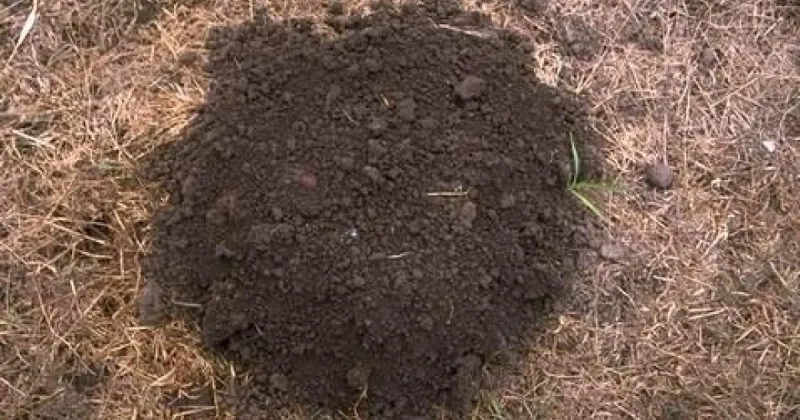
Before you conclude that a rodent problem is driving the visit, walk your yard and look for actual pest evidence. Pocket gophers leave distinctive crescent- or horseshoe-shaped mounds of fresh soil, always with a plugged opening somewhere along the curved edge. UC IPM’s pocket gopher guide describes the underground feeding tunnels that can damage plant roots, irrigation lines, lawns, and garden beds, which are the signs you actually need to confirm before choosing a control method.
Rat and mouse activity looks different. Rats leave greasy rub marks along walls or fences, gnaw marks on wood and plastic, and droppings roughly the size of a raisin near food sources or shelter. Mice leave smaller droppings, often in cupboards or along baseboards, and their runways through grass are much narrower than gopher tunnels. Voles create shallow surface runways that look like thin trails pressed into turf, while moles leave symmetrical, volcano-shaped mounds without a plugged opening.
UC ANR warns that mole, vole, and gopher damage is frequently confused, and choosing the wrong control method wastes time and money. Identify the pest first, then decide whether any management is actually needed. The snake sighting is worth noting, but it is the mounds, runways, and gnaw marks that tell you what is really happening underground.
What the snake can eat—and what it cannot promise
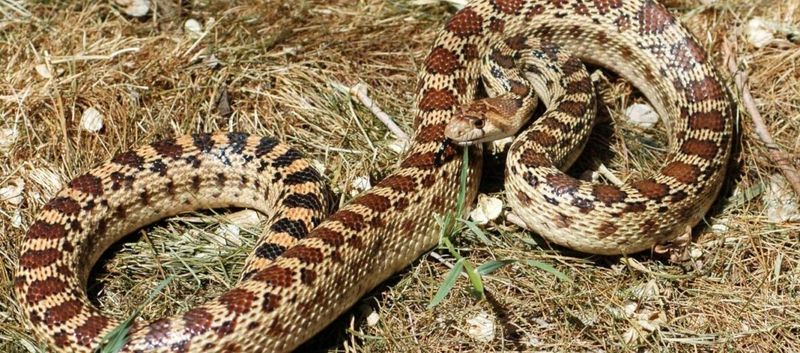
Predation and pest control are related ideas, but they are not the same thing. A gopher snake eating a mouse in your yard is predation. Pest control means the rodent population drops to a level where damage stops. One snake, even a large and hungry one, does not guarantee the second outcome just because it is capable of the first.
Research on North American gopher snake feeding ecology found substantial geographic and size-related variation in their diet. Rodents are important prey, but depending on the region and the snake’s life stage, birds, eggs, and lizards also appear regularly in their diet. A juvenile gopher snake is physically limited to smaller prey, while a large adult can handle a full-grown rat or pocket gopher. Neither age class is going to systematically clear every rodent from a residential lot.
Pocket gophers present a specific challenge. They live underground in defended burrow systems and can seal off sections of their tunnels when threatened, which makes them harder to catch than a mouse crossing an open surface. UC IPM specifically cautions that natural predators, including snakes, rarely reduce pocket gopher populations enough to eliminate the need for additional control measures. That is a practical limit worth understanding before you decide to skip the traps and rely on the snake.
None of this means the snake’s presence is worthless. It may catch rodents that wander into accessible areas, and over time that kind of natural predation may contribute to a healthier balance in the yard. What it will not do is find and eliminate every gopher that is currently damaging your irrigation lines or every rat that has been avoiding your snap traps. For those problems, targeted management is still necessary.
Identify the snake from a safe distance
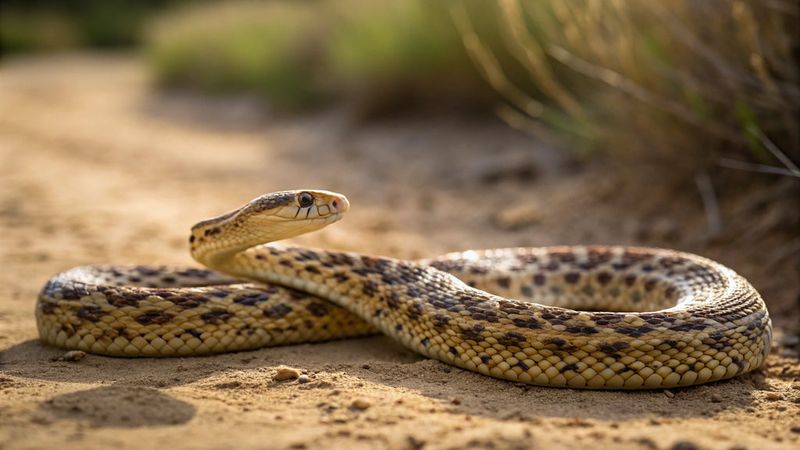
Gopher snakes have a reputation for being dramatic when startled. They may hiss loudly, flatten or broaden their heads to look more threatening, and vibrate their tails against dry leaves or soil, producing a sound that can closely mimic a rattlesnake’s warning. California State Parks notes that this defensive display is what causes many people to mistake them for rattlesnakes, and that mistaken identity leads to unnecessary killings of a beneficial species.
Viewed calmly from a safe distance, a gopher snake typically shows a few features that differ from a rattlesnake. The body tends to be relatively slender and glossy, the head is only slightly wider than the neck under normal conditions, the pupils are round rather than elliptical, and the tail ends in a simple point rather than a segmented rattle. UC IPM’s rattlesnake guide describes these distinguishing features while making an important safety point: no single feature is enough to confirm identity.
Rattles can break off. A rattlesnake that has lost part of its rattle will still be venomous, and it may look superficially similar to a gopher snake at a glance. UC IPM’s gopher snake image resource shows the kind of patterning that varies across California’s several regional forms of Pituophis catenifer, which is another reminder that appearance alone can mislead even experienced observers.
The practical rule is this: observe from a distance of several feet, use binoculars if you have them, and never crouch down or reach toward an unidentified snake to get a better look at its head or tail. If anything about the identification feels uncertain, treat the animal as potentially venomous and keep everyone away until you can get professional help.
Give a safely identified snake room to leave
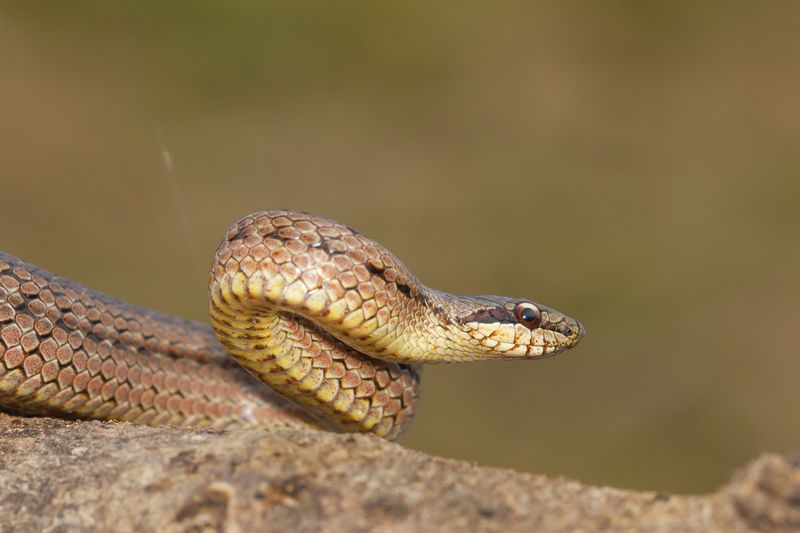
Once you have confidently identified the snake as a gopher snake from a safe distance and it is not blocking a doorway or creating an immediate physical hazard, the best response is to give it space and wait. Most gopher snakes move through a yard in minutes to hours and leave on their own when they are not cornered or threatened. Keeping children and pets away during that time is the main practical task.
Handling raises the risk of a bite even from a nonvenomous species, and it stresses the animal unnecessarily. CDFW notes that most snake-bite incidents involve handling or accidental contact, particularly with rattlesnakes, and the same caution applies to any snake encounter. If the snake is in a spot where it genuinely needs to be moved, such as inside a garage or against a frequently used entrance, use a long-handled broom to gently guide it toward an exit rather than picking it up.
When identification is uncertain, or when the snake is rattling, coiled defensively, or showing any feature that raises doubt, do not approach at all. Contact a qualified local wildlife professional or licensed snake-removal service. Many counties in California have wildlife hotlines or pest management professionals who handle snake calls, and that expertise is worth using rather than taking a risk.
Leaving a gopher snake alone is not the same as deliberately attracting snakes or releasing them into your yard. CDFW’s Don’t Let It Loose program warns against releasing non-native animals, and the same principle applies to moving any wild snake from one location to another. Noninterference is the right approach. Capture, transport, and DIY relocation introduce disease risk, survival problems for the animal, and potential legal complications for the homeowner.
Manage confirmed rodent damage with integrated pest management
If your yard inspection turns up active gopher mounds, rat runways, or fresh gnaw damage, the snake’s presence does not change what you need to do next. Identify which pest is causing the specific damage you see, because the right management method depends entirely on getting that identification right. Treating a vole problem like a gopher problem, or a mole problem like a rat problem, wastes effort and money.
UC ANR’s guide on moles, voles, and gophers walks through the distinguishing signs for each pest and recommends monitoring before committing to a control strategy. For pocket gophers specifically, UC IPM recommends trapping as one of the most effective methods, along with underground exclusion using properly sized wire baskets or hardware cloth barriers around root zones and planting beds. These physical barriers protect plants even when a gopher is actively working in the area.
Rats respond well to snap traps placed along fence lines, walls, and other travel routes, combined with removing the food sources and harborage that attract them in the first place. Securing compost bins, storing pet food indoors, and clearing dense low-growing cover near the house are all part of a practical rat management plan.
Rodenticides deserve a careful look before you reach for them. UC IPM warns that bait can poison pets, children, and wildlife when label precautions are not followed, and nontarget exposure is a real risk in yards where native predators like hawks, owls, and yes, gopher snakes, may consume a poisoned rodent. Rodenticide is not a casual backup plan. If you use it at all, follow label directions precisely, use tamper-resistant bait stations, and keep them away from areas where children, pets, or wildlife are likely to encounter them.
Support wildlife without creating a fire hazard

Wanting to support a beneficial native snake does not mean turning your yard into an unmanaged wildlife refuge, especially in California. Homeowners in designated fire-hazard severity zones are required by state law to maintain defensible space, and those rules apply regardless of what wildlife is living in or passing through the yard. CAL FIRE’s defensible-space requirements direct homeowners to remove dead or dry vegetation, maintain separation between shrubs and trees, and manage combustible materials within required zones around the structure. Local jurisdictions may have additional rules layered on top of state minimums, so check with your county or city for the standards that apply to your specific address.
The tension between wildlife habitat and fire safety is real but manageable. Dense wood piles, dry brush accumulations, and uncleared debris near the house create fire risk and are not appropriate habitat recommendations for California homeowners in fire-prone areas, even if they might offer shelter to a snake. Responsible coexistence means maintaining a tidy, fire-safe yard and allowing snakes and other native wildlife to move through it naturally, not stockpiling combustible cover to attract them.
CDFW’s guidance on living with snakes focuses on noninterference rather than deliberate attraction, which aligns well with defensible-space management. A yard that is properly cleared, planted with low-growing drought-tolerant natives in the appropriate zones, and kept free of rodent harborage will remain accessible to passing wildlife without creating the fire and pest conditions that make a yard harder to manage. That balance, not a brush pile by the fence, is the practical goal for California homeowners who want to support native predators.
Leave the predator alone, then manage the evidence
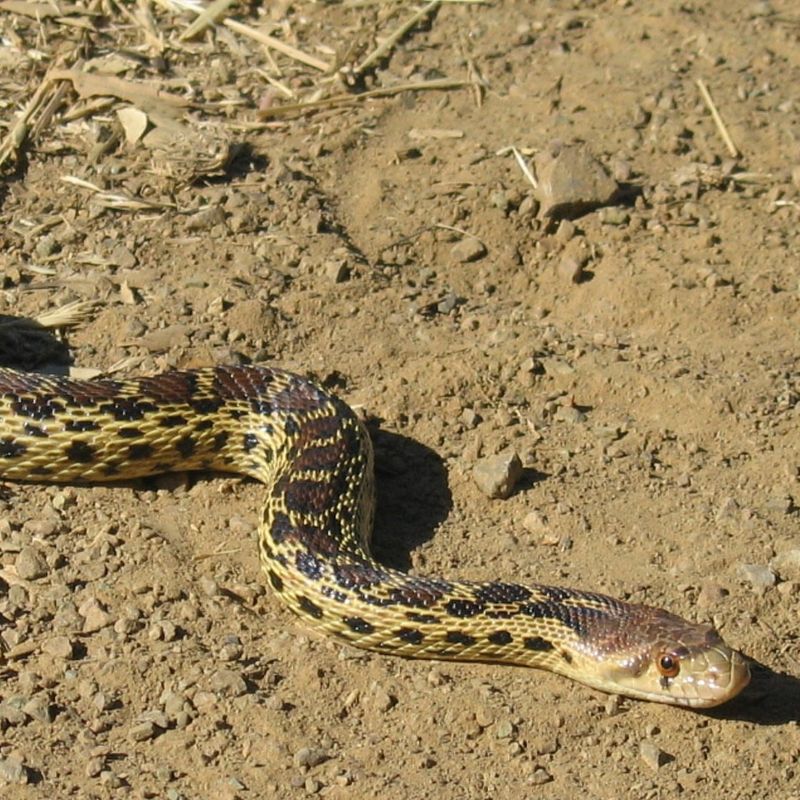
The practical sequence is straightforward. Keep your distance, move children and pets away, and observe the snake calmly from several feet back. If you can confidently identify it as a gopher snake using multiple features viewed at a safe distance, let it move away on its own. If anything about the identification is uncertain, call a qualified local wildlife or snake-removal professional rather than approaching the animal yourself.
After the snake has moved on, walk your yard and look for the actual evidence: fresh mounds with plugged openings, gnaw marks, runways, or droppings. CDFW and UC IPM both support the same conclusion: a safely identified gopher snake may provide some natural rodent predation and is usually worth leaving alone, but it is not a substitute for confirming which pest is active or for using targeted integrated pest management when real damage is found. Rodenticides remain a last resort given the risk to pets, children, and nontarget wildlife, including the snake you just decided to protect.
If your yard is in a fire-hazard area, keep up with CAL FIRE defensible-space requirements regardless of what wildlife is passing through. A yard that is well maintained, properly cleared, and managed with targeted pest control is a better environment for native predators than one where neglect has been rationalized as habitat. The snake does not need you to do anything dramatic on its behalf. It mostly needs you to get out of the way.