
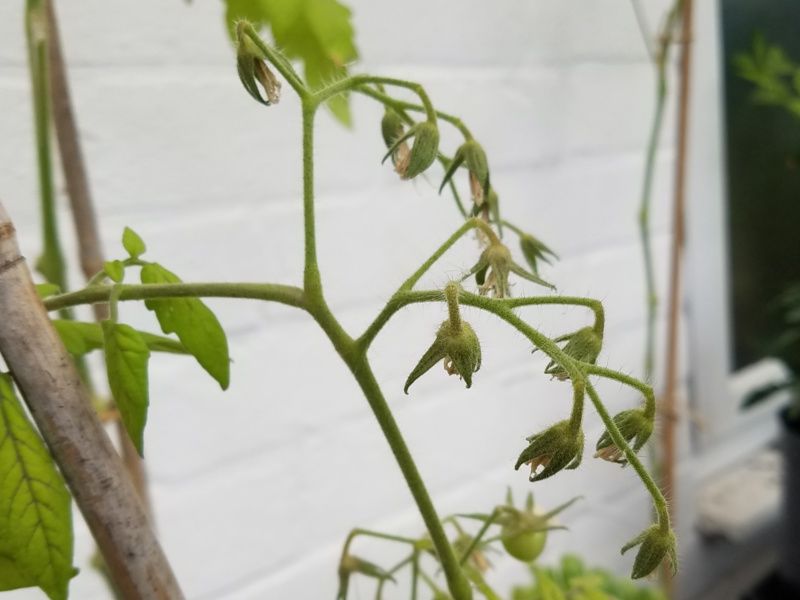
Your tomato plant looks perfectly healthy, all dark green leaves and sturdy stems, yet not a single tomato is forming. That disconnect is frustrating, but it is actually a clue pointing you toward a fixable problem. Heat is often the first suspect during a hot summer, but a lush, leafy plant with no flowers or fruit can have several different causes, and the right fix depends on exactly where in the flowering process things are going wrong.
First identify where the flowering process stops
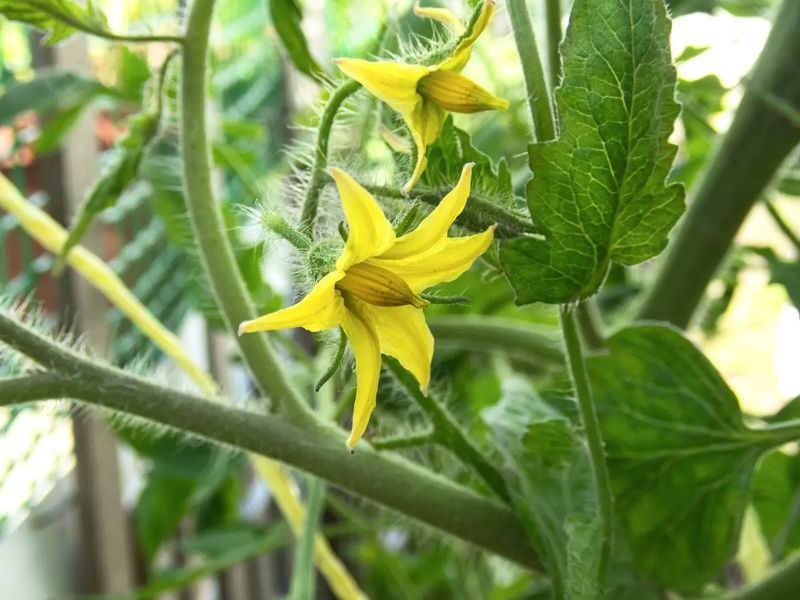
Before blaming heat or fertilizer, walk over to your tomato plant and look carefully at three different things: the growing tips, the main stems and side shoots, and any flower clusters already present. What you find narrows the problem considerably, because a plant with no visible flower clusters at all is dealing with something different from a plant whose buds dry up and fall, which is itself different from a plant whose flowers open fully but never become tomatoes.
Start at the growing tips. If the stems are producing only leaves and you cannot find any flower buds or clusters forming anywhere on the plant, the issue likely involves how the plant is channeling its energy, its light environment, its cultivar traits, or possibly earlier stress that disrupted floral development. University of Minnesota Extension guidance on heat and vegetable gardens notes that a plant with no flower clusters needs evaluation for excess nitrogen, low light, cultivar type, pruning history, or developmental timing, not just heat stress.
If you see buds that are turning brown, shriveling, or dropping before they open, that is flower abortion, and heat, water stress, wind, humidity, or pests become stronger candidates. If flowers are opening normally but no small green tomatoes follow, that points toward pollen or pollination problems, heat damage to pollen, moisture stress, or cultivar-specific traits. Penn State Extension’s tomato heat-stress resource treats these as distinct situations requiring separate responses. Sorting out which symptom you actually have is the most useful first step you can take.
Heat can disrupt flowers before they open
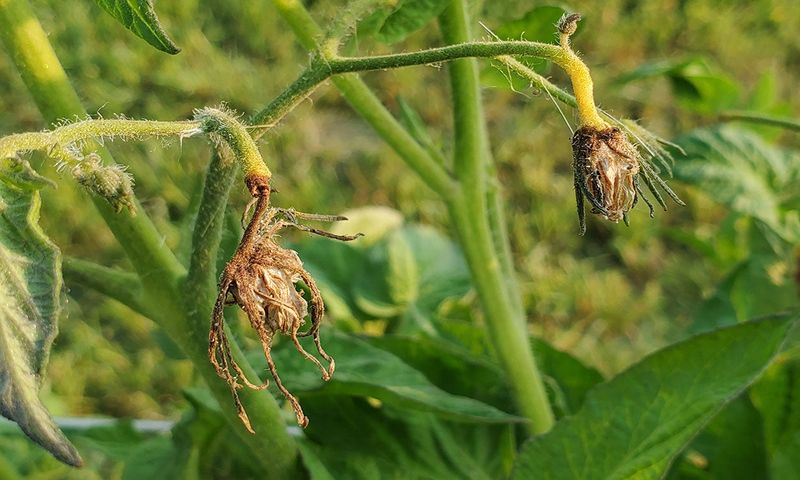
One of the more surprising things about tomato heat stress is that damage can happen before you ever see a blossom. Penn State Extension reports that high temperatures occurring roughly 7 to 15 days before flowering can lead to aborted or dropped flowers, because heat disrupts flower development, pollen formation, and the internal processes that prepare a flower for fertilization. By the time you notice the problem, the injury may have occurred nearly two weeks earlier.
The temperature ranges associated with these problems are approximate, not absolute cutoffs. University of Minnesota’s vegetable IPM blog describes a roughly 50-hour pollination window for individual tomato flowers and connects high temperatures with reduced success during that window. Missouri Extension’s frequently asked vegetable questions identifies daytime temperatures above about 92 degrees Fahrenheit combined with nighttime temperatures above 70 degrees as conditions that can inhibit pollination. Separate Missouri Extension guidance describes an optimal nighttime range of roughly 59 to 68 degrees for fruit set, noting that nights that stay too warm are especially problematic.
Duration matters as much as peak temperature. A single hot afternoon is less damaging than a week of days in the high 80s paired with nights that never drop below 70 degrees. Cultivar, humidity, wind, soil moisture, and whether the plant sits in a container against a heat-reflecting wall all shape how much damage accumulates. Heat is a strong suspect when sustained hot conditions coincide with your symptoms, but it does not explain every case of poor flower set, and it does not always mean the trouble began before flower buds formed.
Check nitrogen, light, and timing when clusters never form
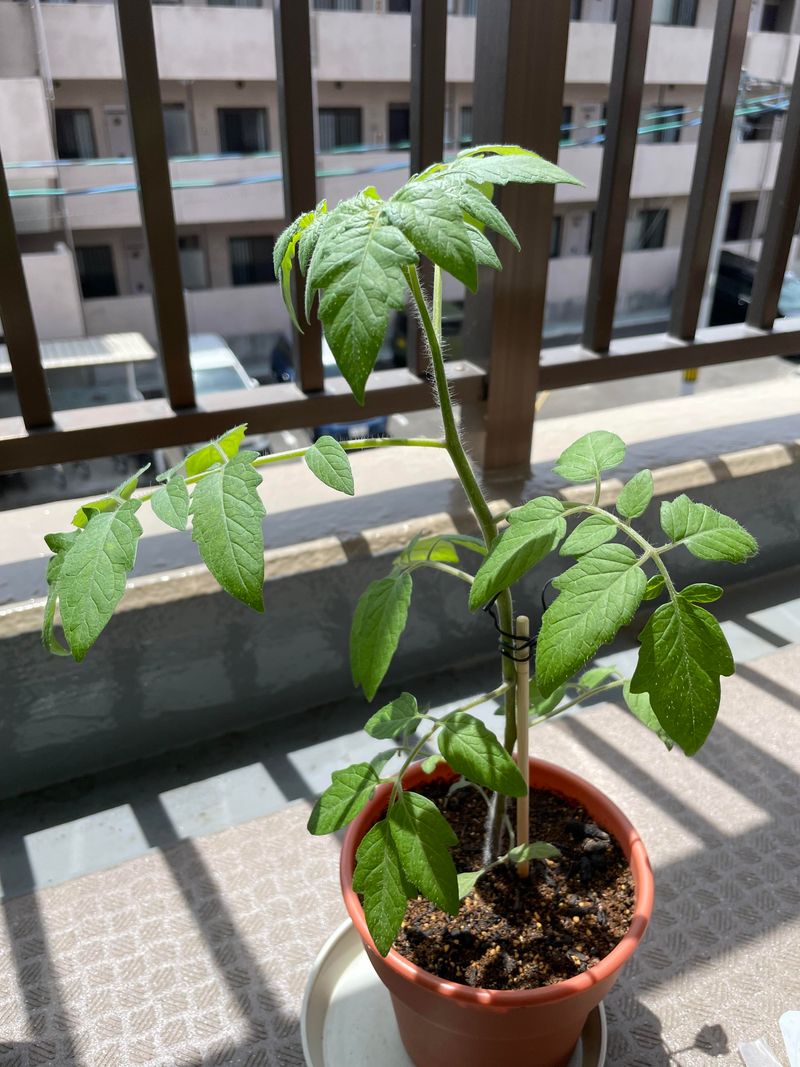
A tomato plant loaded with deep green leaves but carrying zero flower clusters is telling you something specific. The plant is putting energy into vegetative growth rather than reproduction, and several things can cause that shift. Excess nitrogen is one of the more common explanations, but it should not be your first diagnosis just because the plant looks healthy and green.
University of Minnesota Extension’s fertilizing guide states that excess nitrogen causes bushy growth and delayed fruiting. The key is whether the growth is unusually vigorous, not just normal and green. Pair that observation with the fertilization history: if you have been applying high-nitrogen fertilizer regularly or recently side-dressed with a lawn fertilizer, excess nitrogen becomes a real possibility. Leaf color alone is not enough to make that call, and adding more fertilizer to fix a suspected nitrogen problem would make things worse.
A soil test is the most reliable way to know what the soil actually contains before you change anything.
UMN Extension’s tomato-growing guide also points to insufficient light as a cause of delayed or absent flowering. Tomatoes need at least six to eight hours of direct sun; a plant growing under heavy shade from trees, a fence, or nearby structures may stay vegetative longer. Cultivar growth habit matters too: indeterminate varieties keep growing and may take longer to begin flowering than determinate types. Transplant stress, especially from a recent move or root disturbance, can delay flower cluster formation by several weeks.
UMN’s heat-and-vegetable-garden resource reinforces that developmental timing and prior stress are legitimate explanations before heat or nutrients are blamed. Phosphorus supplements and bloom boosters are not a reliable fix and should not be applied without soil-test evidence of a deficiency.
Open flowers may reflect pollen, pollination, or plant stress
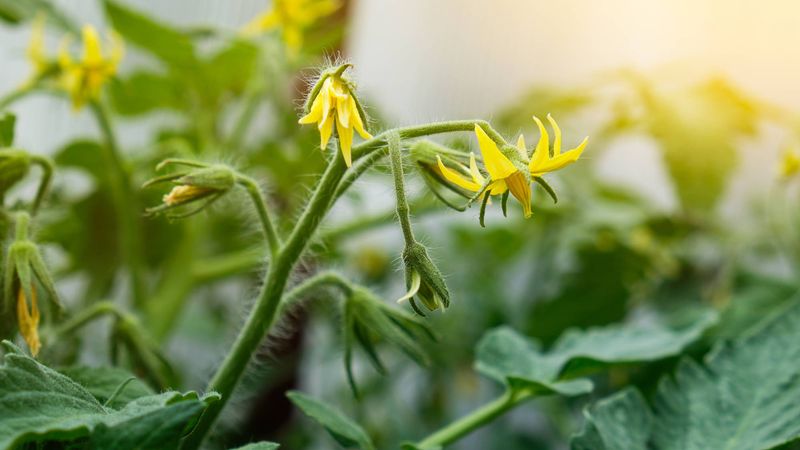
Seeing fully open yellow tomato flowers that never develop into small green fruit is a different problem from having no flowers at all. University of Minnesota Extension explains that tomatoes are largely self-pollinating, meaning the male and female parts of the flower are close together and pollen can move through wind or vibration within the same flower. A shortage of honeybees is not the default explanation for failed tomato fruit set, and this is an important distinction from crops like cucumbers or squash that depend much more directly on insect visitors.
Open flowers that fail to set may involve heat-damaged or poorly developed pollen, incomplete pollen transfer, water stress during bloom, humidity extremes, strong winds that desiccate flowers, cultivar-specific traits, or injury from flower-feeding insects. The UGA Cooperative Extension Commercial Tomato Production Handbook confirms that movement, whether from wind or vibration, helps transfer pollen within the flower and that gentle vibration applied to open flowers can be a reasonable supplemental step when temperatures are suitable. However, vibration cannot repair pollen that has already been damaged by heat, and it cannot reverse flower abortion that happened before the blossom opened.
Before assuming a pollination problem, inspect the open flowers closely. Missouri Extension’s fresh-market tomato guide identifies thrips as insects that can feed inside tomato flowers and contribute to blossom drop and poor set. Look for tiny insects inside the petals, distorted flower tissue, or silvery streaking on petals. If you find pest damage, identify the pest before reaching for any treatment.
Penn State Extension also notes that pollen quality and flower viability are both affected by sustained heat, so the causes often overlap rather than act in isolation.
Keep the root zone evenly moist
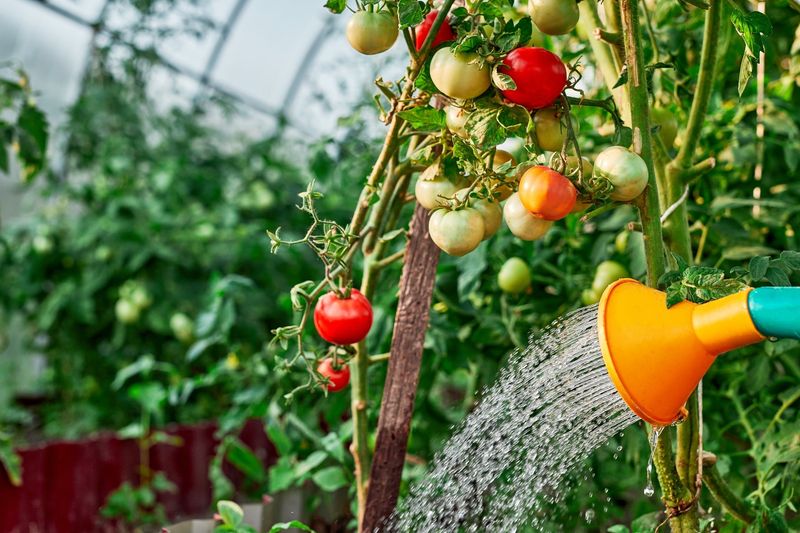
Steady soil moisture is one of the most practical things you can manage during a stretch of hot weather, and it matters more than most gardeners expect. Drought stress and uneven watering can cause flowers and young fruitlets to shed, and they amplify the damage that heat alone would cause. The goal is consistent moisture at the root zone, not surface dampness that evaporates before it reaches the roots.
UGA Extension’s tomato handbook recommends deep watering directed at the root zone and the use of mulch to reduce both evaporation and soil-temperature swings. A two-to-four-inch layer of straw, wood chips, or similar organic material around the base of the plant can meaningfully lower soil temperature and slow moisture loss on hot days. Shallow, repeated sprinkling wets only the surface and encourages roots to stay near the top of the soil, where they are most vulnerable to heat and drought.
Containers dry out much faster than in-ground beds, sometimes within a day during a heat wave, so potted tomatoes need more frequent checks. UMN Extension’s container plant guidance notes that prolonged saturation damages roots and interferes with nutrient uptake, so the target is moist, well-drained soil rather than constant wetness. UMN’s tomato-growing guide reinforces that in-ground plants should be watered according to actual soil moisture and root-zone depth rather than a fixed daily schedule. Stick a finger two inches into the soil: if it feels dry at that depth, water deeply; if it still feels moist, wait.
Give plants temporary, ventilated afternoon protection
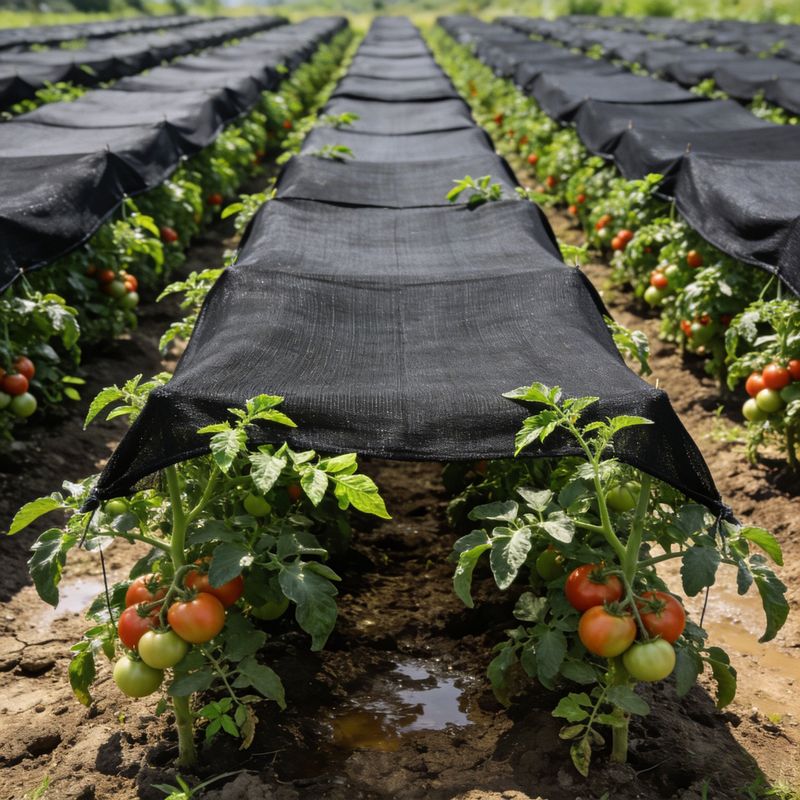
Afternoon sun during a heat wave can push temperatures at the plant’s surface well above air temperature, especially when the plant is growing against a fence, a brick wall, or a dark-colored raised bed. A modest reduction in that direct afternoon exposure can help reduce flower damage without cutting into the morning and midday light that tomatoes depend on for healthy growth and eventual fruit production.
University of Arizona Cooperative Extension recommends approximately 20 to 40 percent shade during hot conditions for tomato plants, particularly those with sparse foliage or fruit exposed to direct sun. For most US temperate-zone gardeners, the practical approach is a light, ventilated shade cloth propped on stakes or a temporary frame over the west and southwest sides of the plant during the hottest hours of the afternoon, then removed or opened in the evening. Permanent heavy shade is a different problem: it reduces photosynthesis, delays flowering, and can weaken the plant over time.
Healthy foliage is your plant’s built-in protection system. Leaves shade the fruit and the stem, help regulate temperature, and support the photosynthesis that fuels new flower development. Oregon State Extension’s tomato guide advises removing or ventilating row covers as temperatures rise and warns against allowing covered plants to overheat. Plastic row covers trap heat readily and should not be used to enclose heat-stressed tomatoes.
Avoid heavy pruning during a heat wave; stripping leaves exposes fruit and stems to additional sun and stress at exactly the wrong time.
Skip fixes that add fertilizer, chemicals, or damage
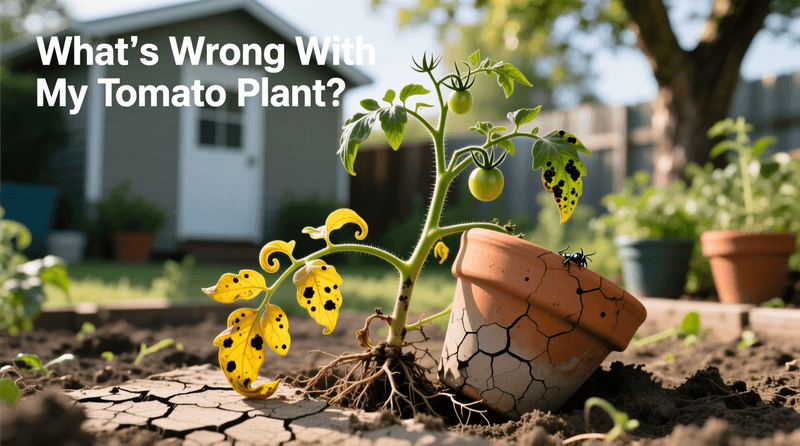
When a tomato refuses to set fruit during a heat wave, the instinct to do something is understandable. Adding a bloom booster, spraying a foliar treatment, or cutting back overgrown stems can all feel productive. Most of those interventions, however, add stress rather than relieve it, and some can cause real harm to an already struggling plant.
Phosphorus supplements and bloom-booster fertilizers are sometimes marketed as a way to force flowering, but UMN Extension’s fertilizing guide recommends applying nutrients based on soil-test results rather than as a rescue treatment. Soils that already contain adequate phosphorus do not benefit from more, and adding excess nutrients during heat stress can interfere with root function. If you suspect a nutrient imbalance, test the soil first and act on what the results show.
Spraying neem oil, insecticidal soap, fertilizer solutions, or other products on heat-stressed tomatoes carries real risk. Oregon State Extension’s heat-wave garden guide cautions against treating stressed plants with products that can cause additional injury. If you spot a pest in the flowers, identify it specifically before reaching for any pesticide. EPA guidance on pesticide labels makes clear that the product label governs lawful and safe use, including crop, application method, re-entry intervals, harvest restrictions, and weather-related limitations.
Some labels specifically prohibit applications during extreme heat or drought.
One more common confusion worth clearing up: blossom-end rot, the dark leathery patch on the bottom of developing tomatoes, is a separate problem involving localized calcium use and uneven moisture in already-forming fruit. UMN Extension’s tomato disorders guide explains that blossom-end rot does not explain a plant that never produces flowers or fruitlets, so treating for it will not solve a flowering problem. UA Cooperative Extension also emphasizes retaining foliage for fruit protection in hot conditions, reinforcing that heavy pruning during a heat wave is one of the more preventable sources of additional stress.
New flowers may set after temperatures moderate
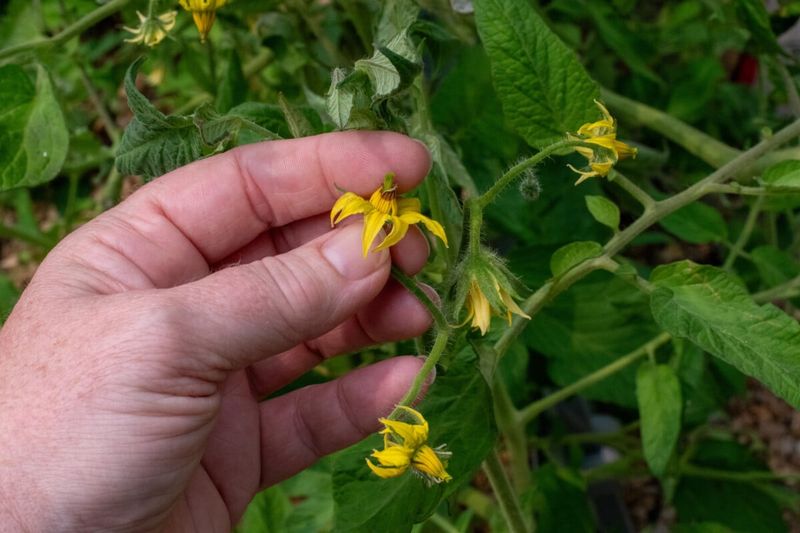
Tomato plants are more resilient than a heatwave makes them look. Oregon State Extension notes that plants often produce another set of flowers after a period of blossom drop and may resume normal production once conditions improve. That recovery is not guaranteed on any fixed schedule, and it depends on the cultivar, the plant’s overall health, how long the stressful conditions lasted, and whether temperatures actually moderate enough to allow viable pollen and normal flower development.
While you wait, keep doing the things that give new flowers the best chance: water deeply when the root zone needs it, maintain the mulch layer, protect the plant from the worst afternoon heat with ventilated shade, and leave the healthy foliage in place. Penn State Extension and UMN Extension’s tomato guide both point to stable moisture and reduced heat exposure as the conditions that support recovery. Assess the new flower clusters as they appear rather than waiting for the ones that already dropped.
The broader takeaway from this article is worth holding onto: heat can affect tomato flowers during development before they open, but the visible symptom you observe, whether no clusters form, buds abort, or open flowers fail to set, is what tells you whether to investigate heat, nutrients, light, moisture, pollination, pests, or normal developmental timing. A lush green plant that refuses to fruit is not a lost cause; it is a plant waiting for the right conditions, and usually those conditions are closer than they feel in the middle of a heat wave.