
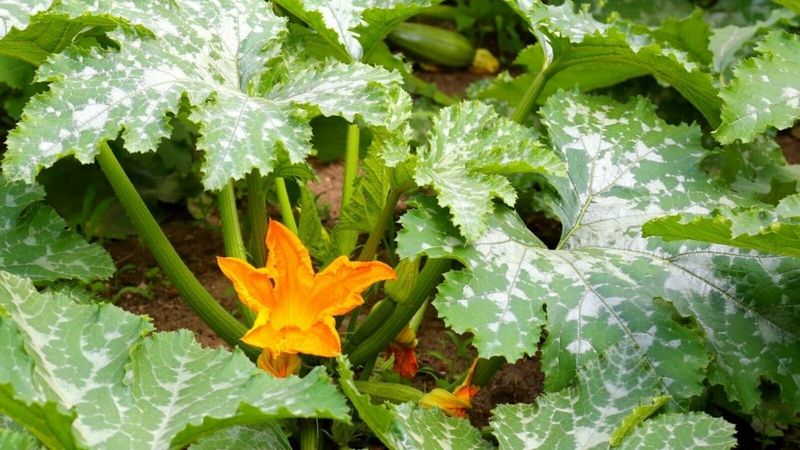
Your zucchini plant looks like it could swallow the whole garden bed, but the harvest basket stays empty. That mismatch between leafy growth and missing squash is one of the most frustrating puzzles a summer gardener faces. The good news is that a few targeted checks can usually pinpoint the problem, and most fixes are simpler than adding more fertilizer or ripping out the plant.
Huge leaves offer a clue, not a verdict
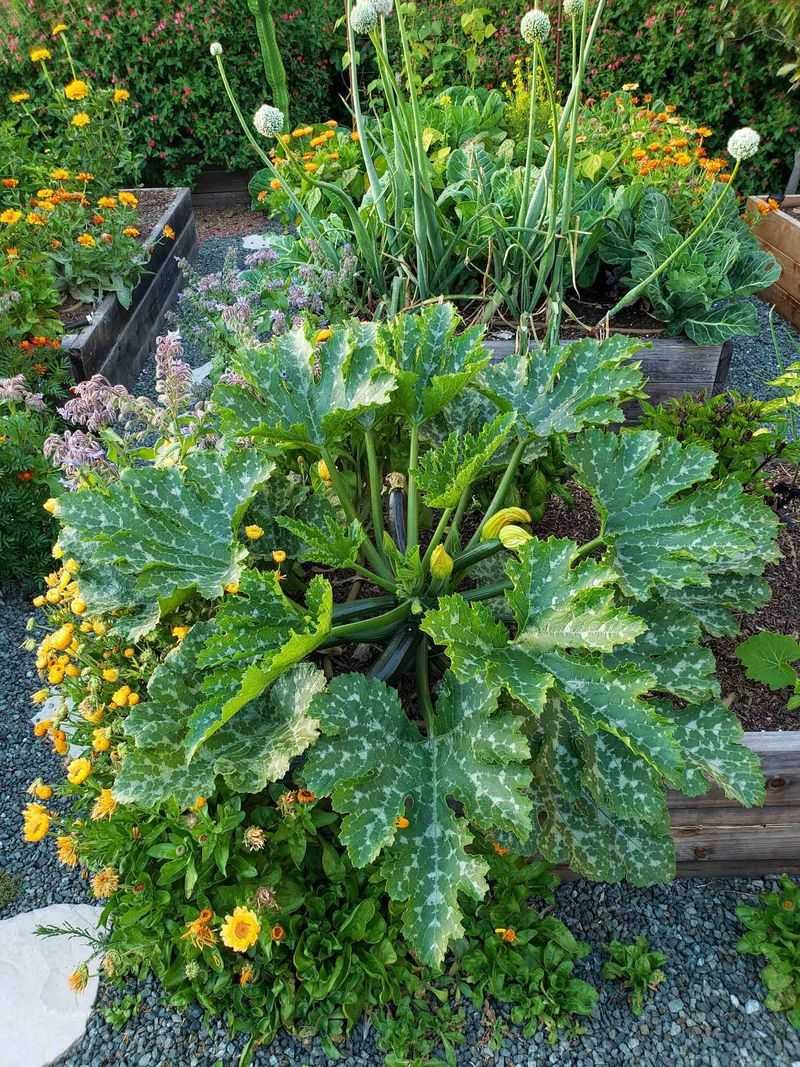
Walking up to a zucchini plant with leaves the size of dinner plates feels like something went very right, yet the empty harvest basket tells a different story. Before blaming the fertilizer bag, recognize that the foliage is giving you a clue, not a confirmed verdict. Two separate processes can produce this picture at the same time, and sorting them out is the first step toward fixing the problem.
On one side, University of Minnesota Extension guidance on heat and vegetable gardens notes that too much nitrogen can push a plant toward lush green growth while delaying the production of harvestable vegetables. On the other side, heat can disrupt flowering and fruit set on its own, completely independent of how much or how little you have been feeding. Both explanations can be true at once, which is exactly why jumping to a remedy before narrowing the cause tends to waste time and money.
“No fruit” can actually mean four different things: the plant has produced only male flowers so far, female flowers are present but never received pollen, tiny fruit formed and then shriveled or dropped, or a full-sized zucchini is already hanging somewhere in the foliage waiting to be found. Each situation calls for a different response. Identify which failure point applies to your plant before reaching for more fertilizer or making any other change.
Repeated nitrogen feeding can delay fruiting
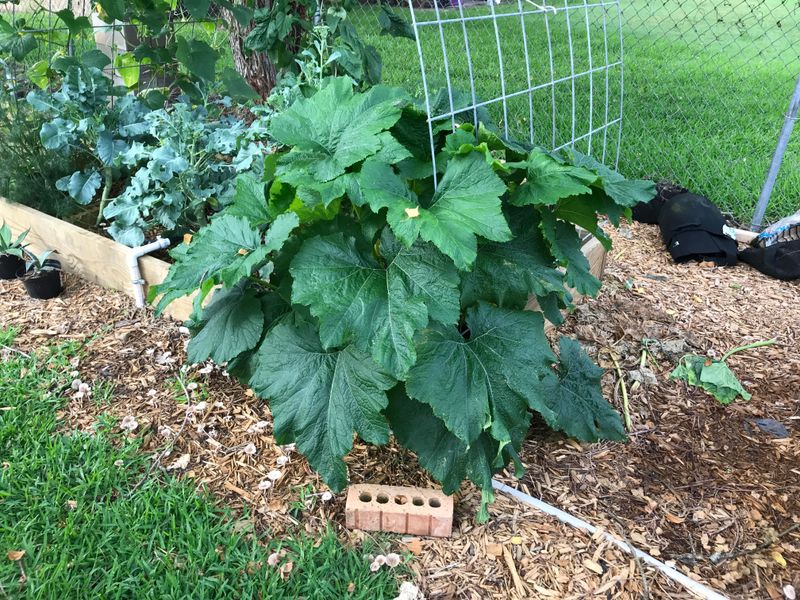
The qualified hidden habit the title hints at is this: applying nitrogen-rich fertilizer repeatedly, or feeding without a soil-based reason, can shift a zucchini plant’s energy toward making more leaves and stems rather than setting fruit. The suspicion grows stronger when you combine three observations together – unusually large, very dark-green foliage, a history of repeated feeding throughout the season, and little or no fruit despite plenty of flowers.
University of Minnesota Extension’s fertilizing guide explains that excessive nitrogen promotes vegetative growth and can delay fruiting, and recommends soil testing and following label directions rather than guessing at deficiencies. That last point matters more than it might seem. Switching from a general fertilizer to a bloom formula, or adding phosphorus, potassium, or calcium without a soil-based reason, can create new nutrient imbalances rather than solve the existing one.
The practical response here is restrained: stop any unnecessary nitrogen applications for now. If you have not done a soil test recently, that is the most reliable way to learn what your garden actually needs before adding anything else. Large leaves alone, without the history of repeated feeding and the very dark coloration, do not prove nitrogen excess. Healthy zucchini naturally produces substantial foliage, so the diagnosis only firms up when the feeding pattern matches the visual signs.
The flowers show where production stops
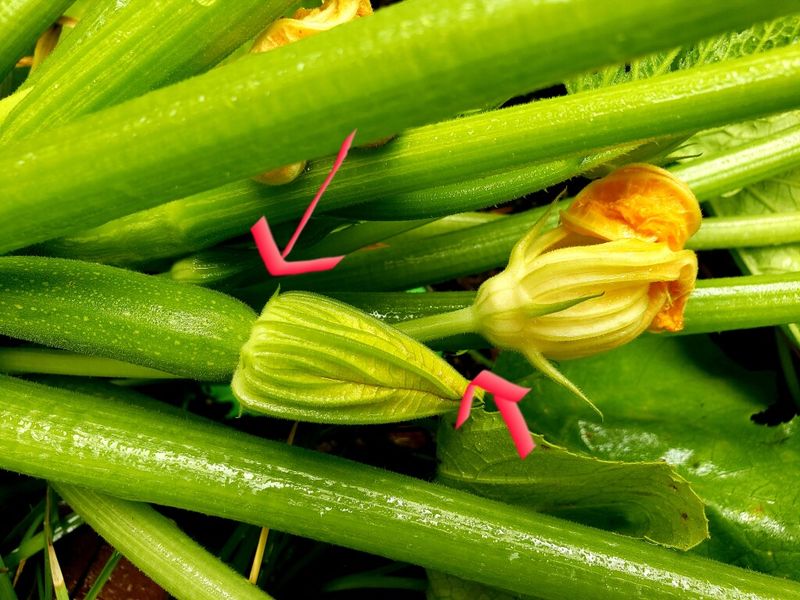
Checking the flowers early in the morning, when zucchini blossoms are fully open, is the most direct diagnostic step you can take. The two flower types look similar from a distance, but a closer look separates them clearly. Male flowers grow on a plain, slender stem with no swelling at the base. Female flowers sit atop a small, swollen shape that looks exactly like a miniature zucchini, and only female flowers can develop into harvestable fruit.
Early in the season, Illinois Extension’s overview of cucurbit troubles notes that the first flowers a zucchini produces are commonly male. A young plant can bloom generously for a week or two without setting a single fruit, and that is entirely normal. Counting blossoms without checking their sex can lead to a false alarm about nitrogen or pollination when the plant simply has not started producing female flowers yet.
Oregon State University Extension’s squash-growing tips reinforce the importance of this morning inspection. Once you know what you are looking at, the diagnosis splits cleanly: a plant showing only male flowers points toward early timing or a heat-related shift in the flower ratio, while a plant carrying female flowers with tiny fruit attached needs a closer look at pollination and environmental stress. The flower is the map; read it before doing anything else.
Heat can interrupt fruit set before harvest
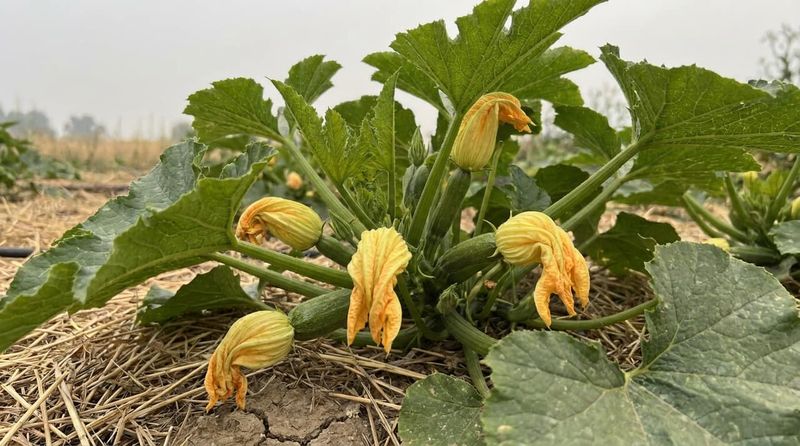
Sustained summer heat can stall a zucchini harvest even when nitrogen levels are perfectly fine and pollinators are visiting regularly. University of Minnesota Extension’s vegetable heat-response research explains that cucurbits under heat stress may shift toward producing a higher proportion of male flowers, reducing the number of female flowers available to become fruit. When daytime temperatures stay around 90 degrees Fahrenheit and nights stay around 70 degrees Fahrenheit, some varieties feel that pressure more than others.
Those temperature figures are useful extension warning points, not universal biological cutoffs. Variety, how long the heat event lasts, soil moisture levels, and local pollinator activity all influence how a specific plant responds. One zucchini might sail through a week of 92-degree afternoons while a neighboring plant of a different variety drops most of its flowers. Heat can also cause flowers or very young fruit to abort outright, before the plant ever has a chance to direct energy toward developing a harvestable squash.
Colorado State University Extension’s vegetable guide confirms that multiple stresses, including high temperatures, can reduce fruit set in cucurbits. The takeaway is that a heat wave gives you a reasonable explanation for why fruiting slowed or stopped, separate from anything you did or did not do with fertilizer. It also means patience is sometimes the right response while temperatures remain high.
Female flowers make pollination the next checkpoint
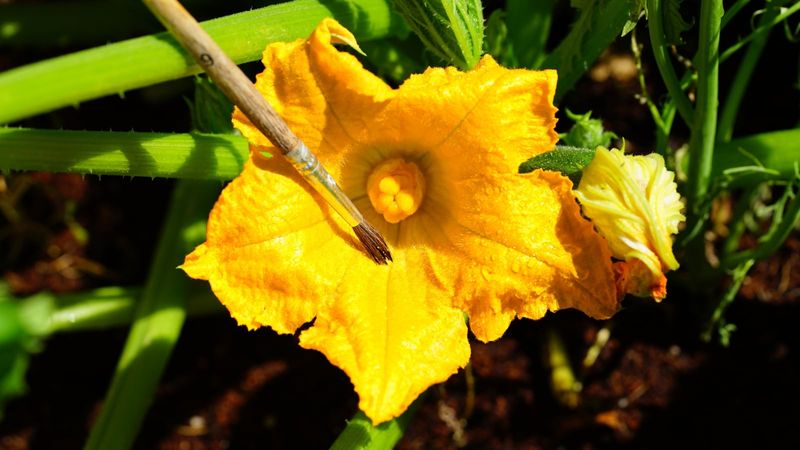
Finding female flowers on your plant is genuinely good news, but their presence does not guarantee fruit. A female flower that never receives pollen will yellow, shrivel, and drop within a day or two, leaving behind nothing but a small stub on the vine. Tiny fruit that forms and then turns yellow or collapses is a pattern more consistent with incomplete pollen transfer, or with heat and water stress, than with nitrogen feeding alone.
Pollen needs to move from a freshly opened male flower to the sticky stigma inside the female blossom, and insects usually handle that transfer. Illinois Extension notes that squash bees, which specialize in squash flowers, and other native insects can accomplish this effectively. Honeybees are capable pollinators too, but they are not the only option, and assuming their absence is often a mistake.
When female flowers are open and pollen transfer appears to be limited by weather, low insect activity, pesticide exposure, or physical row covers, hand-pollination is a practical and low-risk backup. Oregon State University Extension’s squash guide recommends collecting pollen by touching the anther of a freshly opened male flower, then brushing it gently against the stigma of a female flower. You can use the male flower itself or a small clean brush. Hand-pollinating does not prove that bees are absent; it simply removes pollen transfer as a variable while you figure out what else may be going on.
Steady moisture supports the next flowers
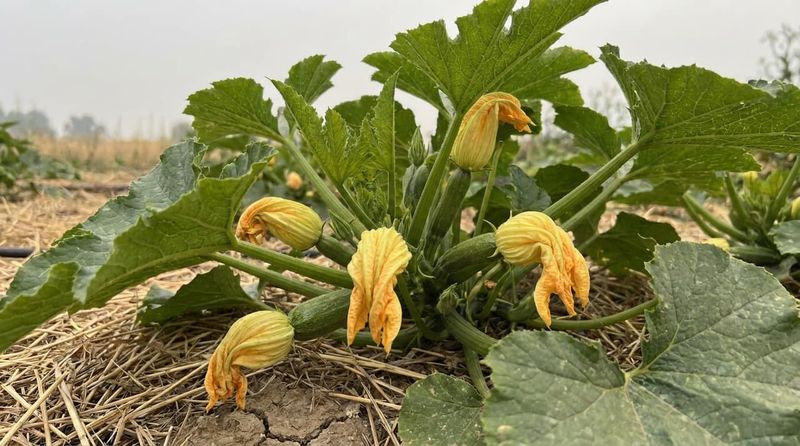
Water management rarely gets the credit it deserves when gardeners are chasing a fruit-set problem, but uneven moisture is a genuine contributor to flower and young-fruit abortion. Colorado State University Extension’s vegetable garden hints recommend maintaining steady soil moisture and using mulch to reduce the swings between dry and saturated conditions. A thick layer of straw or shredded leaves around the base of the plant can make a noticeable difference during a heat stretch.
Consistent moisture does not mean constant watering or keeping the soil soggy. Roots sitting in poorly drained, waterlogged soil face their own stress and disease risks, so good drainage matters as much as regular irrigation. The goal is soil that stays evenly moist a few inches down, not alternating between bone-dry and flooded.
Colorado State University Extension’s cucurbit resource also points out that drought, excessive moisture, wind, poor soil, and heat can all contribute to flower or young-fruit failure. One helpful field check: if the plant wilts noticeably in the afternoon but recovers on its own by early evening, that can be a normal response to midday heat. Morning wilting that has not resolved by the time you check after breakfast is a more concerning sign that the plant is genuinely water-stressed and needs attention before the day heats up further.
Use a restrained recovery sequence
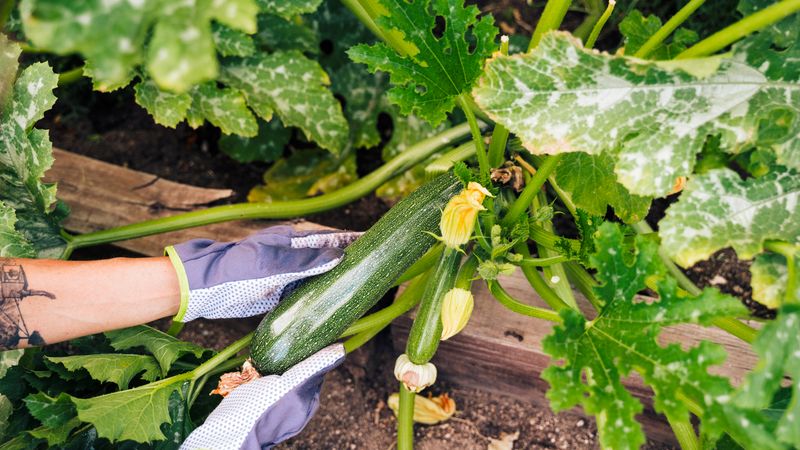
Once you have identified the most likely failure point, a short ordered sequence covers most situations without making things worse. Start by walking the plant and harvesting any full-sized or oversized zucchini already hanging there. Colorado State University Extension’s cucurbit guide notes that mature fruit left on the plant can signal the plant to slow or stop setting new fruit, so removing it is a productive first move before drawing any other conclusions.
Next, stop any unnecessary nitrogen applications and correct severe moisture swings by mulching and watering more evenly. Then, check new flowers in the morning and hand-pollinate only when female flowers are open and pollen transfer appears to be the limiting factor. Colorado State University Extension’s vegetable hints and Oregon State’s squash tips both support this measured approach over more aggressive interventions.
Two things to avoid as you work through the sequence. First, routine aggressive defoliation is not a recommended remedy for this problem. The reviewed extension guidance focuses on correcting fertility, moisture, heat, pollination, and harvest practices rather than cutting away healthy leaves. Second, resist the urge to spray insecticides broadly on blooming plants to compensate for poor pollination.
EPA pollinator-protection guidance and the EPA pesticide applicator core manual both emphasize following the product label carefully and observing bloom restrictions and bee-hazard language, because killing or repelling pollinators can make the original problem worse.
Read the flowers before feeding again
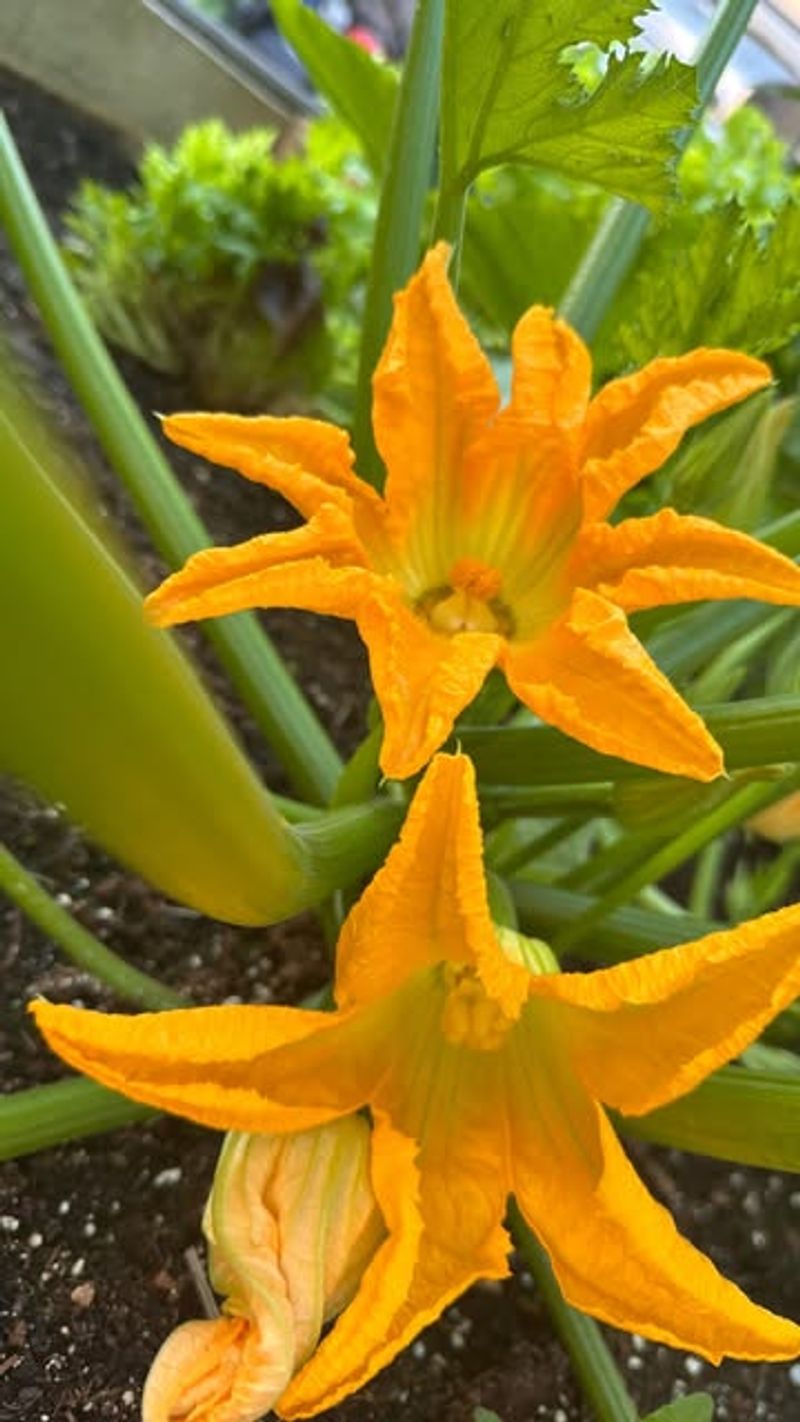
A simple decision rule can replace a lot of guesswork before you reach for the fertilizer bag again. Male flowers only, especially early in the season or during a heat wave, suggest the plant is not yet producing female flowers or has shifted its ratio under temperature stress. Female flowers with tiny fruit that yellows and drops points more directly at pollination gaps or environmental stress than at any nutrient problem. Extremely leafy, very dark-green growth after a season of repeated feeding is the combination that most credibly raises the nitrogen concern described in University of Minnesota Extension’s fertilizing guide.
University of Minnesota’s heat and vegetable yield research and Illinois Extension’s cucurbit guide both reinforce that multiple stresses can overlap, so a single cause rarely explains the whole picture. Check whether a mature fruit is already on the plant before assuming production has stalled, and consult Colorado State Extension’s cucurbit resource for additional seasonal guidance. The gardener who spends five minutes reading the flowers each morning will almost always outperform the one who keeps adding fertilizer and hoping for a different result.