
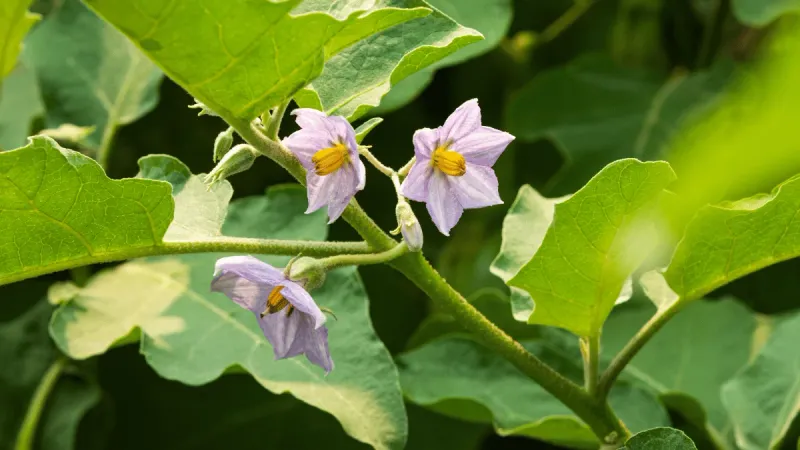
Watching your eggplant push out flower after flower while not a single fruit develops is genuinely frustrating, especially when the rest of the garden seems to be doing fine. The good news is that a simple mechanical trick, gently tapping open flowers, can sometimes improve fruit set when pollen movement is the bottleneck. But heat, thirst, shade, and a few other stressors are just as likely to be behind the problem, and they need their own fixes. Working through a short checklist can help you figure out what your plant actually needs.
Tapping may help, but the flower drop has more than one cause
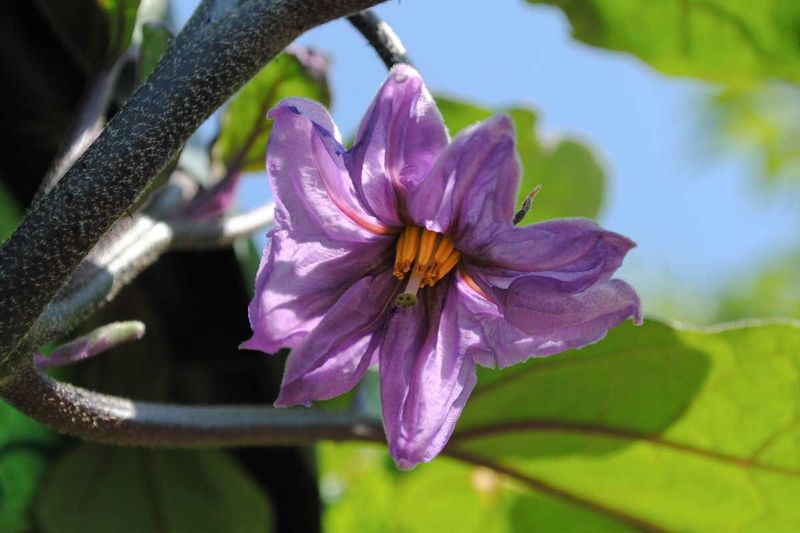
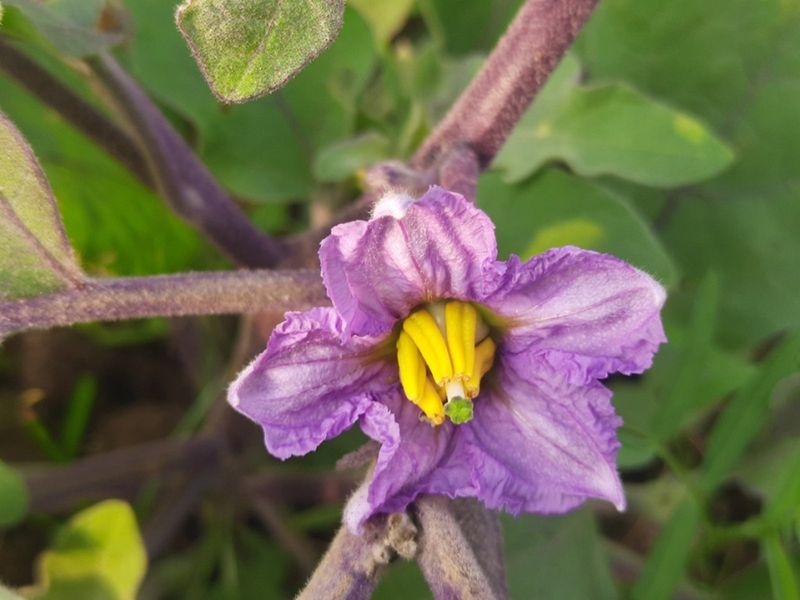
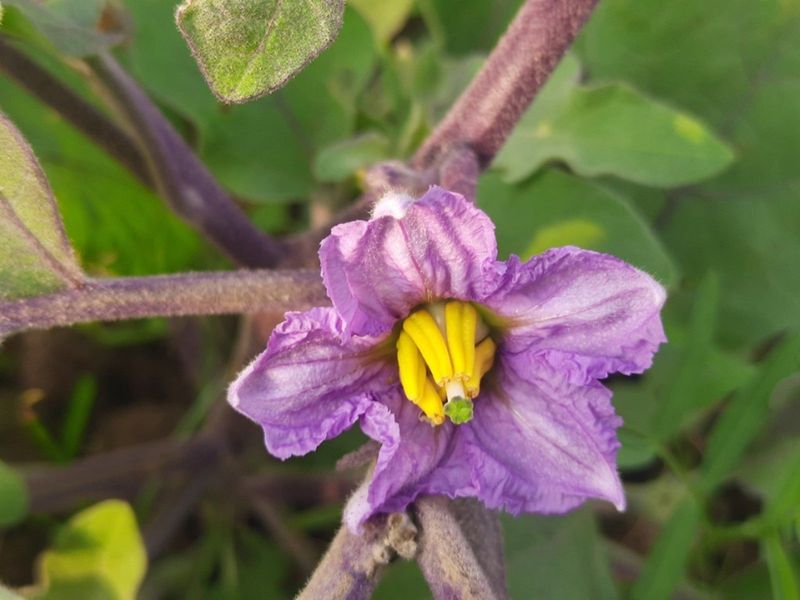
Eggplant flowers are built with both male and female parts inside the same bloom, which means each flower carries everything it needs to produce fruit on its own. That sounds foolproof, but pollen still has to physically move from the anthers to the stigma before fertilization can happen. Without that transfer, the flower drops without setting fruit, no matter how healthy the plant looks from the outside.
Bees, a light breeze, or gentle vibration can all nudge pollen into the right position. Oregon State University Extension’s eggplant guidance notes that bees are important for good pollination and yield, while University of Florida IFAS describes eggplant as self-pollinating and explains that buzz pollination by bees can also help. The practical takeaway is that eggplant can set fruit on its own, but insect activity or hand vibration often improves results.
Where it gets complicated is that pollen movement is not always the limiting factor. UC IPM’s blossom drop resource lists extremely high or low temperatures, insufficient soil moisture, and poor pollination as separate causes of flower drop. Excess shade, nitrogen overload, pest feeding, and disease can do the same thing. Gentle tapping is a sensible, low-risk first step, but ruling out these other stressors is just as important.
Give each open flower a gentle vibration
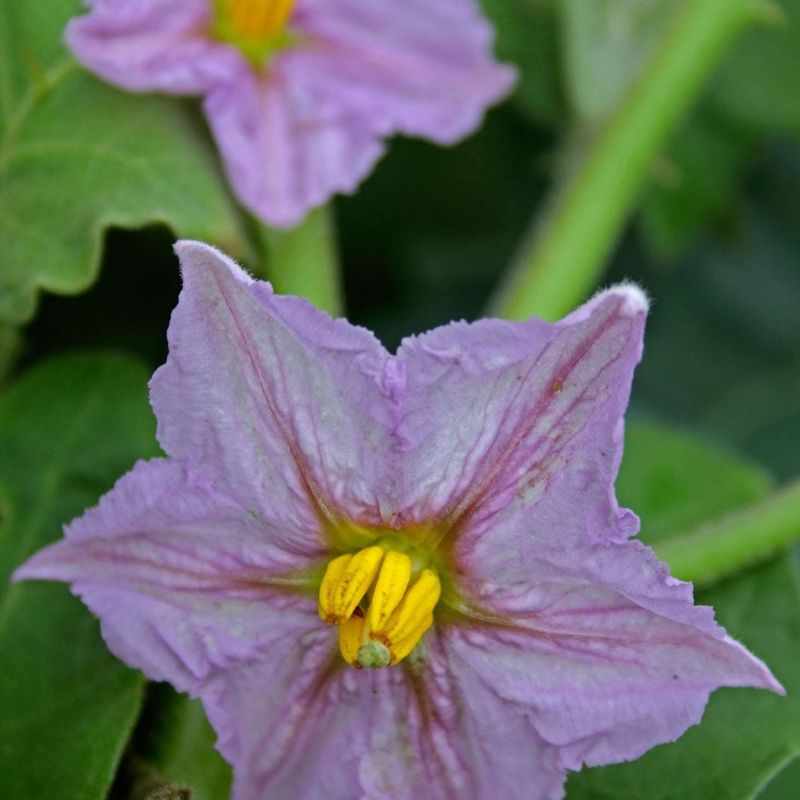
The practical step is straightforward: when a flower is fully open, lightly tap the flower or its supporting stem a few times with one finger. You are not trying to shake the whole plant or bend anything, just create a brief vibration that encourages pollen to shift from the anthers toward the stigma. UC Master Gardeners of Santa Clara County identify gentle tapping as the easiest hand-pollination method for eggplant, and it costs nothing beyond a few seconds per bloom.
A soft cotton swab or a fine artist’s brush works as an alternative if you prefer a more targeted approach. Dab lightly inside the flower’s center, moving pollen from the cluster of yellow anthers toward the central stigma. UC Cooperative Extension’s hand-pollination tips confirm that this technique can improve fruit set in eggplant.
Avoid rubbing hard, gripping the flower, or forcing a stem to bend at an awkward angle. Rough handling can damage the very parts you are trying to help. There is no proven requirement to tap at an exact clock time, but doing it when flowers are open and the air is a bit cooler, such as early morning, is a reasonable habit. Think of tapping as a mechanical aid that may improve pollen transfer, not a guaranteed cure for every dropped bloom.
Keep the root zone steadily moist
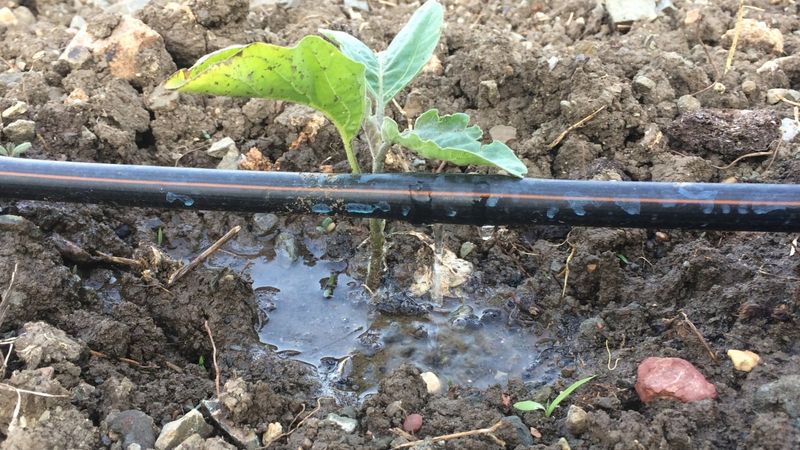
No amount of flower tapping will compensate for a root zone that swings between bone dry and briefly saturated. Water stress during flowering and early fruit set is a well-documented yield killer. UC ANR’s eggplant cultural tips state clearly that water stress during bloom can substantially reduce fruit set, and UMass Amherst’s eggplant fact sheet links limited soil moisture during this period directly to reduced yield.
The goal is consistent, deep moisture through the root zone, not a rigid schedule. Sandy soils drain fast and need more frequent attention; heavy clay holds moisture longer but can become waterlogged if you are not careful. Container-grown plants dry out faster than in-ground beds and may need daily checking during a heat wave. Adjust based on what you observe in your specific soil and situation rather than following a one-size number of gallons or days.
University of Minnesota Extension warns that light, shallow watering can promote shallow roots, making plants more vulnerable to heat and drought later on. A layer of mulch over the root zone slows evaporation and buffers soil temperature, and drip or soil-level irrigation keeps foliage dry, which reduces disease risk. Saturated soil is its own problem, cutting off oxygen to roots and stressing the plant just as severely as drought, so good drainage matters as much as consistent moisture.
Recognize when extreme heat is the real obstacle
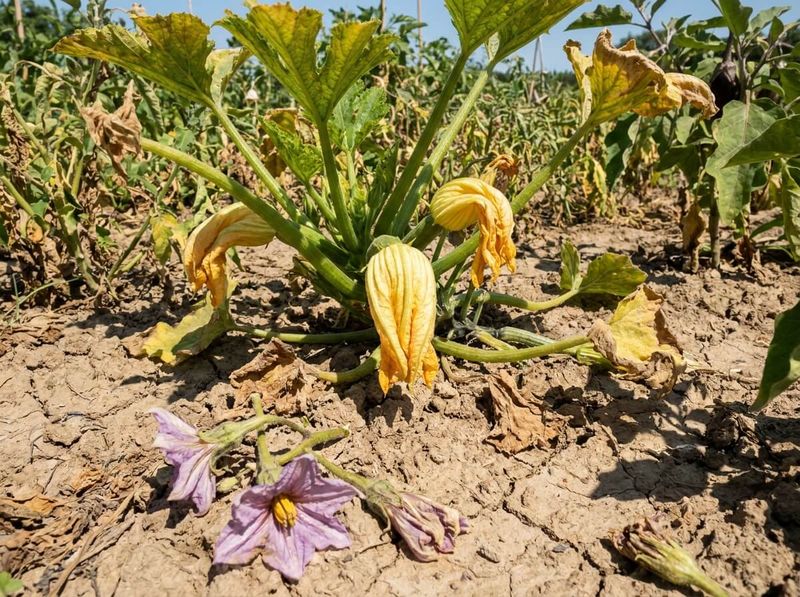
Eggplant is a warm-season crop that genuinely thrives in heat, but prolonged extreme temperatures can push the plant past its comfort zone and disrupt flowering in ways that tapping alone cannot fix. UC ANR’s cultural tips for eggplant describe an ideal daytime range of roughly 80 to 90 degrees Fahrenheit and nighttime temperatures of 60 to 65 degrees or higher. These are practical benchmarks, not hard biological cutoffs, and actual tolerance varies by cultivar, local humidity, and growing conditions.
University of Maryland Extension’s guide to poor blossom and fruit set identifies very high temperatures, hot dry winds, and excessive shade as separate contributors to failed fruit set. Heat can reduce pollen viability, interfere with plant water balance, and cause young flowers or developing fruitlets to drop before they have a chance to develop. Hand vibration may help when pollen movement is the bottleneck, but it cannot repair pollen that heat has already damaged.
During an exceptional heat stretch, temporary shade cloth placed over the plant during the hottest part of the afternoon can reduce thermal stress. A word of caution, though: too much shade for too long is itself a problem. Maryland Extension’s IPM scouting tips note that excessive shade can reduce flowering and fruit set just as heat can. Aim for brief relief during extreme events rather than permanent heavy cover.
Check the plant before adding fertilizer or spray
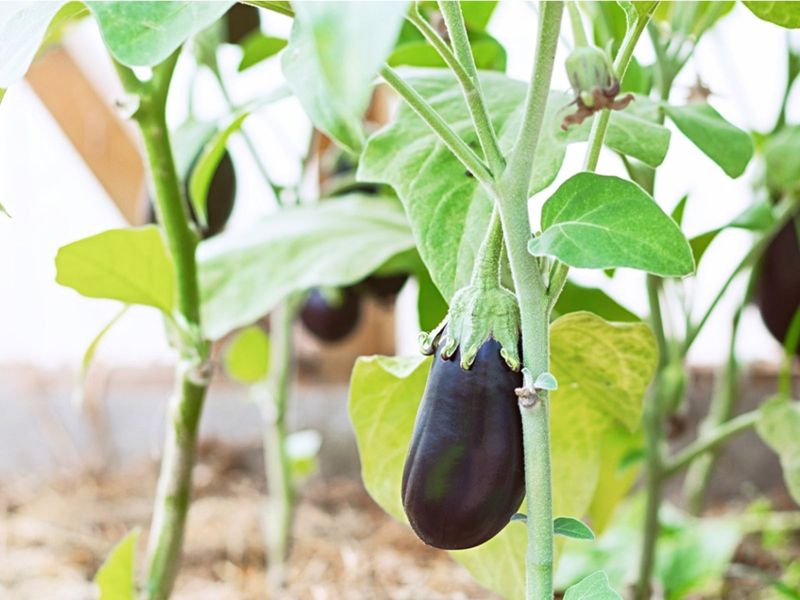
Before reaching for a fertilizer bag or spray bottle, spend five minutes looking at the whole plant. Start at the soil level: press a finger two inches into the ground near the roots to check for dryness or sogginess. Then look up at the leaves and stems for yellowing, distorted growth, or patches that suggest a disease. University of Maryland Extension’s blossom and fruit set resource lists prolonged dry or wet soil, excessive shade, excess nitrogen, and very high or low temperatures as distinct causes of poor set, any one of which can mimic a pollination problem.
Pay attention to how leafy the plant is relative to how many flowers it is holding. A plant that received too much nitrogen often produces lush, dark green foliage but delays fruiting. University of Minnesota Extension recommends soil testing rather than defaulting to extra fertilizer, and specifically cautions against excessive nitrogen. Bloom-booster fertilizers or extra phosphorus are not a supported fix for this symptom unless a soil test shows a genuine deficiency.
Also check the flowers themselves for small insects feeding on petals or the flower base. Lygus bugs and similar pests can cause flower drop that looks exactly like a pollination failure. If the plant has been covered with row cover for frost or pest protection, remove it once flowering begins so pollinators and airflow can reach the blooms. South Dakota State University Extension specifically advises removing row cover at flowering for this reason.
Look for fruit set without claiming credit for it
After tapping a flower or cluster, the most useful thing you can do is watch what happens next, without drawing conclusions too quickly. A reliable sign that a flower has set fruit is a small swelling at the base of the bloom after the petals begin to fade and fall. That swelling is the developing ovary, and seeing it on several flowers in a row is a meaningful signal that conditions are working in the plant’s favor.
UC Cooperative Extension’s hand-pollination reference describes this basal swelling as the indicator to look for, though the exact timeline from open flower to visible swelling varies by cultivar, temperature, and growing conditions. Avoid judging the whole plant by one or two flowers, especially during a heat wave when drop rates can be higher than usual. Watch a group of new blooms over several days for a clearer picture.
One maintenance step that genuinely supports continued flowering is harvesting mature fruit promptly. University of Minnesota Extension notes that regular harvesting encourages additional flowering and fruit set, and University of Missouri Extension adds that failure to harvest regularly reduces flower formation and overall yield. Leaving overripe fruit on the plant signals it to slow down reproduction, so picking on time is a simple way to keep the plant working.
Protect pollinators while you troubleshoot
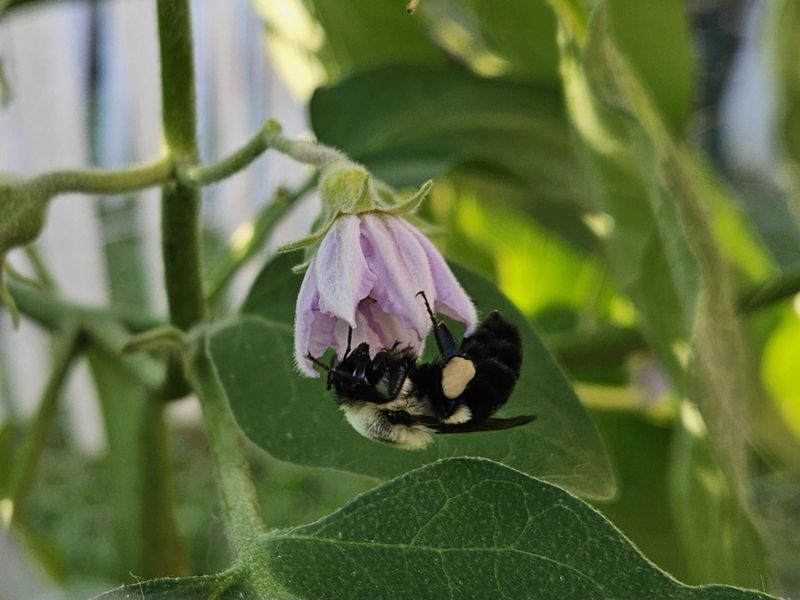
Bees and other pollinators visiting your eggplant are a genuine asset, even for a crop that can technically self-pollinate. Their buzz vibration moves pollen efficiently, and keeping them healthy around your garden costs you nothing except a little restraint with the spray bottle. Reaching for an insecticide the moment you spot a problem can do more harm than the pest you were targeting.
EPA’s pollinator protection tools and strategies recommend following product labels carefully, observing any bloom-time and time-of-day application restrictions, and reducing spray drift to limit pollinator exposure. EPA’s broader pollinator protection guidance reinforces that pesticide applications on or near blooming plants can expose and harm foraging bees, sometimes with lasting effects on local pollinator populations.
Improving pollinator access does not require any spray at all. Removing row cover when flowers open, maintaining consistent soil moisture, and avoiding unnecessary pesticide applications are the lowest-risk ways to support both your plant and the insects that visit it. If a pest problem genuinely requires treatment, check the label for bloom-time restrictions, apply in the evening when most bees have stopped foraging, and target only the affected area rather than the whole plant.
Use tapping as a first test, not a promise
Pulling together everything in this guide points to a simple action sequence. When flowers are open, tap each bloom or cluster gently a few times. Keep the root zone consistently and deeply moist, adjusting for your soil, container, and current weather. During exceptional heat stretches, consider brief afternoon shade, but avoid blocking light for long periods.
Then work through the checklist: shade, soil moisture, nitrogen, pests, disease, row cover, and pollinator safety.
Tapping can improve pollen transfer when limited movement is what is holding fruit set back. UC Master Gardeners of Santa Clara County recommend it as a practical method, and it carries no real downside if done gently. But UC IPM’s blossom drop guidance is clear that temperature extremes and moisture stress are equally valid explanations for the same symptom. If severe heat or drought is the true limiting factor, tapping will not be enough on its own.
Monitor new blooms and watch for the small basal swelling that signals a flower has set. UC ANR’s eggplant cultural tips reinforce that managing stress during bloom is the broader goal. Progress may be gradual, and a single heat wave can reset things quickly, so patience and consistent care matter more than any one intervention. A plant that is well-watered, lightly stressed, and regularly harvested tends to keep flowering long after a harder-pushed one gives up.