
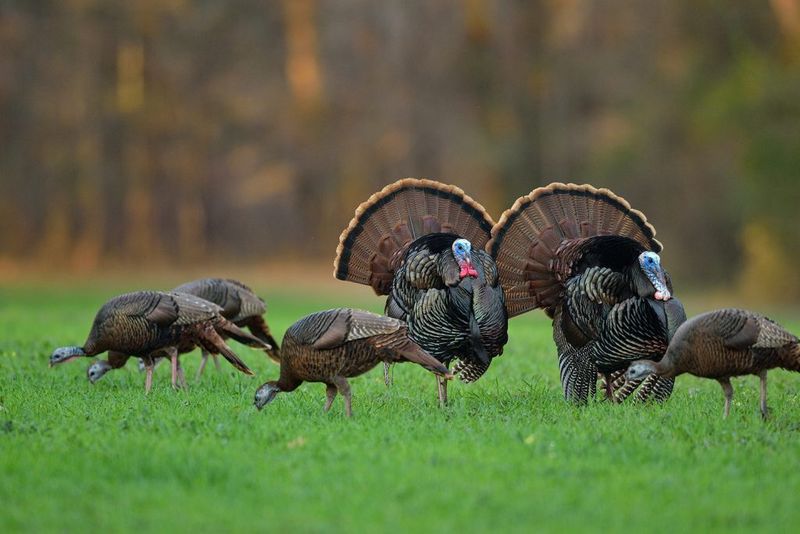
Spotting a flock of wild turkeys strutting through your North Carolina yard can stop you in your tracks. Many homeowners assume the birds showed up specifically to eat ticks, turning a backyard visit into a free pest-control service. The real story is more interesting, and more nuanced, than that popular idea suggests.
A turkey crossing the lawn is usually following food, cover, or a route
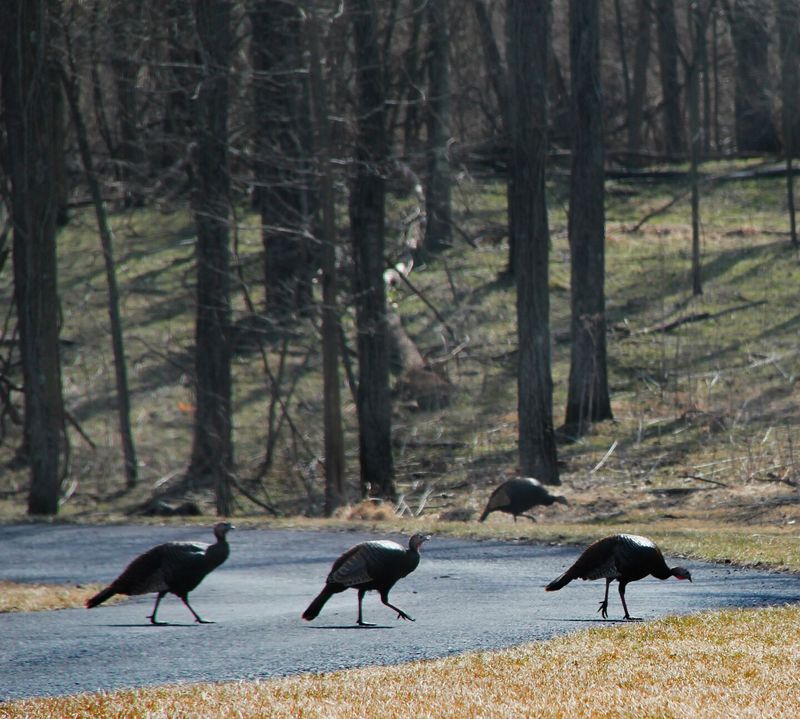
Eastern wild turkeys are far more common in North Carolina than most homeowners realize. The NC Wildlife Resources Commission notes that turkeys thrive throughout the state wherever forested areas and open land occur together, making a typical suburban or rural yard beside a patch of woods almost ideal habitat for a passing flock.
When a group of turkeys moves across your lawn, the most straightforward explanation is that they are doing exactly what turkeys do every day: searching for food, moving between areas of wooded cover, or following a familiar travel corridor. Open ground next to trees or brush gives them a wide field of view for spotting predators while they forage, which is exactly the kind of edge habitat they prefer. A lawn beside a fence row, a creek buffer, or a stand of oaks fits that description perfectly.
The flock is responding to what your property offers, not to a pest problem you might have. Seeds that have fallen from feeders or trees, exposed soil after rain, low ground cover, or simply a shortcut between two patches of woods can all draw turkeys in. NC State Extension’s wild turkey profile describes the species as opportunistic foragers that adjust their routes based on seasonal food availability, which means the same yard may see visits in spring and fall but go quiet in summer when natural foods shift.
Framing the sighting as routine foraging behavior, rather than a targeted tick-patrol mission, sets up a healthier relationship between homeowners and native wildlife. The birds are using your yard because it suits them, and understanding that keeps expectations realistic while still letting you appreciate a genuinely striking native species moving through.
Their scratching can remove some insects, but plants still dominate the menu
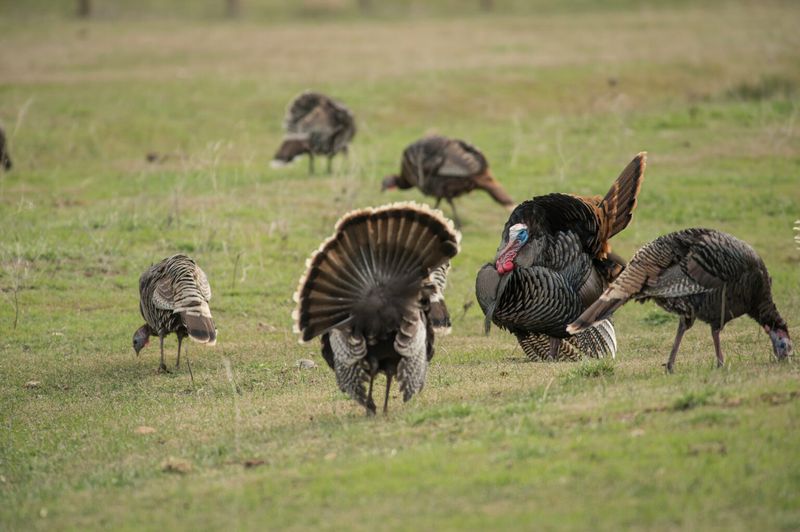
Watch a turkey work a patch of ground and you will quickly notice the scratching. They use their strong feet to rake through leaf litter, loose soil, and matted grass, flipping material aside to expose whatever is hiding underneath. That behavior is purposeful foraging, and the list of things they will eat is long: acorns, berries, seeds, roots, grasshoppers, beetles, spiders, earthworms, grubs, and other invertebrates all qualify.
Animal protein matters most to young poults, which need it for rapid early growth. NC State Extension reports that roughly 90 percent of an adult turkey’s diet is plant material, with insects and other invertebrates making up the remainder year-round. That ratio matters when evaluating any claim about turkeys functioning as insect predators: they eat bugs, but plants are the foundation of the diet.
The scratching does mean a turkey may consume some of the insects or grubs present in the spots it visits. That is a real and plausible benefit, but it stays local and opportunistic. A flock moving across a lawn for twenty minutes is not conducting a systematic sweep of the entire yard. USGS natural history coverage of the species describes turkeys as wide-ranging foragers that cover significant ground daily, meaning any one patch of lawn gets only a brief pass before the birds move on.
There is also a trade-off worth mentioning. University extension guidance on wild turkeys notes that the same scratching that uncovers insects can disturb turf, uproot seedlings, scatter mulch, and damage garden beds. If a flock returns repeatedly to a productive patch, the cosmetic and structural damage to plantings can add up. Appreciating the foraging without overstating the benefit, and protecting areas that cannot absorb repeated disturbance, gives homeowners a realistic picture of the full equation.
The evidence does not support calling turkeys a tick patrol
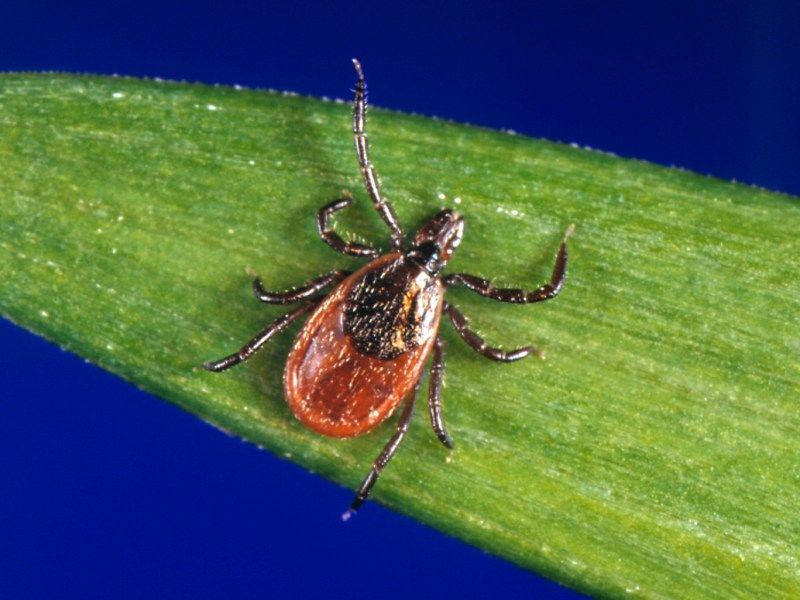
The idea that wild turkeys reliably clear ticks from a yard is appealing, but the research tells a different story. A peer-reviewed experiment by Ostfeld and Lewis specifically tested the relationship between wild turkeys and black-legged ticks in a natural setting. The study found that wild turkeys were unlikely to host juvenile black-legged ticks and that turkey foraging did not produce a significant reduction in local adult-tick density. That is a direct test, not an inference, and the result does not support framing turkeys as a dependable tick-control method.
The gap between “a turkey occasionally eats a tick” and “turkeys reduce tick numbers on your lawn” is meaningful. A turkey that swallows a tick while scratching through leaf litter has consumed one individual from a population that can number in the hundreds or thousands across a typical yard. Opportunistic consumption does not translate into a measurable reduction in the population, and no study has demonstrated that a flock crossing a residential lawn leaves behind fewer ticks than it found.
North Carolina also has more than one tick species to consider. The state is home to lone star ticks, American dog ticks, black-legged ticks, and others. NC DHHS tick surveillance data reflects that variety, and findings from a study involving black-legged ticks should not be automatically applied to every species present in North Carolina yards. Tick ecology, host use, and habitat preferences vary enough across species that a single study cannot answer every question.
Additional confirmation from the CDC Tickborne Diseases of the United States manual reinforces that tick species differ substantially in biology and host associations.
Seeing turkeys in the yard does not mean tick numbers are dropping or that the property is safer than it was before the birds arrived. The sighting is a wildlife observation, not a pest-control measurement.
What the flock tells you about the yard—and what it does not
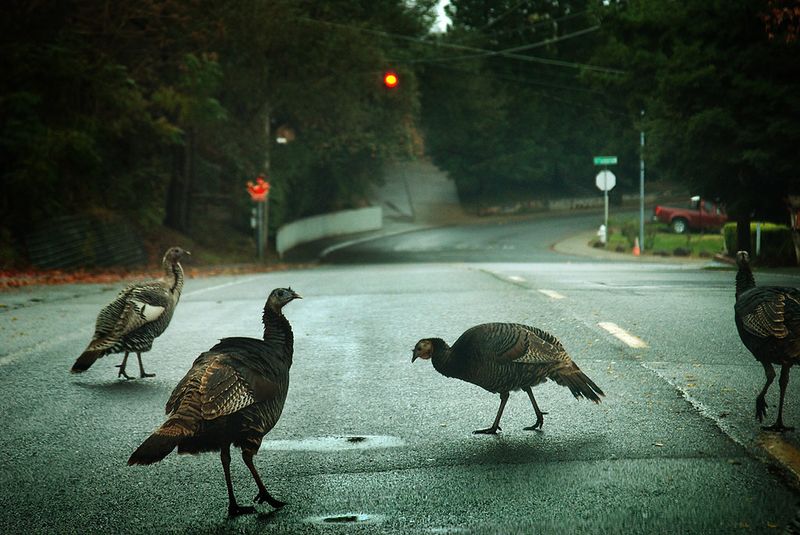
A turkey flock moving through the yard is useful information, but it needs to be read carefully. The birds are responding to something the property offers: accessible seeds, exposed soil, insects near the surface, open ground beside wooded cover, or a familiar travel corridor they use regularly. Any of those explanations fits the behavior without requiring a specific pest problem as the trigger.
Scratching, in particular, is easy to misread. Homeowners sometimes assume that turkeys digging through a lawn section means grubs are concentrated there or that ticks are especially abundant in that spot. NC State Extension’s turkey biology overview makes clear that turkeys scratch for a wide range of food items, including seeds, roots, and invertebrates of many kinds. The scratching reflects broad foraging behavior, not a diagnostic signal about what pest is present or how many.
There is also a point that cuts against the “turkeys clean the yard” framing entirely: turkeys can carry external parasites themselves. USDA APHIS wildlife damage management guidance notes that wild turkeys are susceptible to external parasites, and published surveys have documented tick associations with the species. That does not make a visiting flock dangerous to homeowners, but it does mean the birds cannot be characterized as universally tick-free animals who leave the yard cleaner than they found it.
University extension guidance on managing wild turkeys frames them accurately as native wildlife using available habitat, and that framing holds here. The flock is not a biological treatment that homeowners can summon, measure, or rely on. Appreciating what the visit actually signals, a yard with suitable food and cover near wooded habitat, keeps the relationship with native wildlife honest and practical.
Coexistence works better when homeowners remove incentives and protect vulnerable beds
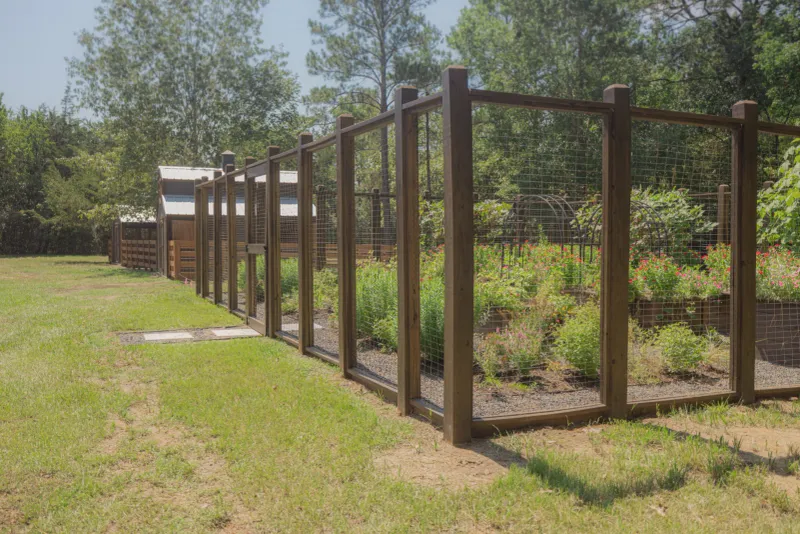
Most turkey visits are harmless and brief, but a flock that returns daily or grows bolder can become a nuisance. The most effective response is to make the yard less rewarding rather than trying to shoo, tame, or reward the birds. Turkeys that associate a yard with reliable food become persistent and harder to discourage over time.
Feeding is the fastest way to create that problem. Scattering corn, putting out birdseed on the ground, leaving pet food outside, or leaving food scraps accessible can pull turkeys in and keep them coming back. NC Wildlife’s guidance on preventing wildlife conflicts explains that concentrating animals through feeding increases the risk of disease transmission between individuals, raises the likelihood of property damage, and can lead to aggressive behavior as birds lose their wariness of people. The birds are not at fault for responding to a food source, but the homeowner controls whether that source exists.
NC Wildlife’s responsible wildlife feeding guidance reinforces that leaving food out for one species often attracts others, compounding the problem. Keeping pet food indoors, securing garbage cans with locking lids, and cleaning up fallen fruit or seed beneath bird feeders removes the incentives that bring turkeys back repeatedly.
For garden beds, seedling areas, or sections of lawn that cannot absorb repeated scratching, physical barriers are the practical answer. University extension recommendations for managing wild turkeys include fencing, netting draped over vulnerable plantings, or buried poultry wire and hardware cloth to protect root zones from digging. These measures let the flock continue moving through the broader yard without concentrating damage in areas that matter most. Protecting specific spots while leaving open ground accessible is a workable balance that respects native wildlife without surrendering the garden.
Real tick protection starts with the yard and the person using it
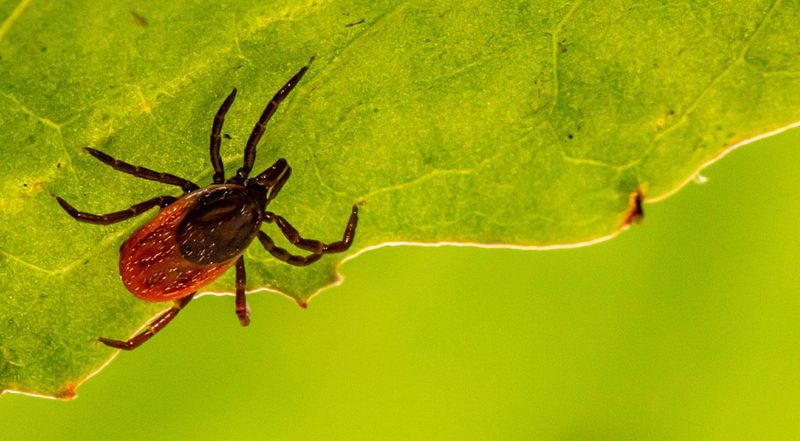
Turkeys passing through the yard do not change the tick-management math. Homeowners in North Carolina need to rely on approaches that actually reduce exposure, and those approaches center on the yard itself and on personal habits every time someone spends time outside.
Landscaping changes make a measurable difference. Removing leaf litter from areas near patios, play equipment, and garden beds eliminates the moist, shaded microhabitat that ticks prefer. Clearing tall grass and brush around the home’s perimeter, mowing regularly, and keeping ground cover trimmed reduces the zone where ticks can wait for a passing host. CDC guidance on preventing tick bites specifically recommends placing a roughly three-foot barrier of wood chips or gravel between lawn or play spaces and wooded edges, because ticks rarely cross dry, open material.
That barrier does not eliminate ticks from the property, but it reduces the chance that ticks from the woodland edge reach the areas where family members spend the most time.
Personal protection matters just as much as landscaping. Wearing long sleeves and pants tucked into socks during yard work, applying EPA-registered repellents to exposed skin and clothing, and doing a thorough tick check after any time outdoors, including after routine backyard tasks, are all steps that cut actual exposure. NC DHHS tick-borne illness resources outline the diseases present in the state, including Rocky Mountain spotted fever, ehrlichiosis, Lyme disease, and STARI, and stress the importance of prompt tick removal when one is found attached.
NC DHHS tick surveillance figures show that tick-borne illness reports occur across the state, not just in rural or heavily wooded settings, which means even a well-kept suburban yard warrants consistent tick-check habits. Combining landscape management with personal protection is the combination that health authorities recommend, and neither step can be replaced by hoping wildlife will handle the problem.
Let the turkeys forage, but do not outsource tick control to them
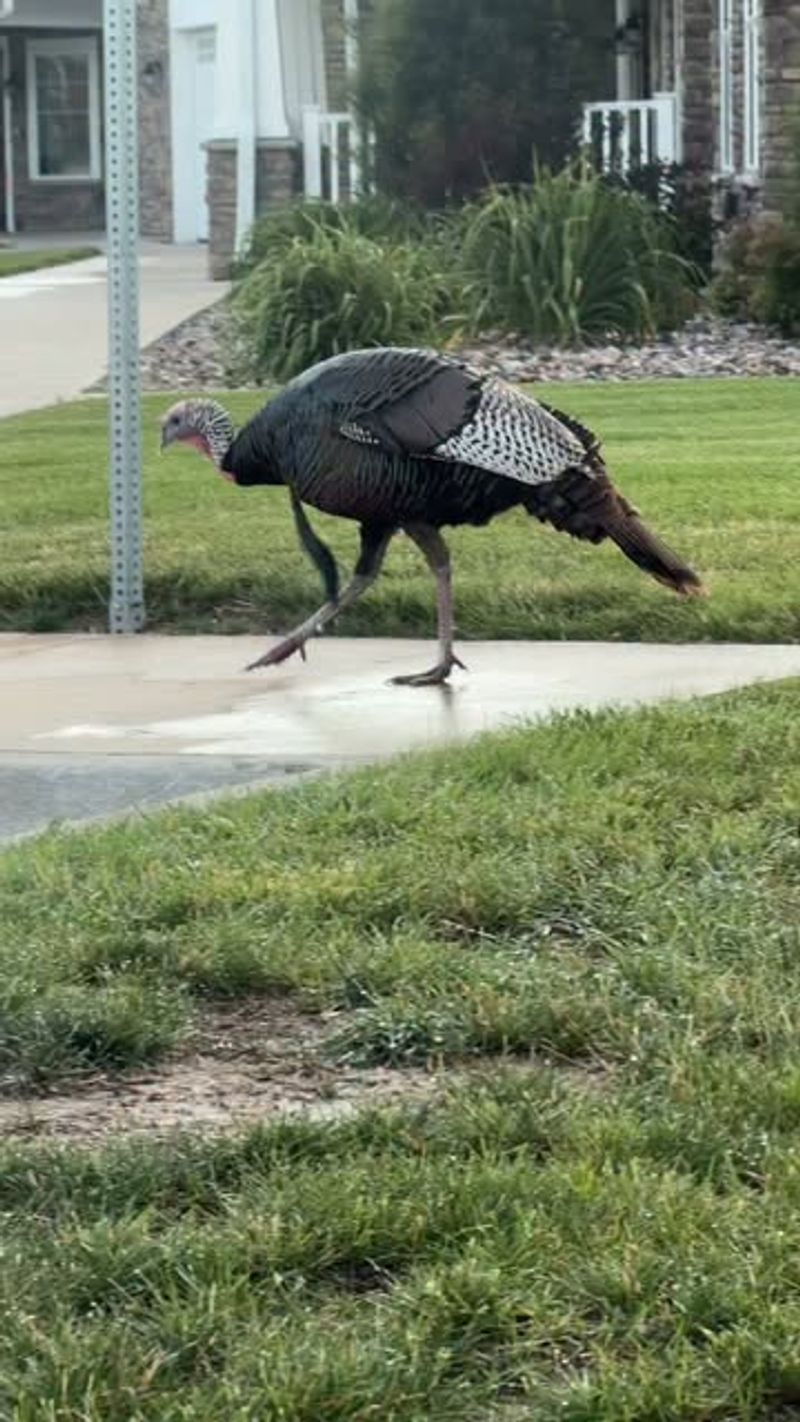
Wild turkeys are a genuinely rewarding part of North Carolina’s native wildlife, and a flock moving through the yard is worth pausing to watch. They may pick up some beetles, grubs, spiders, or other invertebrates while they scratch through your lawn, and that is a real part of what they do. The key is keeping that observation in proportion.
The Ostfeld and Lewis study on turkeys and black-legged ticks found no significant reduction in adult-tick density from turkey foraging, and no subsequent research has reversed that finding for residential settings. The visit is foraging and habitat use, not a reliable reduction in tick numbers or illness risk. Treating it as the latter leads homeowners to skip the yard management and personal-protection steps that actually work.
The practical approach is straightforward: avoid feeding the birds, use fencing or netting to protect garden areas that take repeated damage, and build tick-check and landscaping habits that do not depend on what wildlife happens to pass through. NC Wildlife’s conflict-prevention guidance and CDC tick-prevention recommendations together cover the full picture of coexisting with native wildlife while keeping the family protected.
A yard can be welcoming to turkeys and other native species while still requiring deliberate, consistent tick management from the people who use it. Those two things are not in conflict – they just require different tools.