
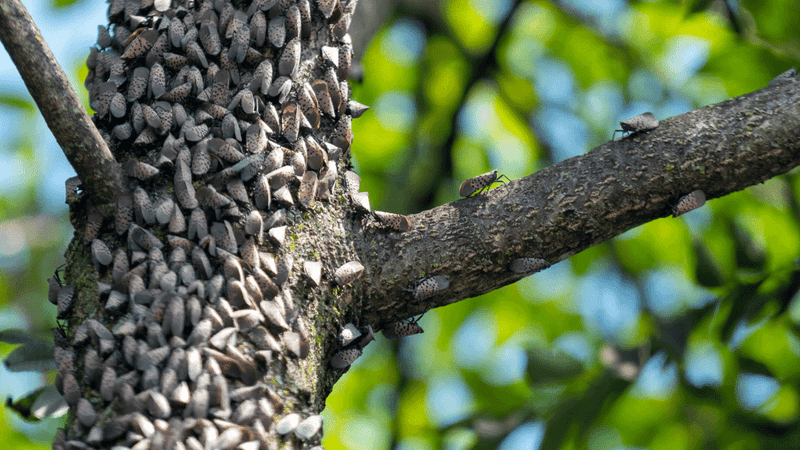
A fast-growing tree with a bad reputation has been quietly spreading through North Carolina roadsides, yard edges, and woodland openings for decades. Now it has a new reason to get your attention: spotted lanternfly strongly prefers it as a feeding and breeding site. Learning to identify this invasive tree and managing it with a solid plan can improve your yard and may reduce local lanternfly activity, though it is not a cure-all for a pest that feeds on many plants.
The tree is invasive, not native
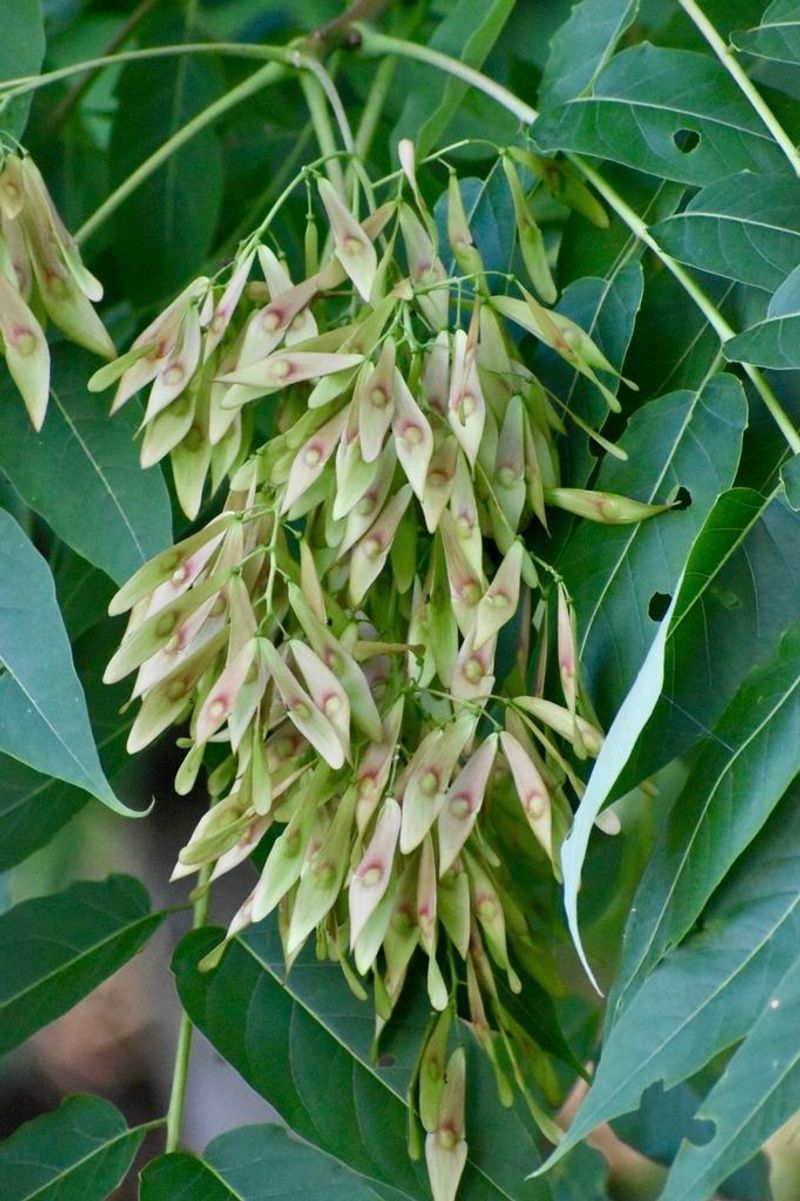
Before anything else, the tree at the center of this conversation needs a correction from the start: tree-of-heaven, known botanically as Ailanthus altissima, is not a native North Carolina plant. It arrived from China and was introduced to the United States in the late 1700s, originally planted as an ornamental and street tree. Today, NC State Extension classifies it as a nonnative invasive species with a documented history of crowding out other vegetation across the state.
Tree-of-heaven thrives in disturbed, sunny ground. Roadsides, field edges, vacant lots, woodland openings, and neglected corners of residential yards are exactly the conditions it seeks out. It spreads aggressively through seed production and through root suckers that can emerge several feet away from the parent plant, forming dense colonies that shade out native seedlings and shrubs before they can get established.
The NC State Plant Toolbox entry for Ailanthus altissima confirms the tree’s nonnative, invasive status in North Carolina. Extension educators in Madison County have also noted that it turns up across the Piedmont, mountains, and Coastal Plain wherever soil has been disturbed and sunlight is available, making it a familiar but unwelcome sight for many homeowners.
The measured case for managing it rests on two points. First, removing an aggressively spreading invasive tree can release space and resources that native plants need to reestablish. Second, because spotted lanternfly strongly prefers tree-of-heaven as a host, reducing its presence in a yard may reduce local feeding opportunities for the pest. That said, cutting one tree will not stop spotted lanternfly from moving through a neighborhood or county.
Planned removal is a worthwhile stewardship step, not a standalone solution to a pest with a very wide host range.
Why spotted lanternfly prefers tree-of-heaven
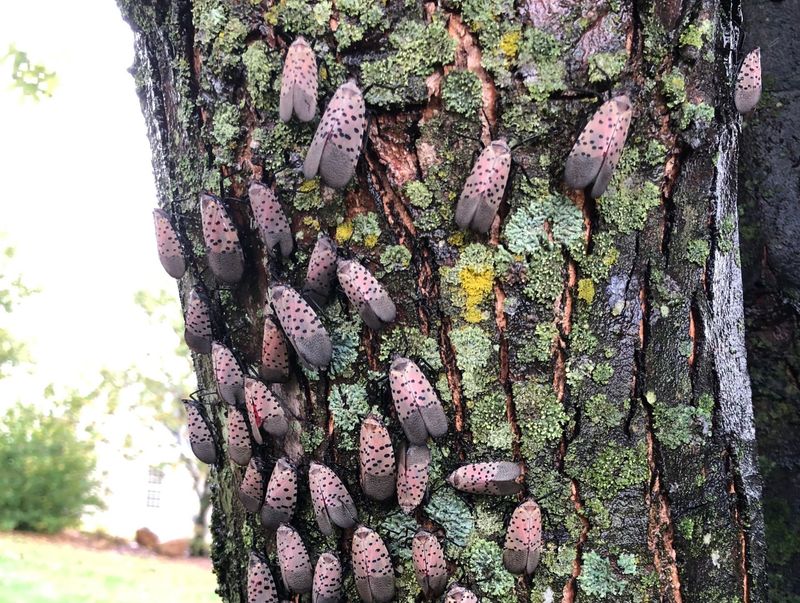
Spotted lanternfly feeds on dozens of plant species, including grapes, hops, apples, maples, and black walnut, but its relationship with tree-of-heaven stands out. Later-stage nymphs and adults show a strong preference for the tree, congregating on its bark and branches in late summer and fall to feed on phloem sap. A single stand of tree-of-heaven can draw large numbers of insects, which is why the invasive tree is sometimes described as a magnet for local spotted-lanternfly activity.
Researchers have studied how this preference plays out in practice. A published study on life-history traits of spotted lanternfly when feeding on grapevines and tree-of-heaven found differences in how the insect performs on each host, with tree-of-heaven supporting robust feeding in adult populations. The USDA Forest Service spotted-lanternfly mitigation project also notes the strong host preference while confirming that the insect can complete its life cycle on other plants. Spotted lanternfly does not need tree-of-heaven to reproduce, which is a critical distinction when thinking about whether removal will solve the problem in your yard.
North Carolina’s situation is still developing. On February 10, 2026, NCDA&CS announced that confirmed established spotted-lanternfly populations had reached seven North Carolina counties after finding the pest in three additional counties. That figure represents confirmed established populations, not uniform infestation across every yard or every region of the state. Homeowners in counties without a confirmed population should still learn the signs and stay alert, but the presence of tree-of-heaven in a yard does not automatically mean spotted lanternfly is there too.
What the host preference does mean practically is that a yard with tree-of-heaven has a feature that can concentrate spotted-lanternfly activity if the pest reaches the area. NC State’s spotted-lanternfly guidance reflects this by including tree-of-heaven management as one component of a broader response strategy, alongside monitoring, reporting, and inspecting items before moving them. Removing the preferred host may reduce the nuisance and feeding pressure in a specific location, but it works best as part of a coordinated approach rather than as a single fix.
Confirm the tree before making a plan
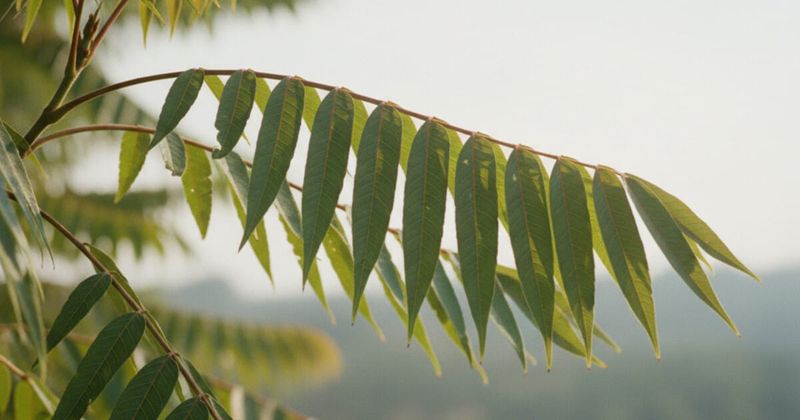
Rushing to remove a tree based on a single glance is a mistake that homeowners make more often than they realize. Tree-of-heaven shares its large, compound-leaf silhouette with several native North Carolina trees, including black walnut, hickory, ash, and sumac. Acting on a misidentification means potentially cutting a valuable native tree while leaving the actual invasive untouched nearby.
A reliable identification uses several features together. NC State Extension’s tree-of-heaven profile describes leaves that are typically one to four feet long, made up of many leaflets arranged along a central stem. The leaflets on tree-of-heaven generally have smooth margins, meaning the edges run continuously without teeth or serrations. Near the base of each leaflet, look for one or two small, gland-like bumps on the underside.
The bark on mature trees tends to be light gray to brown with a slightly streaked or furrowed texture. One of the most reliable clues is the smell: crush a leaf or snap a small twig and tree-of-heaven produces a strong, unpleasant odor often compared to rancid peanut butter or something burnt.
By contrast, native look-alikes usually show toothed or serrated leaflet edges. Black walnut has distinctly ridged, darker bark and a different, sharper scent. Sumac typically has reddish stems and smaller overall size. The NC State and NC Forest Service Spotted Lanternfly Management Guide includes side-by-side identification features specifically designed to help homeowners tell tree-of-heaven apart from these native species before taking any action.
If you are uncertain after working through these features, photograph the leaves, bark, and overall tree shape and contact your local NC Cooperative Extension office. Confirming the plant’s identity and checking for any spotted-lanternfly signs before choosing a control method protects both your yard and the native trees you want to keep.
Planned removal can improve the yard
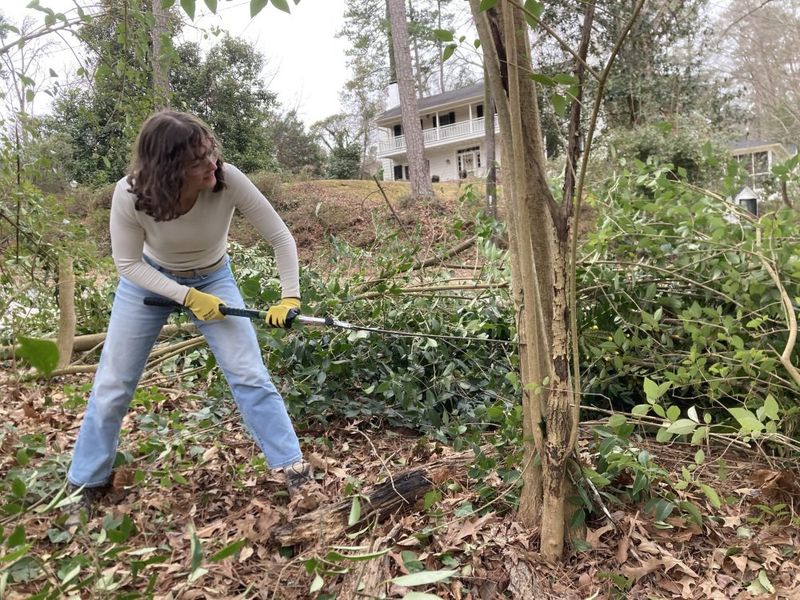
Even without a guaranteed reduction in spotted-lanternfly populations, there are solid reasons to manage tree-of-heaven in a home landscape. The plant forms dense colonies through seed dispersal and root suckering, shading out native seedlings and shrubs that would otherwise fill the space. Removing it releases soil, light, and moisture for plants that actually belong in a North Carolina yard and support local food webs.
NC State’s guide to landscaping for wildlife with native plants frames this kind of site restoration as a meaningful habitat improvement. When an invasive tree is cleared and replaced with species suited to the region, the yard can begin supporting native insects, birds, and other wildlife in ways that a monoculture of Ailanthus simply cannot. That payoff stands on its own, separate from any spotted-lanternfly benefit.
On the lanternfly side, Penn State Extension’s management guidance for landscape professionals and the accompanying management guide supplement both acknowledge that reducing preferred host availability may lower local feeding pressure and honeydew-related nuisance. Honeydew, a sticky waste product that spotted lanternfly excretes while feeding, can coat outdoor surfaces and encourage sooty mold growth. Fewer preferred hosts nearby may mean less of that problem, though the effect depends on what other host plants are present and whether the pest has already established in the area.
One important reassurance: Penn State’s spotted-lanternfly FAQ notes that direct mortality from spotted-lanternfly feeding has been observed primarily in grapevines, tree-of-heaven itself, and black walnut saplings. Healthy, established ornamental trees in a home landscape have not generally been recorded as dying from this insect. Spotting lanternflies on a tree is worth noting and reporting, but it is not cause to treat every plant in the yard as if it were under mortal threat.
Do not simply cut an established tree
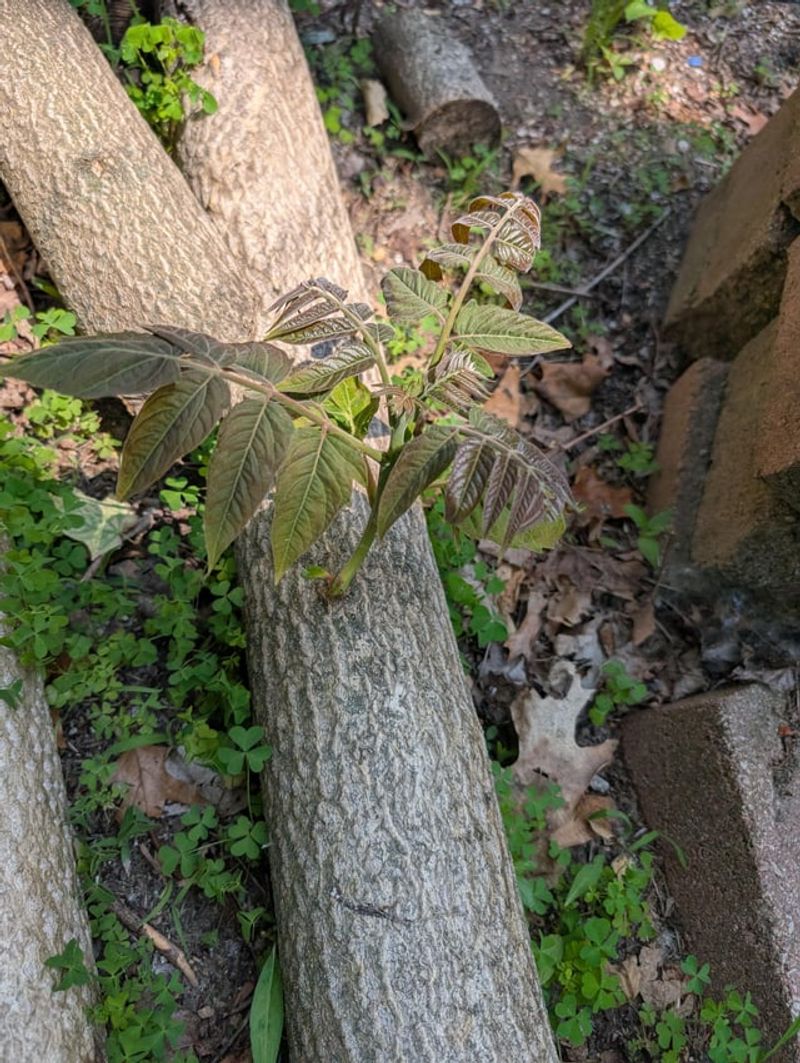
Reaching for a chainsaw first is the most common and most counterproductive response to finding tree-of-heaven on a property. The tree has an extensive lateral root system, and cutting the trunk without addressing those roots sends a signal that triggers a flush of stump sprouts and root suckers. Where one trunk stood before, a homeowner may find a dozen or more new shoots within a single growing season, each competing to replace the parent tree. Follow-up control can stretch across multiple years.
NC State Extension’s tree-of-heaven publication makes this point clearly: cutting alone is generally ineffective for established trees. The same conclusion appears in Penn State Extension’s tree-of-heaven guidance, which explains that the root system’s energy reserves allow vigorous resprouting unless a labeled herbicide treatment is applied in a way that moves the active ingredient into the root system.
Extension guidance generally favors treating the living tree before removal when the situation allows. Methods such as basal-bark treatment, which applies a diluted herbicide to the lower trunk, or hack-and-squirt, which delivers herbicide directly into cuts made around the trunk, are designed to carry the product into the root system and reduce regrowth. The NC State and NC Forest Service management guide covers these approaches in the context of spotted-lanternfly host management. NC State identifies glyphosate and triclopyr as herbicide options for certain methods, but the correct product, concentration, timing, and application restrictions depend entirely on the product label and the specific site conditions.
A tree that poses an immediate safety hazard, such as one leaning over a structure, may need to come down before a full herbicide program is possible. Even so, the stump and any subsequent sprouts still require a properly labeled, site-appropriate follow-up plan. Cutting and walking away simply defers and often multiplies the problem.
Professional help is worth considering for any tree near a home, utility line, road, or waterway, and for any site where children, pets, or desirable vegetation could be affected by herbicide drift or application error. The NC Forest Service invasive plants program and local NC Cooperative Extension offices can connect homeowners with qualified guidance and, where appropriate, certified pesticide applicators who know the label requirements and site-specific restrictions that apply in North Carolina.
Monitor, report, and prevent accidental transport
Managing the tree is only part of the job. Staying alert through the seasons and making sure you are not accidentally moving the pest to a new location matters just as much. NC State’s spotted-lanternfly resource page outlines the monitoring windows homeowners should keep in mind: look for immature nymphs from May through September, watch for adults from July through December, and check for egg masses from October through June. These windows overlap, so there is really no month when a quick look around is wasted effort.
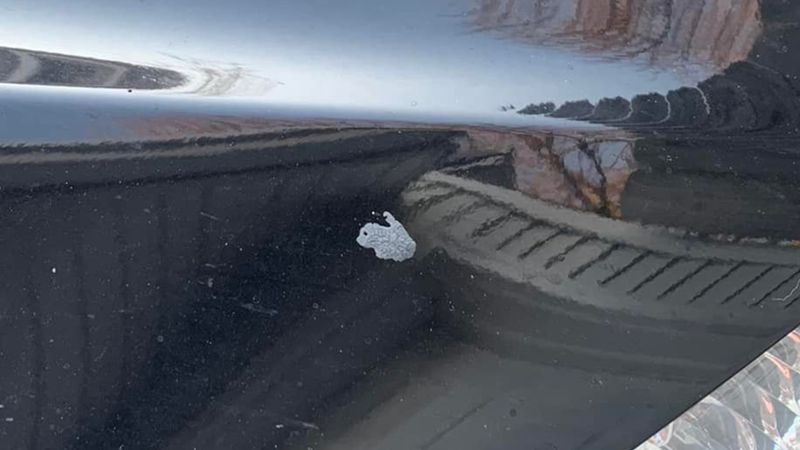
Egg masses are the most easily overlooked stage. They look like a smear of grayish putty and can be laid on almost any smooth, hard surface, not just tree bark. Vehicles, trailers, outdoor furniture, garden tools, firewood, and equipment stored outside are all potential attachment points. USDA APHIS guidance on cleaning outdoor items before moving them explains that inspecting and scraping off egg masses before transporting anything out of an affected area is one of the most direct ways an individual homeowner can slow the pest’s spread to new locations.
If you see something that looks like spotted lanternfly, photograph it and report it. NCDA&CS maintains a spotted-lanternfly reporting system for North Carolina residents, and those reports help state officials track where established populations are forming. Early documentation is genuinely useful to the people working on this problem.
Finding lanternflies on the side of your house or deck is unsettling but not a sign that the structure is under attack. Penn State’s spotted-lanternfly FAQ clarifies that the insect does not bite or sting and does not damage building materials. Its honeydew can make surfaces sticky and support sooty mold growth, so look for nearby host plants as the source rather than treating the building itself as the problem. A sighting calls for documentation and a report, not automatic removal of every plant in the vicinity.
Restore the opening with suitable native plants
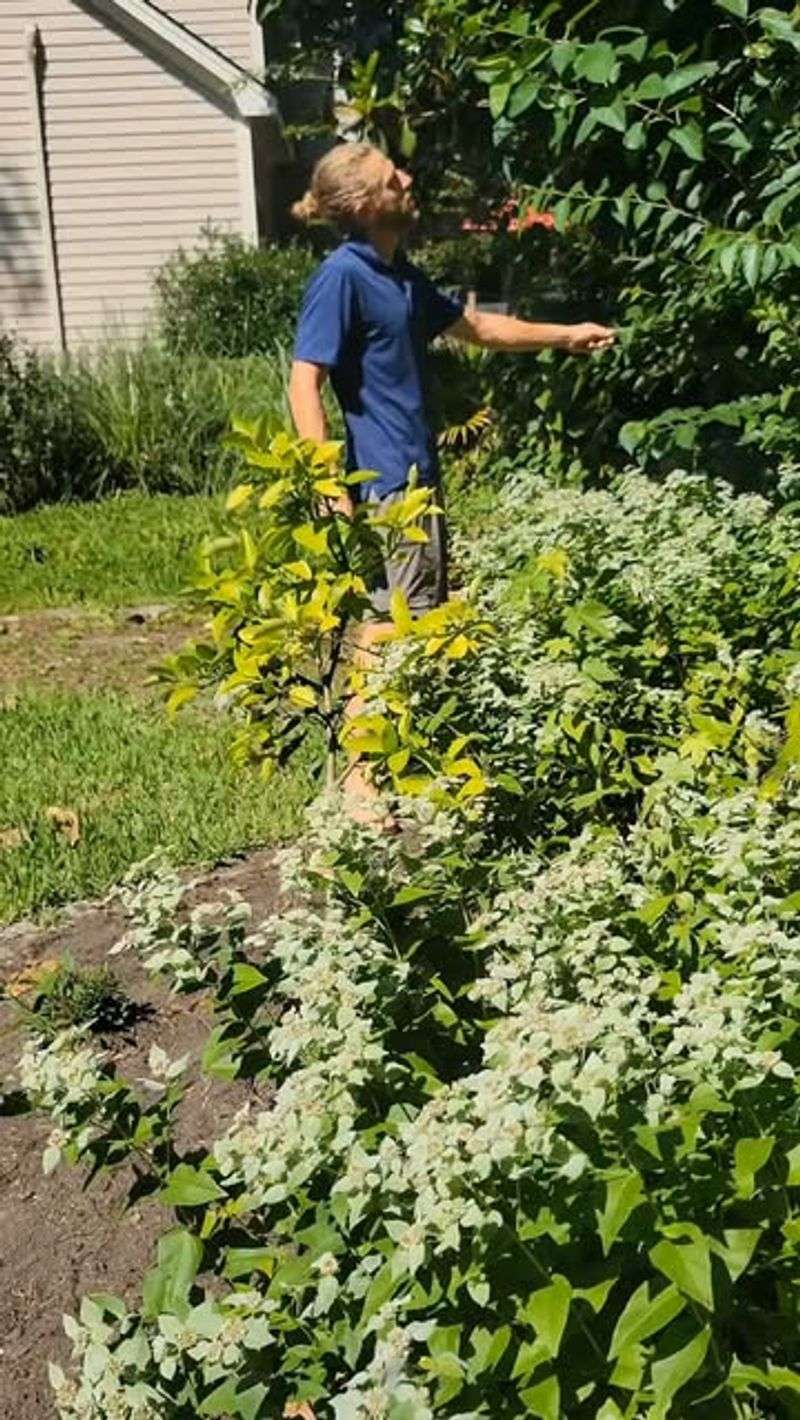
Cleared ground does not stay empty for long, and bare, disturbed soil is exactly the kind of opening that tree-of-heaven and other invasive plants are built to exploit. Filling the space intentionally with native plants suited to the site is the most effective way to prevent a quick reinvasion and to turn a management effort into something genuinely productive for the yard.
Choosing the right plants means matching species to the specific conditions of the cleared area: sun exposure, soil type, moisture level, and the North Carolina region where the yard sits. A shady, moist spot in the mountains calls for different species than a dry, sunny opening in the Piedmont or a sandy coastal plain edge. NC State’s native-plant landscaping guide is a practical starting point for matching species to site conditions across North Carolina. Your local NC Cooperative Extension office can also suggest regionally appropriate choices and help you avoid plants that may themselves become problems.
The NC Forest Service invasive plants program and NC State’s tree-of-heaven guidance both emphasize that follow-up monitoring for regrowth is essential even after a successful treatment. Root suckers and stump sprouts can appear for more than one growing season, and catching them early, before they re-establish a root system, makes follow-up control much easier. The Penn State management guide supplement reinforces that host management paired with continued monitoring gives homeowners the most defensible long-term footing.
The full sequence, taken step by step, is straightforward: confirm the tree’s identity, choose a root-aware control plan rather than simply cutting, monitor for spotted lanternfly through the appropriate seasonal windows, report sightings to NCDA&CS, inspect movable outdoor items for attached egg masses before transporting them, manage any regrowth promptly, and replant with native vegetation that fits the site. A yard that once supported an invasive tree can, with patience, become a place where the right plants have room to grow.