
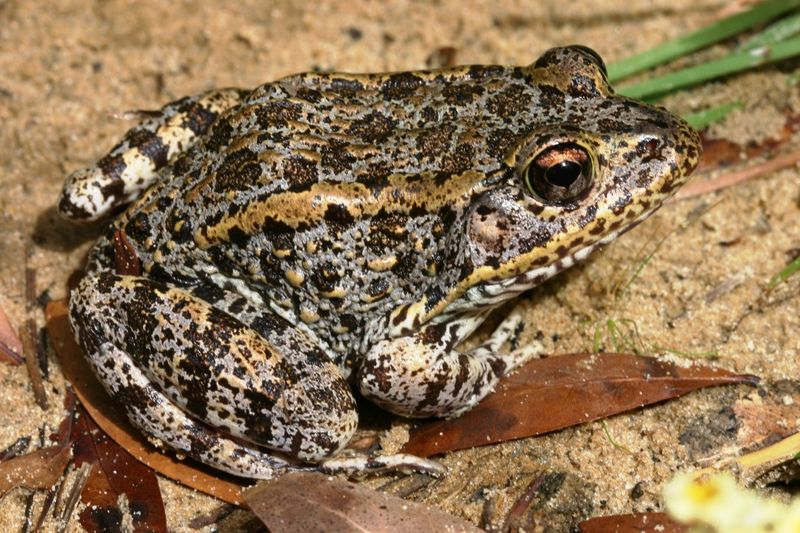
Finding a toad tucked under your pepper plants or nestled against a raised bed edge is one of those small surprises that can stop you mid-weed. North Carolina yards host several native toad species, and a garden bed can offer exactly the combination of shade, cover, and small prey these animals look for. Whether you want to encourage the visitor or just leave it in peace, knowing what its presence actually means, and what it does not prove, helps you make better decisions for your garden and for the animal.
What a garden-bed toad may mean in North Carolina
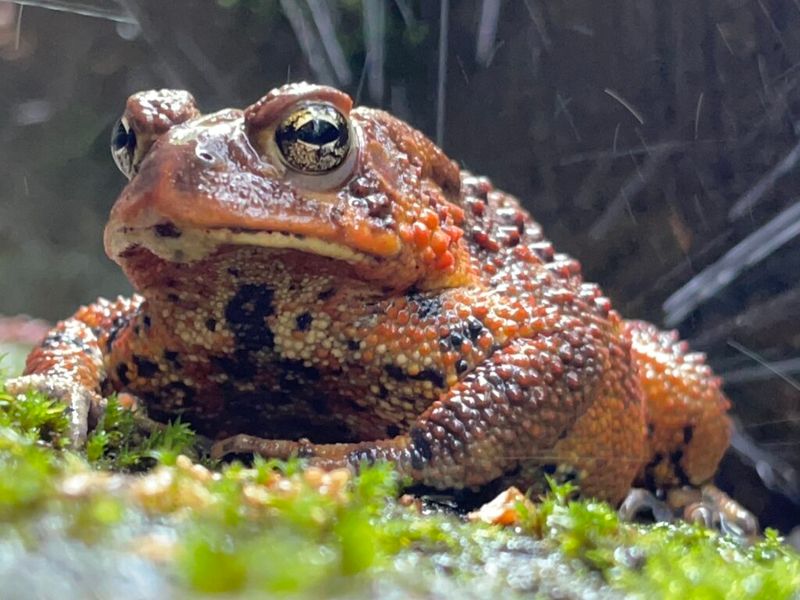
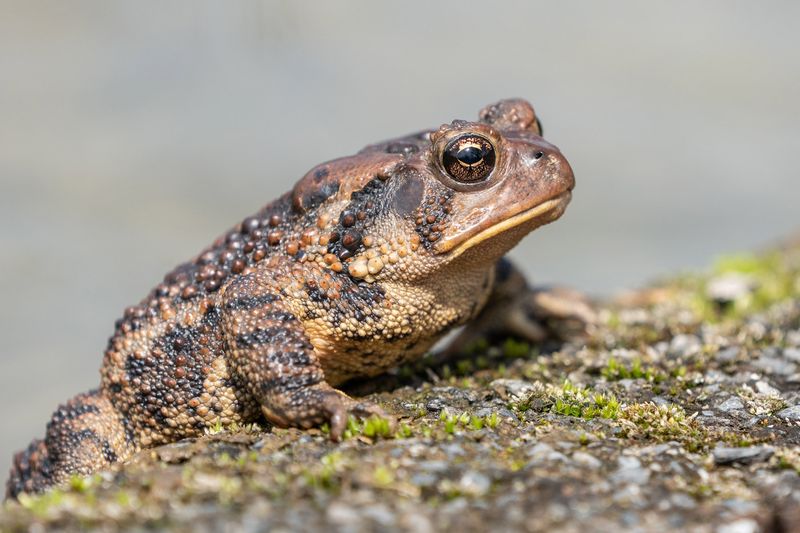
North Carolina is home to four true toad species: the American toad, Fowler’s toad, southern toad, and oak toad. Fowler’s toads are among the most commonly encountered, ranging widely across the Piedmont, Coastal Plain, and Mountain regions of the state. According to NC Wildlife’s Fowler’s toad species profile, these animals favor habitats that offer loose soil or leaf litter for daytime cover and access to insects and other small invertebrates at night.
When one shows up in your garden bed, it has likely found a combination of moisture, shelter, and available prey that suits it. A shady bed with mulch, dense plantings, or a few rocks can serve as perfectly adequate terrestrial habitat. That said, the toad may not be a permanent resident. NC Wildlife’s amphibian guide notes that toads use terrestrial areas for most of the year but travel to ponds, pools, or temporary wetlands when it is time to breed, so the animal in your bed today may range well beyond your property line during the season.
The practical takeaway is straightforward: if the toad is not in immediate danger, leave it alone. NC State Extension’s guide to reptiles and amphibians in your backyard specifically advises homeowners to create suitable habitat and allow amphibians to arrive on their own rather than collecting or moving wild animals. Without a close look at field marks, it can be difficult to tell which of North Carolina’s four species you are hosting, and that uncertainty is a good reason to resist the urge to handle or relocate the animal. The right response is simply to let it be.
A toad may eat pests, but it does not manage the garden for you
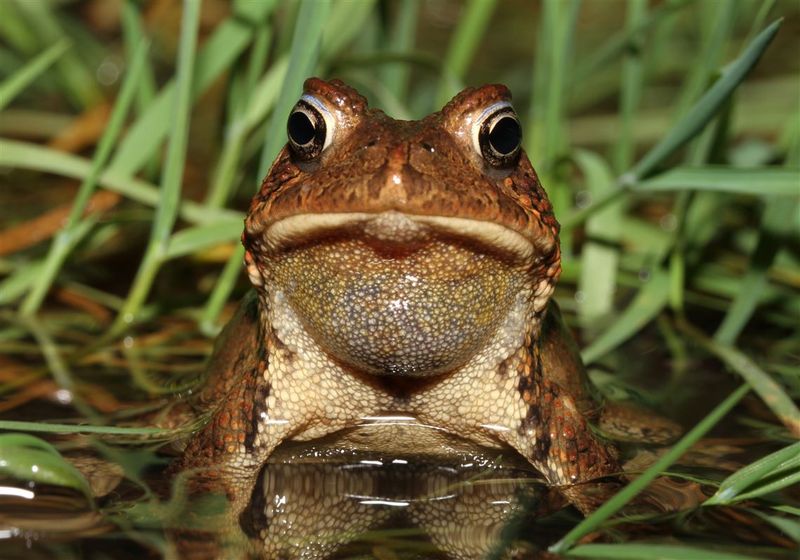
Toads are opportunistic predators. They eat what is accessible, ground-level, and moving, which can include slugs, beetles, caterpillars, and various other small invertebrates that happen to cross their path after dark. USGS amphibian research confirms that amphibians consume insects and other invertebrates, and that contribution is real. Mosquitoes may occasionally end up on the menu as well, since toads can catch flying insects near the ground.
The honest picture, though, is more complicated than a simple pest-control promise. A 2026 field study of American toads in a vegetable agroecosystem found that more than 80 percent of identified prey items were rove beetles, ants, ground beetles, and spiders. Those four groups are themselves beneficial predators in most garden ecosystems. In small kale mesocosms where toads were present, researchers recorded no measurable reduction in crop damage and no increase in productivity compared to plots without toads.
The study’s conclusion was that a toad’s effect on a garden depends heavily on the specific crop, the local prey community, and conditions that vary from yard to yard.
That finding does not make the toad unwelcome. Eating some of the prey it finds is still part of how a healthy garden ecosystem functions. The point is that a single toad cannot be treated as a reliable stand-alone answer to slug pressure, beetle outbreaks, or mosquito numbers around the house. It may consume some of each, but it may also consume a rove beetle that was already hunting aphids on your tomatoes.
Toads are better understood as one thread in a broader ecological fabric than as a dedicated garden worker. Keeping that expectation honest means you can appreciate the animal’s presence without skipping the pest monitoring and garden management your plants actually need.
A toad signals habitat, not proven healthy soil
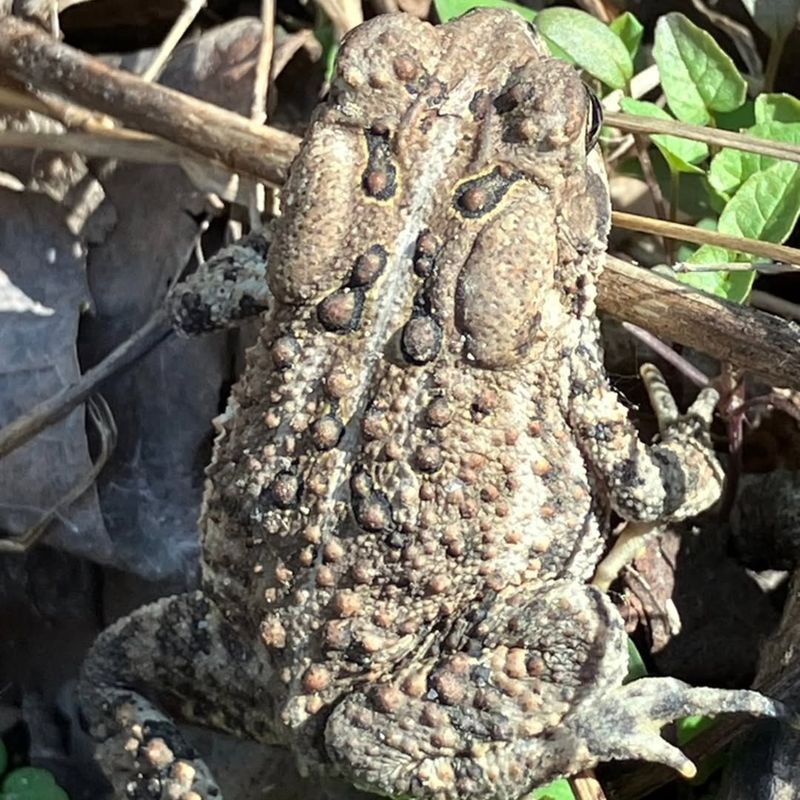
Spotting a toad in your garden bed can feel like a gold star for your growing space, and there is a kernel of truth in that feeling. The animal found something it needed: enough moisture to keep its skin from drying out, some form of cover for daytime shelter, and enough small prey to make the location worth staying in. In that narrow sense, its presence does suggest the yard offers usable habitat.
Calling that a sign of healthy soil, though, stretches the evidence further than it goes. USGS amphibian science resources describe amphibians as broad indicators of environmental conditions because they are sensitive to habitat change, contaminants, disease, and water availability. That sensitivity is not the same as a measurement of soil fertility, drainage, organic matter, pH, or microbial activity.
Soil health is a specific set of physical, chemical, and biological properties. Utah State Extension’s soil health guidance identifies factors such as aggregate stability, nutrient cycling, water infiltration, and biological activity as the markers that actually define whether soil can support productive plant growth. A toad’s presence tells you nothing about any of those properties. Topsoil quality guidelines further emphasize that drainage, texture, and organic content require hands-on testing, not wildlife observation.
If your plants are struggling and you are hoping the toad’s arrival means everything is fine underground, get a soil test instead. Most NC Cooperative Extension offices can help you interpret results and recommend targeted amendments. The toad is a welcome guest, not a substitute for knowing what your soil actually needs.
Support the toad with shade, cover, and carefully managed water
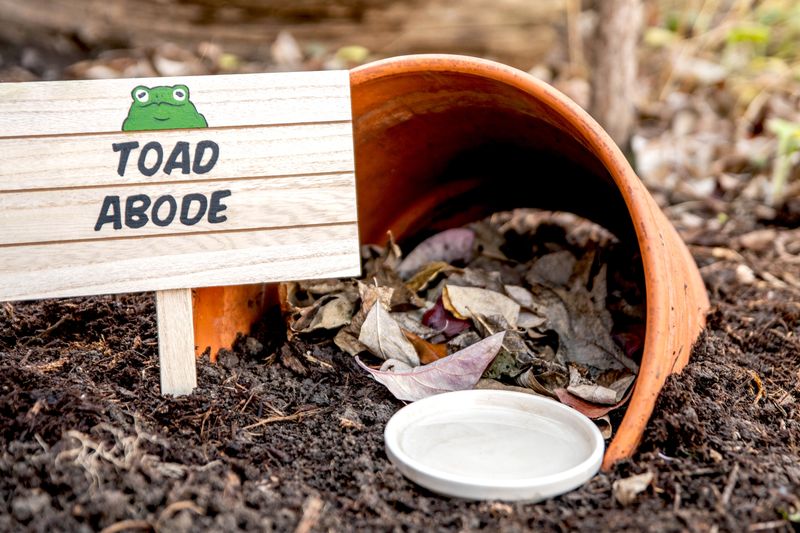
Helping a toad feel at home does not require major landscaping work. The most useful things you can offer are daytime shelter and a spot of moisture, and both can be set up in an afternoon. NC State Extension’s backyard amphibian guide recommends a simple plywood board raised slightly off the ground with small rocks underneath, placed in a shady area, as an effective toad shelter. An untreated clay pot turned upside down with one edge propped up works just as well and looks more natural in a garden setting.
Leaf litter, dense native plantings, logs, and flat rocks all serve the same purpose: giving the animal a cool, humid place to rest out of direct sun. Durham County Extension’s wildlife habitat tips encourage homeowners to layer these elements together rather than keeping beds tidied to bare soil, which offers little refuge for ground-dwelling wildlife. NC Wildlife’s guidance on improving suburban backyards for wildlife similarly points to native plantings, brush piles, and cover objects as foundational habitat features.
Water is trickier to manage well. During hot or dry stretches, a shallow saucer, a plant tray, or a low-sided dish placed at ground level can help. Beaufort County Extension’s summer water station guide and extension guidance on backyard water sources both identify shallow containers as useful wildlife resources, as long as they allow an easy exit and are cleaned and refilled regularly.
Avoid saturating the entire bed or leaving standing water in containers for more than a couple of days. Persistently wet conditions can worsen slug problems, and stagnant water can become a mosquito breeding site. For larger water features such as a garden pond or fountain, Penn State Extension’s pollinator-friendly mosquito control guidance recommends adding a bubbler, small pump, or waterfall to keep water moving, which makes it far less hospitable to mosquito larvae.
Reduce pesticide risks around the garden bed
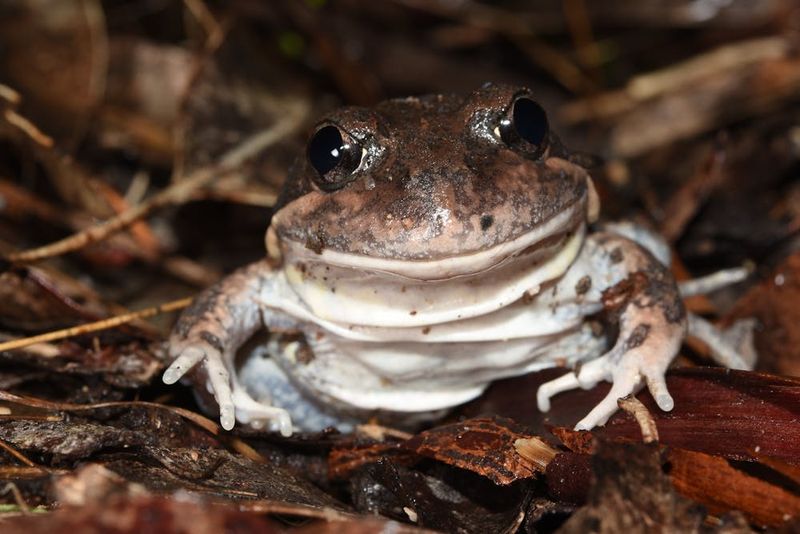
Amphibians have permeable skin, which means substances in their environment, including pesticides applied to soil, mulch, or nearby plants, can be absorbed directly into their bodies. That characteristic is part of why amphibians are considered sensitive indicators of environmental conditions. EPA research on pesticide uptake and toxicity in frogs has documented that amphibians can be exposed through skin contact with treated surfaces and through water runoff from treated areas, not just through direct spray.
The practical implication for your garden is that pesticide applications near a toad’s shelter, water source, or regular foraging area carry real risks to the animal. USGS documentation on amphibian deformities and stressors lists pesticides and other contaminants among the documented pressures on amphibian populations, alongside disease and habitat loss. The EPA’s amphibian and reptile conservation guidance similarly identifies reducing unnecessary pesticide use as one component of protecting these animals in managed landscapes.
Avoiding unnecessary applications around the bed where the toad shelters is a reasonable and low-effort step. That means not treating soil or mulch in that area unless you have confirmed a pest problem that genuinely warrants it. If treatment is needed somewhere in the yard, keeping it targeted and away from the toad’s shelter and water dish reduces the chance of indirect exposure through contact or runoff.
This is not a claim that skipping one pesticide application will guarantee the toad’s survival or produce any specific outcome. The point is simpler: an animal with permeable skin living in your garden bed deserves to be factored into the decision of whether and where to spray, and in many cases the answer is that the treatment can wait, be applied elsewhere, or be replaced with a less disruptive alternative.
Leave the wild animal alone and handle it cautiously
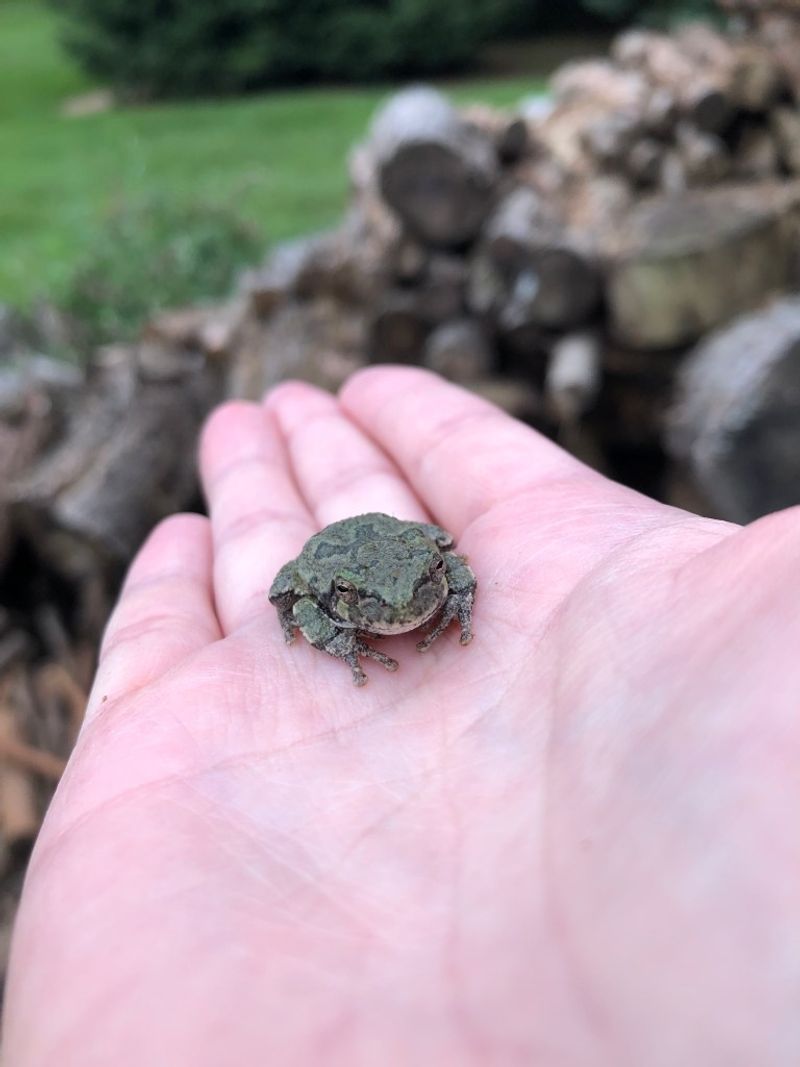
Watching a toad from a few feet away is genuinely satisfying, and that kind of observation is exactly the right level of engagement for most encounters. NC State Extension’s backyard amphibian guide advises homeowners to leave wild amphibians undisturbed rather than collecting or relocating them. Moving a toad from one yard to another is not recommended, and NC Wildlife’s Fowler’s toad profile notes that Fowler’s toads are classified as nongame wildlife with applicable possession rules.
If you need to move the animal out of immediate danger, such as off a driveway where it might be stepped on, handle it briefly and carefully. Before picking it up, make sure your hands are free of lotion, sunscreen, insect repellent, soap residue, and any other chemical that could absorb through the toad’s skin. NC State Extension specifically warns that these substances can harm amphibians on contact. After any handling, wash your hands thoroughly with soap and water.
The reason for that handwashing step is not just about the toad. CDC guidance on reptiles and amphibians as pets and wildlife explains that amphibians can carry Salmonella bacteria even when they appear completely healthy. CDC risk factor information and published CDC Salmonella guidance both recommend that children under five years old avoid contact with amphibians entirely, since young children are at higher risk from Salmonella infection and are less likely to wash hands consistently.
Pets need supervision around toads as well. Toad skin secretions are distasteful or mildly toxic to many predators and can irritate the mucous membranes of dogs and cats that bite, lick, or mouth them. A dog that mouths a toad may drool heavily or paw at its face; rinse the mouth with water and contact a veterinarian if symptoms seem severe. The simplest approach is to redirect pets away from toads when you notice the encounter.
Pair the toad’s limited help with integrated pest management
Treating the toad as one small piece of a larger pest-management plan is the most accurate and useful way to think about its role. University of Minnesota Extension’s slug management guide lists toads among the animals that feed on slugs, but recommends combining natural enemies with other control methods rather than relying on any single predator. That framing fits what the research actually shows.
A workable integrated approach starts with identification. Before treating anything, confirm which pest is causing damage and check whether the damage level actually warrants a response. Many gardens can tolerate modest slug or beetle feeding without significant crop loss, and intervening unnecessarily can disrupt the beneficial insects and predators already working in the bed. University of New Hampshire Extension’s insect pest resource emphasizes inspection and threshold-based decision-making as the foundation of integrated pest management, applying a treatment only when pest numbers or damage cross a level that genuinely affects plant health or yield.
For slugs specifically, hand-picking at dusk or dawn is practical for small gardens and removes pests without any chemical exposure to the toad or its prey. Improving drainage, reducing excess moisture in the bed, and clearing debris where slugs hide during the day all make the environment less hospitable to them. The 2026 American-toad agroecosystem study found no measurable slug or crop-damage reduction in plots with toads present, which is a practical reminder that you cannot outsource slug control to the toad and skip the other steps.
On mosquitoes, the same measured thinking applies. A toad may occasionally catch a mosquito that ventures close to the ground, but no evidence reviewed here supports the idea that a garden toad meaningfully lowers the number of mosquitoes around your home. For that goal, Penn State Extension’s pollinator-friendly mosquito control guidance points to eliminating standing water, using moving water in features, and targeted larvicide as the methods that actually make a difference. The toad is not a substitute for any of those steps.
Keep the habitat, not the exaggerated promise
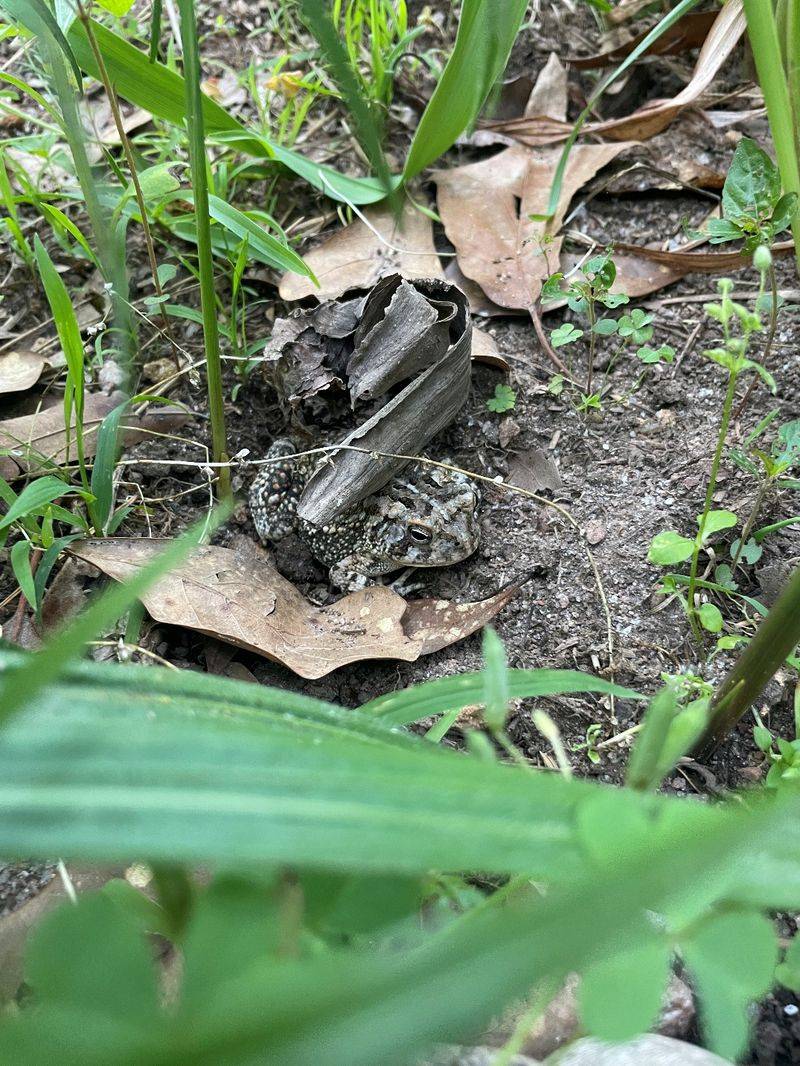
A toad settling into your garden bed is worth a moment of appreciation. It found something useful in your yard: cover, moisture, and enough small prey to make the location viable. Preserving those conditions, a shady spot, some leaf litter or a simple shelter, and a shallow water source kept clean during dry weather, is a reasonable and low-effort way to support native wildlife without any relocation or purchasing involved.
What the toad cannot do is prove your soil is healthy, guarantee meaningful control of slugs or beetles, or serve as a household mosquito strategy. USGS amphibian science resources describe these animals as sensitive to habitat and environmental conditions, not as soil-health meters. The 2026 agroecosystem study showed no measurable crop benefit in plots where toads were present, and slug management guidance from university extension consistently recommends combining natural enemies with monitoring and targeted control, not relying on a single predator.
The practical decision is simple: if the toad is safe, leave it alone, reduce unnecessary pesticide exposure near its shelter, and keep monitoring your garden for pest pressure through your own inspection. NC State Extension’s backyard amphibian guidance puts it plainly, allow wild amphibians to arrive and stay on their own terms. A toad that chose your garden bed found something worth finding, and keeping that something in place is a quiet, lasting form of stewardship.