
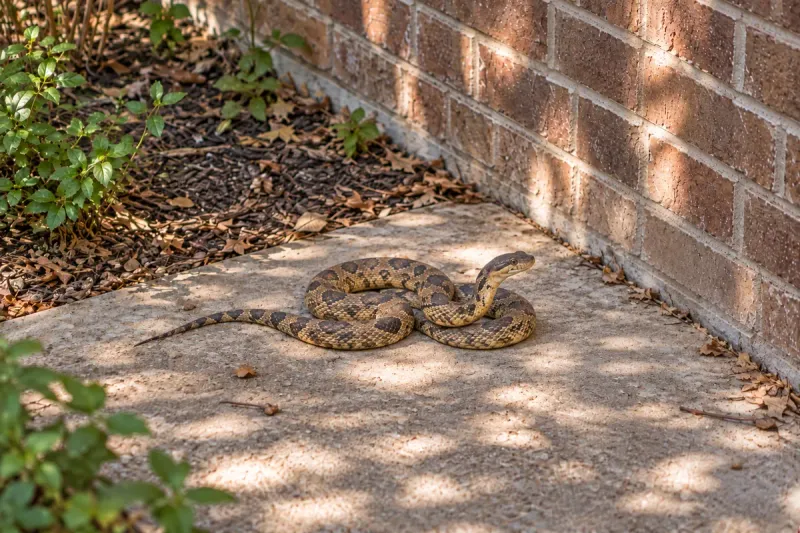
Central Texas winter is prime time for pruning, brush clearing, and tidying up the yard. Many homeowners wonder whether a certain shrub is where rattlesnakes hide.
The sources do not name one, but snakes do use cover of many kinds. A simple routine can keep you safer without stripping your yard of native plants.
No shrub is proven to be a rattlesnake hideout
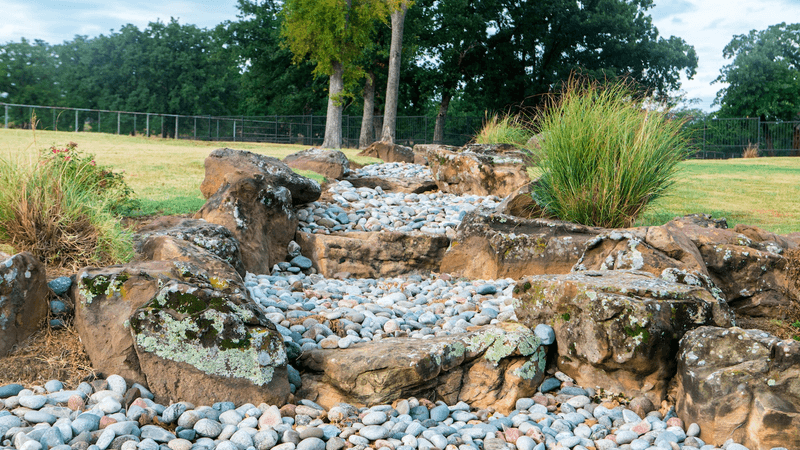
Despite what the popular claim suggests, no one has shown that a particular Central Texas shrub is a favorite rattlesnake shelter. What the sources do describe is general cover.
Texas A&M AgriLife Extension notes that a snake may rest in the shade under a bush, and it lists trimming low branches as one way to cut down on hiding places.
Texas Parks and Wildlife points to a wider list of shelter. According to TPWD’s snake FAQ, brush, rock piles, logs, and tall grass all offer places for snakes to hide.
Notice that none of those sources picks out one plant species.
That difference matters. A spot that could shelter a snake is not the same as a spot where a snake is likely to be.
A shrub on its own tells you very little, and plenty of snakes in Central Texas yards are harmless ones.
So think of this as a yard-work guide, not a plant warning. The goal is to work carefully around any dense cover, keep what helps wildlife, and adjust the areas where your family walks, plays, and works.
Yaupon illustrates dense native cover, not a snake preference
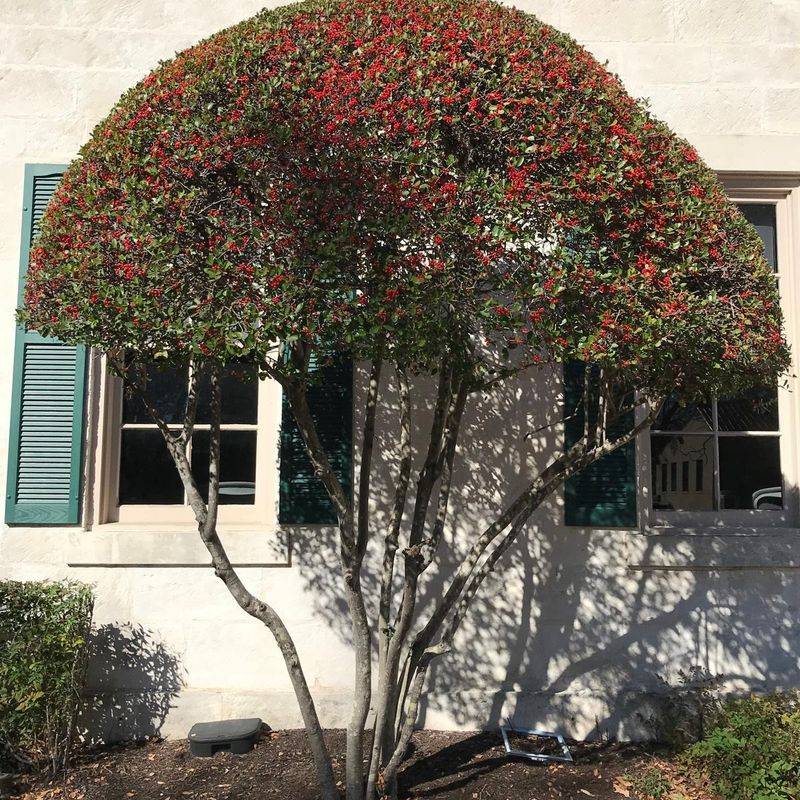
Picture a thick wall of small, glossy evergreen leaves with red berries in winter. That is yaupon holly, and it makes a good example of what dense native cover looks like.
Texas A&M Forest Service describes it as thicket-forming, with a range that reaches the edge of the Edwards Plateau.
Here is the key point. The research does not link yaupon to rattlesnake shelter.
Nothing shows that snakes prefer it or that one is likely to be under it.
Yaupon simply helps you picture the kind of tangled, low, shaded space that deserves a second look before you work. Any shrub with thick lower growth can fit that description.
You do not need to pull out yaupon because of this. If one grows beside a walkway or back door, you might thin or lift the lower branches there.
Elsewhere in the yard, it can stay as native cover.
Warm winter days can bring snakes out
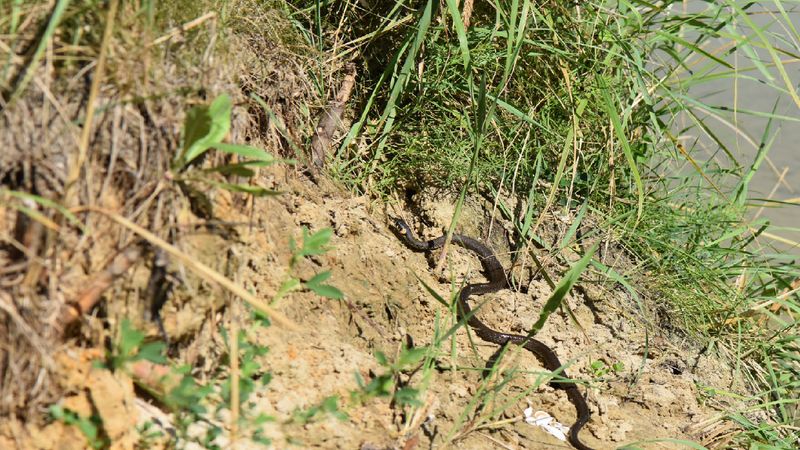
Snakes cannot make their own body heat, so cold weather slows them down. TPWD says snakes generally den in winter and come out around late February or early March.
The same source adds a catch. On warm winter days, snakes may emerge to bask.
A sunny 70-degree afternoon in January can look a lot like early spring to a snake.
That does not mean a snake waits under any given shrub. It means cool-season yard work still deserves attention, especially on mild days after a cold snap.
Sun-warmed spots such as stone edging, paved paths, and the sunny sides of brush piles are places to watch a little more closely. A few extra seconds of looking costs nothing.
Late February is also when pruning season runs into the time snakes start moving again. Plan your bigger cleanup jobs with that in mind.
Look before you step or reach
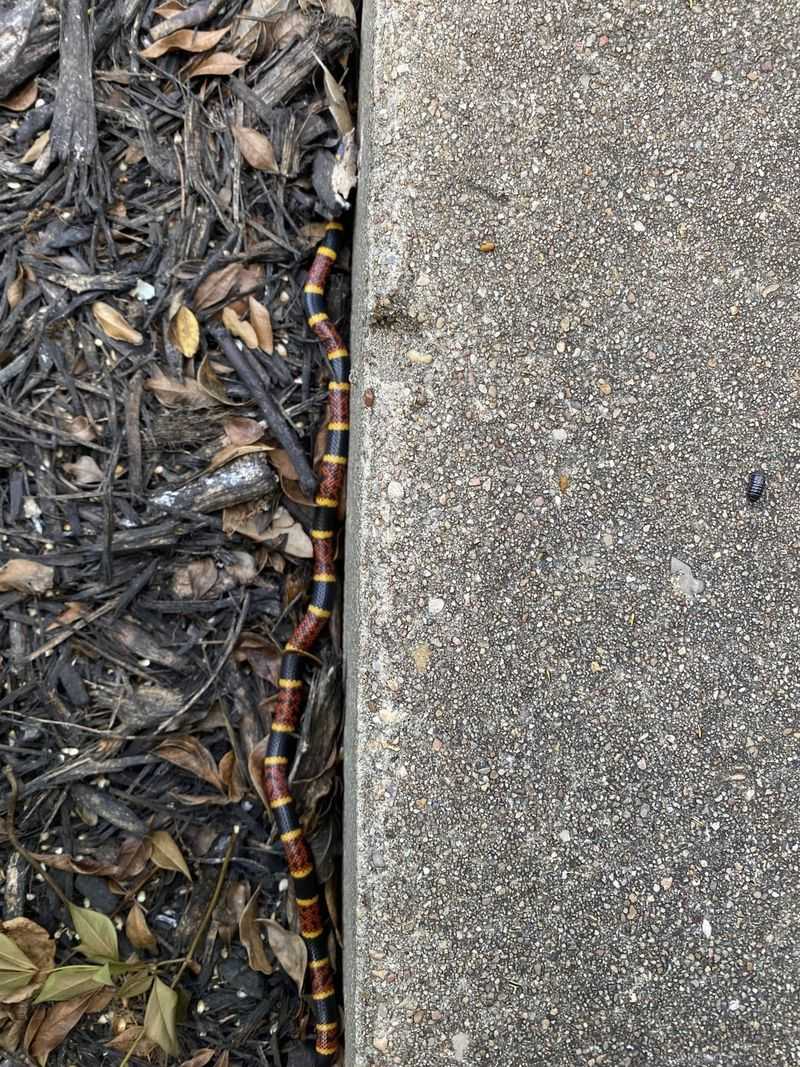
Before you start pruning, walk the work area slowly and scan the ground. Check the base of shrubs, the edges of rocks, and any pile of leaves or limbs.
Keep your eyes on the ground ahead of each step.
Wear closed shoes whenever you are outside, even for a quick trip to the compost bin. TPWD safety guidance says not to put your hands into places you cannot see, such as under shrubs, rocks, logs, or debris.
When you need to move brush or debris, use a tool such as a rake or long-handled hook instead of your hands. AgriLife Extension also advises keeping children from reaching under low branches.
If you spot a snake, you do not need to figure out what kind it is. Just give it room and move on to another part of the job.
Manage dense cover where people spend time

You can reduce hiding places without wiping out your landscape. Focus on spots where people walk and work: paths, doors, patios, play areas, and the edges of garden beds.
TPWD recommends removing brush, rock and debris piles, and tall grass. AgriLife also suggests trimming low branches.
You can read both in the TPWD snake FAQ and on the AgriLife page.
Start small. Lift the skirt of a shrub beside the front walk, stack firewood away from the door, and mow the grass along the path to the shed.
These steps cut down on cover, but they will not make a yard snake-proof. Shrubs and brush also shelter birds, lizards, and other wildlife, so leave the back corners and fence lines more natural.
The tradeoff is yours to weigh. Clear the places you use daily, and be more relaxed about the places you rarely go.
Keep your distance if you find a snake
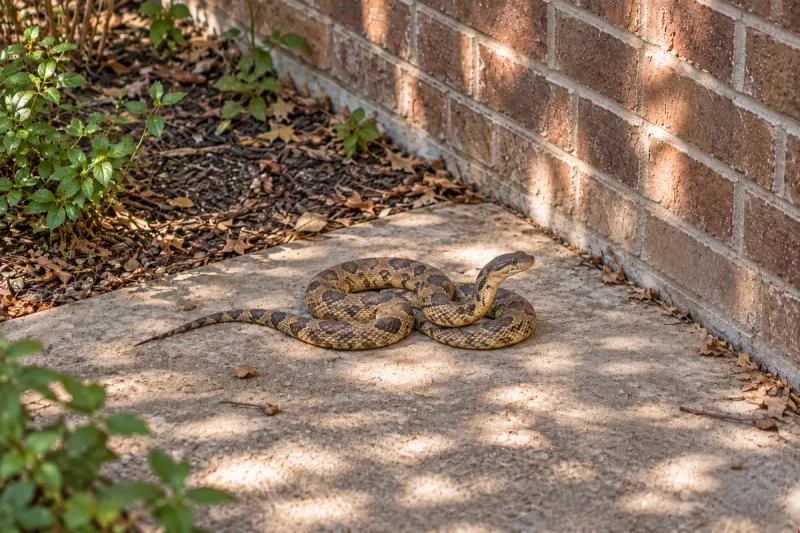
If you see a snake, stop and keep your distance. Most will move along on their own if given room.
With a known venomous snake, TPWD advises backing away slowly.
Do not try to handle, kill, capture, or move it, and do not poke at brush to flush it out. Most bites happen when people interfere.
You also do not need to go closer to identify it, and not every snake in a Central Texas yard is venomous.
Bring pets and children indoors or away from the area. Once the snake has left, you can go back to work.
If someone may have been bitten by a venomous snake, get emergency medical care right away. CDC guidance says not to apply a tourniquet or ice, cut the wound, or use suction.
Do not try to catch the snake either. Call 911 and stay as calm and still as you can until help arrives.
A careful yard routine beats a shrub scare
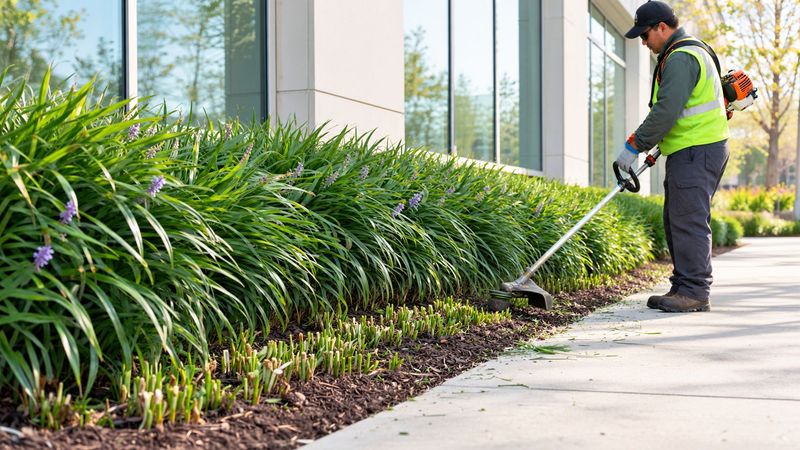
No named shrub is a proven rattlesnake hideout, and thick cover alone does not mean a snake is there. What helps is a habit: look first, keep your hands out of spaces you cannot see, and trim back cover near the places you use most.
A calm routine does more for your safety than fear of any one plant.