
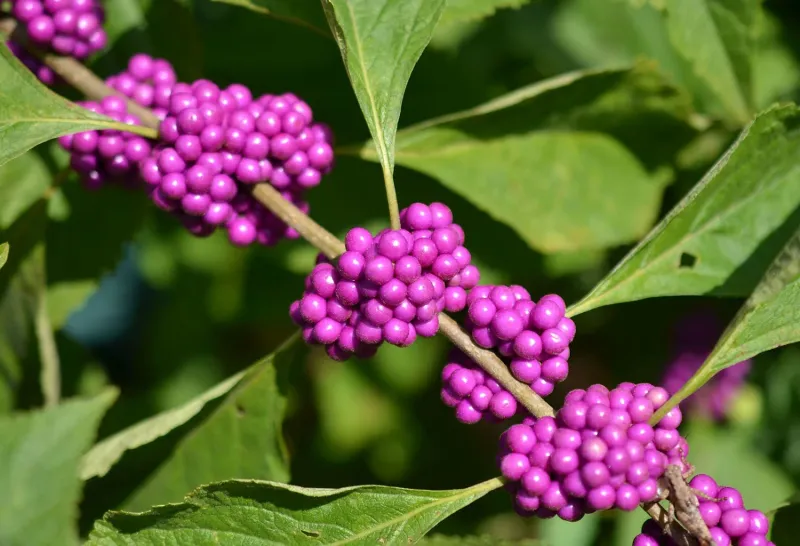
Every September, plenty of North Carolina yards look rough after a summer of Japanese beetle damage, with chewed leaves and bare stems where healthy shrubs used to be. But one native shrub quietly hits its stride right about then, lighting up the landscape with rings of vivid purple-to-blue berries when other plants look their worst. American beautyberry is an underrated native that rewards patient gardeners with late-season color and a burst of wildlife activity. If you have not heard much about it, that is about to change.
Meet an underrated native behind the purple rings
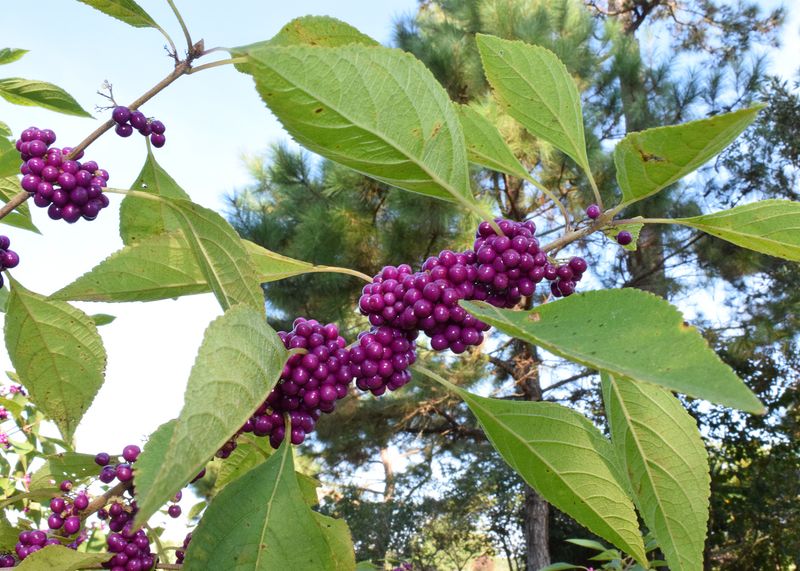
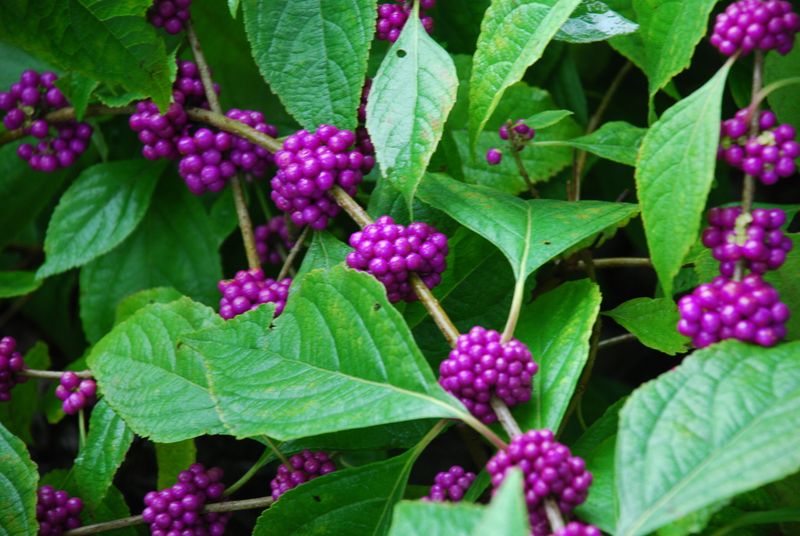
Walk past an American beautyberry in late summer and you will likely stop mid-stride. The berries do not sit at the tips of branches the way most fruiting shrubs display their harvest. Instead, they form dense, jewel-like rings directly around the stems, stacked in layers from the base of the leaves outward, so the whole branch looks almost decorated. That arrangement is the first thing that separates Callicarpa americana from nearly every other shrub you could plant in a North Carolina yard.
American beautyberry is native to the southeastern United States and is documented as a native species across all three of North Carolina’s major regions. NC State Extension lists it for the Coastal Plain, Piedmont, and Mountain regions, meaning most North Carolina homeowners are working with a plant that already belongs here. Its form is open and arching, with large, slightly rough leaves on stems that sweep outward rather than growing stiffly upright. The overall silhouette is loose and natural-looking, which suits informal borders, woodland edges, and spots where you want something to feel less like a specimen and more like part of the landscape.
Knowing the species name matters when you go shopping, because the common name “beautyberry” covers several different plants. Japanese beautyberry (Callicarpa japonicaCallicarpa bodinieri) is an Asian species sold widely in the nursery trade. Bodinier beautyberry () is another non-native option with its own characteristics. NC State Extension maintains separate listings for Japanese beautyberry and Bodinier beautyberry as separate entries from the native species.
If your goal is a shrub that evolved alongside North Carolina’s soils, insects, and birds, ask for Callicarpa americana by name and confirm the label before you buy. The native species is an underrated choice, not because no one knows it exists, but because it rarely gets the credit its late-season display deserves.
Its late-season timing creates the useful color
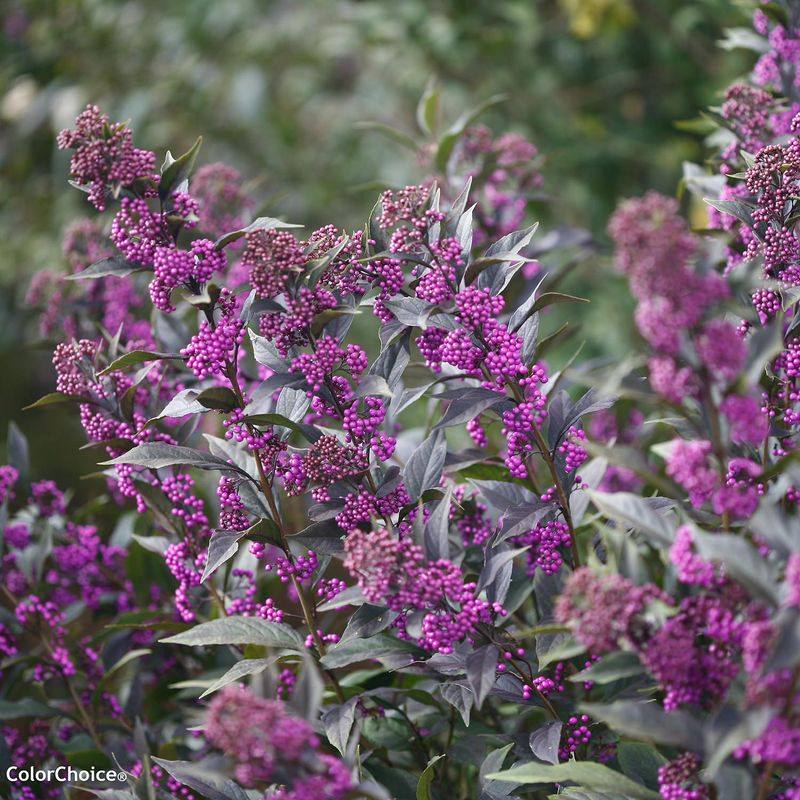
Timing is what makes American beautyberry so practical. Small, pale pink flowers appear in late spring or early summer, modest enough that most visitors to the yard will not notice them. Those flowers are doing quiet, important work, because by August the fruit clusters begin to show their color. The vivid purple-to-blue berries typically hold from August through October and can persist into early winter depending on how quickly local birds and mammals find them.
NC State Extension documents the fruit display running through that August-to-October window, and a Virginia Tech resource on the species confirms the same late-summer and fall timing. September is a useful shorthand for peak display in many North Carolina yards, but berry timing can shift with elevation, sunlight, moisture, plant age, and how a particular season unfolds. A beautyberry in the mountains may run a week or two behind one in the Coastal Plain.
One point worth stating clearly: American beautyberry is deciduous. When the leaves drop in late fall, the shrub becomes an open framework of arching stems. The fruit clusters may still cling to those bare stems for a while, which creates its own stark, graphic appeal, but the plant will not serve as an evergreen screen or a year-round privacy hedge. Its primary draw is the fruit, not the fall foliage, and not any kind of permanent structure.
That seasonal rhythm is exactly what connects beautyberry to the Japanese beetle problem. Adult beetles feed heavily during the warm months, and by late summer the plants they prefer most can look seriously ragged. Virginia Tech’s beautyberry fact sheet underscores how the shrub’s ornamental peak arrives just as that beetle season winds down. A beautyberry that has been growing quietly all summer can step forward with color and wildlife activity right when the rest of the yard needs it most, though no source guarantees an identical display in every yard or every year.
The berries support birds and small mammals
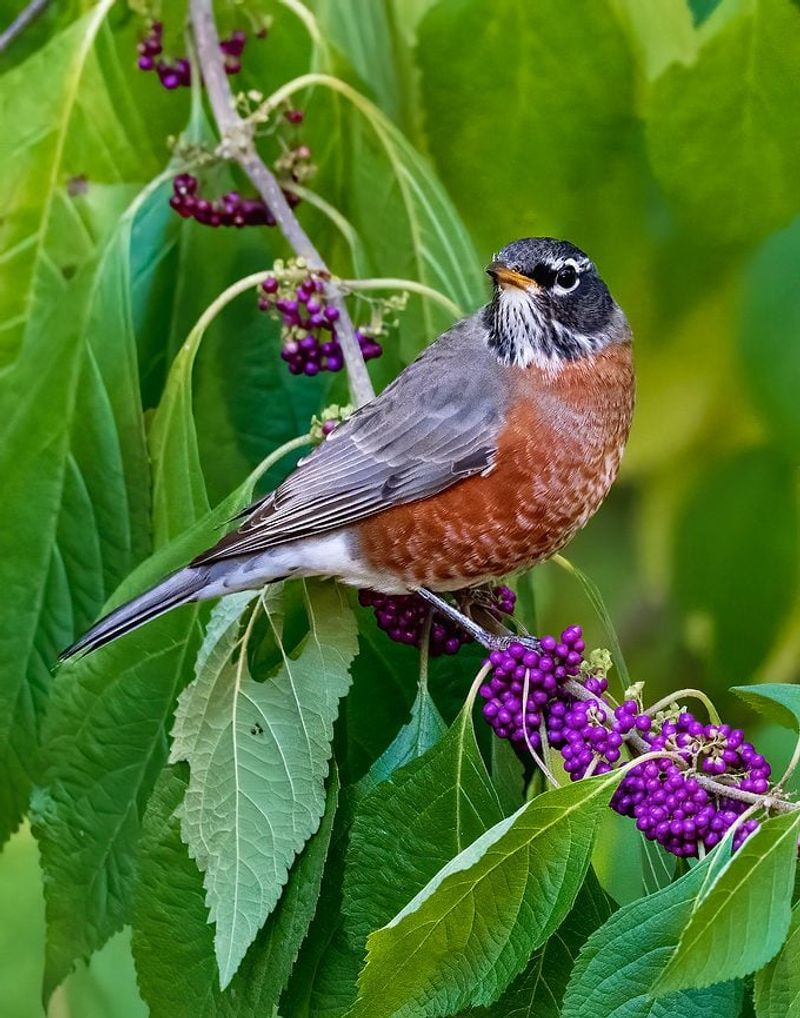
Purple berries that bright are bound to attract attention, and the birds are paying close attention. The USDA plant fact sheet for American beautyberry documents more than 40 songbird species that consume the fruit, a list that includes species common to North Carolina yards such as mockingbirds, robins, catbirds, and brown thrashers. The berries also feed foxes, opossums, raccoons, and squirrels, so a beautyberry in a good spot can become a reliable fall gathering point for the kind of wildlife that makes a yard feel alive.
For a North Carolina homeowner who wants a yard that does something useful for native wildlife while also looking good, that combination is hard to beat. The shrub earns its space twice over: once with the visual display and once with the food it provides at a time of year when natural fruit sources are thinning out. Planting several specimens together, rather than a single isolated shrub, can increase the volume of fruit available and extend the season when birds are visiting.
Human food safety is a separate conversation. NC State Extension describes the berries as edible to humans, and there is a long folk tradition of using them in jellies and wines. Even so, Poison Control warns that even nonpoisonous berries can pose choking hazards for young children and that unknown berries always warrant a call to Poison Control before any consumption. Correct identification is the first requirement: American beautyberry has specific leaf and stem characteristics that distinguish it from other purple-berried plants, and a misidentified shrub changes the risk picture entirely.
The practical takeaway is to enjoy the berries as wildlife food and as an ornamental feature, let the birds do the eating, and keep children from snacking on yard berries as a general rule. The shrub’s value in a North Carolina yard rests solidly on what it does for native wildlife and for the late-season landscape, and that is more than enough reason to plant it.
Give it light, drainage, and room to spread
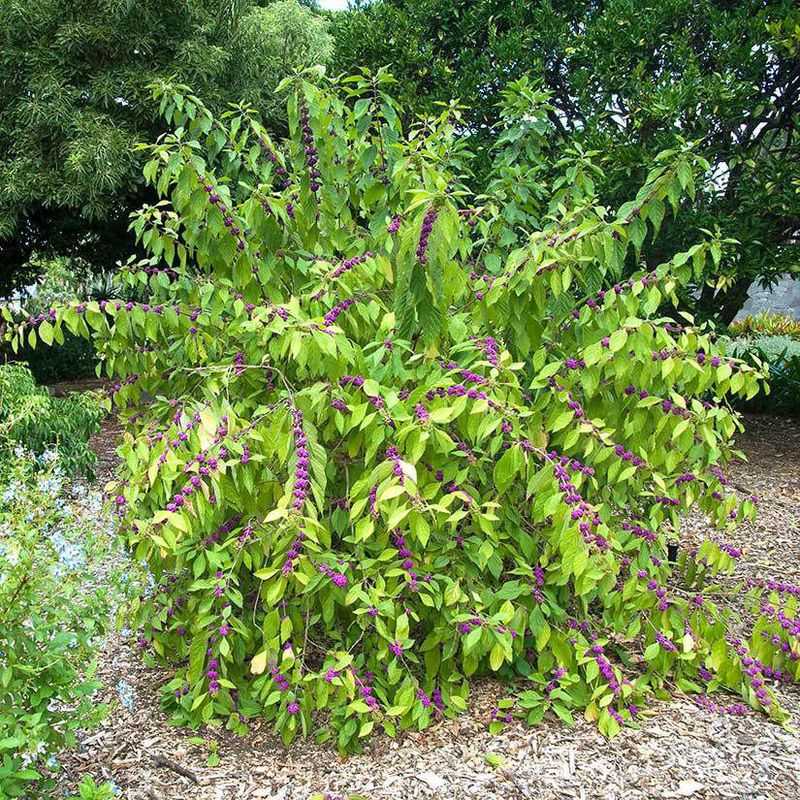
Placement decisions made at planting time will shape how much fruit the shrub produces and how long it stays healthy. American beautyberry performs best in full sun to part shade. Full sun, meaning roughly six or more hours of direct light per day, generally supports denser branching and heavier fruit clusters. Part shade works well in many North Carolina yards, particularly along the edge of a tree canopy, but deep shade is a different situation entirely.
A beautyberry pushed into a heavily shaded corner will grow weakly, fruit poorly, and fail to deliver the display the plant is capable of.
Drainage matters just as much as light. NC State Extension notes that the shrub tolerates clay, loam, and sandy soils as long as drainage is adequate, which covers a wide range of North Carolina conditions. Persistently wet ground is a problem. A spot that stays soggy after rain, or sits in a low area that drains slowly, is not a good candidate for beautyberry regardless of how much light it receives.
Good drainage across all three NC regions is achievable with thoughtful site selection or a small amount of soil amendment before planting.
The USDA plant fact sheet describes mature American beautyberry as roughly 5 to 8 feet tall and nearly as wide, while NC State’s listing gives a range of 3 to 8 feet tall and 3 to 6 feet wide. Either way, this is not a compact shrub. The arching stems sweep outward and the plant fills its space broadly, so tight foundation-bed spacing that works for boxwood or spirea will leave a beautyberry crowded and awkward within a few seasons.
A good rule of thumb is to give each plant at least 5 to 6 feet of clearance from structures, fences, and neighboring shrubs. Along a woodland edge, a naturalistic border, or a fence line with room to breathe, the open form becomes an asset rather than a problem. Mountain homeowners dealing with shallower soils should pay extra attention to drainage, while Coastal Plain gardeners with sandy soils will find the plant quite adaptable as long as moisture does not become an issue during establishment. Across all three regions, light and drainage are the two factors most likely to determine whether a beautyberry thrives or merely survives.
Prune in winter when you want a denser display
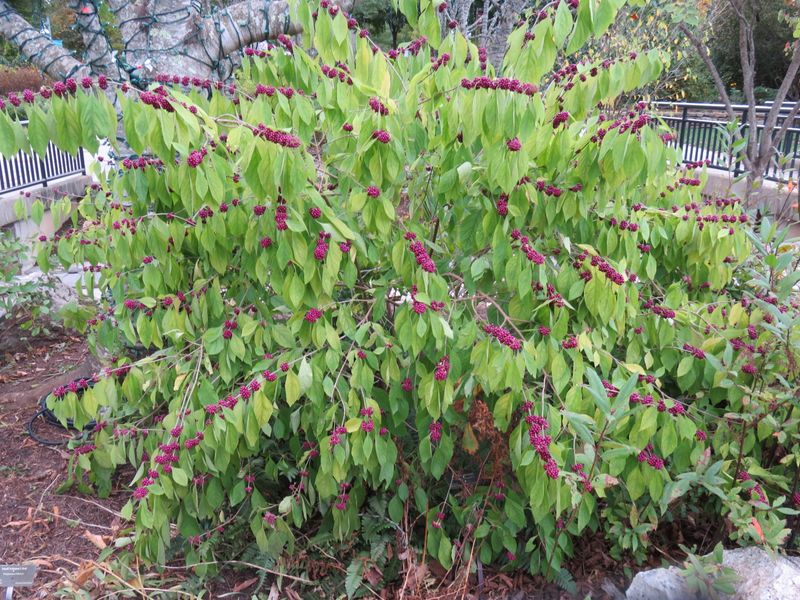
Left alone, American beautyberry will grow into a broad, arching shrub with a relaxed, natural look. Many gardeners are happy with that form, and the plant does not require annual pruning to stay healthy or to fruit. If a loose, open silhouette fits the planting spot, skipping the pruning shears is a perfectly reasonable choice.
Pruning becomes worth considering when a more compact shape or a heavier fruit display is the goal. The key fact is that flowers and fruit develop on new growth, which means cutting the plant back hard in late winter or early spring will not sacrifice the season’s berry crop. The plant will push vigorous new stems, flower on those stems, and produce fruit on wood that did not exist when you made the cuts. That growth habit makes hard pruning both safe and productive.
NC State Extension recommends pruning American beautyberry to about 1 foot above the ground for a compact, well-shaped plant. Virginia Tech’s guidance goes further, suggesting a cut to 4 to 6 inches for the most compact regrowth and the heaviest fruiting response. Both approaches are supported, and the right choice depends on how much size reduction the spot calls for. Either way, late winter before new growth breaks is the right window, giving the plant the full growing season to build the stems that will carry next fall’s berries.
Pruning also helps manage the shrub’s tendency to spread broadly over time. Annual cuts keep the footprint predictable and make it easier to maintain clearance from nearby plants or structures. For a gardener who wants reliable fall color without wrestling with an ever-wider shrub, a quick late-winter pruning session is a small investment for a noticeably tidier and often more fruit-covered result come September.
Treat it as low-problem, not beetle-proof
The headline that probably brought you here carries an appealing promise: plant this shrub and the beetles will leave it alone. The honest answer is more nuanced, and understanding it will help you make a smarter planting decision than the headline implies.
The USDA Japanese beetle handbook documents feeding on nearly 300 plant species, with susceptibility varying widely by plant and site. American beautyberry does not appear on the handbook’s documented list of resistant woody plants, which means no published source establishes that the shrub avoids or resists beetle feeding. NC State Extension describes American beautyberry as having no significant pest or disease problems, which is a meaningful endorsement of its general durability, but that language refers to the shrub’s overall health profile rather than a specific beetle-resistance test.
The practical landscape insight still holds. Beautyberry’s ornamental peak arrives in late summer and fall, after the period when adult Japanese beetles are most actively feeding. Plants that beetles damage heavily during summer, such as roses, grapes, lindens, and certain ornamental trees, can look seriously ragged by late August. A beautyberry that has been quietly developing its fruit clusters through that same period can step in with strong color and wildlife activity right when those other plants need recovery time.
That is a reasonable, useful landscape inference, not a guarantee that every beautyberry in every North Carolina yard will emerge from beetle season untouched.
For visible beetle feeding anywhere in the yard, the most reliable low-risk response is to shake infested plants early in the morning, when beetles are sluggish, and drop them into a bucket of soapy water. NC State recommends that morning hand-removal method for managing adult beetles. Fine-mesh row cover or netting can protect particularly valuable plants during peak feeding periods. One approach to avoid: NC State’s Japanese beetle guidance warns that pheromone traps can draw more beetles toward the area and should be placed well away from plants you want to protect, if used at all.
Treat beetle traps as a monitoring tool, not a neighborhood-wide solution.
Set realistic expectations for maintenance and pest claims
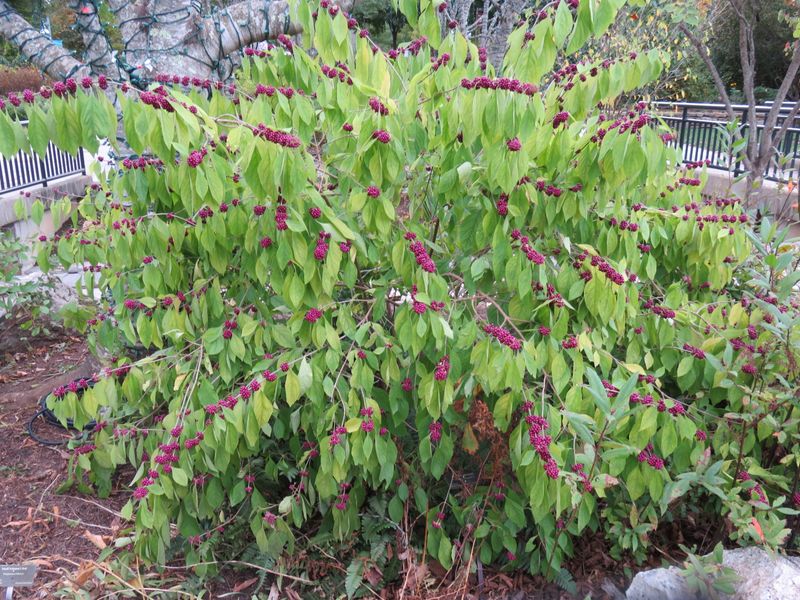
American beautyberry earns the low-maintenance label in most North Carolina yards, but low-maintenance is not the same as no-maintenance. A few tendencies are worth knowing before you plant.
The shrub may produce suckers from the root zone and volunteer seedlings from berries that birds drop nearby. The USDA plant guide notes that seed dispersal by birds and animals can result in abundant volunteer plants, so a single well-established beautyberry can quietly start a colony if the seedlings are not pulled when they are small. In a naturalistic planting or a woodland border that is the kind of spread you might welcome. In a more formal bed, it requires occasional attention.
The USDA fact sheet also notes that the genus can experience leaf spots and sooty mold, so while serious problems are uncommon, the plant is not entirely without potential issues.
Deer resistance deserves cautious wording. NC State Extension labels American beautyberry as deer- and rabbit-resistant, which reflects the general experience of many gardeners. USDA documentation also records summer browsing on the leaves and fall consumption of the fruit by white-tailed deer, so “often less preferred” is a safer description than “deer-proof.” In areas with high deer pressure, some browsing is possible, especially on young plants that have not yet developed a full root system.
One claim that circulates around beautyberry deserves a direct correction. Research has identified compounds in beautyberry leaves with repellent activity against mosquitoes and ticks in laboratory settings. USDA Agricultural Research Service describes those tick findings as preliminary, based on compounds tested on treated cloth strips, not on whole landscape plantings. The underlying published research does not establish that growing a beautyberry shrub in your yard will reduce mosquito or tick exposure for your family.
Planting one should not substitute for tick checks after outdoor activity, personal repellents, or habitat management practices that actually reduce tick habitat. Treat the laboratory findings as interesting science, not a landscaping shortcut to pest control.
Use American beautyberry as a flexible fall-season choice
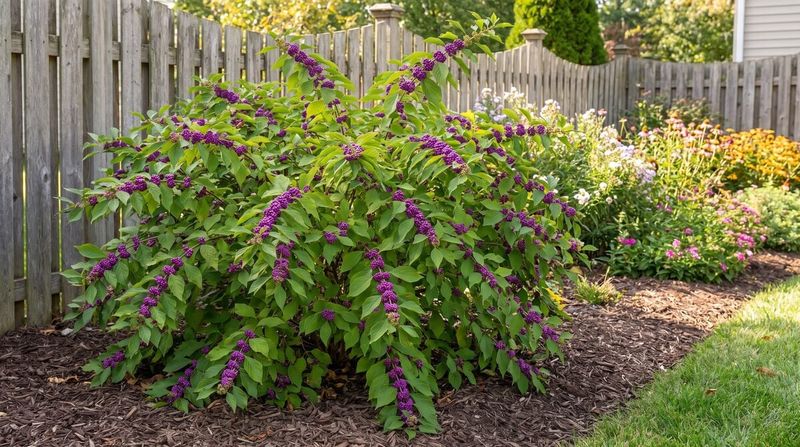
Putting it all together comes down to a few clear decisions. Start with correctly identified Callicarpa americana from a reputable nursery, confirm the label, and choose a spot with full sun to part shade and reliable drainage. Give the plant enough room for its arching form, at least 5 to 6 feet from structures and neighboring plants. If a denser fruit display fits your goals, schedule a late-winter pruning session before new growth breaks.
Under those conditions, American beautyberry can provide strong late-season visual interest and wildlife food at exactly the time of year when Japanese beetle damage leaves other beds looking worn out. NC State Extension confirms its suitability across North Carolina’s three regions, and USDA documents its value to more than 40 songbird species. What it is not: a beetle shield, a mosquito- or tick-control treatment, an evergreen screen, or a plant that delivers identical results in every yard regardless of site conditions.
A beautyberry in the right spot earns its place through honest, seasonal performance. The purple rings showing up in late summer are a reminder that some of the best native plants simply wait for their moment, then deliver it quietly and reliably.