
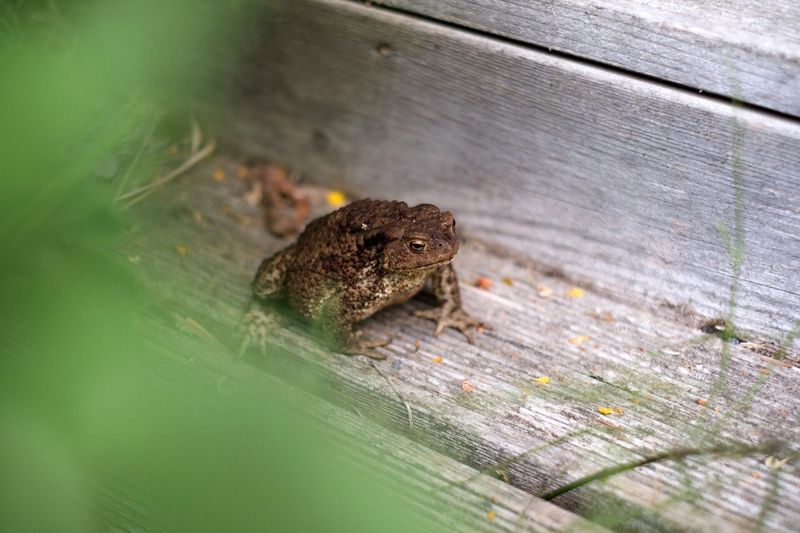
A small, warty toad sitting under your porch steps might be doing quiet work in your garden beds each night, eating insects and other small creatures before you wake up. California toads are real, and they do consume a wide variety of invertebrates as they forage after dark. But the idea that one toad reliably wipes out your slug or earwig problem is a more complicated story than most gardening posts let on. Understanding what these animals can and cannot do will help you make smarter choices about your yard, your pests, and your building.
A California toad may help at night, but it is not a garden pest-control system
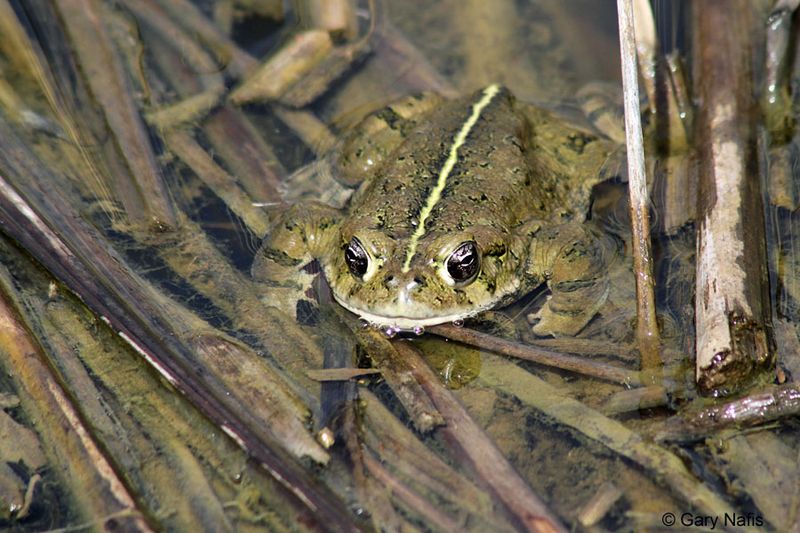
California toads (Anaxyrus boreas halophilus) are generally nocturnal animals that spend their nights moving across the ground, hunting whatever small creatures cross their path. National Park Service documentation on the California toad describes them as terrestrial predators that shelter in cool, moist spots during the day and become active after dark, which puts them in exactly the same spaces as many common garden pests.
That overlap is real and worth acknowledging. A toad foraging through a garden bed at 11 p.m. will eat what it finds, and some of those things may well be earwigs, small caterpillars, or other invertebrates causing plant damage. UC IPM guidance on snails and slugs lists toads among the natural enemies of slugs and snails, which is a meaningful acknowledgment from the state’s leading pest management authority.
The same guidance adds a qualifier that matters: natural enemies are rarely effective enough by themselves to provide satisfactory control. A single toad covering a typical suburban yard cannot eat its way through a genuine infestation of slugs or earwigs. UC IPM’s earwig resource similarly notes that predators such as toads may play an important role in some gardens, while stopping well short of calling them a reliable solution.
The honest framing is that a resident toad may contribute to nighttime suppression of some small invertebrates, and that contribution is worth supporting. What it is not is a stand-alone pest-control program. Treating it as one sets up disappointment and can lead homeowners to skip the monitoring and management steps that actually address a real infestation.
Its diet is broad and opportunistic, not a guarantee against slugs or earwigs
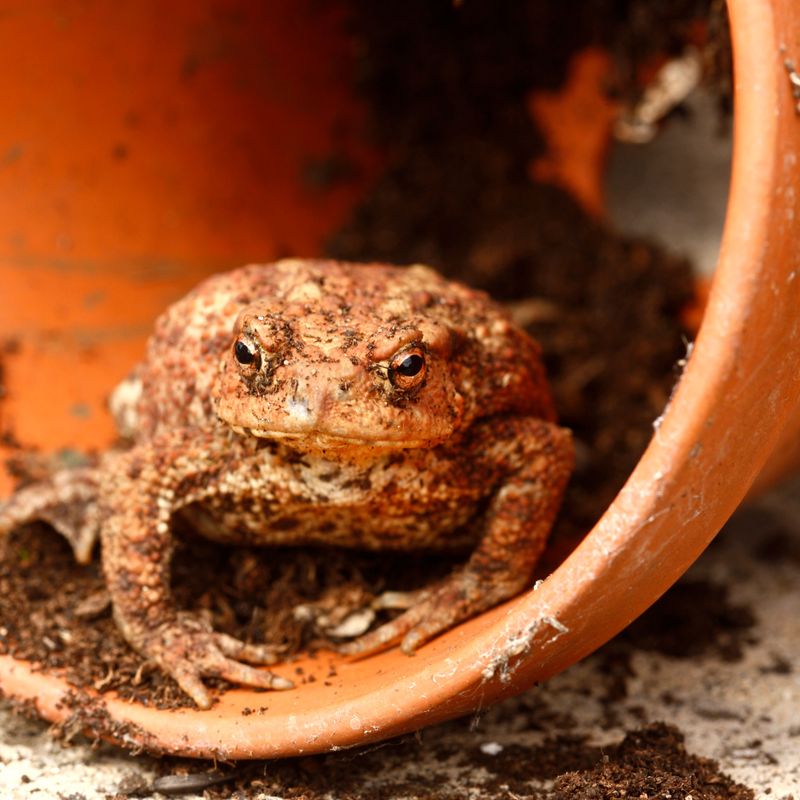
What a toad eats depends heavily on what it encounters, and the research reflects that reality. U.S. Forest Service research on diet selection in metamorphic and juvenile western toads found prey from more than 20 arthropod families, including beetles, ants, flies, spiders, and other insects. Gastropods, the group that includes slugs and snails, appeared in the study but made up only a small portion of the overall diet.
That finding does not mean a toad ignores a slug sitting in front of it. Opportunistic means the animal takes what is available, and in a garden bed loaded with slugs, some of those slugs may end up as toad meals. But “may eat slugs when encountered” is a different claim than “primarily targets slugs” or “will eat enough slugs to protect your plants.” Published herpetological research on western toad foraging reinforces that these animals feed across a wide variety of prey types rather than concentrating on any single group.
Earwigs fall into the same category. A toad may eat an earwig it finds under a rock or in a gap between pots. Earwigs are insects, they move at night, and they occupy similar microhabitats to a foraging toad. That makes a chance encounter plausible, not a controlled outcome.
Cutworms are another pest often mentioned in garden-toad stories. Toads do consume caterpillar larvae, but the available California-specific evidence does not establish that toads meaningfully reduce cutworm populations in home gardens. Attributing cutworm control to a resident toad goes beyond what the diet research supports. The practical takeaway is simple: a toad is a helpful forager, not a targeted treatment for any specific pest.
Identify the pest before you treat the damage
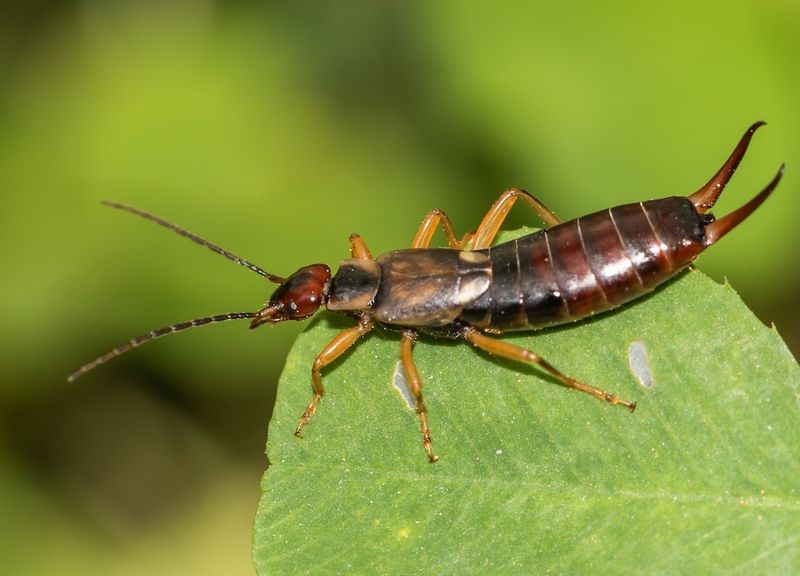
Ragged holes in leaves, missing seedlings, and shredded flower petals can come from several different animals, and assuming you know the culprit before looking is one of the most common garden mistakes. Slugs, snails, earwigs, and cutworms can all produce damage that looks similar in the morning light. The only reliable way to know which pest you are dealing with is to go out and look when the pests are active.
Nighttime or early-morning inspection is the standard recommendation from UC IPM’s snail and slug management guidance. Bring a flashlight, check the undersides of leaves, look along the soil line, and examine any boards, pots, or debris nearby. Slugs and snails leave a slime trail that is usually visible even after the animal has moved on. If you see trails and no slime, you are probably dealing with an insect rather than a mollusk.
Slugs and snails are mollusks. Earwigs are insects. That difference matters because the two groups respond to different management approaches, and a treatment aimed at one may do nothing for the other. UC IPM’s earwig resource notes that earwigs feed at night and hide during the day in cool, dark, moist spots, which is exactly where you would also find slugs.
Direct observation is the only way to separate them.
One more reason to look before acting: earwigs are not uniformly harmful. UC IPM points out that they also consume aphids and other soft-bodied insects, so a yard with some earwig activity is not necessarily a yard under attack. Wiping out a population that was partly helping with aphid control can create a different problem. Confirm what is actually eating your plants before deciding anything needs to be eliminated.
Sealing the porch may remove a refuge, but it does not prove why the toad left
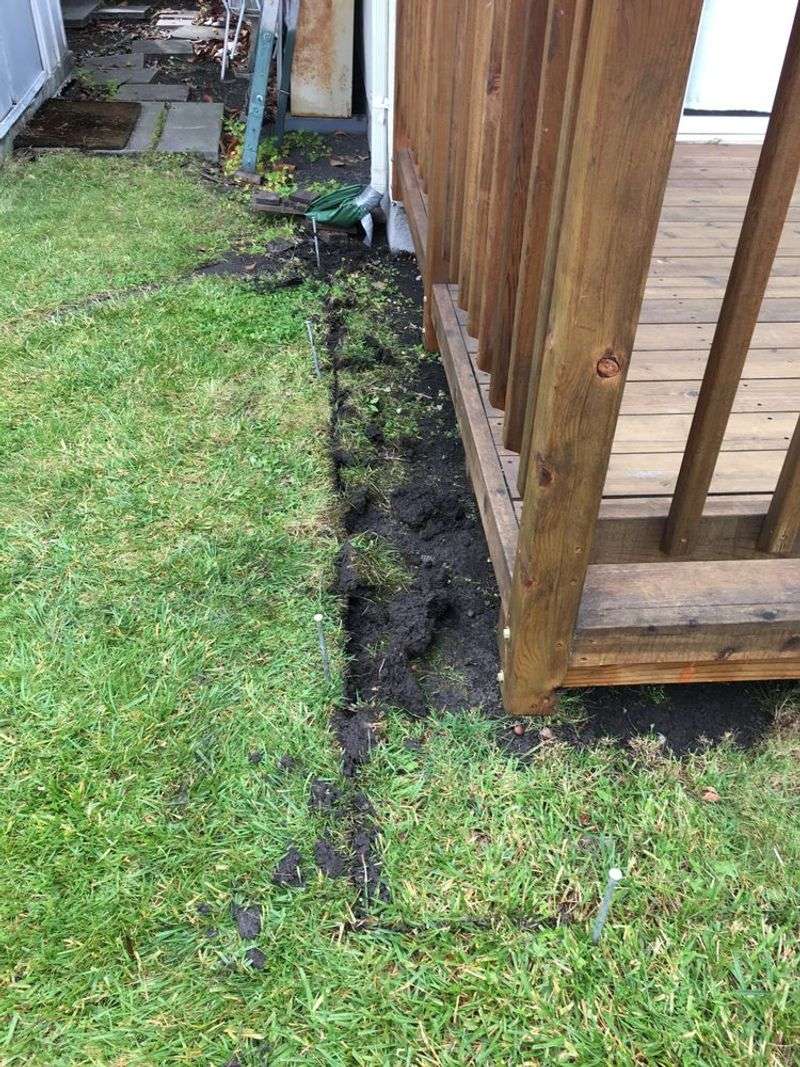
A cool, dark space under a porch or deck fits the description of good toad habitat pretty closely. Toads need places to escape heat and dryness during the day, and a shaded crawl space with some moisture checks those boxes. So the idea that sealing that gap might cut off a toad’s daytime retreat is not unreasonable.
What the sources do not establish is that California toads commonly set up residence specifically under residential porches, or that sealing a gap is a routine cause of toad disappearance. NPS documentation on California toad habitat describes these animals as using a range of terrestrial refuges, not any single structure. If a toad was using a porch gap and that gap gets sealed, the toad loses one option. Whether it moves on, finds another spot nearby, or was already leaving for unrelated reasons is harder to know.
Toad activity is affected by temperature, seasonal moisture, prey availability, predator pressure, and breeding cycles. NPS reporting on California toad breeding behavior shows that these animals travel to find suitable water and may not return to the same terrestrial spot year after year. A toad that disappears from your yard in late summer may simply be responding to heat and drought, not to a repair you made in spring.
Sealing structural gaps is often the right call. Gaps that admit rodents, insects, moisture, or wildfire embers are legitimate building and safety concerns, and University of Delaware Cooperative Extension guidance on garden biodiversity supports creating intentional habitat elsewhere rather than leaving structural vulnerabilities open. The wildlife-friendly move is to provide a better alternative refuge away from the building, not to leave a gap that may cause other problems. Seal what needs sealing, then look at the rest of the yard.
Create an alternative refuge area away from the building
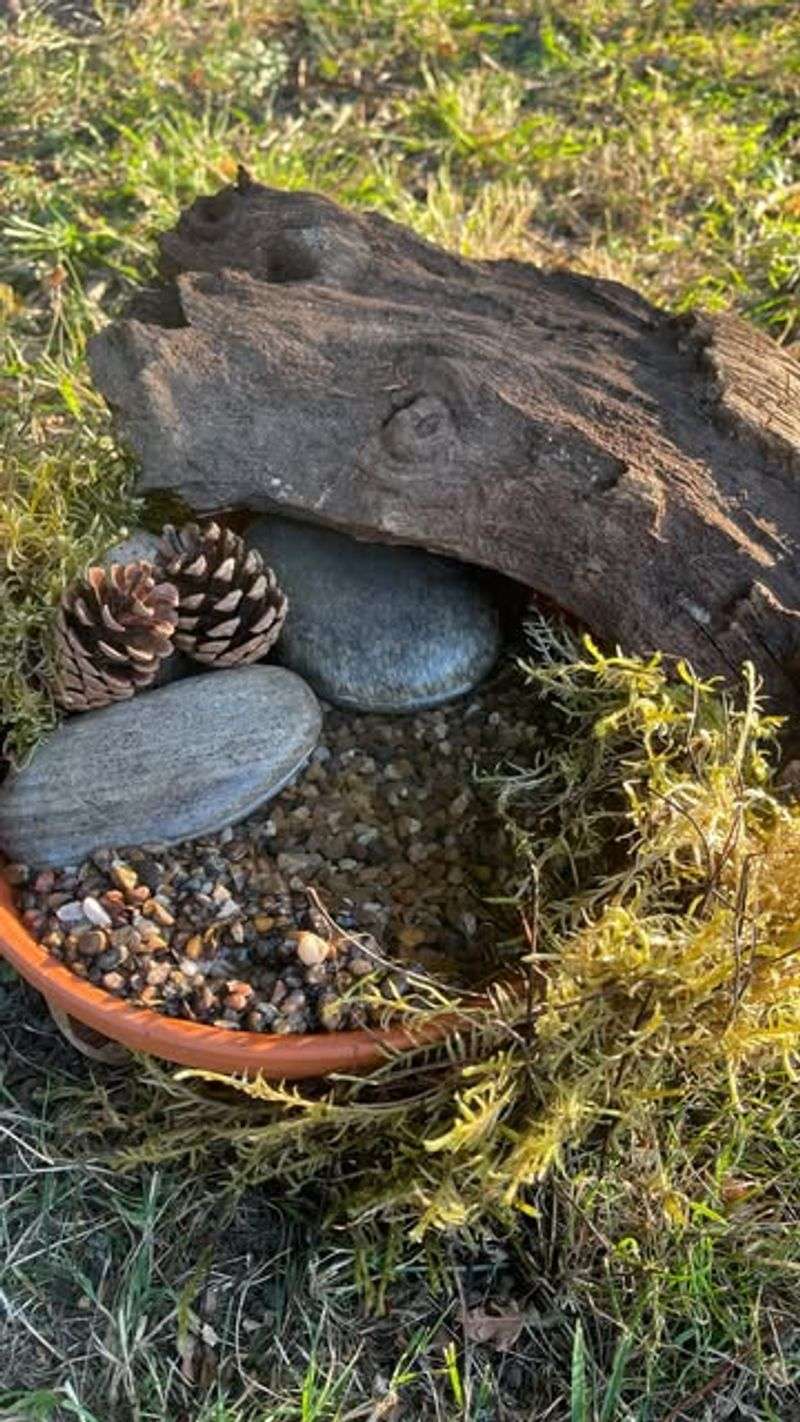
Supporting amphibian habitat in your yard does not require leaving a structural gap open or turning your garden into a damp, cluttered mess. A modest, intentional refuge area placed away from the building can provide the shelter, moisture, and foraging conditions that make a yard usable for a toad without creating pest harborage or fire risk near the house.
University of Delaware Cooperative Extension’s guide to supporting garden biodiversity identifies shelter, moisture access, and foraging habitat as the key elements for frogs and toads. In practical terms, that means a flat rock or two, a small log or overturned ceramic pot with an entry notch, or a patch of dense low-growing native groundcover in a shaded corner of the yard. The area does not need to be large.
Penn State Extension’s guidance on toads as garden partners recommends a shallow water dish as a supplemental moisture source. If you add one, keep it in full shade, fill it with clean water, and clean it every few days to prevent mosquito breeding. The dish should be shallow enough that a small animal can climb in and out without assistance, and it should be checked regularly to make sure nothing has become trapped. A water dish is habitat support, not a guarantee that a toad will stay or breed.
U.S. Fish and Wildlife Service reporting on brush piles as wildlife habitat notes that even small, managed piles of natural material can provide meaningful refuge for a range of ground-dwelling animals. In California, any habitat feature near the house needs to be weighed against fire risk and defensible-space requirements. Keep the refuge zone small, away from the structure, and clear of dry accumulated debris during fire season.
The goal is a maintained pocket of habitat, not a general invitation to let things pile up.
Use integrated pest management instead of depending on one toad
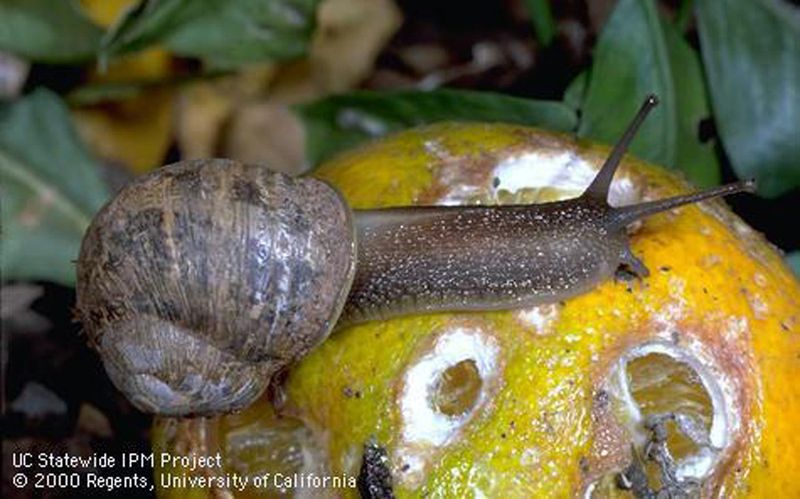
A toad in the garden is a bonus, not a pest-control strategy. Relying on one animal to manage a confirmed infestation of slugs, earwigs, or any other pest is a setup for ongoing plant damage. The practical approach is to monitor first, identify the pest correctly, and then use a combination of methods that address the actual problem.
For slugs and snails, UC IPM’s snail and slug management resource recommends removing daytime hiding spots such as boards, dense ground cover near beds, and debris piles close to plants. Adjusting irrigation so that the soil surface dries between waterings reduces the moist conditions that slugs depend on. Copper barriers, trapping with boards or containers, and hand-picking at night are all nonchemical options that can reduce populations meaningfully before any product is needed.
Earwig management follows a similar logic but targets a different animal. UC IPM’s earwig guidance recommends reducing excessive moisture and removing unnecessary hiding places near vulnerable plants. Rolled newspaper or corrugated cardboard traps placed near damaged plants overnight and emptied in the morning can capture large numbers of earwigs without any chemical exposure. Protecting seedlings with physical barriers during their most vulnerable stage is more reliable than hoping a foraging toad will find them first.
When monitoring shows that a labeled product is genuinely needed, use it according to the label, time the application to reduce exposure to non-target animals, and avoid broadcast applications when spot treatment will work. The key phrase is “when monitoring shows it is needed,” not as a routine first step. Combined methods, adjusted irrigation, physical barriers, targeted trapping, and selective product use when necessary will outperform any single approach, including the presence of a resident toad.
Reduce pesticide exposure while you manage the garden
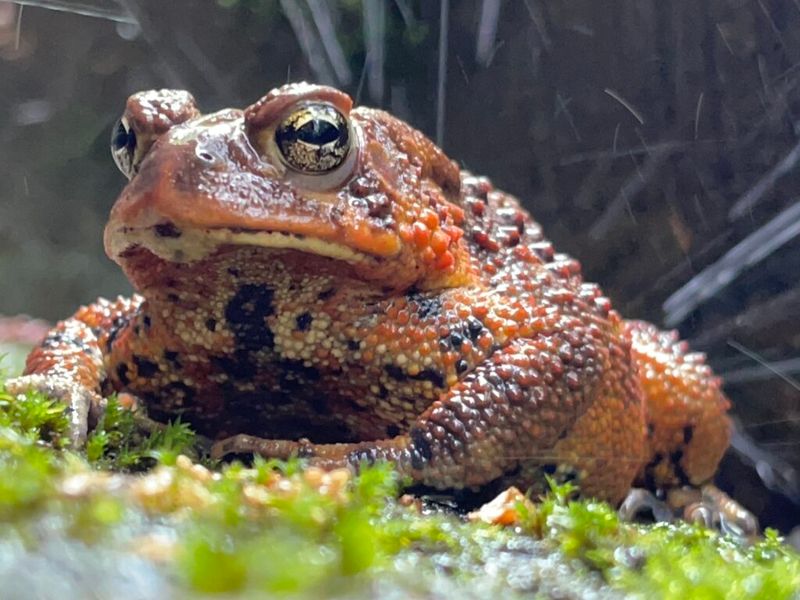
Pesticides do not automatically harm every toad in the vicinity, but amphibians deserve specific consideration when you are making product choices. The reason comes down to biology: toads and frogs absorb substances through their skin as well as through their digestive systems, which gives them more routes of exposure than most other garden animals.
EPA research on pesticide uptake in frogs documents skin absorption as a meaningful exposure pathway, separate from what an animal eats or drinks. The EPA’s T-HERPS risk assessment framework for amphibians and reptiles evaluates exposure through skin contact, dietary intake, water, and contaminated prey, which reflects how much more complex the picture is than simply asking whether a product is labeled as toxic.
The risk varies by active ingredient, formulation, application rate, timing, and how much residue ends up in places where a toad forages or rests. EPA guidance on reducing pesticide impacts on wildlife recommends following product labels precisely, avoiding applications near water, and reducing unnecessary treatments. Monitoring-based use, meaning applying only when pest numbers justify it, cuts total product load in the yard and benefits all non-target animals, not just toads.
Handling is a separate question. A healthy toad found in the yard should be left where it is. Moving a healthy wild animal to a new location is stressful for the animal and does not guarantee a better outcome. California regulates the possession and handling of native wildlife, and CDFW wildlife rehabilitation regulations make clear that working with injured or sick native animals requires appropriate permits.
If a toad appears injured, trapped, or in distress, contact a CDFW-permitted wildlife rehabilitator rather than attempting to care for it yourself. The default rule for any healthy toad you encounter is simple: leave it alone.
Keep the habitat opportunity, not the structural hazard
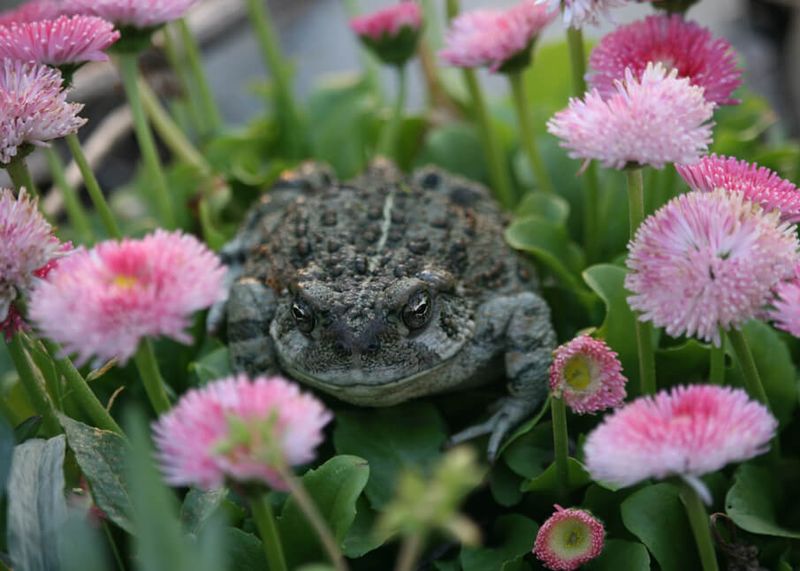
The decision about your porch gap does not have to be a choice between building safety and wildlife. Seal the gap when rodents, insects, moisture, wildfire embers, or defensible-space requirements make it necessary. That is a straightforward building maintenance call, and no toad story changes it. What you can do at the same time is set aside a small, maintained habitat area elsewhere in the yard that provides the same basic elements: shade, shelter, and occasional moisture access.
Penn State Extension’s toad habitat guidance and University of Delaware’s biodiversity in the garden resource both describe modest, low-maintenance features that support ground-dwelling amphibians without requiring you to leave the yard unmanaged. Before assuming any brown, warty amphibian is a California toad, take a moment to confirm the identification. California yards also host Pacific chorus frogs, spadefoots, and other species, and the right approach may vary.
A resident toad may contribute to nighttime suppression of some invertebrates, and that is genuinely worth supporting as one piece of a managed, monitored garden. UC IPM is clear that natural enemies work best alongside other methods, not in place of them. The most useful thing a California homeowner can do is identify the pest, manage the habitat deliberately, reduce unnecessary pesticide exposure, and let the toad do whatever it does on its own schedule. A yard that is thoughtfully managed tends to attract useful wildlife anyway, which turns out to be a better outcome than any single gap ever promised.