
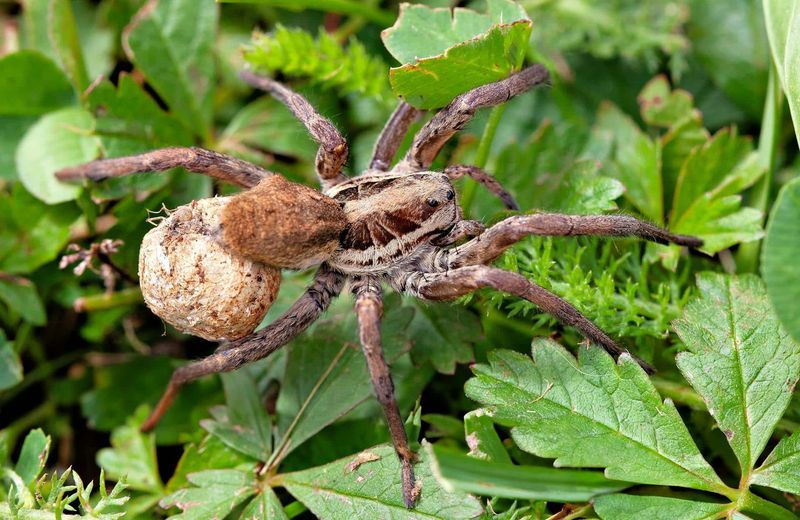
Stepping outside on a warm North Carolina evening and spotting wolf spiders scattered across your yard can feel alarming, but the situation is usually more interesting than it is dangerous. These ground-hunting spiders are a normal part of the outdoor ecosystem, and a sudden cluster of them is more like a clue about your yard’s conditions than a sign of an infestation. Understanding what they’re responding to can help you make calm, informed decisions about whether anything actually needs to change.
What a sudden increase in wolf spiders may mean
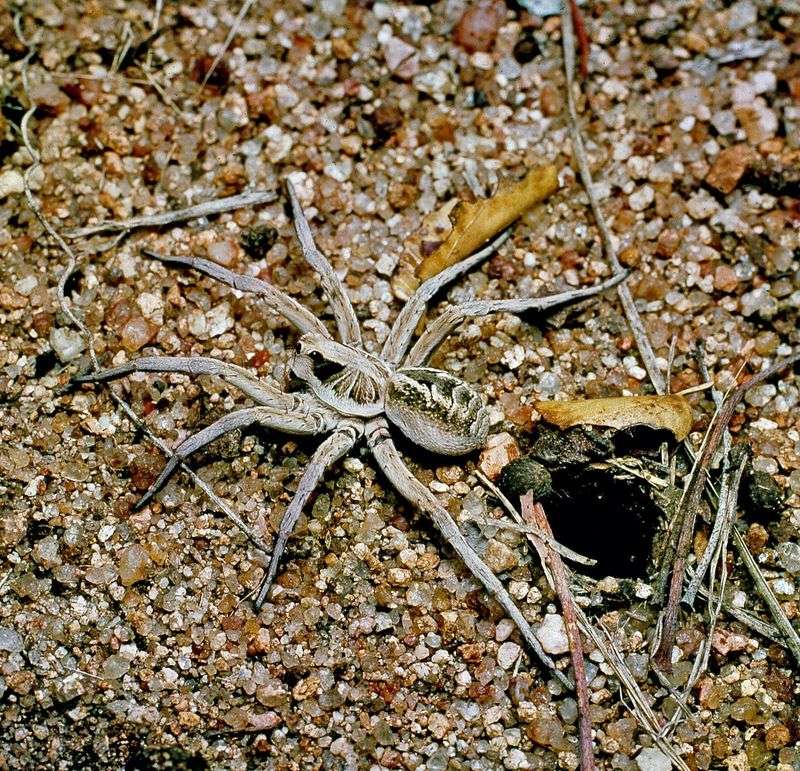
Spotting more wolf spiders than usual in your yard is a homeowner’s observation, not a measured population count, and that distinction matters before drawing any conclusions. Wolf spiders belong to the family Lycosidae and are ground-level hunters that run or ambush their prey rather than spinning capture webs. Utah State University Extension guidance identifies mulch, ornamental beds, woodpiles, objects lying on the soil, and lawns as their typical habitats, which describes a large share of North Carolina yards.
A concentration of wolf spiders can be consistent with several overlapping factors: available prey at ground level, favorable shelter, adequate moisture, seasonal reproduction, or adult spiders wandering in search of mates. It can also simply reflect greater visibility after mowing, moving objects, or a weather event that pushed spiders out of cover. The observation alone cannot identify which of these factors is responsible, and it does not prove a dangerous infestation or an indoor takeover.
Wolf spiders primarily live and hunt outdoors. NC State Extension notes that while spiders can accidentally enter homes through gaps and cracks, outdoor presence by itself does not signal an indoor problem. Keeping that boundary clear prevents unnecessary alarm.
North Carolina’s Piedmont, coastal plain, and mountain regions each have different soil types, vegetation layers, and humidity levels, so there is no uniform statewide pattern that explains a summer spike everywhere at once. A surge in one yard may reflect conditions specific to that property. Treating the observation as an ecological clue rather than a crisis opens up a more useful line of investigation: what changed at ground level, and does any of it actually need addressing?
Ground-level habitat can support more spider activity
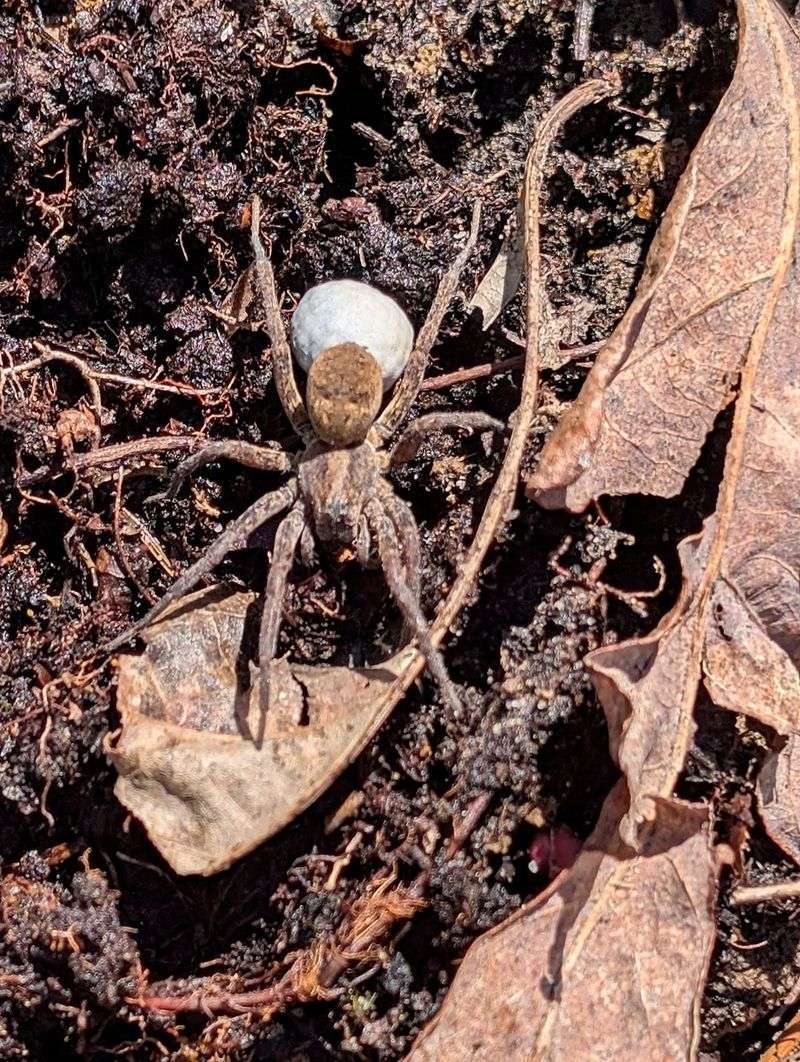
Wolf spiders are generalist predators. They eat insects, other spiders, and small arthropods they encounter while patrolling soil surfaces, mulch layers, and low vegetation. University of Georgia Extension describes them as beneficial predators within the yard’s food web, consuming a wide range of ground-level invertebrates rather than targeting any single pest species.
Research supports the idea that prey availability can influence where wolf spiders concentrate and whether they stay in a given area. Laboratory work on wolf spider emigration found that adding prey reduced spiders’ tendency to leave habitat patches, which is consistent with the general principle that a food-rich area can retain more spiders. Field and ecological studies similarly connect wolf spider activity with prey abundance and environmental conditions. That said, the connection is not a diagnostic formula: a yard full of wolf spiders may be supplying food, but the spiders cannot tell you which insect is responsible or whether any pest is present at an unusual level.
Ground-level structure matters as much as prey. Dense mulch, leaf litter, stacked lumber, rock borders, ornamental plantings, and objects left on the soil all provide the shelter and hunting corridors these spiders prefer. Ecological research on wolf spider habitat use shows that habitat structure and moisture conditions interact with prey communities in ways that vary by ecosystem, reinforcing the point that no single explanation covers every yard.
A practical takeaway is that a yard with lots of cover and active soil invertebrates is simply a yard where wolf spiders can make a living. More cover and more prey opportunities can mean more visible spiders without any single cause standing out. Removing unnecessary clutter and keeping mulch layers reasonable can reduce available shelter without requiring any chemical response.
Inspect the places where the spiders cluster
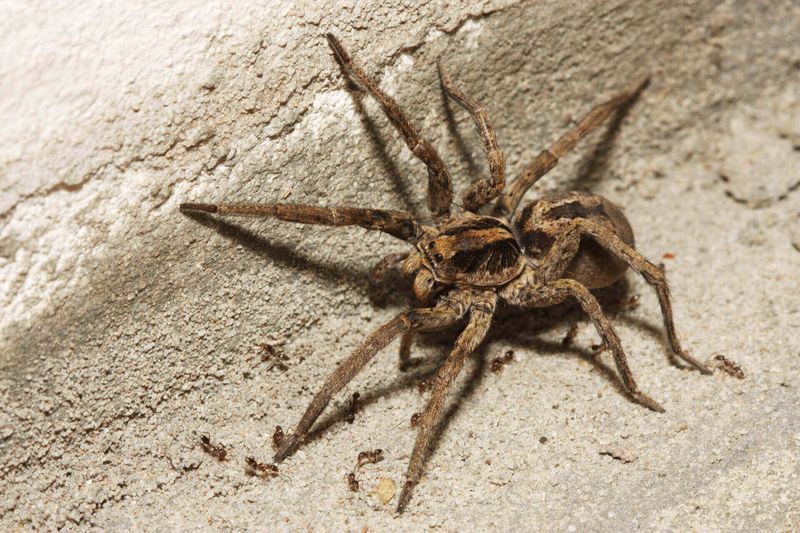
Before deciding whether anything needs to change, spend a few minutes walking the yard and noting exactly where the spiders are concentrated. Look at recently watered planting beds, areas with dense mulch, piles of leaf litter, stacked lumber or firewood, rock borders, compost areas, sections of long or uncut grass, spots where vegetation touches the house foundation, and any surfaces near outdoor lights. Comparing those locations against where spiders are absent can reveal a pattern.
NPIC’s spider pest guidance and Utah State Extension both recommend this kind of habitat-focused inspection as a first step before considering any control measure. The goal is correlation, not a laboratory-level diagnosis: if spiders are clustered around a recently irrigated bed full of mulch, that combination of moisture and shelter is a reasonable candidate for why they’re there.
While you’re inspecting, flip over a small section of mulch or leaf litter and look at the soil surface. Ground beetles, pill bugs, earwigs, fly larvae, and other small arthropods are common prey items for wolf spiders. Seeing active insect communities in those spots is consistent with the yard supplying food, though it does not prove the spider numbers are unusually high or that any pest is at a problem level.
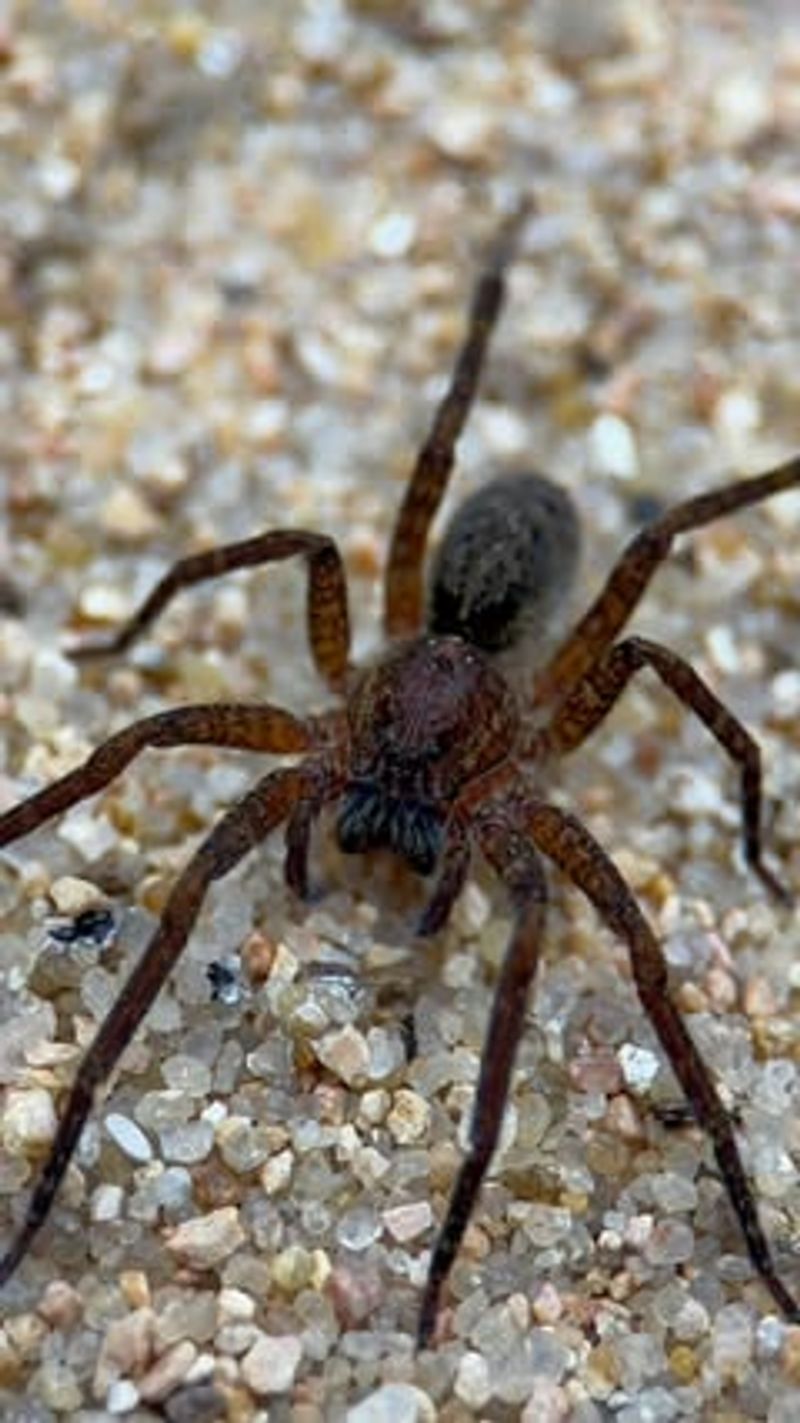
Photograph a spider if you can get a clear, close image. A good photograph of the spider’s eye arrangement, leg markings, and body shape is far more useful for identification than a quick glance or a description from memory. Research on wolf spider habitat use reinforces that their presence reflects ground-level conditions, so the inspection is really about reading those conditions rather than counting spiders. Keep notes on what you find, and use them to decide whether any single area warrants a specific response.
Weather and maintenance can change what you notice
Rain and irrigation can shift conditions at ground level in ways that affect both prey insects and the spiders that hunt them. Moist soil can increase the activity of certain ground-dwelling invertebrates, which may in turn attract or retain wolf spiders in wetter areas. Research on wolf spider responses to altered precipitation shows that moisture effects on spider activity and prey density vary meaningfully by ecosystem and prey community, so a wet stretch of weather is not a universal explanation for every yard’s spider numbers.
Studies on wolf spider population dynamics and research on arthropod activity and moisture both support the idea that habitat conditions interact with spider behavior in complex ways, not a simple cause-and-effect chain. A prolonged dry period followed by rain, or a new irrigation schedule, might push spiders out of one area and into another without changing the overall population at all.
Yard maintenance changes can have an equally significant effect on what you see. Mowing a section of long grass, moving a woodpile, pulling back a layer of mulch, or trimming dense groundcover can expose spiders that were already living there. The spiders haven’t multiplied; they’ve become visible. Similarly, adult wolf spiders wander actively during summer months while searching for mates, so a short period of increased sightings can reflect seasonal movement rather than a permanent population shift.
Utah State Extension notes that wolf spiders can be more active at certain times of year, and that their wandering behavior makes them easier to spot even when no specific habitat change has occurred. Keeping that in mind helps separate a genuine change in yard conditions from a temporary visibility spike that will resolve on its own.
Confirm the identification before treating anything
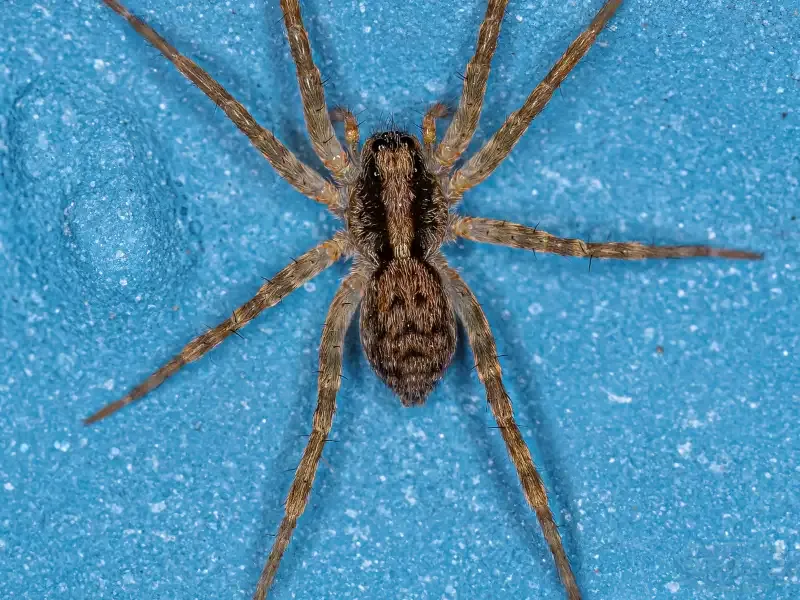
North Carolina has several large, brown, fast-moving hunting spiders, and telling them apart from a distance or in poor light is genuinely difficult. NC State’s Extension Gardener Handbook specifically warns that wolf spiders and other hunting spiders are frequently confused with brown recluse spiders, and that kind of misidentification can lead to unnecessary fear or misguided treatment decisions.
NC State’s guide to fishing spiders and wolf spiders points out that fishing spiders, which are common near water features and in moist areas of NC yards, can closely resemble wolf spiders in size and coloring. Other large hunting spiders add to the lineup of possible look-alikes. Relying on size, hairiness, brown coloring, or the presence of a violin-shaped marking alone is not enough for a reliable identification. Brown recluse spiders do exist in North Carolina, but NC State Extension notes they are not common in the state and are often misidentified.
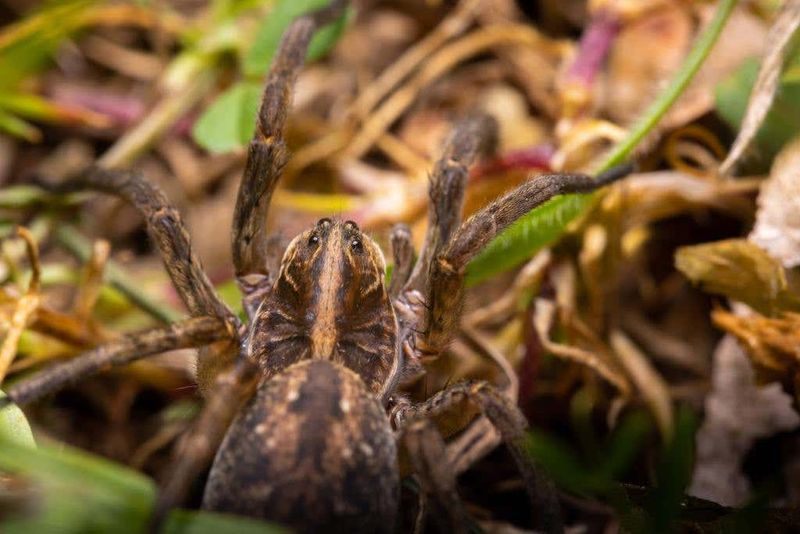
A clear, close photograph that shows the spider’s eye arrangement is the most practical identification tool available to a homeowner. Wolf spiders have a distinctive eye pattern: four small eyes in a bottom row, two large forward-facing eyes in the middle, and two medium eyes on top. University of Minnesota Extension describes this arrangement as a reliable field marker when a good image is available. If the photograph is unclear or if a treatment or safety decision depends on the answer, contact your local NC Cooperative Extension office for a specimen review.
Wolf spiders are generally non-aggressive and are not considered medically dangerous to healthy adults. Bites are uncommon and typically occur when a spider is accidentally pressed against skin. MedlinePlus guidance on spider bites notes that bites can cause local pain, redness, or swelling, and that symptoms which worsen or spread warrant medical attention. Avoid handling any spider you cannot positively identify, and teach children to leave spiders alone rather than pick them up.
Wolf spiders are not a reliable tick- or mosquito-control method

Wolf spiders eat what they encounter at ground level, and that diet can include mosquitoes and ticks under the right circumstances. University of Georgia Extension describes spiders as generalist predators within the yard’s arthropod community, meaning they take a wide range of prey rather than focusing on any specific pest species. Some studies have documented mosquito consumption by spiders, including early entomological research on spider predation of mosquitoes, but documenting that a spider can eat a mosquito is not the same as showing it meaningfully reduces a yard’s mosquito population.
EPA-reviewed research on arthropod predation supports the general value of predator communities in ecosystems without establishing that wolf spiders provide measurable residential pest control. Relying on wolf spiders to protect your family from ticks or mosquitoes is not a validated strategy, and framing them that way can lead homeowners to skip the measures that actually reduce exposure.
For tick protection specifically, CDC tick prevention guidance focuses on yard management: mow grass regularly, remove leaf litter and brush from play areas and lawn edges, keep woodpiles away from high-use zones, and check for ticks on people and pets after time outdoors. These measures work because they target the habitat ticks need, not because they depend on a predator doing the job for you.
A practical compromise for NC homeowners is to think in zones. Natural areas farther from the house, including leaf litter near a back fence, native shrub borders, or a brush pile in a corner of the property, can support wildlife including wolf spiders, beneficial insects, and other predators. High-use zones like patios, play areas, lawn paths, and areas near entryways should be kept shorter, clearer, and easier to inspect, both for tick safety and for keeping spider encounters infrequent in spaces where children and pets spend time.
Use exclusion and targeted IPM instead of blanket spraying

Outdoor wolf spiders generally do not require any treatment when they are not creating a specific hazard. They live in the yard, they hunt in the yard, and in most cases the most effective response is to leave them there. NC State Extension’s guide to spiders in and around homes recommends starting with physical prevention rather than pesticide application, particularly for spiders that are found outdoors.
If spiders are entering the house, the goal is to close the entry points. Repair or replace damaged window and door screens. Install door sweeps on exterior doors, especially garage doors and back entries where gaps are common. Seal cracks around the foundation, utility penetrations, and where siding meets trim using caulk or weatherstripping.
Reduce clutter in garages, basements, and storage areas where spiders find shelter indoors. Trim shrubs, groundcover, and vines that touch the exterior walls, since these act as pathways from the yard to the structure. NPIC spider guidance notes that vacuuming individual spiders found indoors is a safe and immediate response that does not require any chemical exposure.
If your inspection identified a separate pest, such as a ground insect population that warrants attention, follow integrated pest management principles before reaching for a spray product. EPA’s IPM principles and EPA’s introduction to IPM both emphasize identifying the pest accurately, monitoring its activity, and using preventive and physical measures before chemical ones. Broad outdoor spraying to eliminate wolf spiders conflicts with these principles, risks harming non-target beneficial arthropods, and does not address the underlying habitat or food conditions that attracted the spiders in the first place.
When a pesticide is genuinely needed for a separately identified pest, use a product registered and labeled for that specific use. EPA guidance on protecting children from pesticide exposure recommends keeping children and pets away from treated areas during application and until the area is dry or the label-specified interval has passed, whichever is longer. NPIC’s exposure-minimization guidance and EPA’s pest control dos and don’ts both stress avoiding runoff into ponds, drainage channels, and streams, which is a real concern in NC yards near wetlands or coastal areas.
Choose the response that matches the real concern
A sudden cluster of wolf spiders is a prompt to look at your yard’s ground-level conditions, not a signal to treat the spiders themselves as a problem. Run through the short checklist: where are the spiders concentrated, what changed recently in those spots, and is there a specific hazard or a separately identified pest that actually needs a response? Utah State Extension’s wolf spider guidance consistently points back to habitat, shelter, and food as the conditions worth examining.
Three situations call for three different responses. Outdoor spiders with no specific hazard: leave them alone and let them do their work in the yard’s food web. Spiders entering the house: seal gaps, repair screens, add door sweeps, and reduce indoor clutter. A separately identified tick or insect concern near family-use areas: manage that pest with measures appropriate to the species, following CDC tick prevention guidance for vegetation and yard-edge management or EPA’s IPM principles for any other pest that warrants treatment.
Wolf spiders have been hunting across North Carolina’s yards, fields, and forest edges long before any homeowner noticed them. Seeing more of them than usual is worth a calm look around, and most of the time that look will reveal a yard doing exactly what a yard does: feeding a layered community of small animals from the soil up.