
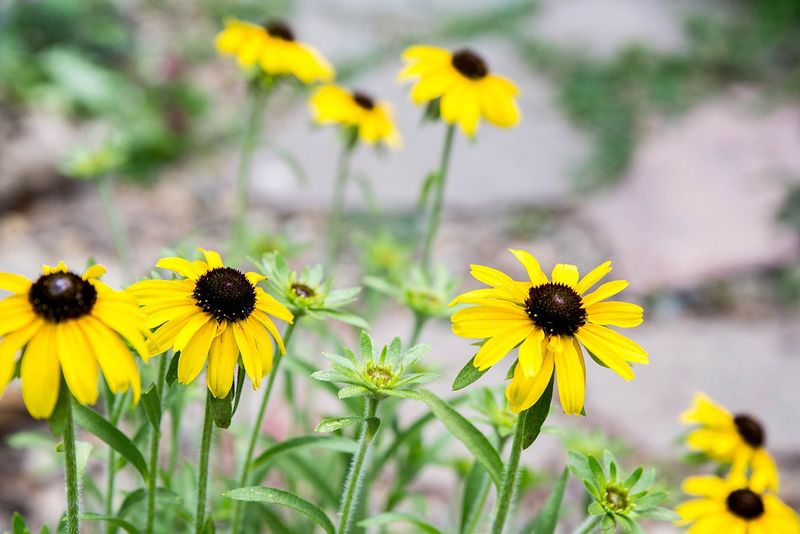
That narrow strip by your mailbox can do more than grow patchy grass. Florida native wildflowers can add color while giving bees and butterflies a place to feed.
Pick plants that fit the strip’s sun and soil, and you can make the spot easier to care for, too.
1. Leavenworth’s Tickseed

Few flowers make a mailbox feel as cheerful as a cluster of little yellow suns. Leavenworth’s tickseed, Coreopsis leavenworthii, is a Florida native with airy leaves and bright blooms that bring color without making the strip look crowded.
It suits gardeners who want a loose, meadow-like patch rather than a stiff row of plants.
Give it full sun and well-drained soil. That makes it a useful pick for the sandy ground common beside Florida roads, though new plants still need regular water until their roots settle in.
Sow seeds or set out young plants in fall, when milder weather gives them time to grow before the hotter months.
The open flowers offer an easy landing place for small bees and other visiting insects. Let a few seed heads mature if you want new plants, then pull unwanted seedlings while they are small.
In a narrow strip, tuck tickseed behind a lower-growing plant so its stems have room to sway without leaning into the mailbox door. Check for road-spray exposure first: even a drought-tolerant native will struggle if passing traffic regularly coats it with salt.
2. Frogfruit
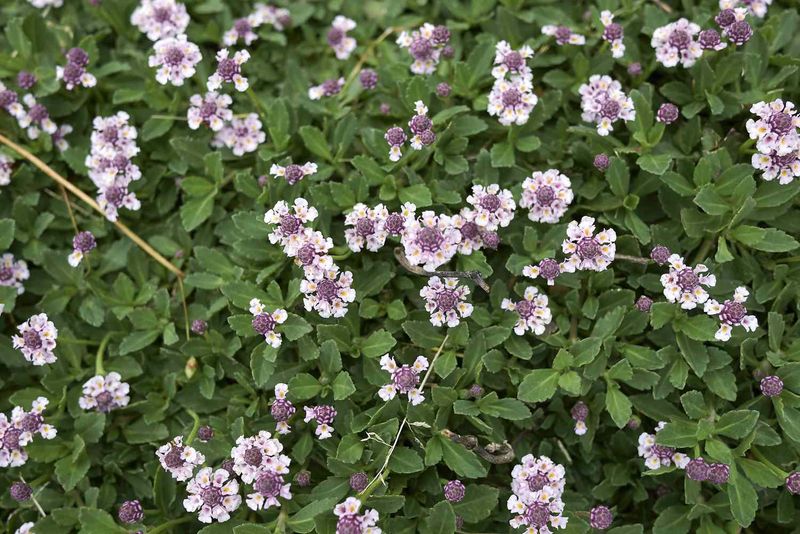
Grass can be a nuisance in the awkward space between a mailbox and the curb. Frogfruit, Phyla nodiflora, offers a different approach: it spreads low across the ground and carries tiny white-to-lavender flower heads above its leaves.
Those small blooms are busy places for pollinators, and the plant also serves as a host for some Florida butterflies.
Use frogfruit where you want living groundcover rather than tall flowers. It grows in sun to part shade and handles a range of soils, including sandy ground, once established.
Water new plugs until they begin spreading, then check them during long dry spells instead of watering on a fixed schedule. Its low height helps keep the mailbox visible and reduces the need to mow right against the post.
The trade-off is that frogfruit likes to travel. Set a clear edge along pavement or turf, and trim wandering stems before they cross the curb or cover your address numbers.
A patch with occasional foot traffic can work, but leave a firm place for the mail carrier to stand. If your strip stays soggy after storms, frogfruit is more forgiving than many flowers that need sharp drainage.
3. Scarlet Sage
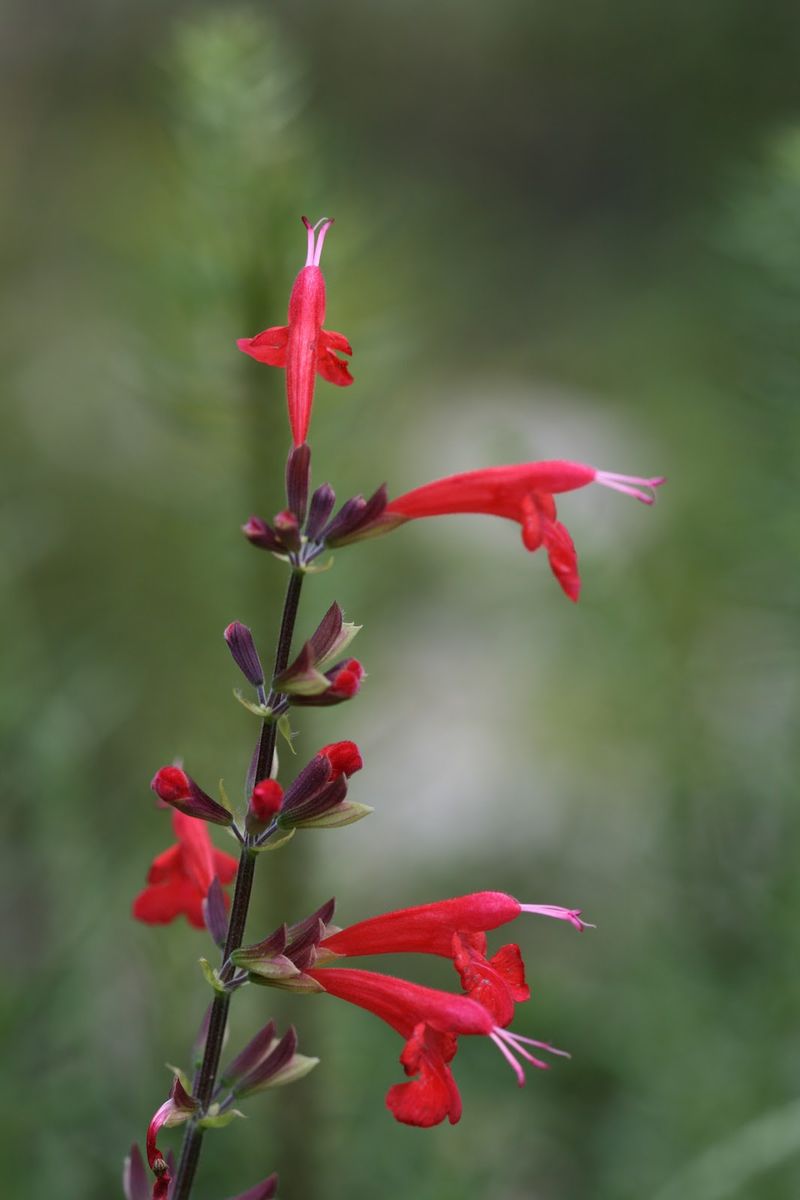
A flash of red near the front walk can be a hummingbird coming to inspect scarlet sage. Salvia coccinea sends up slim spikes of tubular flowers that also draw butterflies and bees.
Unlike a spreading groundcover, it gives a mailbox planting a clear upright accent, especially when planted in a small group behind shorter flowers.
Scarlet sage grows in full sun to part shade and prefers soil that drains well. It can be especially handy beside a mailbox that gets morning sun but some afternoon relief.
Plant in fall or another mild stretch of weather, water while roots establish, and add a light layer of mulch without piling it against the stems. Once growing well, it generally needs less attention than thirsty bedding plants.
Expect its height to change with conditions, and plan for plants that may reach a few feet tall. Keep them to the side or back of the strip so blooms do not block the address, mailbox door, or a driver’s view.
Snipping spent flower spikes can tidy the display, but leaving some seeds may bring volunteer plants next season. Pull extras from tight spots and keep the ones that land where they fit.
4. Spotted Beebalm
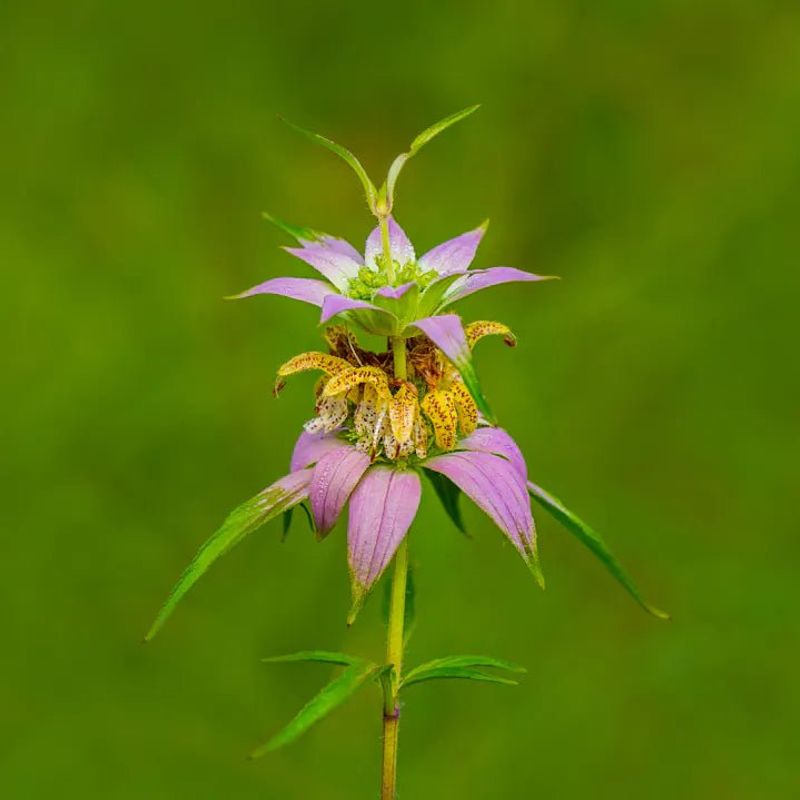
Look closely at spotted beebalm and you get more than one color. Its pale, spotted flowers sit among showy pinkish or cream bracts, making the whole plant look a little like a stack of fancy collars.
For a hot, dry mailbox strip, Monarda punctata brings an unusual shape as well as food for bees and other pollinating insects.
Plant it in full sun and sandy, well-drained soil. Skip rich fertilizer and heavy watering once it is established; conditions that stay too wet are a poorer match for this dry-site native.
Give young plants water as needed during establishment, then let the soil dry somewhat between waterings. Fall planting can help roots develop before Florida’s long warm season.
Spotted beebalm is better as an accent than a carpet. Its stems can grow tall enough to flop into a narrow sidewalk or mailbox approach, so leave space around each plant and cut back untidy growth after flowering.
It may reseed, which is welcome in a larger patch but calls for a quick check in a small strip. Pair it with low frogfruit if you want flowers at two heights without filling every inch with upright stems.
5. Beach Sunflower
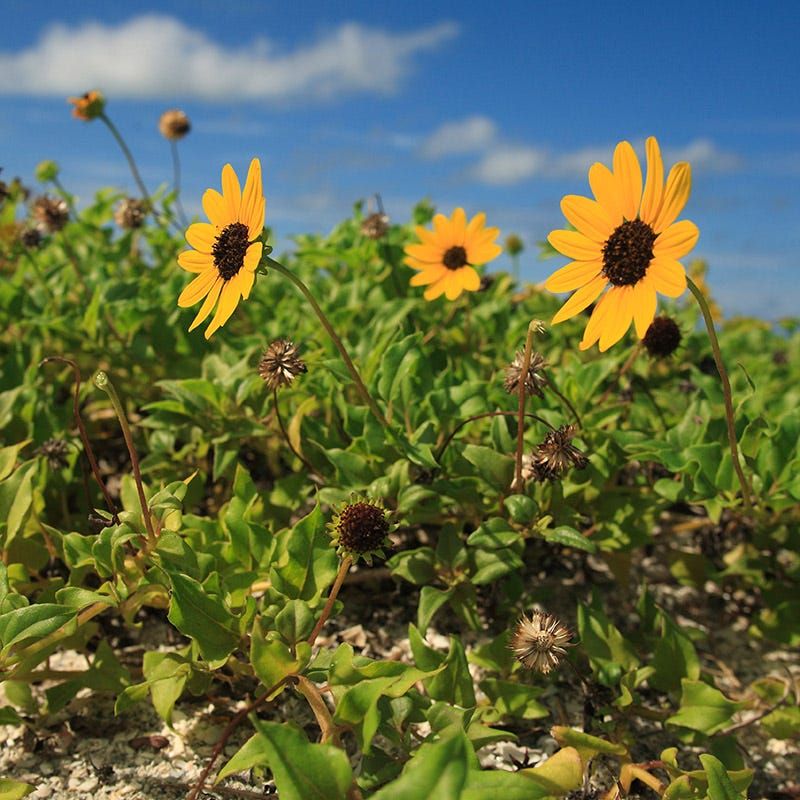
When a mailbox strip bakes in sun all day, beach sunflower earns a look. Helianthus debilis covers its branching stems with golden flowers and can keep the spot lively through much of Florida’s warm season.
It is especially useful where sandy soil dries fast and a single small plant would disappear against the pavement.
Give beach sunflower full sun, good drainage, and room to spread. Water it while it establishes, then ease back; a soggy site is not its best home.
Its flowers attract bees and butterflies, while the broad, low mound helps soften the hard line where a yard meets a driveway or curb. In coastal areas, it can also handle salt exposure better than many garden flowers.
Room to spread is the key phrase here. Growth can reach well beyond the space you first plant, so choose it only if you are willing to trim stems away from the street, sidewalk, and mailbox access.
For a tiny strip, one plant may be plenty. Ask a local native nursery for a beach sunflower suited to your part of Florida, and check local planting rules before putting any plant in a public right-of-way.
6. Black-Eyed Susan
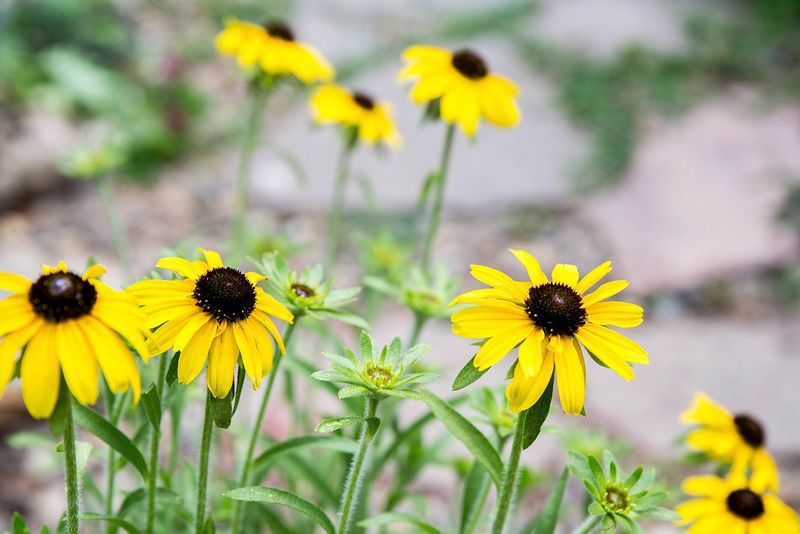
Dark centers and golden petals make black-eyed Susans easy to spot from the street. Rudbeckia hirta gives a mailbox strip the familiar look of a summer flower bed, but its open blooms also welcome bees and butterflies.
It is a good choice if you want a clear splash of color without committing the whole strip to a spreading groundcover.
Choose a sunny site with soil that drains reasonably well. Black-eyed Susan appreciates water while it gets established and may need help during a prolonged dry spell, particularly in very sandy ground.
It is often short-lived, so think of it as a plant that can renew the patch through seed rather than as a permanent, unchanging clump. Leaving some flower heads to dry gives seeds a chance to fall.
That habit makes cleanup a matter of choice. Remove spent stems for a tidier curbside look, or leave a few standing until seeds mature and cut the rest back.
Place taller plants where they cannot hide your house number or interfere with opening the mailbox. If the strip floods for days after heavy rain, look for a better-drained spot or raise the planting area only where local rules allow.
7. Blue-Eyed Grass
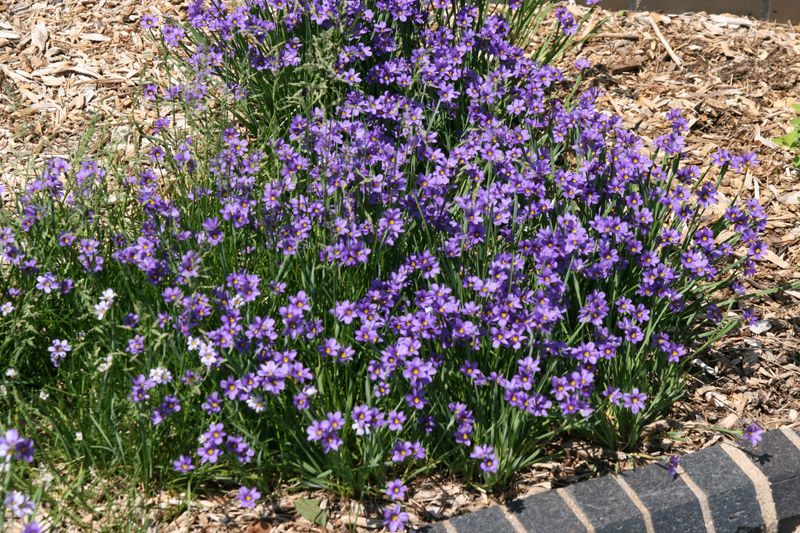
From the road, blue-eyed grass looks like a neat little tuft. Step closer and you will find blue-violet star-shaped flowers with bright yellow centers.
Despite its name, Sisyrinchium angustifolium is not a turf grass, and its small scale makes it useful at the front edge of a mailbox patch where taller flowers would get in the way.
Give it sun to part shade and soil that holds some moisture without staying waterlogged. That matters in Florida: a strip of deep, fast-draining sand may need more watering than this plant can reasonably get.
Try it where runoff or nearby irrigation keeps the soil slightly less dry, but avoid a dip that remains flooded after storms. Water new plants while they establish, and use light mulch to help the soil retain moisture.
Blue-eyed grass is a quiet choice rather than a bold roadside display. Its flowers can support small pollinators, while its narrow leaves keep the planting looking orderly between bloom periods.
Set several plants together so their tiny blooms register from the sidewalk. Before digging anywhere beside the road, check for buried utilities and confirm who controls the strip; an easy-care pollinator patch should never make mailbox service or roadside maintenance harder.