
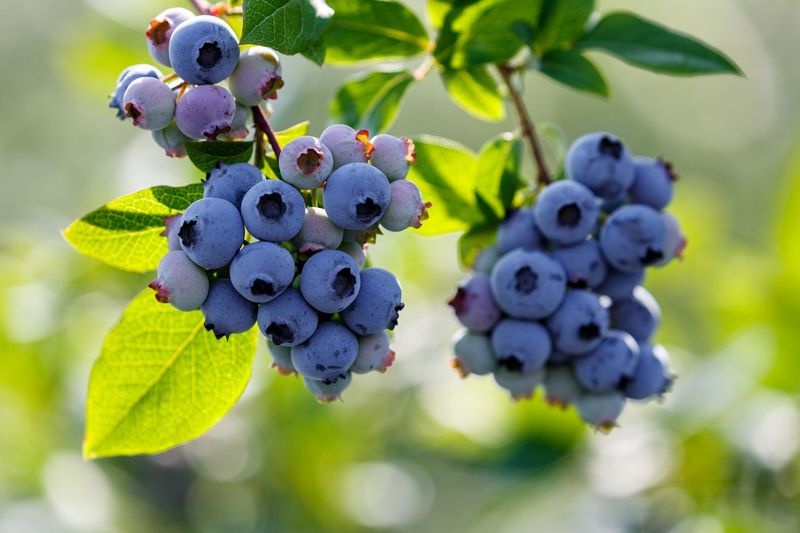
Most backyard blueberry growers in North Carolina spend the summer focused on picking fruit, but the work that matters most for next year’s harvest starts right after the last berry comes off the bush. Late summer and early fall are when blueberry plants quietly build the flower buds that will open the following spring, and letting the plants dry out during that window can chip away at the crop before winter even arrives. Keeping the root zone consistently moist through late summer and into early fall, especially during dry stretches, is the one practice that gives those developing buds the best possible start.
Next year’s berries begin forming after this year’s harvest
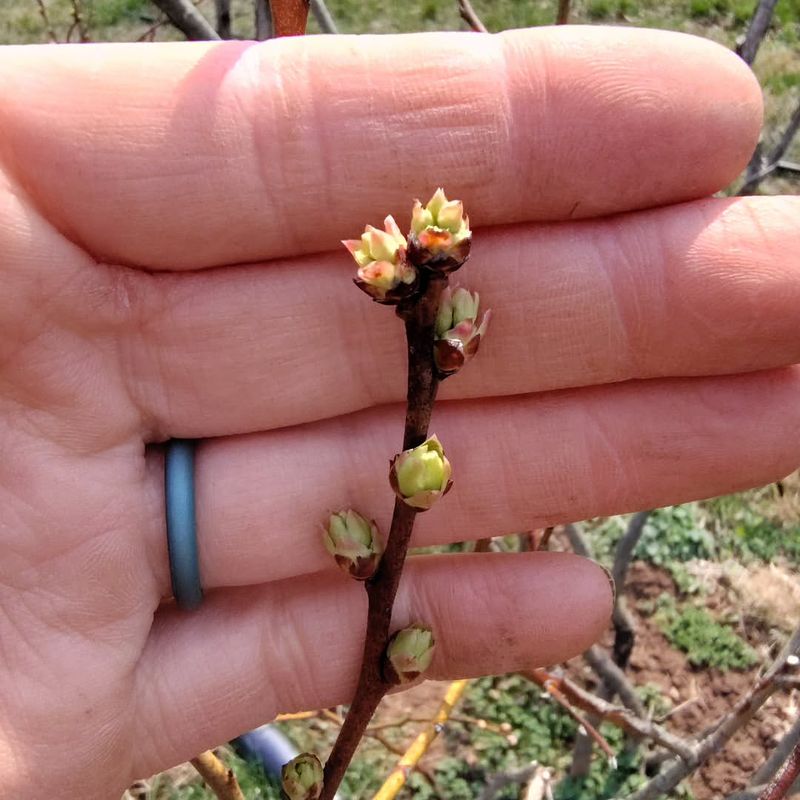
Blueberry bushes do not take a break after the last fruit is picked. Almost immediately, the plant shifts its energy toward building the flower buds that will open the following spring, and that process unfolds during late summer into early fall. UGA Cooperative Extension’s blueberry phenology guide places this flower-bud initiation period generally from August through October, though the precise timing shifts depending on cultivar, local temperatures, day length, and how well the plant has been managed through the season.
Gardeners who understand this timing have a real advantage. A shoot that grew well during the current season, stayed healthy, and kept its leaves through late summer is the same shoot that tends to produce the most flower buds. NC State’s Extension Gardener Handbook notes that healthy shoots commonly develop three to eight flower buds, with each bud capable of opening multiple flowers and setting several berries. A plant carrying weak or stressed shoots heading into fall simply has less to work with.
Cultivar differences matter here. Rabbiteye varieties, common across the North Carolina Piedmont and Coastal Plain, may begin bud initiation on a slightly different schedule than highbush types grown in the mountains. Weather plays a role too, with unusually hot or dry conditions potentially compressing or shifting the window. The practical takeaway is that late summer is not downtime for a blueberry bush, and the care a plant receives between harvest and the first fall frost feeds directly into what shows up in next spring’s blossoms.
The key late-summer task is maintaining adequate moisture
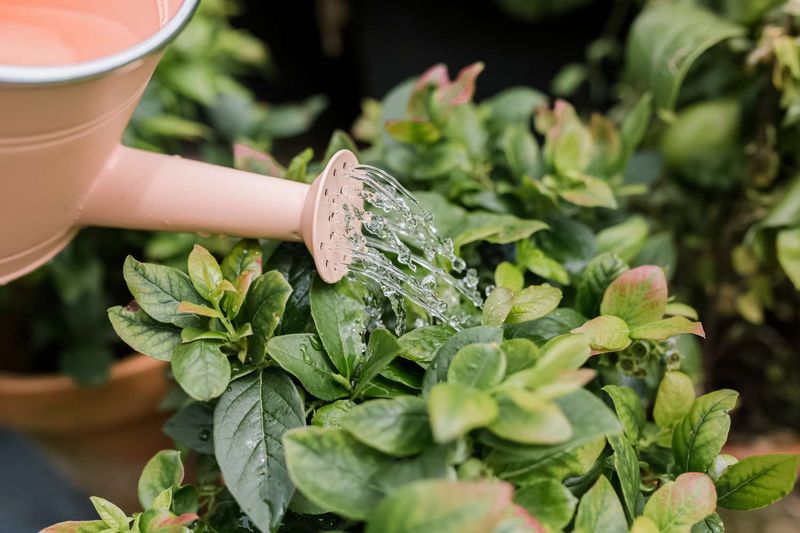
After harvest wraps up, the single most defensible action a North Carolina backyard gardener can take is making sure blueberry bushes do not go thirsty during late summer and early fall. University of Minnesota Extension advises continuing irrigation through late summer and early fall specifically because fruit buds for the next crop are actively developing during that window. When the soil dries out for extended periods, the plant’s ability to form those buds can suffer.
Prolonged drought stress creates a chain of problems. A plant running short on water weakens overall, and weakened plants are more prone to premature leaf loss. Losing leaves early matters because the foliage is still doing work, feeding energy into the shoots where buds are forming. NC State’s blueberry guidance flags sustained dryness as a condition that can reduce plant vigor and interfere with the processes that set up a productive following year.
Skipping a single watering during a week when rainfall has already supplied enough moisture is not the same as letting a plant suffer through a hot, rainless stretch. The concern is sustained drought stress, not one missed irrigation on one specific date. If afternoon thunderstorms have been rolling through your yard regularly, the plants may be fine without supplemental water. The goal is consistent soil moisture through the developmental window, adjusted for what the weather is actually doing rather than locked to a rigid schedule.
NC State’s leaf disease publication connects premature defoliation with reduced late-summer flower-bud formation and potentially significant reductions in the following year’s yield, which underscores why keeping plants well hydrated, and therefore less stressed, matters in the months after harvest.
How much water should a North Carolina bush receive?
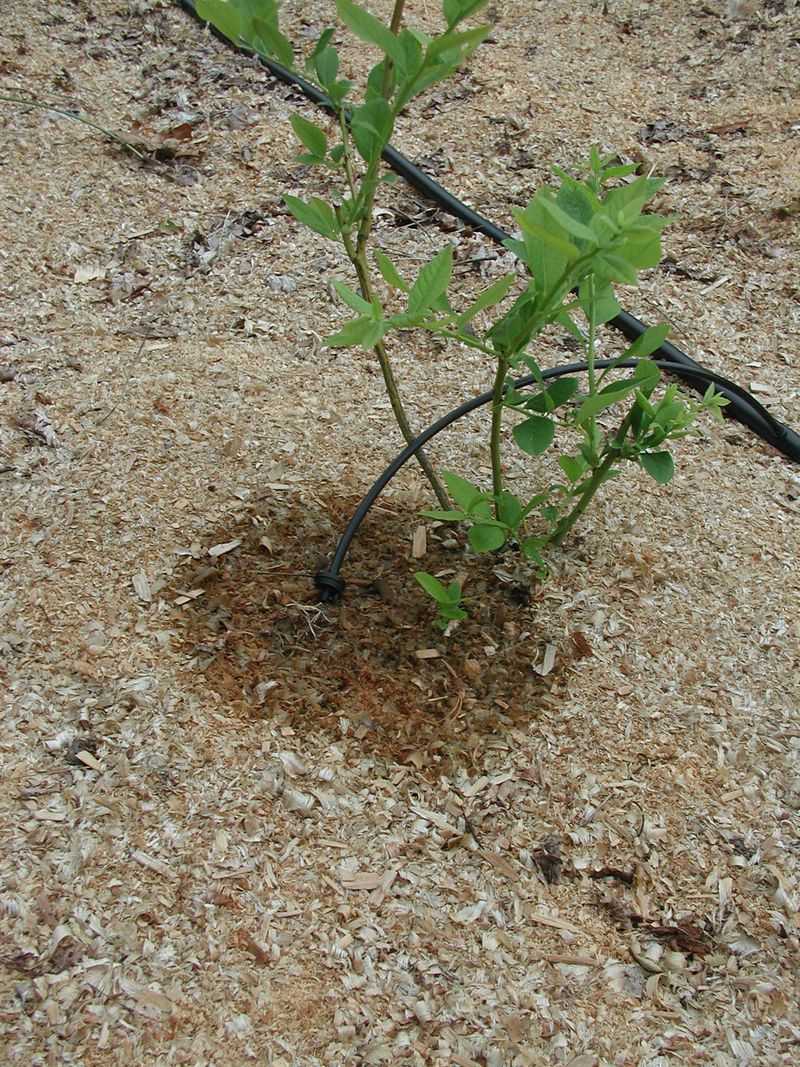
A practical starting point for home gardeners comes from NC State’s recommendation of approximately 1 to 2 inches of water per week during the growing season, counting both rainfall and any supplemental irrigation together. That range gives you a benchmark rather than a hard rule, and it should flex with what the season is actually doing. A mild week with overcast skies and regular showers calls for less intervention than a stretch of 95-degree days with no rain in sight.
Paying closer attention during extended heat or drought is more useful than sticking to a fixed watering day. Before reaching for the hose, push your finger or a small trowel into the soil a few inches below the mulch layer. If the soil feels dry at that depth, the root zone likely needs water. If it still feels cool and slightly damp, the plants can probably wait another day or two.
Blueberry roots are shallow and spread out rather than diving deep, so checking just a few inches down gives an honest read on what the plant is experiencing.
When you do water, apply it slowly and directly to the soil around the root zone rather than spraying the foliage from above. Drip irrigation and soaker hoses work well for blueberries because they deliver water gradually at ground level, reduce the chance of wetting leaves, and encourage moisture to soak in rather than run off. A brief overhead sprinkle that wets the surface but barely penetrates the mulch does little for a shallow-rooted plant during a dry spell.
Rainfall counts toward your weekly total, so keep a simple rain gauge nearby or check a local weather station if you want a quick reference. The aim is steady, even moisture through late summer and early fall, not a strict schedule that ignores what the sky is already providing.
Mulch steadies the shallow root zone
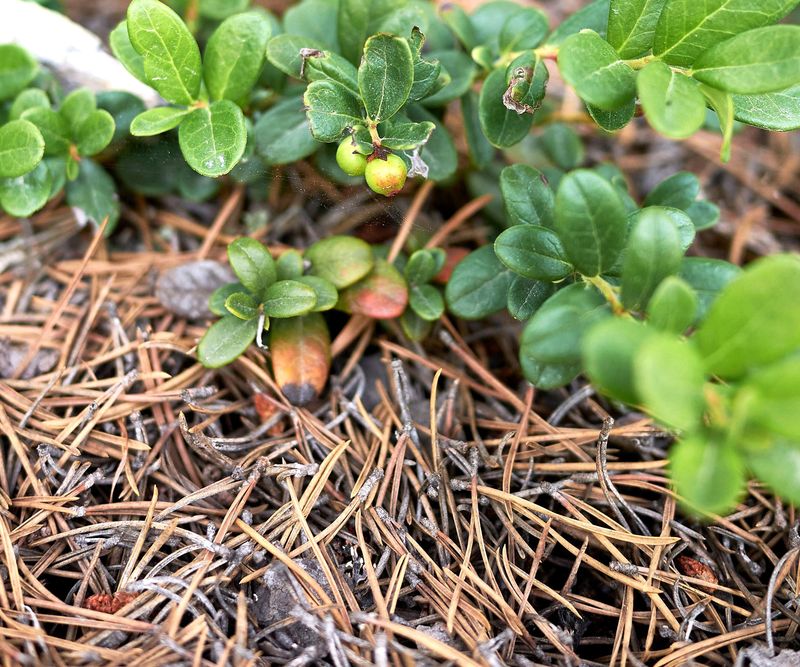
Blueberry roots are unusually shallow compared to most backyard fruit plants, and that makes them quick to feel the effects of dry or fluctuating soil conditions. A consistent layer of organic mulch around each plant acts as a buffer, slowing evaporation from the soil surface and smoothing out the moisture swings that hot late-summer days can create. NC State’s home garden blueberry publication recommends maintaining mulch around plants, and pine bark, pine needles, and similar acidic organic materials are commonly favored choices because they break down gradually and suit blueberry’s preference for acidic soil conditions.
A few inches of mulch spread out to cover the root zone, roughly as wide as the plant’s canopy, does most of its work between waterings. During a dry week, that layer can be the difference between soil that stays workably moist and soil that bakes into a crust by midday. Mulch also keeps soil temperatures more stable, which benefits the shallow roots that are supporting all the bud-forming activity happening in the shoots above.
One detail that trips up gardeners is piling mulch directly against the plant’s stems. Keep the mulch pulled back a few inches from the base of each cane to avoid trapping moisture against the wood, which can invite rot and pest problems. Mulch supports the watering routine but does not replace it. Extension guidance on blueberry root health reinforces that blueberries need consistent moisture alongside well-drained soil.
A mulched plant sitting in waterlogged ground is not better off than an unmulched one; good drainage remains essential, and the goal is steadily moist, not perpetually soggy.
Healthy green leaves support the next crop
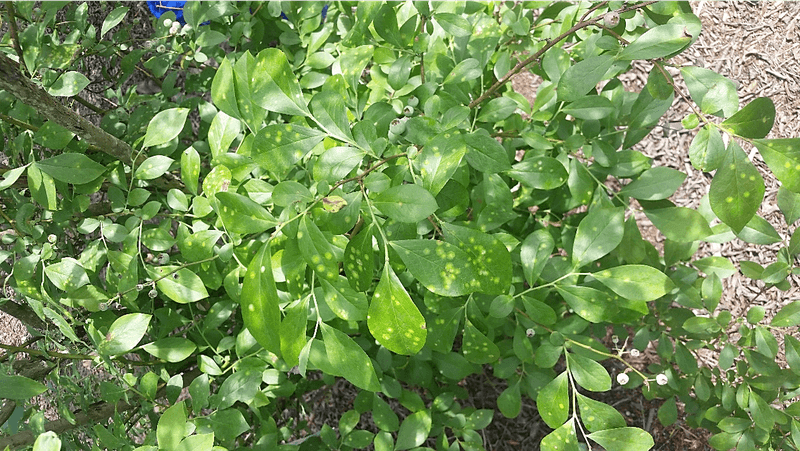
Leaves are not just decoration on a blueberry bush in late summer. They are the plant’s energy factories, converting sunlight into the carbohydrates that fuel shoot growth and bud formation. Losing those leaves prematurely, before the plant has finished building its flower buds, cuts off that fuel supply at exactly the wrong time.
NC State’s leaf disease guide is direct on this point: premature defoliation caused by blueberry leaf diseases can reduce late-summer flower-bud formation and may significantly reduce the following year’s yield. Several fungal diseases common in North Carolina, including leaf spots and blights, can cause leaves to drop weeks or months ahead of natural fall senescence. A plant that loses most of its leaves in August is heading into the bud-initiation window already running low on resources.
Gardeners should resist the urge to strip off leaves that look slightly off but are still green and attached. Removing healthy foliage does more harm than leaving a few imperfect leaves in place. If you notice widespread spotting, yellowing, or early leaf drop affecting most of the plant, that is worth investigating. Contact your local NC Cooperative Extension office or use NC State’s plant disease resources to identify what is happening before reaching for any spray product.
Pesticide choices for blueberry leaf diseases depend on the specific pathogen, the product’s label, and the timing of application, so a general recommendation without a diagnosis is not helpful and could waste money or cause unintended harm.
Keeping the canopy intact through late summer is a quiet but meaningful form of crop protection. Combined with steady soil moisture, it gives the plant the best conditions for converting this season’s growth into next spring’s flowers.
North Carolina’s regions change the watch points
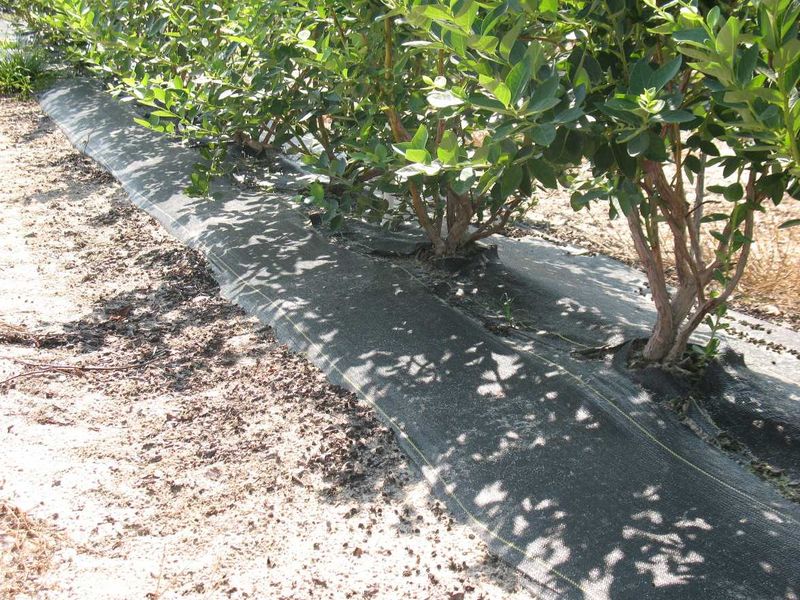
North Carolina stretches across a wide range of climates and elevations, and blueberry recommendations that fit one part of the state may not translate directly to another. NC State’s home garden blueberry guide identifies rabbiteye varieties as well suited to much of the Piedmont and Coastal Plain, while highbush types are more appropriate for mountain conditions. Rabbiteyes are generally not recommended above approximately 2,500 feet in western North Carolina because winter cold at those elevations can damage or kill them.
For Piedmont and Coastal Plain gardeners, the late-summer moisture concern is especially pressing. Hot, humid summers punctuated by stretches of dry weather are common across those regions, and blueberry roots in sandy or clay soils can lose available moisture quickly during a rainless week. Gardeners in these areas should monitor soil moisture closely from July through September and be ready to water deeply when rainfall falls short of the weekly benchmark.
Mountain gardeners growing highbush varieties face a different set of priorities alongside moisture management. Winter hardiness becomes a bigger factor at higher elevations, and the risk of a late spring freeze killing newly opened flowers is more significant in the mountains than in the Piedmont or along the coast. A mountain gardener who keeps plants well watered through fall is still exposed to freeze risk the following April, so regional awareness matters for setting realistic expectations about what any single practice can and cannot protect against.
Wherever you garden in North Carolina, knowing your cultivar type and your regional conditions helps you tune the general advice to what your specific plants actually need.
Keep routine pruning and fertilizing in their proper seasons
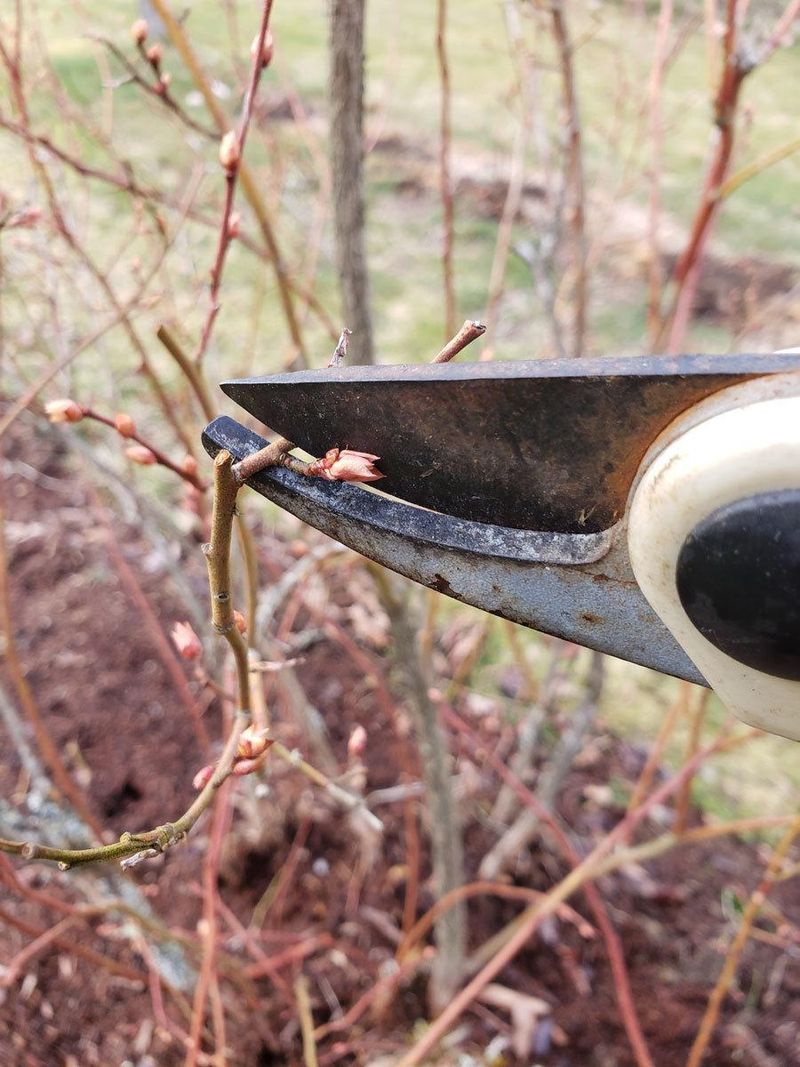
Late summer is not the time to reach for the pruning shears on a blueberry bush. Routine pruning for backyard blueberries in North Carolina generally happens during dormancy, from late fall through winter and into early spring, roughly November through March. During that window, NC State’s small fruits guidance describes removing old, weak, diseased, crossing, and low-angled wood as the primary goal, along with thinning to prevent overcropping and encourage strong new shoot growth.
Cutting live shoot tips during late summer and early fall carries a real downside. Those tips are precisely where flower buds are forming on many cultivars, so trimming them off removes developing fruiting wood before it ever has a chance to bloom. Saving that work for the dormant season avoids the conflict and lets you see the full structure of the plant before making cuts.
Fertilization is another practice that belongs in a different season for most home gardeners. NC State’s guidance places the primary emphasis for blueberry fertilization in spring, and NC State’s childcare garden blueberry publication notes that excess fertilizer can injure blueberry plants. Heavy late-season fertilization is not a reliable way to rescue a stressed plant or guarantee a better crop the following year. Fertilizer decisions should be tied to plant age, current vigor, cultivar, and ideally a soil test result rather than applied as a blanket response to a dry summer.
If you want to act on NC State’s fertilizer guidance for blueberries, the best time to start is before the growing season begins, not after harvest. Late summer’s one timely job is moisture management during dry conditions, and keeping that as the focus avoids the missteps that can actually set plants back.
Use a simple moisture check through early fall
A manageable routine does not require specialized equipment or a strict watering calendar. Start by counting rainfall during the week. If your area has received close to an inch or more, the plants may not need supplemental water at all. When rainfall has been scarce, press your fingers or a small trowel a few inches below the mulch and feel whether the soil is dry.
NC State recommends roughly 1 to 2 inches of water per week from rainfall and irrigation combined, so that soil check tells you whether the gap needs filling.
When the root zone is drying out, water slowly and thoroughly at the soil surface, keep mulch in place and pulled back from stems, and leave healthy green foliage alone. UGA’s blueberry phenology research places the bud-forming window generally from August through October, so the goal is adequate moisture across that stretch, not a single action on one date.
Steady moisture during this period addresses one real source of crop stress, but it cannot stand in for good cultivar selection, winter hardiness, spring-freeze luck, pollinator activity, or protection from leaf diseases that cause early defoliation. A well-watered plant heading into fall has given itself the best shot at a full bloom come spring. What happens after that is partly up to the weather, and partly up to the cultivar choices and site conditions you put in place from the start. The soil check costs nothing and takes thirty seconds – that is a good trade for next summer’s harvest.