
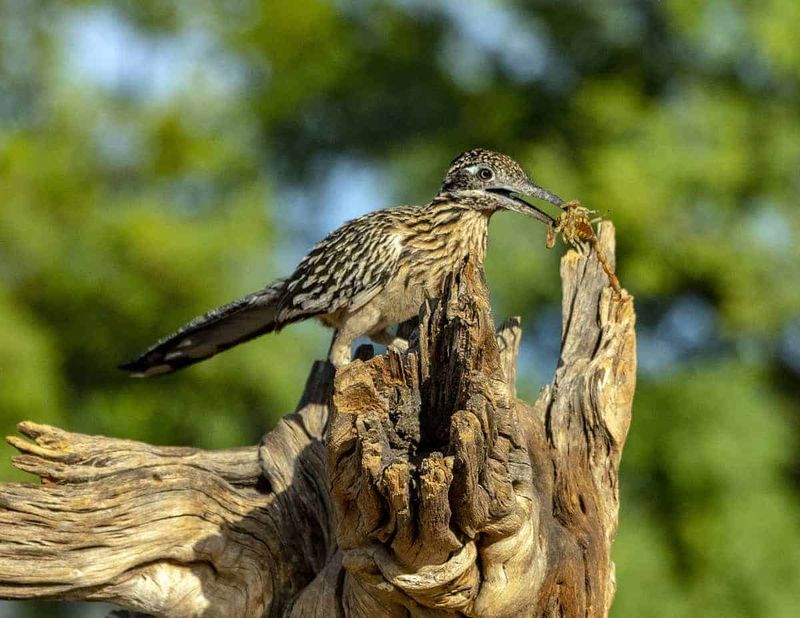
Spotting a Greater Roadrunner sprinting across a Central Texas yard is one of those moments that stops you in your tracks. These birds do eat scorpions, and that fact has led many homeowners to wonder whether encouraging more roadrunners could mean fewer scorpions near the house. The honest answer is more complicated than that, and understanding the difference between a useful wildlife neighbor and a reliable pest-control solution could save you some trouble this summer.
Roadrunners eat scorpions—but that does not make them household control
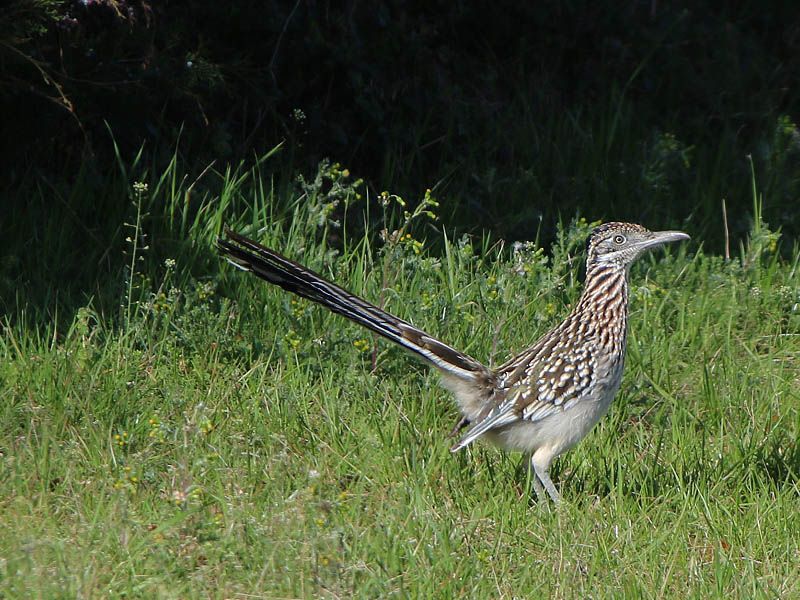
Greater Roadrunners are genuine scorpion predators. Texas Parks and Wildlife Department lists scorpions among the prey that adult roadrunners bring back to their young, and Texas A&M AgriLife confirms scorpions as part of the species’ varied diet. So when a roadrunner patrols through your yard, there is a real chance it picks off a scorpion or two along the way.
That dietary fact, however, is a long way from calling the bird a dependable pest-control service. Roadrunners are opportunistic hunters. Cornell Lab of Ornithology documents their menu as a wide mix of insects, spiders, lizards, snakes, rodents, small birds, eggs, fruit, and seeds. Scorpions are one item on a long list, not a specialty the bird will reliably pursue around your foundation on any given evening.
No reviewed study shows that attracting more roadrunners to a yard measurably lowers the number of scorpions a homeowner encounters near the house. The bird’s presence is a welcome sign, but it is not a tested scorpion-reduction program. Treating it as one can leave real gaps in your protection.
The more useful framing is this: Central Texas homeowners can shape their yards to be more suitable for naturally occurring roadrunners by preserving a habitat mix those birds actually use. That effort supports native wildlife. For actual scorpion prevention around the structure, proven exclusion and debris-management steps carry the load, and those are covered later in this guide. Both goals are worth pursuing, but keeping them separate helps you manage expectations and stay safe.
A yard sighting may represent a much larger territory
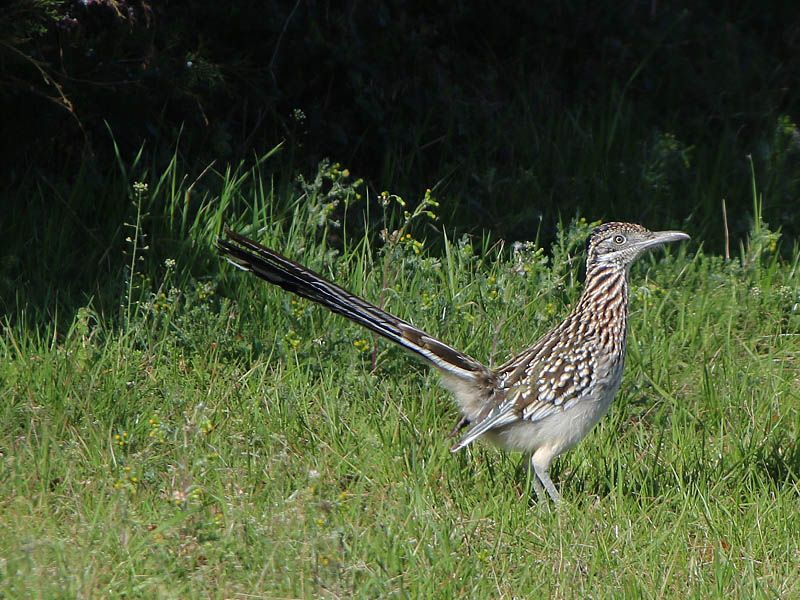
Watching a roadrunner trot through your backyard feels personal, like the bird chose your property. In reality, that bird is almost certainly moving through a territory far larger than your lot, and your yard may be only a small slice of its daily circuit.
Texas radio-telemetry research puts the scale in perspective. A study of Greater Roadrunner home range and habitat selection in west Texas documented home ranges of roughly 43 hectares, and work in north-central Texas found ranges running closer to 80 to 90 hectares. A typical suburban lot in Austin or San Antonio covers less than half a hectare. A single bird’s territory can span dozens of properties, parks, vacant lots, and brushy corridors.
The USGS study on Greater Roadrunner home range dynamics, habitat selection, and survival found that movement patterns shift with habitat quality, season, sex, and individual behavior. A bird seen in your yard in March may not return for weeks. One that visits regularly during nesting season may disappear entirely once the young fledge. These are not patterns that translate into consistent scorpion removal from a single address.
None of that makes the sighting meaningless. A roadrunner moving through your neighborhood is evidence that the surrounding landscape still supports the species, which is genuinely good news for local biodiversity. The practical takeaway is simply to resist the assumption that the bird is stationed on your property or that its visits will hold scorpion numbers in check. Yard habitat that fits into a larger connected landscape gives roadrunners a reason to pass through more often, but passing through is not the same as patrolling.
Build a managed brush-and-open-ground habitat mosaic
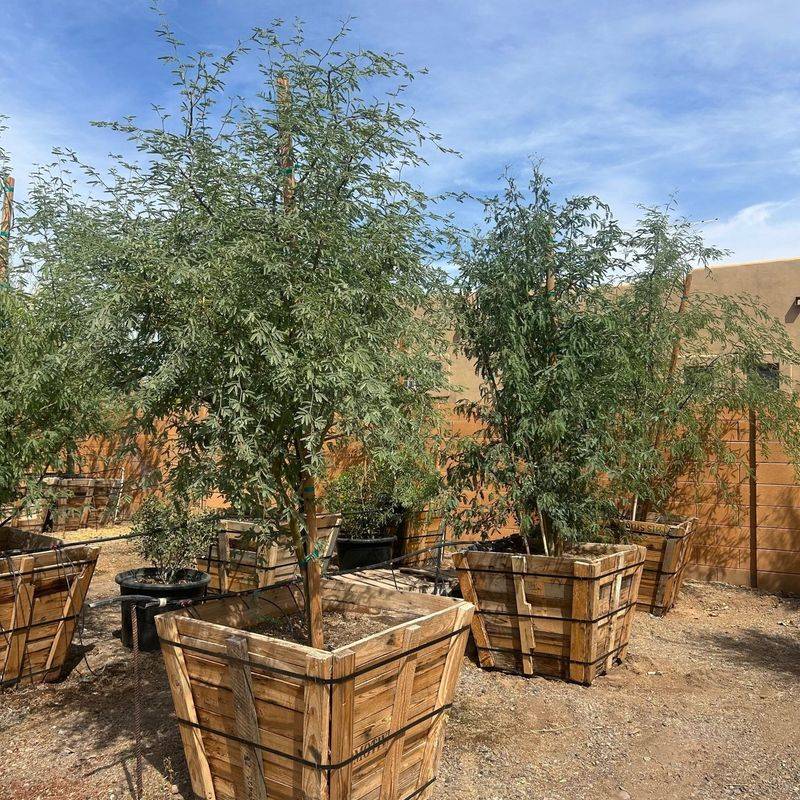
Central Texas yards that support occasional roadrunner visits tend to share a common pattern: they are neither bare nor overgrown. Research points consistently to varied conditions rather than any single plant or landscape style as the habitat feature that matters most.
Texas Parks and Wildlife describes useful roadrunner habitat as scattered trees or shrubs, thorny cover, and nearby open areas where the bird can walk and hunt. Nest sites are typically tucked inside a cactus, thorny bush, or low tree, so some woody cover is necessary. At the same time, the bird needs open ground to chase prey on foot. A yard that is wall-to-wall lawn gives a roadrunner nowhere to hide or nest.
A yard that is an unmanaged thicket gives it nowhere to forage effectively.
The west Texas habitat-selection study found roadrunners favoring mesquite woodland, mesquite savanna, riparian woodland, and ridge-associated conditions, while results varied across different scales of analysis. The practical message is that a managed mosaic of native shrubs, open patches, and small trees serves the bird better than either extreme. Mesquite, where it fits your property and local regulations, is a reasonable choice; so are native acacias and other thorny shrubs suited to your specific part of Central Texas.
The USGS home range study also found that excessive removal of woody cover reduced nesting and roosting habitat for roadrunners. That means thoughtful pruning and selective clearing serve the goal better than wholesale clearing. Keep existing native shrubs and small trees where they do not pose a structural problem for the house, and resist the urge to strip the yard down to bare caliche.
Central Texas covers a range of soils, rainfall zones, and plant communities. What grows well in the Hill Country differs from what works in the Blackland Prairie or the eastern edge of the Edwards Plateau. Focus on plants already present in your area and suited to your conditions, rather than importing a species based on a generic list. No single plant is a guaranteed roadrunner lure, and any claim otherwise should be treated with skepticism.
Offer shallow, clean water without treating it as bait
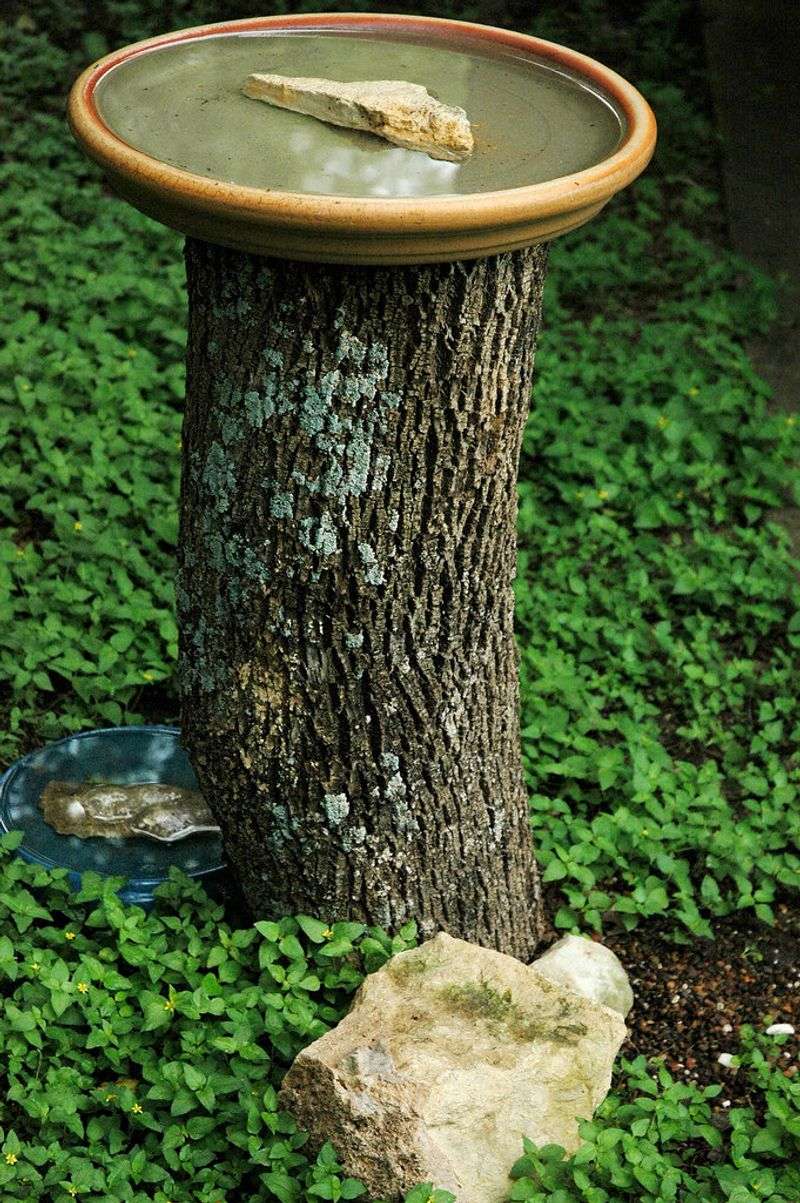
Water is a reasonable addition to a wildlife-friendly yard, but it helps to understand what it can and cannot do before you set out a basin and wait for a roadrunner to appear. Roadrunners obtain a significant portion of their moisture from the prey they eat, so a water source is not the key that unlocks their presence the way it might be for songbirds that depend on drinking regularly.
Texas Parks and Wildlife guidance on supporting wildlife recommends keeping any bird-water source no more than 3 inches deep, refreshing it regularly, and cleaning it to limit algae and bacteria. A low, wide, shallow basin is the right form. Deep pond edges, birdbaths with steep walls, and containers that hold standing water for days create sanitation problems and can attract unwanted animals.
A water source placed in the yard will likely attract many species: songbirds, mockingbirds, doves, and various insects among them. That broader wildlife activity is a reasonable outcome and contributes to a yard that feels alive. What it will not do is guarantee a roadrunner visit or substitute for the habitat conditions the bird actually needs, including shrubby cover, open foraging ground, and a connected landscape with sufficient prey.
Clean the basin every few days during hot weather, scrubbing off any algae and refilling with fresh water. In triple-digit Central Texas summers, water evaporates quickly and stagnant water becomes a mosquito concern. A shallow, well-maintained basin is a net positive for local wildlife; a neglected one creates more problems than it solves. Treat it as a maintenance task, not a set-and-forget feature.
Keep wildlife habitat away from the home’s perimeter
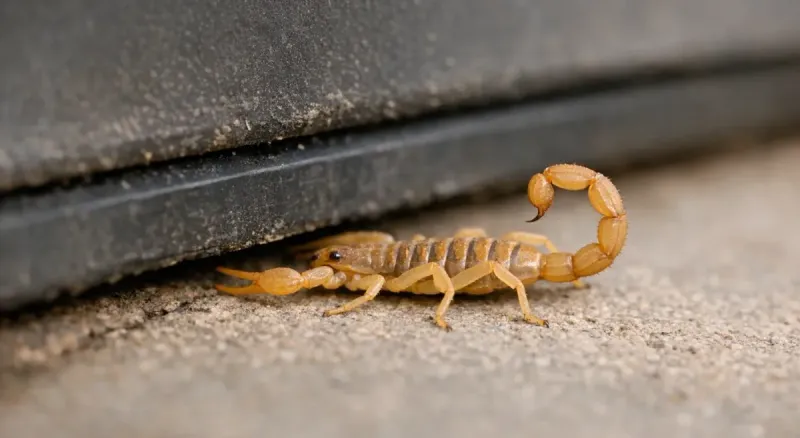
One of the most common mistakes in wildlife-friendly landscaping is letting habitat features creep up against the house. Brush piles, stacked firewood, flat rocks, fallen boards, and dense vegetation right against the foundation are exactly the conditions scorpions seek for daytime shelter and nighttime hunting. The same features that support interesting wildlife in the middle of a yard become a liability within a few feet of the structure.
Texas A&M AgriLife Extension’s scorpion management guidance is specific about what to remove from the area around a home: boards, rocks, debris, and firewood should be stored away from the building. Vegetation and branches should not touch the walls or roof. Weather-stripping on doors and windows should be intact and well-fitted. Cracks and gaps in the foundation, siding, and utility entry points should be sealed.
Vents and weep holes should be screened.
Extension guidance on scorpion biology and management reinforces that scorpions are climbers as well as ground-level hunters, which is why vegetation touching the building matters. A branch resting against the eave is a ramp. Dense ground cover pressed against the wall is a harborage. Neither needs to exist within a yard that also supports wildlife further from the house.
The practical solution is a clear buffer zone. Keep the area immediately around the foundation as open and uncluttered as possible. Move firewood storage to a shed or rack at least several feet from the structure. Relocate rock arrangements, decorative logs, and compost bins away from the perimeter.
Native shrubs and thorny cover can still exist in the yard; they just should not be planted or allowed to grow against the walls.
Texas A&M also notes that scorpions are difficult to eliminate with insecticides alone, making habitat modification and exclusion the more dependable first line of defense. If pesticides are used as part of a broader approach, follow label directions precisely and treat them as a supplement to physical exclusion rather than a replacement for it.
Skip bait, feeders, and claims that roadrunners are harmless
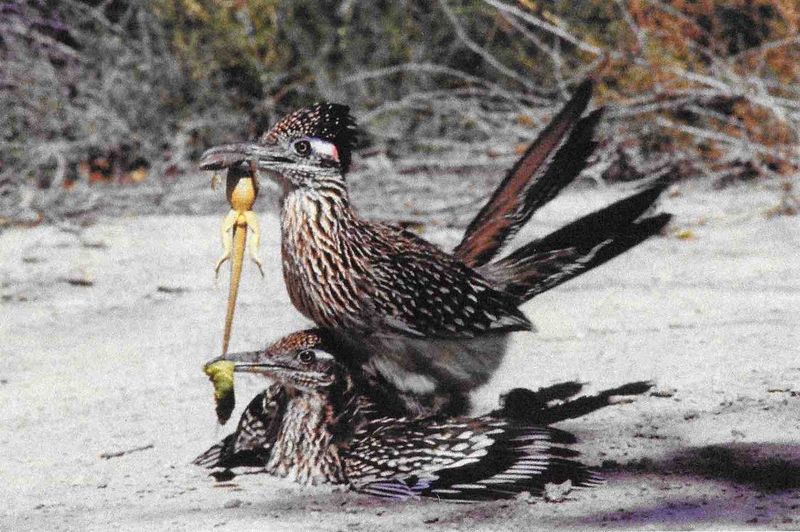
Shortcuts circulate online whenever a charismatic animal catches people’s attention, and roadrunners are no exception. Raw chicken on a fence post, dog food in a dish, live scorpions placed in the open, dead lizards left out as offerings – none of these are recommended, and all of them carry real risks.
TPWD wildlife support guidance warns that feeding wildlife can attract rodents, predators, and disease vectors, create unhealthy concentrations of animals, and generate conflicts that harm the animals themselves. Placing food outdoors to lure a specific bird is more likely to bring raccoons, opossums, rats, and fire ants to your yard than it is to produce a resident roadrunner. Those animals create their own problems and can undermine the scorpion-prevention work you have done around the perimeter.
Standard bird feeders stocked with seed are also not a meaningful roadrunner attraction. Roadrunners are primarily animal-eating predators. Cornell Lab of Ornithology notes that roadrunners have been documented taking birds directly from feeders and raiding nest boxes. A feeder may draw the songbirds that roadrunners occasionally prey upon, which is worth knowing before you set one up with the expectation of creating a safe, harmonious wildlife station.
Roadrunners are not universally beneficial from every angle. Their diet includes lizards, snakes, small rodents, nestlings, eggs, and other birds. Texas wildlife researchers have raised questions about possible effects on Texas horned lizards in some settings. That does not make roadrunners unwelcome, but it does mean framing them as purely harmless pest-control birds is not accurate.
They are native predators doing what native predators do, and the yard should be managed with that full picture in mind rather than a simplified version of it.
Welcome the wild visitor, but rely on exclusion for scorpions
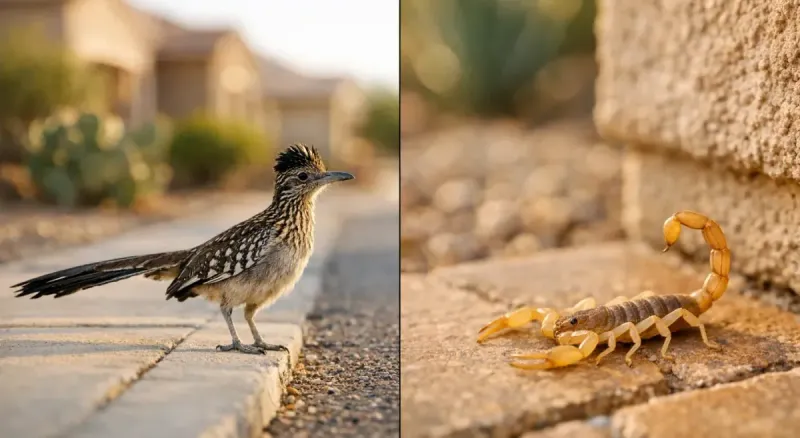
Putting the full picture together: a yard with native shrubs, open foraging ground, and a clean shallow water source is genuinely better habitat for roadrunners and many other Central Texas wildlife species. That is worth doing on its own terms, independent of any scorpion-reduction expectation.
For actual scorpion prevention, Texas A&M AgriLife Extension’s scorpion guidance points to sealing, screening, debris removal, and vegetation management as the dependable first steps. Those measures address the structural access and harborage conditions that allow scorpions to enter and shelter near the home. No amount of wildlife-friendly landscaping replaces them.
Texas has 18 recorded scorpion species, and the striped bark scorpion is the one most Central Texas homeowners will encounter. Typical stings are described as producing moderate pain, but individual reactions vary. Severe symptoms, including difficulty breathing, widespread numbness, or unusual muscle activity, call for urgent medical attention. Do not treat all stings as automatically minor.
On the wildlife side, TPWD advises Texans not to handle, capture, relocate, or disturb wild roadrunners or their young. If you find a fledgling on the ground that appears healthy, leave it alone; the parents are almost certainly nearby. Native birds are protected under state and federal law, and well-meaning interference can do more harm than leaving the bird undisturbed.
A roadrunner moving through your yard is a sign of a landscape still connected enough to support a wide-ranging native predator. Appreciate that for what it is, a genuinely good thing, without expecting the bird to stand guard at your door every night.